
La Scultura del giorno: l’Audace Righetto di Strazza
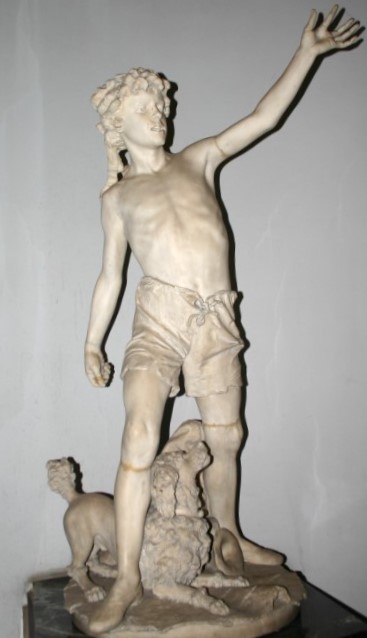
La scultura del giorno che vi propongo oggi è l’Audace Righetto, scolpito da Giovanni Strazza nel 1851 e custodito a Palazzo Litta di Milano.
Con quest’opera Strazza volle rendere omaggio ai troppo ragazzini che nella difesa della Repubblica Romana del 1849 persero la vita. Il giovane fu rappresentato dall’artista a torso nudo, abbigliato solamente con pantaloni laceri.
Mostra il braccio levato appena dopo aver strappato via la miccia a una bomba per disinnescarla. Accucciata fra le gambe si vede una cagnolina, compagna di vita così come di sventura.

Del giovanissimo Righetto sappiamo che aveva dodici anni, che era mingherlino, orfano e che era biondo. Per sopravvivere, i bottegai di Trastevere gli faccevano fare dei piccoli lavori per guadagnarsi quel poco che bastava per il sostentamento.
Arrivò poi il momento dell’assedio di Oudinot a Roma e i cannoni insediavano le mura del Gianicolo mentre le bombe cadevano in città, portando devastazione e morte.
In quel frangente il coraggio dei romani divenne quasi proverbiale tanto che Garibaldi scrisse ad Anita in una lettera “qui le donne e i ragazzi corrono addietro alle palle e bombe gareggiandone il possesso“.

Righetto era uno dei giovani più audaci e svelti nel gettarsi sulle bimbe per soffocarle con uno straccio intriso d’acqua fino a quando un giorno, un ordigno cadde vicino a lui, mentre si trovava in piazza Mastrai. Ci si gettò sopra per spegnerlo ma era troppo tardi ed espolose dilaniando lui, la fedelissima amica a quattro zampe Sgrullarella e chi era nei dintorni.
Il giovane era in condizioni disperate ma ancora vivo. Il medico Romano Feliciani effettuò il primo soccorso ma non ci fu nulla da fare, dopo diverse settimane morì dilaniato dai dolori.
Per il momento il vostro Michelangelo Buonarroti vi saluta dandovi appuntamento ai prossimi post e sui social.

Sculpture of the day: the Audace Righetto by Strazza
The sculpture of the day that I propose to you today is the Audace Righetto, sculpted by Giovanni Strazza in 1851 and kept in Palazzo Litta in Milan.
With this work Strazza wanted to pay homage to the too young boys who lost their lives in the defense of the Roman Republic in 1849. The young man was represented by the artist bare-chested, dressed only in ragged trousers.
He shows his arm raised just after ripping the fuse off a bomb to defuse it. Crouched between his legs you can see a little dog, a companion in life as well as in misfortune.
We know about the very young Righetto that he was twelve years old, that he was skinny, an orphan and that he was blond. To survive, the shopkeepers of Trastevere made him do small jobs to earn just enough to support himself.
Then came the time of the siege of Oudinot in Rome and the cannons settled the walls of the Janiculum while the bombs fell on the city, bringing devastation and death.
At that moment the courage of the Romans became almost proverbial so much so that Garibaldi wrote to Anita in a letter “here the women and boys run after the balls and bombs competing for possession”.
Righetto was one of the boldest and quickest young people in throwing himself on little girls to suffocate them with a rag soaked in water until one day, an explosive device fell near him, while he was in Piazza Mastrai. He threw himself on it to put it out but it was too late and it exploded, tearing him apart, his faithful four-legged friend Sgrullarella and whoever was nearby.
The young man was in desperate conditions but still alive. The doctor Romano Feliciani carried out first aid but there was nothing to be done, after several weeks he died of pain.
For the moment, your Michelangelo Buonarroti greets you and will meet you in future posts and on social media.

Sostienici – Support Us
Se questo blog ti piace e ti appassiona, puoi aiutarci a farlo crescere sempre più sostenendoci in modo concreto condividendo i post, seguendo le pagine social e con un contributo che ci aiuta ad andare avanti con il nostro lavoro di divulgazione. . ENGLISH: If you like and are passionate about this blog, you can help us make it grow more and more by supporting us in a concrete way by sharing posts, following social pages and with a contribution that helps us to move forward with our dissemination work.
8,00 €
-
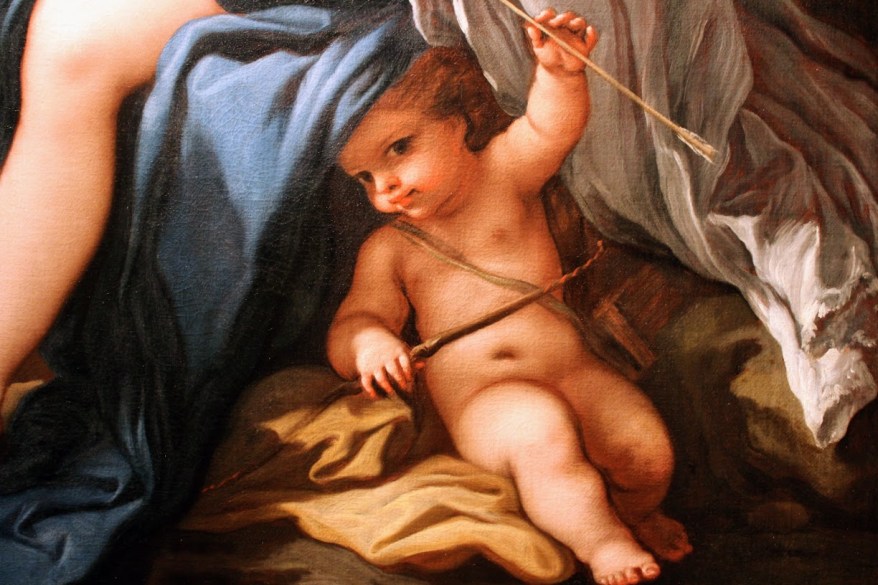
18 ottobre 1634: nasce Luca Giordano, il pittore che dipingeva così in fretta da essere chiamato «Luca fa’ presto»
🇮🇹Luca Giordano nacque a Napoli il 18 ottobre 1634. Scopri perché era chiamato «Luca fa’ presto» e i suoi capolavori, dalla Galleria degli Specchi alla corte di Spagna… 🇬🇧Luca Giordano was born in Naples on October 18, 1634. Discover why he was nicknamed “Luca fa’ presto” (“Luca, hurry up!”) and explore his masterpieces—from the Hall…
-
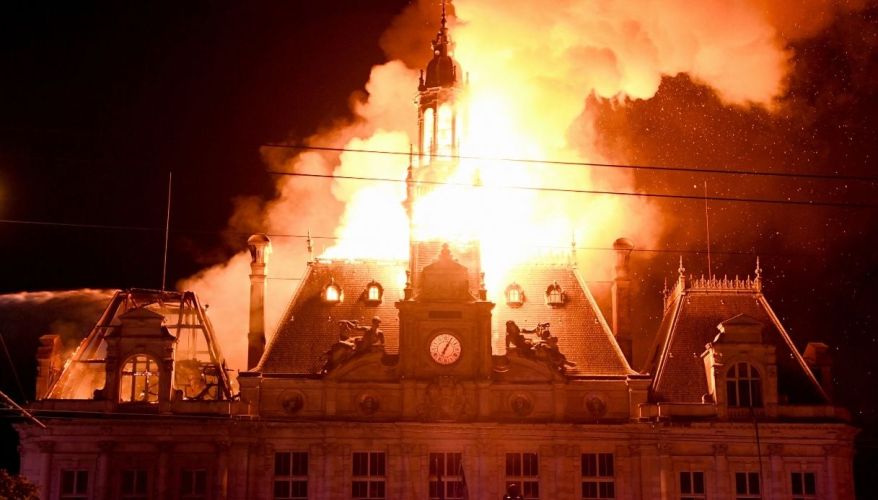
Incendio al municipio di Limoges, crolla la torre dell’orologio: distrutto storico palazzo dell’Ottocento
🇮🇹Incendio a Limoges, il municipio storico è devastato: crollano il tetto e la torre dell’orologio alta 43 metri. Che cosa resta del patrimonio artistico? 🇬🇧Fire in Limoges: the historic town hall is devastated, with its roof and 43-meter-tall clock tower having collapsed. What remains of its artistic heritage?
-
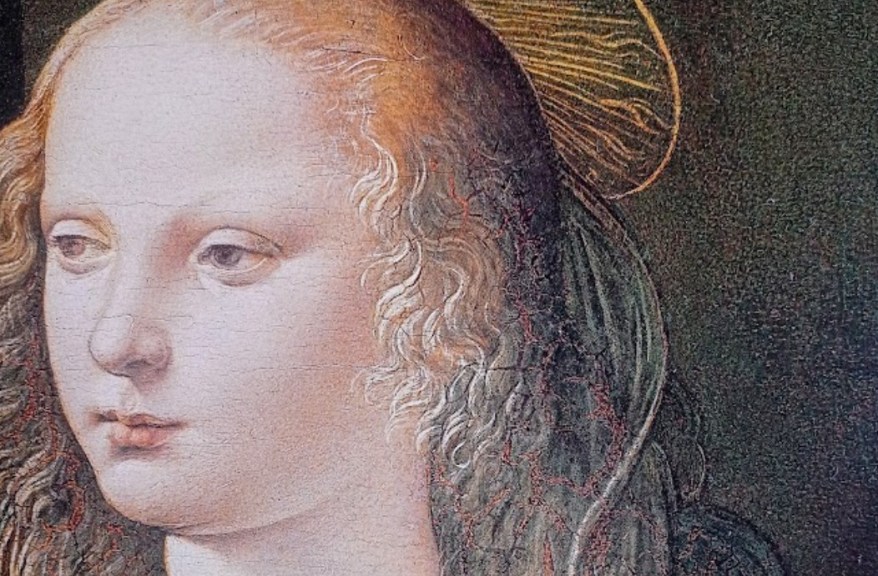
Prima di Gesù Bambino viene l’Annunciazione: i dipinti che raccontano l’inizio della storia di Natale
🇮🇹Prima di Gesù Bambino c’è l’Annunciazione: scopri i dipinti più celebri di Leonardo, Beato Angelico e Simone Martini e i simboli nascosti nell’arte cristiana… 🇬🇧Before the Christ Child comes the Annunciation: discover the most famous paintings by Leonardo, Fra Angelico, and Simone Martini, and the symbols hidden within Christian art…
Condividi:


Questo sono io




sostienici

Sostienici – Support Us
Se questo blog ti piace e ti appassiona, puoi aiutarci a farlo crescere sempre più sostenendoci in modo concreto condividendo i post, seguendo le pagine social e con un contributo che ci aiuta ad andare avanti con il nostro lavoro di divulgazione. . ENGLISH: If you like and are passionate about this blog, you can help us make it grow more and more by supporting us in a concrete way by sharing posts, following social pages and with a contribution that helps us to move forward with our dissemination work.
€10,00


