

Caravaggio torna a Porto Ercole: il Ragazzo morso da un ramarro arriva nel luogo della sua morte
Dal 27 settembre al 25 ottobre 2026, la Chiesa di Sant’Erasmo, nel cuore del borgo antico di Porto Ercole, ospiterà una versione del celebre Ragazzo morso da un ramarro, opera giovanile di Caravaggio, oggi appartenente a una collezione privata romana.
Una mostra temporanea che racconta l’opera nata nella Roma di fine Cinquecento e il luogo in cui, nel 1610, terminò la straordinaria vicenda umana e artistica di Caravaggio.
L’iniziativa è patrocinata dal Comune di Monte Argentario e promossa dall’Associazione MetaMorfosi insieme alla Fondazione Guglielmo Giordano. La mostra è curata da Pierluigi Carofano, storico dell’arte e studioso della pittura caravaggesca.
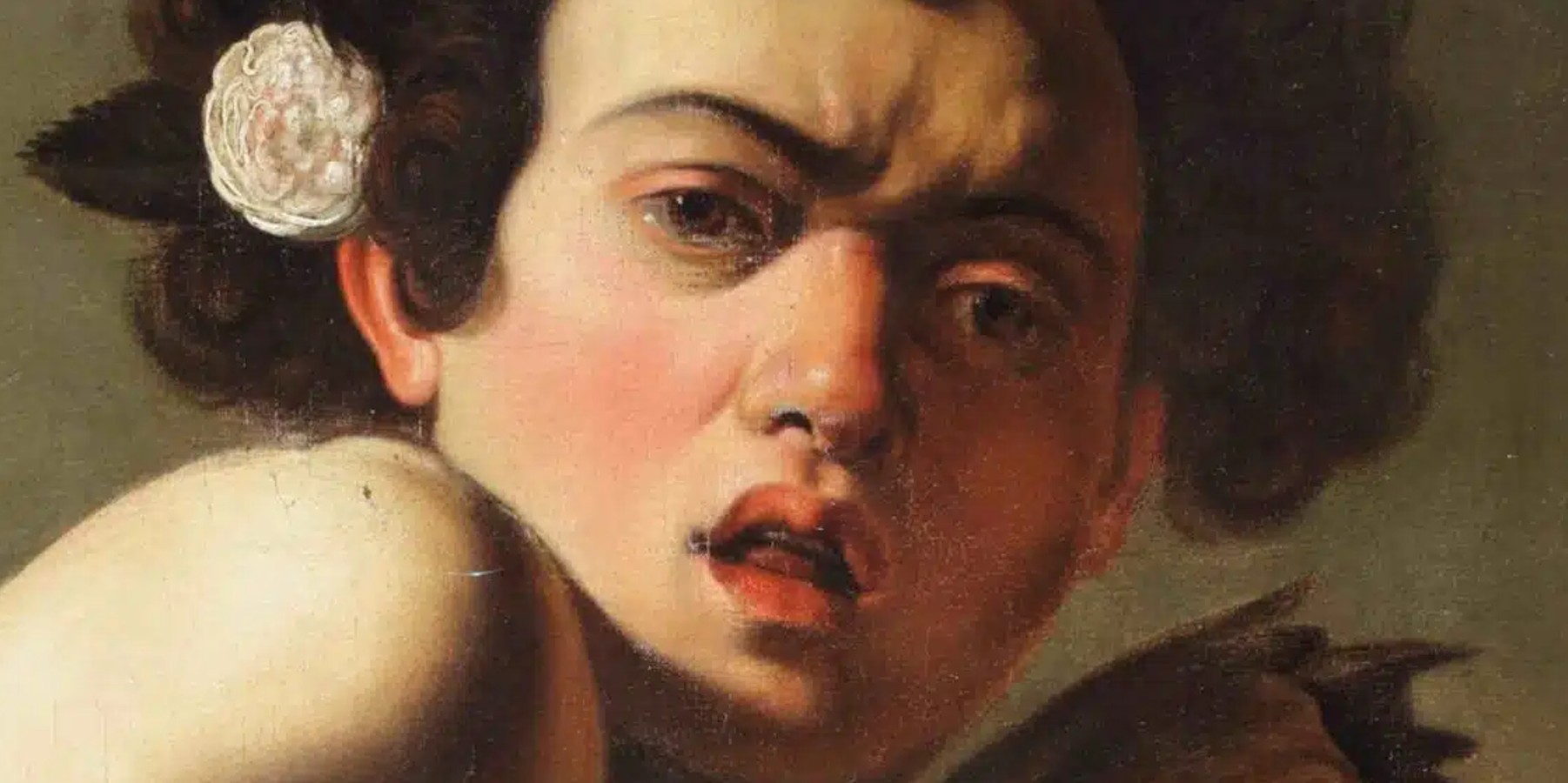
Il Ragazzo morso da un ramarro: la storia di un’immagine diventata celebre
Quando Caravaggio dipinge il Ragazzo morso da un ramarro, siamo nella seconda metà degli anni Novanta del Cinquecento.
Il pittore è arrivato da pochi anni a Roma e sta progressivamente cercando di liberarsi dalle convenzioni della pittura di bottega per costruire un linguaggio personale, fondato sull’osservazione diretta della realtà, sulla forza della luce e sulla presenza fisica dei suoi modelli.
La datazione generalmente proposta per il dipinto è 1595-1596.
È una fase fondamentale nella carriera del giovane Merisi. Caravaggio non ha ancora realizzato alcune delle opere che lo renderanno celebre in tutta Europa, ma nei suoi dipinti giovanili sono già presenti molti degli elementi che caratterizzeranno la sua rivoluzione pittorica.
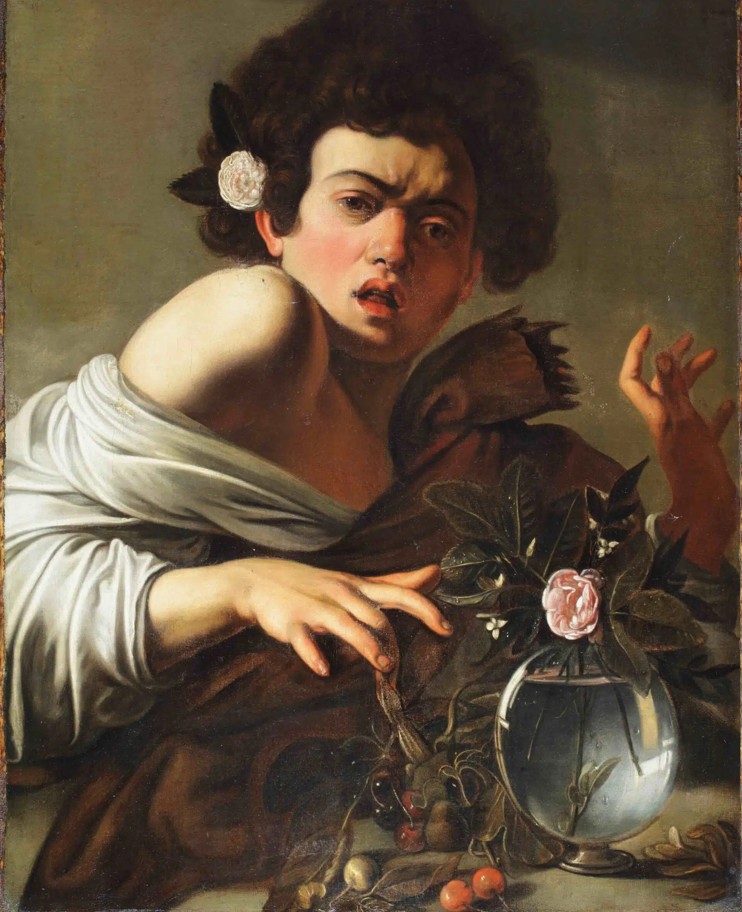
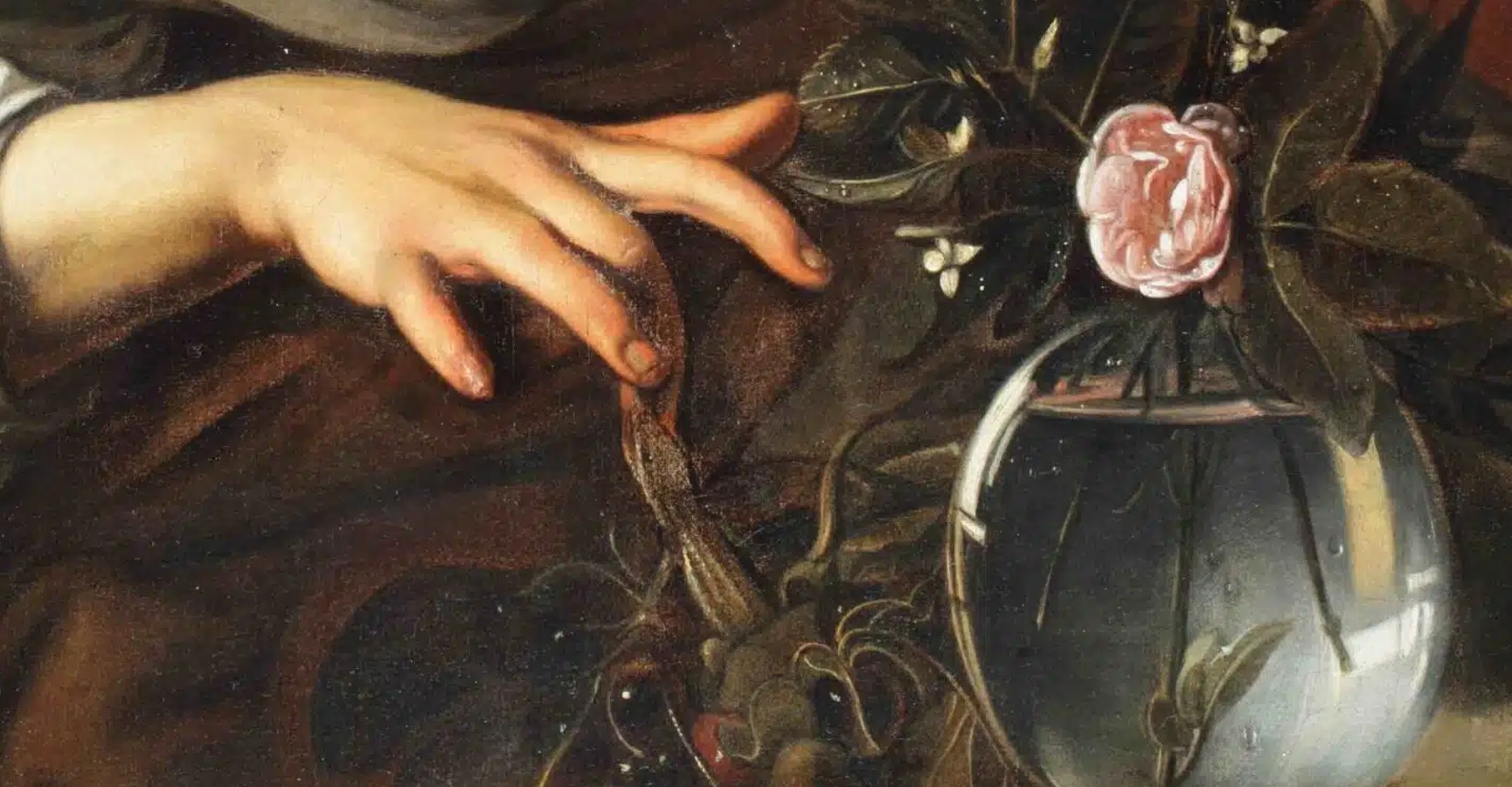
Nel Ragazzo morso da un ramarro tutto accade in un istante. Un giovane, elegantemente vestito, è davanti allo spettatore. Il volto si contrae improvvisamente in una smorfia di dolore: un ramarro, nascosto tra i fiori e la frutta, lo ha morso a un dito.
La sorpresa diventa immagine. Questo istante, apparentemente banale, permette a Caravaggio di trasformare una scena quotidiana in un piccolo teatro di emozioni.
Un morso improvviso, una pittura sorprendentemente moderna
Caravaggio non rappresenta il dolore eroico o una scena appartenente alla grande storia. Racconta semplicemente un ragazzo viene morso da una lucertola che reagisce d’istinto.
Il volto contratto, le labbra socchiuse, il movimento improvviso della mano e lo sguardo sorpreso rendono la scena quasi cinematografica. Sembra di assistere a un fotogramma catturato nel momento esatto in cui il morso avviene.
La natura morta davanti al ragazzo non è soltanto un elemento decorativo. Fiori, frutti e foglie costruiscono un ambiente sensoriale nel quale bellezza e fragilità convivono.
La giovinezza, la sensualità, il piacere dei sensi e la bellezza dei fiori si confrontano con il dolore improvviso provocato dal piccolo animale. La freschezza della vita contiene già, in qualche modo, il suo contrario: la precarietà.
Il ramarro nascosto tra la vegetazione diventa così l’elemento inatteso che spezza l’apparente armonia della scena.
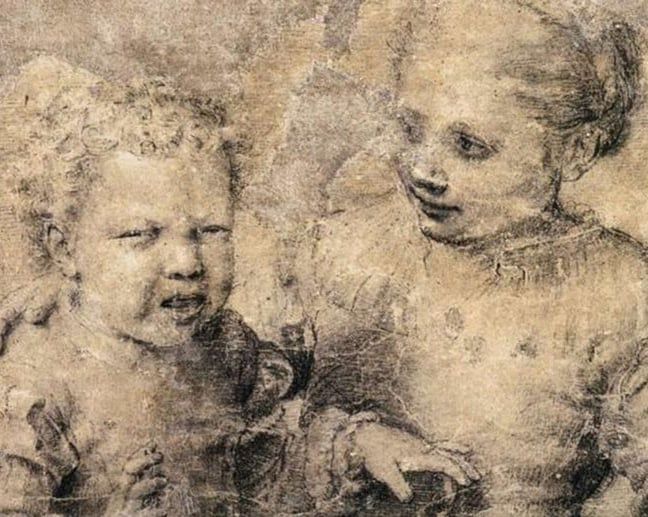
L’ispirazione da Sofonisba Anguissola
La composizione del Ragazzo morso da un ramarro è stata messa in relazione con un’opera di Sofonisba Anguissola, Asdrubale morso da un granchio, realizzata nel 1554.
Il confronto è interessante perché mostra come Caravaggio potesse confrontarsi con invenzioni figurative già circolanti nell’ambiente artistico italiano, trasformandole radicalmente attraverso la propria sensibilità.
Nel disegno di Sofonisba il morso diventa espressione di una reazione umana immediata. Nel dipinto di Caravaggio quella stessa idea viene portata dentro una costruzione pittorica completamente diversa, fatta di luce, realismo e tensione psicologica.
La questione dei possibili rapporti fra le due immagini resta comunque oggetto di studio e discussione.
Quante versioni esistono del Ragazzo morso da un ramarro?
Del Ragazzo morso da un ramarro sono note tre versioni. La prima, considerata autografa di Caravaggio, è conservata alla Fondazione Roberto Longhi di Firenze.
Una seconda versione si trova alla National Gallery di Londra, dove è entrata nelle collezioni nel 1986. La sua attribuzione a Caravaggio è invece discussa e viene generalmente considerata possibile opera di un artista vicino al pittore o di un suo seguace.
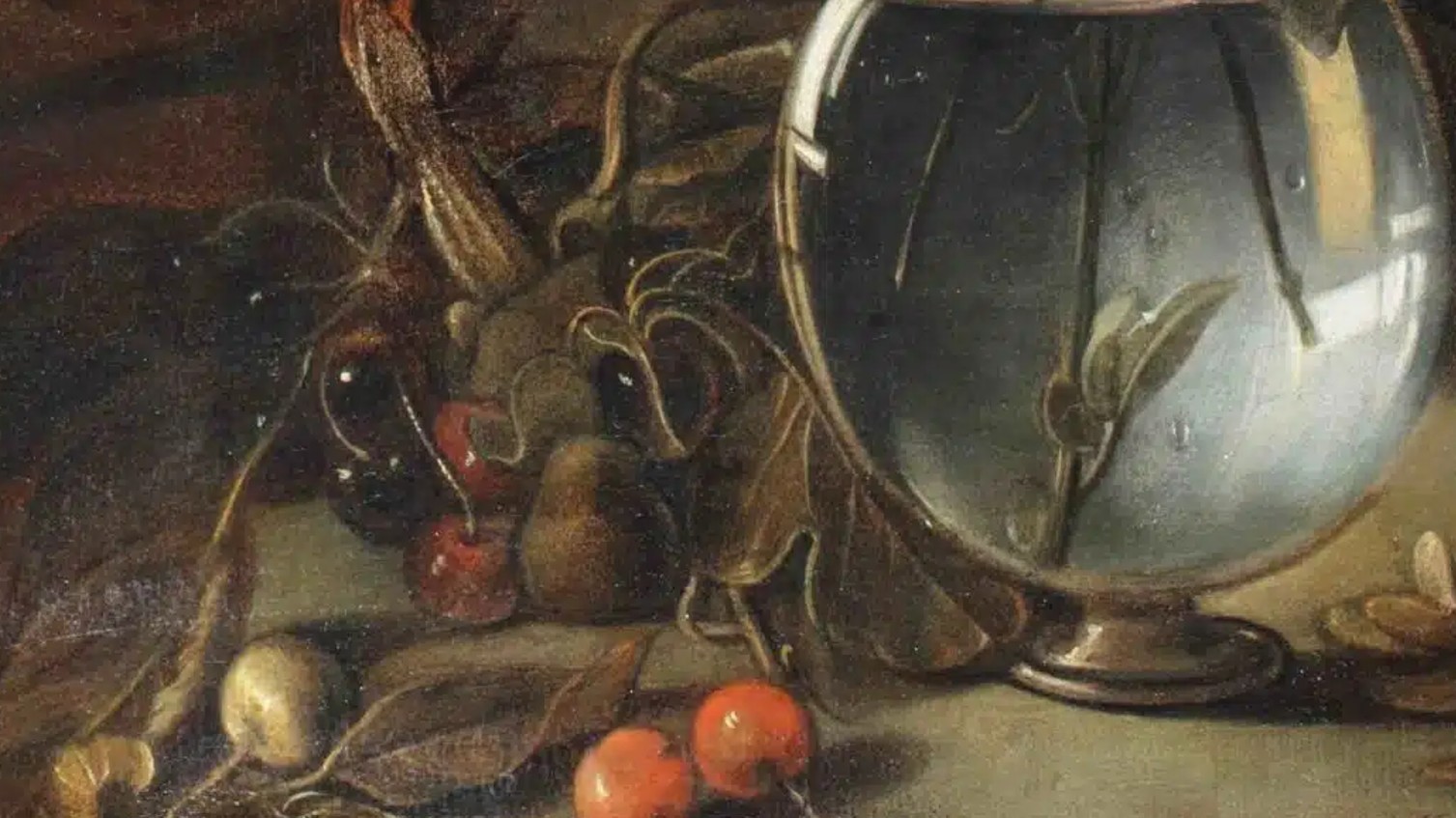
La terza versione è quella esposta a Porto Ercole.
Si tratta di un olio su tela di 65,5 × 50 centimetri, già ricordato nelle fonti seicentesche di Giulio Mancini e Giovanni Baglione e studiato nel 1958 da Roberto Longhi, che riconobbe nell’opera la mano di Caravaggio.
Una versione ancora discussa dagli studiosi
L’opera che sarà esposta a Porto Ercole è stata oggetto di discussione.
È stata indicata anche come copia da studiosi come Alessandro Zuccari, mentre altri studiosi, tra cui Sergio Rossi ed Emilio Negro, hanno sostenuto l’ipotesi che possa trattarsi addirittura del prototipo autografo dal quale sarebbe derivata la versione oggi conservata alla Fondazione Longhi.
La questione è tutt’altro che secondaria. Alcuni dettagli tecnici e pittorici dell’opera hanno infatti attirato l’attenzione degli studiosi: dalla preparazione bruna all’utilizzo dello strato preparatorio a risparmio, fino ai sottili pentimenti visibili nelle dita della mano sinistra del ragazzo.
Ci sono poi differenze particolarmente curiose rispetto alla versione fiorentina. Sul volto del giovane compaiono, per esempio, lacrime di dolore sulla palpebra inferiore dell’occhio destro. Anche il colore del ramarro e alcune sfumature cromatiche della rosa presentano caratteristiche differenti.
Sono dettagli minimi, ma nella pittura di Caravaggio possono diventare fondamentali per ricostruire la genesi di un’opera.
Caravaggio a Porto Ercole: il luogo dell’ultimo capitolo
Per comprendere il significato particolare di questa esposizione bisogna ricordare che proprio qui terminò la vita di Michelangelo Merisi. Dopo anni di fughe, condanne, protezioni, spostamenti e speranze di ottenere il perdono, Caravaggio giunse sul litorale dell’Argentario nel 1610.
Aveva appena 39 anni.
Era malato e profondamente provato dalle vicende degli ultimi anni. La sua morte, avvenuta il 18 luglio 1610, resta legata a una vicenda biografica complessa e per lungo tempo ricostruita attraverso testimonianze e documenti non sempre concordanti.
Oggi Porto Ercole conserva la memoria di quell’ultimo capitolo della sua vita. Per questo vedere qui un’opera nata oltre quindici anni prima, quando Caravaggio era ancora un giovane pittore in cerca della propria strada, crea un cortocircuito temporale affascinante.
Il ragazzo del dipinto appartiene all’inizio della storia, Porto Ercole alla fine.
Dal 27 settembre al 25 ottobre 2026 nella Chiesa di Sant’Erasmo
La mostra è allestita nella Chiesa di Sant’Erasmo, nel borgo antico di Porto Ercole. L’allestimento è stato concepito per mettere in relazione la pittura del Merisi con lo spazio sacro, concentrando l’attenzione sull’opera e sulla sua straordinaria capacità di catturare luce, materia ed emozione.
L’ingresso alla mostra è gratuito.
In occasione dell’inaugurazione, domenica 27 settembre, sarà possibile visitare l’esposizione dalle 14.30 alle 23.
Dal 28 settembre al 25 ottobre gli orari saranno:
- domenica-giovedì: 10-19;
- venerdì e sabato: 10-23.
Sono inoltre previste visite guidate gratuite dedicate sia al dipinto sia al borgo antico di Porto Ercole.
Le visite si svolgeranno alle 16 dal lunedì al venerdì, mentre il sabato e la domenica sono previsti due turni, alle 10 e alle 16.
La prenotazione è obbligatoria attraverso il modulo online predisposto dal Comune. Per i gruppi è possibile prenotare anche tramite WhatsApp al numero 388 3515983.
Durante il periodo della mostra sarà inoltre disponibile una navetta gratuita fra il parcheggio Cavallaro e piazza Ricasoli, con corse di andata e ritorno negli stessi orari di apertura dell’esposizione.
Per il momento il sempre vostro Michelangelo Buonarroti vi saluta dandovi appuntamento ai prossimi post e sui social.
Caravaggio returns to Porto Ercole: Boy Bitten by a Lizard arrives at the site of his death
From September 27 to October 25, 2026, the Church of Sant’Erasmo—located in the heart of the historic village of Porto Ercole—will host a version of the famous Boy Bitten by a Lizard (Ragazzo morso da un ramarro). This early work by Caravaggio currently belongs to a private collection in Rome.
This temporary exhibition tells the story of the painting—created in late 16th-century Rome—and the place where, in 1610, Caravaggio’s extraordinary life and artistic journey came to an end.
The initiative is sponsored by the Municipality of Monte Argentario and promoted by the MetaMorfosi Association in collaboration with the Guglielmo Giordano Foundation. The exhibition is curated by Pierluigi Carofano, an art historian and scholar of Caravaggio’s painting style.
Boy Bitten by a Lizard: the story of an iconic image
Caravaggio painted Boy Bitten by a Lizard during the second half of the 1590s.
The artist had arrived in Rome only a few years earlier and was gradually seeking to break free from the conventions of workshop painting to forge a personal style—one grounded in the direct observation of reality, the power of light, and the physical presence of his models.
The painting is generally dated to 1595–1596.
This was a pivotal phase in the young Merisi’s career. Although Caravaggio had not yet created the masterpieces that would bring him renown across Europe, his early works already contained many of the elements that would define his artistic revolution.
In Boy Bitten by a Lizard, everything unfolds in a single instant. An elegantly dressed young man stands before the viewer. His face suddenly contorts in a grimace of pain: a lizard, hidden among the flowers and fruit, has bitten his finger.
Surprise becomes imagery. This seemingly mundane moment allows Caravaggio to transform an everyday scene into a small theater of emotions.
A sudden bite, a surprisingly modern painting
Caravaggio does not depict heroic suffering or a scene from grand history; he simply tells the story of a boy bitten by a lizard, reacting instinctively.
The contorted face, parted lips, sudden hand movement, and startled gaze lend the scene a cinematic quality. It feels like a still frame captured at the exact moment the bite occurs.
The still life before the boy is not merely decorative. Flowers, fruit, and leaves create a sensory environment where beauty and fragility coexist.
Youth, sensuality, sensory pleasure, and floral beauty are juxtaposed with the sudden pain inflicted by the small animal. The freshness of life already holds, in a sense, its opposite: precariousness.
The lizard hidden in the foliage thus becomes the unexpected element that disrupts the scene’s apparent harmony.
Inspiration from Sofonisba Anguissola
The composition of Boy Bitten by a Lizard has been linked to a work by Sofonisba Anguissola, Asdrubale Bitten by a Crab, created in 1554.
This comparison is intriguing because it reveals how Caravaggio engaged with pictorial concepts already circulating in the Italian art world, radically transforming them through his own unique sensibility.
In Sofonisba’s drawing, the bite becomes an expression of an immediate human reaction. In Caravaggio’s painting, that same concept is incorporated into a completely different pictorial composition, defined by light, realism, and psychological tension.
The question of the possible relationship between the two images remains, however, a subject of study and debate.
How many versions of Boy Bitten by a Lizard exist?
Three versions of Boy Bitten by a Lizard are known. The first, considered an autograph work by Caravaggio, is housed at the Fondazione Roberto Longhi in Florence.
A second version is located at the National Gallery in London, having entered the collection in 1986. Its attribution to Caravaggio is a matter of debate; it is generally considered a possible work by an artist close to the painter or by one of his followers.
The third version is the one on display in Porto Ercole.
It is an oil painting on canvas measuring 65.5 × 50 centimeters; it was mentioned in 17th-century sources by Giulio Mancini and Giovanni Baglione and studied in 1958 by Roberto Longhi, who recognized Caravaggio’s hand in the work.
A version still debated by scholars
The work to be exhibited in Porto Ercole has been the subject of discussion.
It has been identified as a copy by scholars such as Alessandro Zuccari, while others—including Sergio Rossi and Emilio Negro—have argued that it might actually be the autograph prototype from which the version now at the Fondazione Longhi was derived.
The issue is far from minor. Certain technical details technical and pictorial aspects of the work have indeed drawn the attention of scholars: from the brown underpainting and the use of the ground layer left exposed in certain areas, to the subtle pentimenti (artist’s revisions) visible in the fingers of the boy’s left hand.
There are also particularly intriguing differences compared to the Florentine version. For instance, tears of sorrow appear on the lower eyelid of the young man’s right eye. The color of the green lizard and certain chromatic nuances of the rose also display distinct characteristics.
These may be minute details, but in Caravaggio’s painting, they can prove crucial to reconstructing the genesis of a work.
Caravaggio in Porto Ercole: the setting of the final chapter
To grasp the special significance of this exhibition, one must remember that it was here that Michelangelo Merisi’s life came to an end. After years of flight, convictions, seeking protection, constant relocation, and hopes for a pardon, Caravaggio arrived on the Argentario coast in 1610.
He was just 39 years old.
He was ill and deeply worn down by the events of recent years. His death on July 18, 1610, remains linked to a complex biographical narrative—one long reconstructed through testimonies and documents that do not always align.
Today, Porto Ercole preserves the memory of that final chapter of his life. Consequently, viewing a work here that was created over fifteen years earlier—when Caravaggio was still a young painter seeking his path—creates a fascinating temporal juxtaposition.
The boy in the painting belongs to the beginning of the story; Porto Ercole, to the end.
From September 27 to October 25, 2026, at the Church of Sant’Erasmo
The exhibition is housed in the Church of Sant’Erasmo, located in the historic village of Porto Ercole. The exhibition layout was designed to create a dialogue between Merisi’s painting and the sacred space, focusing attention on the artwork and its extraordinary ability to capture light, substance, and emotion.
Admission to the exhibition is free.
On the opening day, Sunday, September 27, the exhibition will be open from 2:30 PM to 11:00 PM.
From September 28 to October 25, opening hours will be:
Sunday through Thursday: 10:00 AM – 7:00 PM;
Friday and Saturday: 10:00 AM – 11:00 PM.
Free guided tours focusing on both the painting and the historic village of Porto Ercole are also available.
Tours will take place at 4:00 PM from Monday to Friday, while on Saturdays and Sundays there will be two time slots: 10:00 AM and 4:00 PM.
Reservations are mandatory and must be made via the online form provided by the Municipality. Groups may also book via WhatsApp at 388 3515983.
During the exhibition period, a free shuttle service will run between the Cavallaro parking lot and Piazza Ricasoli, operating during the same hours as the exhibition.
For now, your ever-faithful Michelangelo Buonarroti bids you farewell and looks forward to seeing you in future posts and on social media.

Sostienici – Support Us
Se questo blog ti piace e ti appassiona, puoi aiutarci a farlo crescere sempre più sostenendoci in modo concreto condividendo i post, seguendo le pagine social e con un contributo che ci aiuta ad andare avanti con il nostro lavoro di divulgazione. . ENGLISH: If you like and are passionate about this blog, you can help us make it grow more and more by supporting us in a concrete way by sharing posts, following social pages and with a contribution that helps us to move forward with our dissemination work.
10,00 €
Condividi:


Questo sono io




sostienici

Sostienici – Support Us
Se questo blog ti piace e ti appassiona, puoi aiutarci a farlo crescere sempre più sostenendoci in modo concreto condividendo i post, seguendo le pagine social e con un contributo che ci aiuta ad andare avanti con il nostro lavoro di divulgazione. . ENGLISH: If you like and are passionate about this blog, you can help us make it grow more and more by supporting us in a concrete way by sharing posts, following social pages and with a contribution that helps us to move forward with our dissemination work.
€10,00


