
La Scultura del giorno: Dirce di Canova
La scultura del giorno che vi propongo oggi è Dirce scolpita da Antonio Canova e oggi custodita presso la Royal collection trust di Bukingham Palace.
Il 25 novembre del 1819 scriveva Canova all’amico Quatremère de Quincy: “Ora ho terminato un terzo di una ninfa da me intitolata Dirce, nutrice di Bacco, che siede sopra una pelle di lince e appoggiase col destro braccio sopra una cista simile a quelli che ricavansi dalle iniziate ai misteri di Bacco. La novità del soggetto, e il modo con che ho studiato di condurre il modello, pare che abbia riunito l’opinione de’ più a giudicare questa figura per il mio capo d’opera; si che se io dovessi affidarmi alle parolee ai complimenti che mi vengono fatti, potrei credere che non vado ancora in dietro nell’arte mia, quantunque mi crescano gli anni.”

Il modello in gesso di questo lavoro oggi senza testa, reca incisa la scritta fatta dallo stesso “Canova 1819. Incominciata in 8bre erminata in 9bre“. Anche Thomas Moore vide il modello durante la lavorazione nello studio romano dell’artista.
Dirce, a torso nudo come Paolina nelle vesti di Venere Vincintrice, allos tesso modo ha le gambe panneggiate. Siede su una pelle di lince e si appoggia a una cesta di vimini tenendo con la mano destra una ghirlanda. Meno riuscita della citata Venere, al temo riscosse un grande successo.
L’opera Dirce, modellata prima e scolpita poi nel marmo, è ispirata dalle Dionisiache. Non fu commissionata dal Principe reggente d’Inghilterra Giorgio IV come era accaduto per una versione delle Tre Grazie o per la Ninfa delle Fontane.

Canova, sempre più bisognosi di raccogliere danari per realizzare il Tempio di Possagno, volle sottoporgli il progetto già ultimato e, Sir Charles Long, rispose con entusiasmo a nome del re.
Dirce giunse in Inghilterra assieme al gruppo di Marte e Venere nel 1824 e sistemata a Carlton House da Westmacott.

Per il momento il sempre vostro Michelangelo Buonarroti vi saluta dandovi appuntamento ai prossimi post e sui social.

Sculpture of the day: Dirce by Canova
The sculpture of the day that I propose to you today is Dirce sculpted by Antonio Canova and today kept at the Royal collection trust of Bukingham Palace.
On 25 November 1819 Canova wrote to his friend Quatremère de Quincy: “Now I have finished a third of a nymph entitled Dirce, nurse of Bacchus, who sits on a lynx skin and rests her right arm on a cist similar to those which are obtained from those initiated into the mysteries of Bacchus. The novelty of the subject, and the way in which I studied to model the model, seems to have gathered the opinion of the majority to judge this figure for my piece of work; so that if I were to rely on the words and compliments paid to me, I could believe that I am still not going backwards in my art, even though my years are increasing.”
The plaster model of this work, now without a head, is engraved with the inscription made by the same “Canova 1819. Begun in 8bre finished in 9bre”. Thomas Moore also saw the model during the work in the artist’s Roman studio.
Rectangular statuary marble group of the nymph Dirce, full-figure and partially draped, sitting on a lion’s skin and leaning against a wicker beehive, looking sharply to her right, with a garland in her right hand.
The Dirce work, first modeled and then sculpted in marble, is inspired by the Dionysians. The work was not commissioned by the Prince Regent of England George IV as had happened for a version of the Three Graces or for the Nymph of the Fountains.
Canova, increasingly in need of raising money to build the Temple of Possagno, wanted to propose the already completed project to him and Sir Charles Long responded enthusiastically on behalf of the king.
In 1822, at the time of Canova’s death, only his head had been finished by him while the rest of the body was completed by his assistant Cincinnato Baruzzi.
Dirce arrived in England with the Mars and Venus group in 1824 and settled in Carlton House by Westmacott.
For the moment, your always Michelangelo Buonarroti greets you and will meet you in the next posts and on social media.

Sostienici – Support Us
Se questo blog ti piace e ti appassiona, puoi aiutarci a farlo crescere sempre più sostenendoci in modo concreto condividendo i post, seguendo le pagine social e con un contributo che ci aiuta ad andare avanti con il nostro lavoro di divulgazione. . ENGLISH: If you like and are passionate about this blog, you can help us make it grow more and more by supporting us in a concrete way by sharing posts, following social pages and with a contribution that helps us to move forward with our dissemination work.
8,00 €
-
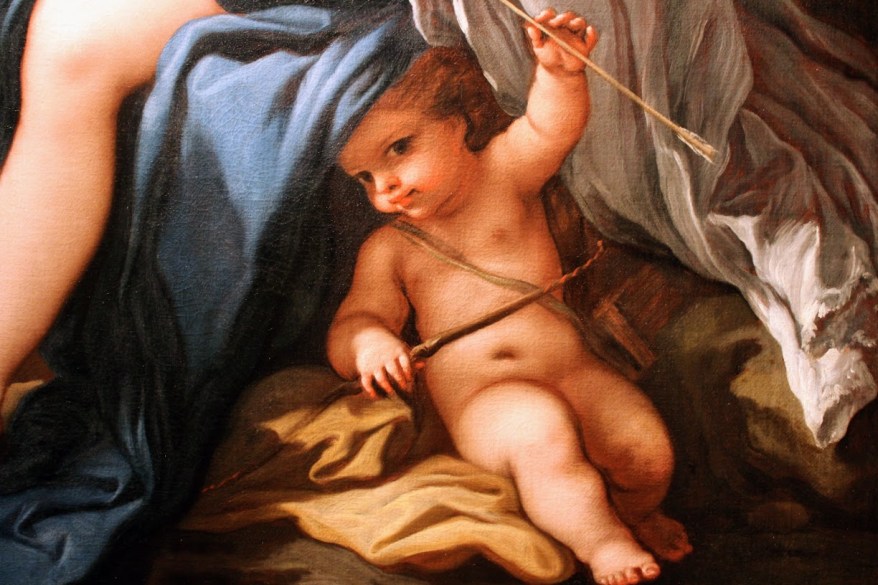
18 ottobre 1634: nasce Luca Giordano, il pittore che dipingeva così in fretta da essere chiamato «Luca fa’ presto»
🇮🇹Luca Giordano nacque a Napoli il 18 ottobre 1634. Scopri perché era chiamato «Luca fa’ presto» e i suoi capolavori, dalla Galleria degli Specchi alla corte di Spagna… 🇬🇧Luca Giordano was born in Naples on October 18, 1634. Discover why he was nicknamed “Luca fa’ presto” (“Luca, hurry up!”) and explore his masterpieces—from the Hall…
-

Incendio al municipio di Limoges, crolla la torre dell’orologio: distrutto storico palazzo dell’Ottocento
🇮🇹Incendio a Limoges, il municipio storico è devastato: crollano il tetto e la torre dell’orologio alta 43 metri. Che cosa resta del patrimonio artistico? 🇬🇧Fire in Limoges: the historic town hall is devastated, with its roof and 43-meter-tall clock tower having collapsed. What remains of its artistic heritage?
-
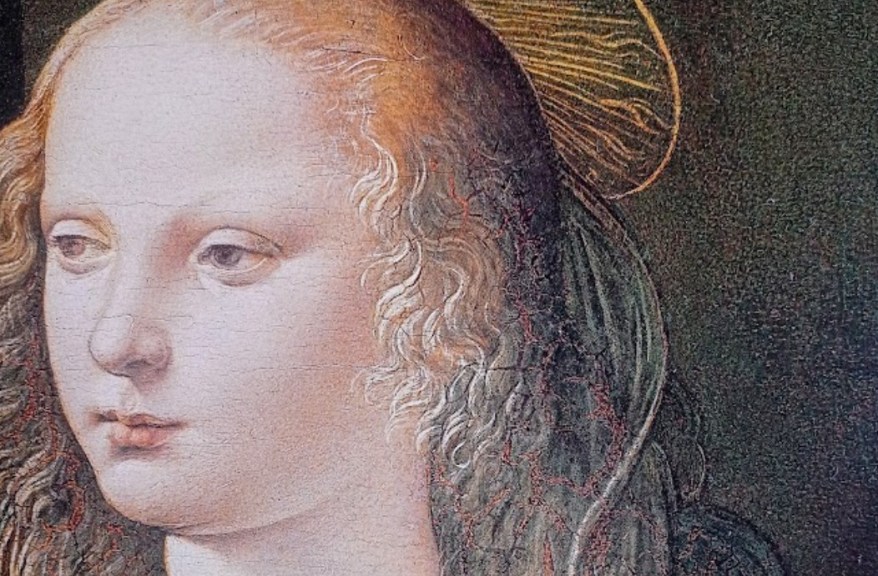
Prima di Gesù Bambino viene l’Annunciazione: i dipinti che raccontano l’inizio della storia di Natale
🇮🇹Prima di Gesù Bambino c’è l’Annunciazione: scopri i dipinti più celebri di Leonardo, Beato Angelico e Simone Martini e i simboli nascosti nell’arte cristiana… 🇬🇧Before the Christ Child comes the Annunciation: discover the most famous paintings by Leonardo, Fra Angelico, and Simone Martini, and the symbols hidden within Christian art…
Condividi:


Questo sono io




sostienici

Sostienici – Support Us
Se questo blog ti piace e ti appassiona, puoi aiutarci a farlo crescere sempre più sostenendoci in modo concreto condividendo i post, seguendo le pagine social e con un contributo che ci aiuta ad andare avanti con il nostro lavoro di divulgazione. . ENGLISH: If you like and are passionate about this blog, you can help us make it grow more and more by supporting us in a concrete way by sharing posts, following social pages and with a contribution that helps us to move forward with our dissemination work.
€10,00


