

La Scultura del giorno: la Fanciulla con il fiore di Vichi
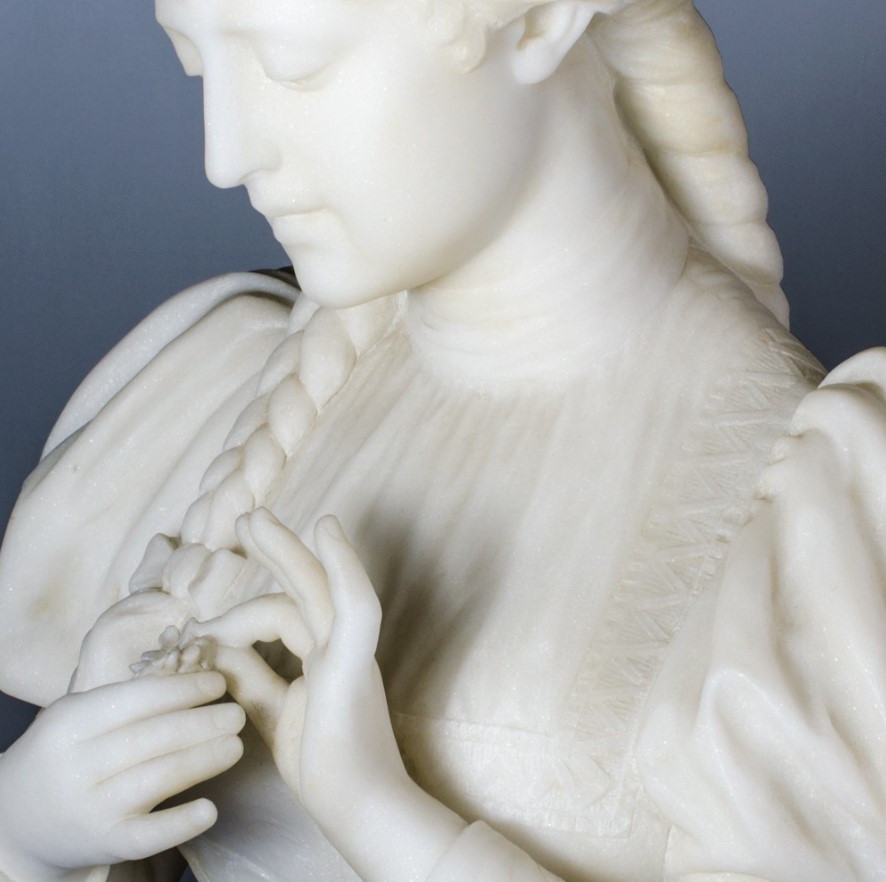
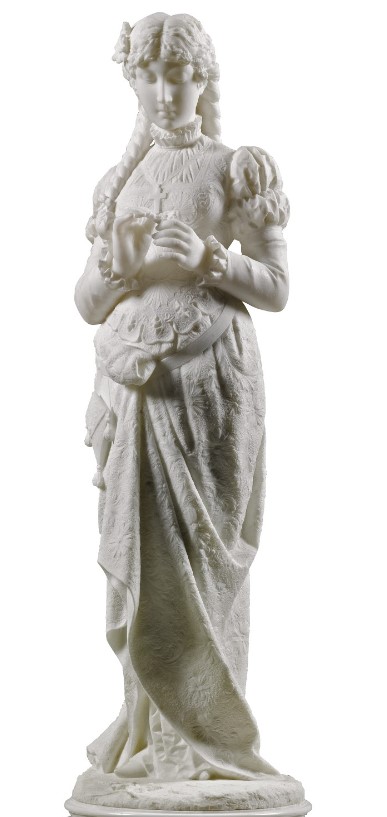
La scultura che vi propongo oggi è la Fanciulla con il fiore scolpita dall’artista fiorentino Ferdinando Vichi nei primi anni del Novecento.
Lo scultore Ferdinando Vichi nacque nel 1875 a Firenze da una famiglia nobile e danarosa. Il nonno aveva fondato agli inizi dell’Ottocento le Gallerie Vichi che ben presto divennero famose soprattutto al d fuori dei confini nazionali.
Una delle sedi delle Gallerie Vichi era il palazzo liberty di via Borgo Ognissanti mentre gli altri due atelier erano ubicati via Tornabuoni e sul Lungarno Vespucci.
Fin dalla più tenera età Vichi si appassionò irrimediabilmente al mondo dell’arte e in particolar modo alla scultura. Entrò all’Accademia di Belle Arti di Firenze sotto l’attenta guida di Rivalta e Zocchi e proprio lì ebbe modo di conquistare i suoi primi premi.
Ancora nel fiore degli anni espose la sua opera nota come la Bagnante al Salone di Parigi vendendola nell’immediato.
Come scrisse il suo pronipote e scrittore Marco Vichi, “Ferdinando aveva fama di uomo spiritoso, fornito di parole pronte e pungenti, ma generoso e semplice, mai astioso. Amava gli scherzi, ne organizzava di diabolici. Ha saputo coinvolgere decine di persone, una folla intera, in un’occasione ridicolmente preparata. Poi ne assaggiò i risultati, sorridendo silenzioso dentro il petto, tradito all’esterno solo dal ritmico dondolio del suo enorme addome“.
Insomma era un uomo di spirito e anche una buona forchetta come testimoniano le numerose foto che amava farsi scattare.
La scultura della Ragazza con i fiore è uno dei suoi capolavori più belli ma forse meno celebri oggi.
Appartiene a una collezione privata e raffigura una giovane con i capelli raccolti in una treccia che tiene fra le mani un fiore.
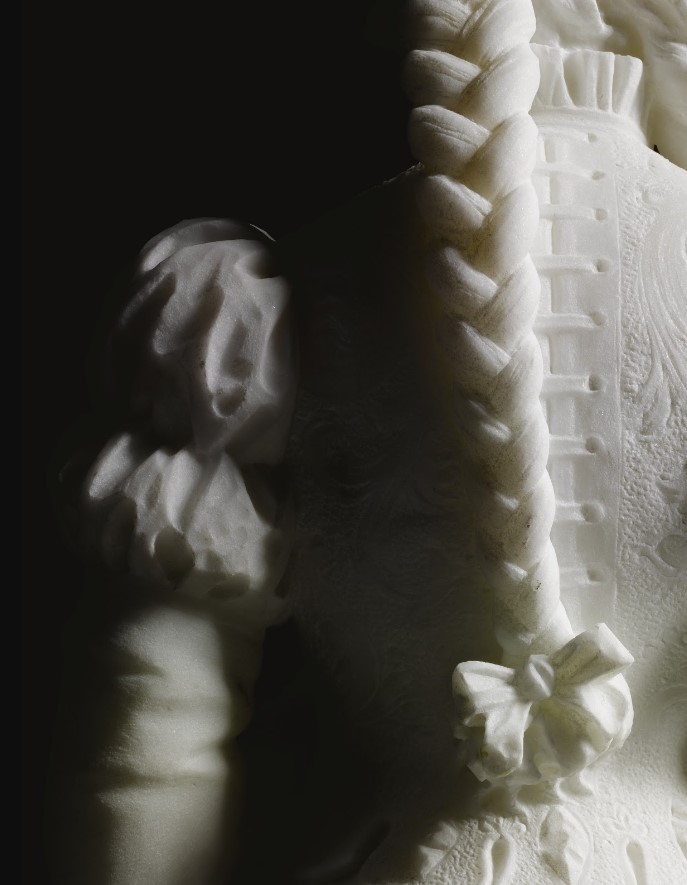
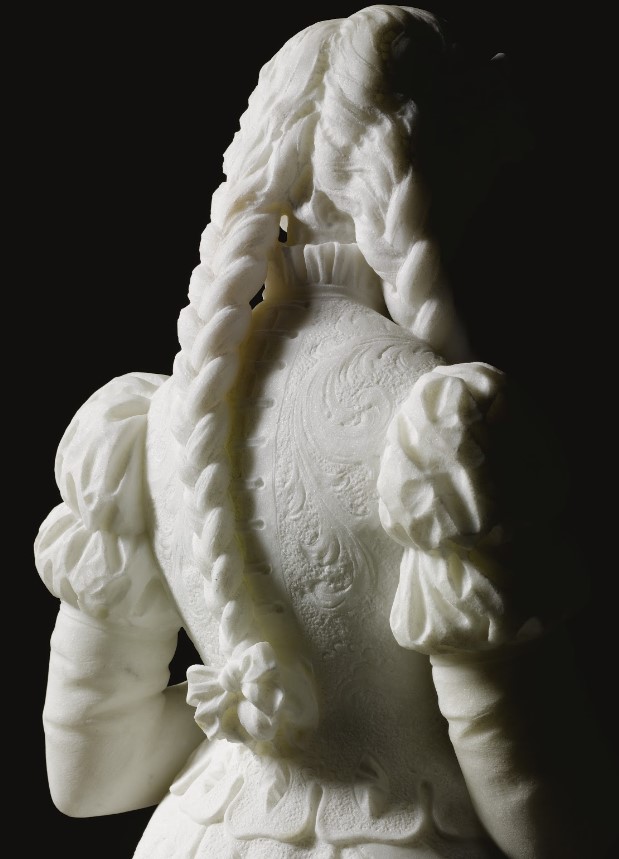
L’abito che indossa è una dimostrazione della sua maestria nel riprodurre nel marmo merletti, dettagli e particolari minuti: un vero e proprio sfoggio del suo talento tutt’oggi tangibile.
L’opera è ispirata ai temi romantici popolari dell’epoca , molto in voga nel periodo in cui l’artista visse.
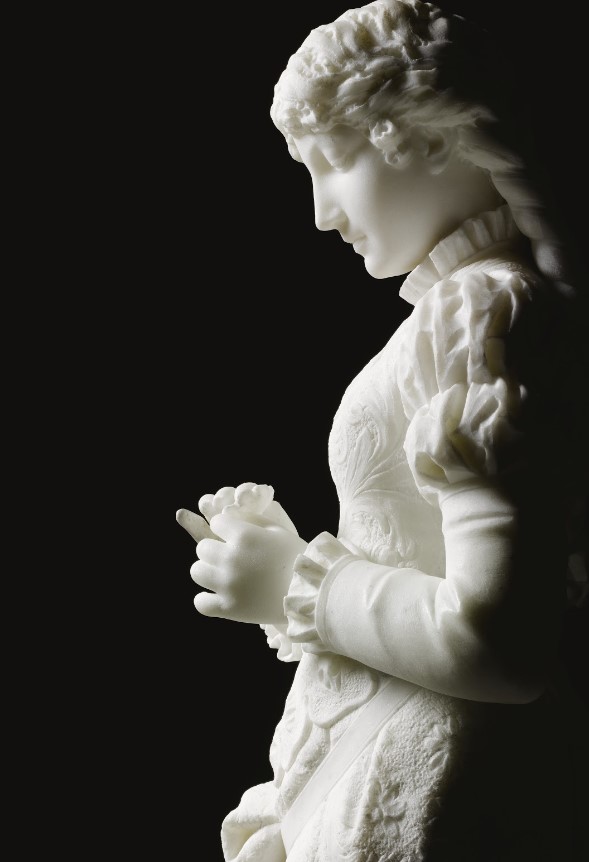
Sul capo della giovane ancora si leggono uno ad uno i fori lasciati dal trapano che in un’altra epoca avrebbero fatto pensare a un’opera non ancora portata a termine.
Per il momento il vostro Michelangelo Buonarroti vi saluta dandovi appuntamento ai prossimi post e sui social.
Sculpture of the day: the Girl with the flower by Vichi
The sculpture I propose to you today is the Girl with the Flower sculpted by the Florentine artist Ferdinando Vichi in the early twentieth century.
The sculptor Ferdinando Vichi was born in 1875 in Florence to a noble and wealthy family. His grandfather had founded the Vichi Galleries at the beginning of the 19th century, which soon became famous, especially outside the national borders.
One of the locations of the Vichi Galleries was the Art Nouveau building in via Borgo Ognissanti while the other two ateliers were located in via Tornabuoni and on Lungarno Vespucci.
From an early age, Vichi became irremediably passionate about the world of art and in particular sculpture. He entered the Academy of Fine Arts in Florence under the careful guidance of Rivalta and Zocchi and it was there that he was able to win his first prizes.
Still in his prime, he exhibited his work known as the Bather at the Paris Salon, selling it immediately.
As his great-grandson and writer Marco Vichi wrote, “Ferdinando had the reputation of a witty man, equipped with ready and biting words, but generous and simple, never rancorous. He loved pranks, he organized diabolical ones. He was able to involve dozens of people, an entire crowd, in a ridiculously prepared occasion. Then he tasted the results, smiling silently inside his chest, betrayed on the outside only by the rhythmic rocking of his enormous abdomen.”
In short, he was a man of spirit and also a good eater as evidenced by the numerous photos that he loved to take.
The sculpture of the Girl with Flowers is one of his most beautiful masterpieces but perhaps less famous today. It belongs to a private collection and depicts a young woman with her hair tied in a braid holding a flower in her hands.
The dress she is wearing is a demonstration of her mastery in reproducing lace, details and minute details in marble: a true display of her talent which is still tangible today.
The work is inspired by the popular romantic themes of the time, very popular in the period in which the artist lived.
On the young girl’s head you can still see one by one the holes left by the drill which in another era would have made one think of a work not yet completed.
For the moment, your Michelangelo Buonarroti greets you and will meet you in future posts and on social media.

Sostienici – Support Us
Se questo blog ti piace e ti appassiona, puoi aiutarci a farlo crescere sempre più sostenendoci in modo concreto condividendo i post, seguendo le pagine social e con un contributo che ci aiuta ad andare avanti con il nostro lavoro di divulgazione. . ENGLISH: If you like and are passionate about this blog, you can help us make it grow more and more by supporting us in a concrete way by sharing posts, following social pages and with a contribution that helps us to move forward with our dissemination work.
8,00 €
-
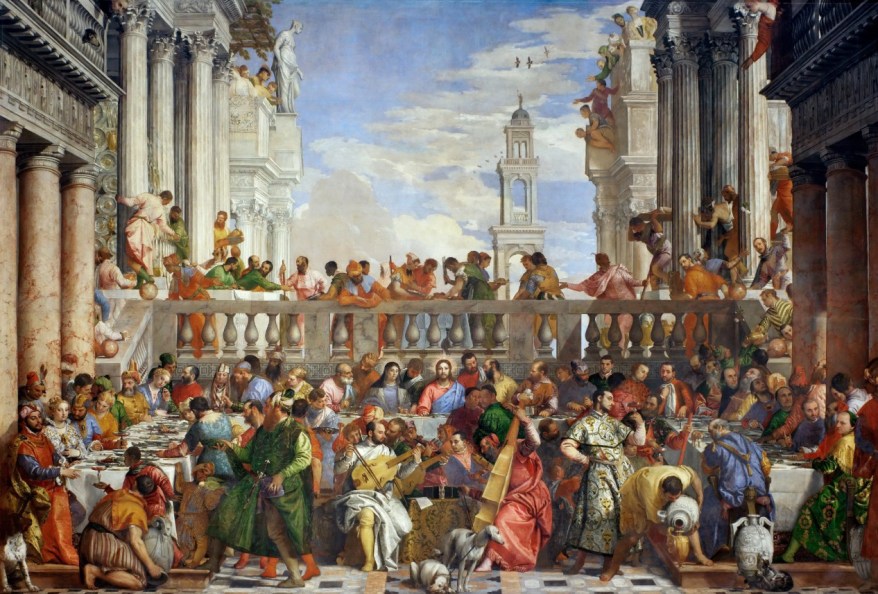
Napoleone rubò le Nozze di Cana del Veronese: il dettaglio del gatto
🇮🇹Le Nozze di Cana di Veronese, il gigantesco capolavoro del Louvre sottratto da Napoleone nel 1797: storia, dettagli, animali e curiosità del dipinto… 🇬🇧Veronese’s Wedding at Cana, the Louvre’s gigantic masterpiece stolen by Napoleon in 1797: history, details, animals, and curiosities about the painting…
-
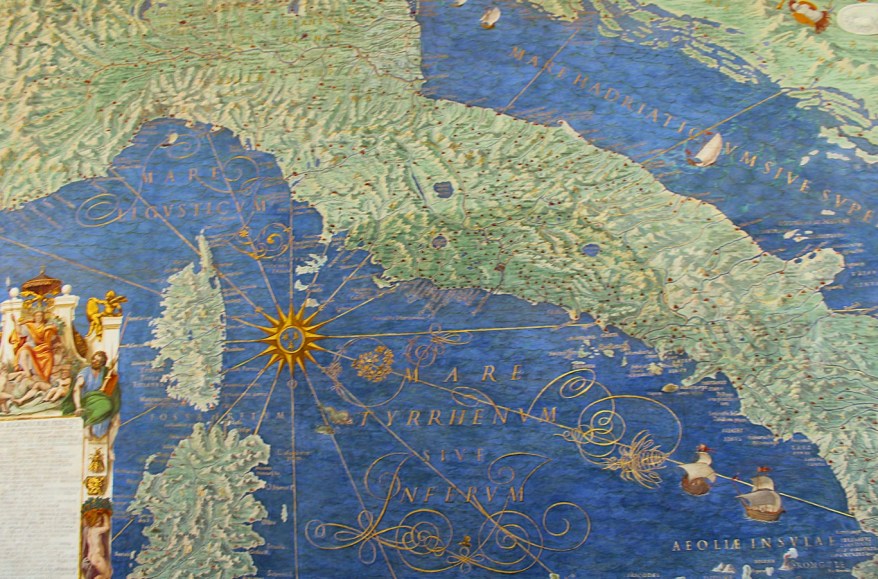
La Galleria delle Carte Geografiche dei Musei Vaticani: l’Italia dipinta nel Cinquecento
🇮🇹La Galleria delle Carte Geografiche dei Musei Vaticani racconta l’Italia del Cinquecento in 40 mappe, affreschi, città, battaglie e storie… 🇬🇧The Vatican Museums’ Gallery of Maps tells the story of 16th-century Italy through 40 maps, frescoes, cities, battles, and stories…
-

Podcast Episode: Restauro di lettere e libri antichi, tutti i segreti
Oggi entriamo nel mondo del restauro di lettere e libri antichi, con tutto quello che comporta: materiali, fasi di intervento, principi di conservazione…
Condividi:


Questo sono io




sostienici

Sostienici – Support Us
Se questo blog ti piace e ti appassiona, puoi aiutarci a farlo crescere sempre più sostenendoci in modo concreto condividendo i post, seguendo le pagine social e con un contributo che ci aiuta ad andare avanti con il nostro lavoro di divulgazione. . ENGLISH: If you like and are passionate about this blog, you can help us make it grow more and more by supporting us in a concrete way by sharing posts, following social pages and with a contribution that helps us to move forward with our dissemination work.
€10,00


un’opera davvero incredibile!! 👏👏👏👏👏👏👏👏👏👍👍👍👍👍👍👍👍
"Mi piace"Piace a 1 persona
molto bella
"Mi piace"Piace a 1 persona