
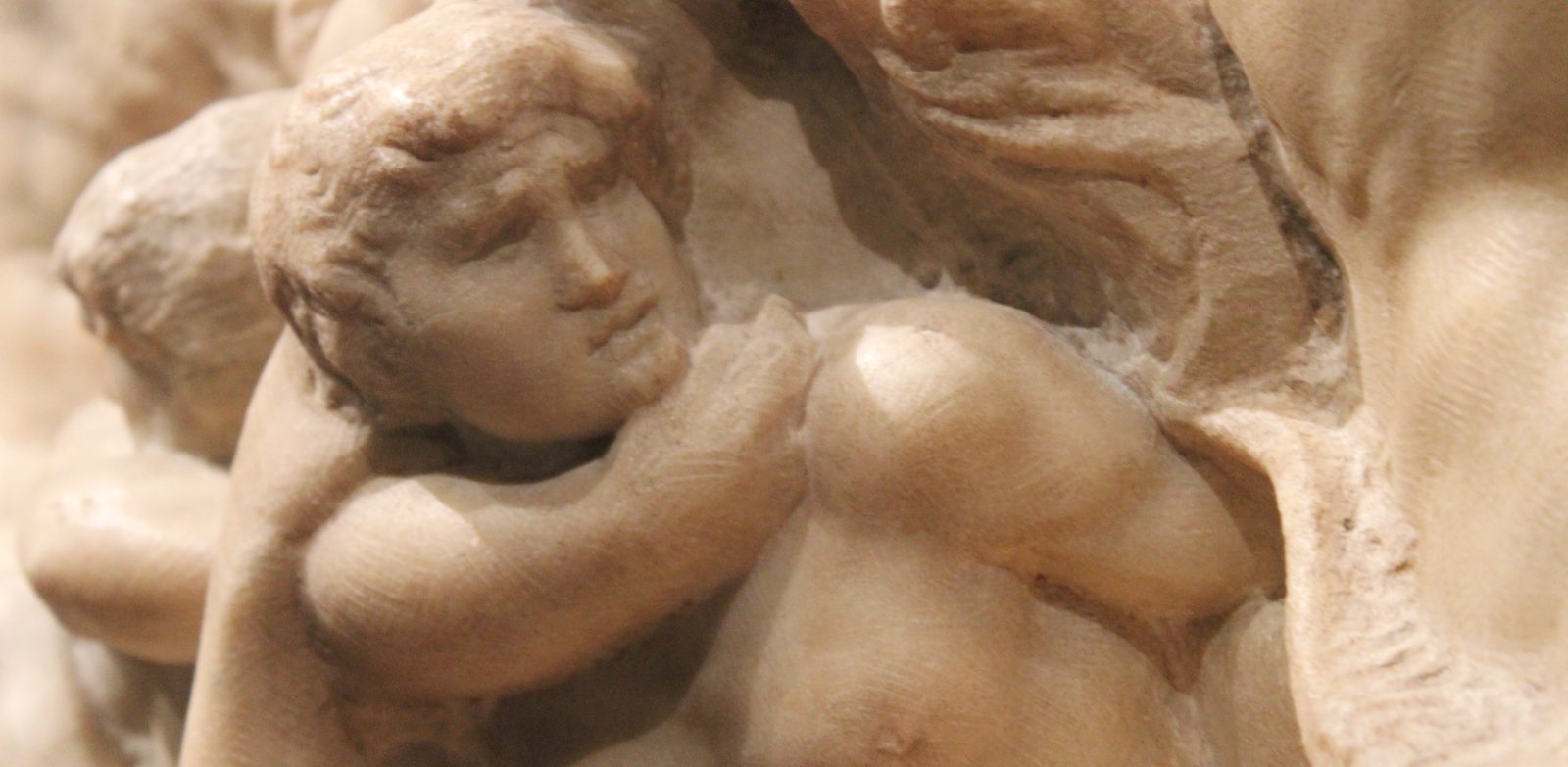
San Gregorio Armeno non si tocca: la strada dei presepi protesta per difendere l’identità di Napoli
Ieri 14 settembre 2026 le botteghe di San Gregorio Armeno sono rimaste chiuse fino alle 14. Gli artigiani chiedono di proteggere la vocazione presepiale della storica strada napoletana dal rischio di una progressiva trasformazione in una semplice via di souvenir.
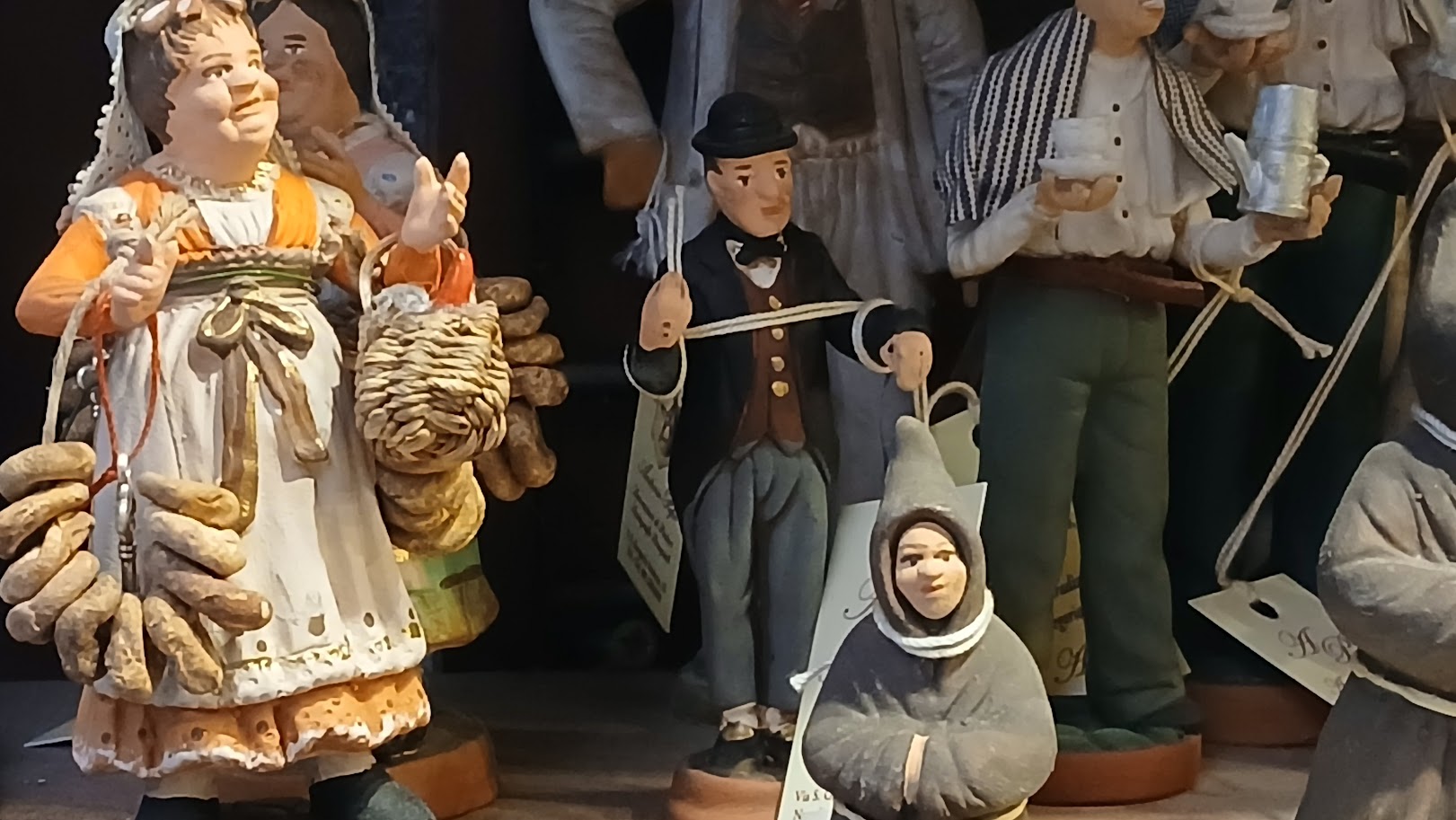
Via San Gregorio Armeno, è la celebre via dei presepi che per dodici mesi all’anno profuma di legno, terracotta, colla, colori e tradizione. Qui il calendario sembra essersi fermato al momento più magico dell’anno: basta attraversare la strada e affacciarsi nelle botteghe per incontrare pastori, Madonne, Re Magi, angeli, corni, Pulcinella e personaggi della Napoli contemporanea trasformati in piccole figure da presepe.
Passeggiare a San Gregorio Armeno è sempre Natale, tutto l’anno.
Proprio per questo, il 14 settembre 2026, vedere le serrande abbassate delle botteghe è stato un colpo al cuore.

San Gregorio Armeno chiude: “Salviamo la nostra identità”
Ieri mattina gli artigiani della celebre strada del centro storico di Napoli hanno proclamato uno sciopero simbolico, con le botteghe chiuse fino alle ore 14.
Sulle serrande è comparso un messaggio destinato soprattutto alle istituzioni e a chi ha la responsabilità di decidere quale sarà il futuro di questa strada:
«Non vogliamo bloccare il cambiamento. Vogliamo difendere la nostra storia. Pastori, presepi, artigiani. Questa è San Gregorio Armeno. Salviamo l’identità di Napoli».
Una protesta che ha inevitabilmente sorpreso anche i tantissimi turisti arrivati nel centro antico della città proprio per conoscere la famosa via dei presepi. Dietro la serrata non c’è, spiegano gli artigiani, il rifiuto dello sviluppo commerciale né la volontà di impedire a nuovi imprenditori di investire.
Che cosa resterà di San Gregorio Armeno se le attività legate alla sua tradizione dovessero progressivamente lasciare spazio a negozi completamente estranei alla sua storia?
È questo il timore che ha portato le botteghe a mobilitarsi.

Una strada dove il presepe è un’arte
Chi non è mai stato a San Gregorio Armeno potrebbe immaginare una normale strada commerciale del centro di Napoli ma basta entrarci per capire che è qualcosa di completamente diverso.
Le botteghe sono spesso piccole, profonde, affollate di figure. Sui banconi e alle pareti si trovano centinaia di personaggi. Alcuni sono minuscoli, altri monumentali. Ci sono pastori tradizionali e figure contemporanee, perché il presepe napoletano ha una caratteristica straordinaria: è capace di raccontare il proprio tempo senza smettere di essere fedele alla tradizione.
Passando di bottega in bottega si ha davvero l’impressione di tuffarsi nella grande tradizione presepiale napoletana.
Si osservano gli artigiani al lavoro, si vedono modellare i volti, dipingere gli abiti, costruire piccoli dettagli. Dietro ogni personaggio c’è un mestiere, una manualità e una conoscenza che si sono tramandati attraverso le generazioni.
San Gregorio Armeno è un luogo dove una tradizione immateriale diventa materia.

Le origini di San Gregorio Armeno
San Gregorio Armeno si trova nel cuore del centro storico di Napoli, in quella parte della città che conserva ancora l’impianto dell’antica Neapolis greca.
La strada segue infatti uno degli antichi assi viari della città, nell’area compresa tra Spaccanapoli e via dei Tribunali, e conduce verso il complesso monumentale dedicato a San Gregorio Armeno.
Il nome della strada deriva proprio dal complesso religioso e dall’antico monastero di San Gregorio Armeno, fondato nell’area in epoca altomedievale e divenuto nei secoli uno dei più importanti monasteri femminili della città.
La zona era legata già nell’antichità ad attività artigianali e alla produzione di manufatti in terracotta. La tradizione vuole inoltre che nell’area sorgesse un antico luogo di culto pagano dedicato a Cerere, divinità legata alla fertilità, dove i cittadini erano soliti portare piccole statuette votive in terracotta.
Nel corso dei secoli il luogo cambiò volto, ma la presenza della lavorazione della terracotta contribuì a creare un terreno particolarmente favorevole allo sviluppo della successiva tradizione presepiale.
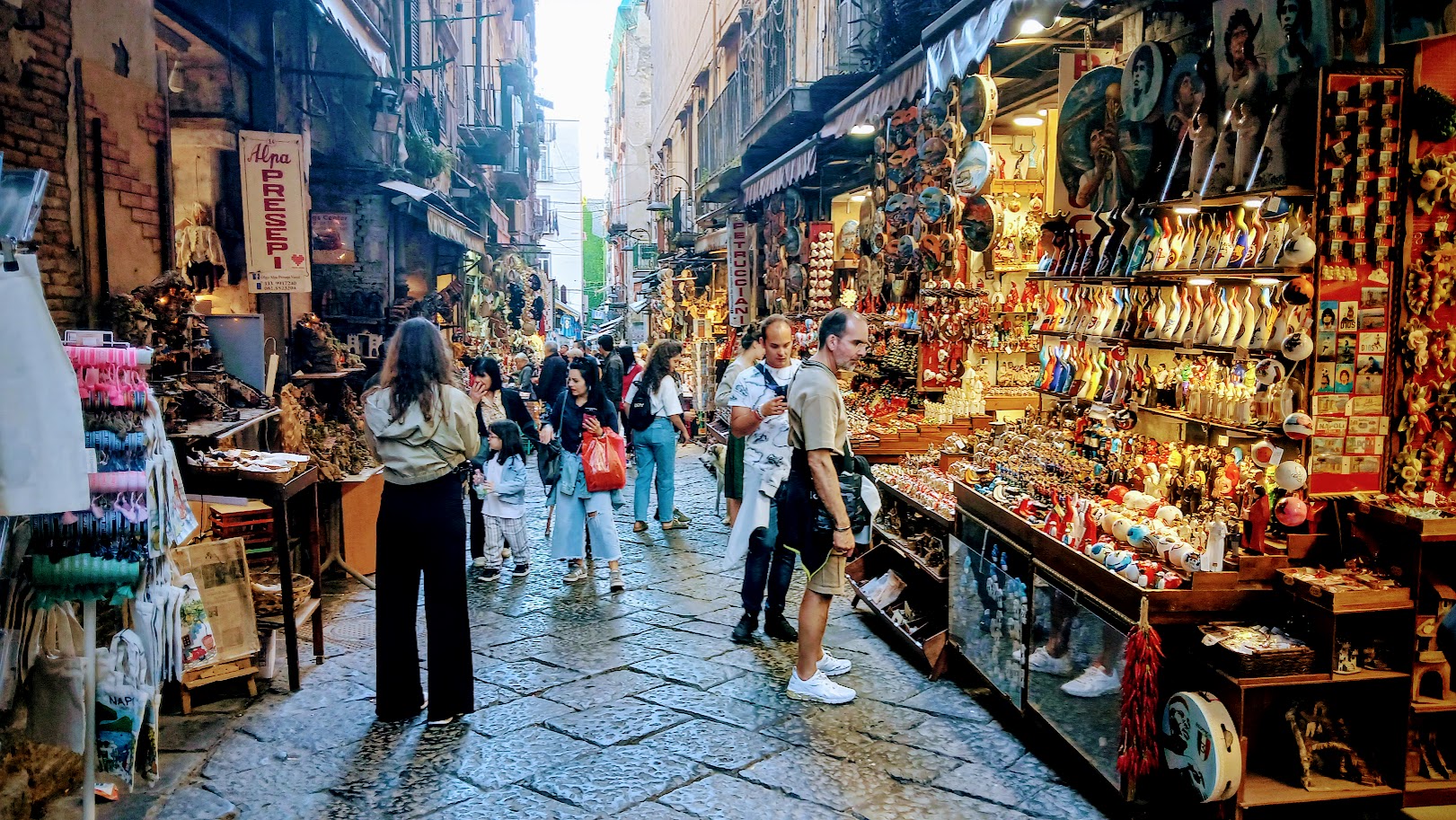
Quando il presepe napoletano diventa protagonista
Il vero sviluppo dell’arte presepiale napoletana avvenne soprattutto tra Seicento e Settecento, quando il presepe smise progressivamente di essere soltanto una rappresentazione religiosa e divenne un vero e proprio straordinario racconto della società.
Nel presepe napoletano non c’erano soltanto la Natività e i personaggi sacri. Comparivano mercanti, venditori, mendicanti, contadini, nobili, musicisti, osti e popolani: era la Napoli in miniatura di allora.
San Gregorio Armeno divenne progressivamente il luogo simbolo di questa produzione. Ancora oggi, entrando nelle botteghe, si ritrova quella stessa idea: il presepe non è un’immagine immobile del passato, ma un racconto che continua ad aggiornarsi.
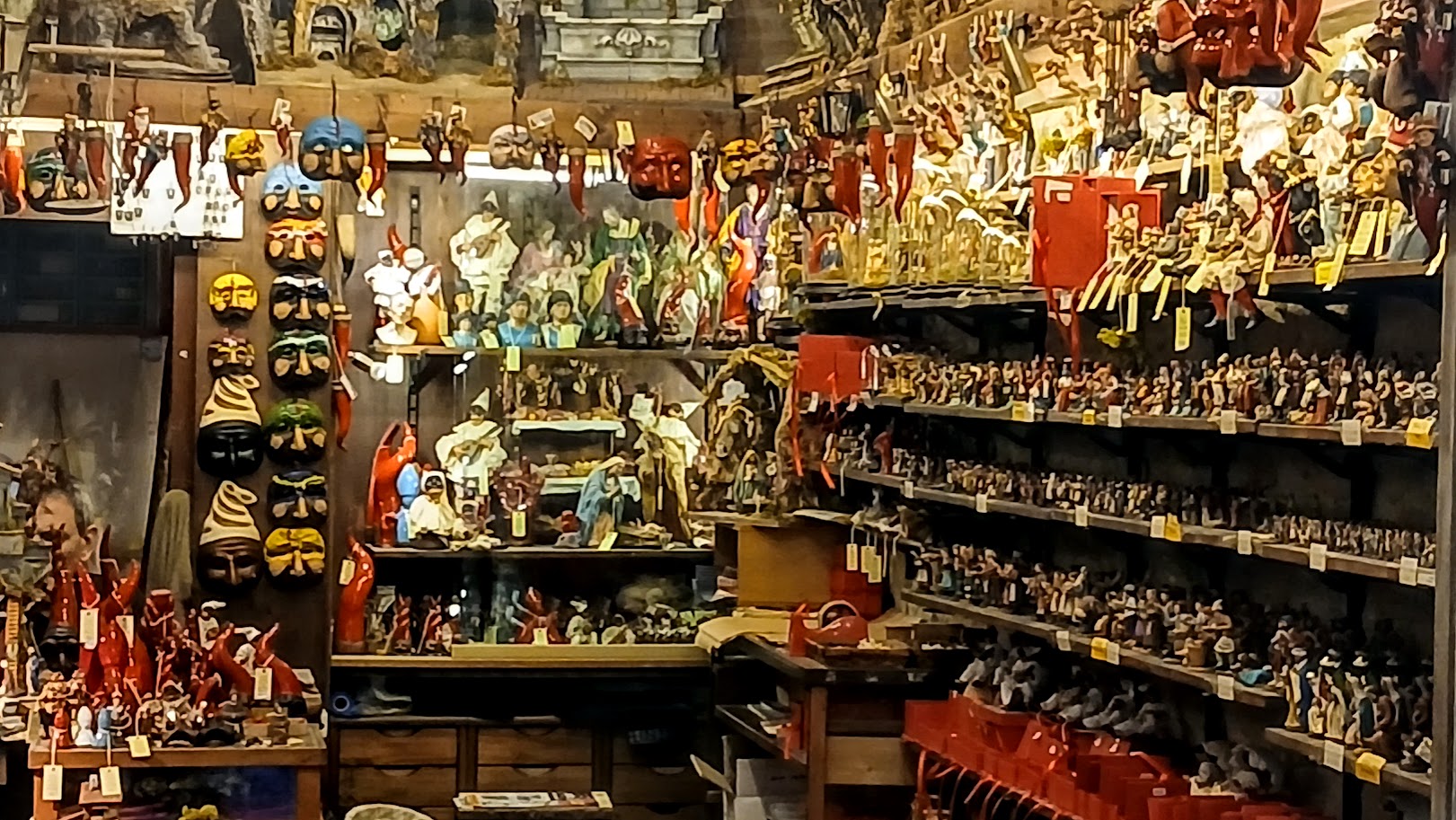
Da Maradona a Totò: a San Gregorio Armeno il presepe racconta anche il presente
Una delle caratteristiche che rendono San Gregorio Armeno così amata è la capacità degli artigiani di trasformare in personaggi da presepe anche le figure della contemporaneità. Accanto ai personaggi tradizionali possono comparire attori, cantanti, sportivi, politici e personaggi diventati simboli della cultura popolare.
È una tradizione antica che continua a guardare al presente.

La paura dei negozi di souvenir a basso costo
La protesta del 14 settembre nasce dalla preoccupazione per alcune botteghe attualmente sfitte e dalle indiscrezioni relative alla possibile apertura di un’attività commerciale dedicata alla vendita di souvenir a basso costo, come calamite e altri oggetti non legati alla tradizione presepiale.
Per gli artigiani il problema non è la provenienza di chi investe né la volontà di impedire a qualcuno di fare impresa. Il punto è preservare la destinazione culturale e artigianale di San Gregorio Armeno.
Vincenzo Capuano, presidente dell’Associazione Le Botteghe di San Gregorio Armeno, ha spiegato che la strada non può diventare una semplice area commerciale, perché perdere le botteghe storiche significherebbe interrompere una memoria artigianale tramandata per generazioni.
La richiesta è dunque quella di aprire un confronto sul futuro della strada e costruire un modello capace di mettere insieme turismo, economia, commercio, artigianato e tutela dell’identità culturale.
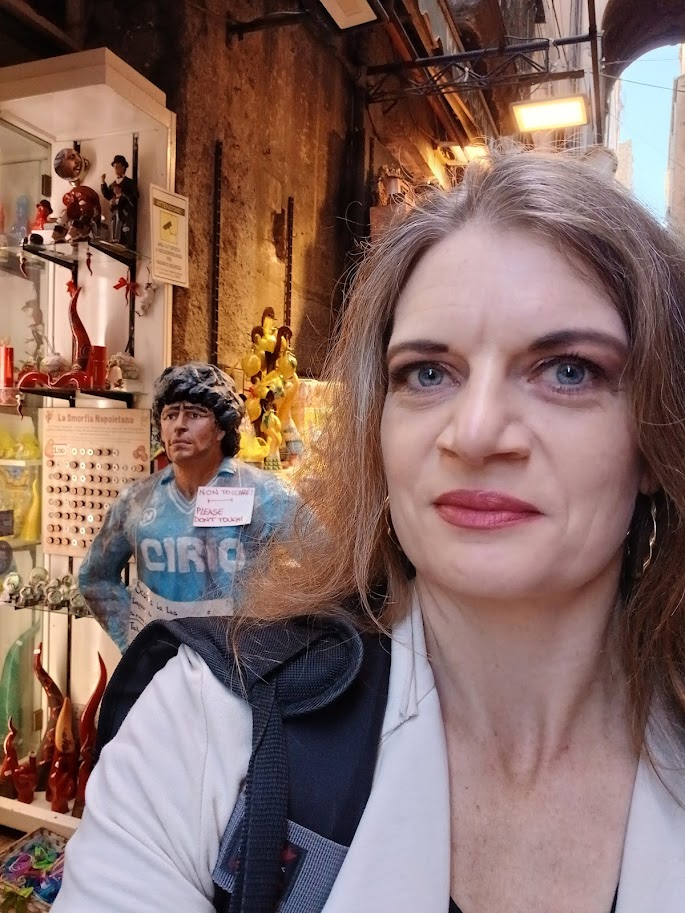
Il Comune: “San Gregorio Armeno è un patrimonio unico al mondo”
Nel pomeriggio è arrivata la risposta dell’amministrazione comunale.
L’assessora al Turismo e alle Attività produttive Teresa Armato ha rassicurato artigiani e cittadini, ricordando gli strumenti adottati dal Comune per proteggere la vocazione della strada.
Il Comune sottolinea che San Gregorio Armeno rappresenta un patrimonio unico al mondo e un simbolo identitario e culturale di Napoli. La tutela è stata rafforzata negli anni attraverso specifici provvedimenti.
In particolare, il nuovo Piano comunale approvato il 29 giugno 2026 stabilisce, per la strada di San Gregorio Armeno, una disposizione particolarmente precisa:
«Nella strada di San Gregorio Armeno è ammessa la sola attività di produzione e vendita di prodotti dell’arte presepiale e dei pastori».
Secondo l’amministrazione, dunque, non sarebbe possibile aprire liberamente un’attività commerciale estranea alla tradizione presepiale.
Anche le eventuali nuove SCIA, le Segnalazioni Certificate di Inizio Attività, devono essere sottoposte alle verifiche previste dagli uffici competenti, compreso il controllo dell’oggetto sociale dell’impresa.
L’assessora Armato ha quindi confermato l’impegno del Comune a proteggere le botteghe storiche e la tradizione che rende questa strada conosciuta in tutto il mondo.
Ma che cosa sarebbe San Gregorio Armeno senza le sue botteghe?
San Gregorio Armeno è nota per ciò che rappresenta. Una strada di poche centinaia di metri è diventata nel tempo uno dei simboli più riconoscibili di Napoli proprio perché conserva una concentrazione straordinaria di botteghe artigiane dedicate alla produzione presepiale.
Sostituire progressivamente questa identità con attività commerciali generiche significherebbe correre il rischio di trasformare un luogo unico in una strada turistica come tante altre.
San Gregorio Armeno, il Natale che dura 365 giorni
Qui è Natale tutto l’anno. Si può arrivare a gennaio, giugno, agosto o settembre e ritrovare sempre quella stessa atmosfera.
Il rumore della strada lascia spazio, entrando nelle botteghe, al silenzio concentrato degli artigiani. Le mani lavorano la terracotta, i pennelli aggiungono dettagli minuscoli, gli occhi delle statuine prendono forma.
Per qualche minuto sembra davvero di essere entrati in un altro tempo.
Salvare San Gregorio Armeno significa salvare una parte di Napoli
San Gregorio Armeno può cambiare, crescere e continuare ad accogliere visitatori da tutto il mondo. Ma deve farlo senza perdere ciò che l’ha resa famosa. Quando una bottega artigiana scompare scompare un mestiere, una tecnica, una storia familiare e un pezzo di memoria collettiva.
Nel caso di San Gregorio Armeno, insieme a tutto questo rischierebbe di scomparire anche una parte dell’immagine stessa di Napoli.
Per il momento il sempre vostro Michelangelo Buonarroti vi saluta dandovi appuntamento ai prossimi post e sui social.
Hands off San Gregorio Armeno: the “Nativity scene street” protests to defend Naples’ identity
On September 14, 2026, the workshops of San Gregorio Armeno remained closed until 2:00 PM. Artisans are calling for the protection of this historic Neapolitan street’s tradition of Nativity scene craftsmanship, guarding against the risk of it gradually transforming into a mere souvenir strip.
Via San Gregorio Armeno is the famous “Nativity scene street,” where, twelve months a year, the air is filled with the scents of wood, terracotta, glue, paint, and tradition. Here, time seems to have stood still at the most magical moment of the year; one need only walk along the street and peek into the workshops to encounter shepherds, Madonnas, the Three Wise Men, angels, lucky horns, Pulcinella, and figures from contemporary Naples transformed into miniature Nativity characters.
Strolling down San Gregorio Armeno feels like Christmas all year round.
That is precisely why seeing the shop shutters down on September 14, 2026, was such a heartbreaking sight.
San Gregorio Armeno shuts its doors: “Let’s save our identity”
Yesterday morning, artisans from this famous street in Naples’ historic center staged a symbolic strike, keeping their workshops closed until 2:00 PM.
A message appeared on the shutters, addressed primarily to the authorities and those responsible for deciding the street’s future:
“We do not want to block change. We want to defend our history. Shepherds, Nativity scenes, artisans. This is San Gregorio Armeno. Let’s save Naples’ identity.”
The protest inevitably took by surprise the many tourists who had come to the city’s ancient center specifically to visit the famous Nativity scene street. The artisans explain that this shutdown is not driven by a rejection of commercial development or a desire to stop new entrepreneurs from investing. What will remain of San Gregorio Armeno if the businesses tied to its tradition gradually give way to shops completely unrelated to its history?
This is the fear that has prompted the workshops to mobilize.
A street where the nativity scene is an art form
Anyone who has never visited San Gregorio Armeno might imagine a typical commercial street in central Naples, but one need only step inside to realize it is something entirely different.
The workshops are often small and deep, crowded with figures. Hundreds of characters fill the counters and line the walls; some are tiny, others monumental. There are traditional shepherds alongside contemporary figures, for the Neapolitan nativity scene possesses an extraordinary quality: it can reflect the times without ever forsaking tradition.
Moving from one workshop to the next, one truly feels immersed in the great Neapolitan nativity tradition.
You can watch artisans at work—sculpting faces, painting garments, and crafting intricate details. Behind every figure lies a craft, a manual skill, and a body of knowledge passed down through generations.
San Gregorio Armeno is a place where an intangible tradition takes physical form.
The origins of San Gregorio Armeno
San Gregorio Armeno lies in the heart of Naples’ historic center, in the part of the city that still preserves the layout of ancient Greek Neapolis.
The street follows one of the city’s ancient thoroughfares—located between Spaccanapoli and Via dei Tribunali—and leads toward the monumental complex dedicated to Saint Gregory the Armenian (San Gregorio Armeno).
The street takes its name from this religious complex and the ancient monastery of San Gregorio Armeno, founded in the area during the early Middle Ages; over the centuries, it became one of the city’s most important convents for women.
Since ancient times, the area has been linked to craftsmanship and the production of terracotta artifacts. Tradition also holds that an ancient pagan place of worship dedicated to Ceres—a deity associated with fertility—once stood in the area; citizens would bring small terracotta votive figurines there.
Over the centuries, the site transformed, yet the established practice of working with terracotta helped create an environment particularly conducive to the development of the later Neapolitan nativity scene tradition.
When the Neapolitan nativity scene takes center stage
The true flourishing of the Neapolitan nativity art form occurred primarily between the 17th and 18th centuries, as the nativity scene gradually evolved from a purely religious depiction into an extraordinary, vivid chronicle of society.
The Neapolitan nativity scene featured far more than just the Nativity and sacred figures. Merchants, vendors, beggars, peasants, nobles, musicians, innkeepers, and common folk all appeared: it was a miniature version of the Naples of that era.
San Gregorio Armeno gradually became the iconic hub for this craft. Even today, upon entering the workshops, one encounters that same spirit: the nativity scene is not a static image of the past, but a narrative that continues to evolve.
From Maradona to Totò: the San Gregorio Armeno nativity scene reflects the present, too
One of the features that makes San Gregorio Armeno so beloved is the artisans’ ability to transform contemporary figures into nativity scene characters. Alongside traditional figures, one might find actors, singers, athletes, politicians, and icons of popular culture.
It is an ancient tradition that keeps its eyes on the present.
Fears regarding low-cost souvenir shops
The protest on September 14th stemmed from concerns about currently vacant shops and rumors regarding the possible opening of a business selling cheap souvenirs—such as magnets and other items unrelated to the nativity scene tradition.
For the artisans, the issue is neither the origin of the investors nor a desire to stop anyone from doing business. The goal is to preserve the cultural and artisanal character of San Gregorio Armeno.
Vincenzo Capuano, president of the Le Botteghe di San Gregorio Armeno (San Gregorio Armeno Shops) Association, explained that the street cannot simply become a commercial zone; losing the historic workshops would mean breaking a chain of artisanal heritage passed down through generations.
The call is therefore for a dialogue on the street’s future and the creation of a model that integrates tourism, the economy, commerce, craftsmanship, and the preservation of cultural identity.
The Municipality: “San Gregorio Armeno is a unique global heritage site”
A response from the municipal administration arrived later that afternoon.
Teresa Armato, the Councillor for Tourism and Productive Activities, reassured artisans and citizens by highlighting the measures the Municipality has adopted to protect the street’s unique character.
The Municipality emphasizes that San Gregorio Armeno represents a unique global heritage site and a symbol of Naples’ cultural identity. Protection efforts have been strengthened over the years through specific measures. In particular, the new municipal plan approved on June 29, 2026, establishes a very specific rule for San Gregorio Armeno Street:
“Only businesses involved in the production and sale of nativity scene art and figurines are permitted on San Gregorio Armeno Street.”
According to the municipal administration, therefore, it is not possible to freely open a commercial business unrelated to the nativity scene tradition.
Any new SCIA filings (Certified Reports of Commencement of Activity) are also subject to review by the relevant departments, including a check of the business’s stated purpose.
Councilor Armato has thus reaffirmed the Municipality’s commitment to protecting the historic workshops and the tradition that makes this street world-famous.
But what would San Gregorio Armeno be without its workshops?
San Gregorio Armeno is known for what it represents. Over time, a street spanning just a few hundred meters has become one of Naples’ most recognizable symbols, precisely because it preserves an extraordinary concentration of artisan workshops dedicated to nativity scene craftsmanship.
Gradually replacing this identity with generic commercial businesses would risk turning a unique location into just another tourist street.
San Gregorio Armeno: Christmas 365 days a year
Here, it is Christmas all year round. You can visit in January, June, August, or September and always find that same atmosphere.
Upon entering the workshops, the street noise gives way to the focused silence of the artisans. Hands work the terracotta, brushes add tiny details, and the figurines’ eyes take shape.
For a few minutes, it truly feels like stepping into another era.
Saving San Gregorio Armeno means saving a part of Naples
San Gregorio Armeno can change, grow, and continue to welcome visitors from all over the world. But it must do so without losing what made it famous. When an artisan workshop vanishes, a craft, a technique, a family history, and a piece of collective memory vanish along with it.
In the case of San Gregorio Armeno, a part of Naples’ very identity would risk disappearing too.
For now, yours truly, Michelangelo Buonarroti, bids you farewell and looks forward to seeing you in future posts and on social media.

Sostienici – Support Us
Se questo blog ti piace e ti appassiona, puoi aiutarci a farlo crescere sempre più sostenendoci in modo concreto condividendo i post, seguendo le pagine social e con un contributo che ci aiuta ad andare avanti con il nostro lavoro di divulgazione. . ENGLISH: If you like and are passionate about this blog, you can help us make it grow more and more by supporting us in a concrete way by sharing posts, following social pages and with a contribution that helps us to move forward with our dissemination work.
10,00 €
-
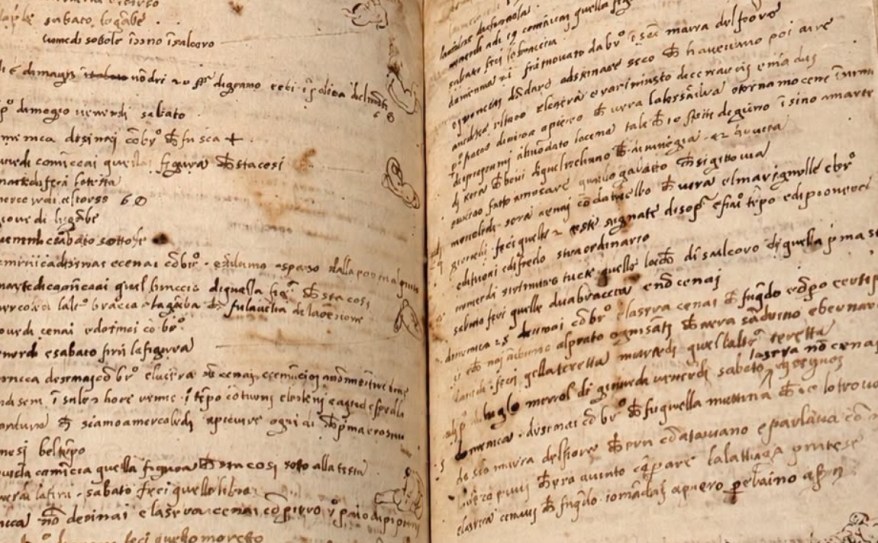
Pontormo, il diario segreto del pittore: malattie, pasti e piccoli disegni che raccontano la sua vita
🇮🇹Il diario di Pontormo: malattie, pasti, amicizie e piccoli disegni raccontano la vita privata del pittore e il lavoro perduto a San Lorenzo… 🇬🇧Pontormo’s diary—with its accounts of illnesses, meals, friendships, and small sketches—reveals the painter’s private life and his lost work at San Lorenzo…
-
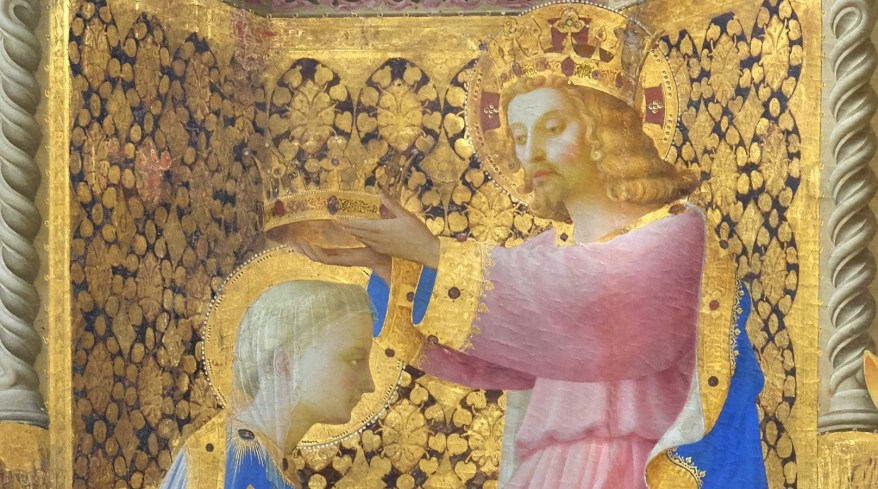
25 ottobre 1815: le opere rubate da Napoleone tornarono in Italia, ma 248 rimasero in Francia
🇮🇹Il 25 ottobre 1815 partì da Parigi un convoglio di 41 carri trainati da circa 200 cavalli, con 249 opere d’arte destinate a tornare in Italia… 🇬🇧On October 25, 1815, a convoy of 41 wagons, pulled by approximately 200 horses, departed from Paris, carrying 249 works of art destined to return to Italy…
-

Più forte della morte
🇮🇹Può l’amore superare la morte? In un madrigale sorprendente, il desiderio di chi amo arriva fino all’Inferno e al Paradiso… 🇬🇧Can love transcend death? In a striking madrigal, the longing for the one I love reaches as far as Hell and Paradise…
Condividi:


Questo sono io




sostienici

Sostienici – Support Us
Se questo blog ti piace e ti appassiona, puoi aiutarci a farlo crescere sempre più sostenendoci in modo concreto condividendo i post, seguendo le pagine social e con un contributo che ci aiuta ad andare avanti con il nostro lavoro di divulgazione. . ENGLISH: If you like and are passionate about this blog, you can help us make it grow more and more by supporting us in a concrete way by sharing posts, following social pages and with a contribution that helps us to move forward with our dissemination work.
€10,00


E’ una via così famosa che sarebbe davvero un peccato che la lasciassero sparire, almeno nella sua identità profonda. 👏👏👏👏👏👏👌👌👌👌👍👍😉 Speriamo resti sempre così 👍👍👌
"Mi piace"Piace a 1 persona
Me lo auguro anch’io: è meravigliosa. Si respira un’atmosfera impossibile da percepire altrove
"Mi piace"Piace a 1 persona