
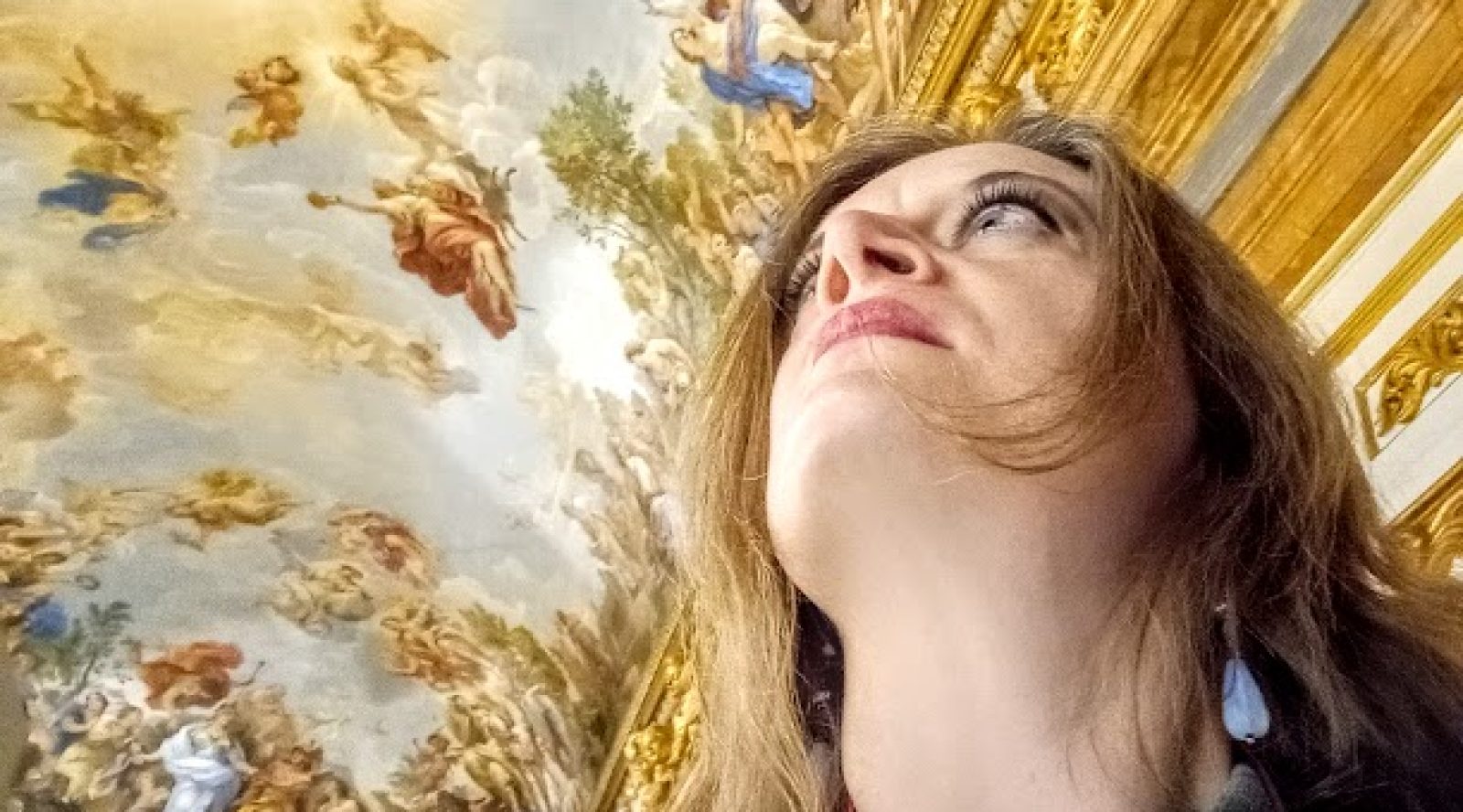
27 agosto 1569: Cosimo I ottenne il titolo di Granduca, ma dietro la corona c’era un patto
Il 27 agosto 1569 fu la data che cambiò il volto e il destino della Toscana. Quel giorno papa Pio V, Michele Ghislieri, concesse a Cosimo I de’ Medici il titolo di Magnus Dux Etruriae, ovvero Granduca di Toscana.
Dietro quella corona ci fu una lunga partita diplomatica, l’ambizione di Cosimo I di aumentare il prestigio e l’autonomia del proprio Stato, l’opposizione dell’Impero e della Spagna e persino la drammatica vicenda dell’eretico Pietro Carnesecchi.
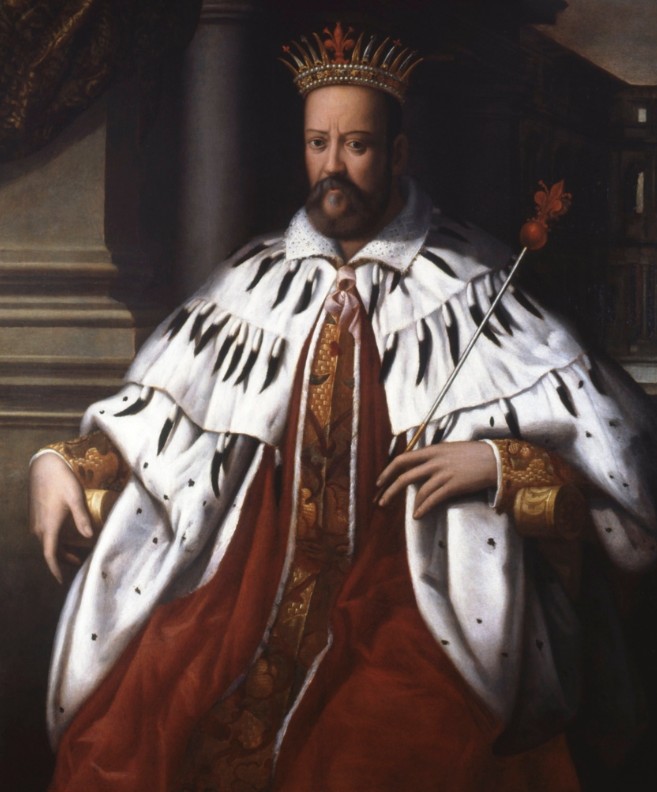
Quando tutto questo accadde, ero già morto da cinque anni. Ma Cosimo I lo avevo conosciuto bene e, soprattutto, avevo avuto modo di conoscere le sue insistenze quando cercava di ottenere da me disegni, indicazioni e idee per le imprese architettoniche fiorentine.
Se pensate che il titolo di Granduca fosse semplicemente piovuto dal cielo per benevolenza del pontefice, vi sbagliate.
Nel Cinquecento i titoli non erano mai soltanto titoli.
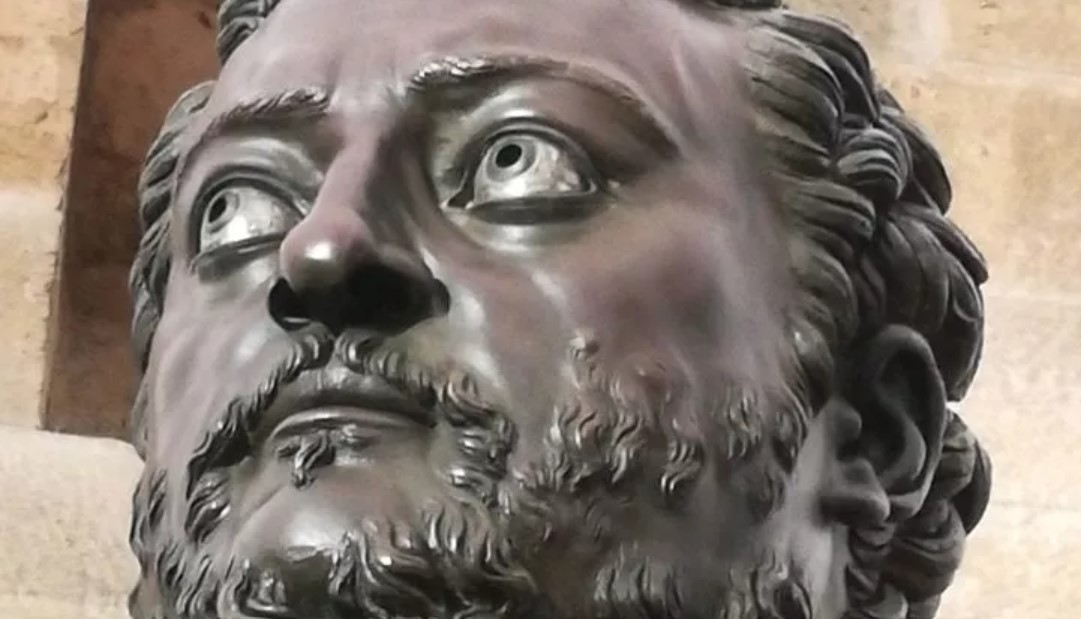
Cosimo I voleva qualcosa di più del titolo di duca
Quando Cosimo I de’ Medici era diventato duca di Firenze, aveva ereditato uno Stato che aveva bisogno di essere consolidato e trasformato in una potenza riconoscibile sulla scena italiana.
La sua politica fu tutt’altro che passiva.
Cosimo conquistò Siena nel 1555, ottenendo poi il riconoscimento dell’acquisizione da parte di Filippo II di Spagna. Creò una flotta, fondò nel 1561 l’Ordine di Santo Stefano e cercò di rafforzare la presenza toscana nel Mediterraneo.
Aveva dunque costruito uno Stato molto più importante di quello che aveva ricevuto.
Gli mancava però qualcosa: un titolo capace di rendere evidente agli altri sovrani europei la sua nuova posizione.
Secondo la Treccani, il raggiungimento del titolo granducale nel 1569 rappresentò il culmine della politica di ingrandimento perseguita da Cosimo.
E Cosimo, credetemi, non era uomo da accontentarsi facilmente.

La richiesta di una corona regale
Prima del titolo granducale, Cosimo aveva guardato ancora più in alto.
Nel 1567 i Corsi ribelli al dominio genovese gli offrirono addirittura la corona di re di Corsica. Ma l’iniziativa incontrò l’opposizione delle grandi potenze e Cosimo dovette rinunciare.
La strada verso una vera corona regale era dunque praticamente sbarrata e serviva una soluzione diversa.
Fu così che maturò l’idea di un titolo nuovo, prestigioso e sufficientemente elevato da porre il sovrano fiorentino sopra molti altri principi italiani, senza arrivare formalmente al titolo di re.
La soluzione fu il Granduca di Toscana.
Era un titolo nuovo e, proprio per questo, straordinariamente utile dal punto di vista politico.
Il retroscena più inquietante: Pietro Carnesecchi
Per capire il rapporto fra Cosimo I e Pio V bisogna ricordare la vicenda di Pietro Carnesecchi, umanista e protonotario apostolico vicino agli ambienti della Riforma.
Carnesecchi aveva goduto per anni della protezione di Cosimo. Con l’elezione di Pio V, però, la situazione cambiò radicalmente.
Il pontefice, uno dei protagonisti più intransigenti della Controriforma, voleva che Carnesecchi fosse consegnato all’Inquisizione. Cosimo alla fine cedette.
La consegna avvenne nel 1566 e Carnesecchi fu poi processato dal Sant’Uffizio e condannato a morte. Fu giustiziato a Roma il 1° ottobre 1567.
La documentazione storica conferma che Pio V considerò lo zelo di Cosimo contro Carnesecchi e altri presunti eretici fra gli elementi che contribuirono alla concessione del titolo granducale.
Per questo motivo, però, bisogna fare una precisazione importante: non è corretto dire che Cosimo consegnò Carnesecchi il 27 agosto 1569 in cambio del titolo. La consegna era avvenuta alcuni anni prima.
Il rapporto fra le due vicende è piuttosto quello di una progressiva convergenza politica e religiosa tra Cosimo e Pio V.

Il Papa sfida l’Imperatore
La concessione del titolo non piacque affatto agli Asburgo. Cosimo era infatti legato all’Impero e alla monarchia spagnola e il nuovo titolo rischiava di apparire come una vera e propria ingerenza del pontefice in una materia che, secondo gli Asburgo, non spettava al Papa.
Il problema non era soltanto stabilire come chiamare Cosimo ma stabilire chi avesse il diritto di riconoscere la dignità sovrana di un principe italiano.
L’Archivio di Stato ricorda come la concessione papale del 1569 fosse stata fortemente osteggiata a livello imperiale e come il riconoscimento da parte dell’Imperatore fosse arrivato soltanto alcuni anni dopo.
Cosimo aveva dunque ottenuto il titolo, ma la partita diplomatica era tutt’altro che conclusa.
Il 13 dicembre 1569 Firenze scoprì di avere un Granduca
La bolla pontificia fu poi portata a Firenze. Il 13 dicembre 1569, nel Palazzo Ducale, oggi Palazzo Vecchio, il documento fu letto pubblicamente davanti alle magistrature cittadine.
Da quel momento Cosimo poteva essere chiamato ufficialmente Granduca di Toscana.
Mancava però ancora qualcosa: la cerimonia capace di trasformare quel riconoscimento in uno spettacolo politico indimenticabile. E così Cosimo partì alla volta di Roma.
5 marzo 1570: la spettacolare incoronazione di Cosimo I
L’8 febbraio 1570 la corte medicea lasciò Firenze diretta verso Roma. Cosimo doveva ricevere personalmente dal pontefice la corona granducale e rendere visibile, attraverso una cerimonia solenne, la nuova dignità raggiunta dalla dinastia.
Il 5 marzo 1570 avvenne l’incoronazione.
La cerimonia fu organizzata con una cura quasi teatrale, perché a Roma non si stava incoronando soltanto un uomo: si stava mettendo in scena la nascita di una nuova potenza italiana.
Cosimo entrò nella Sala del Concistoro dopo gli altri partecipanti, vestito con grande sfarzo. Quindi seguì il pontefice nella cappella, dove si svolse la parte religiosa della cerimonia. Davanti a Pio V, il nuovo granduca giurò di difendere la fede cattolica.
Poi arrivarono i simboli del potere: la corona e lo scettro.
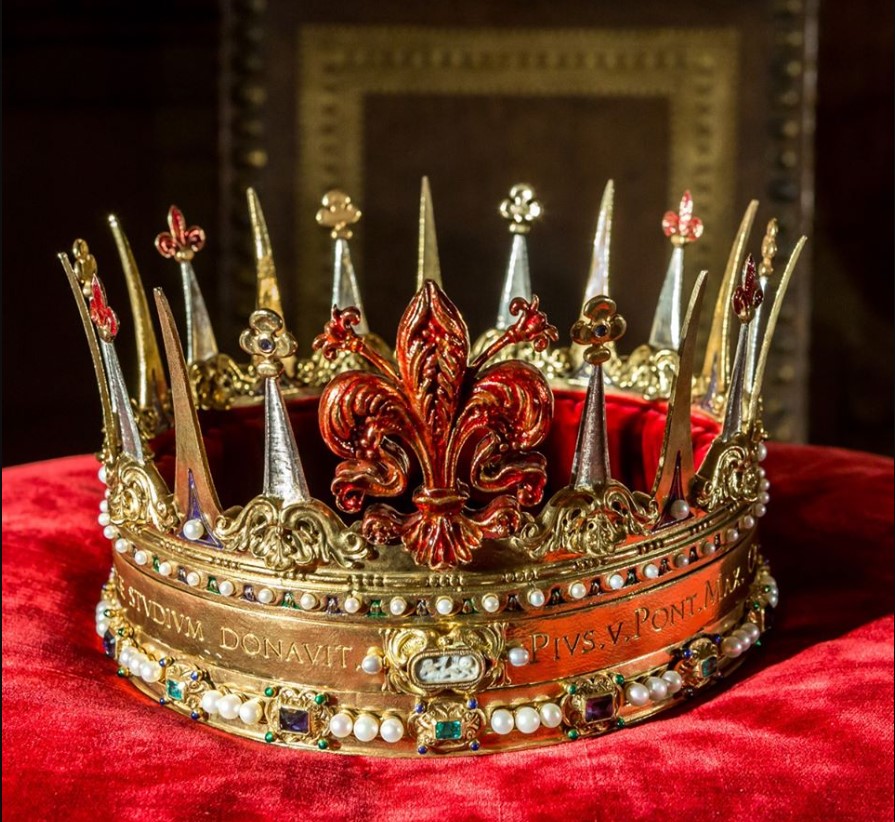
Secondo la documentazione del Ministero della Cultura, la corte medicea portò a Roma una ricchissima corona d’oro ornata di perle e pietre preziose e uno scettro appositamente realizzato per il nuovo sovrano.
Una corona diversa da tutte le altre
La corona granducale doveva essere qualcosa di completamente nuovo per comunicare visivamente che Cosimo era ormai qualcosa di più di un duca.
La corona fu quindi progettata con una forma particolare e con il giglio fiorentino come elemento centrale della decorazione.
Il messaggio era chiarissimo: il nuovo potere granducale aveva le proprie radici nella Toscana e nella dinastia dei Medici. Anche l’iscrizione presente sulla corona ricordava esplicitamente che il titolo derivava dalla concessione di Pio V.
Il Granducato di Toscana sarebbe sopravvissuto ai Medici, agli Asburgo-Lorena e alle grandi trasformazioni dell’Ottocento, fino all’annessione al Regno d’Italia.
Per il momento il sempre vostro Michelangelo Buonarroti vi saluta dandovi appuntamento ai prossimi post e sui social.

August 27, 1569: Cosimo I obtained the title of Grand Duke, but behind the crown was a pact
August 27, 1569, was the date that changed the face and destiny of Tuscany. That day, Pope Pius V, Michele Ghislieri, granted Cosimo I de’ Medici the title of Magnus Dux Etruriae, or Grand Duke of Tuscany.
Behind that crown lay a long diplomatic struggle: Cosimo I’s ambition to increase the prestige and autonomy of his state, the opposition of the Empire and Spain, and even the dramatic story of the heretic Pietro Carnesecchi.
When all this happened, I had already been dead for five years. But I had known Cosimo I well and, above all, I had been aware of his persistence when he tried to obtain from me drawings, instructions, and ideas for Florentine architectural projects.
And if you think the title of Grand Duke simply fell from the sky through the benevolence of the Pope, you’re wrong.
In the sixteenth century, titles were never just titles.
Cosimo I wanted something more than the title of Duke
When Cosimo I de’ Medici became Duke of Florence, he inherited a state that needed to be consolidated and transformed into a recognizable power on the Italian scene.
His policy was anything but passive.
Cosimo conquered Siena in 1555, later obtaining recognition of the acquisition by Philip II of Spain. He created a fleet, founded the Order of Saint Stephen in 1561, and sought to strengthen the Tuscan presence in the Mediterranean.
He had therefore built a state far more important than the one he had received.
But he was missing something: a title capable of making his new position clear to other European sovereigns.
According to Treccani, attaining the grand ducal title in 1569 represented the culmination of Cosimo’s policy of aggrandizement.
And Cosimo, believe me, was not a man to be easily satisfied.
The Request for a Royal Crown
Before the grand ducal title, Cosimo had set his sights even higher.
In 1567, the Corsicans, rebels against Genoese rule, even offered him the crown of King of Corsica. But the initiative met with opposition from the great powers, and Cosimo was forced to decline.
The path to a true royal crown was therefore virtually barred, and a different solution was needed.
Thus, the idea of a new title was born, prestigious and high enough to place the Florentine sovereign above many other Italian princes, without formally attaining the title of king.
The solution was the Grand Duke of Tuscany.
It was a new title and, precisely for this reason, extraordinarily useful from a political standpoint.
The Most Disturbing Background: Pietro Carnesecchi
To understand the relationship between Cosimo I and Pius V, we must recall the story of Pietro Carnesecchi, a humanist and apostolic prothonotary close to the Reformation.
Carnesecchi had enjoyed Cosimo’s protection for years. With the election of Pius V, however, the situation changed radically.
The pontiff, one of the most intransigent protagonists of the Counter-Reformation, wanted Carnesecchi handed over to the Inquisition. Cosimo eventually relented.
The handover took place in 1566, and Carnesecchi was subsequently tried by the Holy Office and sentenced to death. He was executed in Rome on October 1, 1567.
Historical documentation confirms that Pius V considered Cosimo’s zeal against Carnesecchi and other alleged heretics among the factors that contributed to the granting of the grand ducal title.
For this reason, however, an important clarification is necessary: it is incorrect to say that Cosimo handed over Carnesecchi on August 27, 1569, in exchange for the title. The handover had occurred several years earlier.
The relationship between the two events is rather that of a progressive political and religious convergence between Cosimo and Pius V.
The Pope Challenges the Emperor
The granting of the title did not please the Habsburgs at all. Cosimo was, in fact, tied to the Empire and the Spanish monarchy, and the new title risked appearing as outright interference by the pontiff in a matter that, according to the Habsburgs, did not belong to the Pope.
The problem was not only determining what to call Cosimo, but also establishing who had the right to recognize the sovereign dignity of an Italian prince.
The State Archives record how the papal concession of 1569 was strongly opposed at the imperial level, and how the Emperor’s recognition did not come until several years later.
Cosimo had thus obtained the title, but the diplomatic game was far from over.
On December 13, 1569, Florence discovered it had a Grand Duke
The papal bull was then brought to Florence. On December 13, 1569, in the Palazzo Ducale, now Palazzo Vecchio, the document was read publicly before the city magistrates.
From that moment, Cosimo could officially be called Grand Duke of Tuscany.
But something was still missing: the ceremony that would transform that recognition A triumph in an unforgettable political spectacle. And so Cosimo set out for Rome.
March 5, 1570: The Spectacular Coronation of Cosimo I
On February 8, 1570, the Medici court left Florence for Rome. Cosimo was to personally receive the grand ducal crown from the Pope and to make visible, through a solemn ceremony, the dynasty’s newfound dignity.
The coronation took place on March 5, 1570.
The ceremony was organized with almost theatrical care, because in Rome, not just a man was being crowned: the birth of a new Italian power was being staged.
Cosimo entered the Consistory Hall after the other participants, dressed in great pomp. He then followed the Pope into the chapel, where the religious part of the ceremony took place. Before Pius V, the new Grand Duke swore to defend the Catholic faith.
Then came the symbols of power: the crown and the scepter.
According to documents from the Ministry of Culture, the Medici court brought to Rome a rich gold crown adorned with pearls and precious stones and a scepter specially made for the new sovereign.
A Crown Unlike All the Others
The grand ducal crown had to be something completely new, to visually communicate that Cosimo was now more than just a duke.
The crown was therefore designed with a distinctive shape and with the Florentine lily as the central element of the decoration.
The message was crystal clear: the new grand ducal power had its roots in Tuscany and the Medici dynasty. Even the inscription on the crown explicitly recalled that the title was granted by Pius V.
The Grand Duchy of Tuscany would survive the Medici, the Habsburg-Lorraine, and the great transformations of the 19th century, until its annexation to the Kingdom of Italy.
For now, yours truly, Michelangelo Buonarroti bids you farewell and invites you to join him in future posts and on social media.

Sostienici – Support Us
Se questo blog ti piace e ti appassiona, puoi aiutarci a farlo crescere sempre più sostenendoci in modo concreto condividendo i post, seguendo le pagine social e con un contributo che ci aiuta ad andare avanti con il nostro lavoro di divulgazione. . ENGLISH: If you like and are passionate about this blog, you can help us make it grow more and more by supporting us in a concrete way by sharing posts, following social pages and with a contribution that helps us to move forward with our dissemination work.
10,00 €
-
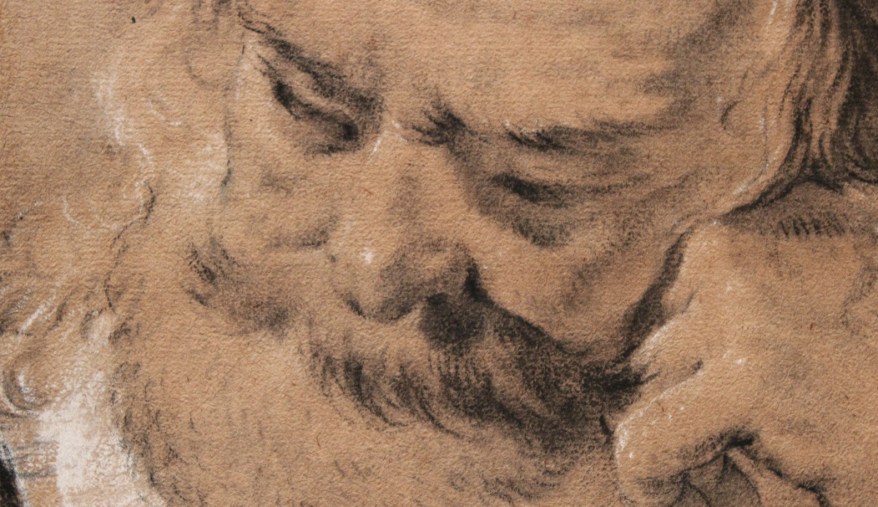
Giovanni Battista Piazzetta, il vecchio che sembra vivo: la poesia in un disegno
🇮🇹Una testa, una barba, due mani e una luce straordinaria: nella Testa di vecchio, Piazzetta trasforma gesso bianco e nero e carta bruna in un’immagine di incredibile intensità… 🇬🇧A head, a beard, two hands, and extraordinary light: in *Head of an Old Man*, Piazzetta transforms black and white chalk and brown paper into an image…
-
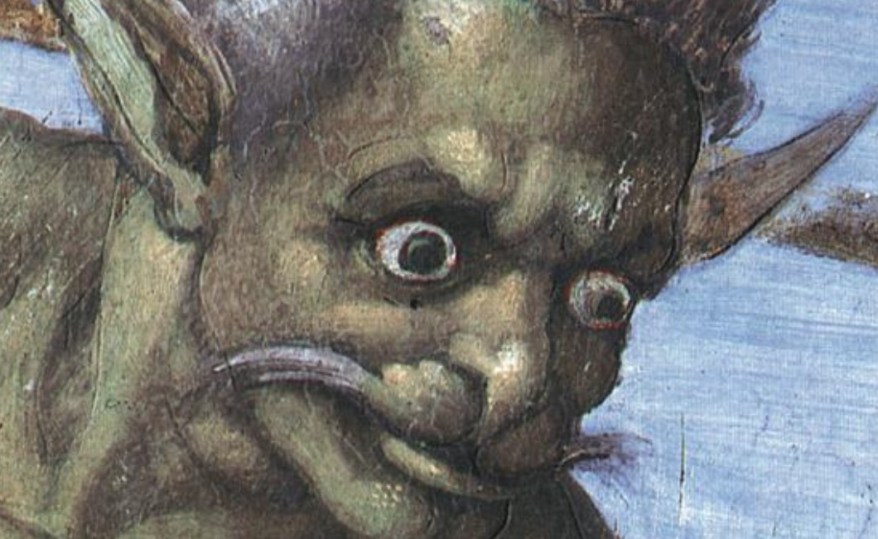
La firma nascosta nel Giudizio Universale: chi ha firmato sul remo di Caronte?
🇮🇹Sapete che nel Giudizio Universale c’è una firma non mia e che si trova proprio sul remo di Caronte?… 🇬🇧Did you know that in the *Last Judgment* there is a signature that isn’t mine, and that it is located right on Charon’s oar?…
-
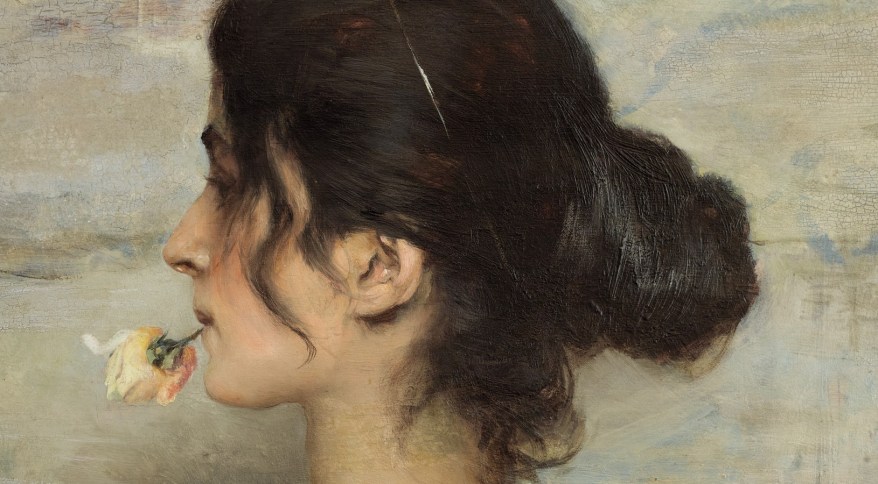
VANITAS a Ferrara: i fiori non sono mai stati così belli e inquietanti
🇮🇹VANITAS a Ferrara: oltre 40 opere da Hayez a Casorati raccontano fiori, bellezza, morte e simboli. La mostra apre l’8 ottobre 2026 e prosegue fino al 31 gennaio 2027… 🇬🇧VANITAS in Ferrara: over 40 works ranging from Hayez to Casorati explore themes of flowers, beauty, death, and symbolism. The exhibition opens on October 8, 2026,…
Condividi:


Questo sono io




sostienici

Sostienici – Support Us
Se questo blog ti piace e ti appassiona, puoi aiutarci a farlo crescere sempre più sostenendoci in modo concreto condividendo i post, seguendo le pagine social e con un contributo che ci aiuta ad andare avanti con il nostro lavoro di divulgazione. . ENGLISH: If you like and are passionate about this blog, you can help us make it grow more and more by supporting us in a concrete way by sharing posts, following social pages and with a contribution that helps us to move forward with our dissemination work.
€10,00


