
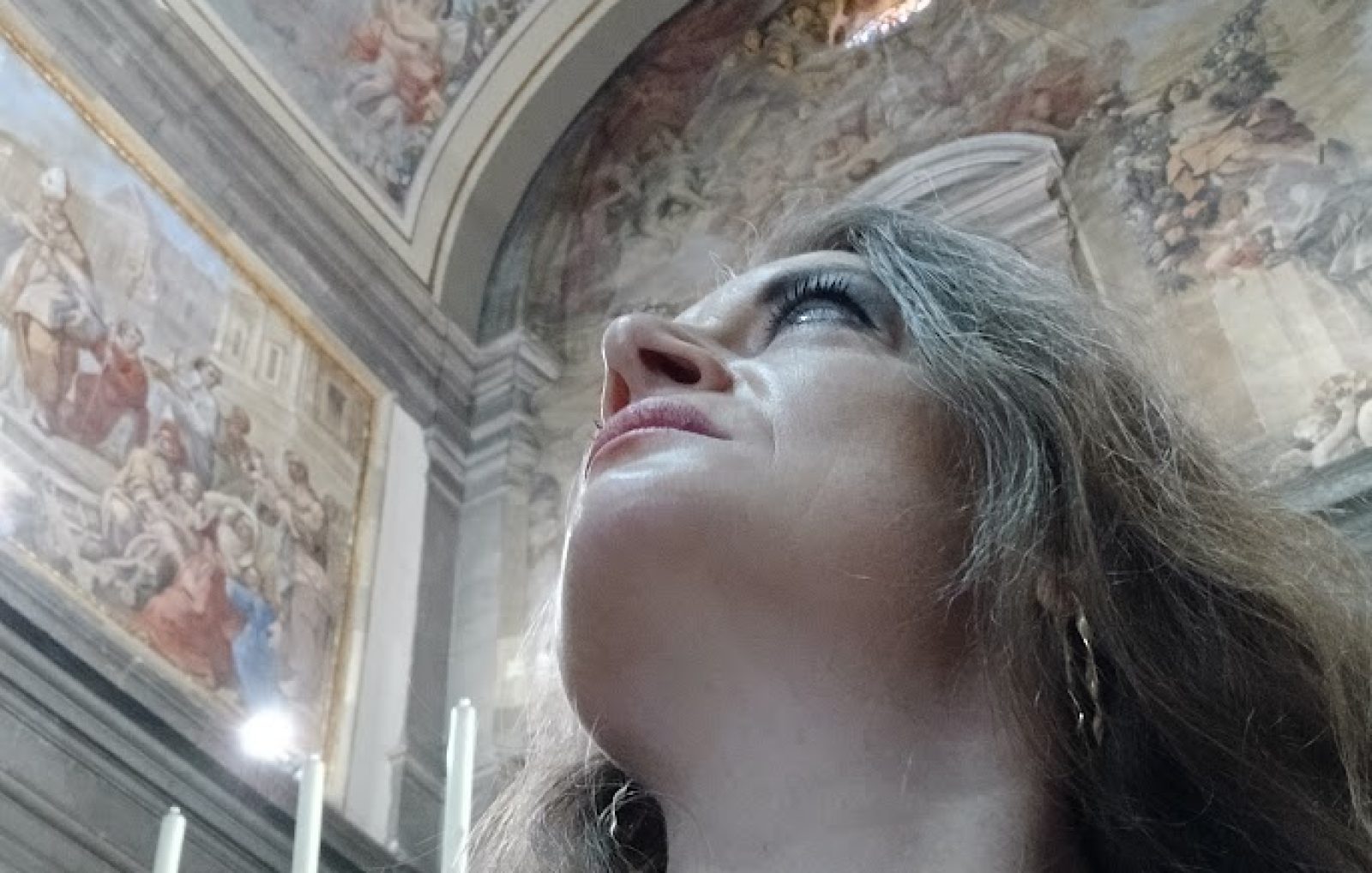
450 ducati e un anno di tempo: il 27 agosto 1498 firmai il contratto per la Pietà Vaticana
Il 27 agosto 1498 fu una di quelle date che, mentre le vivevo, non potevo ancora sapere quanto sarebbero rimaste impresse nella storia dell’arte.
Quel giorno infatti venne messo nero su bianco il contratto per la realizzazione della Pietà Vaticana, la scultura che ancora oggi, nella Basilica di San Pietro, continua a meravigliare chi la guardi.
Ma la storia era cominciata già prima.
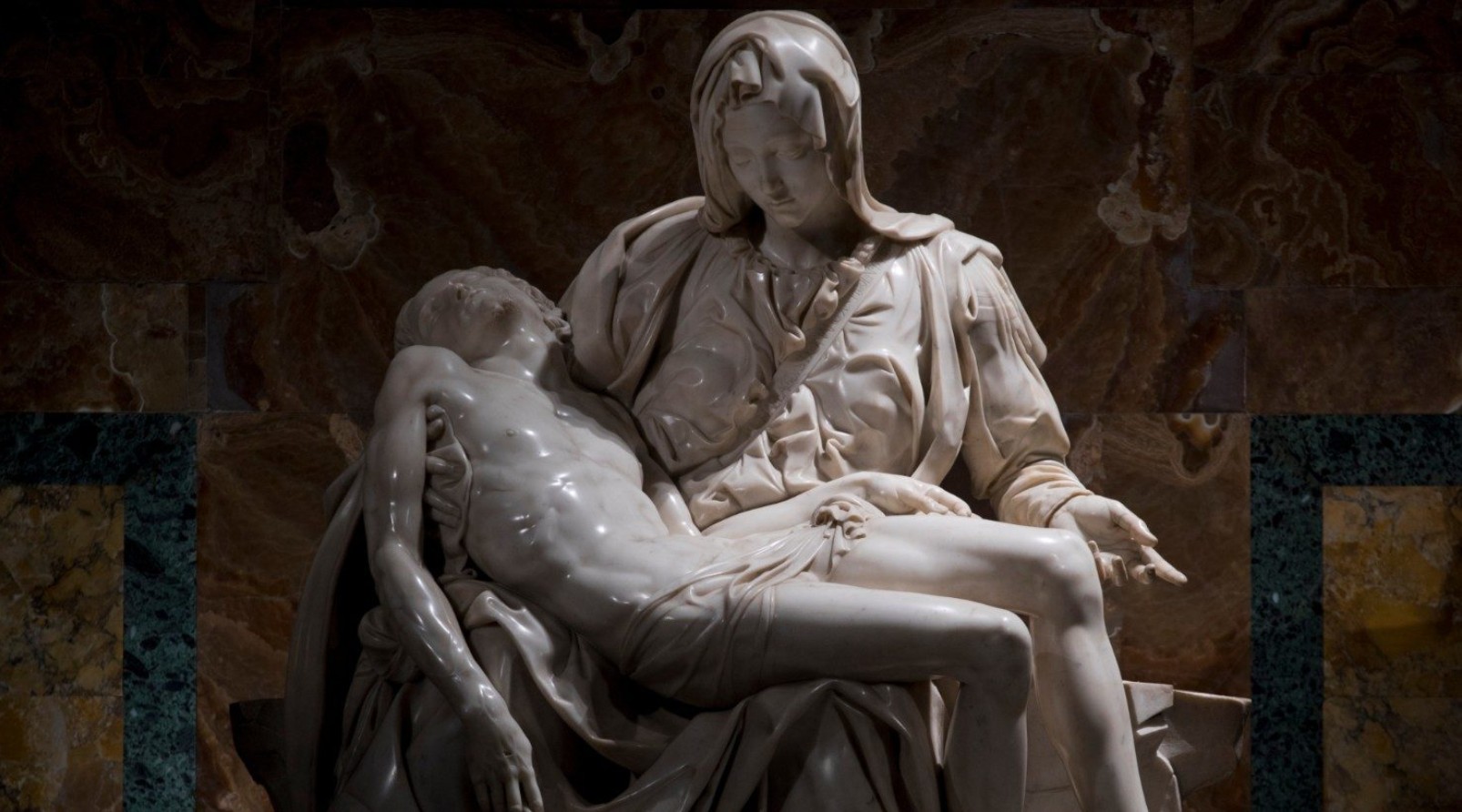
La Pietà Vaticana: il contratto del 27 agosto 1498
Quando il contratto fu ufficialmente stipulato, il lavoro mi era già stato affidato. Il committente era Jean de Bilhères de Lagraulas, cardinale di San Dionigi e ambasciatore del re di Francia presso papa Alessandro VI, Rodrigo Borgia.
Il cardinale aveva già versato un anticipo di 133 e 1/3 fiorini di Reno, perché potessi procurarmi il marmo necessario alla scultura. Sapevo bene che la scelta del blocco sarebbe stata fondamentale: non avrei potuto accontentarmi di un marmo qualunque.

Dovevo cercare a Carrara un concio di marmo che fosse degno dell’opera che avevo in mente. Nel contratto, redatto da Jacopo Galli, venne stabilito con precisione ciò che avrei dovuto realizzare: una Vergine Maria vestita, con Cristo morto tra le braccia, di dimensioni pari a quelle di un uomo.
Il compenso sarebbe stato di 450 ducati d’oro papali e il termine fissato per la conclusione dell’opera era di un anno.
Una sfida enorme.
“La più bella opera di marmo che sia oggi in Roma”
Jacopo Galli si impegnava nei confronti del cardinale a fare in modo che io realizzassi l’opera entro un anno e aggiungeva che sarebbe stata “la più bella opera di marmo che sia hoge in Roma”.
Non era una promessa da poco. Roma era piena di scultori, opere antiche e artisti ambiziosi. Io ero ancora giovane e quella commissione rappresentava un’occasione straordinaria per dimostrare ciò che ero capace di fare.
Non avevo intenzione di tradire tutta quella fiducia.

Il marmo di Carrara e la sfida della Pietà
Tutto cominciava dalla materia. Il marmo era ciò che avrebbe determinato la possibilità stessa di dare vita alla figura che avevo nella mente. Per questo mi recai a Carrara, alla ricerca del blocco migliore.
Avevo bisogno di una pietra capace di restituire la delicatezza della carne, la morbidezza dei panneggi, la serenità del volto della Vergine e, nello stesso tempo, il peso del corpo morto di Cristo.
Volevo che il marmo sembrasse quasi perdere la propria durezza. Far sembrare viva la pietra: la sfida maggiore.
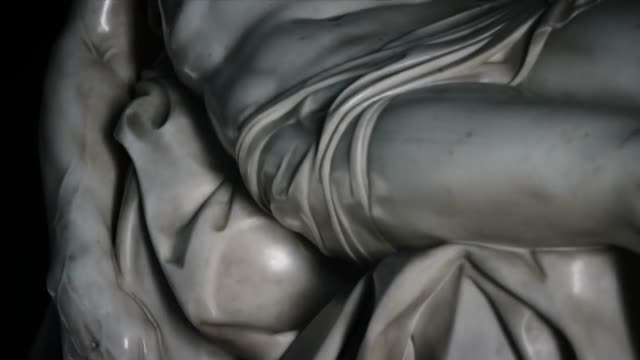
Maria con Cristo tra le braccia: una scelta diversa
Quando iniziai a lavorare alla Pietà, avevo davanti a me un tema antico: la Madonna che tiene tra le braccia il corpo morto di Cristo. Non avevo alcuna intenzione di limitarmi a ripetere ciò che altri avevano già fatto.
La mia Maria non doveva essere una madre sconvolta dal dolore. Volevo mostrarla giovane, composta, quasi fuori dal tempo.
Tra le sue braccia Cristo appare morto, ma il dolore è uno spettacolo da guardare ma una tragedia silenziosa da attraversare a piedi scalzi.
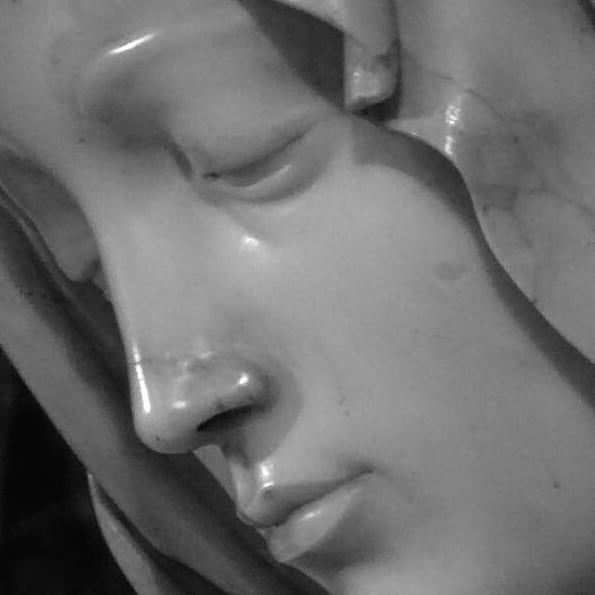
Un anno per realizzare un capolavoro
Il contratto mi imponeva un termine preciso: un anno.
Un anno per realizzare una scultura di dimensioni naturali, lavorando il blocco di marmo e cercando di raggiungere quella perfezione che mi ero imposto.
Ogni colpo di scalpello poteva cambiare il destino dell’opera. Avevo imparato che nella scultura bisogna procedere con attenzione: togliere materia è una scelta irreversibile.
Una volta tolto il marmo, non lo si può rimettere.

Il cardinale non vide la Pietà finita
Jean de Bilhères de Lagraulas non poté vedere la Pietà portata a termine. Morì infatti nell’agosto del 1499, quando la scultura non era ancora stata ultimata.
Non poté quindi ammirare personalmente ciò che aveva commissionato. La Pietà sarebbe stata terminata poco dopo e destinata a essere collocata nella Basilica di San Pietro in occasione del Giubileo del 1500.
La mia firma sulla Pietà Vaticana
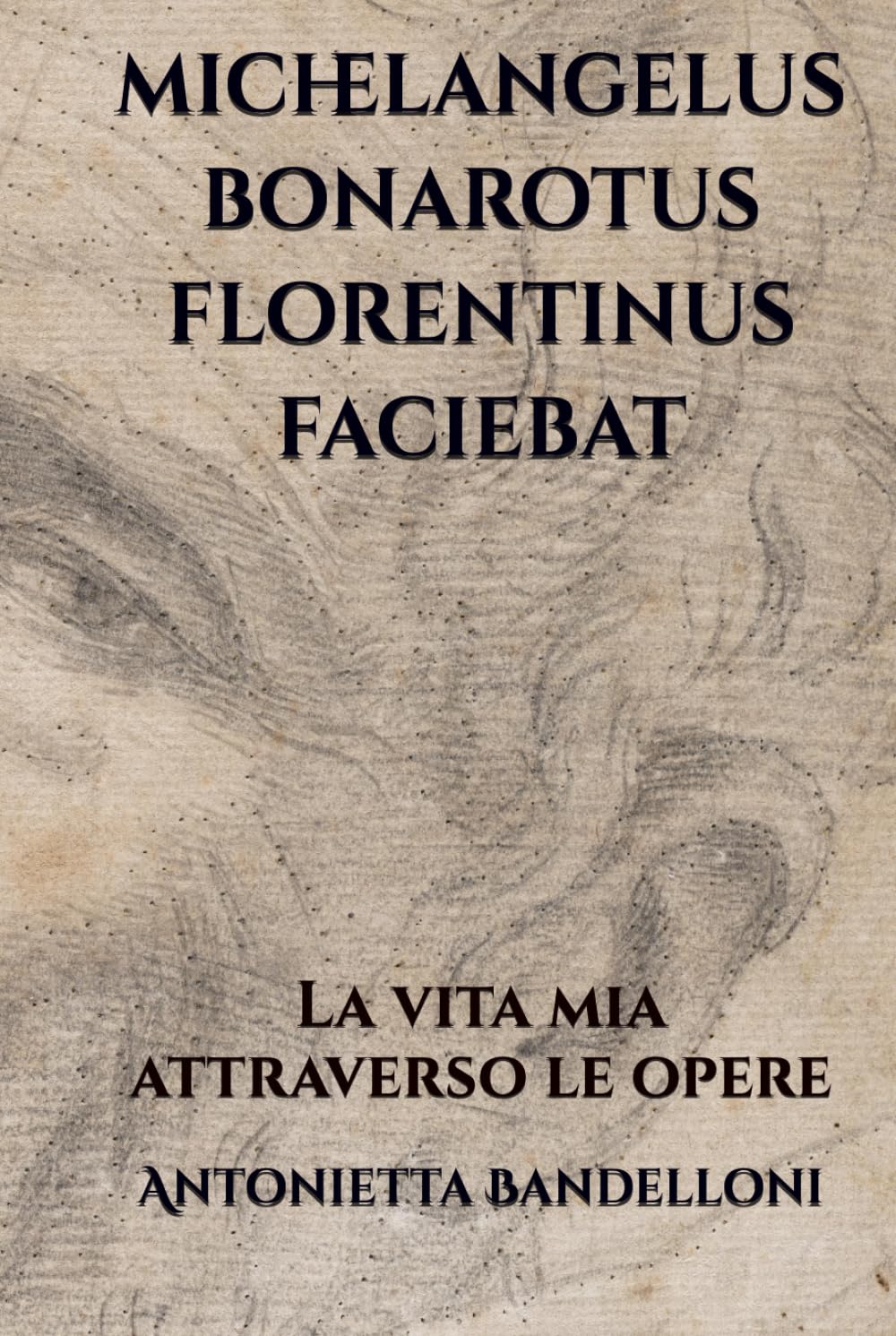
Sulla fascia che attraversa il petto della Vergine volli scolpire il mio nome: MICHAELANGELUS BONAROTUS FLORENTINUS FACIEBAT, “Michelangelo Buonarroti fiorentino faceva.”
Fu l’unica volta in cui firmai una mia scultura. Lo feci perché avevo sentito alcuni attribuire l’opera ad altri, per inciso allo scultore milanese Cristoforo Solari. Non potevo tollerare he qualcuno potesse mettere in dubbio chi avesse dato forma a quelle figure.

Si, dopotutto posso affermare di aver onorato quel contratto, realizzando “la più bella opera di marmo che sia hoge in Roma”.
Per il momento il sempre vostro Michelangelo Buonarroti vi saluta dandovi appuntamento ai prossimi post e sui social.
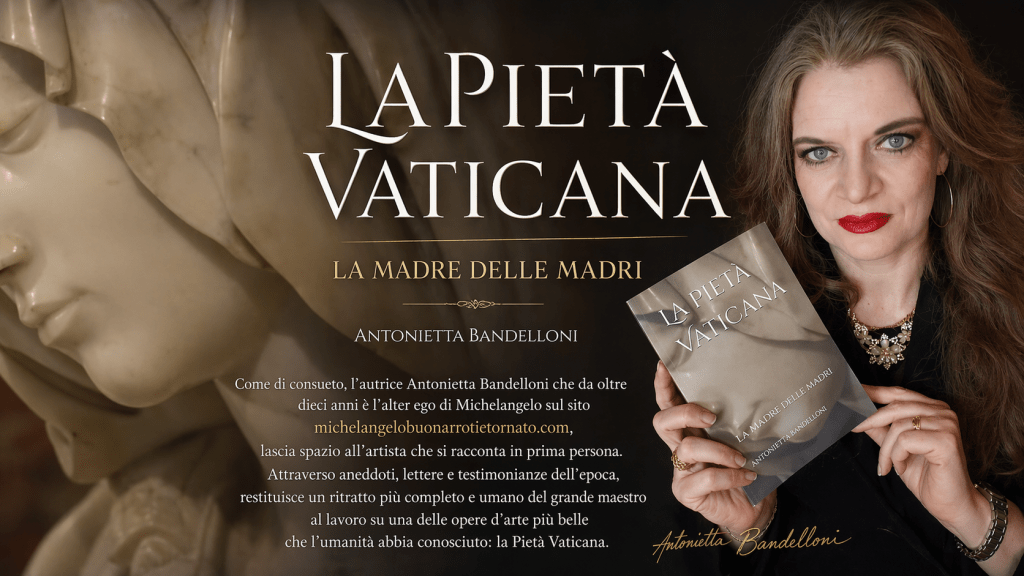
450 ducats and a year’s time: on August 27, 1498, I signed the contract for the Vatican Pietà
August 27, 1498, was one of those dates that, even as I lived it, I couldn’t have known how deeply it would impact the history of art.
That day, in fact, the contract for the creation of the Vatican Pietà was put down in black and white, the sculpture that still today, in St. Peter’s Basilica, continues to amaze all who gaze upon it.
But the story had begun even earlier.
The Vatican Pietà: the contract of August 27, 1498
When the contract was officially signed, the work had already been entrusted to me. The client was Jean de Bilhères de Lagraulas, Cardinal of Saint-Denis and ambassador of the King of France to Pope Alexander VI, Rodrigo Borgia.
The cardinal had already paid a deposit of 133.5 Rhine florins so I could procure the marble needed for the sculpture. I knew full well that the choice of block would be crucial: I couldn’t settle for just any marble.
I had to search Carrara for a marble ashlar worthy of the work I had in mind. The contract, drawn up by Jacopo Galli, precisely stated what I was to create: a robed Virgin Mary, with the dead Christ in her arms, the size of a man.
The fee would be 450 papal gold ducats, and the completion deadline was one year.
A huge challenge.
“The most beautiful marble work in Rome today.”
Jacopo Galli promised the cardinal that I would complete the work within a year, adding that it would be “the most beautiful marble work in Rome today.”
It was no small promise. Rome was full of sculptors, ancient works, and ambitious artists. I was still young, and that commission represented an extraordinary opportunity to demonstrate what I was capable of.
I had no intention of betraying all that trust.
Carrara Marble and the Challenge of the Pietà
Everything began with the material. Marble was what would determine the very possibility of bringing to life the figure I had in my mind. For this reason, I went to Carrara, searching for the finest block.
I needed a stone capable of conveying the delicacy of the flesh, the softness of the draperies, the serenity of the Virgin’s face, and, at the same time, the weight of Christ’s dead body.
I wanted the marble to almost seem to lose its hardness. Making the stone seem alive: the greatest challenge.
Mary with Christ in her arms: a different choice
When I began working on the Pietà, I had an ancient theme before me: the Madonna holding the dead body of Christ in her arms. I had no intention of simply repeating what others had already done.
My Mary wasn’t supposed to be a mother distraught by grief. I wanted to show her young, composed, almost timeless.
In her arms, Christ appears dead, but pain is a spectacle to behold, but a silent tragedy to be endured barefoot.
A year to create a masterpiece
The contract imposed a precise deadline: one year.
A year to create a life-size sculpture, working the block of marble and striving to achieve the perfection I had set myself.
Every stroke of the chisel could change the fate of the work. I had learned that in sculpture, one must proceed with care: removing material is an irreversible choice.
Once the marble is removed, it cannot be replaced.
The cardinal did not see the finished Pietà
Jean de Bilhères de Lagraulas was never able to see the completed Pietà. He died in August 1499, when the sculpture was not yet finished.
He was therefore unable to personally admire what he had commissioned. The Pietà would be completed shortly thereafter and destined for placement in St. Peter’s Basilica for the Jubilee of 1500.
My signature on the Vatican Pietà
On the sash across the Virgin’s chest, I chose to carve my name: MICHAELANGELUS BONAROTUS FLORENTINUS FACIEBAT, “Michelangelo Buonarroti Florentine made.”
It was the only time I signed one of my sculptures. I did so because I had heard some attribute the work to others, specifically to the Milanese sculptor Cristoforo Solari. I could not tolerate anyone questioning who had created those figures.
Yes, after all, I can say that I honored that contract, creating “the most beautiful marble work in Rome today.”
For now, yours truly, Michelangelo Buonarroti bids you farewell and invites you to join me in future posts and on social media.

Sostienici – Support Us
Se questo blog ti piace e ti appassiona, puoi aiutarci a farlo crescere sempre più sostenendoci in modo concreto condividendo i post, seguendo le pagine social e con un contributo che ci aiuta ad andare avanti con il nostro lavoro di divulgazione. . ENGLISH: If you like and are passionate about this blog, you can help us make it grow more and more by supporting us in a concrete way by sharing posts, following social pages and with a contribution that helps us to move forward with our dissemination work.
10,00 €
-
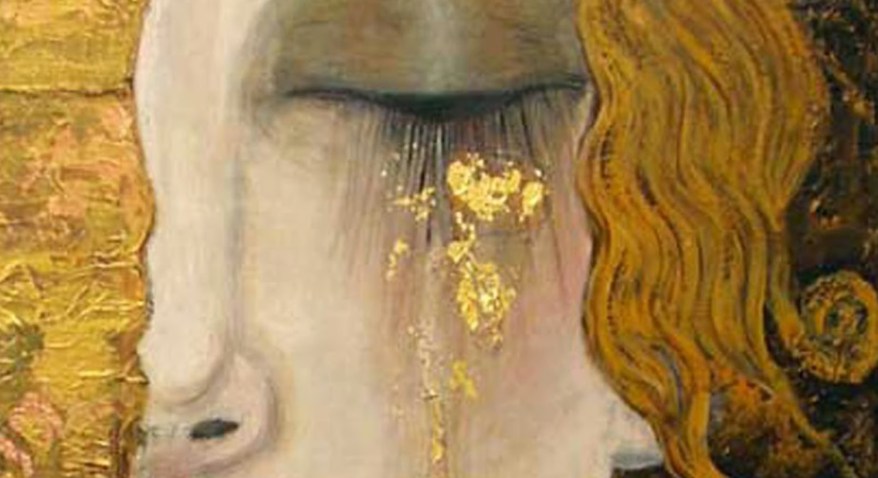
Freyja piange oro: la triste storia della dea nordica dipinta da Anne-Marie Zilberman
🇮🇹Le lacrime di Freyja di Anne-Marie Zilberman racconta la dea nordica attraverso il mito, il dolore e l’amore. Scopri la storia delle sue leggendarie lacrime d’oro… 🇬🇧Anne-Marie Zilberman’s *Freyja’s Tears* portrays the Norse goddess through myth, sorrow, and love. Discover the story of her legendary golden tears…
-
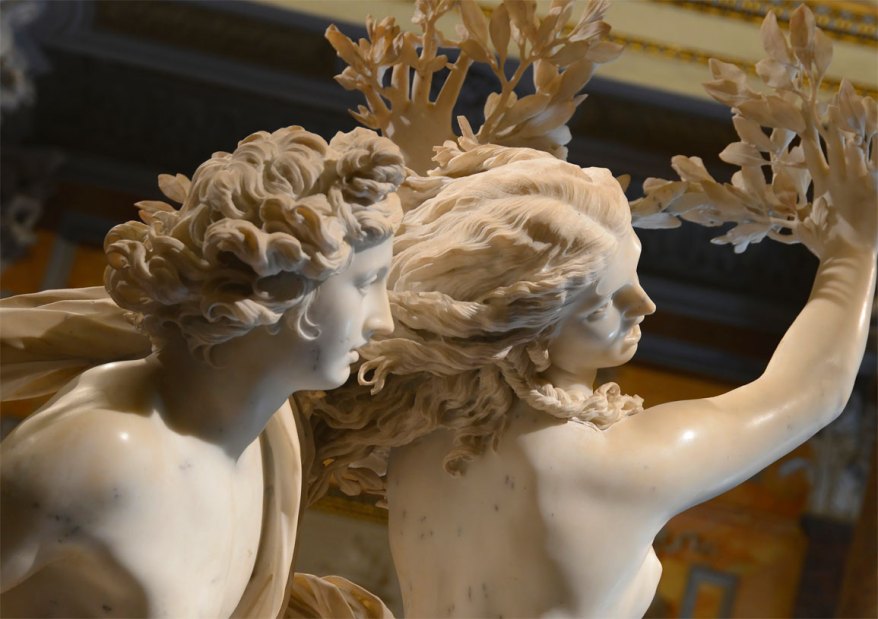
I giganti del Barocco: i grandi scultori del Seicento
🇮🇹Nel Seicento la scultura cambia per sempre. A Roma, Bernini, Algardi, Mochi e Maderno trasformano le sculture in scene capaci di coinvolgere lo sguardo e lasciare senza fiato… 🇬🇧In the seventeenth century, sculpture changed forever. In Rome, Bernini, Algardi, Mochi, and Maderno transformed sculptures into scenes capable of captivating the eye and leaving the viewer…
-
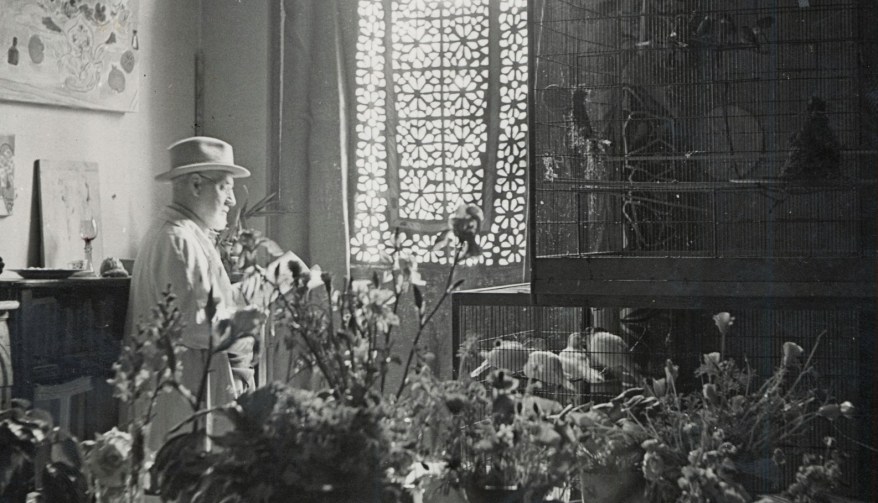
Matisse, il mondo intero dentro una stanza: al MUDEC la mostra che racconta la sua arte
🇮🇹’Matisse. Il mondo in una stanza’ al MUDEC di Milano racconta come Africa, Islam, Russia, Cina e Tahiti cambiarono l’arte di Henri Matisse… 🇬🇧’Matisse: The World in a Room’ at MUDEC in Milan tells the story of how Africa, Islam, Russia, China, and Tahiti transformed the art of Henri Matisse…
Condividi:


Questo sono io




sostienici

Sostienici – Support Us
Se questo blog ti piace e ti appassiona, puoi aiutarci a farlo crescere sempre più sostenendoci in modo concreto condividendo i post, seguendo le pagine social e con un contributo che ci aiuta ad andare avanti con il nostro lavoro di divulgazione. . ENGLISH: If you like and are passionate about this blog, you can help us make it grow more and more by supporting us in a concrete way by sharing posts, following social pages and with a contribution that helps us to move forward with our dissemination work.
€10,00


