
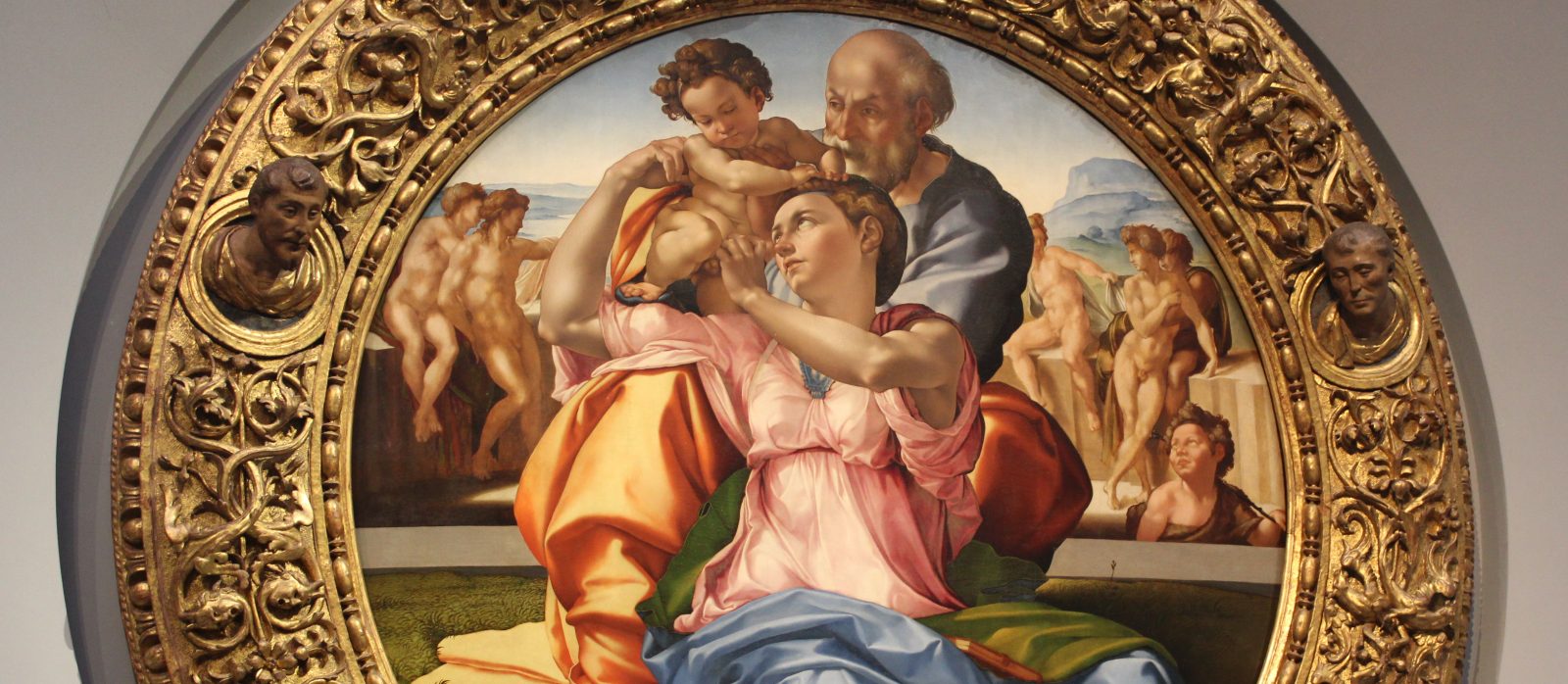
Dopo il Giudizio Universale sognavo soltanto di tornare alla tomba di Giulio II
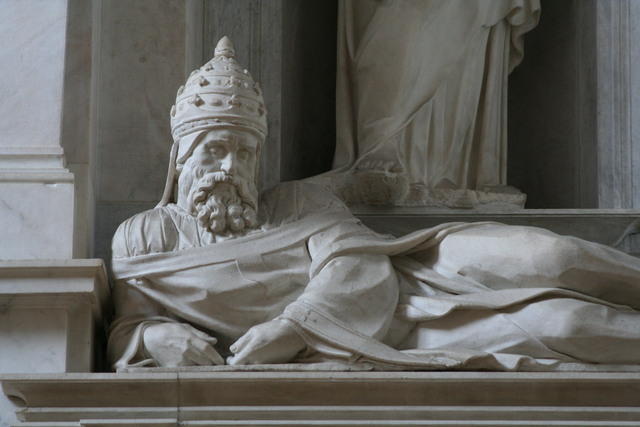
Quando terminai il Giudizio Universale, credevo che finalmente avrei potuto mantenere la promessa che mi accompagnava da decenni: completare la tomba di papa Giulio II.
Era un debito che sentivo pesare sulla mia coscienza e sulla mia reputazione. Gli eredi del pontefice attendevano da troppo tempo la conclusione di un’impresa nata con ambizioni immense e poi ridimensionata più volte, fino a trasformarsi in una continua fonte di tormento.
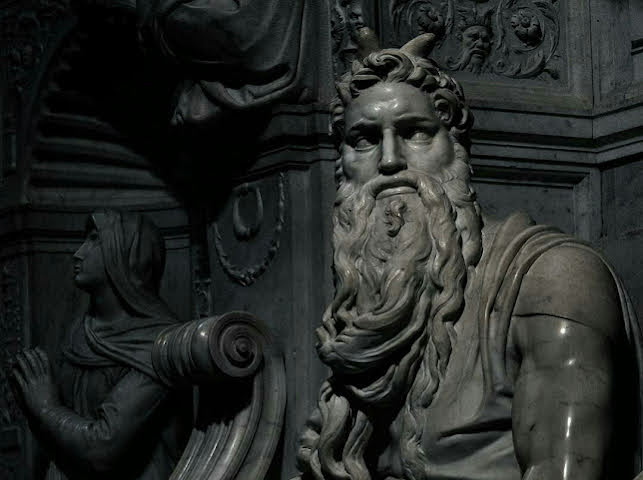
Per anni cercai di rassicurare il duca Guidobaldo della Rovere. Perfino una saliera, progettata per lui con forme ispirate all’antichità e sormontata da un Cupido in elegante contrapposto, nacque con l’intento di guadagnare tempo. Speravo soltanto di poter tornare alle statue e chiudere quella vicenda che aveva consumato una parte della mia vita.
Papa Paolo III mi impose un nuovo incarico quando ero ormai allo stremo
Le mie speranze durarono poco. Papa Paolo III aveva già deciso il mio destino. Appena concluso il Giudizio Universale, mi commissionò gli affreschi Cappella Paolina, la sua cappella privata accanto alla Sistina.
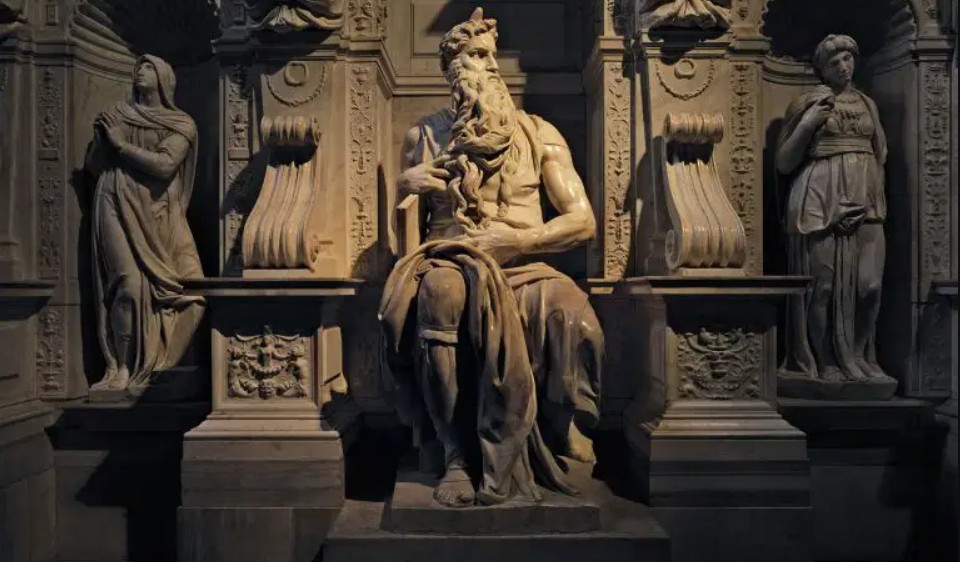
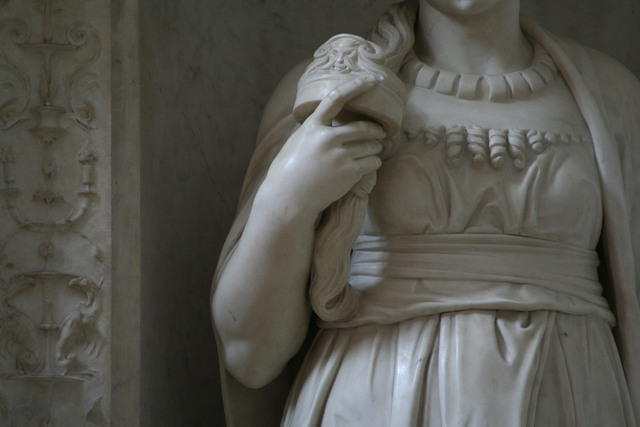
Non desideravo affrontare un’altra impresa di simili proporzioni. Avevo ormai quasi settant’anni, il corpo non rispondeva più come un tempo e la mente era affaticata da lutti, malattie e continue preoccupazioni. Avevo ancora da completare il Mosè, Rachele e Lia per la tomba di Giulio II, ma mi trovai costretto ad accantonare tutto ancora una volta.
Scrissi lettere piene di amarezza. Confessai di sentirmi disperato e ricordai che erano ormai trentasei anni che vivevo al servizio degli altri. Pittura e scultura, che avrebbero dovuto essere la mia gloria, erano diventate il peso più gravoso della mia esistenza.
Si dipinge con la testa e non con le mani
Molti credono che bastino il talento e la tecnica. Io sapevo invece che un affresco nasce prima nella mente e soltanto dopo prende forma sulla parete.
Lo spiegai anche al cardinale Alessandro Farnese. Gli scrissi che si dipinge con la testa e non con le mani, perché se l’animo è inquieto l’opera inevitabilmente ne risente. Avevo bisogno di serenità per lavorare, ma la lunga disputa sulla tomba di Giulio II mi impediva di trovarla.
Solo quando venne approvato un nuovo accordo con gli eredi del pontefice riuscii finalmente a liberarmi, almeno in parte, da quell’incubo che più tardi sarebbe stato ricordato come la “tragedia della tomba”.
Nella Cappella Paolina cercai il volto più autentico della fede
Entrai nella Cappella Paolina senza entusiasmo, ma poco alla volta compresi che quel luogo mi offriva qualcosa di diverso. Non volevo ripetere la grandiosità del Giudizio Universale. Cercavo una pittura più silenziosa, più severa, più vicina al travaglio dell’anima.
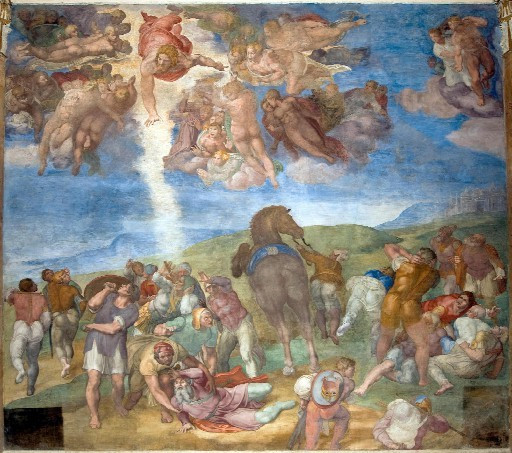
Per questo dipinsi la Conversione di Saulo e la Crocifissione di San Pietro. Non erano semplici episodi della storia sacra, ma il racconto di due uomini trasformati dall’incontro diretto con Dio.
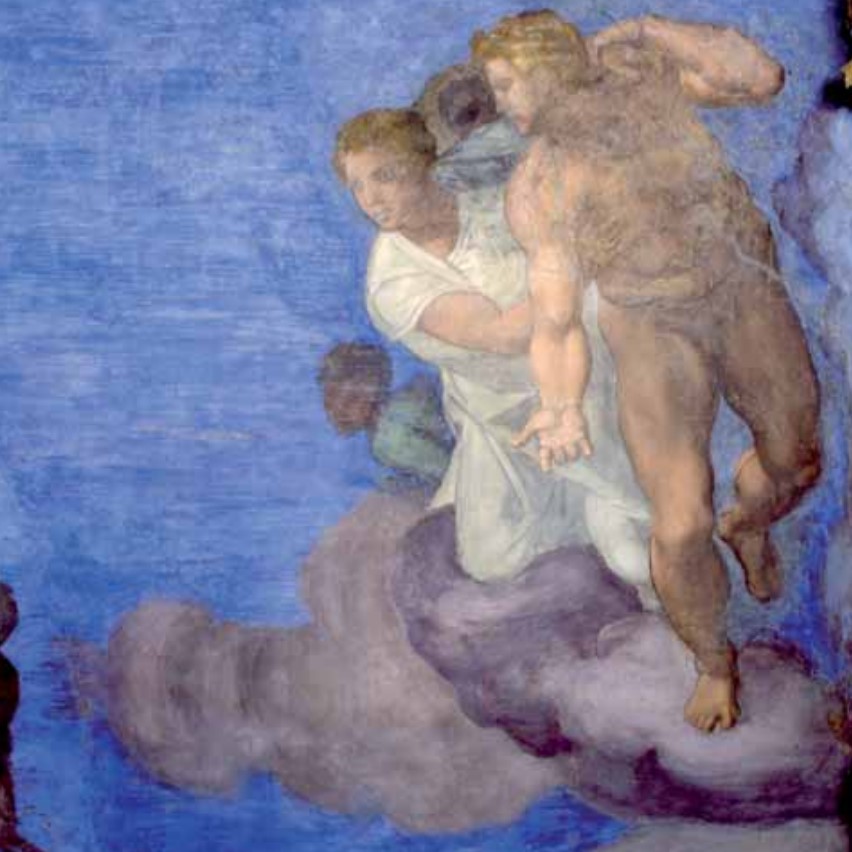
Saulo cade a terra travolto da una luce che non ha scelto.
Pietro affronta la morte con la serenità di chi ha ormai affidato tutto al Creatore.
In entrambi vidi il mistero della grazia, capace di cambiare il destino dell’uomo senza chiedergli il permesso.

Il mio San Pietro era completamente nudo
Scelsi una soluzione che molti avrebbero giudicato audace. Pietro fu dipinto completamente nudo sulla croce.
Non cercavo lo scandalo. Volevo mostrare l’anima privata di ogni ricchezza, di ogni potere e di ogni dignità terrena mentre si presenta davanti al giudizio di Dio.
Perfino i chiodi mancavano nella mia idea originaria. Pietro non era costretto al martirio: vi aderiva liberamente, con una fede tanto salda da non aver bisogno di essere trattenuto con la forza. Solo in seguito altri artisti aggiunsero il perizoma e i chiodi, modificando il significato che avevo attribuito alla scena.

A settant’anni dipingere un affresco era una battaglia contro il corpo
Quando iniziai questi lavori non ero più il giovane che aveva dipinto la volta della Cappella Sistina. Le giornate trascorse sui ponteggi pesavano sulle ossa e sulle forze.
È probabile che alcuni collaboratori mi abbiano aiutato nell’esecuzione materiale, ma il pensiero, il disegno e la costruzione delle figure nacquero sempre dalla mia mano e dalla mia mente.
I pochi cartoni preparatori sopravvissuti raccontano ancora oggi quanto fosse accurato il lavoro che precedeva ogni pennellata. Ogni muscolo, ogni gesto e ogni scorcio erano studiati con attenzione prima di essere trasferiti sull’intonaco fresco.
Molti parlarono di declino, io cercavo soltanto la verità
Qualcuno giudicò gli affreschi della Cappella Paolina inferiori al Giudizio Universale. Non mi interessava stupire con la forza del corpo umano come avevo fatto in passato.
In quegli anni cercavo qualcosa di più difficile: rappresentare la coscienza dell’uomo davanti a Dio. Le figure diventarono più pesanti, le composizioni più raccolte e le emozioni più profonde perché anch’io ero cambiato.
L’età, la sofferenza e le continue responsabilità mi avevano insegnato che la vera grandezza dell’arte non consiste soltanto nella perfezione delle forme, ma nella capacità di raccontare ciò che accade nell’anima.
La Cappella Paolina nacque proprio da quella consapevolezza. Se il Giudizio Universale fu il grido della mia maturità, questi affreschi rappresentano il silenzio della mia vecchiaia: meno spettacolare, forse, ma infinitamente più vicino alla verità.
Per il momento il sempre vostro Michelangelo Buonarroti vi saluta dandovi appuntamento ai prossimi post e sui social.
After the Last Judgment, I dreamed only of returning to the tomb of Julius II.
When I finished the Last Judgment, I believed I could finally fulfill the promise that had been with me for decades: to complete the tomb of Pope Julius II.
It was a debt I felt weighing on my conscience and my reputation. The pontiff’s heirs had been waiting too long for the completion of an undertaking born with immense ambitions and then scaled back several times, until it became a constant source of torment.
For years, I tried to reassure Duke Guidobaldo della Rovere. Even a salt cellar, designed for him with forms inspired by antiquity and surmounted by an elegantly counterposed Cupid, was created with the intent of gaining time. I only hoped to return to the statues and close the matter that had consumed a part of my life.
Pope Paul III appointed me to a new assignment when I was at the end of my tether
My hopes were short-lived. Pope Paul III had already sealed my fate. As soon as he finished The Last Judgment, he commissioned me to paint the frescoes in the Pauline Chapel, his private chapel next to the Sistine Chapel.
I had no desire to undertake another undertaking of this magnitude. I was now almost seventy, my body no longer responded as it once was, and my mind was burdened by grief, illness, and constant worry. I still had to complete the Moses, Rachel, and Leah for the tomb of Julius II, but I found myself forced to set everything aside once again.
I wrote letters filled with bitterness. I confessed that I felt desperate and remembered that I had been living in service to others for thirty-six years. Painting and sculpture, which should have been my glory, had become the heaviest burden of my existence.
You paint with your head, not your hands
Many believe that talent and technique are enough. I knew, however, that a fresco is born first in the mind and only then takes shape on the wall.
I also explained this to Cardinal Alessandro Farnese. I wrote to him that one paints with the head, not with the hands, because if the soul is restless, the work inevitably suffers. I needed serenity to work, but the long dispute over Julius II’s tomb prevented me from finding it.
Only when a new agreement was approved with the pontiff’s heirs was I finally able to free myself, at least partially, from that nightmare that would later be remembered as the “tragedy of the tomb.”
In the Pauline Chapel, I sought the most authentic face of faith
I entered the Pauline Chapel without enthusiasm, but little by little I realized that this place offered me something different. I didn’t want to repeat the grandeur of the Last Judgment. I was looking for a quieter, more severe painting, closer to the torment of the soul.
That’s why I painted the Conversion of Saul and the Crucifixion of Saint Peter. They weren’t simple episodes of sacred history, but the story of two men transformed by a direct encounter with God.
Saul falls to the ground, overwhelmed by a light he didn’t choose.
Peter faces death with the serenity of one who has now entrusted everything to the Creator.
In both, I saw the mystery of grace, capable of changing man’s destiny without asking his permission.
My Saint Peter was completely naked.
I chose a solution that many would have deemed audacious. Peter was painted completely naked on the cross.
I wasn’t looking for scandal. I wanted to show the soul stripped of all wealth, power, and earthly dignity as it stands before God’s judgment.
Even the nails were missing from my original idea. Peter was not forced into martyrdom: he accepted it freely, with a faith so strong that he did not need to be held back by force. Only later did other artists add the loincloth and nails, altering the meaning I had attributed to the scene.
At seventy, painting a fresco was a battle against the body
When I began these works, I was no longer the young man who had painted the Sistine Chapel ceiling. The days spent on the scaffolding took their toll on my bones and strength.
It is likely that some collaborators helped me with the physical execution, but the thought, the design, and the construction of the figures always came from my hand and my mind.
The few surviving preparatory cartoons still testify to the meticulous work that preceded each brushstroke. Every muscle, every gesture, and every angle was carefully studied before being transferred to the fresh plaster.
Many spoke of decline, but I sought only the truth
Some considered the frescoes of the Pauline Chapel inferior to the Last Judgment. I wasn’t interested in dazzling with the strength of the human body, as I had done in the past.
In those years, I was seeking something more challenging: to represent the consciousness of man before God. The figures became heavier, the compositions more concentrated, and the emotions deeper because I, too, had changed.
Age, suffering, and constant responsibilities had taught me that the true greatness of art lies not only in the perfection of forms, but in the ability to convey what happens in the soul.
The Pauline Chapel was born precisely from that awareness. If the Last Judgment was the cry of my maturity, these frescoes represent the silence of my old age: less spectacular, perhaps, but infinitely closer to the truth.
For now, yours truly, Michelangelo Buonarroti, bids farewell and invites you to join him in future posts and on social media.

Sostienici – Support Us
Se questo blog ti piace e ti appassiona, puoi aiutarci a farlo crescere sempre più sostenendoci in modo concreto condividendo i post, seguendo le pagine social e con un contributo che ci aiuta ad andare avanti con il nostro lavoro di divulgazione. . ENGLISH: If you like and are passionate about this blog, you can help us make it grow more and more by supporting us in a concrete way by sharing posts, following social pages and with a contribution that helps us to move forward with our dissemination work.
10,00 €
Articoli

Condividi:


Questo sono io




sostienici

Sostienici – Support Us
Se questo blog ti piace e ti appassiona, puoi aiutarci a farlo crescere sempre più sostenendoci in modo concreto condividendo i post, seguendo le pagine social e con un contributo che ci aiuta ad andare avanti con il nostro lavoro di divulgazione. . ENGLISH: If you like and are passionate about this blog, you can help us make it grow more and more by supporting us in a concrete way by sharing posts, following social pages and with a contribution that helps us to move forward with our dissemination work.
€10,00


