
Il valore del lavoro tra onore, utile e responsabilità
Quando guardate oggi una mia scultura, un affresco o un’architettura, è facile pensare all’artista come a un uomo solo davanti alla propria opera, guidato esclusivamente dall’ispirazione e dal desiderio di lasciare qualcosa di sé ai posteri.
La vita mia presto mi insegnò invece che il lavoro dell’artista non appartiene mai soltanto all’artista: intorno a ogni opera si muovono committenti, famiglie, collaboratori, città, interessi economici, aspettative politiche e, soprattutto, una precisa idea dell’onore.
Nel Cinquecento questa relazione era spesso riassunta attraverso due parole che ricorrono nelle lettere, nei contratti e nei documenti del mio tempo: onore e utile.
Nella mentalità fiorentina questi due concetti potevano e dovevano procedere insieme. L’onore significava prestigio, reputazione, riconoscimento pubblico; l’utile riguardava invece il guadagno, il vantaggio concreto, la sicurezza economica.
Mi trovai continuamente dentro questa tensione, perché il lavoro che svolgevo poteva dare gloria a me, ma anche alla mia famiglia, ai miei committenti e alla mia Firenze.
Nelle lettere che mi scriveva il mi babbo Lodovico questo concetto è molto chiaro.
Il mi babbo Lodovico e quella strana alleanza fra onore e denaro
Il mi babbo non fu mai uomo particolarmente affettuoso né tenero nelle sue lettere. Quando mi scriveva, spesso mescolava l’affetto alle preoccupazioni economiche, i rimproveri alle aspettative che aveva nei confronti di noi figli. Però le sue parole restituiscono con autenticità il mondo nel quale ero cresciuto.
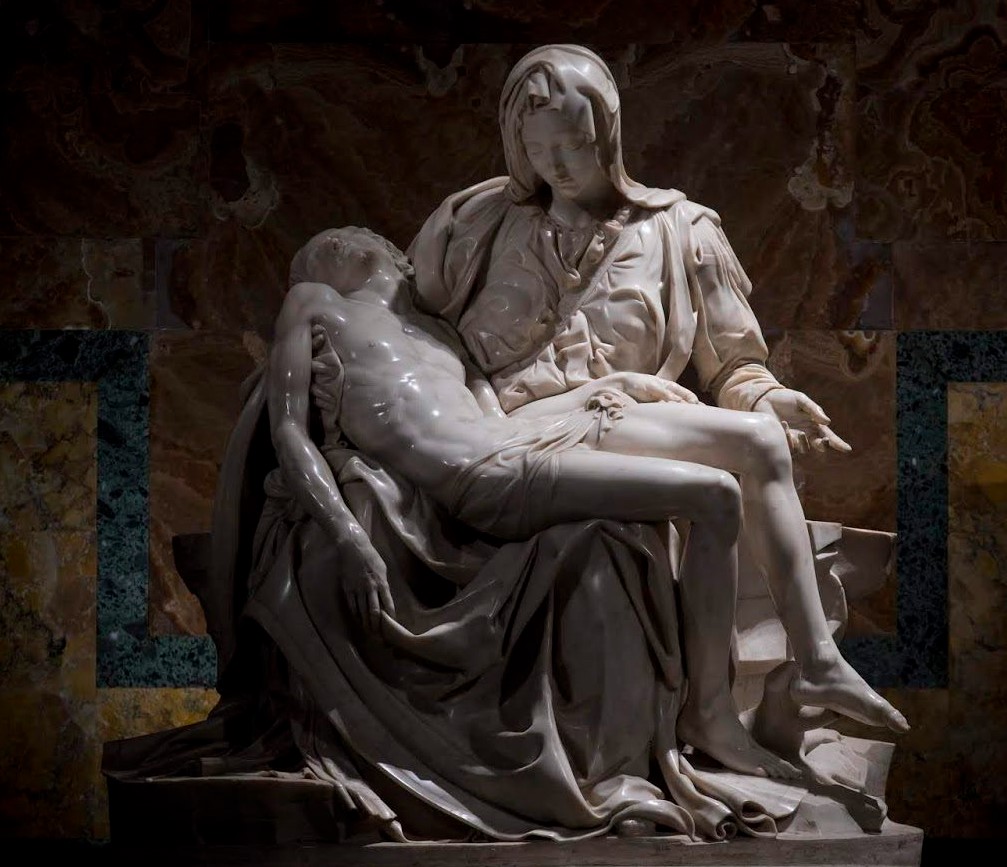
Il 14 febbraio 1500 mi scrisse mentre mi trovavo a Roma e stavo portando a compimento la Pietà Vaticana per il cardinale francese Jean de Bilhères de Lagraulas.
Avevo ottenuto qualcosa che per un giovane artista era straordinario: il riconoscimento. Mio padre, però, guardava anche a un’altra questione, quella dell’utilità economica.
«Io ò grandissimo piacere che·ttu abbi onore, ma pure mi sarebbe vie maggiore se vi fussi l’utile, bene ch’io stimo più l’onore; ma quando è l’uno e l’altro insieme, chome di ragione aerebbe a essere, sarebbe tanta maggiore alleghrezza.»
L’onore da solo non bastava a vivere.

Riconosceva però che ero riuscito in qualcosa che sembrava impossibile: avevo ottenuto l’onore senza averne ancora ricavato un adeguato utile. Per lui era quasi come vedere il fuoco nell’acqua.
Mi rimproverava anche di essere lontano da casa e di affrontare disagi e pericoli per il mio lavoro. Concludeva poi quella missiva con una frase che rivela quanto fosse importante, per la mia famiglia, il rapporto fra successo personale e appartenenza alla patria:
«Se·ttu fussi stato a·cchasa tua, forse aresti qualche chosa et non aresti patiti tanti disagi né chorsi tanti pericholi; et varrebbe più l’onore nella tua patria et a·chasa, per te, che egli non vale chostì.»
Parole dure ma che raccontano bene la concezione del lavoro che apparteneva alla Firenze nella quale ero cresciuto.
La Pietà, l’onore e il difficile rapporto con l’utile
Quando lavoravo alla Pietà Vaticana, non pensavo certamente soltanto al denaro. Avevo davanti a me un marmo nel quale cercavo una forma che sentivo già presente nella materia, e volevo dimostrare ciò che ero capace di fare.
Un’opera non vive soltanto nella mente di chi la realizza. Doveva soddisfare il committente, rispettare il contratto, onorare il mio nome e, indirettamente, quello della mia famiglia. Doveva inoltre dimostrare ciò che un artista fiorentino era capace di fare a Roma.
La materia diventava lavoro, il lavoro diventava reputazione e la reputazione diventava patrimonio della famiglia e della città.
La facciata di San Lorenzo: quando un’opera diventa una questione di città
Anni dopo mi trovai coinvolto nella complessa vicenda della facciata di San Lorenzo a Firenze. Il progetto non riguardava soltanto me.
Attorno a quell’impresa si muovevano i Medici, il papa Leone X, la città di Firenze, gli artigiani, gli architetti, i fornitori e naturalmente gli interessi economici legati a una commissione di dimensioni considerevoli.
In una lettera del 1516 Domenico Buoninsegni mi rimproverò proprio perché la situazione stava diventando difficile e mi ricordò quanto fossero importanti insieme «le opere d’onore e d’utile».
In un’altra lettera dello stesso anno scrisse:
«E questo è che se voi desiderate l’utile et onore vostro, e inoltre el fare piaciere al Papa e alli altri della chasa, e far piaciere e onore alli più della ciptà vostra, voi doverresti fare ogni opera che questa inpresa fussi in man vostra.»
Leggendo oggi queste parole, si comprende quanto una grande commissione artistica fosse intrecciata alla vita politica e sociale.
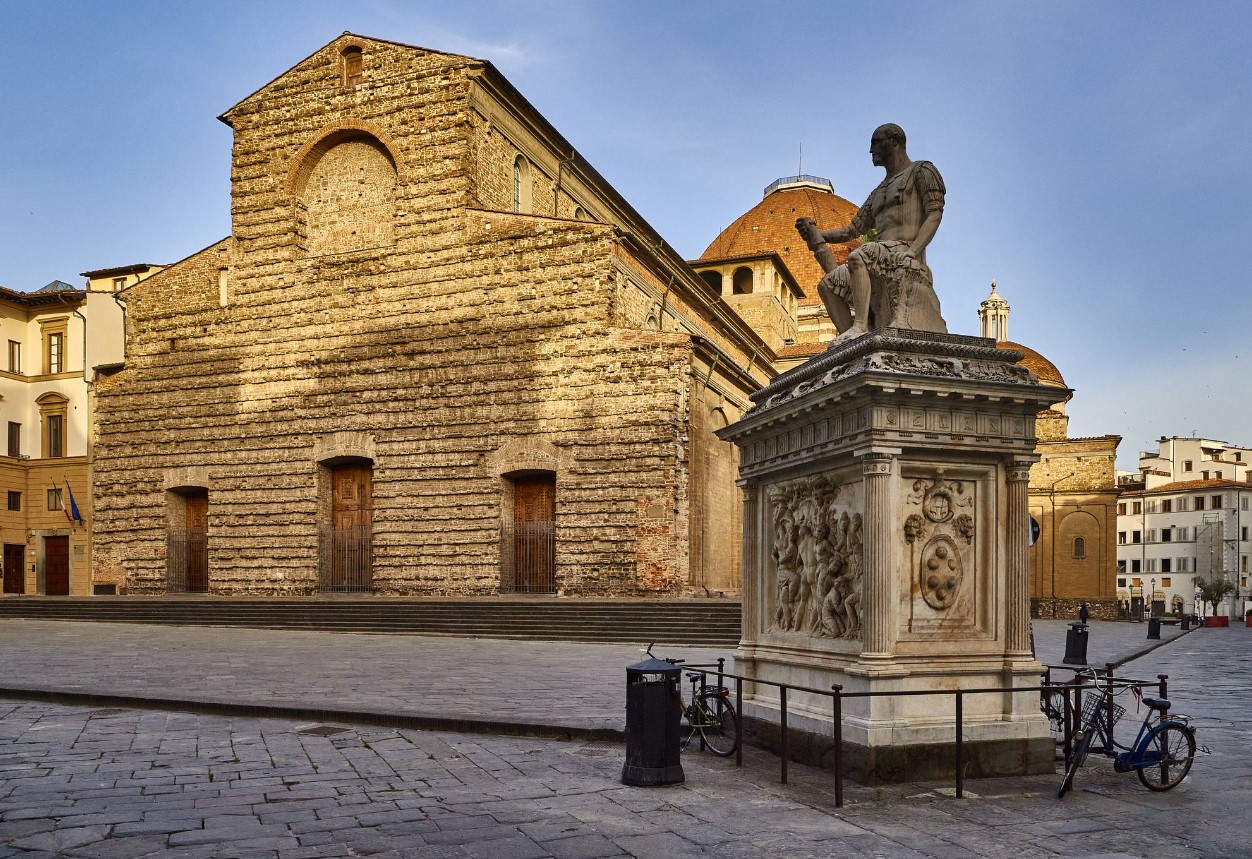
La facciata di San Lorenzo non doveva essere soltanto bella. Doveva rappresentare il prestigio della famiglia Medici, l’autorità del papa, l’abilità degli artisti fiorentini e l’onore della città.
L’opera d’arte era anche una responsabilità pubblica.
Il marmo di Seravezza e il prezzo della materia
Il rapporto fra lavoro, materia e onore emerge con particolare forza anche nella complessa e per me dolorosa vicenda dei marmi di Seravezza.
Conoscevo bene il prezzo della materia. Non soltanto quello economico, ma anche quello fisico e umano.
Un blocco di marmo deve essere estratto dalla montagna, lavorato, trasportato, fatto scendere dalle cave e condotto verso il luogo nel quale diventerà scultura o architettura. E quando una colonna si spezzò durante la lizzatura nelle cave di Seravezza, si spezzò pure l’animo mio.
Iacopo Salviati cercò di incoraggiarmi scrivendomi:
«Fa’ buono animo e seguita gagliardamente la impresa tua, perché così è l’onore tuo, havendola principiata.»
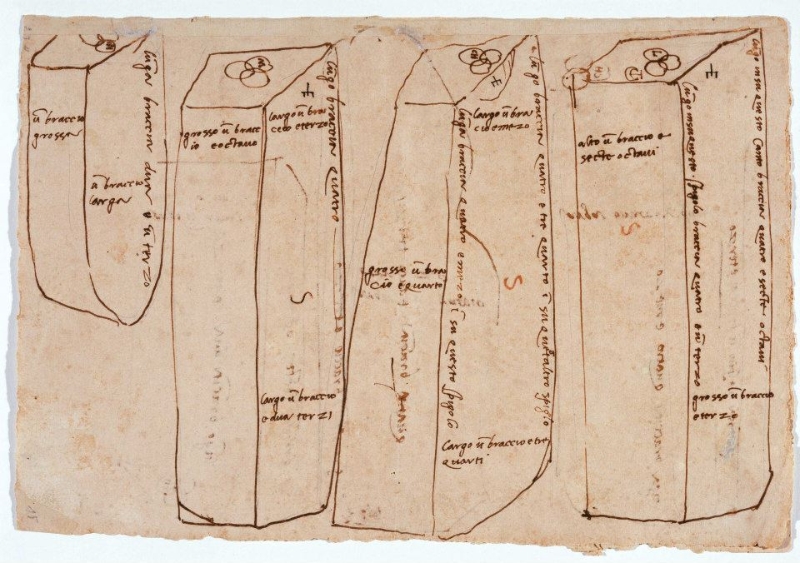
Poi aggiunse un’altra considerazione, ricordandomi che quella impresa avrebbe portato riconoscenza non soltanto a me, ma anche alla mia famiglia e alla città:
«Ricordati che del dare principio a una cosa di cotesta natura n’arà la ciptà nostra grandissimo obligo con esso teco e con tucta la casa tua e resteranne in perpetuo obligo.»
Quelle parole raccontano molto bene il peso che poteva avere il lavoro di un artista nel Rinascimento.
Non lavoravo soltanto per me
C’è una lettera nella quale anch’io, parlando con mio fratello di una strada che avrebbe dovuto facilitare il trasporto dei marmi Seravezza fino al mare, spiegavo che in un’impresa simile non cercavo semplicemente un vantaggio personale.
«ll’utile e·ll’onore de’ padroni e della patria».
Queste parole possono sembrare lontane dal modo contemporaneo di pensare all’artista ma all’epoca era consuetudine: non potevo separare completamente l’uomo dall’artista.
Il lavoro come responsabilità
Quando penso alla mia vita, dunque, non vedo soltanto il marmo, i colori, gli scalpelli e i pennelli ma anche le tante lettere, contratti, pagamenti, committenti, viaggi, trasporti, cave, uomini che lavoravano insieme a me e persone che aspettavano da me il compimento di un’impresa.
L’idea romantica dell’artista isolato, che crea esclusivamente per sé e per la propria gloria, non racconta davvero il mio mondo.
Io lavoravo dentro una rete di rapporti nella quale onore e utile erano continuamente intrecciati.

Il mio onore poteva diventare quello della mia famiglia. Il successo della mia famiglia poteva riflettersi sulla mia città. Una commissione affidata a me poteva diventare motivo di prestigio per un committente e, nello stesso tempo, un’occasione di affermazione per Firenze.
Persino il marmo, prima di diventare una scultura, era parte di questo sistema: aveva un costo, richiedeva uomini, fatica, trasporti e organizzazione.
Quando osservate il David, la Pietà, le tombe medicee o le grandi architetture alle quali dedicai anni della mia vita, non guardate soltanto il risultato finale.
Dietro quelle opere c’è un lavoro immenso.
C’è la materia che resiste, il corpo dell’artista che si stanca, il denaro che deve essere trovato e pagato, il committente che aspetta, la famiglia che spera, la città che osserva e giudica.
Io, che ho passato gran parte della mia vita a cercare la forma dentro la materia, so che nessuna grande opera nasce senza fatica.
Per il momento il sempre vostro Michelangelo Buonarroti vi saluta dandovi appuntamento ai prossimi post e sui social.
The Value of Work: Honor, Profit, and Responsibility
When you look at one of my sculptures, a fresco, or a work of architecture today, it’s easy to think of the artist as a man alone before his own work, guided exclusively by inspiration and the desire to leave something of himself for posterity.
My life, however, taught me early on that an artist’s work never belongs to the artist alone: each work is surrounded by clients, families, collaborators, cities, economic interests, political expectations, and, above all, a precise concept of honor.
In the sixteenth century, this relationship was often summarized by two words that recur in the letters, contracts, and documents of my time: honor and profit.
In the Florentine mentality, these two concepts could and should go hand in hand. Honor meant prestige, reputation, public recognition; profit, on the other hand, concerned profit, concrete advantage, economic security.
I continually found myself caught in this tension, because the work I did could bring glory to myself, but also to my family, my clients, and my Florence.
This concept is very clear in the letters my father Lodovico wrote to me.
My father Lodovico and that strange alliance between honor and money
My father was never a particularly affectionate or tender man in his letters. When he wrote to me, he often mixed affection with financial worries, reproaches with the expectations he had for us, his children. However, his words authentically convey the world in which I had grown up.
On February 14, 1500, he wrote to me while I was in Rome, completing the Vatican Pietà for the French Cardinal Jean de Bilhères de Lagraulas.
I had achieved something extraordinary for a young artist: recognition. My father, however, was also considering another issue: economic utility.
“I am extremely pleased that you are honored, but it would be even greater if there were utility involved, since I value honor more; But when both are combined, as it should be by right, it would be so much greater joy.”
Honor alone was not enough to live on
He recognized, however, that I had achieved something that seemed impossible: I had obtained honor without having yet derived an adequate profit from it. For him, it was almost like seeing fire in water.
He also reproached me for being far from home and facing hardships and dangers for my work. He then concluded that letter with a sentence that reveals how important the relationship between personal success and belonging to the homeland was for my family:
“If you had been in your own home, perhaps you would have something and would not have suffered so many hardships or run so many dangers; and honor in your homeland and at home would be worth more to you than it is here.”
Harsh words, but they well describe the concept of work that pertained to the Florence where I grew up.
The Pietà, Honor, and the Difficult Relationship with Profit
When I worked on the Vatican Pietà, I certainly wasn’t just thinking about money. I had before me a marble in which I sought a form that I felt was already present in the material, and I wanted to demonstrate what I was capable of.
A work doesn’t exist only in the mind of its creator. It had to satisfy the client, fulfill the contract, honor my name and, indirectly, that of my family. It also had to demonstrate what a Florentine artist was capable of achieving in Rome.
The material became work, the work became reputation, and the reputation became the heritage of the family and the city.
The Facade of San Lorenzo: When a Work Becomes a City Issue
Years later, I found myself involved in the complex story of the façade of San Lorenzo in Florence. The project wasn’t just about me.
The Medici family, Pope Leo X, the city of Florence, the artisans, the architects, the suppliers, and, of course, the economic interests associated with a commission of such a considerable size were all involved in that undertaking.
In a letter from 1516, Domenico Buoninsegni chided me precisely because the situation was becoming difficult and reminded me how important “works of honor and utility” were.
In another letter from the same year, he wrote:
“And this is: if you desire your own utility and honor, and also to please the Pope and others of the house, and to please and honor most of your city, you should undertake every task necessary for this undertaking.”
Reading these words today, one understands how intertwined a major artistic commission was with political and social life.
The façade of San Lorenzo was not only to be beautiful. It was to represent the prestige of the Medici family, the authority of the Pope, the skill of Florentine artists, and the honor of the city.
The work of art was also a public responsibility.
Seravezza Marble and the Price of Material
The relationship between labor, material, and honor emerges with particular force even in the complex and, for me, painful story of the Seravezza marbles.
I knew the price of material well. Not only the economic one, but also the physical and human one.
A block of marble must be extracted from the mountain, worked, transported, brought down from the quarries, and transported to the place where it will become sculpture or architecture. And when a column broke during the carving in the Seravezza quarries, my spirit was broken as well.
Jacopo Salviati tried to encourage me by writing:
“Be of good cheer and pursue your undertaking vigorously, for this is your honor, having begun it.”
Then he added another consideration, reminding me that this undertaking would bring gratitude not only to me, but also to my family and the city:
“Remember that for starting something of this nature, our city will owe you and your entire household a tremendous obligation, and will remain in perpetual obligation.”
Those words clearly convey the importance an artist’s work could have during the Renaissance.
I Didn’t Work Just for Myself
There’s a letter in which I, too, while talking to my brother about a road that would facilitate the transportation of Seravezza marble to the sea, explained that in such an undertaking I wasn’t simply seeking personal gain.
“The profit and honor of the masters and the country.”
These words may seem distant from contemporary thinking about artists, but at the time it was customary: I couldn’t completely separate the man from the artist.
Work as a Responsibility
When I think of my life, therefore, I see not only the marble, the paints, the chisels, and the brushes, but also the many letters, contracts, payments, clients, journeys, transports, quarries, men who worked alongside me and people who expected me to complete a task.
The romantic idea of the isolated artist, who creates exclusively for himself and his own glory, doesn’t truly describe my world.
I worked within a network of relationships in which honor and profit were continually intertwined.
My honor could become that of my family. My family’s success could reflect on my city. A commission entrusted to me could become a source of prestige for a client and, at the same time, an opportunity for Florence to assert itself.
Even marble, before becoming a sculpture, was part of this system: it had a cost, it required men, effort, transportation, and organization.
When you look at the David, the Pietà, the Medici tombs, or the great architecture to which I dedicated years of my life, don’t just look at the final result.
Behind those works lies an immense labor.
There is the material that resists, the artist’s body that tires, the money that must be found and paid, the client who waits, the family that hopes, the city that observes and judges.
I, who have spent much of my life seeking form within the material, know that no great work is born without effort.
For now, yours truly, Michelangelo Buonarroti, bids farewell and invites you to join him in future posts and on social media.

Sostienici – Support Us
Se questo blog ti piace e ti appassiona, puoi aiutarci a farlo crescere sempre più sostenendoci in modo concreto condividendo i post, seguendo le pagine social e con un contributo che ci aiuta ad andare avanti con il nostro lavoro di divulgazione. . ENGLISH: If you like and are passionate about this blog, you can help us make it grow more and more by supporting us in a concrete way by sharing posts, following social pages and with a contribution that helps us to move forward with our dissemination work.
10,00 €
-
Civita di Bagnoregio e Bolsena Capitale italiana dell’Arte contemporanea 2028
🇮🇹Civita di Bagnoregio e Bolsena sono Capitale italiana dell’Arte contemporanea 2028 con il progetto Arte che viene, arte che va. Ecco cosa prevede… 🇬🇧Civita di Bagnoregio and Bolsena have been named the Italian Capital of Contemporary Art for 2028 with the project *Arte che viene, arte che va* (Art That Comes, Art That Goes). Here…
-
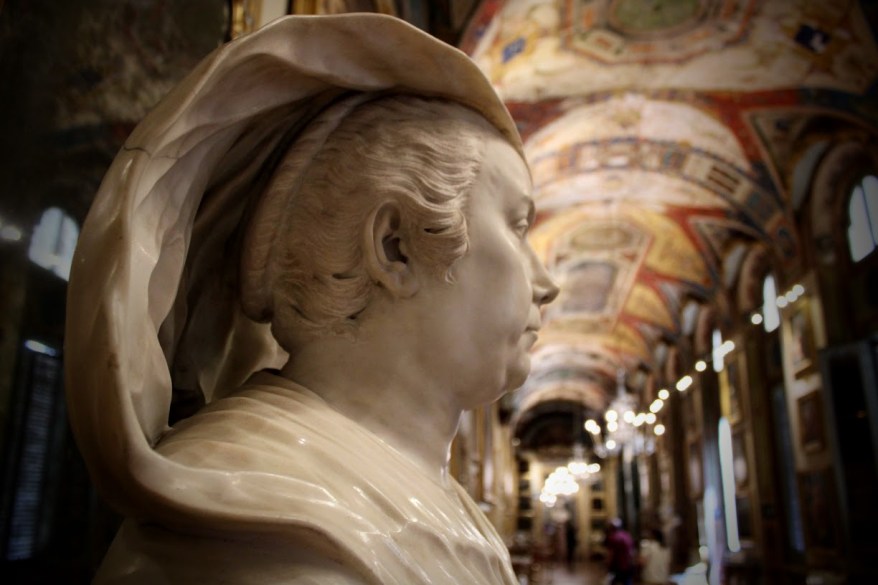
Alessandro Algardi: la risposta elegante al terremoto barocco
🇮🇹 Il Barocco non è solo movimento, spettacolo ed emozione portata all’estremo. Nella Roma del Seicento, mentre Gian Lorenzo Bernini trasformava il marmo in una materia capace di vibrare, Alessandro Algardi sceglieva una strada diversa: più misurata, elegante, legata all’equilibrio della tradizione classica… 🇬🇧The Baroque is not merely movement, spectacle, and emotion taken to the…
-
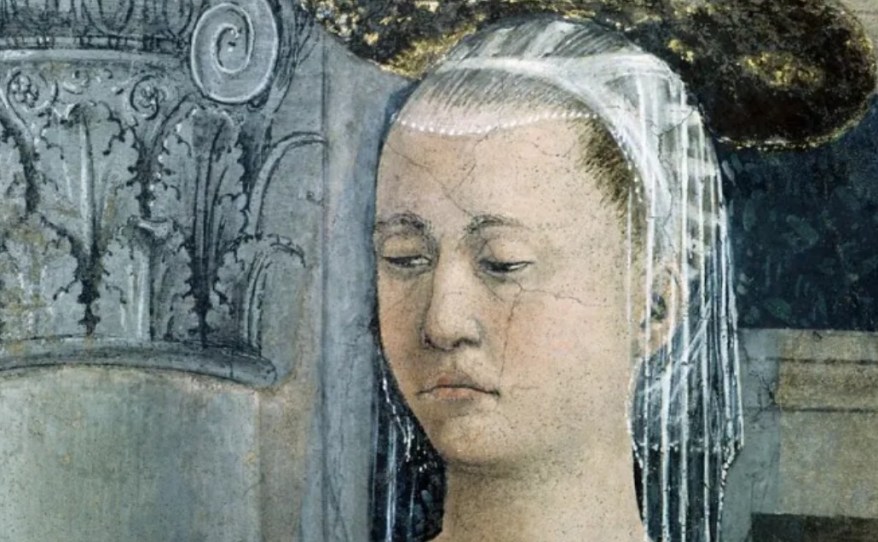
Piero della Francesca moriva il 12 ottobre 1492: il genio della prospettiva
🇮🇹Il 12 ottobre 1492, mentre Cristoforo Colombo approdava nel continente americano, a Sansepolcro si spegneva Piero della Francesca… 🇬🇧On October 12, 1492, while Christopher Columbus was landing on the American continent, Piero della Francesca passed away in Sansepolcro…
Condividi:


Questo sono io




sostienici

Sostienici – Support Us
Se questo blog ti piace e ti appassiona, puoi aiutarci a farlo crescere sempre più sostenendoci in modo concreto condividendo i post, seguendo le pagine social e con un contributo che ci aiuta ad andare avanti con il nostro lavoro di divulgazione. . ENGLISH: If you like and are passionate about this blog, you can help us make it grow more and more by supporting us in a concrete way by sharing posts, following social pages and with a contribution that helps us to move forward with our dissemination work.
€10,00


Sugli artisti si specula senza ritegno oggi più di allora. Seguivo qualche giorno fa una vecchia intervista a Schifano in cui gli si domandava quanto valessero I suoi quadri. Ha dato una risposta nel suo timido imbarazzo dicendo che dipendeva dal tipo di quadro, dal formato e dalla committenza. Poi parlando di una cifra esorbitante pagata per un suo quadro ha detto di aver provato una rabbia fottuta (parole sue…) perché quei soldi lui non li ha mai né chiesti né visti… Questo negli anni 70. Oggi i mercanti d’arte non hanno nulla da spartire con gli artisti, alcuni attendono di far schizzare i prezzi alle stelle post mortem dell’autore. Mi pare un mondo di avvoltoi e non vale solo per i pittori…
"Mi piace""Mi piace"
Beh, l’attesa della morte per far crescere i prezzi è roba che arriva da lontano: Basta pensare a van Gogh o a Ligabue giusto per citare due casi eclatanti
"Mi piace"Piace a 1 persona
Infatti, hanno creato un precedente
"Mi piace"Piace a 1 persona
purtroppo
"Mi piace""Mi piace"