

Aurelio Amendola a Palazzo Reale: 85 fotografie raccontano i grandi maestri dell’arte
C’è un modo particolare di fotografare l’arte: non limitarsi a riprodurre un’opera ma cercare di entrare nel suo spazio, seguirne le superfici, ascoltarne il silenzio e restituire attraverso la luce qualcosa della sua storia.
Questo è il percorso di Aurelio Amendola, uno dei più importanti fotografi italiani nel campo della fotografia d’arte, protagonista a Palazzo Reale di Milano con la mostra ‘Aurelio Amendola. Capolavori fotografati. Burri, Vedova, Nitsch, Duomo di Milano, Bernini, Canova, Michelangelo‘.
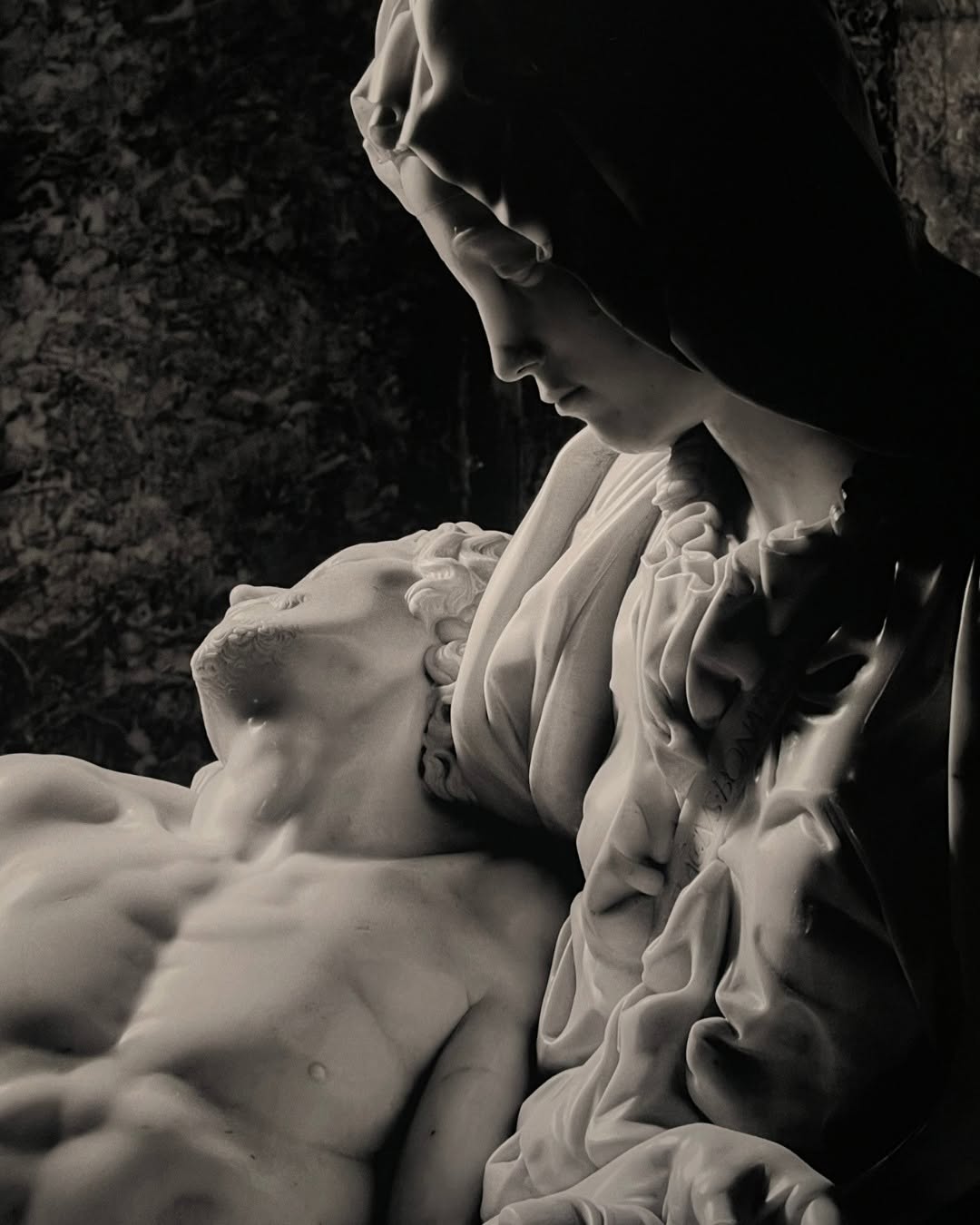
L’esposizione, allestita negli spazi di Piazzetta Reale, è visitabile fino al 6 settembre 2026 e riunisce 85 fotografie di grande formato, realizzate da Amendola nell’arco di quasi cinquant’anni, dal 1976 al 2025.
È un ritorno particolarmente significativo: Amendola torna infatti a esporre a Palazzo Reale a trent’anni dalla sua mostra personale Cappelle Medicee del 1995.
Io, Bernini e Canova: quando la fotografia diventa interpretazione
Al centro della mostra c’è il rapporto tra il fotografo e alcune delle opere più celebri della storia dell’arte.
Le fotografie dedicate alle opere mie, a quelle di Gian Lorenzo Bernini e a quelle di Antonio Canova permettono di osservare le sculture da una prospettiva diversa da quella consueta.
Con la macchina fotografica di Amendola na luce diventa uno strumento di interpretazione e permette di mettere in evidenza dettagli, anatomie, pieghe dei marmi, tensioni dei corpi e passaggi dall’ombra alla luce.
Nel caso delle opere mie, questa ricerca assume un significato ancora più forte. Il marmo, fotografato da Amendola, sembra perdere la propria immobilità e tornare a suggerire quella tensione vitale che caratterizza alcune delle mie opere scultoree più note.
La luce di Amendola racconta la vita delle opere
Uno degli aspetti più interessanti della ricerca di Aurelio Amendola è la capacità di trasformare la fotografia d’arte in una forma di racconto.
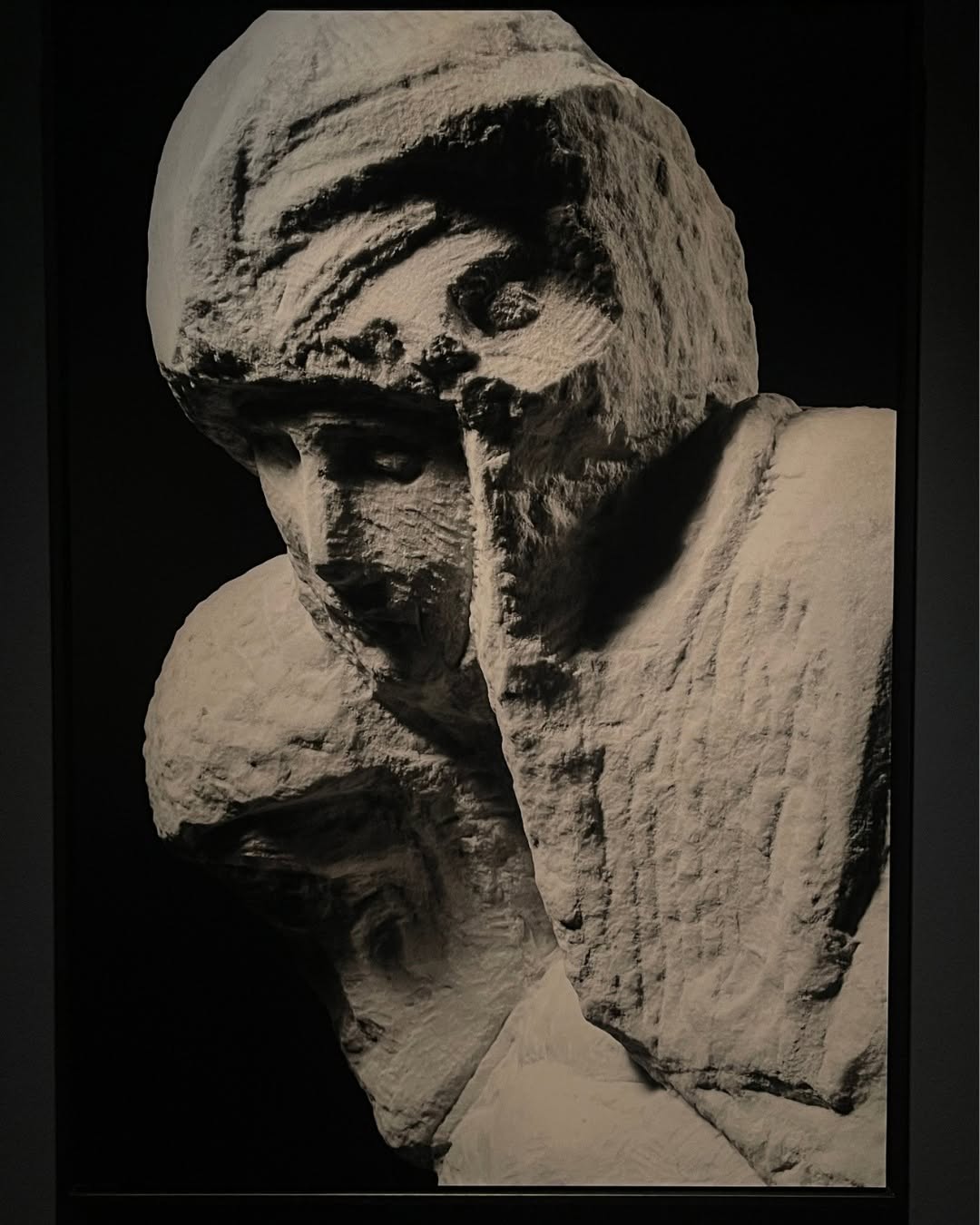
Ogni immagine nasce dall’incontro tra luce, materia e spazio. Le superfici delle sculture diventano protagoniste e acquistano una dimensione quasi tattile.
È come se il fotografo cercasse ciò che normalmente sfugge allo sguardo del visitatore: una superficie consumata dal tempo, un’ombra sul volto, la curva di un muscolo, una piega del marmo.
Le sue fotografie non sostituiscono l’opera originale ma propongono una nuova esperienza visiva, invitando a tornare davanti a capolavori conosciutissimi con occhi diversi.
Dal Rinascimento alla contemporaneità: Burri, Vedova e Nitsch
Il percorso espositivo non si ferma ai grandi maestri della scultura italiana. Troviamo infatti alcuni dei protagonisti dell’arte contemporanea: Alberto Burri, Emilio Vedova e Hermann Nitsch.
Il confronto è particolarmente interessante perché permette di attraversare epoche, linguaggi e materiali molto differenti.
Da una parte il marmo e la tradizione della scultura; dall’altra la materia tormentata di Burri, l’energia gestuale di Vedova e la dimensione radicale della ricerca di Nitsch.
Amendola riesce a mettere in relazione questi mondi apparentemente lontani attraverso il proprio sguardo fotografico.
La materia diventa il filo conduttore: marmo, tela, superficie, segno, luce e ombra vengono trasformati dalla fotografia in altrettante possibilità narrative.
Il Duomo di Milano fotografato come una gigantesca scultura
Una sezione particolarmente significativa della mostra è dedicata al Duomo di Milano.
Qui Amendola propone una serie di scatti inediti che guardano la cattedrale da una prospettiva particolare: non soltanto come monumento architettonico, ma come un enorme organismo plastico.
Le guglie, le statue, i pinnacoli e le superfici del Duomo vengono così osservati attraverso il linguaggio della scultura.
La cattedrale diventa materia scolpita, attraversata dalla luce e modificata continuamente dal tempo.
È una lettura che si inserisce perfettamente nella ricerca di Amendola, da sempre interessato alla capacità della luce di rivelare la tridimensionalità delle opere e di trasformare ciò che conosciamo in qualcosa di nuovo.
Una mostra per riscoprire opere che pensavamo di conoscere già
Il fascino della mostra sta anche in questo: Aurelio Amendola fotografa opere che molti di noi hanno già visto, ma riesce a farcele vedere nuovamente.
È una delle sfide più difficili della fotografia d’arte: trovare un punto di vista capace di aggiungere qualcosa senza tradire l’opera originale.
La mostra ‘Aurelio Amendola. Capolavori fotografati. Burri, Vedova, Nitsch, Duomo di Milano, Bernini, Canova, Michelangelo‘ rappresenta dunque un’occasione per attraversare la storia dell’arte attraverso lo sguardo di uno dei suoi più sensibili interpreti fotografici.
Fino al 6 settembre 2026, Palazzo Reale di Milano diventa il luogo di un dialogo particolare tra fotografia, scultura, pittura, architettura e materia.
Per il momento il sempre vostro Michelangelo Buonarroti vi saluta dandovi appuntamento ai prossimi post e sui social.

Aurelio Amendola at Palazzo Reale: 85 photographs tell the story of the great masters of art
There’s a particular way to photograph art: not simply reproducing a work but attempting to enter its space, following its surfaces, listening to its silence, and conveying something of its history through light.
This is the journey of Aurelio Amendola, one of the most important Italian photographers in the field of art photography, featured at Palazzo Reale in Milan with the exhibition “Aurelio Amendola. Photographed Masterpieces. Burri, Vedova, Nitsch, Milan Cathedral, Bernini, Canova, Michelangelo.”
The exhibition, held in the Piazzetta Reale spaces, is open until September 6, 2026, and brings together 85 large-format photographs taken by Amendola over a span of nearly fifty years, from 1976 to 2025.
This is a particularly significant return: Amendola returns to Palazzo Reale thirty years after his solo exhibition, Cappelle Medicee, in 1995.
Me, Bernini, and Canova: When Photography Becomes Interpretation
At the heart of the exhibition is the relationship between the photographer and some of the most famous works in the history of art.
The photographs dedicated to my works, those of Gian Lorenzo Bernini, and those of Antonio Canova allow us to observe the sculptures from a different perspective than usual.
With Amendola’s camera, light becomes a tool of interpretation, highlighting details, anatomies, folds in marble, tensions in bodies, and transitions from shadow to light.
In the case of my works, this exploration takes on an even stronger meaning. The marble, photographed by Amendola, seems to lose its immobility and once again suggests the vital tension that characterizes some of my most famous sculptural works.
Amendola’s light tells the life of the works
One of the most interesting aspects of Aurelio Amendola’s research is his ability to transform art photography into a form of storytelling.
Each image arises from the encounter between light, material, and space. The surfaces of the sculptures become protagonists and acquire an almost tactile dimension.
It is as if the photographer were seeking what normally escapes the viewer’s gaze: a surface worn by time, a shadow on a face, the curve of a muscle, a fold in the marble.
His photographs do not replace the original work but offer a new visual experience, inviting us to return to familiar masterpieces with fresh eyes.
From the Renaissance to the Contemporary: Burri, Vedova, and Nitsch
The exhibition doesn’t stop with the great masters of Italian sculpture. It also features some of the leading figures of contemporary art: Alberto Burri, Emilio Vedova, and Hermann Nitsch.
The comparison is particularly interesting because it allows us to explore very different eras, languages, and materials.
On the one hand, marble and the tradition of sculpture; on the other, Burri’s tormented material, Vedova’s gestural energy, and the radical dimension of Nitsch’s research.
Amendola manages to connect these seemingly distant worlds through his photographic gaze.
Material becomes the common thread: marble, canvas, surface, sign, light, and shadow are transformed by photography into narrative possibilities.
The Milan Cathedral photographed as a gigantic sculpture
A particularly significant section of the exhibition is dedicated to the Milan Cathedral.
Here, Amendola presents a series of previously unseen photographs that look at the cathedral from a unique perspective: not just as an architectural monument, but as an enormous plastic organism.
The spires, statues, pinnacles, and surfaces of the Duomo are thus observed through the language of sculpture.
The cathedral becomes sculpted matter, traversed by light and continually modified by time.
This interpretation fits perfectly with Amendola’s research, which has always been interested in the ability of light to reveal the three-dimensionality of works and transform what we know into something new.
An exhibition to rediscover works we thought we already knew
The charm of the exhibition also lies in this: Aurelio Amendola photographs works that many of us have already seen, but he manages to make us see them anew.
It is one of the most difficult challenges in art photography: finding a perspective capable of adding something without betraying the original work.
The exhibition “Aurelio Amendola. Photographed Masterpieces. Burri, Vedova, Nitsch, Milan Cathedral, Bernini, Canova, Michelangelo’ thus represents an opportunity to explore the history of art through the eyes of one of its most sensitive photographic interpreters.
Until September 6, 2026, Palazzo Reale in Milan becomes the site of a unique dialogue between photography, sculpture, painting, architecture, and matter.
For now, yours truly, Michelangelo Buonarroti says hello and sees you in the next posts and on social media.

Sostienici – Support Us
Se questo blog ti piace e ti appassiona, puoi aiutarci a farlo crescere sempre più sostenendoci in modo concreto condividendo i post, seguendo le pagine social e con un contributo che ci aiuta ad andare avanti con il nostro lavoro di divulgazione. . ENGLISH: If you like and are passionate about this blog, you can help us make it grow more and more by supporting us in a concrete way by sharing posts, following social pages and with a contribution that helps us to move forward with our dissemination work.
10,00 €
-
Civita di Bagnoregio e Bolsena Capitale italiana dell’Arte contemporanea 2028
🇮🇹Civita di Bagnoregio e Bolsena sono Capitale italiana dell’Arte contemporanea 2028 con il progetto Arte che viene, arte che va. Ecco cosa prevede… 🇬🇧Civita di Bagnoregio and Bolsena have been named the Italian Capital of Contemporary Art for 2028 with the project *Arte che viene, arte che va* (Art That Comes, Art That Goes). Here…
-
Alessandro Algardi: la risposta elegante al terremoto barocco
🇮🇹 Il Barocco non è solo movimento, spettacolo ed emozione portata all’estremo. Nella Roma del Seicento, mentre Gian Lorenzo Bernini trasformava il marmo in una materia capace di vibrare, Alessandro Algardi sceglieva una strada diversa: più misurata, elegante, legata all’equilibrio della tradizione classica… 🇬🇧The Baroque is not merely movement, spectacle, and emotion taken to the…
-
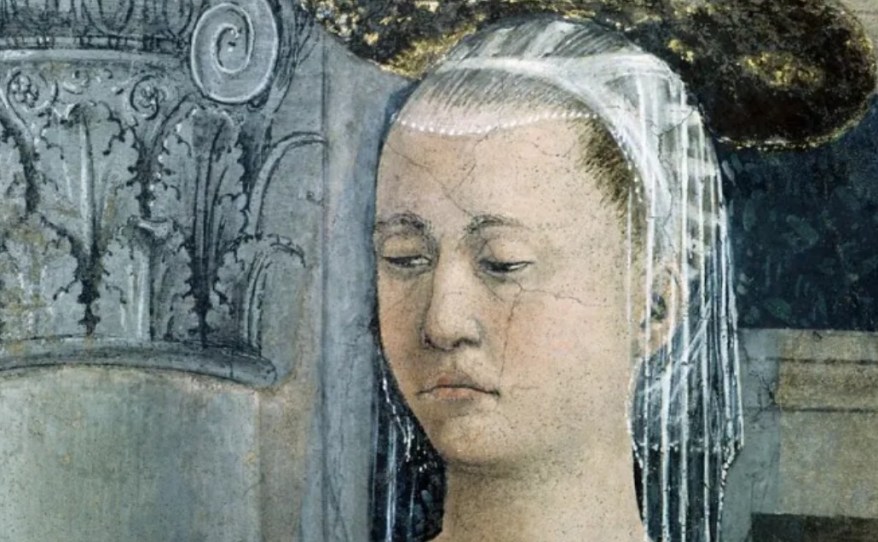
Piero della Francesca moriva il 12 ottobre 1492: il genio della prospettiva
🇮🇹Il 12 ottobre 1492, mentre Cristoforo Colombo approdava nel continente americano, a Sansepolcro si spegneva Piero della Francesca… 🇬🇧On October 12, 1492, while Christopher Columbus was landing on the American continent, Piero della Francesca passed away in Sansepolcro…
Condividi:


Questo sono io




sostienici

Sostienici – Support Us
Se questo blog ti piace e ti appassiona, puoi aiutarci a farlo crescere sempre più sostenendoci in modo concreto condividendo i post, seguendo le pagine social e con un contributo che ci aiuta ad andare avanti con il nostro lavoro di divulgazione. . ENGLISH: If you like and are passionate about this blog, you can help us make it grow more and more by supporting us in a concrete way by sharing posts, following social pages and with a contribution that helps us to move forward with our dissemination work.
€10,00


