

Quattro versi per raccontare la vita della nobildonna Faustina Mancini
Mi fu chiesto di onorare la memoria di Faustina Mancini Attavanti, giovane nobildonna romana rapita alla vita troppo presto, nel 1543. Non mi fu domandato soltanto di piangerla, ma di consegnarla all’eternità. Fu il letterato modenese Gandolfo Porrino ad avanzare la richiesta che accontentai solo per metà.
Sapete, esistono dolori che non chiedono lunghe orazioni e vite tanto luminose da poter essere raccolte in appena quattro versi. Si può dire tutto con poche parole: essere prolissi non è sempre vantaggioso.
In noi vive e qui giace la divina
beltà da morte anz’il suo tempo offesa.
Se con la dritta man face’ difesa,
campava. Onde nol fe’? Ch’era mancina.
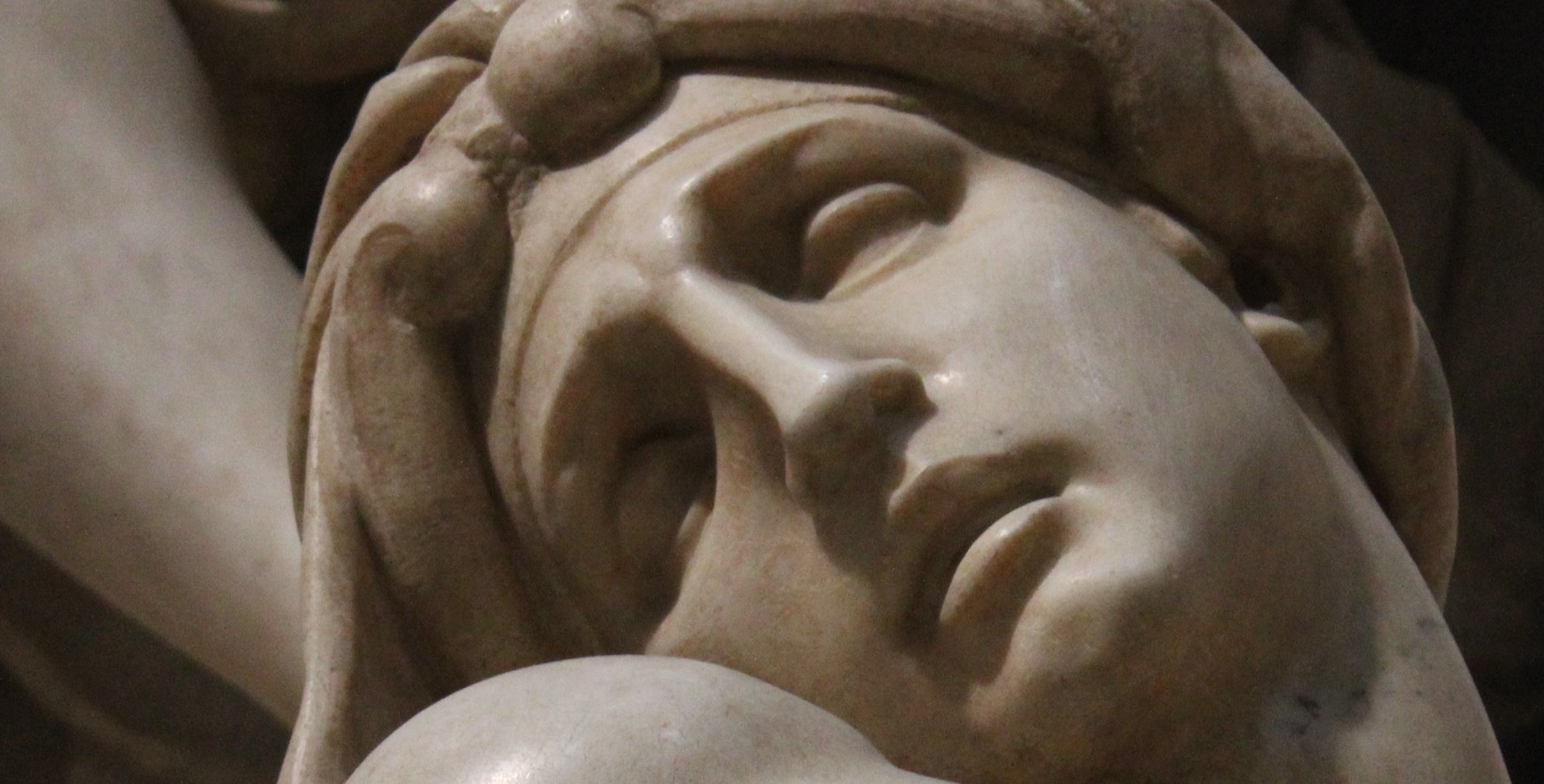
In pochi racchiusi il destino di una donna il cui corpo riposa nella terra, ma la cui bellezza continua a vivere nella memoria di chi l’ha conosciuta.
La morte la ferì prima del suo naturale compimento, spezzando una vita ancora nel pieno del suo vigore.
Il significato dell’ultimo verso
Molti interpretano ahimè l’ultimo verso come una semplice arguzia. Quelle parole però celano un raffinato gioco linguistico.
Scrissi che, se si fosse difesa con la mano destra, avrebbe potuto salvarsi. Ma subito domando perché non lo abbia fatto, offrendo una risposta tanto semplice quanto ingegnosa: perché era “mancina”.
Non è soltanto un riferimento alla mano sinistra ma un richiamo al cognome della giovane, Mancini. La lingua si trasforma così in scultura: poche parole scolpiscono un sorriso lieve dentro il dolore della perdita.
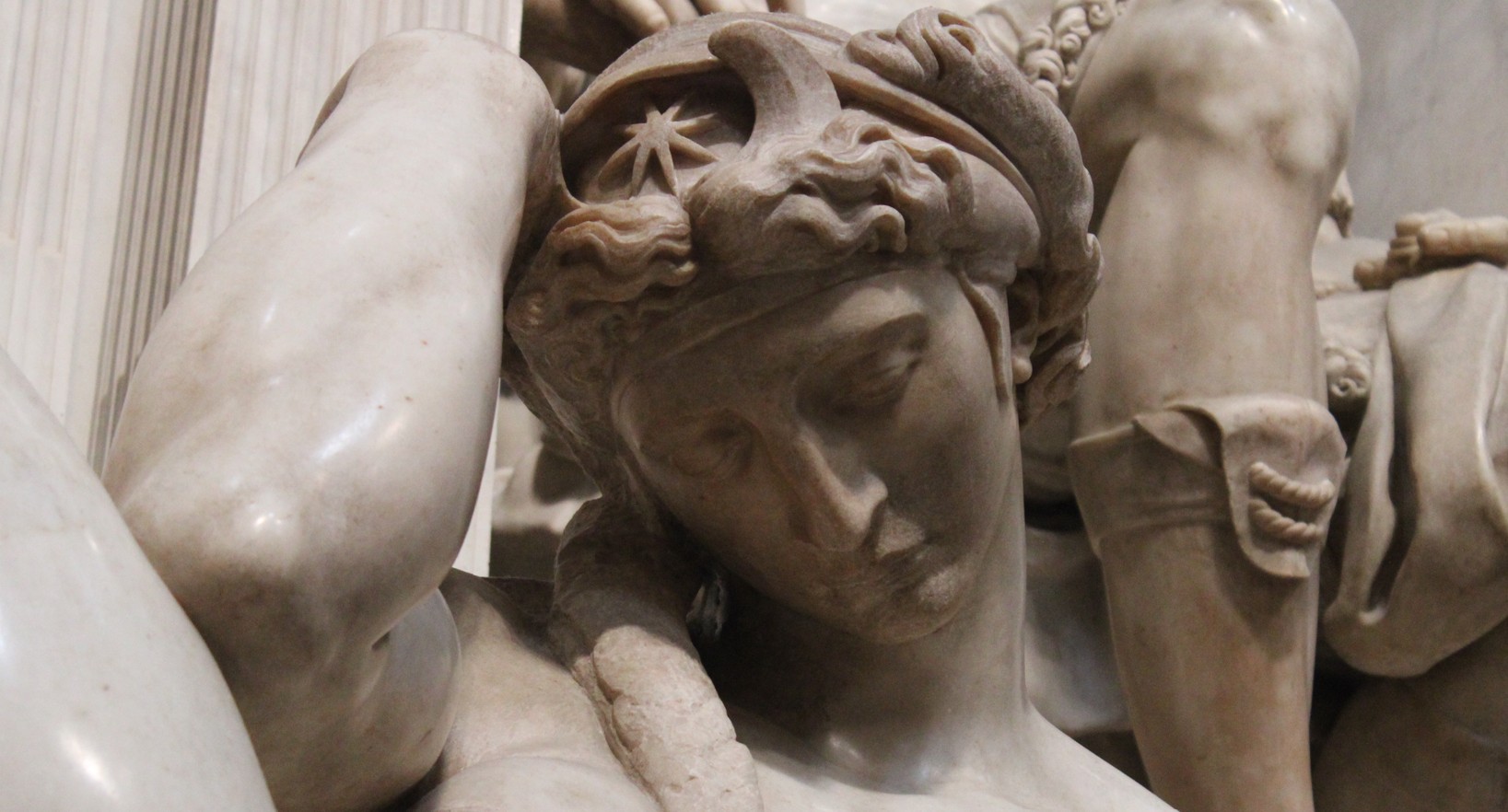
Perché non realizzai il ritratto di Faustina
Il letterato Porrino, in realtà, avrebbe desiderato più volentieri che io dipingessi il ritratto della nobildonna che l’epitaffio.
Non accolsi quella richiesta. Non per mancanza di stima verso Faustina, ma perché la matita e i pennelli non sempre riescono a raggiungere ciò che l’anima ricorda. Il ritratto di un volto appartiene agli occhi; quello della memoria appartiene al cuore, alla poesia.
E poi lo sapete, ve l’ho raccontato tante volte, non amavo fare ritratti e nel corso della mia vita ne realizzai molto pochi. Per questo preferii affidare il suo nome ai versi piuttosto che ai colori. La parola sgorgata dal petto attraversare i secoli con maggiore leggerezza della pittura stessa.
Sapete, il Porrino aveva scritto ben tre sonetti dedicati a me e in uno di questi tesseva le lodi per il Giudizio Universale. Negli altri due mi faceva intendere di voler che io realizzassi un ritratto della nobildonna Mancini.
Un epitaffio che dialoga con Petrarca
L’espressione della morte giunta “prima del tempo” non nasce casualmente. Richiama la tradizione poetica inaugurata da Francesco Petrarca nella memoria di Laura, dove la bellezza viene improvvisamente interrotta dalla morte, ma continua a vivere nel ricordo e nella parola.
Anche il mio epitaffio segue quella via: il sepolcro custodisce il corpo, mentre la memoria conserva ciò che la morte non può vincere.
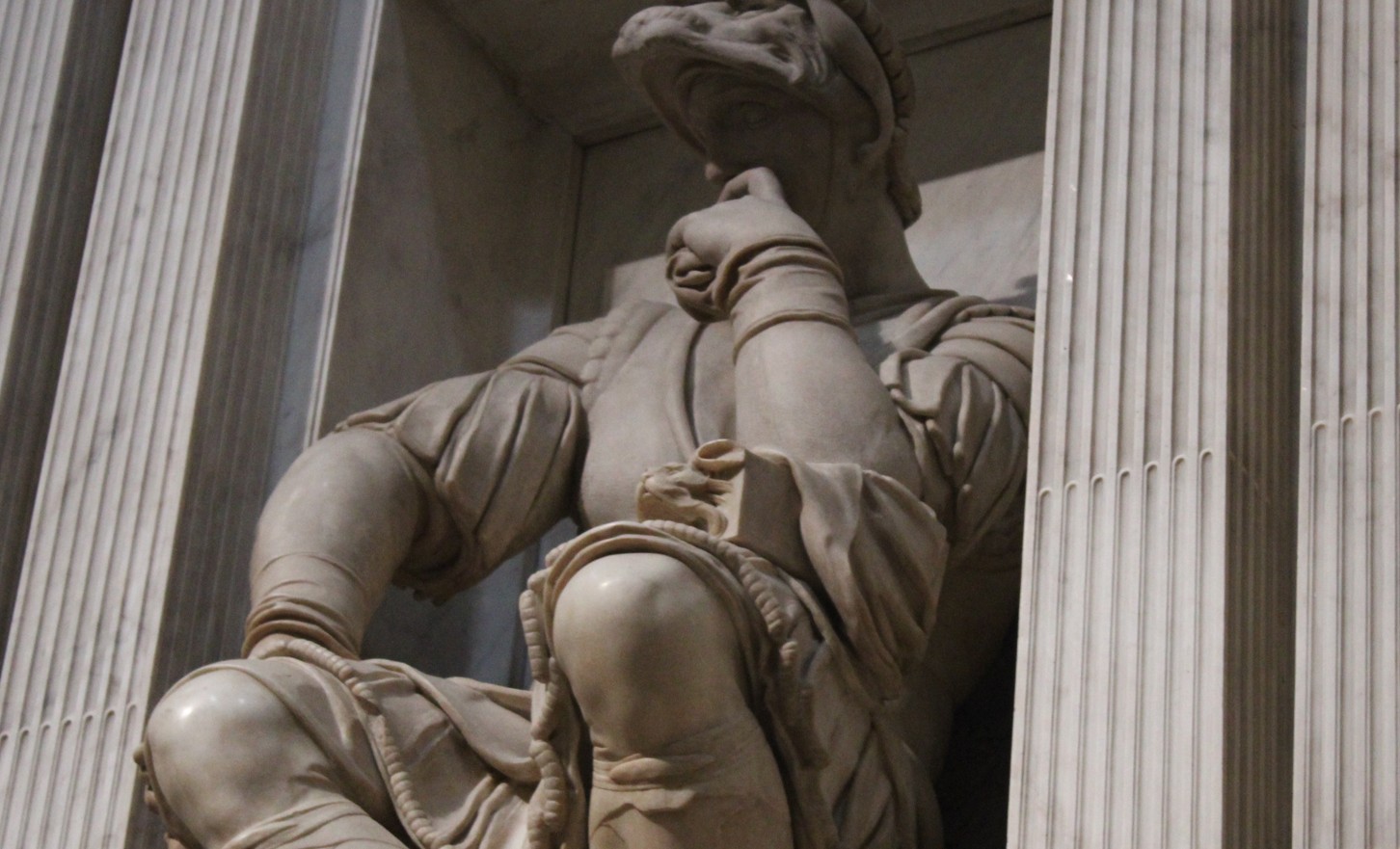
Quattro versi che raccontano il Rinascimento
Questo breve componimento entrò a far parte della raccolta poetica dedicata a Faustina Mancini Attavanti, alla quale parteciparono numerosi letterati attivi nella Roma degli anni Quaranta del Cinquecento.
La morte può reclamare un corpo, ma non possiede alcun dominio sul ricordo. Finché qualcuno pronuncia un nome, contempla una bellezza o comprende il significato nascosto di un verso, ciò che sembrava perduto continua, in qualche modo, a vivere.
Per il moment il sempre vostro Michelangelo Buonarroti vi saluta dandovi appuntamento ai prossimi post e sui social.
Four verses to recount the life of the noblewoman Faustina Mancini
I was asked to honor the memory of Faustina Mancini Attavanti, a young Roman noblewoman taken from life too soon, in 1543. I was asked not only to mourn her, but to consign her to eternity. It was the Modenese scholar Gandolfo Porrino who made the request, which I only half-satisfied.
You know, there are sorrows that do not require long orations and lives so luminous that they can be summed up in just four verses. Everything can be said in a few words: being verbose is not always advantageous.
In noi vive e qui giace la divina
beltà da morte anz’il suo tempo offesa.
Se con la dritta man face’ difesa,
campava. Onde nol fe’? Ch’era mancina.
In a few words I encapsulate the fate of a woman whose body rests on the earth, but whose beauty lives on in the memory of those who knew her.
Death struck her before its natural completion, shattering a life still in its prime.
The Meaning of the Last Line
Unfortunately, many interpret the last line as a simple wit. However, those words conceal a refined play on words.
I wrote that, if she had defended herself with her right hand, she could have saved herself. But I immediately asked why she didn’t, offering an answer as simple as it is ingenious: because she was “left-handed.”
It’s not just a reference to the left hand but also to the young woman’s surname, Mancini. Language thus becomes sculpture: a few words sculpt a gentle smile within the pain of loss.
Why I Didn’t Paint Faustina’s Portrait
The scholar Porrino, in fact, would have preferred that I paint the noblewoman’s portrait rather than her epitaph.
I didn’t grant that request. Not out of a lack of respect for Faustina, but because pencil and brush aren’t always able to capture what the soul remembers. The portrait of a face belongs to the eyes; that of memory belongs to the heart, to poetry.
And then you know, I’ve told you many times, I didn’t like painting portraits, and in my life I created very few. That’s why I preferred to entrust his name to verse rather than to color. The word that flows from the heart can cross the centuries with greater lightness than painting itself.
You know, Porrino had written three sonnets dedicated to me, and in one of them he praised the Last Judgment. In the other two, he made it clear that he wanted me to paint a portrait of the noblewoman Mancini.
An epitaph in dialogue with Petrarch
The expression of death coming “before its time” is no coincidence. It recalls the poetic tradition inaugurated by Francesco Petrarca in memory of Laura, where beauty is suddenly interrupted by death, but continues to live in memory and in words.
My epitaph also follows that path: the tomb guards the body, while memory preserves what death cannot conquer.
Four verses that recount the Renaissance
This short poem was included in the poetry collection dedicated to Faustina Mancini Attavanti, which featured numerous literary figures active in Rome in the 1540s.
Death may claim a body, but it has no dominion over memory. As long as someone utters a name, contemplates a beauty, or understands the hidden meaning of a verse, what seemed lost continues, in some way, to live on.

Sostienici – Support Us
Se questo blog ti piace e ti appassiona, puoi aiutarci a farlo crescere sempre più sostenendoci in modo concreto condividendo i post, seguendo le pagine social e con un contributo che ci aiuta ad andare avanti con il nostro lavoro di divulgazione. . ENGLISH: If you like and are passionate about this blog, you can help us make it grow more and more by supporting us in a concrete way by sharing posts, following social pages and with a contribution that helps us to move forward with our dissemination work.
10,00 €
Articoli
Condividi:


Questo sono io




sostienici

Sostienici – Support Us
Se questo blog ti piace e ti appassiona, puoi aiutarci a farlo crescere sempre più sostenendoci in modo concreto condividendo i post, seguendo le pagine social e con un contributo che ci aiuta ad andare avanti con il nostro lavoro di divulgazione. . ENGLISH: If you like and are passionate about this blog, you can help us make it grow more and more by supporting us in a concrete way by sharing posts, following social pages and with a contribution that helps us to move forward with our dissemination work.
€10,00


