
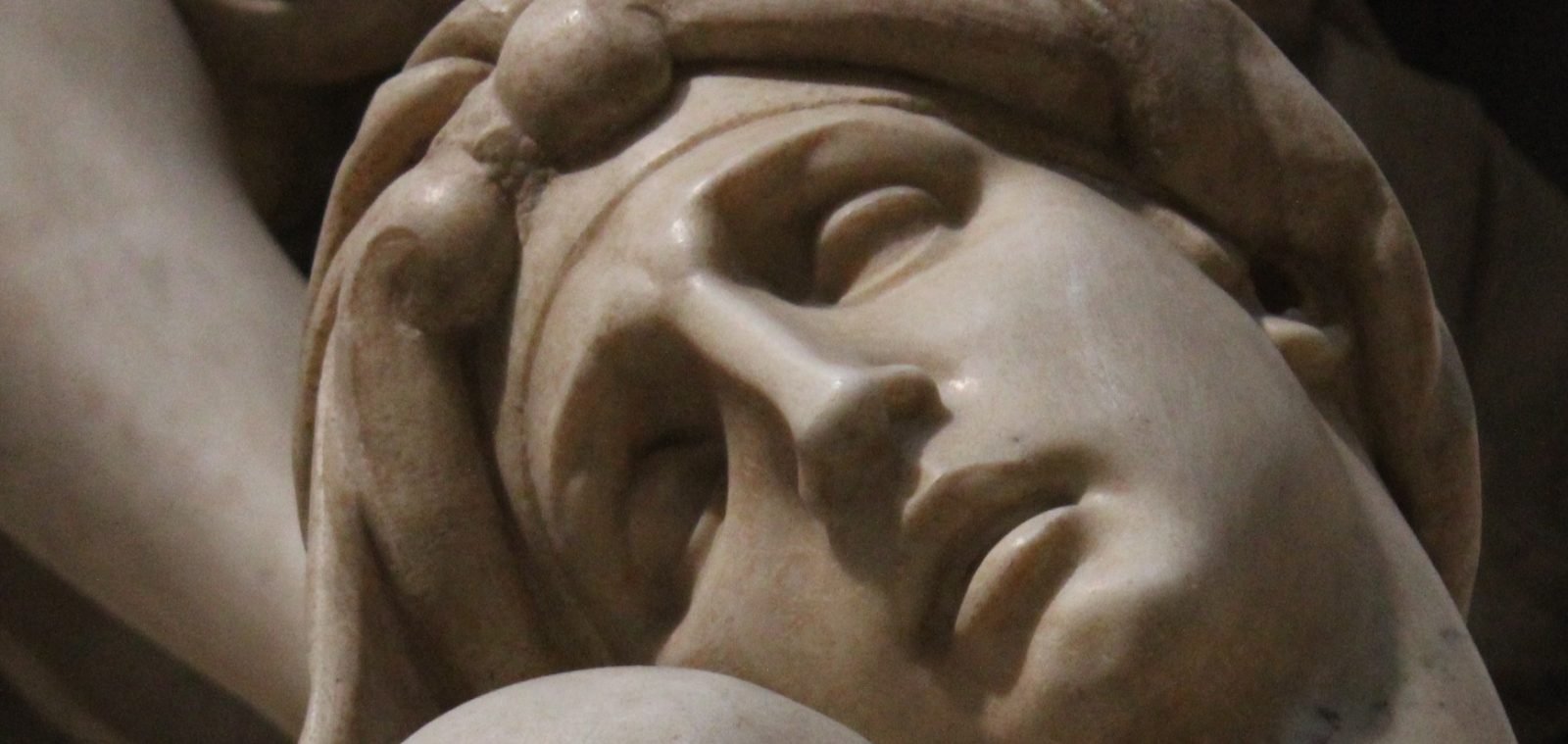
I tessuti nei dipinti: quando la stoffa racconta il potere, la moda e l’anima dei protagonisti
Nei grandi capolavori dell’arte nulla è lasciato al caso: anche un tessuto può raccontare una storia
Quando osserviamo un dipinto siamo naturalmente attratti dallo sguardo dei protagonisti, dalla composizione o dai colori. Eppure esiste un dettaglio che spesso passa inosservato e che, in realtà, custodisce una quantità sorprendente di informazioni: il tessuto degli abiti.
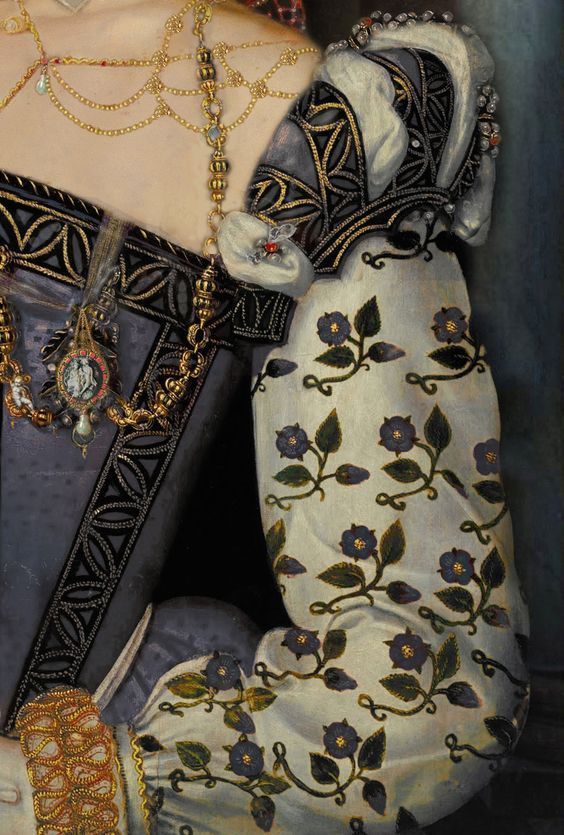
Sete luminose, velluti profondi, damaschi impreziositi da motivi floreali, broccati intessuti d’oro e d’argento non rappresentano semplicemente una dimostrazione della straordinaria abilità tecnica degli artisti. Ogni stoffa è un linguaggio, un simbolo sociale, economico e culturale che permette ancora oggi agli storici dell’arte di comprendere l’identità del personaggio ritratto, il suo rango, la sua ricchezza e perfino il messaggio che il committente desiderava trasmettere.
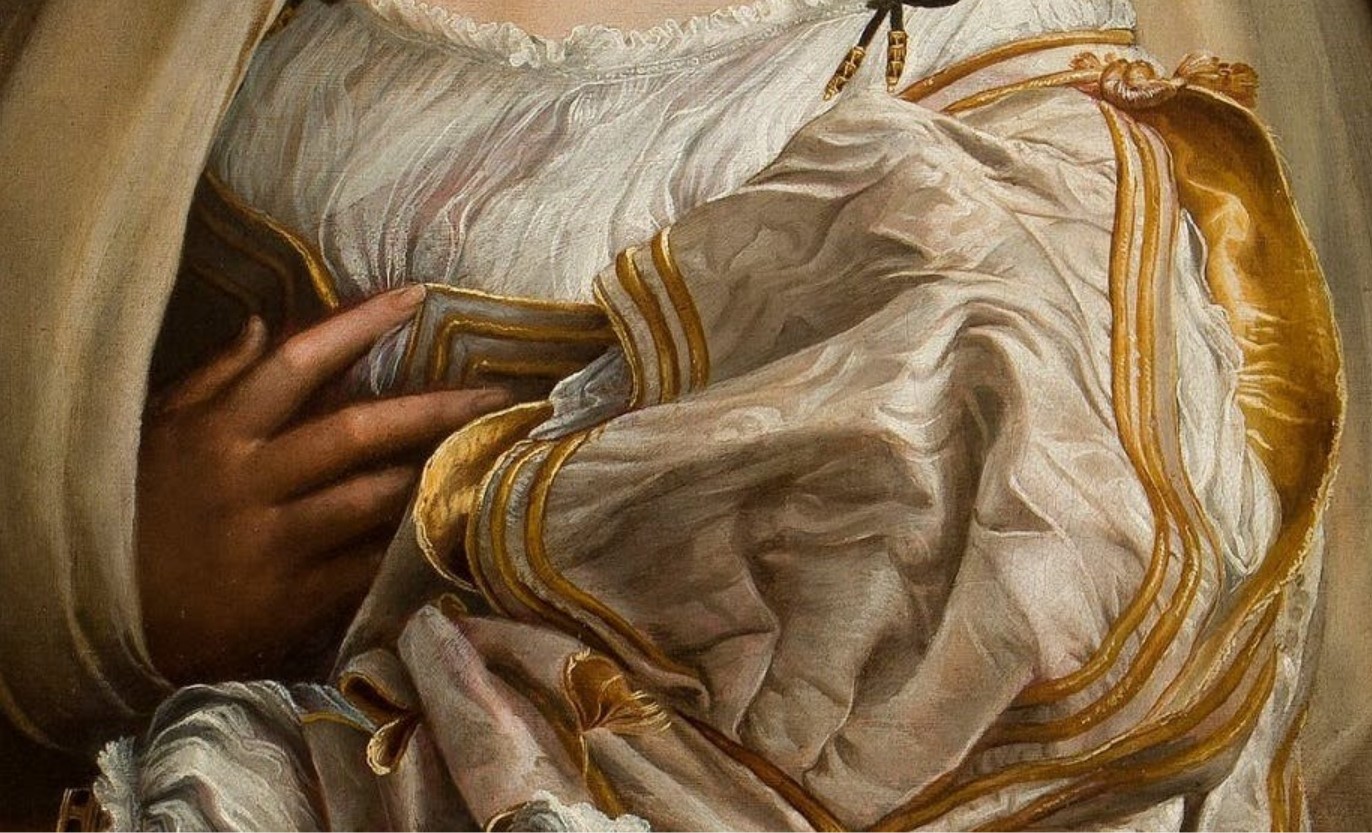
La storia dell’arte e quella della moda sono infatti strettamente intrecciate: osservare i tessuti dipinti significa viaggiare attraverso secoli di eleganza, commercio, potere e trasformazioni della società.
Il tessuto come simbolo del rango sociale del protagonista
Nel ritratto rinascimentale o barocco la scelta dell’abito non era mai casuale. Il pittore lavorava affinché ogni particolare contribuisse a costruire l’immagine pubblica del soggetto rappresentato.
I sovrani e i grandi signori indossavano stoffe costosissime, spesso importate dall’Oriente oppure realizzate nei prestigiosi centri tessili italiani come Venezia, Firenze, Lucca e Genova. La preziosità dei materiali era una vera dichiarazione di potere economico.
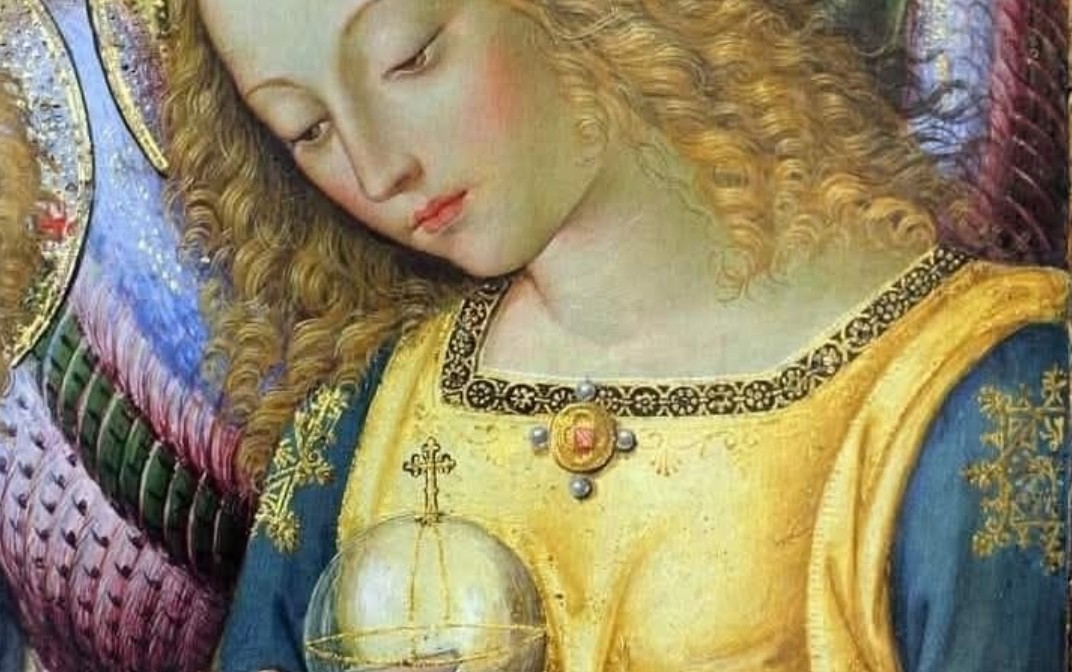
Un semplice mercante poteva essere raffigurato con lane pregiate o velluti raffinati, mentre un duca, una regina o un principe sfoggiavano broccati arricchiti da fili metallici, sete cangianti e ricami complessi che riflettevano la luce. In alcuni casi il valore dell’abito superava persino quello di una casa.
Anche la Chiesa utilizzava il linguaggio dei tessuti. Piviali, pianete e paramenti sacri erano spesso rappresentati con ricchissimi damaschi e broccati per evocare la magnificenza della fede e il prestigio dell’istituzione ecclesiastica.
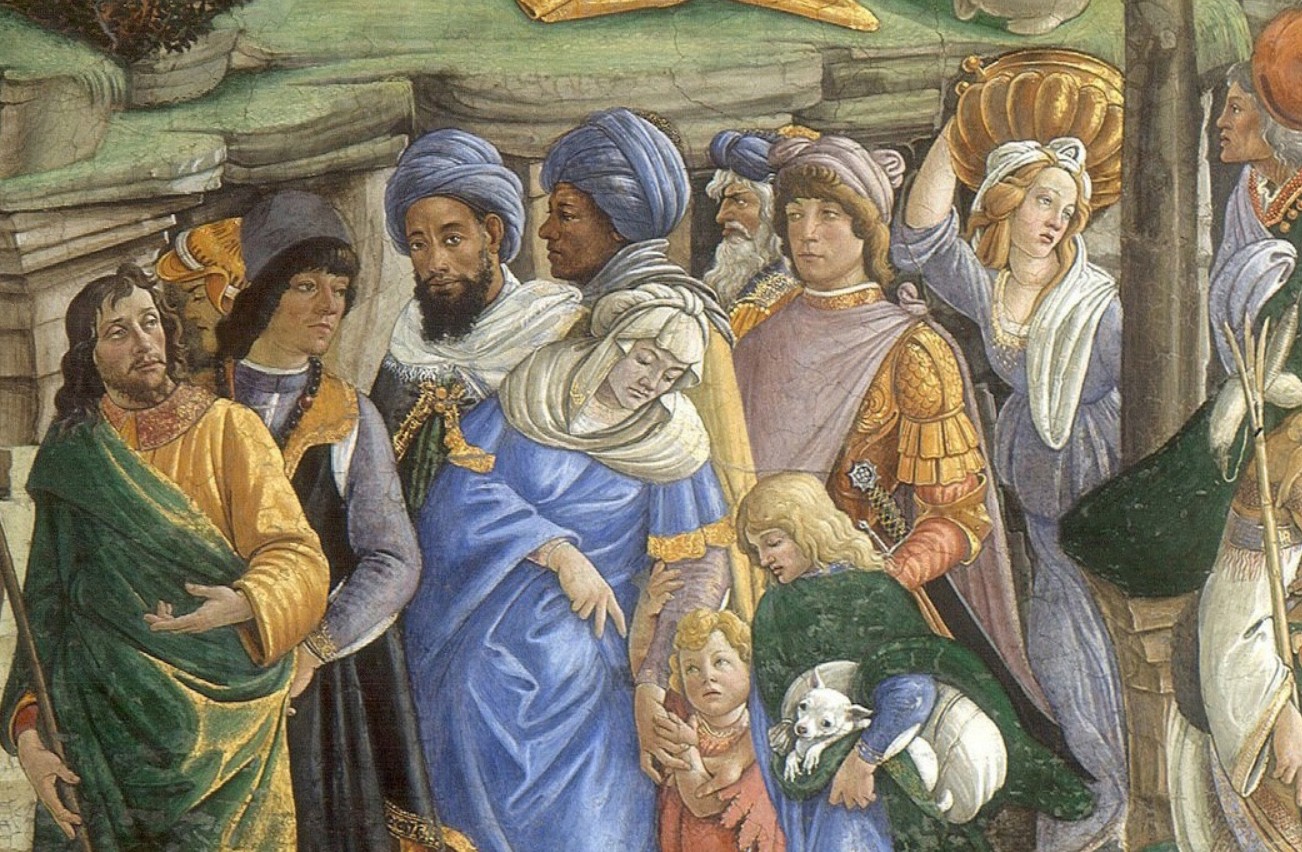
La moda dell’epoca prende vita nei dipinti
Prima dell’invenzione della fotografia, la pittura rappresentava il più straordinario archivio della moda.
Ogni epoca ha lasciato traccia del proprio gusto attraverso gli abiti dipinti. Le ampie maniche del Quattrocento, i busti rigidi del Cinquecento, gli enormi colletti a gorgiera, le ricche decorazioni del Seicento, fino agli abiti più leggeri e raffinati del Settecento raccontano il continuo evolversi dell’eleganza europea.
Grazie ai dipinti possiamo ricostruire non solo le forme degli abiti, ma anche il modo in cui venivano confezionati, sovrapposti e impreziositi da passamanerie, ricami, merletti e gioielli.
Per gli storici della moda queste opere rappresentano documenti preziosissimi, capaci di raccontare abitudini, gusti estetici e persino i rapporti commerciali tra i diversi Paesi.

Broccati, damaschi e sete: il significato delle stoffe nell’arte
Uno degli aspetti più affascinanti della pittura è la straordinaria varietà di tessuti che gli artisti sono riusciti a riprodurre con il solo utilizzo del colore.
Il broccato era probabilmente il tessuto più prestigioso. Realizzato con fili di seta intrecciati a filamenti d’oro o d’argento, rappresentava il lusso assoluto ed era riservato alle famiglie più potenti e alle corti europee. Nei dipinti rinascimentali il broccato diventa quasi protagonista della scena, con motivi floreali, melograni e decorazioni che testimoniano l’influenza delle manifatture orientali.
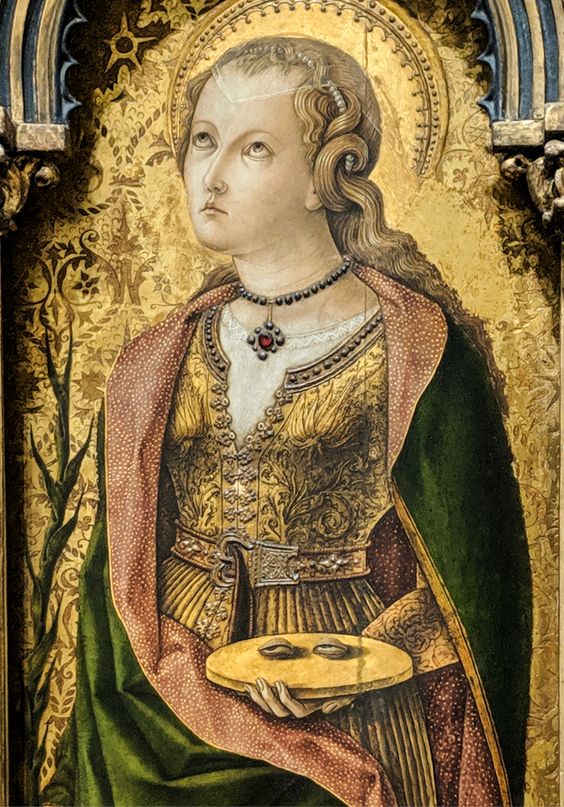
Il damasco possedeva invece una raffinatezza più discreta. I suoi motivi decorativi emergevano grazie al diverso riflesso della luce sulla trama del tessuto, creando eleganti effetti tono su tono. Molto diffuso tra il Quattrocento e il Seicento, veniva utilizzato tanto negli ambienti nobiliari quanto negli arredi ecclesiastici.
La seta rappresentava invece il simbolo della ricchezza internazionale. Arrivata in Europa attraverso le grandi rotte commerciali e successivamente prodotta nelle più importanti città italiane, consentiva agli artisti di sperimentare straordinari effetti luminosi. Nessun altro materiale rifletteva la luce con la stessa morbidezza, rendendo gli incarnati ancora più vivi e gli abiti incredibilmente realistici.
Accanto a questi tessuti comparivano velluti, rasi, taffetà, tele finissime e lane pregiate, ciascuno utilizzato per caratterizzare il protagonista e suggerire il suo ruolo nella società.

Il virtuosismo dei grandi pittori nella rappresentazione delle stoffe
Riprodurre un tessuto significava affrontare una delle prove più difficili per qualsiasi artista.
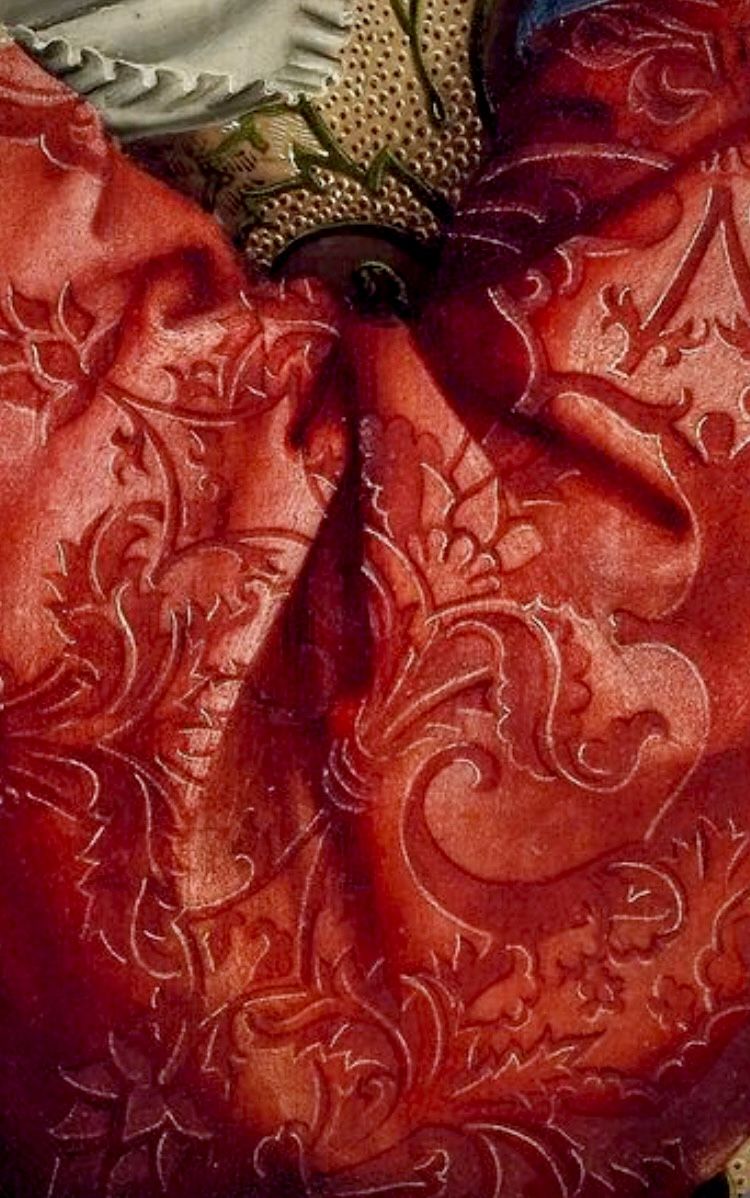
Ogni materiale reagisce alla luce in modo diverso. Il velluto assorbe le ombre e appare profondo, la seta riflette bagliori delicati, il broccato alterna superfici luminose a decorazioni metalliche, mentre il damasco cambia aspetto a seconda dell’angolo di osservazione.
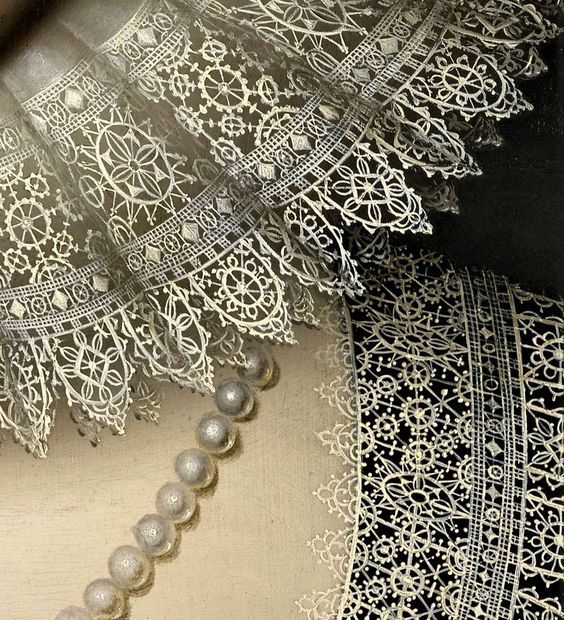
Per questo motivo i grandi maestri dedicarono anni allo studio della resa delle stoffe. Le pieghe degli abiti diventavano esercizi di prospettiva, le trasparenze richiedevano una sensibilità cromatica eccezionale e i ricami erano dipinti con una precisione quasi miniaturistica.
Osservando da vicino molte opere dei grandi maestri italiani, fiamminghi e veneziani è possibile distinguere persino la trama del tessuto, un risultato sorprendente ottenuto esclusivamente attraverso il pennello.
I tessuti raccontano l’economia e i commerci del passato
Ogni stoffa rappresentata in un dipinto racconta anche la storia dell’economia europea.
Le sete arrivavano inizialmente dall’Asia lungo le antiche rotte commerciali, mentre Venezia diventò uno dei principali punti di distribuzione dei tessuti preziosi. Successivamente Firenze, Lucca e Genova svilupparono manifatture capaci di competere con le produzioni orientali, esportando tessuti di altissima qualità nelle principali corti europee.
Quando un artista raffigurava un determinato tessuto, stava quindi raccontando anche la ricchezza di una città, il successo di una famiglia mercantile o la potenza economica di un’intera nazione.
L’arte diventa così una testimonianza storica che permette di comprendere l’evoluzione dei commerci internazionali e della produzione tessile attraverso i secoli.
Dietro ogni abito dipinto si nasconde un messaggio
Il colore della stoffa, il tipo di tessuto, la ricchezza dei ricami e perfino la lunghezza delle maniche erano elementi studiati con estrema attenzione.
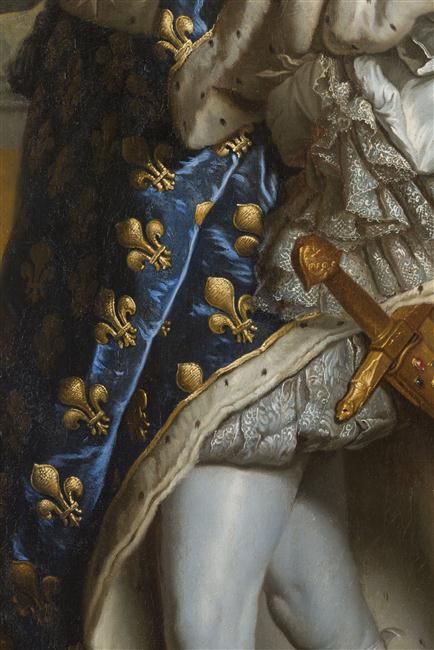
Il rosso evocava prestigio e autorità, il porpora era legato al potere, il blu oltremare richiamava il lusso grazie all’elevato costo del pigmento, mentre il nero, soprattutto nel Cinquecento, divenne il simbolo dell’eleganza aristocratica e della ricchezza, poiché ottenere una tintura perfettamente uniforme richiedeva procedimenti estremamente costosi.
Anche la scelta della stoffa contribuiva alla costruzione dell’identità del protagonista. Un sovrano doveva apparire autorevole, una giovane nobildonna elegante e raffinata, un santo umile oppure glorioso, a seconda del messaggio religioso che l’opera intendeva trasmettere.
Perché osservare i tessuti cambia il modo di guardare un’opera d’arte
La prossima volta che visiterete un museo provate a soffermarvi a osservare anche gli abiti dei protagonisti.
Scoprirete che ogni piega, ogni ricamo e ogni riflesso raccontano molto più di quanto possa sembrare. I tessuti custodiscono informazioni sulla moda, sulla società, sull’economia, sui commerci e persino sulla psicologia dei personaggi rappresentati.
Sono dettagli che trasformano un semplice ritratto in una vera testimonianza storica, permettendoci di entrare nella vita quotidiana delle corti europee e di comprendere come gli artisti siano riusciti a rendere eterna la bellezza delle stoffe con il solo potere della pittura.
Dietro un broccato scintillante, una seta impalpabile o un damasco finemente decorato non si nasconde un intero mondo fatto di prestigio, gusto, innovazione e cultura. È anche grazie a questi dettagli che i grandi dipinti continuano ancora oggi ad affascinare milioni di visitatori, dimostrando come l’arte sia capace di raccontare la storia persino attraverso il filo di un tessuto.
Per il momento il sempre vostro Michelangelo Buonarroti vi saluta dandovi appuntamento ai prossimi post e sui social.
Fabrics in paintings: when fabric speaks of power, fashion, and the soul of the protagonists.
In great masterpieces of art, nothing is left to chance: even a fabric can tell a story
When we look at a painting, we are naturally drawn to the gaze of the subjects, the composition, or the colors. Yet there is one detail that often goes unnoticed and that, in reality, holds a surprising amount of information: the fabric of the clothing.
Luminous silks, deep velvets, damasks embellished with floral motifs, brocades woven with gold and silver are not simply a demonstration of the artists’ extraordinary technical skill. Each fabric is a language, a social, economic, and cultural symbol that still allows art historians today to understand the identity of the sitter portrayed, their rank, their wealth, and even the message the patron wished to convey.
The history of art and the history of fashion are in fact closely intertwined: observing painted fabrics means traveling through centuries of elegance, commerce, power, and societal transformations.
Fabric as a Symbol of the Subject’s Social Rank
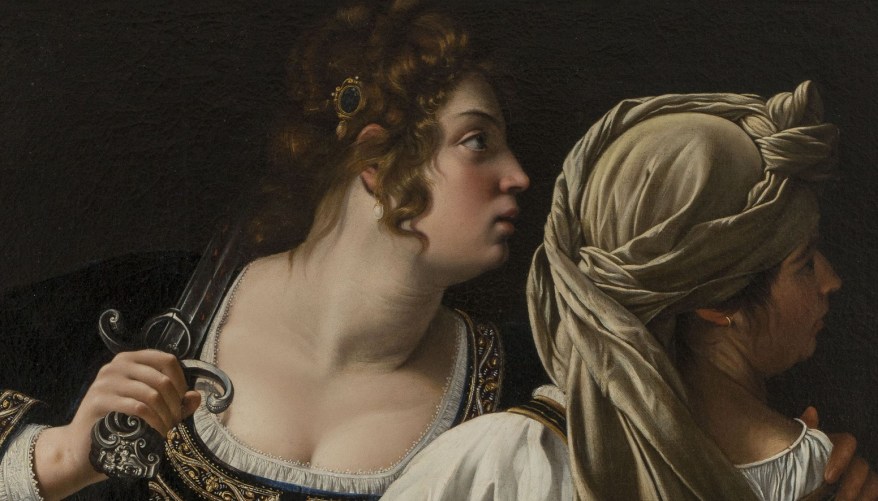
In Renaissance and Baroque portraits, the choice of clothing was never casual. The painter worked to ensure that every detail contributed to the public image of the subject depicted.
Sovereigns and great lords wore extremely expensive fabrics, often imported from the East or made in prestigious Italian textile centers such as Venice, Florence, Lucca, and Genoa. The preciousness of the materials was a true declaration of economic power.
A simple merchant might be depicted in fine wools or refined velvets, while a duke, a queen, or a prince sported brocades enriched with metallic threads, iridescent silks, and intricate embroidery that reflected the light. In some cases, the value of the clothing even exceeded that of a house.
The Church also employed the language of fabrics. Copes, chasubles, and sacred vestments were often depicted in rich damask and brocade to evoke the magnificence of the faith and the prestige of the ecclesiastical institution.
Period fashion comes to life in paintings
Before the invention of photography, painting represented the most extraordinary archive of fashion.
Every era has left traces of its taste through painted clothing. The wide sleeves of the fifteenth century, the rigid busts of the sixteenth century, the enormous ruff collars, the rich decorations of the seventeenth century, up to the lighter and more refined dresses of the eighteenth century, all tell the story of the continuous evolution of European elegance.
Thanks to paintings, we can reconstruct not only the shapes of garments, but also the way they were made, layered, and embellished with trimmings, embroidery, lace, and jewels.
For fashion historians, these works represent invaluable documents, capable of revealing habits, aesthetic tastes, and even trade relations between different countries.
Brocades, damasks, and silks: the meaning of fabrics in art
One of the most fascinating aspects of painting is the extraordinary variety of fabrics that artists have managed to reproduce using only color.
Brocade was probably the most prestigious fabric. Made with silk threads woven with gold or silver filaments, it represented absolute luxury and was reserved for the most powerful families and European courts. In Renaissance paintings, brocade almost took center stage, with floral motifs, pomegranates, and decorations that testify to the influence of Eastern craftsmanship.
Damask, on the other hand, possessed a more understated refinement. Its decorative motifs emerged thanks to the varying reflections of light on the fabric’s weave, creating elegant tone-on-tone effects. Widely used between the 15th and 17th centuries, it was used in both noble residences and ecclesiastical furnishings.
Silk, on the other hand, represented the symbol of international wealth. Arrived in Europe via the great trade routes and subsequently produced in the most important Italian cities, it allowed artists to experiment with extraordinary light effects. No other material reflected light with the same softness, making skin tones even more vivid and clothing incredibly realistic.
Alongside these fabrics appeared velvets, satins, taffetas, very fine canvases and fine wools, each used to characterise the protagonist and suggest his role in society.
The virtuosity of great painters in the representation of fabrics
Reproducing a fabric meant facing one of the most difficult challenges for any artist.
Each material reacts differently to light. Velvet absorbs shadows and appears deep, silk reflects delicate shimmers, brocade alternates luminous surfaces with metallic decorations, while damask changes appearance depending on the angle of observation.
For this reason, the great masters dedicated years to studying the rendering of fabrics. The folds of clothing became exercises in perspective, transparencies required exceptional chromatic sensitivity, and embroidery was painted with almost miniature precision.
By closely observing many works by the great Italian, Flemish, and Venetian masters, it is possible to discern even the weave of the fabric, a surprising result achieved exclusively with the brush.
Fabrics tell the story of the economy and trade of the past
Every fabric depicted in a painting also tells the story of the European economy.
Silks initially arrived from Asia along ancient trade routes, while Venice became one of the main distribution hubs for precious fabrics. Subsequently, Florence, Lucca, and Genoa developed factories capable of competing with Eastern production, exporting high-quality fabrics to the major European courts.
When an artist depicted a particular fabric, he or she was also narrating the wealth of a city, the success of a merchant family, or the economic power of an entire nation.
Art thus becomes a historical testimony that allows us to understand the evolution of international trade and textile production over the centuries.
Behind every painted garment lies a message.
The color of the fabric, the type of weave, the richness of the embroidery, and even the length of the sleeves were carefully considered elements.
Red evoked prestige and authority, purple was associated with power, ultramarine blue evoked luxury due to the high cost of the pigment, while black, especially in the 16th century, became the symbol of aristocratic elegance and wealth, as achieving a perfectly uniform dye required extremely expensive processes.
The choice of fabric also contributed to the creation of the protagonist’s identity. A sovereign had to appear authoritative, a young noblewoman elegant and refined, a saint humble or glorious, depending on the religious message the work intended to convey.
Why observing fabrics changes the way you look at a work of art
The next time you visit a museum, try stopping to observe the protagonists’ clothes.
You’ll discover that every fold, every embroidery, and every reflection tells much more than it might seem. Fabrics hold information about fashion, society, economics, trade, and even the psychology of the characters depicted.
These are details that transform a simple portrait into a true historical testimony, allowing us to enter the daily life of European courts and understand how artists managed to immortalize the beauty of fabrics with the power of painting alone.
Behind a shimmering brocade, an impalpable silk, or a finely decorated damask lies a whole world of prestige, taste, innovation, and culture. It’s also thanks to these details that great paintings continue to fascinate millions of visitors today, demonstrating how art can tell a story even through the threads of a fabric.
For now, yours truly, Michelangelo Buonarroti bids you farewell and looks forward to seeing you in future posts and on social media.

Sostienici – Support Us
Se questo blog ti piace e ti appassiona, puoi aiutarci a farlo crescere sempre più sostenendoci in modo concreto condividendo i post, seguendo le pagine social e con un contributo che ci aiuta ad andare avanti con il nostro lavoro di divulgazione. . ENGLISH: If you like and are passionate about this blog, you can help us make it grow more and more by supporting us in a concrete way by sharing posts, following social pages and with a contribution that helps us to move forward with our dissemination work.
10,00 €
Articoli

Condividi:


Questo sono io




sostienici

Sostienici – Support Us
Se questo blog ti piace e ti appassiona, puoi aiutarci a farlo crescere sempre più sostenendoci in modo concreto condividendo i post, seguendo le pagine social e con un contributo che ci aiuta ad andare avanti con il nostro lavoro di divulgazione. . ENGLISH: If you like and are passionate about this blog, you can help us make it grow more and more by supporting us in a concrete way by sharing posts, following social pages and with a contribution that helps us to move forward with our dissemination work.
€10,00


