
Uccelli nella storia dell’arte: significati, simboli e capolavori da conoscere
Gli uccelli sono tra i soggetti più antichi della rappresentazione artistica. La loro capacità di volare ha sempre affascinato l’uomo, trasformandoli nel simbolo del collegamento tra la dimensione terrena e quella celeste. Nel corso dei secoli sono stati osservati, studiati e trasformati in metafore capaci di raccontare emozioni, credenze religiose e visioni del mondo.
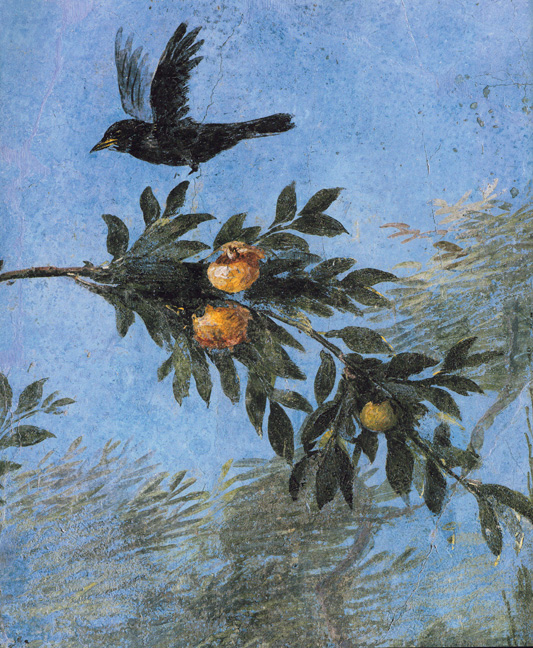
Uno dei primi esempi celebri è rappresentato dagli affreschi della Villa di Livia a Prima Porta, risalenti al I secolo a.C., dove un giardino rigoglioso popolato da numerose specie di uccelli crea un’illusione di natura senza confini. In queste pitture gli animali non sono semplici elementi decorativi, ma partecipano alla costruzione di un ambiente ideale, simbolo di abbondanza e armonia.
Gli uccelli nell’arte dell’antichità: messaggeri degli dèi e simboli del potere
Nelle civiltà del Mediterraneo gli uccelli erano considerati creature sacre, capaci di mettere in comunicazione gli uomini con il mondo divino. Il loro volo veniva interpretato come un linguaggio degli dèi e influenzava persino decisioni politiche e militari.
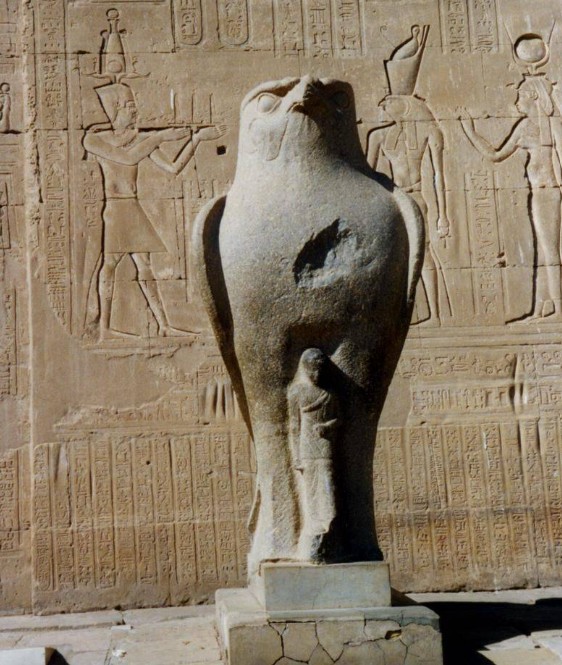
L’arte dell’antico Egitto offre uno degli esempi più significativi attraverso le numerose raffigurazioni del dio Horus con testa di falco, visibili nel magnifico rilievo del Tempio di Edfu. Il falco diventa emblema della regalità e della protezione divina, mentre nelle ceramiche greche il gufo accompagna frequentemente la dea Atena, incarnando la sapienza e la conoscenza.
La colomba nell’arte: dalla spiritualità cristiana al simbolo universale della pace
Tra tutti gli uccelli, la colomba è probabilmente quella che ha assunto il significato più universale. Nell’arte cristiana rappresenta lo Spirito Santo, la purezza e la presenza divina, diventando protagonista di innumerevoli opere dedicate all’Annunciazione e al Battesimo di Cristo.
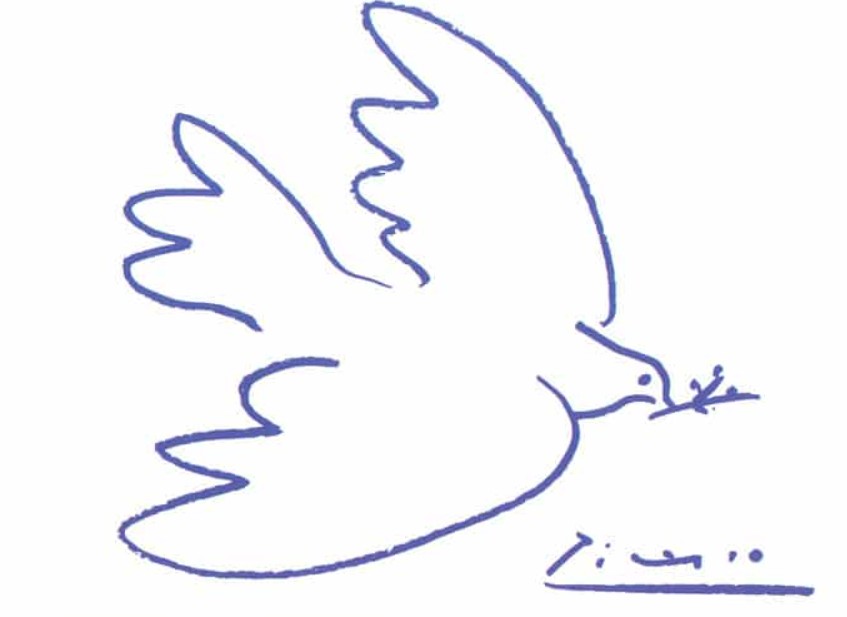
Uno degli esempi più celebri è il Battesimo di Cristo di Andrea del Verrocchio e Leonardo da Vinci, conservato agli Uffizi, dove la colomba discende dal cielo sopra la figura di Gesù come manifestazione dello Spirito Santo. Secoli più tardi, Pablo Picasso trasformerà questo antico simbolo nella celebre Colomba della Pace, realizzata nel 1949, destinata a diventare una delle immagini più riconoscibili del Novecento.

Il pavone: un simbolo di immortalità che attraversa i secoli
Con il suo piumaggio spettacolare, il pavone è stato uno degli animali più amati dagli artisti. Nel mondo paleocristiano rappresentava l’immortalità, poiché si credeva che il suo corpo fosse incorruttibile, mentre durante il Rinascimento divenne simbolo di ricchezza, prestigio e magnificenza.
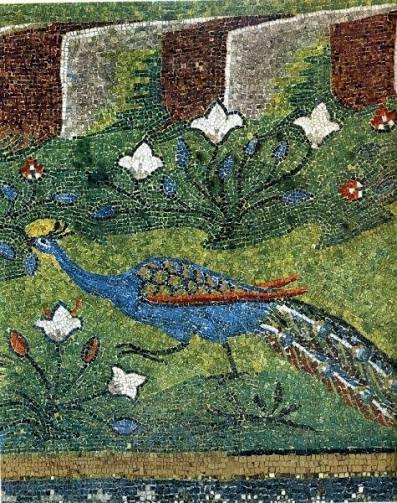
Un esempio straordinario si trova nei mosaici della Basilica di San Vitale a Ravenna, dove i pavoni decorano gli spazi sacri alludendo alla vita eterna. Nei secoli successivi il loro splendore cromatico ispirò anche pittori di nature morte fiamminghe, che ne esaltavano la straordinaria bellezza.
Il gufo nell’arte tra sapienza e mistero
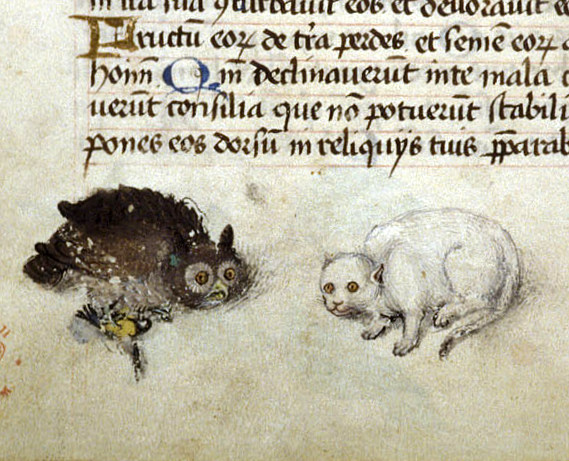
Pochi animali possiedono un simbolismo tanto ambivalente quanto il gufo. Se nell’antica Grecia era l’attributo della dea Atena e rappresentava la conoscenza, nel Medioevo assunse spesso un significato opposto, diventando emblema della notte, del peccato e dell’ignoto.
Ancora oggi numerosi artisti contemporanei continuano a utilizzare questa figura per evocare introspezione e mistero.
Corvi e cornacchie: gli uccelli che raccontano il lato oscuro dell’esistenza
Non tutti gli uccelli evocano serenità. Corvi e cornacchie sono diventati nel tempo simboli della morte, del destino e dell’inquietudine, soprattutto nella pittura moderna.
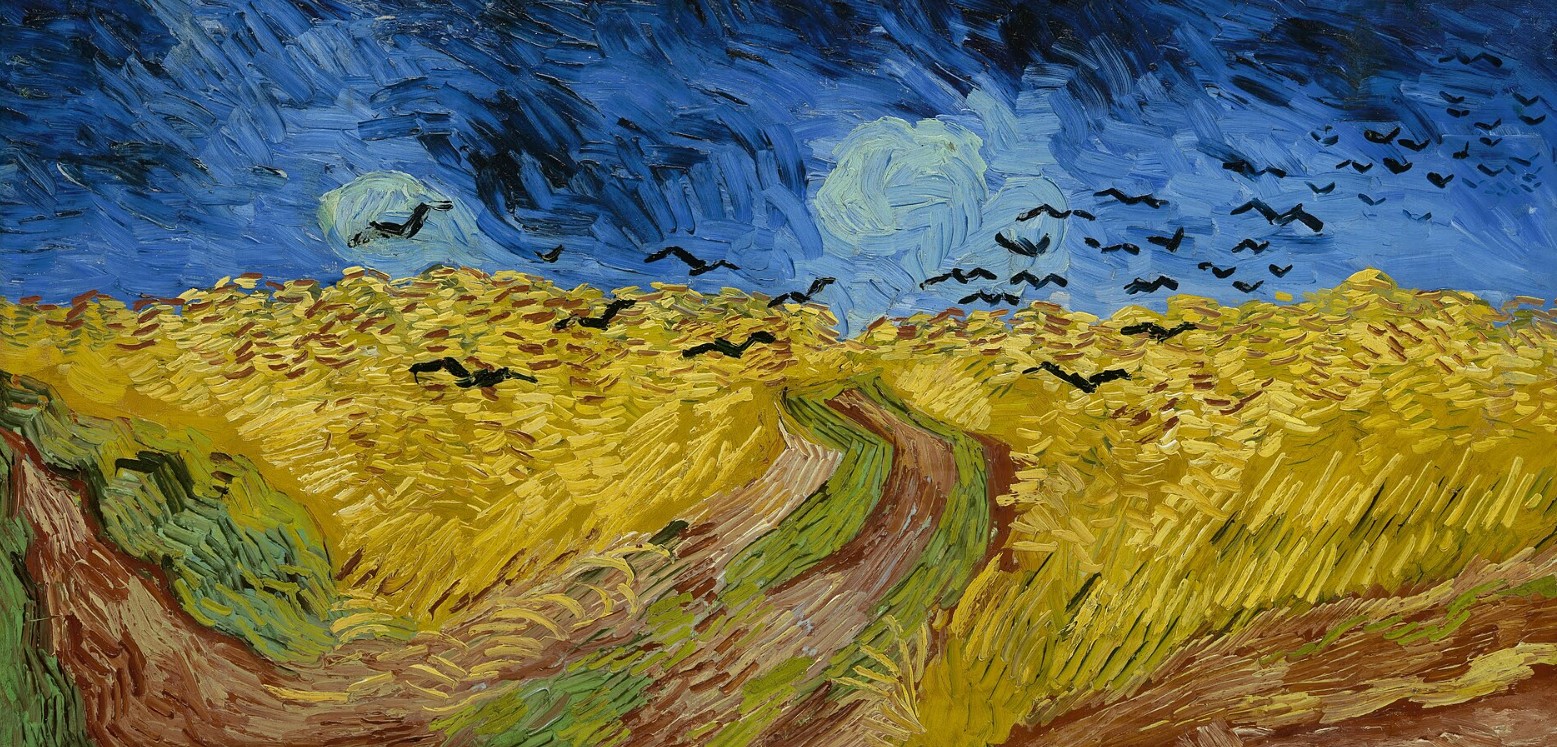
L’opera più famosa è senza dubbio Campo di grano con volo di corvi di Vincent van Gogh, realizzata nel 1890. Il cielo attraversato dagli uccelli neri sopra il campo dorato ha dato origine a innumerevoli interpretazioni e continua ancora oggi a essere considerato uno dei dipinti più intensi della storia dell’arte, capace di trasmettere un senso di tensione e profonda solitudine.
Fenicotteri, aironi e cigni: quando la natura diventa protagonista
Tra Ottocento e Novecento cresce l’interesse per l’osservazione scientifica della natura e gli artisti iniziano a rappresentare gli uccelli con straordinaria precisione. Fenicotteri, aironi e cigni diventano protagonisti di paesaggi raffinati e composizioni eleganti.
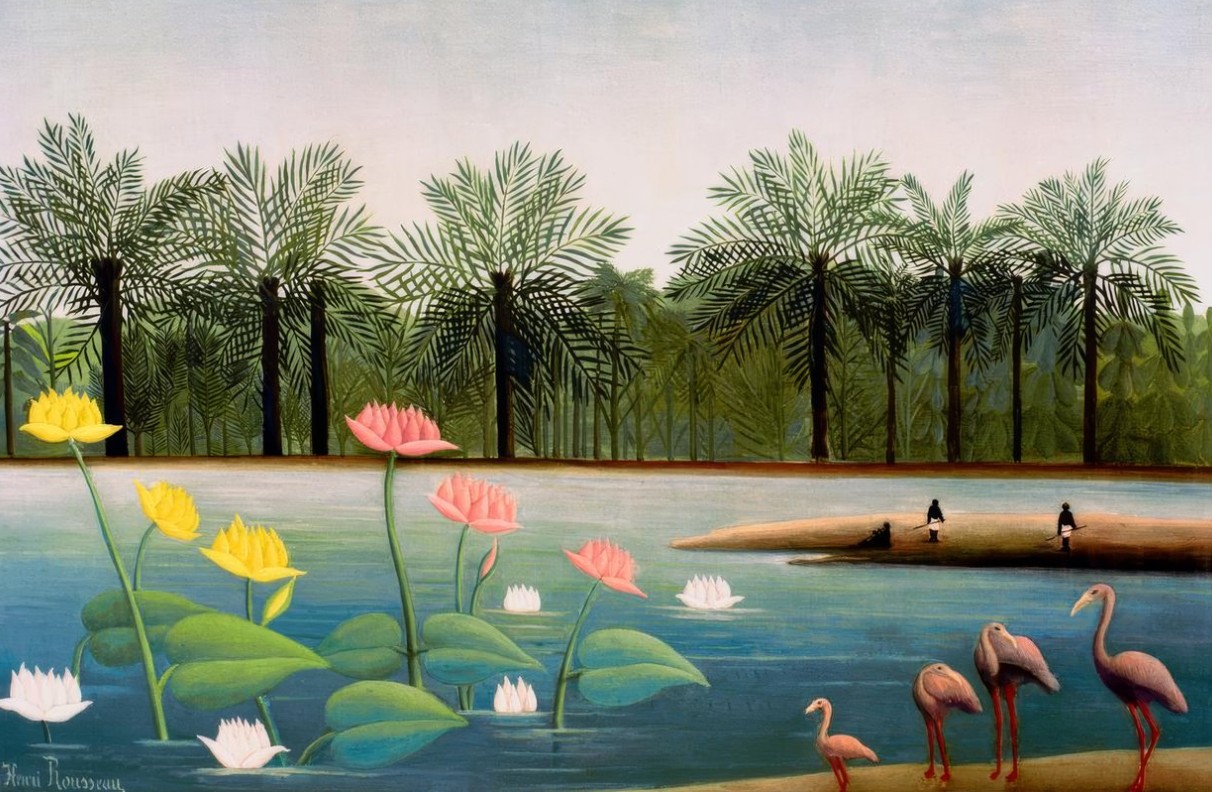
Un esempio emblematico è I fenicotteri di Henri Rousseau, dove gli animali sono inseriti in una natura lussureggiante e quasi onirica. Anche i celebri cigni dipinti da Claude Monet nelle vedute del suo giardino di Giverny mostrano come questi uccelli possano diventare parte integrante della ricerca sulla luce e sul colore.
Gli uccelli nelle nature morte: dettagli ricchi di significato
Nelle nature morte del Seicento gli uccelli assumono una funzione simbolica complessa. Possono rappresentare l’abbondanza quando compaiono come selvaggina, ma anche ricordare la fragilità della vita all’interno delle composizioni ispirate al tema della Vanitas.
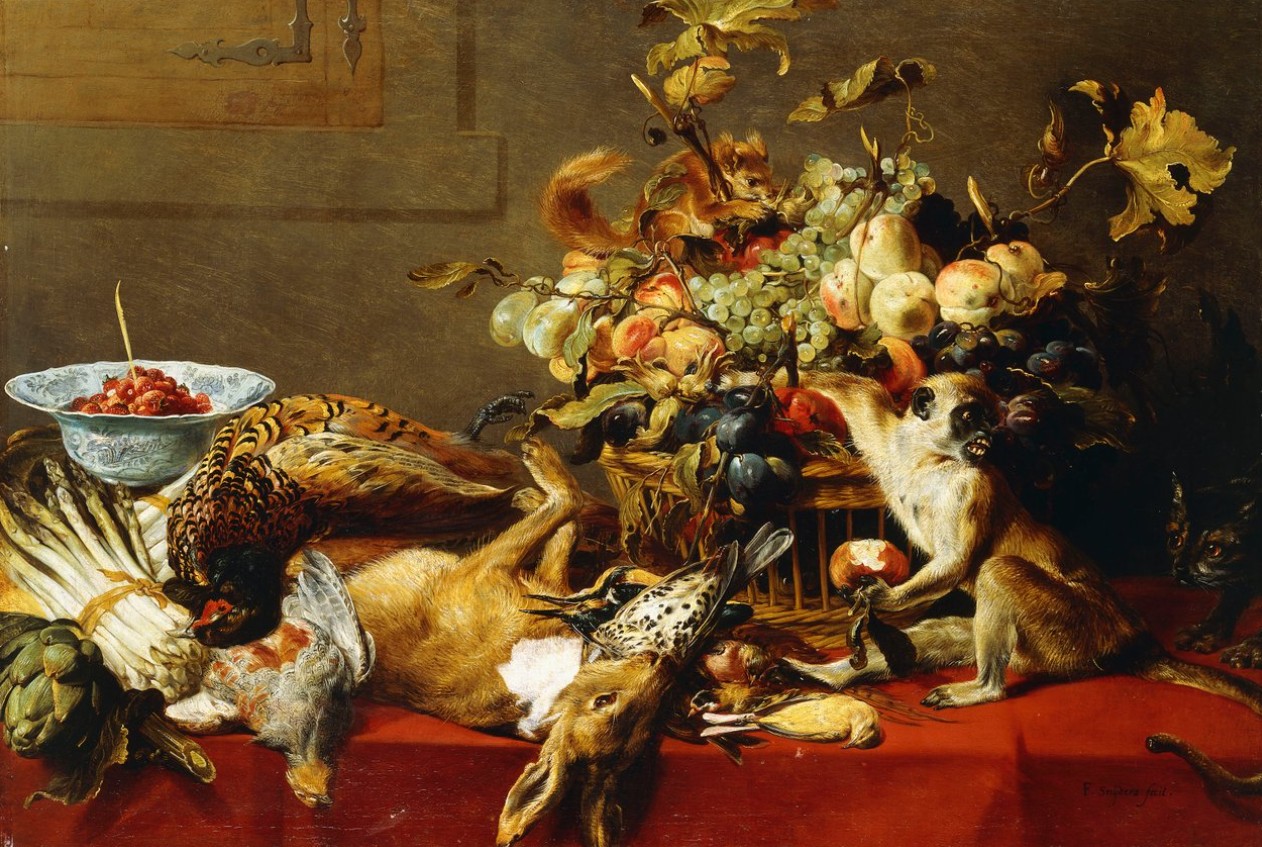
Un magnifico esempio è rappresentato dalle opere di Frans Snyders, maestro fiammingo celebre per le sue grandi tele dedicate alla caccia e ai mercati, nelle quali fagiani, anatre e altri volatili diventano protagonisti di scene ricche di dettagli e significati allegorici.
Leonardo da Vinci e il sogno di imitare il volo degli uccelli
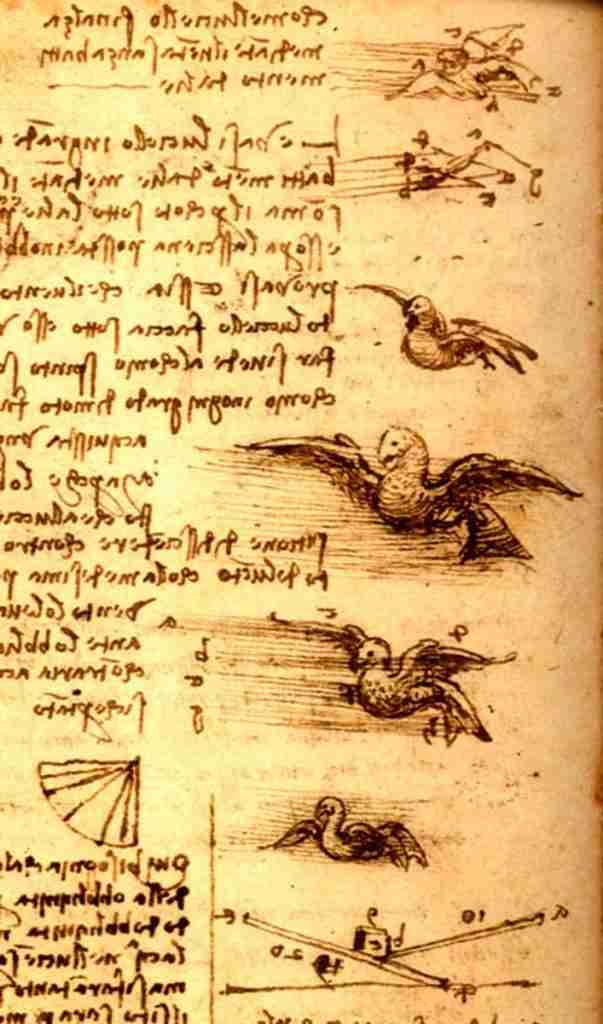
Tra tutti gli artisti della storia, Leonardo da Vinci è forse colui che osservò gli uccelli con maggiore attenzione scientifica. Convinto che il loro volo custodisse il segreto per permettere anche all’uomo di librarsi nell’aria, dedicò anni allo studio della loro anatomia e del movimento delle ali.
Il celebre Codice sul volo degli uccelli, conservato presso la Biblioteca Reale di Torino, raccoglie appunti e disegni nei quali Leonardo analizza il comportamento degli animali e sviluppa intuizioni straordinariamente moderne sull’aerodinamica. Secondo diverse testimonianze, era inoltre solito acquistare uccelli in gabbia nei mercati per liberarli, un gesto che testimonia il profondo rispetto che nutriva per queste creature.
Picasso, Miró e gli uccelli nell’arte del Novecento
Nel Novecento gli uccelli smettono spesso di essere rappresentati in modo realistico e diventano immagini essenziali, poetiche e simboliche. Pablo Picasso li utilizza come metafora della pace, mentre Joan Miró li trasforma in forme leggere e fantastiche che sembrano fluttuare nello spazio.
La celebre litografia La Colombe di Picasso è probabilmente l’immagine più famosa del secolo scorso dedicata a un uccello, mentre opere come Donna e uccello di Miró dimostrano come il linguaggio dell’arte contemporanea abbia saputo reinterpretare antichi simboli con una sorprendente libertà espressiva.
Gli uccelli nell’arte contemporanea: simboli di ambiente, migrazione e libertà
Oggi gli uccelli continuano a occupare un posto centrale nella ricerca artistica. Molti autori li utilizzano per riflettere sulla crisi climatica, sulla perdita della biodiversità e sul delicato rapporto tra uomo e natura.
L’artista cinese Ai Weiwei, nell’installazione Bird’s Nest e in altri progetti dedicati ai temi della libertà e delle migrazioni, ha più volte richiamato l’immaginario degli uccelli come metafora della condizione umana. In questo modo un simbolo antichissimo continua a dialogare con le grandi questioni del nostro tempo.
Per il momento il sempre vostro Michelangelo Buonarroti vi saluta dandovi appuntamento ai prossimi post e sui social.
Birds in the History of Art: Meanings, Symbols, and Masterpieces to Know
Birds are among the oldest subjects of artistic representation. Their ability to fly has always fascinated humans, transforming them into a symbol of the connection between the earthly and celestial dimensions. Over the centuries, they have been observed, studied, and transformed into metaphors capable of expressing emotions, religious beliefs, and worldviews.
One of the earliest famous examples is the frescoes of the Villa of Livia at Prima Porta, dating back to the 1st century BC, where a lush garden populated by numerous bird species creates the illusion of boundless nature. In these paintings, the animals are not simply decorative elements, but participate in the construction of an ideal environment, a symbol of abundance and harmony.
Birds in Ancient Art: Messengers of the Gods and Symbols of Power
In Mediterranean civilizations, birds were considered sacred creatures, capable of connecting humans with the divine world. Their flight was interpreted as a language of the gods and even influenced political and military decisions.
Ancient Egyptian art offers one of the most significant examples through the numerous depictions of the god Horus with a falcon’s head, visible in the magnificent relief from the Temple of Edfu. The falcon becomes an emblem of royalty and divine protection, while in Greek ceramics the owl frequently accompanies the goddess Athena, embodying wisdom and knowledge.
The Dove in Art: From Christian Spirituality to the Universal Symbol of Peace
Of all birds, the dove is probably the one that has acquired the most universal significance. In Christian art, it represents the Holy Spirit, purity, and divine presence, becoming the protagonist of countless works dedicated to the Annunciation and the Baptism of Christ.
One of the most famous examples is the Baptism of Christ by Andrea del Verrocchio and Leonardo da Vinci, preserved in the Uffizi Gallery, where the dove descends from heaven upon the figure of Jesus as a manifestation of the Holy Spirit. Centuries later, Pablo Picasso transformed this ancient symbol into the famous Dove of Peace, created in 1949, destined to become one of the most recognizable images of the twentieth century.
The Peacock: A Symbol of Immortality Across the Centuries
With its spectacular plumage, the peacock has been one of the animals most beloved by artists. In the early Christian world, it represented immortality, as its body was believed to be incorruptible, while during the Renaissance, it became a symbol of wealth, prestige, and magnificence.
An extraordinary example is found in the mosaics of the Basilica of San Vitale in Ravenna, where peacocks decorate sacred spaces, alluding to eternal life. In subsequent centuries, their chromatic splendor also inspired Flemish still life painters, who extolled their extraordinary beauty.
The Owl in Art: Between Wisdom and Mystery
Few animals possess such ambivalent symbolism as the owl. While in ancient Greece it was the attribute of the goddess Athena and represented knowledge, in the Middle Ages it often took on an opposite meaning, becoming an emblem of the night, sin, and the unknown.
This dual interpretation also emerges in Rembrandt’s famous painting Minerva, where the small owl accompanies the goddess as a symbol of wisdom. Even today, many contemporary artists continue to use this figure to evoke introspection and mystery.
Crows and Crows: Birds That Reveal the Dark Side of Existence
Not all birds evoke serenity. Over time, crows and crows have become symbols of death, fate, and anxiety, especially in modern painting.
The most famous work is undoubtedly Vincent van Gogh’s Wheatfield with Crows, painted in 1890. The sky crossed by black birds above the golden field has given rise to countless interpretations and continues to be considered one of the most intense paintings in the history of art, capable of conveying a sense of tension and profound solitude.
Flamingos, Herons, and Swans: When Nature Takes Center Stage
Between the 19th and 20th centuries, interest in the scientific observation of nature grew, and artists began to depict birds with extraordinary precision. Flamingos, herons, and swans became the protagonists of refined landscapes and elegant compositions.
A prime example is Henri Rousseau’s Flamingos, where the animals are inserted into a lush, almost dreamlike landscape. The famous swans painted by Claude Monet in views of his garden at Giverny also demonstrate how these birds could become an integral part of his exploration of light and color.
Birds in Still Lifes: Rich Details of Meaning
In 17th-century still lifes, birds take on a complex symbolic function. They can represent abundance when they appear as game, but they also evoke the fragility of life in compositions inspired by the Vanitas theme.
A magnificent example is the works of Frans Snyders, a Flemish master famous for his large canvases dedicated to hunting and markets, in which pheasants, ducks, and other birds become the protagonists of scenes rich in detail and allegorical meaning.
Leonardo da Vinci and the Dream of Imitating the Flight of Birds
Of all the artists in history, Leonardo da Vinci is perhaps the one who observed birds with the greatest scientific attention. Convinced that their flight held the secret to allowing humans to soar, he devoted years to studying their anatomy and the movement of their wings.
The famous Codex on the Flight of Birds, preserved at the Royal Library of Turin, collects notes and drawings in which Leonardo analyzes animal behavior and develops extraordinarily modern insights into aerodynamics. According to several accounts, he also frequently purchased caged birds at markets to free them, a gesture that testifies to his profound respect for these creatures.
Picasso, Miró, and Birds in Twentieth-Century Art
In the twentieth century, birds often ceased to be depicted realistically and became essential, poetic, and symbolic images. Pablo Picasso used them as a metaphor for peace, while Joan Miró transformed them into light, fantastical forms that seem to float in space.
Picasso’s famous lithograph “La Colombe” (The Dove) is probably the most famous image of a bird of the last century, while works such as Miró’s “Woman and Bird” demonstrate how the language of contemporary art has reinterpreted ancient symbols with surprising expressive freedom.
Birds in Contemporary Art: Symbols of the Environment, Migration, and Freedom
Today, birds continue to occupy a central place in artistic research. Many artists use them to reflect on the climate crisis, the loss of biodiversity, and the delicate relationship between humanity and nature.
In his installation “Bird’s Nest” and other projects dedicated to the themes of freedom and migration, Chinese artist Ai Weiwei has repeatedly invoked the imagery of birds as a metaphor for the human condition. In this way, an ancient symbol continues to engage with the major issues of our time.
For now, yours truly, Michelangelo Buonarroti bids farewell and invites you to join him in future posts and on social media.

Sostienici – Support Us
Se questo blog ti piace e ti appassiona, puoi aiutarci a farlo crescere sempre più sostenendoci in modo concreto condividendo i post, seguendo le pagine social e con un contributo che ci aiuta ad andare avanti con il nostro lavoro di divulgazione. . ENGLISH: If you like and are passionate about this blog, you can help us make it grow more and more by supporting us in a concrete way by sharing posts, following social pages and with a contribution that helps us to move forward with our dissemination work.
10,00 €
Condividi:


Questo sono io




sostienici

Sostienici – Support Us
Se questo blog ti piace e ti appassiona, puoi aiutarci a farlo crescere sempre più sostenendoci in modo concreto condividendo i post, seguendo le pagine social e con un contributo che ci aiuta ad andare avanti con il nostro lavoro di divulgazione. . ENGLISH: If you like and are passionate about this blog, you can help us make it grow more and more by supporting us in a concrete way by sharing posts, following social pages and with a contribution that helps us to move forward with our dissemination work.
€10,00


