

8 luglio 1593: nasce Artemisia Gentileschi, la pittrice che sfidò il suo tempo
L’8 luglio 1593 nasce a Roma Artemisia Gentileschi, una delle artiste più straordinarie di tutti i tempi e il suo nome rimanda subito col pensiero al talento, alla determinazione e libertà creativa.
La sua vicenda personale, segnata da grandi successi ma anche da profonde sofferenze, ha reso Artemisia in un simbolo universale della forza femminile.
Riuscì a conquistare corti prestigiose, committenti illustri e un posto d’onore nella storia dell’arte europea.

Chi era Artemisia Gentileschi
Figlia del pittore Orazio Gentileschi, Artemisia mostrò fin da bambina un talento eccezionale. Cresciuta tra pennelli, tele e colori, imparò rapidamente i segreti della pittura, sviluppando uno stile personale influenzato dal rivoluzionario realismo di Caravaggio.
Ciò che rende unica la sua produzione artistica è la capacità di rappresentare figure femminili forti, determinate e protagoniste della propria storia. L
e sue eroine bibliche e mitologiche non sono semplici personaggi, ma donne coraggiose che affrontano il destino con energia e dignità.
Le sue tele hanno un‘intensità emotiva e un magistrale della luce abbinato al realismo dei volti ben riconoscibili, che hanno contribuito a renderla una delle massime interpreti della pittura barocca.
Il processo che segnò la sua vita
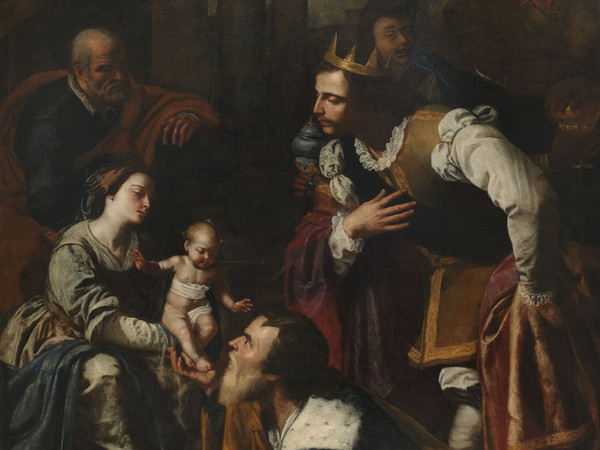
La vita di Artemisia Gentileschi cambiò profondamente nel 1611, quando subì una violenza da parte del pittore Agostino Tassi. Il successivo processo, celebrato nel 1612, rappresenta uno dei casi giudiziari più documentati dell’epoca.
Durante il procedimento Artemisia fu costretta a subire umiliazioni e persino torture per verificare la veridicità della sua testimonianza, una pratica allora prevista dalla giustizia. Nonostante tutto, trovò la forza di sostenere le proprie accuse fino alla condanna dell’aggressore.
Questo episodio ha contribuito a trasformarla, nei secoli successivi, in un simbolo della lotta contro la violenza sulle donne. Tuttavia ridurre Artemisia soltanto alla sua vicenda personale sarebbe un grave errore: la sua grandezza risiede soprattutto nella straordinaria qualità della sua pittura.
Le opere più celebri di Artemisia Gentileschi
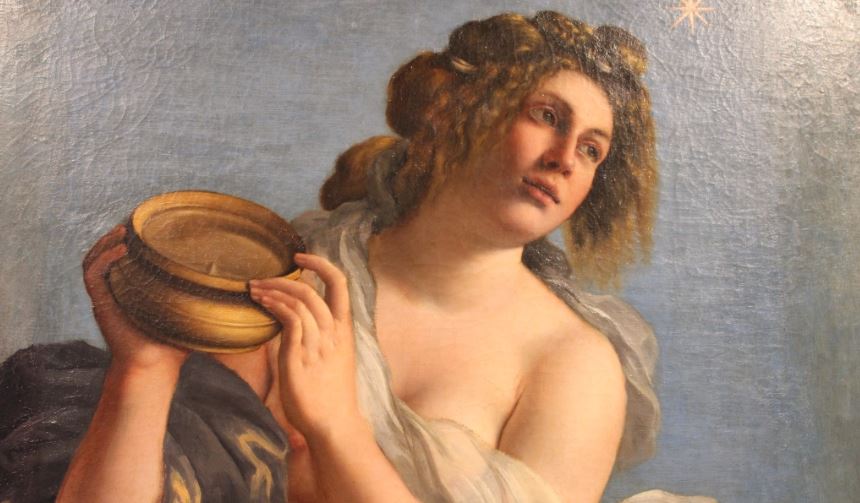
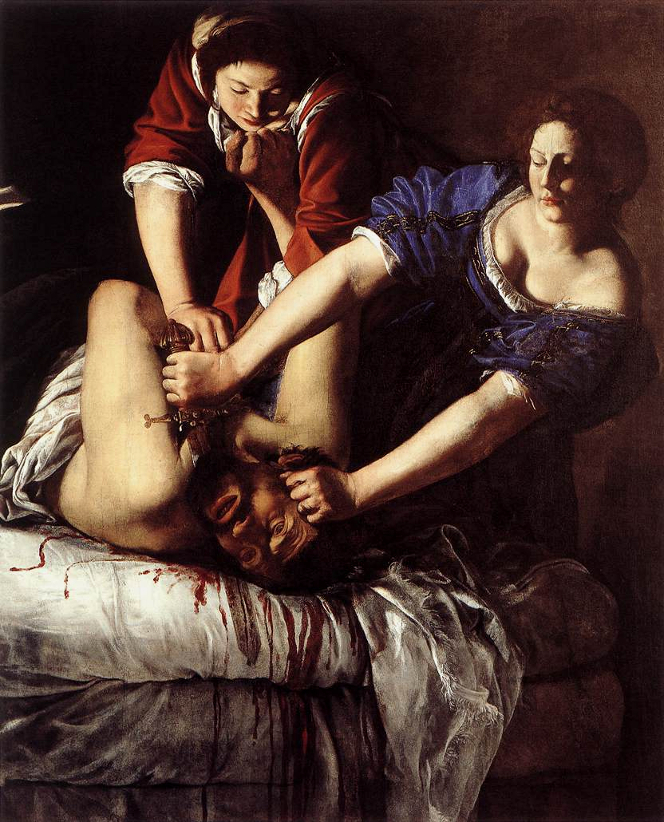
Tra i dipinti più famosi vale la pena citare Giuditta che decapita Oloferne, capolavoro di straordinaria potenza visiva. L’opera colpisce per il realismo della scena, la tensione narrativa e la forza espressiva delle protagoniste.
Altrettanto celebri sono ‘Susanna e i vecchioni’, realizzata quando Artemisia era ancora giovanissima, “Autoritratto come Allegoria della Pittura”, considerato uno dei più originali autoritratti del Seicento, ed “Ester davanti ad Assuero”, che testimonia la maturità artistica raggiunta dalla pittrice.
In tutte queste opere emerge una sensibilità rara, capace di raccontare emozioni autentiche attraverso un linguaggio pittorico innovativo e potente.
Una carriera internazionale tra Firenze, Venezia, Roma, Napoli e Londra
Dopo il matrimonio, Artemisia si trasferì a Firenze, dove raggiunse un prestigio senza precedenti. Fu infatti la prima donna ammessa all’Accademia delle Arti del Disegno, un riconoscimento eccezionale per il XVII secolo.
Successivamente lavorò tra Roma, Venezia e Napoli, città nella quale trascorse gran parte della sua carriera, ricevendo importanti commissioni religiose e private. Negli ultimi anni raggiunse anche Londra, dove collaborò con il padre alla corte del re Carlo I d’Inghilterra.
La sua fama si diffuse ben oltre i confini italiani, dimostrando che il suo talento era riconosciuto nelle principali capitali artistiche d’Europa.

Negli ultimi decenni Artemisia Gentileschi è diventata una delle artiste più amate dal grande pubblico. Mostre internazionali, documentari, libri, film e studi accademici hanno contribuito a far conoscere una figura rimasta troppo a lungo nell’ombra rispetto ai grandi maestri del Barocco.
Il suo successo contemporaneo nasce dalla straordinaria modernità della sua storia. Artemisia rappresenta il coraggio di chi non si arrende davanti alle ingiustizie, ma anche il valore del merito, del talento e della determinazione.
Per il momento il sempre vostro Michelangelo Buonarroti vi saltua dandovi appuntamento ai prossimi post e sui social.

July 8, 1593: Artemisia Gentileschi, the painter who defied her time, was born
Artemisia Gentileschi was born in Rome on July 8, 1593. She was one of the most extraordinary artists of all time, and her name immediately evokes talent, determination, and creative freedom. Her personal story, marked by great successes but also profound suffering, made Artemisia a universal symbol of feminine strength.
She managed to conquer prestigious courts, illustrious patrons, and a place of honor in the history of European art.
Who was Artemisia Gentileschi?
Daughter of the painter Orazio Gentileschi, Artemisia displayed exceptional talent from an early age. Raised among brushes, canvases, and paints, she quickly learned the secrets of painting, developing a personal style influenced by Caravaggio’s revolutionary realism.
What makes her artistic production unique is her ability to depict strong, determined female figures as protagonists of their own stories.
Her biblical and mythological heroines are not simply characters, but courageous women who face destiny with energy and dignity.
Her canvases possess an emotional intensity and a masterful use of light, combined with the realism of her easily recognizable faces, which have helped make her one of the greatest interpreters of Baroque painting.
The Trial That Changed Her Life
Artemisia Gentileschi’s life changed profoundly in 1611, when she was raped by the painter Agostino Tassi. The subsequent trial, held in 1612, is one of the most documented legal cases of the time.
During the trial, Artemisia was forced to endure humiliation and even torture to verify the veracity of her testimony, a standard practice in the courts of the time. Despite everything, she found the strength to defend her accusations until her attacker was convicted.
This episode helped transform her, in the centuries that followed, into a symbol of the fight against violence against women. However, reducing Artemisia solely to her personal story would be a grave mistake: her greatness lies above all in the extraordinary quality of her painting.
Artemisia Gentileschi’s most famous works
Among her most famous paintings, it’s worth mentioning Judith Beheading Holofernes, a masterpiece of extraordinary visual power. The work is striking for the realism of the scene, the narrative tension, and the expressive power of the protagonists.
Equally famous are “Susanna and the Elders,” painted when Artemisia was still very young; “Self-Portrait as an Allegory of Painting,” considered one of the most original self-portraits of the 17th century; and “Esther Before Ahasuerus,” which testifies to the painter’s artistic maturity.
All these works reveal a rare sensitivity, capable of conveying authentic emotions through an innovative and powerful pictorial language.
An international career spanning Florence, Venice, Rome, Naples, and London
After her marriage, Artemisia moved to Florence, where she achieved unprecedented prestige. She was the first woman admitted to the Academy of Drawing Arts, an exceptional honor for the 17th century.
She subsequently worked in Rome, Venice, and Naples, where she spent much of her career, receiving important religious and private commissions. In her later years, she also traveled to London, where she collaborated with her father at the court of King Charles I of England.
Her fame spread far beyond Italy’s borders, demonstrating that her talent was recognized in Europe’s major art capitals.
In recent decades, Artemisia Gentileschi has become one of the most beloved artists in the general public. International exhibitions, documentaries, books, films, and academic studies have contributed to raising awareness of a figure who had long remained in the shadow of the great Baroque masters.
Her contemporary success stems from the extraordinary modernity of her story. Artemisia represents the courage of those who refuse to give up in the face of injustice, but also the value of merit, talent, and determination.
For now, yours truly, Michelangelo Buonarroti, is taking a break from you, but we’ll see you in future posts and on social media.

Sostienici – Support Us
Se questo blog ti piace e ti appassiona, puoi aiutarci a farlo crescere sempre più sostenendoci in modo concreto condividendo i post, seguendo le pagine social e con un contributo che ci aiuta ad andare avanti con il nostro lavoro di divulgazione. . ENGLISH: If you like and are passionate about this blog, you can help us make it grow more and more by supporting us in a concrete way by sharing posts, following social pages and with a contribution that helps us to move forward with our dissemination work.
10,00 €

Condividi:


Questo sono io





sostienici

Sostienici – Support Us
Se questo blog ti piace e ti appassiona, puoi aiutarci a farlo crescere sempre più sostenendoci in modo concreto condividendo i post, seguendo le pagine social e con un contributo che ci aiuta ad andare avanti con il nostro lavoro di divulgazione. . ENGLISH: If you like and are passionate about this blog, you can help us make it grow more and more by supporting us in a concrete way by sharing posts, following social pages and with a contribution that helps us to move forward with our dissemination work.
€10,00


Un bellissimo articolo su una delle mie artiste preferite in assoluto. Lei meriterebbe molto di più.
"Mi piace"Piace a 1 persona
:-* grazie
"Mi piace"Piace a 1 persona