

Van Gogh dipinse la Notte Stellata durante uno dei momenti più difficili della sua vita: ecco cosa racconta
Ci sono opere d’arte che si ammirano. E poi ci sono opere che sembrano vivere come la Notte Stellata di Vincent Van Gogh. Con il suo cielo in movimento, le stelle incandescenti e il villaggio immerso nel silenzio della notte, il celebre dipinto è divenuto negli anni delle immagini più riconoscibili della storia dell’arte.
Ma dietro quella visione apparentemente poetica si nasconde una storia inaspettata, fatta di sofferenza, speranza e ricerca di significato. È proprio questo intreccio di bellezza e tormento che fa penetrare sottopelle la Notte Stellata.
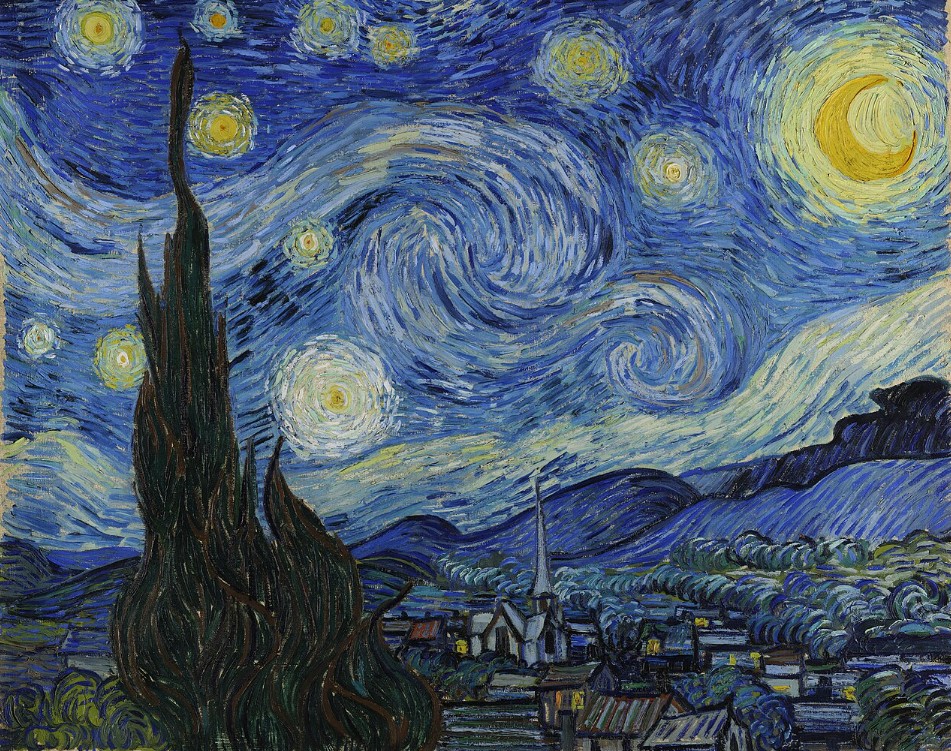
La storia della Notte Stellata: il capolavoro nato durante uno dei momenti più difficili di Van Gogh
Vincent Van Gogh dipinse la Notte Stellata nel giugno del 1889 mentre si trovava ricoverato nell’ospedale psichiatrico di Saint-Rémy-de-Provence, nel sud della Francia. L’artista aveva scelto volontariamente di essere ospitato nella struttura dopo una serie di crisi che avevano segnato profondamente la sua vita.
Dalla finestra della sua stanza osservava ogni giorno il paesaggio circostante. Le colline, gli ulivi e il cielo notturno divennero la base per una delle opere più celebri mai realizzate. La Notte Stellata però non rappresenta solo ciò che Van Gogh vedeva ma è una reinterpretazione emotiva della realtà, filtrata attraverso la sua sensibilità.
L’artista trasformò il cielo in un vortice di energia e movimento, creando un’immagine contemporanea destinata a non passare mai di moda.
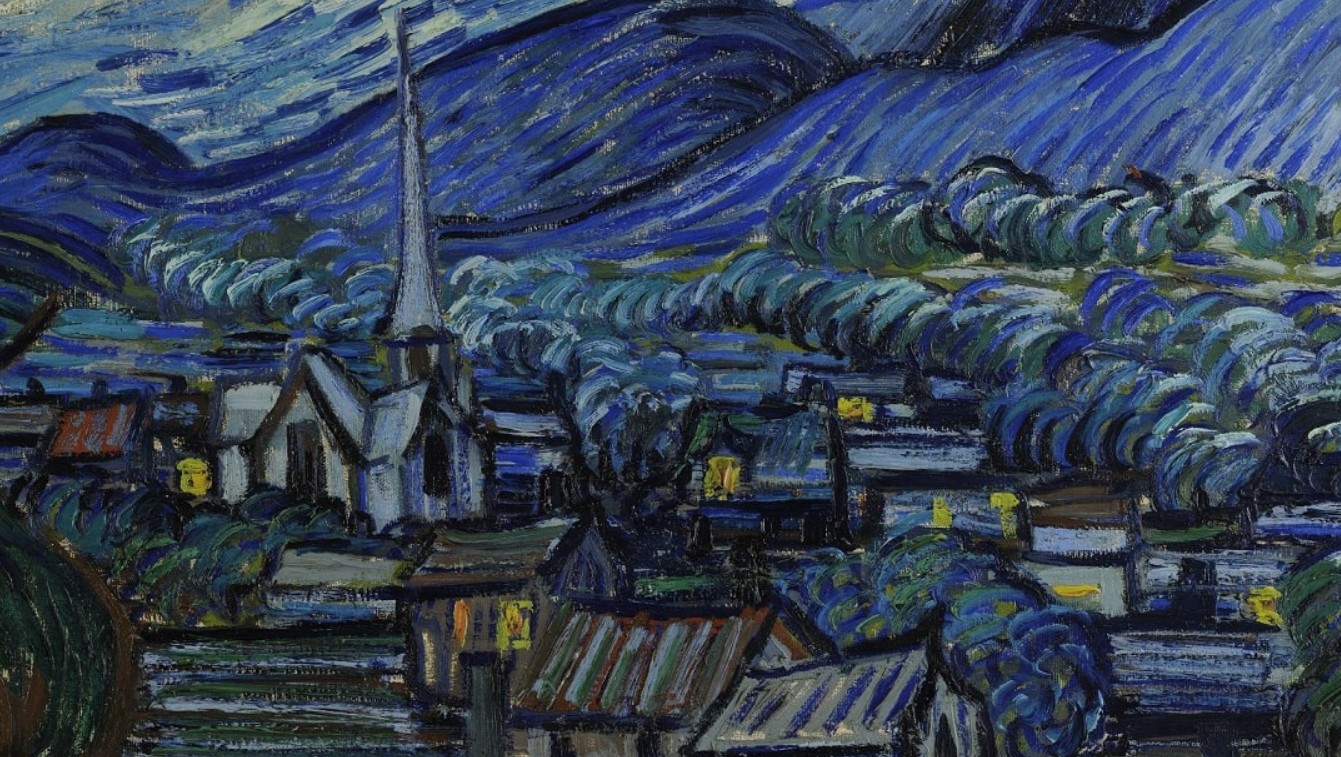
Il significato della Notte Stellata: tra spiritualità, emozioni e infinito
Da oltre cento anni studiosi e appassionati cercano di interpretare il significato della Notte Stellata. Non esiste una spiegazione definitiva, ma molti elementi suggeriscono che Van Gogh volesse rappresentare il rapporto tra l’uomo e l’universo.
Le stelle brillano come enormi sfere luminose, quasi fossero entità vive. La luna domina la scena e il cielo sembra pulsare di energia. In contrasto, il villaggio sottostante appare tranquillo, immobile, quasi insignificante rispetto all’immensità del cosmo.
Per alcuni critici il dipinto esprime il desiderio dell’artista di trovare pace e conforto spirituale. Per altri rappresenta il tumulto interiore che lo accompagnò per tutta la vita. Probabilmente contiene entrambe queste dimensioni: la sofferenza personale e la ricerca di qualcosa di più grande.
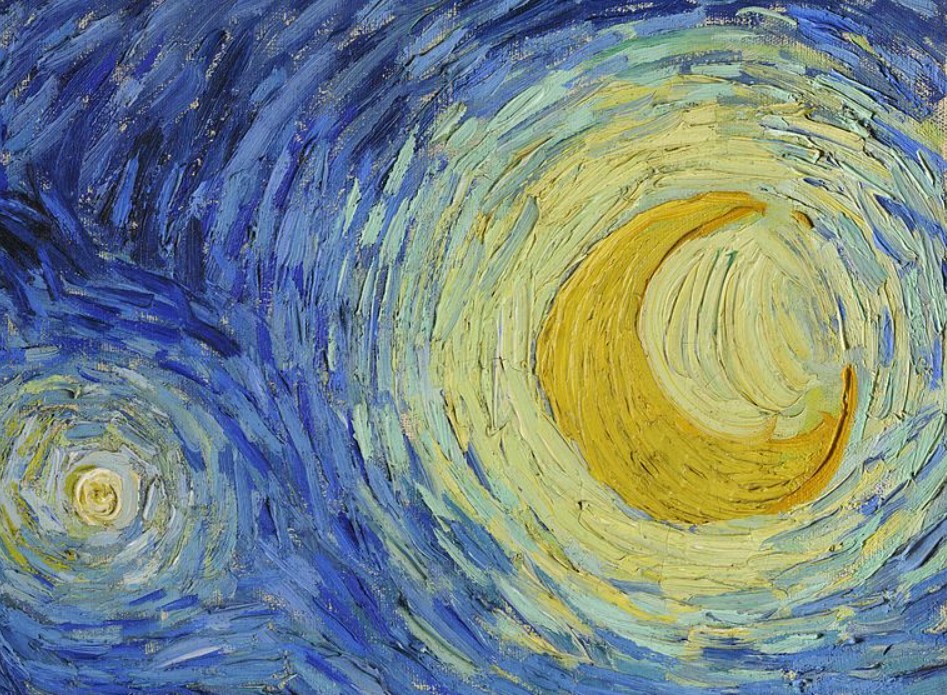
Le particolarità che rendono la Notte Stellata un’opera unica
Uno degli aspetti più poetici del dipinto è il movimento. Non è un’immagine statica ma tutto sembra fluire. Le pennellate curve e ondulate creano un effetto quasi ipnotico che dà l’impressione che il cielo sia vivo.
Anche il cipresso in primo piano ha un ruolo fondamentale. L’albero si innalza verso il cielo come una fiamma scura, creando un collegamento simbolico tra la terra e l’universo. Nella tradizione mediterranea il cipresso è spesso associato all’eternità e alla spiritualità, un dettaglio che ha alimentato numerose interpretazioni.
Un’altra particolarità riguarda la precisione astronomica di alcuni elementi rappresentati. Diversi studi hanno evidenziato che la disposizione di alcune stelle e del pianeta Venere potrebbe corrispondere realmente al cielo osservabile in quel periodo dell’anno.
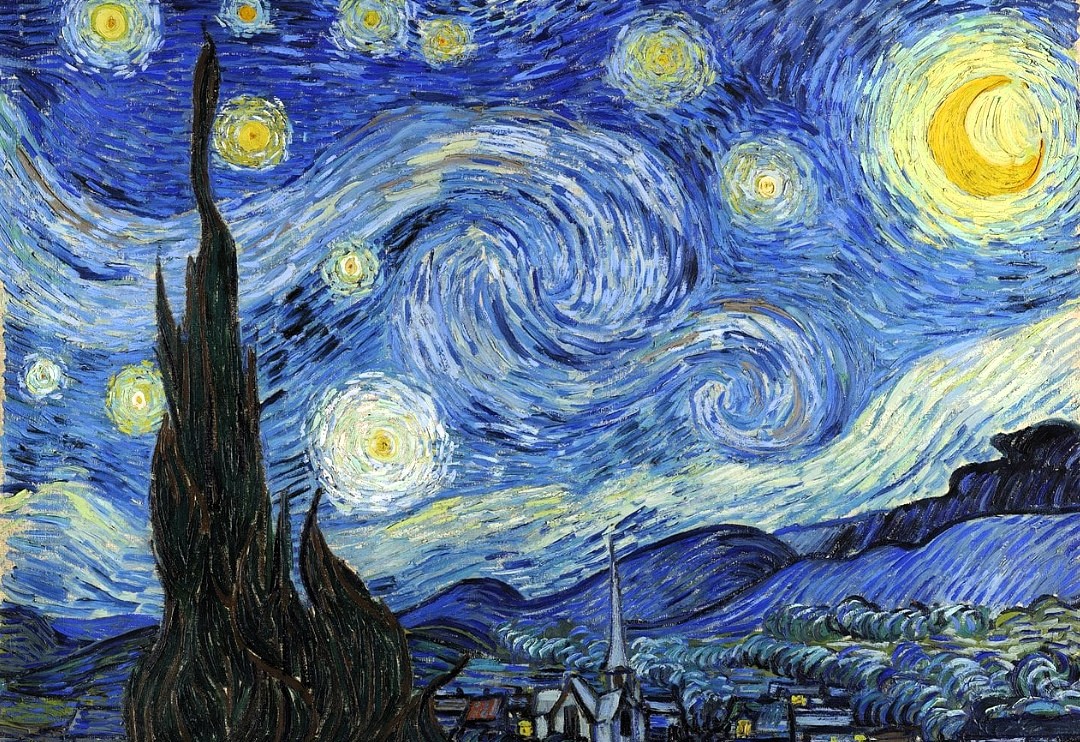
Dove si trova oggi la Notte Stellata di Van Gogh
Attualmente la Notte Stellata è conservata al Museum of Modern Art di New York, dove è considerata uno dei tesori più importanti della collezione permanente. Ogni anno milioni di visitatori arrivano da tutto il mondo per ammirarla dal vivo.
Dipinta oltre 130 anni fa, continua a generare emozioni profonde e a ispirare artisti, scrittori, musicisti e appassionati d’arte di ogni generazione.
La vera grandezza della Notte Stellata è la sua capacità di parlare direttamente alle emozioni umane.
Guardando quel cielo in movimento, ognuno può ritrovare qualcosa di sé: un sogno, una speranza, una paura o il desiderio di comprendere il proprio posto nell’universo.
È una finestra aperta sull’anima di un uomo che, nonostante le sue fragilità, riuscì a trasformare il dolore in bellezza eterna.
Per il momento il sempre vostro Michelangelo Buonarroti vi saluta dandovi appuntamento ai prossimi post e sui social.
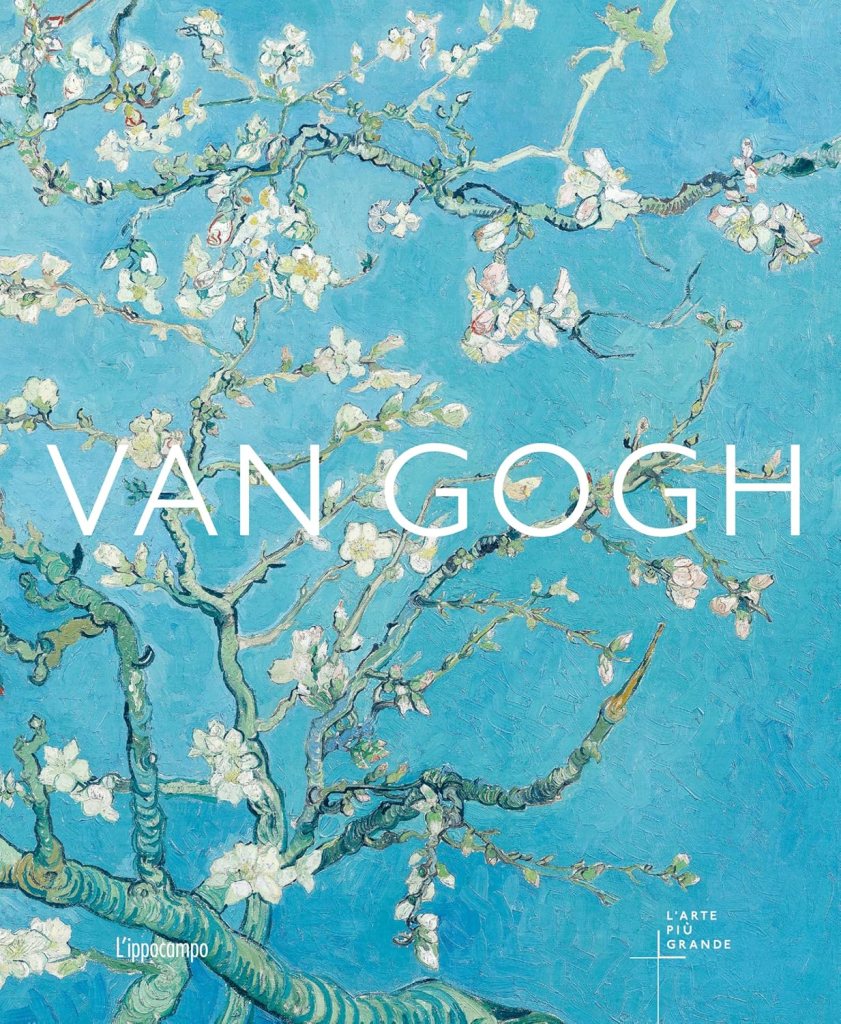
Van Gogh dipinse la Notte Stellata durante uno dei momenti più difficili della sua vita: ecco cosa racconta
There are works of art that are meant to be admired. And then there are works that seem to come alive, like Vincent Van Gogh’s Starry Night. With its moving sky, glowing stars, and a village immersed in the silence of the night, the famous painting has become one of the most recognizable images in the history of art.
But behind that seemingly poetic vision lies an unexpected story, one of suffering, hope, and the search for meaning. It is precisely this intertwining of beauty and torment that allows the Starry Night to penetrate your skin.
The story of the Starry Night: the masterpiece born during one of Van Gogh’s most difficult moments
Vincent Van Gogh painted the Starry Night in June 1889 while he was hospitalized in the psychiatric hospital of Saint-Rémy-de-Provence, in the south of France. The artist had voluntarily chosen to be hosted in the facility after a series of crises that had profoundly affected his life.
From the window of his room, he observed the surrounding landscape every day. The hills, the olive trees, and the night sky became the basis for one of the most famous works ever created. The Starry Night, however, represents not only what Van Gogh saw but is an emotional reinterpretation of reality, filtered through his sensitivity.
The artist transformed the sky into a vortex of energy and movement, creating a contemporary image destined to never go out of style.
The Meaning of the Starry Night: Between Spirituality, Emotions, and Infinity
For over a hundred years, scholars and enthusiasts have sought to interpret the meaning of the Starry Night. There is no definitive explanation, but many elements suggest that Van Gogh intended to represent the relationship between humanity and the universe.
The stars shine like enormous spheres of light, almost as if they were living entities. The moon dominates the scene, and the sky seems to pulsate with energy. In contrast, the village below appears tranquil, motionless, almost insignificant compared to the immensity of the cosmos.
For some critics, the painting expresses the artist’s desire for peace and spiritual comfort. For others, it represents the inner turmoil that haunted him throughout his life. It likely encompasses both of these dimensions: personal suffering and the search for something greater.
The features that make the Starry Night a unique work
One of the most poetic aspects of the painting is its movement. It is not a static image; everything seems to flow. The curved, wavy brushstrokes create an almost hypnotic effect that gives the impression of a living sky.
The cypress tree in the foreground also plays a fundamental role. The tree rises toward the sky like a dark flame, creating a symbolic connection between the earth and the universe. In Mediterranean tradition, the cypress is often associated with eternity and spirituality, a detail that has fueled numerous interpretations.
Another peculiarity concerns the astronomical precision of some of the elements depicted. Several studies have shown that the arrangement of some stars and the planet Venus may actually correspond to the sky observed at that time of year.
Where is Van Gogh’s Starry Night today?
The Starry Night is currently housed at the Museum of Modern Art in New York, where it is considered one of the most important treasures of the permanent collection. Every year, millions of visitors come from around the world to admire it in person.
Painted over 130 years ago, it continues to evoke profound emotions and inspire artists, writers, musicians, and art lovers of every generation.
The true greatness of the Starry Night is its ability to speak directly to human emotions.
Gazing at that moving sky, everyone can rediscover something of themselves: a dream, a hope, a fear, or the desire to understand their place in the universe.
It is a window into the soul of a man who, despite his frailties, managed to transform pain into eternal beauty.
For now, yours truly, Michelangelo Buonarroti bids you farewell and invites you to join him in future posts and on social media.

Sostienici – Support Us
Se questo blog ti piace e ti appassiona, puoi aiutarci a farlo crescere sempre più sostenendoci in modo concreto condividendo i post, seguendo le pagine social e con un contributo che ci aiuta ad andare avanti con il nostro lavoro di divulgazione. . ENGLISH: If you like and are passionate about this blog, you can help us make it grow more and more by supporting us in a concrete way by sharing posts, following social pages and with a contribution that helps us to move forward with our dissemination work.
10,00 €
Articoli

Condividi:


Questo sono io




sostienici

Sostienici – Support Us
Se questo blog ti piace e ti appassiona, puoi aiutarci a farlo crescere sempre più sostenendoci in modo concreto condividendo i post, seguendo le pagine social e con un contributo che ci aiuta ad andare avanti con il nostro lavoro di divulgazione. . ENGLISH: If you like and are passionate about this blog, you can help us make it grow more and more by supporting us in a concrete way by sharing posts, following social pages and with a contribution that helps us to move forward with our dissemination work.
€10,00


