
Dettagli nascosti nei capolavori che quasi nessuno nota
Ci sono opere d’arte che crediamo di conoscere da sempre: le vediamo stampate nei libri, sui social, nei musei più famosi del mondo. Eppure molti capolavori custodiscono dettagli invisibili a uno sguardo poco attento: simboli nascosti, messaggi segreti, illusioni ottiche e particolari che gli artisti hanno inserito con precisione quasi ossessiva.
È proprio questo il fascino eterno dell’arte: più la osservi, più rivela qualcosa che prima non avevi notato. Alcuni dettagli cambiano completamente il significato dell’opera, altri raccontano drammi personali degli artisti, mentre certi particolari sono diventati veri enigmi irrisolti.
Il teschio “invisibile” nel dipinto di Hans Holbein
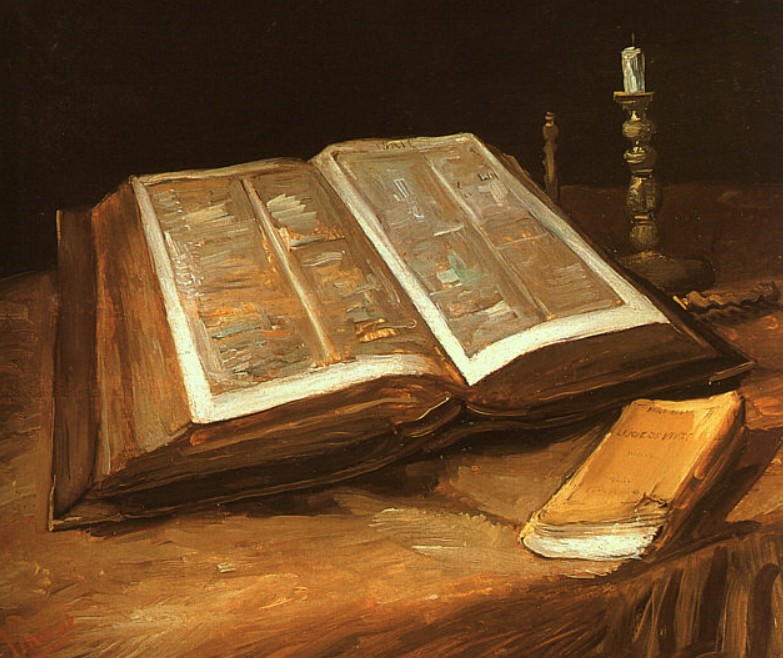
Uno dei casi più sorprendenti si trova ne Gli Ambasciatori, il celebre dipinto di Hans Holbein il Giovane. A una prima occhiata sembra un classico ritratto rinascimentale ricco di oggetti simbolici. Ma osservando il quadro lateralmente appare un enorme teschio deformato.
Questo effetto si chiama anamorfosi ed era una tecnica incredibilmente sofisticata per l’epoca. Il teschio nascosto rappresenta la fragilità della vita e ricorda allo spettatore che il potere, la ricchezza e la conoscenza sono destinati a svanire.
Per secoli molti visitatori non si sono accorti della sua presenza finché le guide dei musei non hanno iniziato a mostrarlo dal giusto punto di vista.
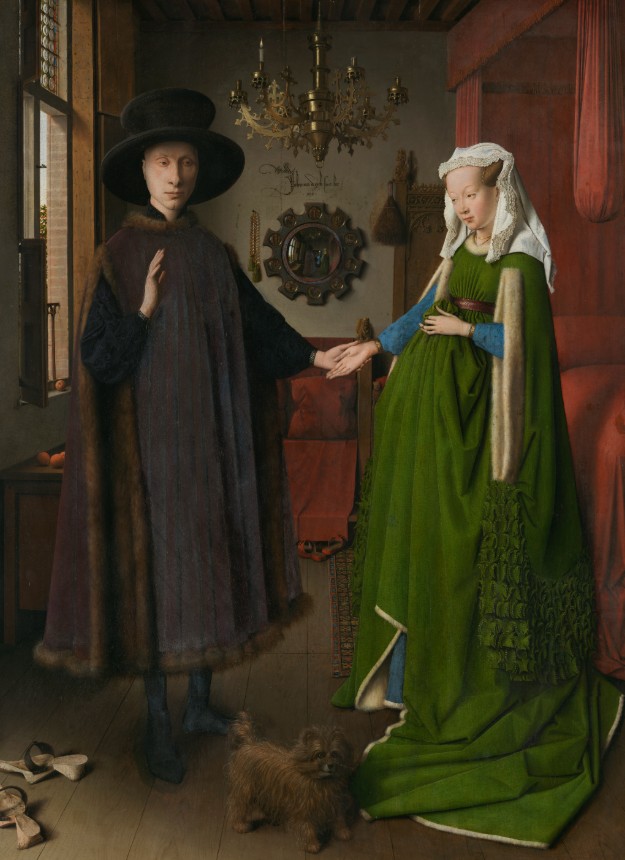
Le pupille specchiate nel Ritratto dei coniugi Arnolfini
Nel celebre Ritratto dei coniugi Arnolfini, Jan van Eyck inserì uno dei dettagli più incredibili della pittura europea.
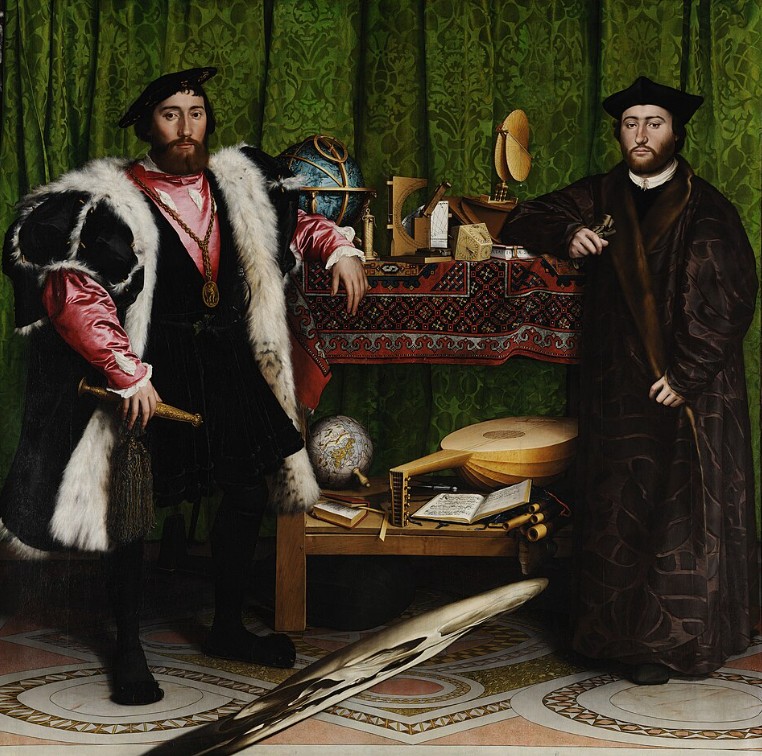
Sul fondo della stanza compare uno specchio convesso minuscolo, ma dipinto con una precisione impressionante. Dentro il riflesso si vedono altre figure, probabilmente l’artista stesso e un testimone della scena.
È un dettaglio quasi microscopico che dimostra un livello tecnico straordinario per il Quattrocento e che trasformò il dipinto in un capolavoro rivoluzionario.
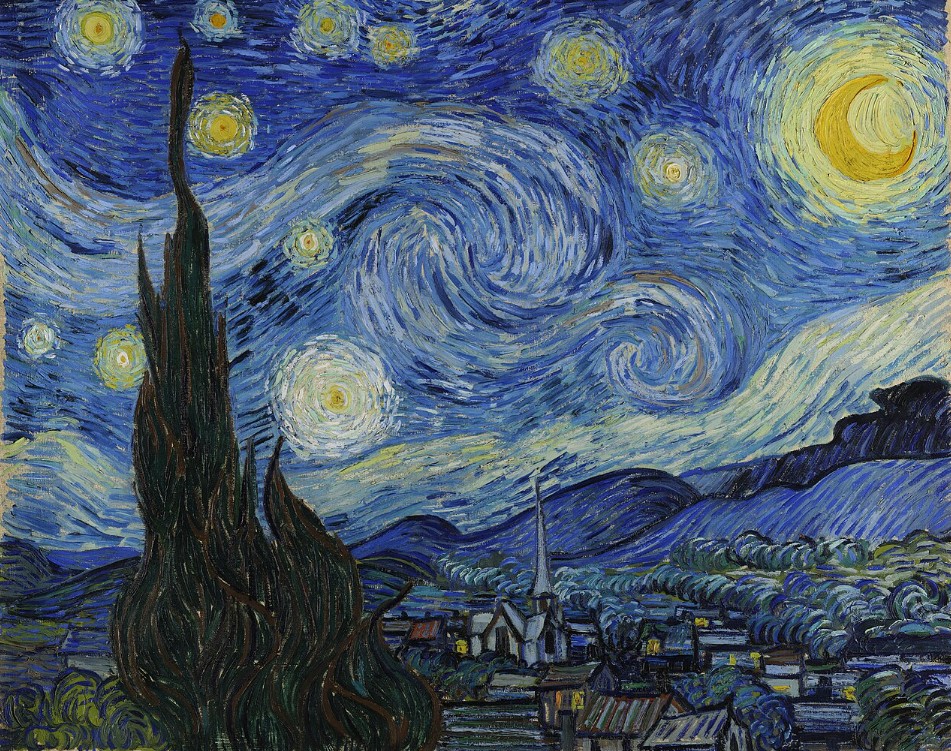
Van Gogh dipinse il movimento del vento e delle stelle
Nella Notte stellata, Vincent van Gogh non rappresentò semplicemente un cielo notturno. Le spirali luminose sembrano quasi muoversi.
Anni dopo alcuni fisici hanno scoperto che quei vortici ricordano modelli matematici della turbolenza atmosferica. È sorprendente pensare che Van Gogh, senza strumenti scientifici, riuscì a intuire dinamiche della natura che sarebbero state studiate molto tempo dopo.
Anche il cipresso in primo piano ha un significato nascosto: nell’arte mediterranea era spesso associato alla morte e all’eternità.
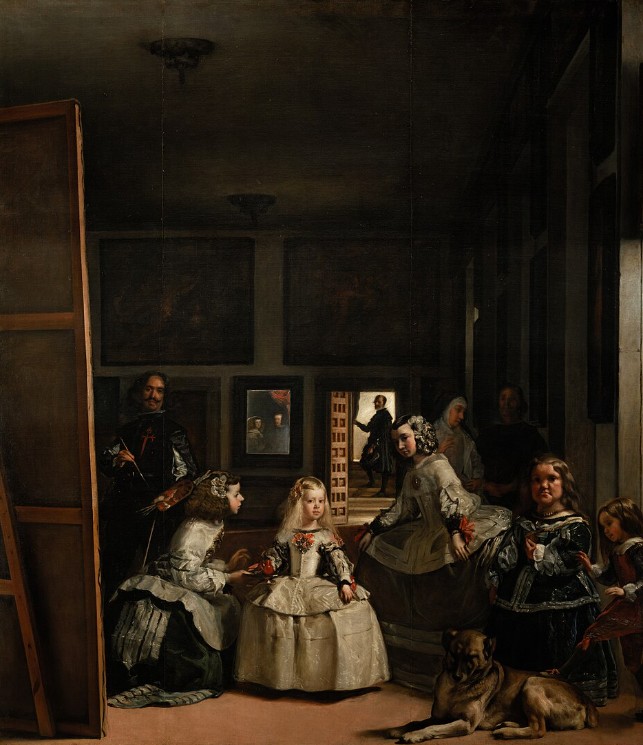
Il cane quasi invisibile ne “Las Meninas” di Velázquez
Nel celebre Las Meninas di Diego Velázquez esiste un dettaglio che molti visitatori ignorano completamente: il mastino sdraiato in primo piano sembra addormentato e marginale, ma in realtà ha un ruolo fondamentale nella composizione.
L’animale crea equilibrio visivo tra i personaggi e contribuisce a dare profondità alla scena. Ma il dettaglio più sorprendente è un altro: nello specchio sul fondo si riflettono il re e la regina di Spagna, anche se non sono realmente presenti nel quadro.
Questo espediente genera un gioco visivo incredibilmente moderno. Lo spettatore si ritrova improvvisamente al posto dei sovrani e comprende di essere parte della scena.
Il piccolo autoritratto nascosto di Botticelli
Nell’Adorazione dei Magi, Sandro Botticelli inserì un dettaglio: il pittore si ritrasse all’interno della scena.
Tra i personaggi compare infatti un uomo che guarda direttamente verso l’osservatore invece di concentrarsi sull’evento sacro come tutti gli altri. Secondo gli esperti sarebbe proprio Botticelli.
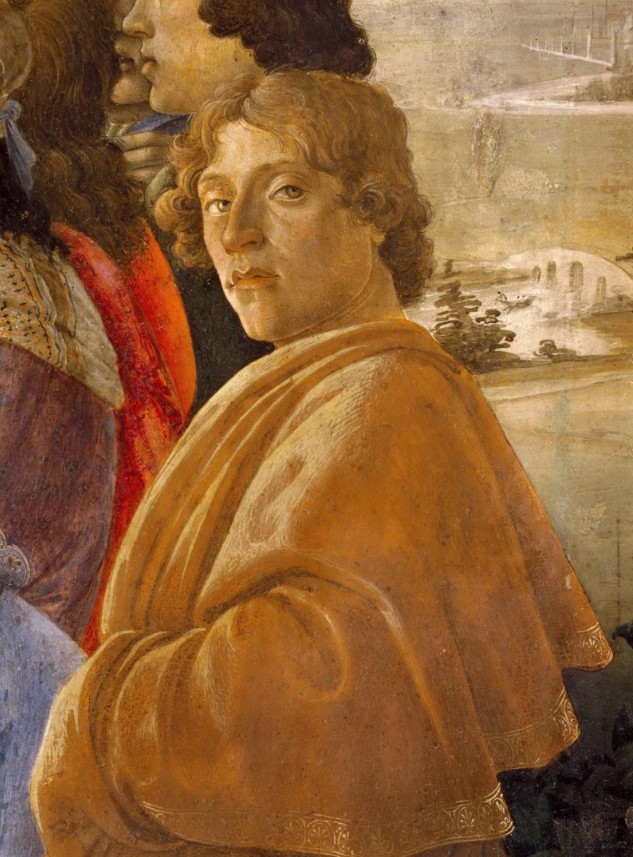
L’artista smette di essere invisibile e decide di entrare nel proprio dipinto. Quel volto rivolto verso chi osserva crea una connessione diretta che attraversa i secoli.
Molti visitatori passano davanti all’opera senza notarlo, ma una volta scoperto è impossibile smettere di cercare quello sguardo nascosto nel cuore del quadro.

I messaggi nascosti nelle nature morte
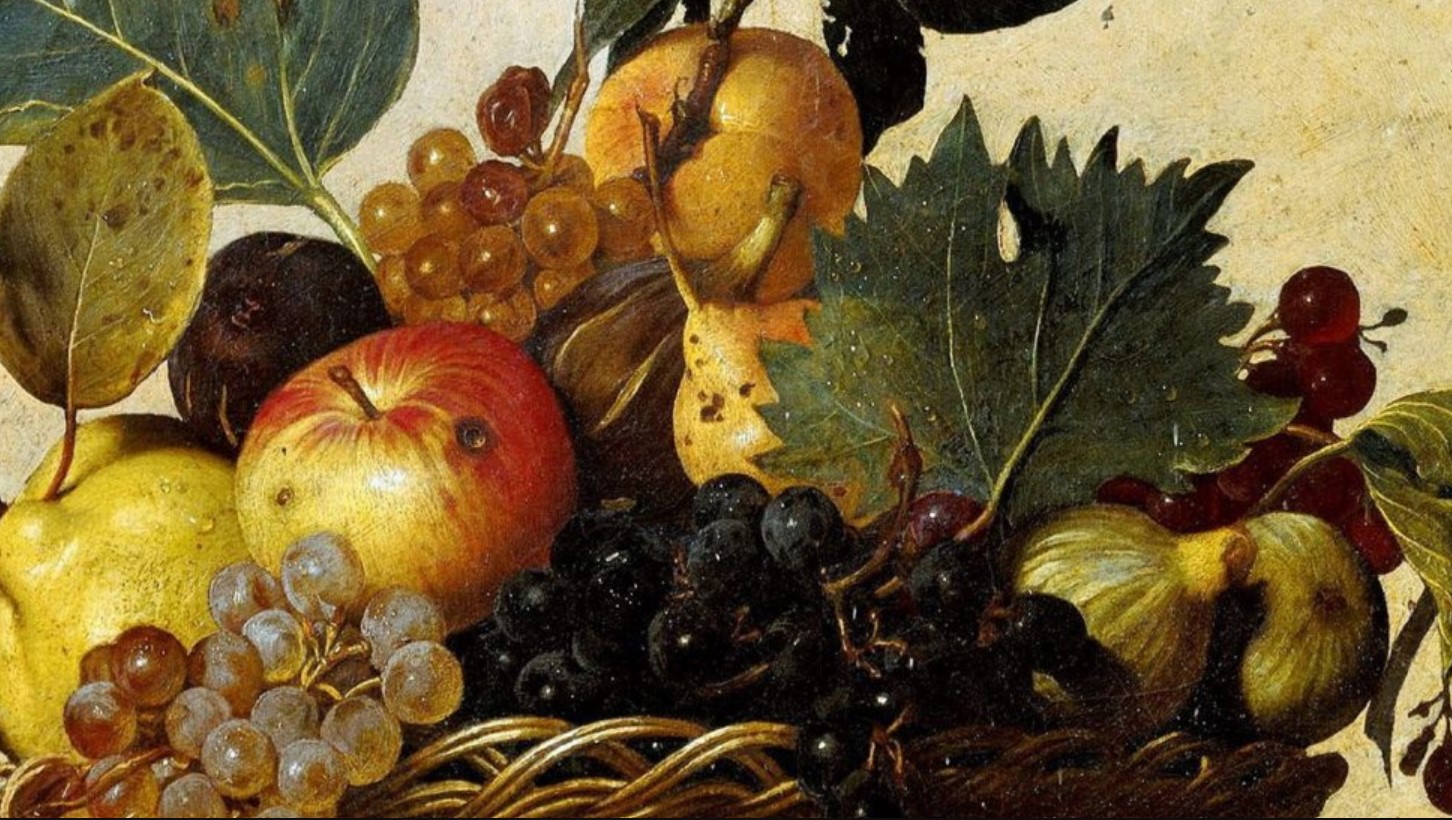
Molte nature morte antiche sembrano semplici composizioni di frutta e oggetti quotidiani. In realtà nascondono messaggi profondi sul tempo che passa.
Una candela spenta, un fiore appassito o una mela leggermente marcia erano simboli della precarietà della vita. Questo genere artistico, chiamato “vanitas”, ricordava che la bellezza e la ricchezza sono temporanee.
Osservando attentamente questi quadri si scopre che ogni oggetto aveva un significato preciso e nulla veniva dipinto casualmente.
Ogni dettaglio nascosto ci ricorda che i grandi artisti non dipingevano solo immagini, ma costruivano mondi complessi pieni di simboli, enigmi e livelli di lettura.
Ed è proprio questa profondità che continua a rendere immortali opere create centinaia di anni fa.
Per il momento il sempre vostro Michelangelo Buonarroti vi saluta dandovi appuntamento ai prossimi post e sui social.
Hidden Details in Masterpieces That Almost No One Noticed
There are works of art we think we’ve always known: we see them printed in books, on social media, in the world’s most famous museums. Yet many masterpieces conceal details invisible to the casual eye: hidden symbols, secret messages, optical illusions, and details that artists have inserted with almost obsessive precision.
This is precisely the eternal fascination of art: the more you look at it, the more it reveals something you hadn’t noticed before. Some details completely change the meaning of the work, others reveal the artists’ personal dramas, while certain details have become true unsolved enigmas.
The “invisible” skull in Hans Holbein’s painting
One of the most surprising cases is found in The Ambassadors, the famous painting by Hans Holbein the Younger. At first glance, it appears to be a classic Renaissance portrait full of symbolic objects. But when viewed from the side, a huge, deformed skull appears.
This effect is called anamorphosis and was an incredibly sophisticated technique for its time. The hidden skull represents the fragility of life and reminds the viewer that power, wealth, and knowledge are destined to vanish.
For centuries, many visitors failed to notice its presence until museum guides began showing it from the right angle.
The Mirrored Pupils in the Arnolfini Portrait
In his famous Arnolfini Portrait, Jan van Eyck inserted one of the most incredible details in European painting.
At the back of the room, a tiny convex mirror appears, painted with impressive precision. Within the reflection are other figures, likely the artist himself and a witness to the scene.
It is an almost microscopic detail that demonstrates an extraordinary level of technical skill for the 15th century and transformed the painting into a revolutionary masterpiece.
Van Gogh painted the movement of wind and stars
In The Starry Night, Vincent van Gogh didn’t simply depict a night sky. The luminous spirals almost seem to move.
Years later, physicists discovered that these vortices resemble mathematical models of atmospheric turbulence. It’s amazing to think that Van Gogh, without scientific instruments, was able to intuit natural dynamics that would be studied much later.
Even the cypress tree in the foreground has a hidden meaning: in Mediterranean art, it was often associated with death and eternity.
The almost invisible dog in Velázquez’s “Las Meninas”
In Diego Velázquez’s famous Las Meninas, there’s a detail that many visitors completely overlook: the mastiff lying in the foreground seems asleep and marginal, but in reality plays a fundamental role in the composition.
The animal creates visual balance between the figures and contributes to the depth of the scene. But the most surprising detail is another: the King and Queen of Spain are reflected in the mirror in the background, even though they are not actually present in the painting.
This device creates an incredibly modern visual effect. The viewer suddenly finds themselves in the place of the sovereigns and realizes they are part of the scene.
Botticelli’s small hidden self-portrait
In the Adoration of the Magi, Sandro Botticelli inserted a detail: the painter portrayed himself within the scene.
Among the figures, a man appears who looks directly at the viewer instead of focusing on the sacred event like everyone else. According to experts, this is Botticelli himself.
The artist ceases to be invisible and decides to enter his own painting. That face turned toward the viewer creates a direct connection that spans the centuries.
Many visitors pass by the work without noticing it, but once discovered, it is impossible to stop searching for that gaze hidden at the heart of the painting.
Hidden Messages in Still Lifes
Many ancient still lifes appear to be simple compositions of fruit and everyday objects. In reality, they conceal profound messages about the passing of time.
A blown-out candle, a wilted flower, or a slightly rotten apple were symbols of life’s precariousness. This artistic genre, called “vanitas,” reminded us that beauty and wealth are temporary.
Looking closely at these paintings reveals that every object had a precise meaning, and nothing was painted casually.
Every hidden detail reminds us that great artists didn’t just paint images, but built complex worlds full of symbols, enigmas, and layers of meaning.
And it is precisely this depth that continues to immortalize works created hundreds of years ago.
For now, yours truly, Michelangelo Buonarroti bids you farewell, and we look forward to seeing you in future posts and on social media.

Sostienici – Support Us
Se questo blog ti piace e ti appassiona, puoi aiutarci a farlo crescere sempre più sostenendoci in modo concreto condividendo i post, seguendo le pagine social e con un contributo che ci aiuta ad andare avanti con il nostro lavoro di divulgazione. . ENGLISH: If you like and are passionate about this blog, you can help us make it grow more and more by supporting us in a concrete way by sharing posts, following social pages and with a contribution that helps us to move forward with our dissemination work.
10,00 €
Condividi:


Questo sono io




sostienici

Sostienici – Support Us
Se questo blog ti piace e ti appassiona, puoi aiutarci a farlo crescere sempre più sostenendoci in modo concreto condividendo i post, seguendo le pagine social e con un contributo che ci aiuta ad andare avanti con il nostro lavoro di divulgazione. . ENGLISH: If you like and are passionate about this blog, you can help us make it grow more and more by supporting us in a concrete way by sharing posts, following social pages and with a contribution that helps us to move forward with our dissemination work.
€10,00


