
Cappella Sistina: lo studio per un ignudo
Lo studio virile che vi propongo oggi appartiene alle collezioni di Casa Buonarroti e lo disegnai a matita rossa.
Molto probabilmente è stato ritagliato chissà quando e da chi da un foglio più grande dato la mancanza della parte terminale delle gambe, mentre in basso a destra il foglio ha subito una reintegrazione.
Mentre accennai rapidamente il capo, la posa del corpo è più particolareggiata.

Nel 1953 Johannes Wilde collegò il disegno a un gruppo di disegni preparatori relativi a una Resurrezione di Cristo a cui lavorai a più riprese, tra il 1532 e il 1533.
Esistono altre ipotesi a riguardo come lo studio per una delle figure che avrei dovuto affrescare nelle lunette della Sagrestia Nuova.
Tuttavia è plausibile confrontare il disegno di Casa Buonarroti in questione con la posa di uno dei soldati che vedono la Resurrezione di Cristo nel disegno a matita nera custodito alla Royal Library di Windsor, sebbene il protagonista visibile nel disegno di Casa Buonarroti sia molto più statico.
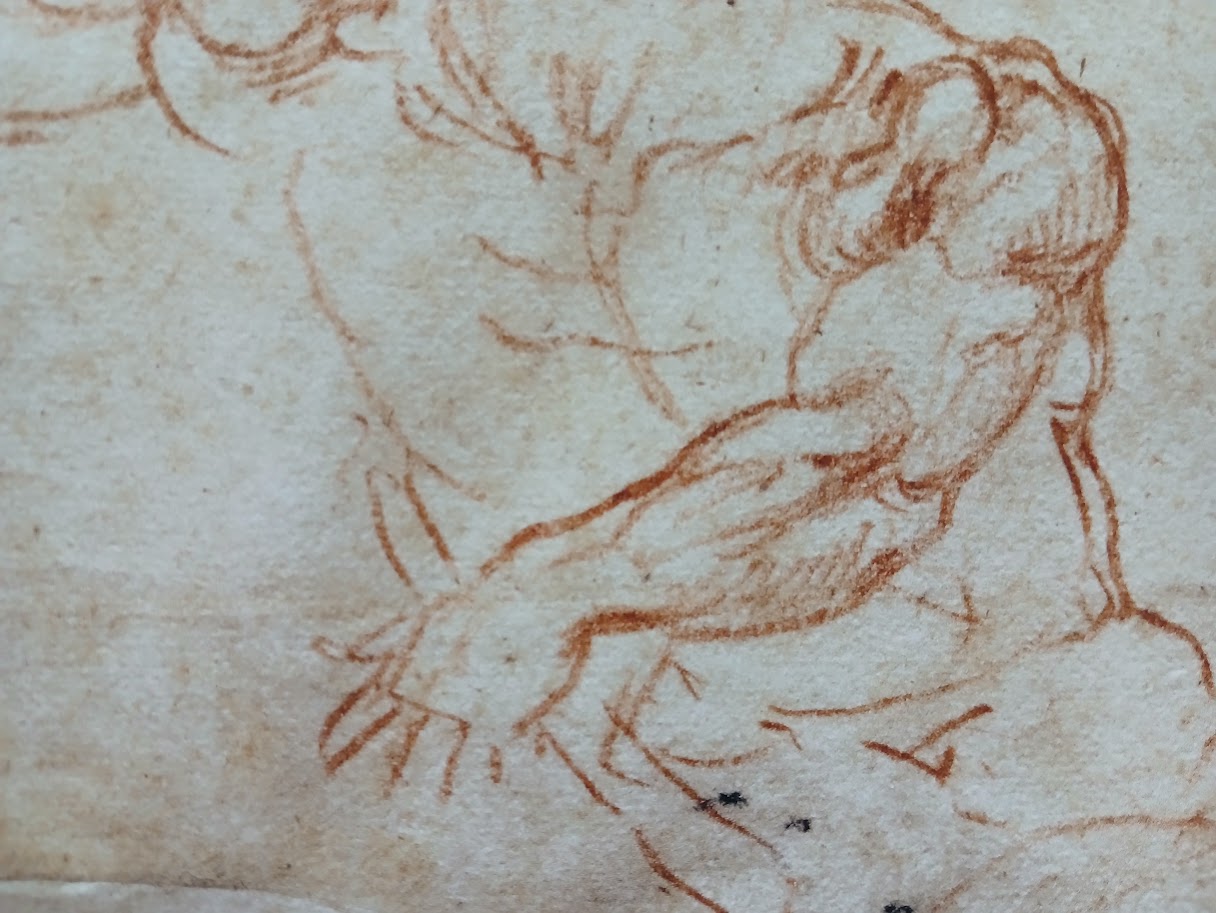
Probabilmente in questo disegno preferii concentrarmi sulla resa anatomica mentre sull’altro scelsi di dargli maggiore dinamismo, facendolo aggrappare al coperchio del sepolcro.
Per il momento il sempre vostro Michelangelo Buonarroti vi saluta dandovi appuntamento ai prossimi post e sui social.
© Riproduzione riservata

Sistine Chapel: Study for a Nude
The study I am proposing today belongs to the Casa Buonarroti collections and I drew it in red pencil.
It was most likely cut out who knows when and by whom from a larger sheet of paper given the lack of the terminal part of the legs, while at the bottom right the sheet was reintegrated.
While I quickly hinted at the head, the pose of the body is more detailed.
In 1953 Johannes Wilde linked the drawing to a group of preparatory drawings relating to a Resurrection of Christ on which I worked on several occasions between 1532 and 1533.
There are other hypotheses about it such as the study for one of the figures that I was supposed to fresco in the lunettes of the New Sacristy.
However, it is plausible to compare the Casa Buonarroti drawing in question with the pose of one of the soldiers who see the Resurrection of Christ in the black pencil drawing kept at the Royal Library in Windsor although the protagonist visible in the Casa Buonarroti drawing is much more static.
Probably in this drawing I preferred to focus on the anatomical rendering while in the other I chose to give it greater dynamism, making it cling to the lid of the tomb.
For the moment, your always Michelangelo Buonarroti bids you farewell, making an appointment with you in the next posts and on social media.
© All rights reserved

Sostienici – Support Us
Se questo blog ti piace e ti appassiona, puoi aiutarci a farlo crescere sempre più sostenendoci in modo concreto condividendo i post, seguendo le pagine social e con un contributo che ci aiuta ad andare avanti con il nostro lavoro di divulgazione. . ENGLISH: If you like and are passionate about this blog, you can help us make it grow more and more by supporting us in a concrete way by sharing posts, following social pages and with a contribution that helps us to move forward with our dissemination work.
10,00 €
-
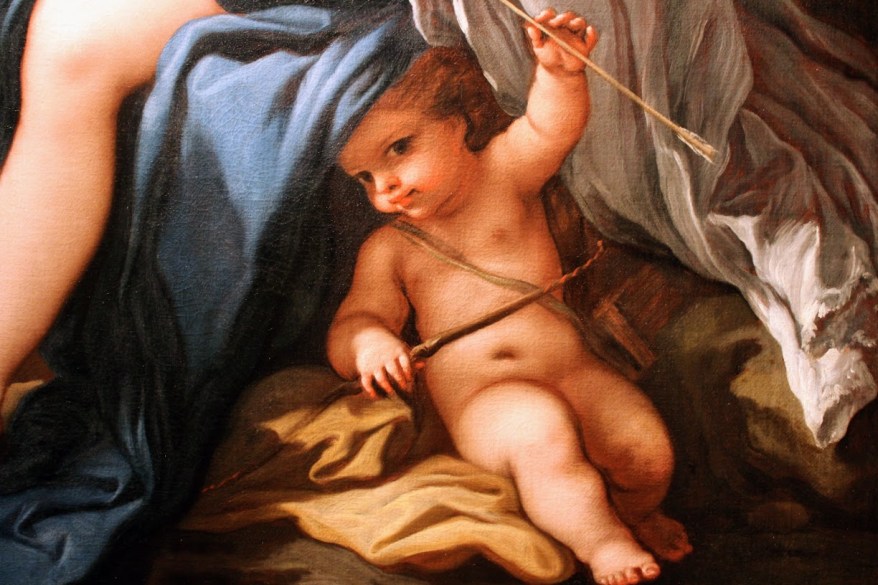
18 ottobre 1634: nasce Luca Giordano, il pittore che dipingeva così in fretta da essere chiamato «Luca fa’ presto»
🇮🇹Luca Giordano nacque a Napoli il 18 ottobre 1634. Scopri perché era chiamato «Luca fa’ presto» e i suoi capolavori, dalla Galleria degli Specchi alla corte di Spagna… 🇬🇧Luca Giordano was born in Naples on October 18, 1634. Discover why he was nicknamed “Luca fa’ presto” (“Luca, hurry up!”) and explore his masterpieces—from the Hall…
-
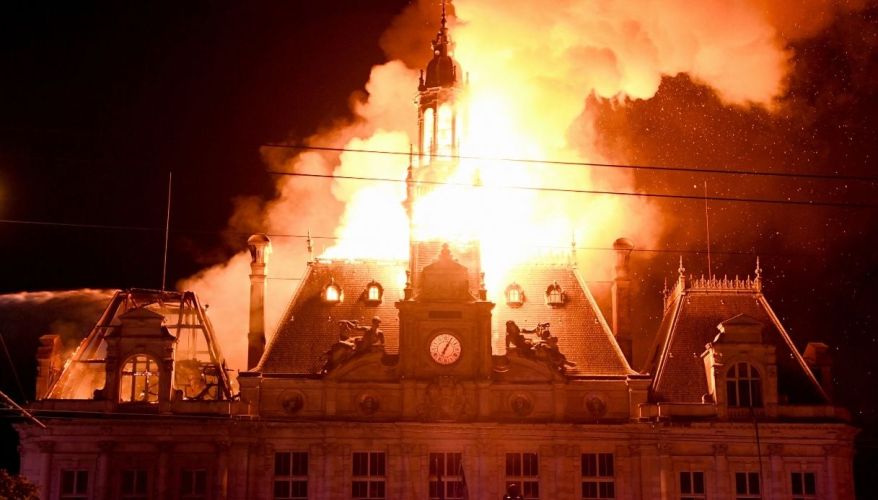
Incendio al municipio di Limoges, crolla la torre dell’orologio: distrutto storico palazzo dell’Ottocento
🇮🇹Incendio a Limoges, il municipio storico è devastato: crollano il tetto e la torre dell’orologio alta 43 metri. Che cosa resta del patrimonio artistico? 🇬🇧Fire in Limoges: the historic town hall is devastated, with its roof and 43-meter-tall clock tower having collapsed. What remains of its artistic heritage?
-
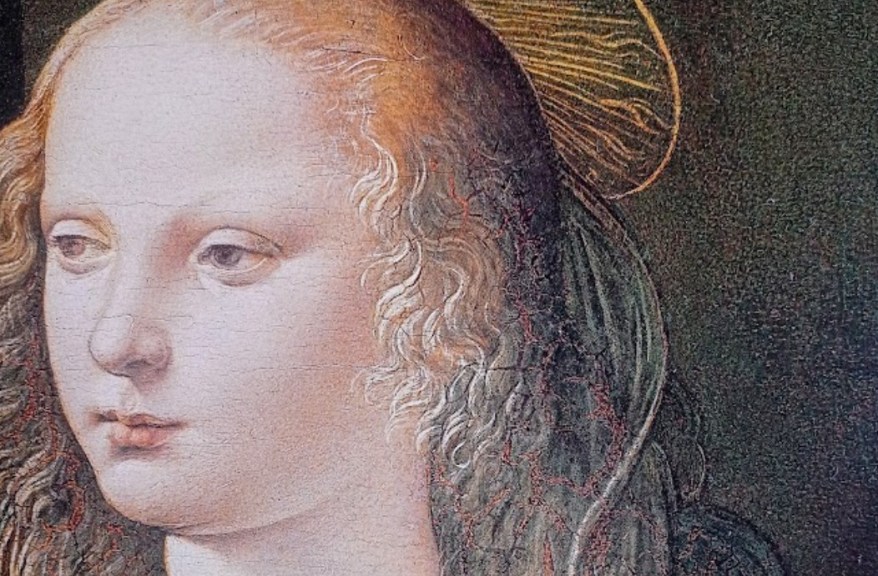
Prima di Gesù Bambino viene l’Annunciazione: i dipinti che raccontano l’inizio della storia di Natale
🇮🇹Prima di Gesù Bambino c’è l’Annunciazione: scopri i dipinti più celebri di Leonardo, Beato Angelico e Simone Martini e i simboli nascosti nell’arte cristiana… 🇬🇧Before the Christ Child comes the Annunciation: discover the most famous paintings by Leonardo, Fra Angelico, and Simone Martini, and the symbols hidden within Christian art…
Condividi:


Questo sono io




sostienici

Sostienici – Support Us
Se questo blog ti piace e ti appassiona, puoi aiutarci a farlo crescere sempre più sostenendoci in modo concreto condividendo i post, seguendo le pagine social e con un contributo che ci aiuta ad andare avanti con il nostro lavoro di divulgazione. . ENGLISH: If you like and are passionate about this blog, you can help us make it grow more and more by supporting us in a concrete way by sharing posts, following social pages and with a contribution that helps us to move forward with our dissemination work.
€10,00


