

Il Sussurro dell’Angelo: la scultura di Spence realizzata a Roma, oggi al Museo d’Orsay di Parigi
La scultura del giorno che vi propongo oggi è il Sussurro dell’Angelo, opera realizzata dall’artista inglese ottocentesco Benjamin Edward Spence.
Il soggetto dell’opera deriva direttamente da un poema scritto da Samuel Lover che narra una vecchia leggenda irlandese nella quale i bambini sorridono nel sonno perché sono capaci di dialogare con gli angeli.

Il sussurro dell’ Angelo è una scultura che si ispira ad un poema di Samuel Lover, in cui si narra una vecchia credenza irlandese in base alla quale quando un bambino sorride nel sonno è perché sta parlando con un angelo.
Lo scultore Spence nacque a Liverpool nel 1822 ed era figliolo d’arte. Il su babbo William Spence, scultore a sua volta, aveva contatti con l’artista John Gibson che, intuito il talento del giovane, lo incoraggiò a mandare Edward a Roma per perfezionarsi.

Una volta arrivato nella città eterna, Spence ebbe modo di studiare scultura aiutato da Richard James Wyatt e fu supportato dallo stesso Gibson.
A essere evidenti nella sua produzione artistica sono proprio le influenze di Gibson con quel tipico trattamento dei corpi, dei volumi ben definiti dei corpi e la voluttuosità dei panneggi. Riesce comunque a distaccarsi dai suoi maestri ispirandosi non alla mitologia greca ma dagli scrittori più amati nell’Ottocento come Shakespeare, Lover oppure attingeva direttamente dalla Bibbia.
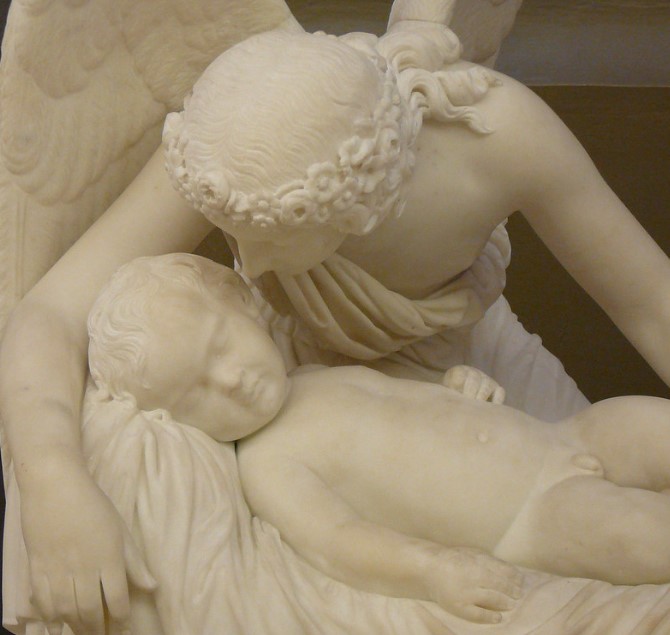
Tipica di Spence diviene la dolcezza dei protagonisti delle sue sculture, accentuata da una serie di linee curve e movimenti delicati, proprio come accade nel gruppo scultoreo del Sussurro dell’Angelo.
Osservate il lenzuolo sotto il bambino con quelle pieghe che ne plasmano la materia in modo dettagliato. La capigliatura dell’angelo acconciata con la corona di fiori mettono in luce l’innegabile maestria dell’artista nel lavorare in marmo.
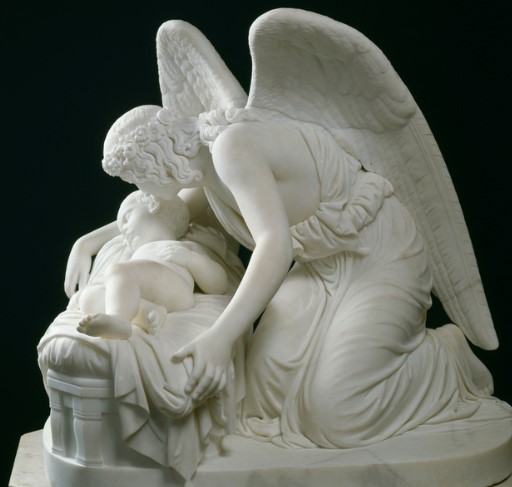
Il Sussurro dell’Angelo fu scolpito a Roma da Spence per un ricco commerciante di Liverpool. Una volta arrivata a destinazione, l’opera fu esposta in una galleria appositamente allestita per accogliere l’opera.
Oggi è custodita a Parigi, nel Museo d’Orsay.

Per il momento il sempre vostro Michelangelo Buonarroti vi saluta dandovi appuntamento ai prossimi post e sui social.


Sostienici – Support Us
Se questo blog ti piace e ti appassiona, puoi aiutarci a farlo crescere sempre più sostenendoci in modo concreto condividendo i post, seguendo le pagine social e con un contributo che ci aiuta ad andare avanti con il nostro lavoro di divulgazione. . ENGLISH: If you like and are passionate about this blog, you can help us make it grow more and more by supporting us in a concrete way by sharing posts, following social pages and with a contribution that helps us to move forward with our dissemination work.
10,00 €
The Whisper of the Angel: Spence’s sculpture created in Rome, now at the Orsay Museum in Paris
The sculpture of the day that I propose to you today is the Whisper of the Angel, a work created by the nineteenth-century English artist Benjamin Edward Spence.
The subject of the work derives directly from a poem written by Samuel Lover in which an old Irish legend is told in which children smile in their sleep because they are capable of conversing with angels.
The Whisper of the Angel is a sculpture inspired by a poem by Samuel Lover, which tells of an old Irish belief according to which when a child smiles in his sleep it is because he is talking to an angel.
The sculptor Spence was born in Liverpool in 1822 and was the son of an artist. His father William Spence, a sculptor himself, had contacts with the artist John Gibson who, sensing the young man’s talent, encouraged him to send Edward to Rome to improve his skills.
What is evident in his artistic production are precisely Gibson’s influences with that typical treatment of the bodies, the well-defined volumes of the bodies and the voluptuousness of the drapery. However, he manages to distance himself from his masters by taking inspiration not from Greek mythology but from the most beloved writers of the nineteenth century such as Shakespeare, Lover or he drew directly from the Bible.
The sweetness of the protagonists of his sculptures becomes typical of Spence, accentuated by a series of curved lines and delicate movements, just as happens in the sculptural group of the Whisper of the Angel.
Observe the sheet under the child with those folds that shape the material in a detailed way. The angel’s hair styled with the crown of flowers highlights the artist’s undeniable mastery in working in marble.
The sweetness of the protagonists of his sculptures becomes typical of Spence, accentuated by a series of curved lines and delicate movements, just as happens in the sculptural group of the Whisper of the Angel.
Observe the sheet under the child with those folds that shape the material in a detailed way. The angel’s hair styled with the crown of flowers highlights the artist’s undeniable mastery in working in marble.
Today it is kept in Paris, in the Musée d’Orsay.
For the moment, your always Michelangelo Buonarroti greets you and will meet you in the next posts and on social media.
Sostienici – Support Us
Se questo blog ti piace e ti appassiona, puoi aiutarci a farlo crescere sempre più sostenendoci in modo concreto condividendo i post, seguendo le pagine social e con un contributo che ci aiuta ad andare avanti con il nostro lavoro di divulgazione. . ENGLISH: If you like and are passionate about this blog, you can help us make it grow more and more by supporting us in a concrete way by sharing posts, following social pages and with a contribution that helps us to move forward with our dissemination work.
10,00 €
-
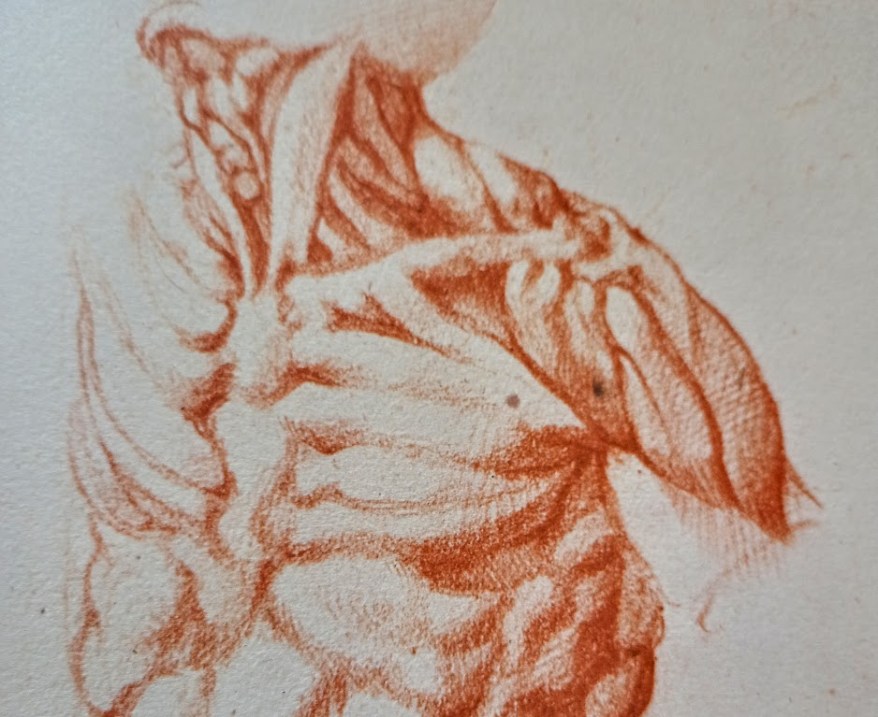
Il corpo umano: ecco perché lo studiavo così ossessivamente
🇮🇹Vi racconto perché studiò ossessivamente il corpo umano, dalle dissezioni dei cadaveri agli studi anatomici che diedero vita a David, Adamo e San Pietro… 🇬🇧Let me tell you why he obsessively studied the human body, from the dissection of cadavers to the anatomical studies that gave life to David, Adam, and Saint Peter…
-
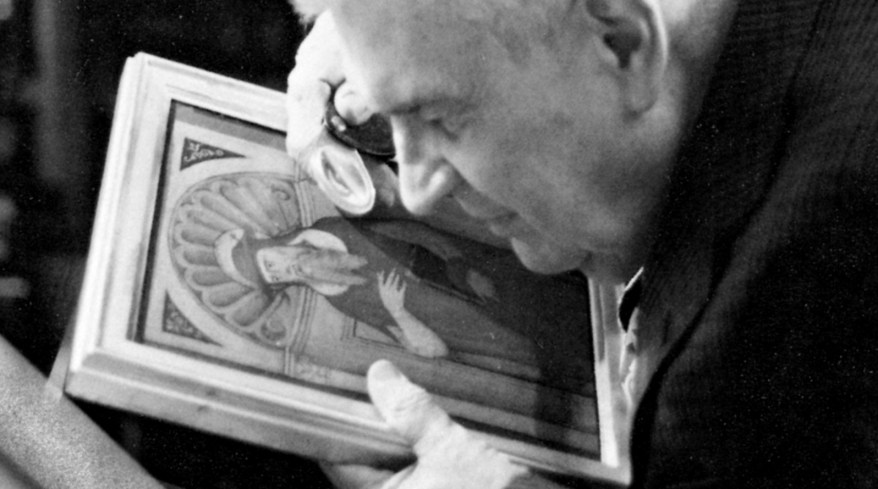
Federico Zeri, il conoscitore scontroso che amava guardare oltre le opere: ad Accademia Carrara un diario personale
🇮🇹Federico Zeri torna ad Accademia Carrara con una mostra-laboratorio: 46 sculture, documenti, libri, restauri e nuove ricerche dal 12 novembre 2026 al 4 luglio 2027… 🇬🇧Federico Zeri returns to the Accademia Carrara with an exhibition-workshop: 46 sculptures, documents, books, restoration projects, and new research, running from November 12, 2026, to July 4, 2027…
-
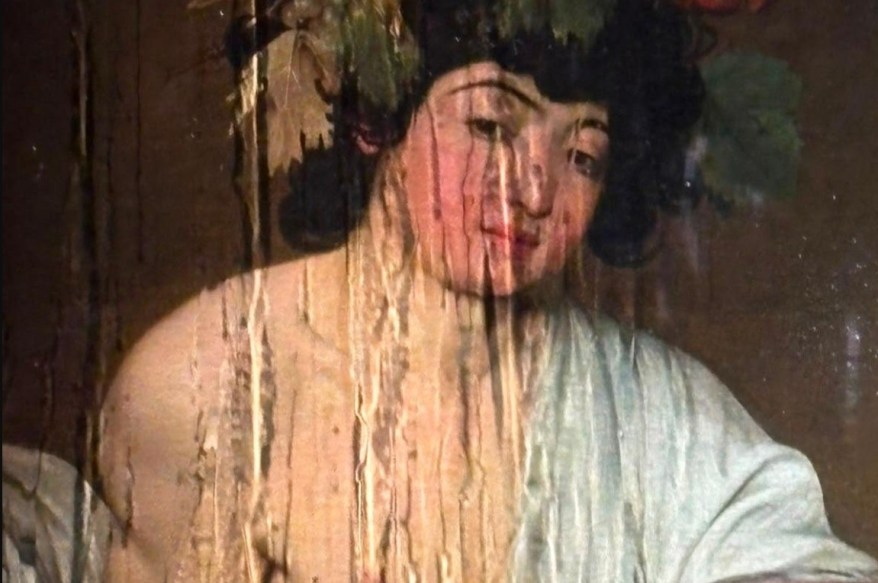
Piove dentro gli Uffizi: acqua sulla teca del Bacco di Caravaggio
🇮🇹Nubifragio a Firenze: acqua dentro gli Uffizi e sulla teca del Bacco di Caravaggio. Il dipinto è stato rimosso per precauzione. Nessuna opera è stata danneggiata… 🇬🇧Torrential rain in Florence: water inside the Uffizi and on the display case housing Caravaggio’s *Bacchus*. The painting was removed as a precaution. No artworks were damaged…
Condividi:


Questo sono io




sostienici

Sostienici - Support Us
Se questo blog ti piace e ti appassiona, puoi aiutarci a farlo crescere sempre più sostenendoci in modo concreto condividendo i post, seguendo le pagine social e con un contributo che ci aiuta ad andare avanti con il nostro lavoro di divulgazione. . ENGLISH: If you like and are passionate about this blog, you can help us make it grow more and more by supporting us in a concrete way by sharing posts, following social pages and with a contribution that helps us to move forward with our dissemination work.
€10,00


di una bellezza travolgente!!! 👍👍👍👍👍👍👏👏👏👏👏👏👏👏
"Mi piace"Piace a 1 persona
Bellissima opera
"Mi piace"Piace a 1 persona