
Come si festeggiava il Natale nel Rinascimento? Banchetti, doni e tradizioni raccontati dai dipinti
Il Natale non aveva ancora le luci delle nostre città, gli alberi addobbati nelle piazze e le vetrine illuminate che oggi accompagnano l’attesa delle feste. Eppure, anche nell’Italia del Rinascimento, il periodo natalizio era un momento speciale, fatto di celebrazioni religiose, tavole imbandite, occasioni di incontro e piccoli doni destinati soprattutto ai bambini.
Ma come si festeggiava davvero il Natale tra Quattrocento e Cinquecento? E quali tracce di quelle antiche consuetudini sono rimaste nelle opere d’arte?


I dipinti dei grandi maestri rinascimentali ci permettono di entrare nelle chiese, nelle dimore signorili e negli ambienti domestici di un’epoca in cui la celebrazione della nascita di Gesù aveva un’importanza centrale nella vita delle comunità. Non tutte le scene dipinte raccontano direttamente le feste natalizie, ma molte conservano dettagli preziosi sugli abiti, sugli arredi, sulle usanze e sul modo di vivere le occasioni solenni.
Dalle Adorazioni dei Magi ai banchetti delle famiglie più facoltose, fino all’antica tradizione toscana del ceppo, il Natale rinascimentale era ricco di rituali e significati.
Il Natale nel Rinascimento era soprattutto una festa religiosa
Per comprendere come si viveva il Natale nel Rinascimento bisogna partire dalla sua dimensione religiosa.
La nascita di Cristo rappresentava uno degli episodi più importanti della storia sacra e la sua celebrazione coinvolgeva l’intera comunità. Le chiese diventavano il centro delle celebrazioni liturgiche, mentre le immagini della Natività, dell’Adorazione dei pastori e dell’Adorazione dei Magi accompagnavano la preghiera dei fedeli.
La pittura aveva un ruolo fondamentale. Le immagini erano strumenti attraverso i quali raccontare gli episodi della vita di Gesù e renderli comprensibili e vicini a chi li osservava.
Nel Quattrocento e nel Cinquecento gli artisti interpretarono questi soggetti con una sensibilità sempre più attenta alla realtà quotidiana. Accanto alla Sacra Famiglia comparivano ambienti familiari, paesaggi riconoscibili, animali, oggetti domestici e personaggi vestiti secondo la moda del tempo.
La storia sacra entrava così nel mondo contemporaneo dell’artista e di chi guardava il dipinto.
Le Natività rinascimentali: quando la nascita di Gesù entrava nelle case
Uno dei modi più belli per ritrovare l’atmosfera del Natale rinascimentale è osservare le numerose Natività dipinte dai maestri italiani.
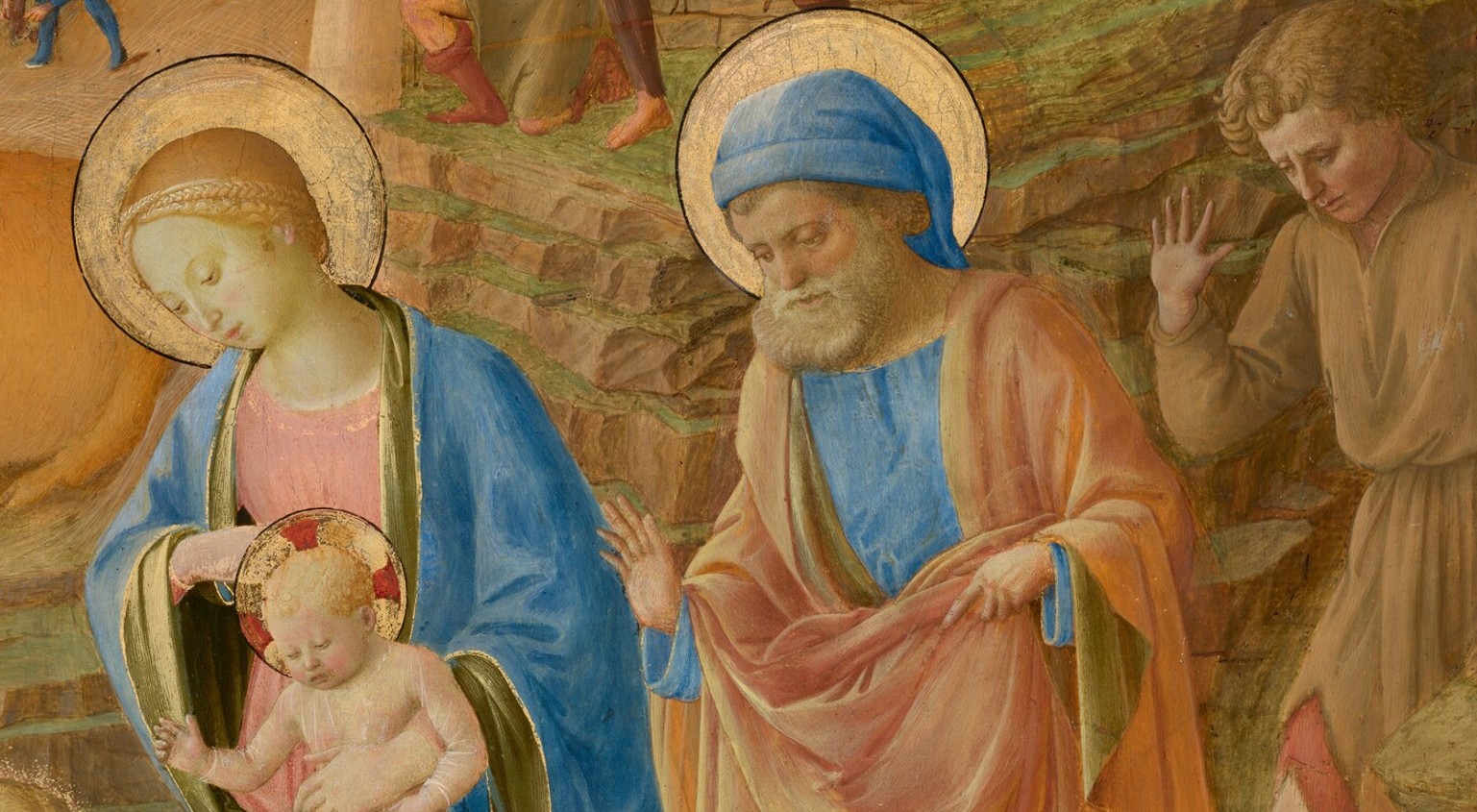
Tra gli esempi più significativi c’è la Natività di Beato Angelico, realizzata intorno agli anni Quaranta del Quattrocento nel convento di San Marco a Firenze.

Nell’affresco conservato nella cella numero 5, la scena della nascita di Gesù è raccontata con una semplicità raccolta, lontana dalla sontuosità delle rappresentazioni di corte. La Madonna e san Giuseppe adorano il Bambino, mentre la composizione invita alla meditazione e alla preghiera.
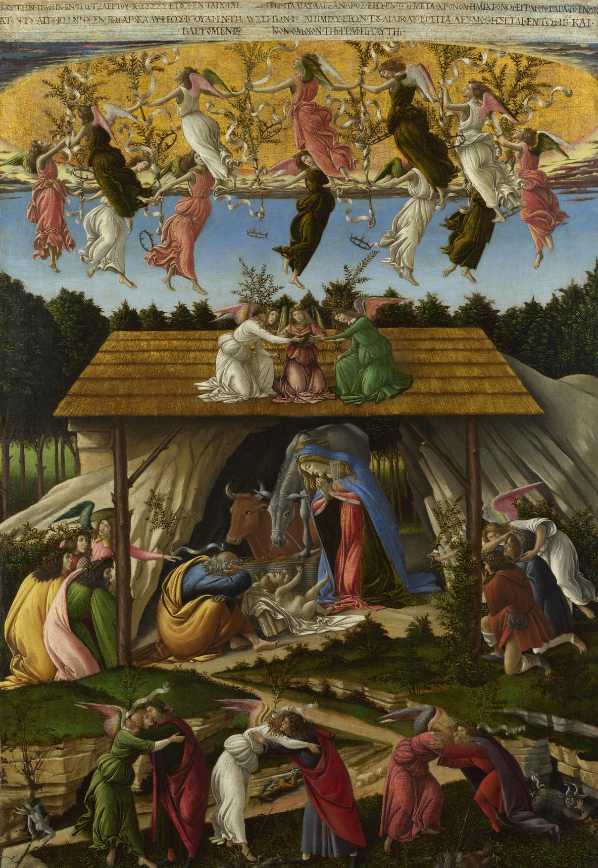
Un altro grande protagonista della pittura natalizia è Sandro Botticelli, autore della celebre Natività mistica, dipinta nel 1500-1501 e oggi conservata alla National Gallery di Londra.
Qui la nascita di Gesù assume un significato simbolico e spirituale molto più ampio. Angeli, uomini e creature celesti partecipano a una scena carica di significati religiosi, nella quale la gioia della nascita si intreccia con il tema della salvezza.
Queste opere raccontano quanto il Natale fosse presente nella cultura visiva del Rinascimento. La nascita di Cristo diventava un’occasione per riflettere sulla fede, sulla famiglia e sul significato della vita cristiana.
Non bisogna però dimenticare che le immagini sacre potevano trovare spazio anche nelle abitazioni private. Piccole opere devozionali, immagini del Bambino Gesù e rappresentazioni della Natività accompagnavano la preghiera familiare.
La devozione natalizia non rimaneva confinata all’interno delle chiese.
I banchetti rinascimentali: quando le feste diventavano uno spettacolo
Accanto alla dimensione religiosa esisteva quella conviviale, particolarmente importante nelle famiglie aristocratiche e nelle corti italiane.
Le grandi occasioni festive erano accompagnate da banchetti nei quali il cibo diventava anche una forma di rappresentazione della ricchezza e del prestigio familiare.
Le tavole potevano essere apparecchiate con tovaglie ricamate, stoviglie preziose, recipienti decorati e oggetti realizzati da artigiani specializzati. Nelle dimore più ricche, anche gli ambienti destinati ai ricevimenti erano arredati con grande attenzione.
Non tutte queste celebrazioni coincidevano necessariamente con il Natale: matrimoni, nascite, feste dinastiche e ricorrenze religiose offrivano occasioni per organizzare grandi conviti.

Le testimonianze artistiche permettono tuttavia di immaginare la raffinatezza di questi ambienti. Le scene di banchetto dipinte nel Rinascimento mostrano tavole imbandite, servitori, commensali e momenti di intrattenimento. Sono testimonianze preziose della cultura materiale dell’epoca, anche se non devono essere interpretate automaticamente come rappresentazioni di pranzi natalizi.
Il Natale, soprattutto nelle famiglie più agiate, poteva inserirsi in questo calendario di occasioni solenni, durante le quali il piacere della convivialità si accompagnava alla celebrazione religiosa.
Il ceppo di Natale: l’antica tradizione toscana dei doni ai bambini
Conoscete la tradizione del ceppo?
Prima che Babbo Natale diventasse il protagonista dell’immaginario natalizio grazie anche al noto brand che ha spinto la sua immagine oltre ogni immaginazione vestendola con i suoi colori bianco e rosso, in Toscana esisteva l’usanza di preparare un grosso ceppo di legno, generalmente di quercia oppure di olivo, da portare in casa in occasione delle feste.
Il ceppo veniva acceso nel camino e attorno al fuoco si riuniva la famiglia. La sua presenza aveva un significato simbolico legato alla prosperità, alla protezione della casa e alla fertilità dei campi.

La tradizione prevedeva anche un momento particolarmente atteso dai più piccoli. I bambini aspettavano la mezzanotte attorno al camino. Poco prima, gli adulti li allontanavano e disponevano piccoli regali, dolci e frutta secca vicino al ceppo. Quando venivano richiamati, i bambini scoprivano le sorprese lasciate per loro.
Un’usanza accompagnata anche da una filastrocca popolare:
«Ave Maria del Ceppo,
Angiolo Benedetto,
L’Angiolo mi rispose:
Ceppo mio bello, portami tante cose!»
Con il passare del tempo, il ceppo cambiò anche aspetto, trasformandosi in una sorta di struttura piramidale decorata con candele, rami e piccoli doni.
Il Natale anche allora era una festa familiare, nella quale il fuoco del camino e l’attesa dei bambini avevano un posto speciale.
I Re Magi e gli abiti sontuosi: il Natale nelle corti del Rinascimento
Se c’è un soggetto che permette di ammirare tutta la ricchezza della cultura rinascimentale legata al Natale, è sicuramente l’Adorazione dei Magi.
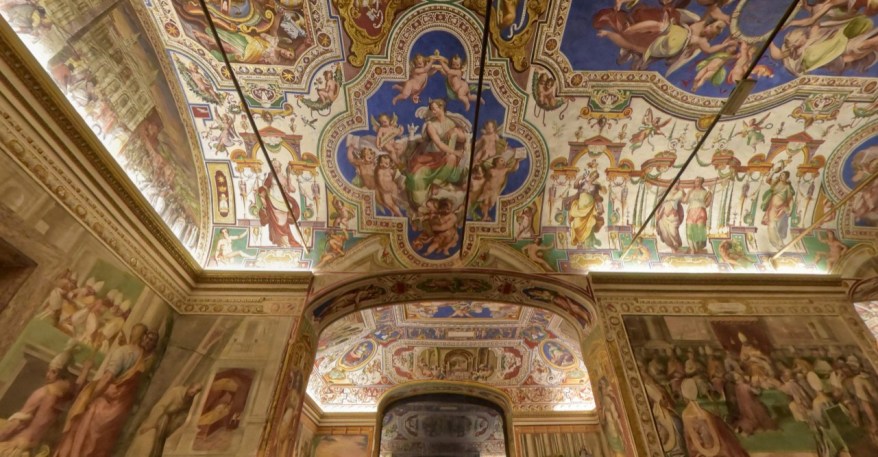
Uno degli esempi più spettacolari si trova a Firenze, nella Cappella dei Magi di Palazzo Medici Riccardi, dove Benozzo Gozzoli realizzò il celebre ciclo di affreschi intorno al 1459.
La processione dei Magi si snoda attraverso un paesaggio ricchissimo di dettagli. I personaggi indossano abiti sontuosi, copricapi elaborati e accessori preziosi. Cavalli, animali esotici e un seguito numeroso trasformano il viaggio verso Betlemme in una grande manifestazione di magnificenza.

L’opera non è una rappresentazione di un Natale realmente festeggiato dai Medici, ma una raffinata celebrazione religiosa e dinastica nella quale il mondo della corte fiorentina si intreccia con il racconto evangelico.
La presenza di personaggi riconducibili all’ambiente mediceo rende questo ciclo ancora più interessante.
Osservando gli affreschi si comprende quanto il racconto della nascita di Gesù potesse diventare anche un’occasione per mostrare il gusto, la ricchezza e il prestigio di una famiglia.
Il viaggio dei Magi, con i loro doni preziosi, diventava così una delle immagini più suggestive del Natale rinascimentale.
I regali di Natale nel Rinascimento: non soltanto oggetti preziosi
Oggi associamo il Natale allo scambio dei regali, ma anche nelle società del passato il dono aveva un significato importante.
Nel Rinascimento gli oggetti regalati potevano essere espressione di affetto, riconoscenza, alleanza familiare o prestigio sociale. Nelle famiglie più facoltose si donavano gioielli, tessuti raffinati, oggetti d’arte e manufatti preziosi.
Esistevano inoltre oggetti realizzati appositamente per celebrare momenti importanti della vita familiare.
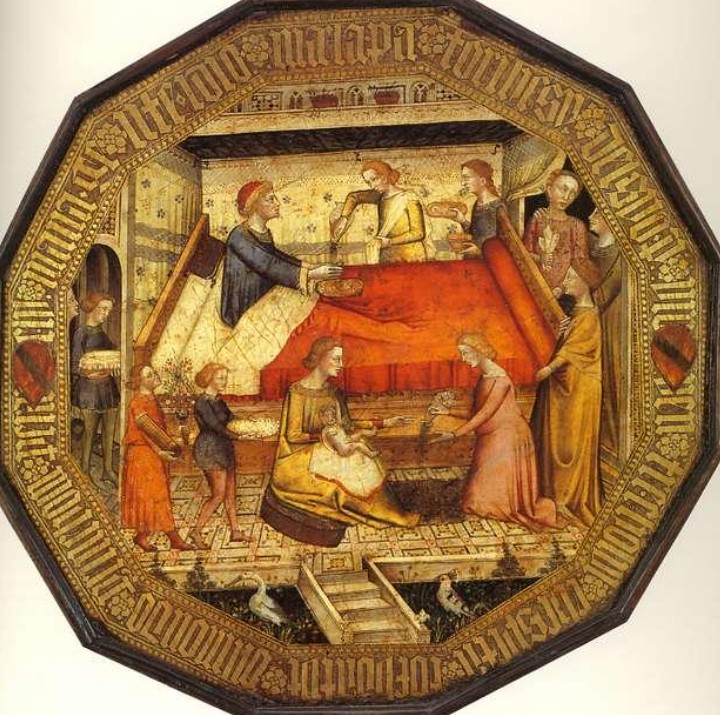
Un esempio particolarmente interessante è rappresentato dai deschi da parto, grandi vassoi dipinti che venivano utilizzati in occasione della nascita di un bambino e poi conservati come ricordo dell’evento.
Le decorazioni potevano comprendere scene mitologiche, episodi letterari e immagini allegoriche. Erano oggetti funzionali, ma anche testimonianze della cultura e del gusto delle famiglie rinascimentali.
Il Metropolitan Museum of Art di New York conserva e racconta diversi esempi di questa produzione, mostrando quanto gli oggetti domestici potessero essere legati alle celebrazioni familiari.
Non erano necessariamente regali natalizi, ma aiutano a comprendere quanto fosse importante, in quell’epoca, accompagnare le occasioni speciali con oggetti pensati per durare nel tempo.
Un Natale diverso, ma non così lontano dal nostro
Guardando alle opere d’arte e alle antiche tradizioni, il Natale del Rinascimento appare molto diverso da quello contemporaneo, ma conserva alcuni elementi che ancora oggi riconosciamo.
C’era l’attesa della festa, il desiderio di riunirsi con i propri cari, la preparazione della tavola, lo scambio dei doni e soprattutto la celebrazione della nascita di Gesù.
Nelle chiese si pregava davanti alle immagini della Natività, nelle dimore signorili si organizzavano occasioni conviviali e, nelle case toscane, il ceppo acceso nel camino diventava il centro di una piccola magia familiare destinata a sorprendere i bambini.
I dipinti dei grandi maestri non sono fotografie di quelle giornate ma ci restituiscono qualcosa di altrettanto prezioso: il modo in cui una società immaginava, celebrava e rappresentava il periodo più atteso dell’anno.
Per il momento il sempre vostro Michelangelo Buonarroti vi saluta dandovi appuntamento ai prossimi post e sui social.

How was Christmas celebrated during the Renaissance? Banquets, gifts, and traditions as revealed in paintings
Christmas in the Renaissance lacked the city lights, decorated trees in public squares, and illuminated shop windows that accompany the anticipation of the holidays today. Yet, even in Renaissance Italy, the Christmas season was a special time—marked by religious observances, lavishly set tables, social gatherings, and small gifts, intended primarily for children.
But how was Christmas actually celebrated during the 15th and 16th centuries? And what traces of these age-old customs remain in works of art?
Paintings by the great Renaissance masters offer a window into the churches, noble residences, and domestic spaces of an era when the celebration of the birth of Jesus held a central place in the life of the community. While not every painting depicts the Christmas festivities directly, many contain precious details regarding clothing, furnishings, customs, and the ways in which solemn occasions were observed.
From the Adoration of the Magi and the banquets of the wealthiest families to the ancient Tuscan tradition of the Yule log (ceppo), the Renaissance Christmas was rich in rituals and meaning.
In the Renaissance, Christmas was, above all, a religious holiday
To understand how Christmas was experienced during the Renaissance, one must begin with its religious dimension.
The birth of Christ was one of the most significant episodes in sacred history, and its celebration involved the entire community. Churches became the focal point for liturgical observances, while images of the Nativity, the Adoration of the Shepherds, and the Adoration of the Magi served to guide the prayers of the faithful.
Painting played a fundamental role. Images served as tools for recounting episodes from the life of Jesus, making them accessible and relatable to those who viewed them.
During the 15th and 16th centuries, artists interpreted these subjects with a sensibility increasingly attuned to everyday reality. Alongside the Holy Family, one might find familiar settings, recognizable landscapes, animals, household objects, and figures dressed in the fashions of the time.
In this way, sacred history was brought into the contemporary world of both the artist and the viewer.
Renaissance Nativities: When the Birth of Jesus Entered the Home
One of the most beautiful ways to rediscover the atmosphere of a Renaissance Christmas is to examine the many Nativity scenes painted by Italian masters.
Among the most significant examples is the Nativity by Fra Angelico, created around the 1440s at the Convent of San Marco in Florence.
In the fresco found in cell number 5, the birth of Jesus is depicted with a quiet, intimate simplicity—far removed from the opulence often seen in courtly art. The Virgin Mary and Saint Joseph adore the Christ Child, while the composition itself invites meditation and prayer.
Another major figure in Christmas-themed painting is Sandro Botticelli, creator of the celebrated Mystic Nativity, painted between 1500 and 1501 and now housed in the National Gallery in London.
Here, the birth of Jesus takes on a much broader symbolic and spiritual significance. Angels, human beings, and celestial creatures all participate in a scene rich with religious meaning, in which the joy of the Nativity is intertwined with the theme of salvation.
These works reveal just how deeply the Nativity was embedded in the visual culture of the Renaissance. The birth of Christ became an occasion for reflection on faith, family, and the meaning of the Christian life. It should be remembered, however, that sacred images could also be found in private homes. Small devotional works—such as images of the Christ Child or depictions of the Nativity—accompanied family prayers.
Christmas devotion was not confined solely to the interior of churches.
Renaissance Banquets: When Celebrations Became a Spectacle
Alongside the religious dimension, there existed a social, convivial aspect—one of particular importance within aristocratic families and at Italian courts.
Major festive occasions were accompanied by banquets, where food served as a display of a family’s wealth and prestige.
Tables might be set with embroidered tablecloths, fine tableware, ornate vessels, and objects crafted by specialized artisans. In the wealthiest residences, the rooms designated for such receptions were also furnished with great care.
Not all of these celebrations necessarily coincided with Christmas; weddings, births, dynastic festivities, and various religious observances all provided occasions for hosting grand feasts.
Artistic evidence, however, allows us to envision the refinement of these settings. Renaissance paintings of banquets reveal lavishly laid tables, attendants, guests, and moments of entertainment.
These serve as valuable evidence of the material culture of the era, though they should not automatically be interpreted as depictions of Christmas dinners.
Christmas—especially among more affluent families—could fit into this calendar of solemn occasions, during which the pleasure of conviviality went hand in hand with religious celebration.
The Christmas Log: An Ancient Tuscan Tradition of Gifts for Children
Are you familiar with the tradition of the ceppo (log)?
Before Santa Claus became the central figure of the Christmas imagination—helped, in part, by a famous brand that propelled his image to unprecedented heights by dressing him in its signature white and red—Tuscany had a custom involving a large wooden log, typically oak or olive, which was brought into the home for the holidays.
The log was lit in the hearth, and the family would gather around the fire. Its presence held symbolic meaning, linked to prosperity, the protection of the home, and the fertility of the fields.
The tradition also included a moment that the little ones looked forward to with great anticipation. Children would wait by the fireplace for midnight to arrive. Shortly before, the adults would send them away and arrange small gifts, sweets, and dried fruit near the log. When the children were called back, they would discover the surprises left for them.
This custom was also accompanied by a traditional nursery rhyme:
«Hail Mary of the Log,
Blessed Angel,
The Angel replied to me:
My beautiful log, bring me many things!»
Over time, the ceppo evolved in appearance, transforming into a sort of pyramidal structure decorated with candles, branches, and small gifts.
Even back then, Christmas was a family celebration, in which the fire in the hearth and the children’s anticipation held a special place. The Three Magi and Sumptuous Attire: Christmas in Renaissance Courts
If there is one subject that allows us to admire the full richness of Renaissance culture as it relates to Christmas, it is undoubtedly the Adoration of the Magi.
One of the most spectacular examples can be found in Florence, in the Chapel of the Magi at Palazzo Medici Riccardi, where Benozzo Gozzoli created his famous fresco cycle around 1459.
The procession of the Magi winds through a landscape teeming with detail. The figures are dressed in sumptuous garments, wearing elaborate headdresses and precious accessories. Horses, exotic animals, and a large entourage transform the journey to Bethlehem into a grand display of magnificence.
The work is not a depiction of a Christmas actually celebrated by the Medici family, but rather a sophisticated religious and dynastic celebration in which the world of the Florentine court intertwines with the Gospel narrative.
The presence of figures identifiable as members of the Medici circle makes this cycle all the more compelling.
Observing these frescoes, one realizes how the story of the birth of Jesus could also serve as an opportunity to showcase the taste, wealth, and prestige of a family.
The journey of the Magi, bearing their precious gifts, thus became one of the most evocative images of the Renaissance Christmas.
Christmas Gifts in the Renaissance: More Than Just Precious Objects
Today, we associate Christmas with the exchange of gifts, but the act of giving held great significance in societies of the past as well.
During the Renaissance, gifts could serve as expressions of affection, gratitude, family alliances, or social prestige. Wealthier families might exchange jewelry, fine fabrics, works of art, or other precious handcrafted items.
Furthermore, there were objects created specifically to commemorate significant milestones in family life. A particularly interesting example is the desco da parto—a large, painted tray used at the time of a child’s birth and subsequently kept as a memento of the event.
The decorations might feature mythological scenes, literary episodes, or allegorical imagery. While these were functional objects, they also served as testaments to the culture and tastes of Renaissance families.
The Metropolitan Museum of Art in New York houses several examples of these pieces, illustrating how deeply domestic objects could be intertwined with family celebrations.
Although not strictly Christmas gifts, they help us understand how important it was, in that era, to mark special occasions with objects designed to endure.
A different kind of Christmas—yet not so far removed from our own
When we look at works of art and ancient traditions, Christmas in the Renaissance appears quite different from the holiday as we know it today; yet, it retains certain elements that remain recognizable even now.
There was the anticipation of the holiday, the desire to gather with loved ones, the preparation of the table, the exchange of gifts, and, above all, the celebration of the birth of Jesus.
In churches, people prayed before depictions of the Nativity, while in the homes of the nobility, various occasions were organized convivial gatherings, and in Tuscan homes, the log burning in the fireplace became the heart of a little bit of family magic, sure to delight the children.
Paintings by the great masters are not photographs of those days, yet they offer us something just as precious: a glimpse into how a society imagined, celebrated, and depicted the most anticipated time of the year.
For now, yours truly, Michelangelo Buonarroti, bids you farewell—until the next posts and over on social media.
Sostienici – Support Us
Se questo blog ti piace e ti appassiona, puoi aiutarci a farlo crescere sempre più sostenendoci in modo concreto condividendo i post, seguendo le pagine social e con un contributo che ci aiuta ad andare avanti con il nostro lavoro di divulgazione. . ENGLISH: If you like and are passionate about this blog, you can help us make it grow more and more by supporting us in a concrete way by sharing posts, following social pages and with a contribution that helps us to move forward with our dissemination work.
10,00 €
Condividi:


Questo sono io



sostienici

Sostienici - Support Us
Se questo blog ti piace e ti appassiona, puoi aiutarci a farlo crescere sempre più sostenendoci in modo concreto condividendo i post, seguendo le pagine social e con un contributo che ci aiuta ad andare avanti con il nostro lavoro di divulgazione. . ENGLISH: If you like and are passionate about this blog, you can help us make it grow more and more by supporting us in a concrete way by sharing posts, following social pages and with a contribution that helps us to move forward with our dissemination work.
€10,00


