
Il dipinto del giorno: l’Annunciazione di Leonardo e quell’erroraccio di prospettiva
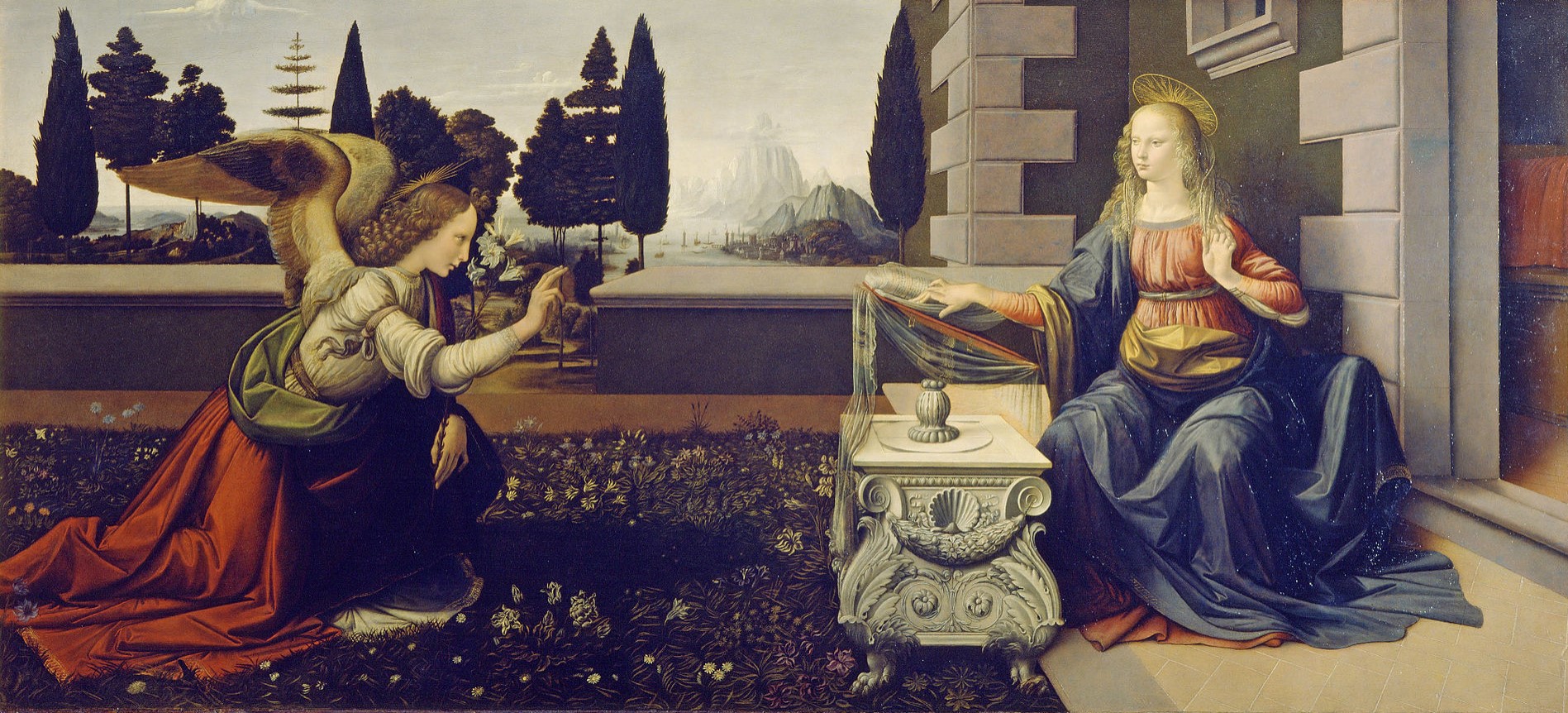
Il dipinto del giorno che vi propongo oggi, in occasione del 25 marzo, è l’Annunciazione giovanile dipinta da Leonardo da Vinci, approssimativamente attorno al 1472.
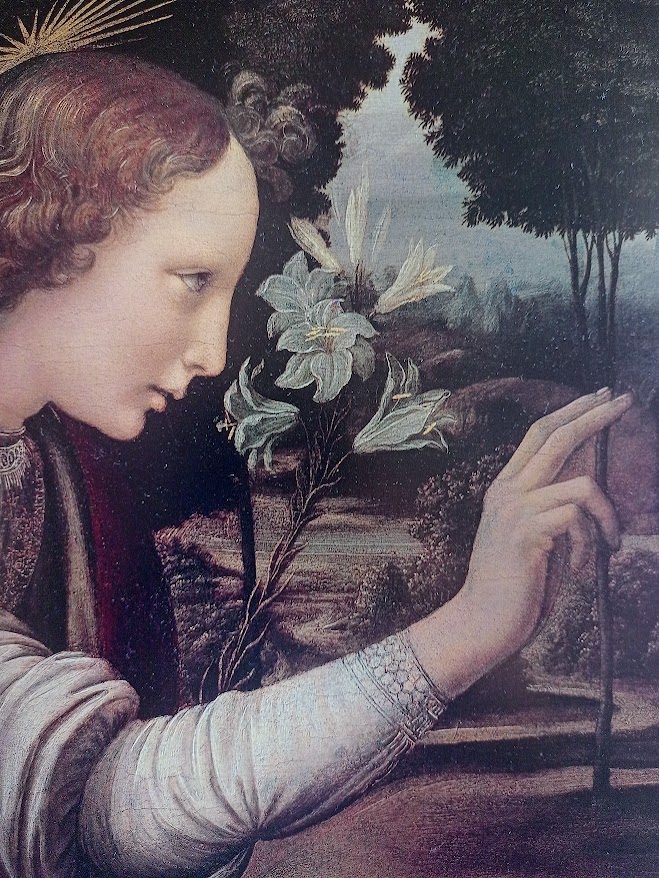
Leonardo volle dipingere la Madonna seduta seduta in un Hortus Conclusos ovvero un giardino chiuso che allude alla verginità della stessa. L’Arcangelo Gabriele arriva all’improvviso al suo cospetto e, porgendole un giglio bianco simbolo della purezza, si inginocchia per comunicarle che presto concepirà il Figlio di Dio.
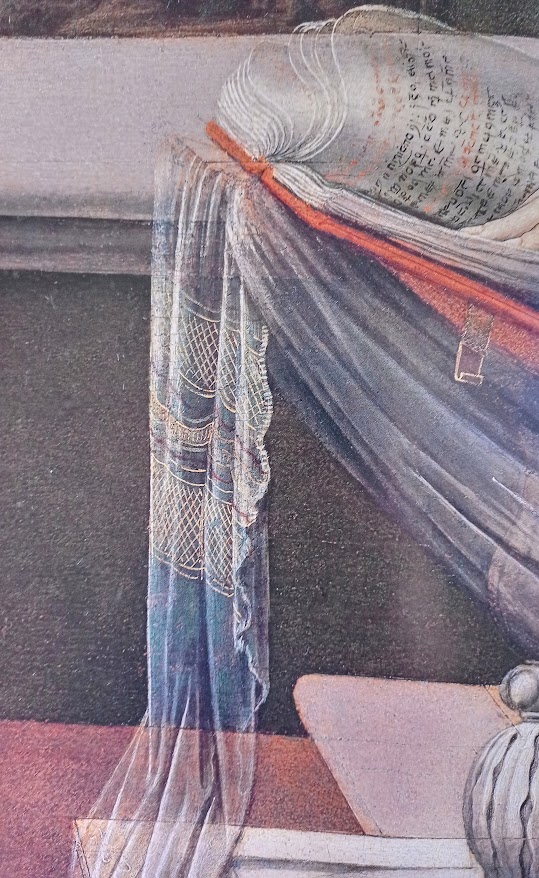
La Vergine, che come tradizione vuole, al momento dell’apparizione dell’arcangelo sta leggendo il libro di Isaia nel punto in cui sta scritto “Ecco la Vergine concepirà e partorirà un Figlio che chiamerà Emmanuele“.
L’eccellente resa dei panneggi dei protagonisti della scena presuppone lunghi studi dal vero da parte dell’artista.
Leonardo da Vinci, affascinato dallo studio della prospettiva, prova a metterla in pratica proprio nel dipinto degli Uffizi, cercando di rendere concreti gli studi fatti sulle opere di Piero della Francesca. Purtroppo però di Piero non ha ancora acquisito completamente la lezione e sbaglia.
Il braccio destro della Vergine, nella posa naturale, non potrebbe raggiungere il libro sul leggio che nello spazio ricostruito viene prima della figura della Madonna. Così gli fa assumere una posa ardita e innaturale, cercando poi di camuffare, per altro riuscendoci, con i colori e la grazia delle forme.
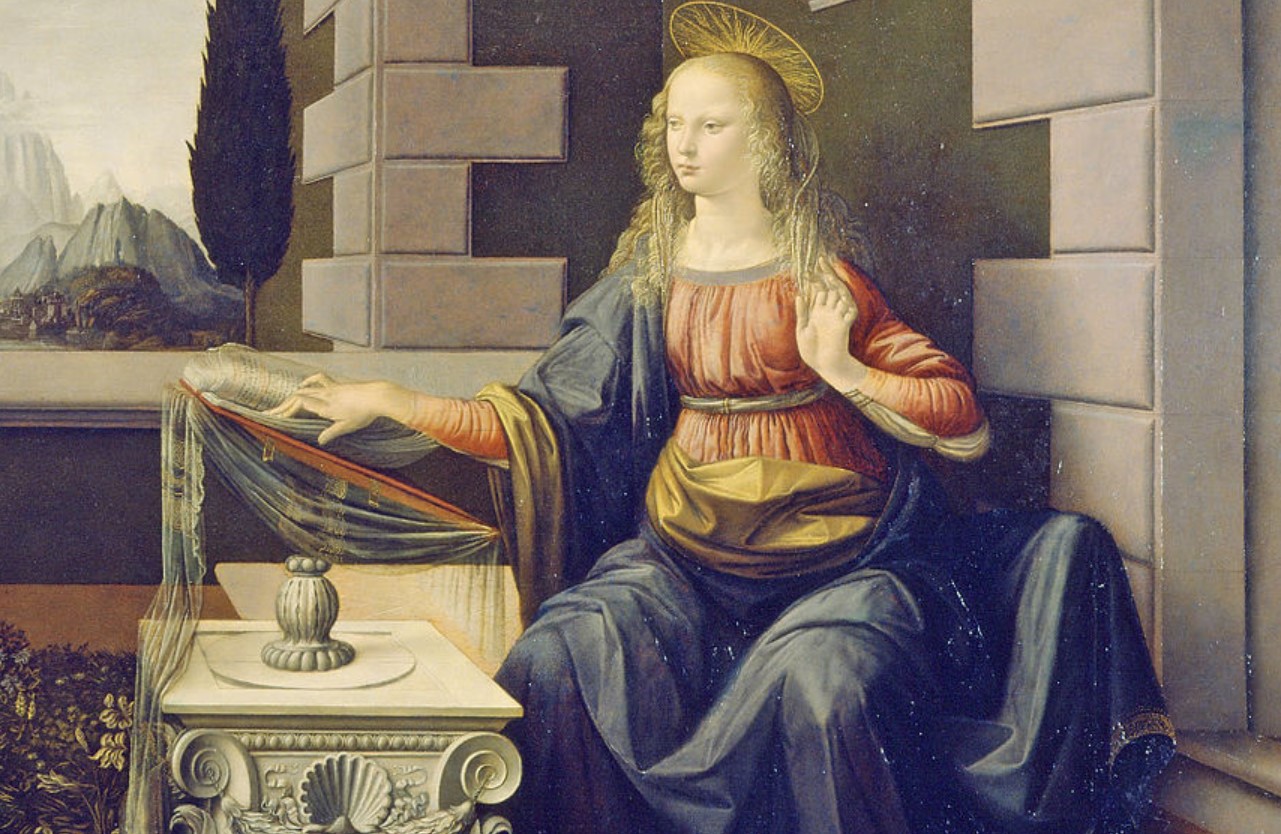
Osservate con attenzione la base del leggio posto dinanzi alla Vergine: le sue forme e i decori riprendono il sarcofago che Andrea del Verrocchio aveva realizzato nel 1472 per la Sagrestia Vecchia della Basilica di San Lorenzo.
Dovete sapere che la datazione di quest’opera è ancora assai controversa e il fatto che al suo interno ci sia un elemento come il sarcofago di datazione certa, impedisce di datare l’opera a un periodo precedente.
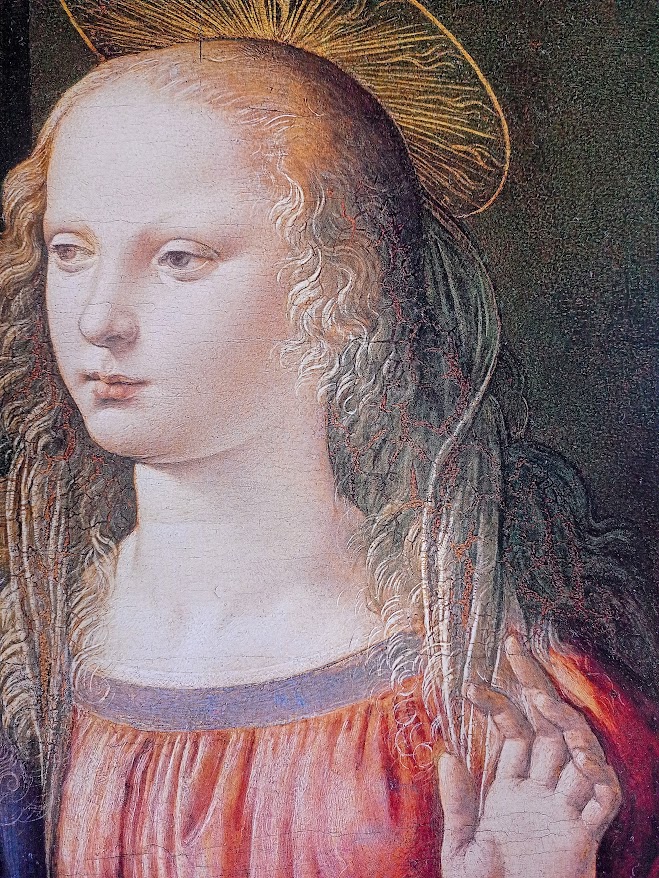
La tavola dipinta a olio oggi è custodita presso la Galleria degli Uffizi. Arrivò lì nel 1867 direttamente dalla sagrestia della chiesa di San Bartolomeo a Monteoliveto, fuori porta San Frediano a Firenze.
Non è dato sapere quale fosse in origine la sua collocazione né è nota la data certa di realizzazione così come la committenza. Si pensa possa essere un’opera giovanile di Leonardo, forse eseguita quando ancora frequentava la bottega del Verrocchio.
Per il momento il sempre vostro Michelangelo Buonarroti vi saluta dandovi appuntamento ai prossimi post e sui social.

The painting of the day: Leonardo’s Annunciation and that terrible mistake of perspective
The painting of the day that I propose to you today, on the occasion of March 25th, is the youthful Annunciation painted by Leonardo da Vinci approximately around 1472.
Leonardo wanted to paint the Madonna seated in a Hortus Conclusos or a closed garden which alludes to her virginity. The Archangel Gabriel suddenly arrives in her presence and, handing her a white lily symbol of her purity, kneels down to tell her that she will soon conceive the Son of God.
The Virgin, who as tradition dictates, at the moment of the archangel’s appearance is reading the book of Isaiah at the point where it is written “Behold, the Virgin will conceive and give birth to a Son whom she will call Emmanuel”.
The excellent rendering of the drapery of the protagonists of the scene presupposes long studies from life by the artist.
Leonardo da Vinci, fascinated by the study of perspective, tries to put it into practice in the Uffizi painting, trying to make concrete the studies done on the works of Piero della Francesca. Unfortunately, however, di Piero has not yet fully learned the lesson and makes mistakes.
The right arm of the Virgin, in the natural pose, could not reach the book on the lectern which in the reconstructed space comes before the figure of the Madonna. So he makes it take on a bold and unnatural pose, then trying to camouflage it, and succeeding, with the colors and the grace of the shapes.
Look carefully at the base of the lectern placed in front of the Virgin: its shapes and decorations recall the sarcophagus that Andrea del Verrocchio had created in 1472 for the Old Sacristy of the Basilica of San Lorenzo.
You should know that the dating of this work is still very controversial and the fact that inside there is an element such as the sarcophagus of certain dating prevents us from dating the work to a previous period.
The oil painted panel is now kept in the Uffizi Gallery. He arrived there in 1867 directly from the sacristy of the church of San Bartolomeo in Monteoliveto, outside Porta San Frediano in Florence.
It is not known what its original location was, nor is the certain date of construction known, as is the client. It is thought to be an early work by Leonardo, perhaps executed when he was still frequenting Verrocchio’s workshop.
For the moment, your always Michelangelo Buonarroti greets you and will meet you in the next posts and on social media.

Sostienici – Support Us
Se questo blog ti piace e ti appassiona, puoi aiutarci a farlo crescere sempre più sostenendoci in modo concreto condividendo i post, seguendo le pagine social e con un contributo che ci aiuta ad andare avanti con il nostro lavoro di divulgazione. . ENGLISH: If you like and are passionate about this blog, you can help us make it grow more and more by supporting us in a concrete way by sharing posts, following social pages and with a contribution that helps us to move forward with our dissemination work.
10,00 €
-
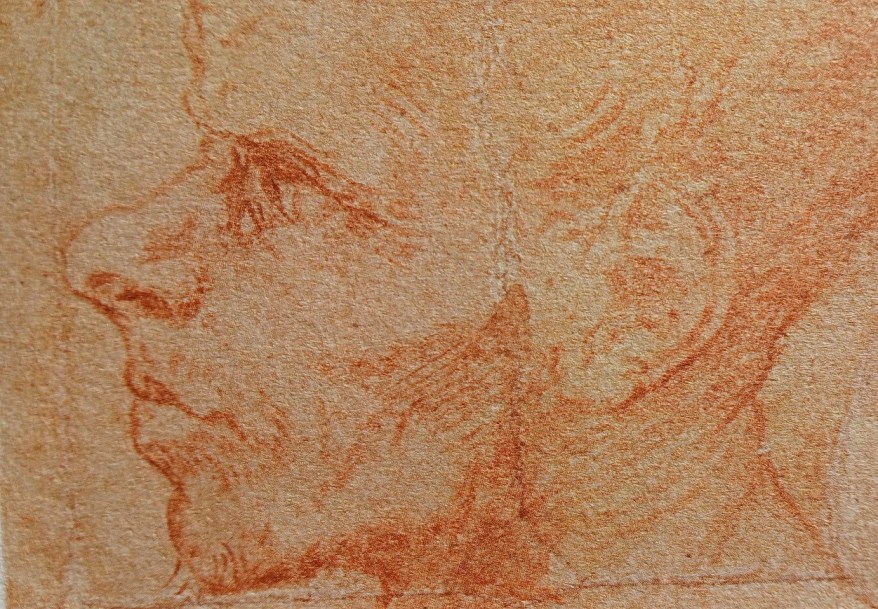
L’insolito volto: il piccolo capolavoro dell’Ashmolean Museum
🇮🇹Un volto fuori dagli ideali di bellezza, con lineamenti irregolari, labbra pronunciate e uno sguardo quasi assente… 🇬🇧A face that falls outside conventional ideals of beauty, with irregular features, prominent lips, and an almost vacant gaze…
-
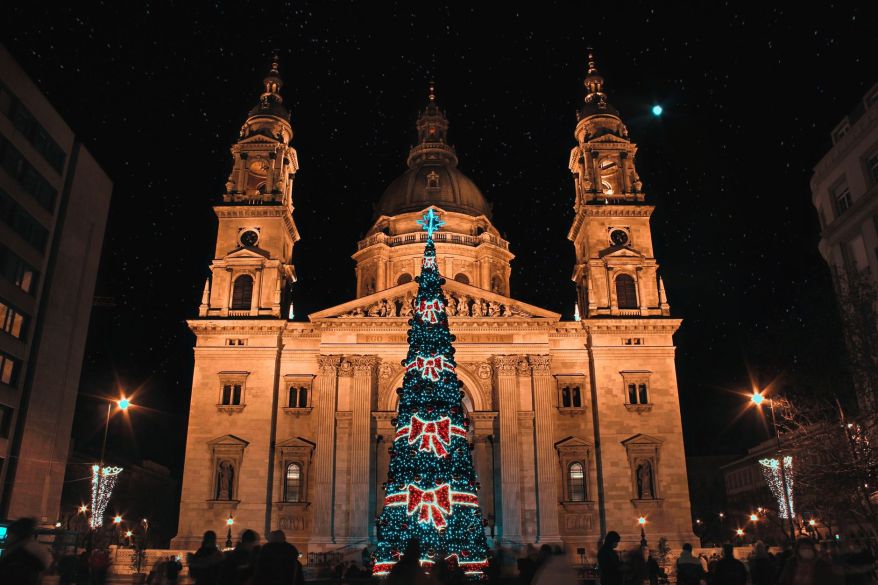
Le 10 città d’arte europee più belle da visitare a Natale: musei e luoghi da non perdere
🇮🇹Quali città d’arte europee visitare a Natale? Da Vienna a Parigi, da Praga a Bruges, 10 mete tra mercatini, musei, capolavori e atmosfere da fiaba… 🇬🇧Which European cities of art should you visit at Christmas? From Vienna to Paris, from Prague to Bruges—10 destinations featuring Christmas markets, museums, masterpieces, and a fairytale atmosphere…
-
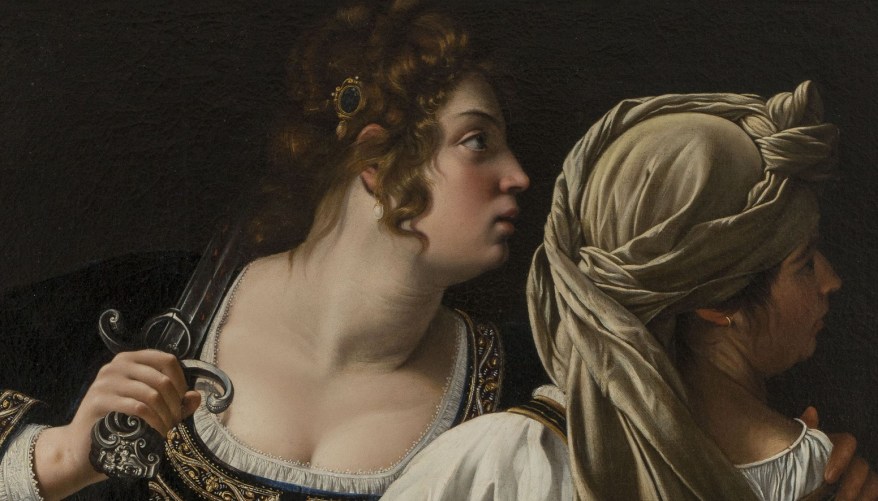
Artemisia Gentileschi a Firenze: la storia, le opere e la mostra agli Innocenti fino al 2027
🇮🇹Artemisia Gentileschi a Firenze: dalle commissioni dei Medici all’Allegoria dell’Inclinazione di Casa Buonarroti. La storia e la mostra agli Innocenti… 🇬🇧Artemisia Gentileschi in Florence: from commissions by the Medici to the *Allegory of Inclination* at Casa Buonarroti. The story and the exhibition at the Ospedale degli Innocenti…
Condividi:


Questo sono io




sostienici

Sostienici - Support Us
Se questo blog ti piace e ti appassiona, puoi aiutarci a farlo crescere sempre più sostenendoci in modo concreto condividendo i post, seguendo le pagine social e con un contributo che ci aiuta ad andare avanti con il nostro lavoro di divulgazione. . ENGLISH: If you like and are passionate about this blog, you can help us make it grow more and more by supporting us in a concrete way by sharing posts, following social pages and with a contribution that helps us to move forward with our dissemination work.
€10,00


1 commento »