

Il Prigione che si risveglia
Il Prigione che si ridesta leva il braccio sinistro verso l’alto assumendo una posizione inclinata all’indietro. Rende l’idea di un uomo barbuto che si stia svegliando dal torpore della non conoscenza che lo ha tenuto intrappolato fino al momento.
La figura è in tensione e sembra volersi liberare dal blocco di marmo che ancora la trattiene. Se osservate bene l’opera vi renderete conto che è scolpita sullo spigolo del blocco.
Era destinato infatti ad avere una posizione angolare nella tomba di Giulio II della Rovere.
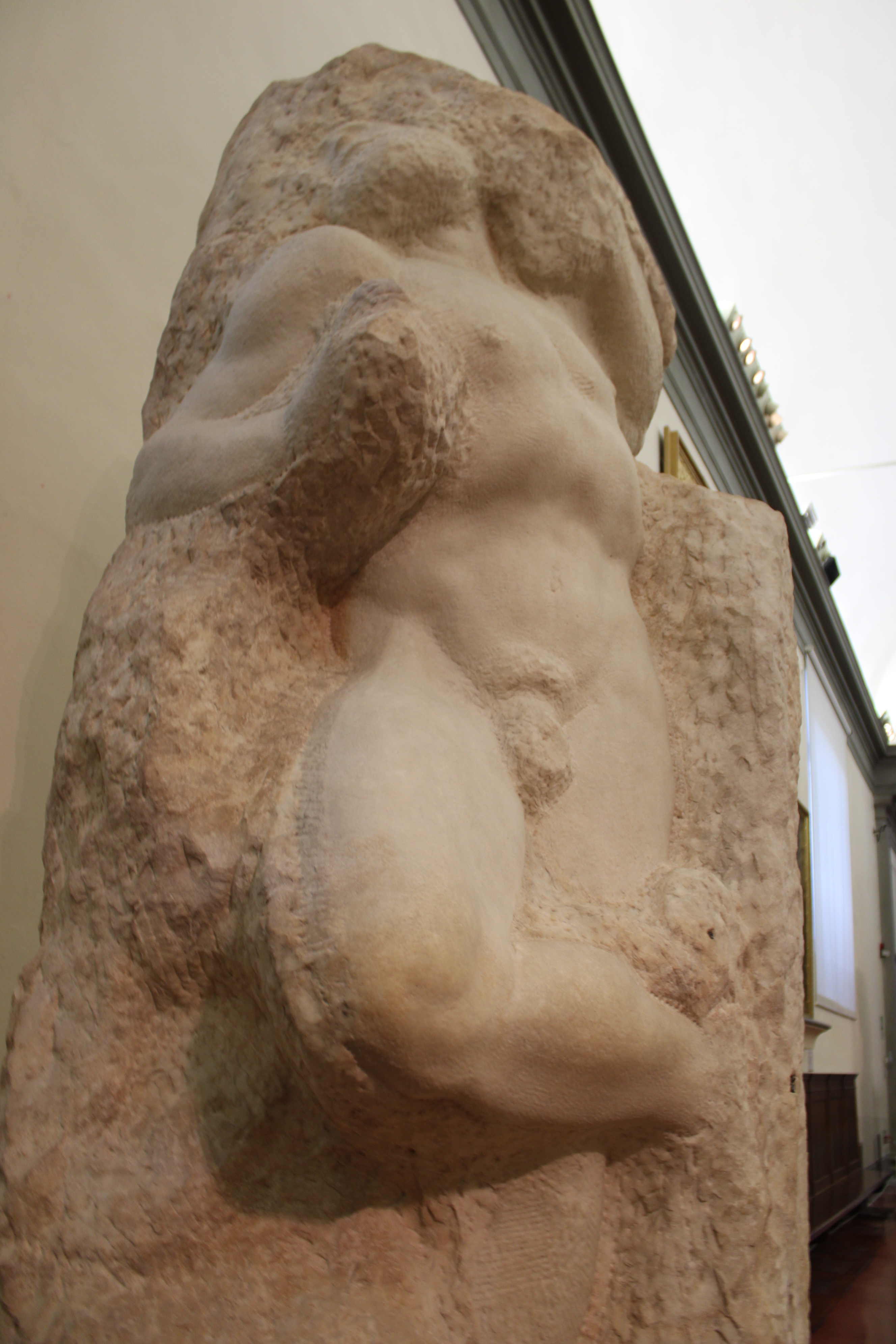
Il Prigione che si risveglia è uno dei quattro schiavi disposti lungo il corridoio che conduce alla tribuna del David, nella Galleria dell’Accademia.
Il Bonsanti scrisse in merito alla posa della scultura in questione: “lotta violentemente contro il sonno per raggiungere la consapevolezza“.
Il sonno alla fine dei conti può avere differenti letture: il Prigione lo raffigurai durante una fase di non conoscenza oppure, al contrario, tentò di cedere alle braccia di Morfeo per sottrarsi a un incombente tragedia? Entrambe le interpretazioni sono plausibili.
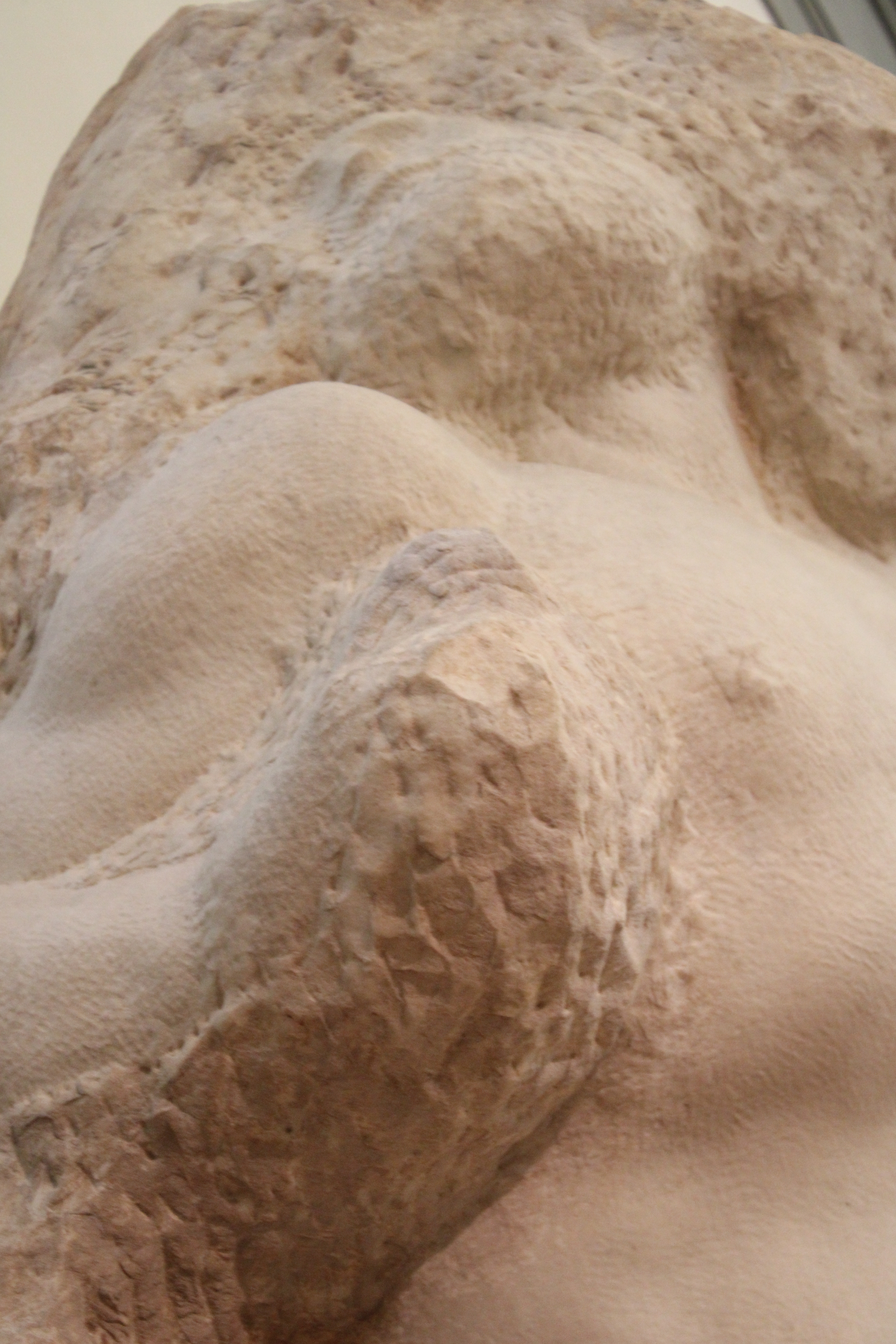
I Prigioni bisogna osservarli tenendo presente l’ottica con la quale li avevo ideati: la raffigurazione della rovina dei saperi del mondo con la morte del pontefice.
Il Prigione che si Ridesta si trovava nel mio studio fiorentino di via Mozza quando lasciai la città definitivamente alla volta di Roma, nel 1534. Dopo la morte, il mi nipote Lionardo fu costretto a cedere quest’opera, assieme agli altri tre prigioni di Firenze e alla Vittoria, al duca Cosimo de’ Medici.
Per il momento il vostro Michelangelo Buonarroti vi saluta dandovi appuntamento ai prossimi post e sui social.
The Prison that awakens
The awakening Prisoner raises his left arm upwards assuming a backwards leaning position. He gives the impression of a bearded man who is waking up from the torpor of ignorance that has kept him trapped until now.
The figure is tense and seems to want to free itself from the block of marble that still holds it. If you look closely at the work you will realize that it is carved on the corner of the block. In fact, it was destined to have a corner position in the tomb of Julius II della Rovere.
The prisoner who awakens is one of the four slaves arranged along the corridor leading to the David tribune, in the Accademia Gallery.
Bonsanti wrote regarding the pose of the sculpture in question: “it violently fights against sleep to reach awareness”. Ultimately, sleep can have different readings: did I depict the Prisoner during a phase of not knowing or, on the contrary, did he try to give in to the arms of Morpheus to escape an impending tragedy? Both interpretations are plausible.
The Prisoners must be observed keeping in mind the perspective with which I had conceived them: the representation of the ruin of the world’s knowledge with the death of the pontiff.
The Awakening Prison was in my Florentine studio in via Mozza when I left the city definitively for Rome in 1534. After my death, my nephew Lionardo was forced to give up this work, together with the other three prisons of Florence and to Vittoria, to Duke Cosimo de’ Medici.
For the moment, your Michelangelo Buonarroti greets you and will meet you in future posts and on social media.

Sostienici – Support Us
Se questo blog ti piace e ti appassiona, puoi aiutarci a farlo crescere sempre più sostenendoci in modo concreto condividendo i post, seguendo le pagine social e con un contributo che ci aiuta ad andare avanti con il nostro lavoro di divulgazione. . ENGLISH: If you like and are passionate about this blog, you can help us make it grow more and more by supporting us in a concrete way by sharing posts, following social pages and with a contribution that helps us to move forward with our dissemination work.
8,00 €
-
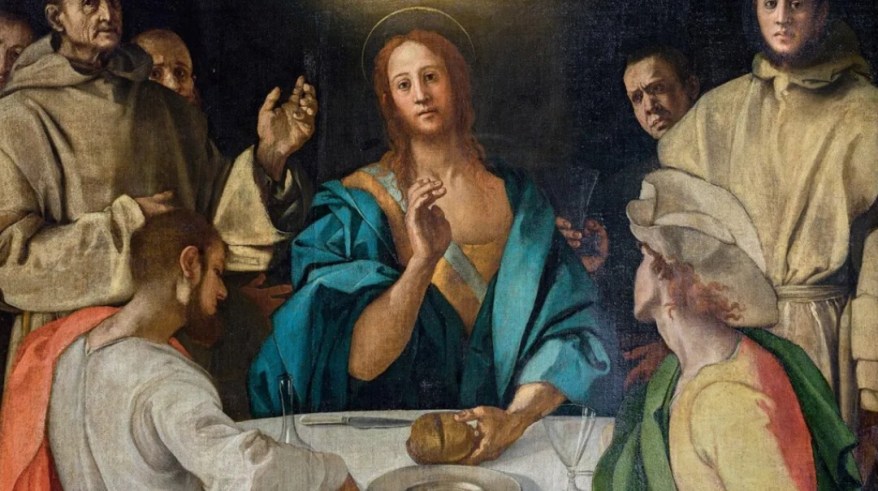
Cena in Emmaus di Pontormo: il pane, il gatto e il cane alle Scuderie del Quirinale
La Cena in Emmaus di Pontormo nasconde dettagli sorprendenti: il significato del pane, i simboli e il mistero della Resurrezione. Scopri il capolavoro del 1525 in mostra alle Scuderie del Quirinale a Roma… 🇬🇧Pontormo’s *Supper at Emmaus* conceals surprising details: the significance of the bread, various symbols, and the mystery of the Resurrection. Discover this…
-
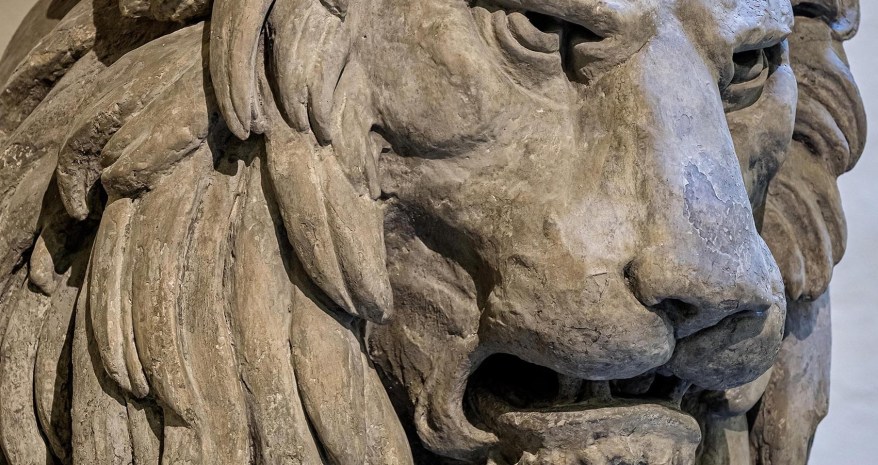
Palazzo Vecchio, il restauro svela la vera natura dei quattro leoni e il mistero della fontana greca
🇮🇹Restaurato il Cortile della Dogana di Palazzo Vecchio a Firenze: i quattro leoni sono calchi, una fontana conserva un’iscrizione greca da studiare e tornano a funzionare entrambe le fontane… 🇬🇧The Cortile della Dogana (Customs Courtyard) at Palazzo Vecchio in Florence has been restored: the four lions are casts, one fountain features a Greek inscription that…
-
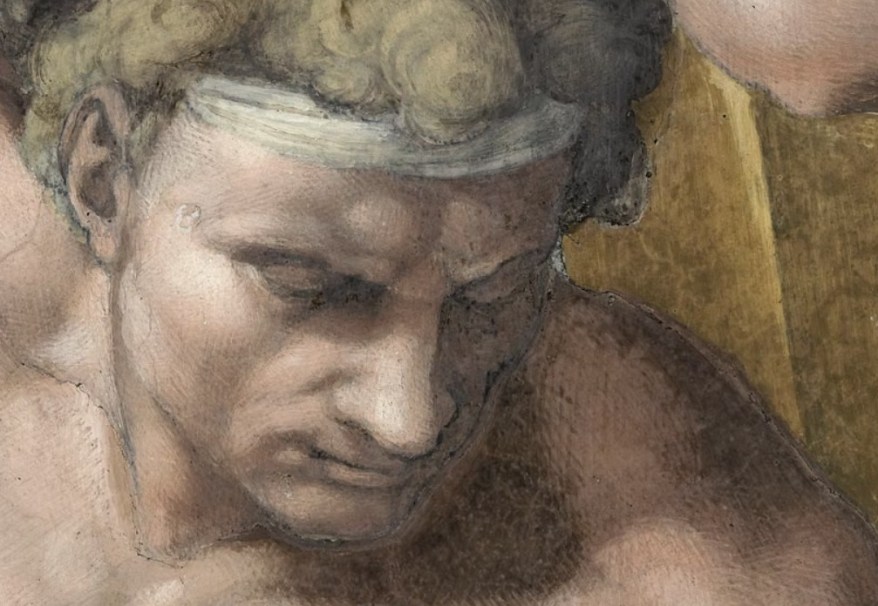
Disma, il buon ladrone nel Giudizio Universale: la misericordia e la giustizia divina
Nel Giudizio Universale della Cappella Sistina ci sono particolari che rischiano di passare inosservati, anche a chi ha avuto la fortuna di alzare gli occhi verso la mia grande parete. Tra i corpi che si sollevano, gli angeli che suonano le trombe e le anime che cercano di raggiungere il cielo, ci sono figure che…
Condividi:


Questo sono io




sostienici

Sostienici – Support Us
Se questo blog ti piace e ti appassiona, puoi aiutarci a farlo crescere sempre più sostenendoci in modo concreto condividendo i post, seguendo le pagine social e con un contributo che ci aiuta ad andare avanti con il nostro lavoro di divulgazione. . ENGLISH: If you like and are passionate about this blog, you can help us make it grow more and more by supporting us in a concrete way by sharing posts, following social pages and with a contribution that helps us to move forward with our dissemination work.
€10,00


1 commento »