
L’architettura è come un corpo
Per quasi diciassette anni sovrintesi ai lavori di costruzione della Basilica di San Pietro. Quel progetto a cui tenevo particolarmente mi era stato affidato da papa Paolo III Farnese e lo portai avanti fino a quando non sopraggiunse monna morte.
Ma cos’era per me l’architettura? Che idea ne avevo?

Ebbene, in tal senso è illuminante la lettera che scrissi al cardinale Pio de Carpi nel 1560 proprio mentre ero alla direzione della Fabbrica di San Pietro. In quelle righe di mio pugno sostenevo che l’architettura dipendesse strettamente dalle membra umane. Mi spiego meglio.
Chi non fosse stato un buon disegnatore di figure umane e avesse avuto ottime nozioni di anatomia umana, difficilmente avrebbe potuto diventare un valente architetto.

Le proporzioni e gli equilibri di un corpo sono gli stessi che per me dovevano esserci in qualsiasi tipo di edificio affinché fosse armonico, durevole, stabile e ammirevole.
“E’ cosa certa che le membra dell’architettura dipendono dalle membra dell’uomo. chi non è stato o non è buon maestro di figure, e massime di notomia, non se ne può intendere”.
Per il momento il vostro Michelangelo Buonarroti vi saluta dandovi appuntamento ai prossimi post e sui social.
Architecture is like a body
For almost seventeen years I oversaw the construction of St. Peter’s Basilica. That project that I particularly cared about was entrusted to me by Pope Paul III Farnese and I carried it forward until my death occurred.
But what was architecture for me? What idea did I have?
Well, in this sense the letter I wrote to Cardinal Pio de Carpi in 1560 while I was managing the Fabbrica di San Pietro is enlightening. In those lines written in my own hand I maintained that architecture depended strictly on human limbs. I’ll explain.
Anyone who was not a good designer of human figures and had excellent knowledge of human anatomy would hardly have been able to become a good architect.
The proportions and balances of a body are the same that for me had to be in any type of building so that it was harmonious, durable, stable and admirable.
“It is certain that the members of architecture depend on the members of man. anyone who has not been or is not a good master of figures, and especially of anatomy, cannot understand it”.
For the moment, your Michelangelo Buonarroti greets you and will meet you in future posts and on social media.

Sostienici – Support Us
Se questo blog ti piace e ti appassiona, puoi aiutarci a farlo crescere sempre più sostenendoci in modo concreto condividendo i post, seguendo le pagine social e con un contributo che ci aiuta ad andare avanti con il nostro lavoro di divulgazione. . ENGLISH: If you like and are passionate about this blog, you can help us make it grow more and more by supporting us in a concrete way by sharing posts, following social pages and with a contribution that helps us to move forward with our dissemination work.
8,00 €
-
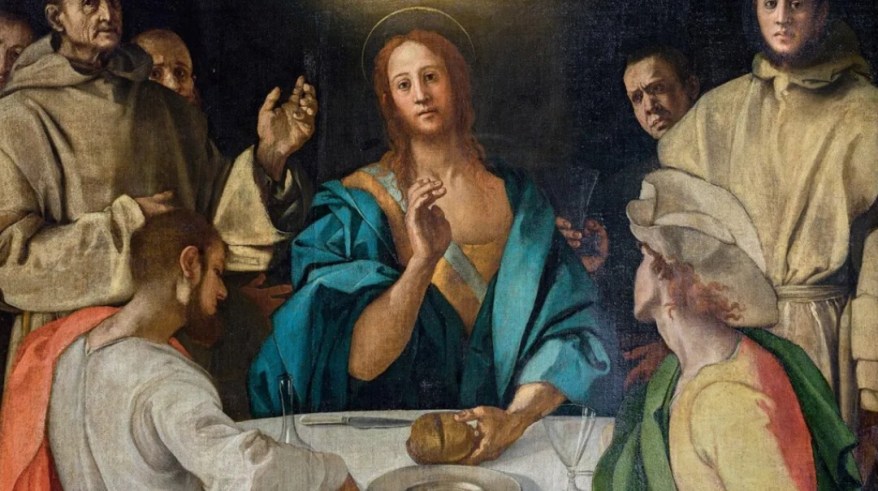
Cena in Emmaus di Pontormo: il pane, il gatto e il cane alle Scuderie del Quirinale
La Cena in Emmaus di Pontormo nasconde dettagli sorprendenti: il significato del pane, i simboli e il mistero della Resurrezione. Scopri il capolavoro del 1525 in mostra alle Scuderie del Quirinale a Roma… 🇬🇧Pontormo’s *Supper at Emmaus* conceals surprising details: the significance of the bread, various symbols, and the mystery of the Resurrection. Discover this…
-
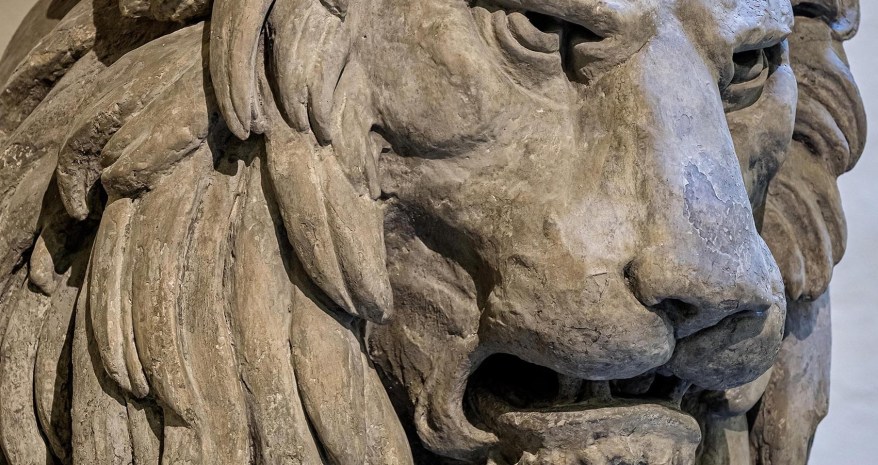
Palazzo Vecchio, il restauro svela la vera natura dei quattro leoni e il mistero della fontana greca
🇮🇹Restaurato il Cortile della Dogana di Palazzo Vecchio a Firenze: i quattro leoni sono calchi, una fontana conserva un’iscrizione greca da studiare e tornano a funzionare entrambe le fontane… 🇬🇧The Cortile della Dogana (Customs Courtyard) at Palazzo Vecchio in Florence has been restored: the four lions are casts, one fountain features a Greek inscription that…
-
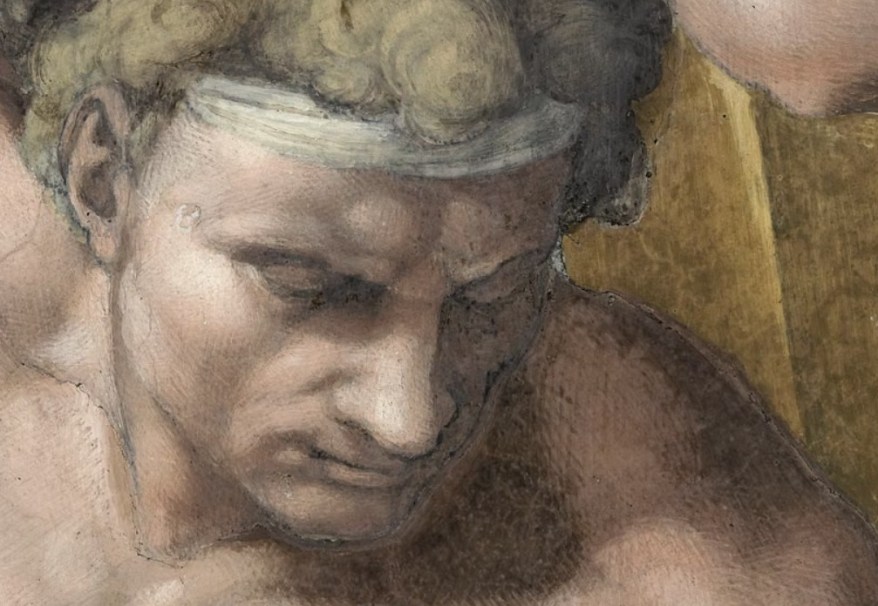
Disma, il buon ladrone nel Giudizio Universale: la misericordia e la giustizia divina
Nel Giudizio Universale della Cappella Sistina ci sono particolari che rischiano di passare inosservati, anche a chi ha avuto la fortuna di alzare gli occhi verso la mia grande parete. Tra i corpi che si sollevano, gli angeli che suonano le trombe e le anime che cercano di raggiungere il cielo, ci sono figure che…
Condividi:


Questo sono io




sostienici

Sostienici – Support Us
Se questo blog ti piace e ti appassiona, puoi aiutarci a farlo crescere sempre più sostenendoci in modo concreto condividendo i post, seguendo le pagine social e con un contributo che ci aiuta ad andare avanti con il nostro lavoro di divulgazione. . ENGLISH: If you like and are passionate about this blog, you can help us make it grow more and more by supporting us in a concrete way by sharing posts, following social pages and with a contribution that helps us to move forward with our dissemination work.
€10,00


