
Quando mi ritrovai il Tevere dento casa
Era l’ottobre del 1530 e per giorni aveva piovuto a dirotto.
In particolare ci furono due giornate in cui pareva il cielo si riversasse a pezzi sulla terra: diluviava da mattina a sera senza sosta. Serrati in casa a Macel de’ corvi, i miei assistenti pregavano assieme nella speranza smettesse alla svelta.
Non ci fu niente da fare.
Continuò per ore e ore a piovere come Dio la mandava e gli argini del Tevere alla fine non ressero più.
Come una furia le acque allagarono tutta la Roma non abbarbicata sui sette colli. Nelle zone più prossime al Tevere, il livello nelle strade raggiunse i 3 metri.
Un disastro.
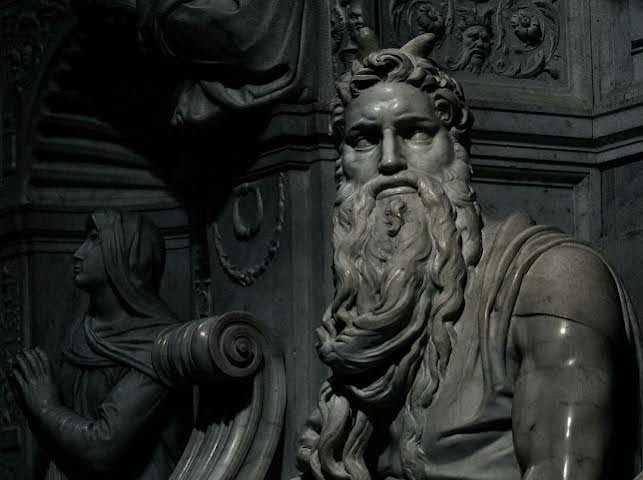
Nemmeno casa mia fu risparmiata: l’impeto del fiume aveva fatto irruzione sommergando l’opera di quadro in marmo destinata alla parte inferiore della tomba di Giulio II alla quale avevano cominciato a lavorare nel 1513 Antonio da Pontassieve e altri scultori.
“L’opera de quadro è precipitato sotto terra”scrissi in una lettera datata il 16 giugno del 1531 che faceva riferimento proprio a quel disastro. Quel daneggiamento è tutt’oggi visibile nella parte inferiore della tomba di Giulio II nella chiesa di San Pietro in Vincoli.

Ci fu qualcuno che lesse quel disastro come un segno di ulteriore sventura, come se di per sé non fosse già sufficiente tutto ciò che aveva causato. Giovanni Cambi pensò potesse essere un messaggio celeste di prossima sventura indirizzato a papa Clemente VII.
Per il momento il vostro Michelangelo Buonarroti vi saluta dandovi appuntamento ai prossimi post e sui social.
When I found the Tiber inside my house
It was October 1530 and it had been raining heavily for days.
In particular there were two days in which it seemed like the sky was pouring down onto the earth in pieces: it poured from morning to evening without stopping. Locked in the house in Macel de’ Corvi, my assistants prayed together in the hope it would stop quickly.
There was nothing to be done.
It continued for hours and hours to rain as God sent it and in the end the banks of the Tiber failed to hold.
Like a fury the waters flooded all of Rome not perched on the seven hills. In the areas closest to the Tiber, the level in the streets reached 3 meters. A disaster.
Not even my house was spared: the fury of the waters had burst in, submerging the marble painting work intended for the lower part of the tomb of Julius II on which Antonio da Pontassieve and other sculptors had begun to work in 1513.
“The painting has fallen underground” I wrote in a letter dated 16 June 1531 which referred precisely to that disaster. That damage is still visible in the lower part of the tomb of Julius II in the church of San Pietro in Vincoli.
There were some who read that disaster as a sign of further misfortune, as if everything it had caused wasn’t enough in itself. Giovanni Cambi thought it could be a celestial message of impending doom addressed to Pope Clement VII.
For the moment, your Michelangelo Buonarroti greets you and will meet you in future posts and on social media.

Sostienici – Support Us
Se questo blog ti piace e ti appassiona, puoi aiutarci a farlo crescere sempre più sostenendoci in modo concreto condividendo i post, seguendo le pagine social e con un contributo che ci aiuta ad andare avanti con il nostro lavoro di divulgazione. . ENGLISH: If you like and are passionate about this blog, you can help us make it grow more and more by supporting us in a concrete way by sharing posts, following social pages and with a contribution that helps us to move forward with our dissemination work.
8,00 €
-
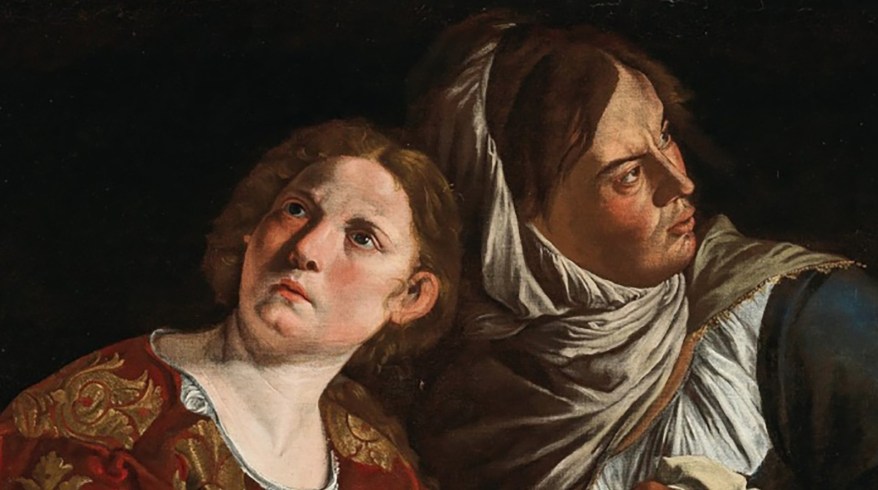
Artemisia Gentileschi, Giuditta e l’ancella con la testa di Oloferne: il dramma biblico
🇮🇹Giuditta e l’ancella con la testa di Oloferne di Artemisia Gentileschi è in mostra al Museo degli Innocenti di Firenze: storia, dettagli e confronti con Orazio Gentileschi… 🇬🇧Judith and Her Maidservant with the Head of Holofernes* by Artemisia Gentileschi is on display at the Museo degli Innocenti in Florence: history, details, and comparisons with Orazio…
-
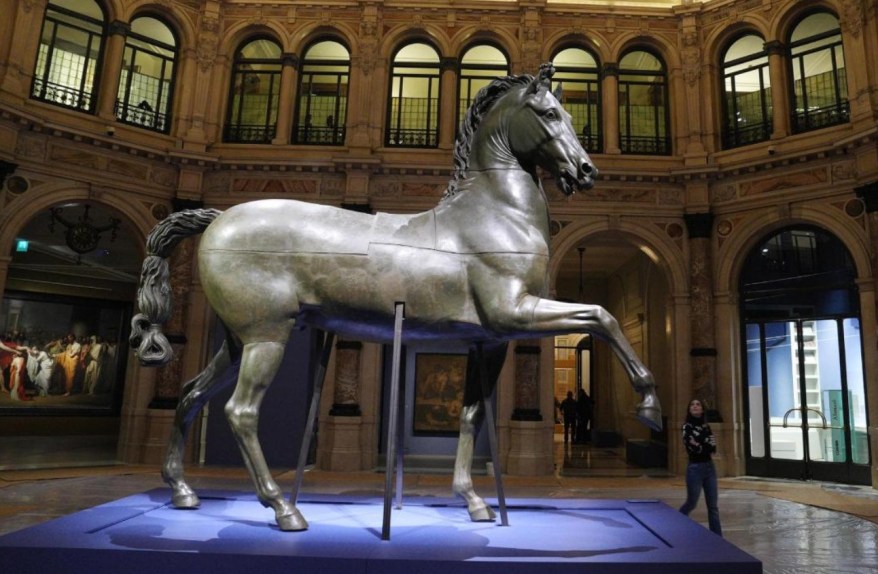
Il Cavallo colossale di Canova torna a casa in 10 casse: ecco quando si potrà ammirare
🇮🇹Il Cavallo colossale di Antonio Canova torna a Bassano il 27 ottobre 2026. Dopo il restauro, sarà visibile al Museo Civico dal 12 dicembre… 🇬🇧Antonio Canova’s colossal horse returns to Bassano on October 27, 2026. Following its restoration, it will be on display at the Civic Museum starting December 12…
-
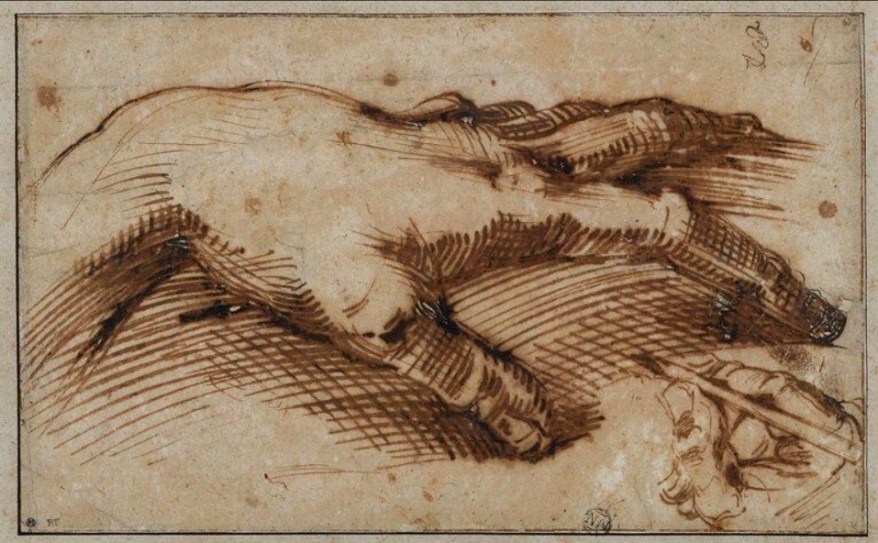
La mano che disegna la mano: il disegno del Louvre che ha fatto discutere gli studiosi
🇮🇹Il disegno di una mano che ne disegna un’altra: il curioso foglio del Louvre, la storia delle attribuzioni e il mistero della sua paternità… 🇬🇧A drawing of a hand drawing another hand: the intriguing sheet at the Louvre, the history of its attributions, and the mystery of its authorship…
Condividi:


Questo sono io




sostienici

Sostienici – Support Us
Se questo blog ti piace e ti appassiona, puoi aiutarci a farlo crescere sempre più sostenendoci in modo concreto condividendo i post, seguendo le pagine social e con un contributo che ci aiuta ad andare avanti con il nostro lavoro di divulgazione. . ENGLISH: If you like and are passionate about this blog, you can help us make it grow more and more by supporting us in a concrete way by sharing posts, following social pages and with a contribution that helps us to move forward with our dissemination work.
€10,00


