

La Scultura del giorno: Eva Tentata di Hiram Powers
La scultura del giorno che vi propongo oggi è Eva Tentata modellata fra il 1839 e il 1842 da Hiram Powers e scolpita dallo stesso nel proprio studio a Firenze qualche anno dopo, fra il 1873 e il 1877.
Quest’opera è stata la prima scultura idealizzata a figura intera realizzata dall’artista americano e mostra Eva che è stata appena indotta in tentazione dal serpente.
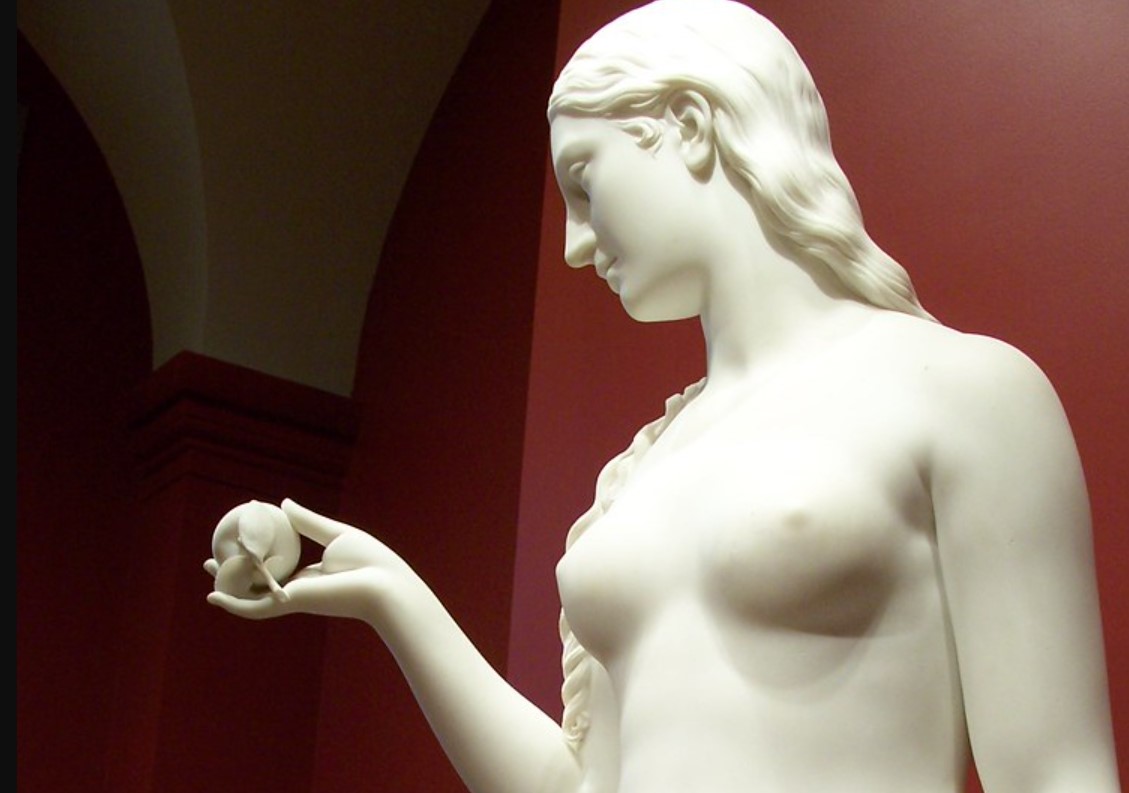
Eva ha una mela nella mano sinistra che ricade verso il basso mentre contempla l’altro pomo sostenuto con la destra.
Sebbene il pubblico americano nell’Ottocento fosse incline a pensare che il corpo nudo fosse qualcosa di scandaloso, Powers che aveva avuto modo di studiare a lungo in Italia i grandi maestri del passato non si faceva intimorire dal bigottismo sostenendo che vestire Eva sarebbe stato assurdo già che la stessa si sentì nuda solamente dopo essere caduta nel peccato, non prima.
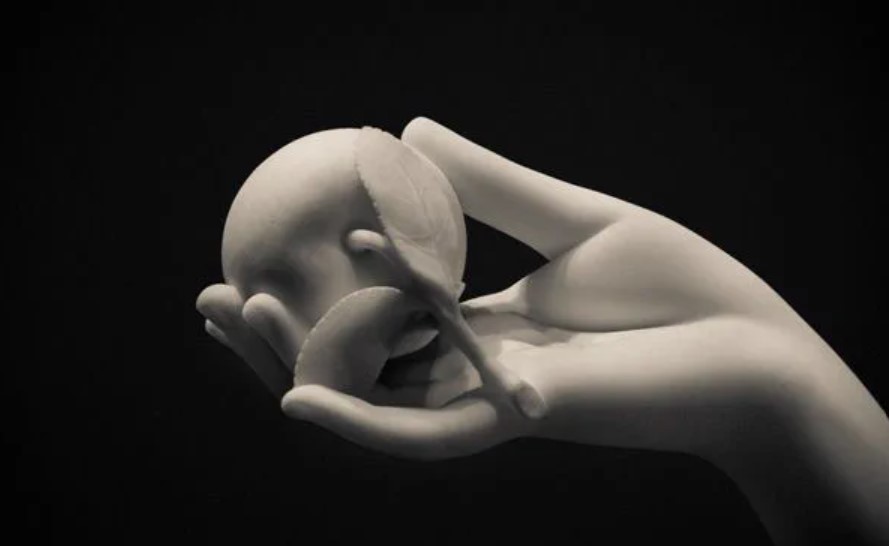
L’espressione fortemente pensierosa che segna il volto di Eva anticipa le conseguenze che subirà dopo aver assaggiato la mela della discordia.
Il serpente che oramai sembra abbia portato a termine il suo compito, sta scivolando via dalla scena mentre le sue spire sono ancora ben visibili sul broncone che aiuta a scaricare e distribuire il peso dell’opera verso il basso, finemente decorato con foglie di edera che sembrano mosse dal venticello.
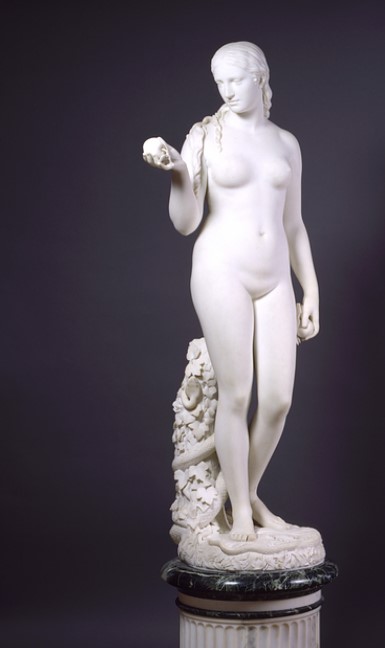
Ben lontana dal successo che riscosse poi la Schiava Greca di Powers, questa opera fu accolta non proprio benissimo nella patria dello scultore proprio per la sua integrale nudità che fece indignare i puritani.

Nato a Woodstock il 29 luglio del 1805 da una famiglia di contadini, Hiram Powers divenne uno degli scultori neoclassici più apprezzati degli Stati Uniti soprattutto dopo il suo arrivo a Firenze nel 1837 dove aprì il suo studio e che scelse come sua residenza per il resto della vita.

Per vedere con i vostri occhi la scultura di Eva Tentata di Hiram Powers dovete andare allo Smithsonian American Art Museum, a Washington.
Per il momento il vostro Michelangelo Buonarroti vi saluta dandovi appuntamento ai prossimi post e sui social.

Sculpture of the day: Tempted Eve by Hiram Powers
The sculpture of the day that I propose to you today is Eva Temptata modeled between 1839 and 1842 by Hiram Powers and sculpted by him in his studio in Florence a few years later, between 1873 and 1877.
This work was the first full-length idealized sculpture created by the American artist and shows Eve who has just been led into temptation by the serpent.
Eve has an apple in her left hand which falls down as she contemplates the other apple supported with her right.
Although the American public in the nineteenth century was inclined to think that the naked body was something scandalous, Powers who had had the opportunity to study the great masters of the past in Italy for a long time did not let himself be intimidated by bigotry, arguing that dressing Eve would have already been absurd that she felt naked only after falling into sin, not before.
The strongly thoughtful expression that marks Eva’s face anticipates the consequences that she will suffer after having tasted the apple of contention.
The snake, which by now seems to have completed its task, is slipping away from the scene while its coils are still clearly visible on the stem which helps to unload and distribute the weight of the work downwards, finely decorated with ivy leaves which they seem to be moved by the breeze.
Far from the success that Powers’ Greek Slave later enjoyed, this work was not exactly well received in the sculptor’s homeland precisely because of its complete nudity which made the Puritans indignant.
Born in Woodstock on July 29, 1805 into a peasant family, Hiram Powers became one of the most appreciated neoclassical sculptors in the United States especially after his arrival in Florence in 1837 where he opened his studio and which he chose as his residence for the rest of his life. life.
To see Hiram Powers’ Eva Tempted sculpture with your own eyes, you’ll have to go to the Smithsonian American Art Museum, in Washington.
For the moment, your Michelangelo Buonarroti greets you by making an appointment for the next posts and on social media.

Sostienici – Support Us
Se questo blog ti piace e ti appassiona, puoi aiutarci a farlo crescere sempre più sostenendoci in modo concreto condividendo i post, seguendo le pagine social e con un contributo che ci aiuta ad andare avanti con il nostro lavoro di divulgazione. . ENGLISH: If you like and are passionate about this blog, you can help us make it grow more and more by supporting us in a concrete way by sharing posts, following social pages and with a contribution that helps us to move forward with our dissemination work.
8,00 €
-
Artemisia Gentileschi a Firenze: la storia, le opere e la mostra agli Innocenti fino al 2027
🇮🇹Artemisia Gentileschi a Firenze: dalle commissioni dei Medici all’Allegoria dell’Inclinazione di Casa Buonarroti. La storia e la mostra agli Innocenti… 🇬🇧Artemisia Gentileschi in Florence: from commissions by the Medici to the *Allegory of Inclination* at Casa Buonarroti. The story and the exhibition at the Ospedale degli Innocenti…
-
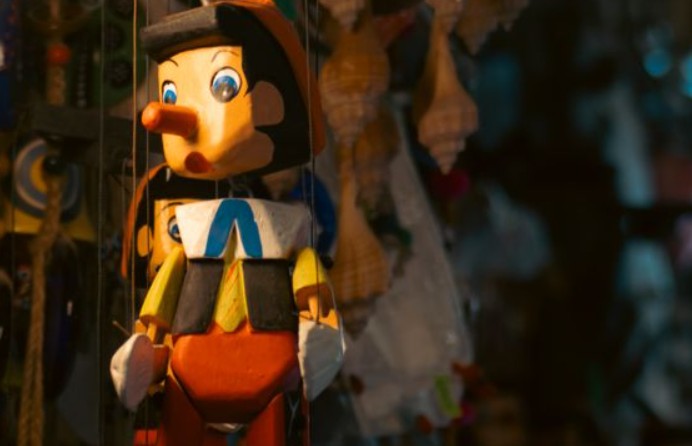
26 ottobre 1890: muore Carlo Collodi, lo scrittore toscano che inventò Pinocchio
Il 26 ottobre 1890 moriva a Firenze Carlo Collodi, autore di Pinocchio. Dalla prima pubblicazione nel 1881 al successo mondiale del burattino…
-
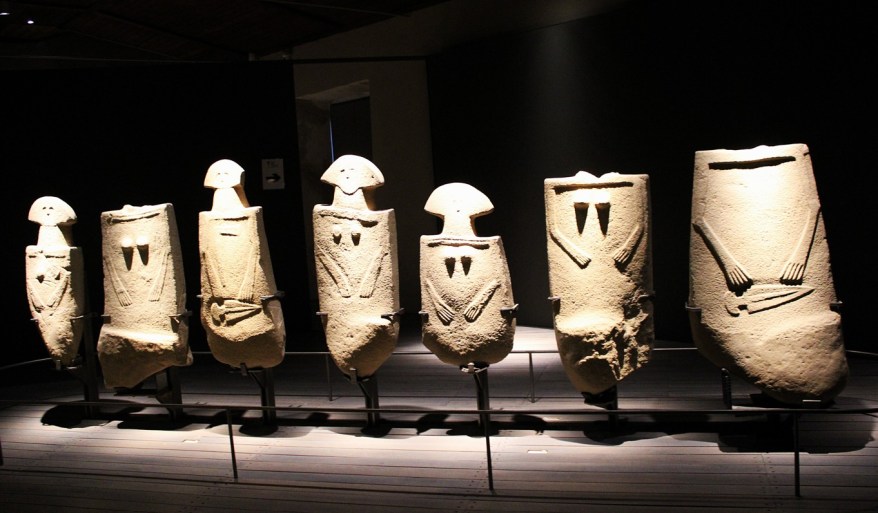
I musei meno conosciuti della Toscana che meritano una visita: 10 province, 10 luoghi da scoprire
🇮🇹Dalle statue stele della Lunigiana alle antiche botteghe artigiane, passando per case-museo, collezioni insolite e testimonianze della vita quotidiana: ecco dieci musei da visitare in Toscana, uno per ogni provincia, per scoprire un patrimonio artistico e culturale che va ben oltre le mete più famose… 🇬🇧From the stele statues of Lunigiana to ancient artisan workshops—not…
Condividi:


Questo sono io




sostienici

Sostienici – Support Us
Se questo blog ti piace e ti appassiona, puoi aiutarci a farlo crescere sempre più sostenendoci in modo concreto condividendo i post, seguendo le pagine social e con un contributo che ci aiuta ad andare avanti con il nostro lavoro di divulgazione. . ENGLISH: If you like and are passionate about this blog, you can help us make it grow more and more by supporting us in a concrete way by sharing posts, following social pages and with a contribution that helps us to move forward with our dissemination work.
€10,00


