
Quando scappai a Venezia per colpa di Malatesta Baglioni
Dopo poche settimane dal mio rientro a Firenze da Ferrara, mandato a studiare le fortificazioni della città, lasciai la città scappando alla volta di Venezia con l’intenzione di proseguire oltralpe, in Francia.
In una lettera non datata ma scritta alla fine di settembre del 1529 a Giovanni Battista della Palla, misi nero su bianco che avevo oramai lasciato alle spalle Firenze con l’intenzione di arrivare in Francia. I pericoli che avrei dovuto affrontare attraversando la Germania però mi avevano fatto dubitare fosse una buona idea e gli chiedevo di accompagnarmi fin là.

In fondo lui aveva già avuto a che fare con la corte di Francesco I e sapeva muoversi bene in Francia. Era infatti incaricato dal re di procurargli meravigliose opere d’arte e sempre lui anni prima aveva anni prima avuto contatti con me per quell’Ercole in marmo che scolpii, da tempo dato per perduto.
Siccome però ero assai diffidente con chi non conoscevo a menadito, scrissi al Palla di aver abbandonato Firenze in modo assai improbabile.
Gli raccontai di aver incontrato un perfetto sconosciuto mentre stavo lavorando alle fortificazioni della città nei pressi di porta San Niccolò. Il tale mi raccomandò di scappare al più presto di lì. Addirittura gli dissi che lo stesso uomo m’aveva procurato i cavalli per la fuga.

Ora provate a immaginatevi la scena. Un individuo qualsiasi vi dice di abbandonare seduta stante la vostra città e vi offre anche i mezzi per farlo così, senza avere niente in cambio. Seguireste sue parole? Eh no, non ero certo il tipo che si fidava del primo che passava. Quella versione dei fatti che io stesso raccontai faceva acqua da tutte le parti.
Una ventina d’anni dopo però, Giovan Battista Busini, diede una spiegazione molto più realistica e calzante, totalmente differente da quella che avevo fornito al Palla.
Me ne andai quando Malatesta Baglioni prese il comando della difesa di Firenze. Non ebbi mai stima di quel condottiero. Addirittura aveva lasciato l’artiglieria al di fuori delle mura: o che modo era quello di difendere la città?
Chiesi delucidazioni in merito ma un altro comandante mi disse che quel Malatesta aveva una lunga storia di famiglia fatta di traditori. Firenze non si meritava quel farabutto e nemmen io.
Per il momento il vostro Michelangelo Buonarroti vi saluta dandovi appuntamento ai prossimi post e sui social.
When I escaped to Venice because of Malatesta Baglioni
A few weeks after my return to Florence from Ferrara, sent to study the city’s fortifications, I left the city and fled to Venice with the intention of continuing beyond the Alps, in France.
In an undated letter written at the end of September 1529 to Giovanni Battista della Palla, I stated in black and white that I had now left Florence behind with the intention of arriving in France. However, the dangers I would have had to face crossing Germany made me doubt it was a good idea and I asked him to accompany me there.
After all, he had already had dealings with the court of Francis I and knew how to move well in France. In fact, he was commissioned by the king to get him wonderful works of art and he had always had contact with me years earlier for that Hercules in marble that I sculpted, long since considered lost.
However, since I was very wary of people I didn’t know by heart, I wrote to Palla that I had abandoned Florence in a very improbable way.
I told him that I had met a complete stranger while I was working on the city fortifications near Porta San Niccolò. The guy advised me to get away from there as soon as possible. I even told him that the same man had gotten me the horses for my escape.
Now try to imagine the scene. Any individual tells you to leave your city immediately and also offers you the means to do so, without having anything in return. Would you follow his words? Eh no, I was certainly not the type who trusted the first one who passed by. That version of events that I myself told leaked from all sides.
About twenty years later, however, Giovan Battista Busini gave a much more realistic and fitting explanation, totally different from the one I had given to Palla.
I left when Malatesta Baglioni took command of the defense of Florence. I never had any respect for that leader. Even he had left the artillery outside the walls: or what way was there to defend the city?
I asked for clarifications on the matter but another commander told me that that Malatesta had a long family history made up of traitors. Florence didn’t deserve that scoundrel and neither did I.
For the moment, your Michelangelo Buonarroti greets you by making an appointment for the next posts and on social media.

Sostienici – Support Us
Se questo blog ti piace e ti appassiona, puoi aiutarci a farlo crescere sempre più sostenendoci in modo concreto condividendo i post, seguendo le pagine social e con un contributo che ci aiuta ad andare avanti con il nostro lavoro di divulgazione. . ENGLISH: If you like and are passionate about this blog, you can help us make it grow more and more by supporting us in a concrete way by sharing posts, following social pages and with a contribution that helps us to move forward with our dissemination work.
8,00 €
-
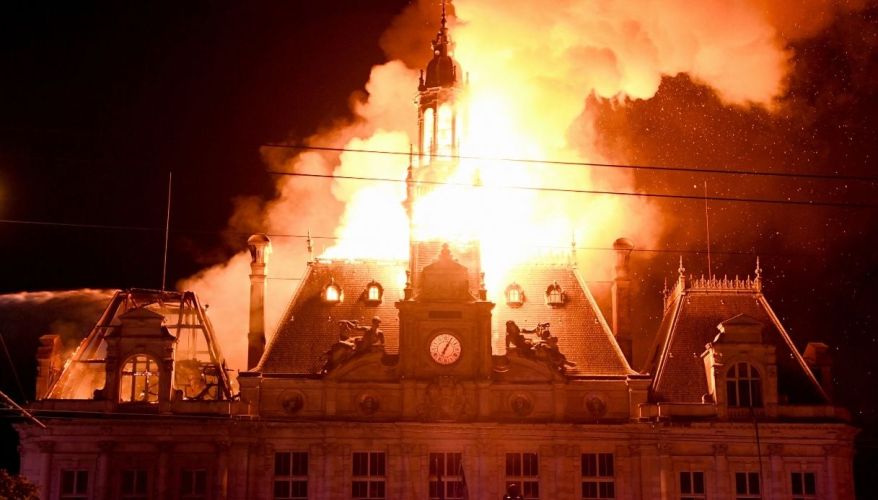
Incendio al municipio di Limoges, crolla la torre dell’orologio: distrutto storico palazzo dell’Ottocento
🇮🇹Incendio a Limoges, il municipio storico è devastato: crollano il tetto e la torre dell’orologio alta 43 metri. Che cosa resta del patrimonio artistico? 🇬🇧Fire in Limoges: the historic town hall is devastated, with its roof and 43-meter-tall clock tower having collapsed. What remains of its artistic heritage?
-
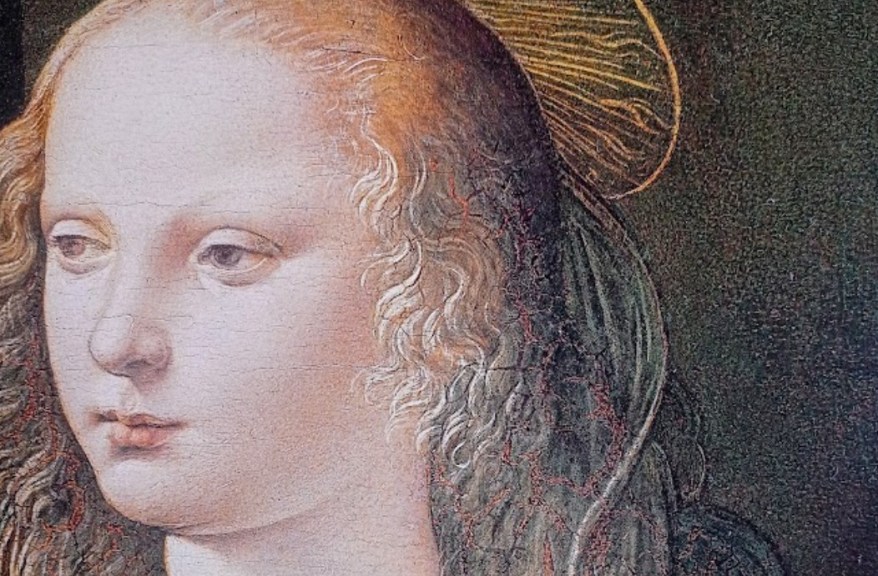
Prima di Gesù Bambino viene l’Annunciazione: i dipinti che raccontano l’inizio della storia di Natale
🇮🇹Prima di Gesù Bambino c’è l’Annunciazione: scopri i dipinti più celebri di Leonardo, Beato Angelico e Simone Martini e i simboli nascosti nell’arte cristiana… 🇬🇧Before the Christ Child comes the Annunciation: discover the most famous paintings by Leonardo, Fra Angelico, and Simone Martini, and the symbols hidden within Christian art…
-
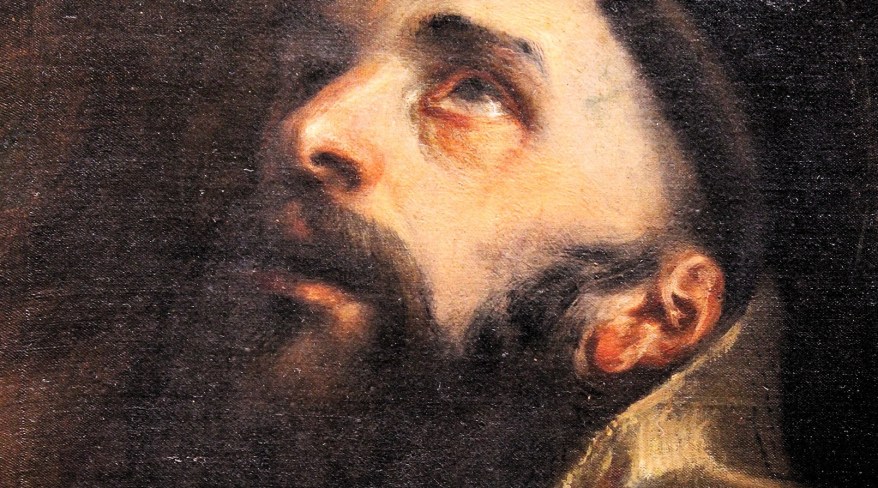
Lo sguardo di San Francesco che emerge dal buio: il dipinto di Annibale Carracci
🇮🇹C’è uno sguardo, nel dipinto di Annibale Carracci, che sembra cercare qualcosa oltre ciò che possiamo vedere: è quello di San Francesco d’Assisi, ritratto con gli occhi rivolti al cielo… 🇬🇧In Annibale Carracci’s painting, there is a gaze that seems to be searching for something beyond what we can see: it is the gaze of…
Condividi:


Questo sono io




sostienici

Sostienici – Support Us
Se questo blog ti piace e ti appassiona, puoi aiutarci a farlo crescere sempre più sostenendoci in modo concreto condividendo i post, seguendo le pagine social e con un contributo che ci aiuta ad andare avanti con il nostro lavoro di divulgazione. . ENGLISH: If you like and are passionate about this blog, you can help us make it grow more and more by supporting us in a concrete way by sharing posts, following social pages and with a contribution that helps us to move forward with our dissemination work.
€10,00


