

Uno sguardo basta a cambiare un destino
Se mai alcuno credette che il marmo fosse la mia sola materia, errò. Più duro del marmo è il cuore quando si difende dall’amore; e più fragile del vetro quando uno sguardo lo attraversa.
Così nacque questo madrigale, composto attorno al 1543, negli anni della mia piena maturità, quando ormai il tempo aveva consumato il corpo ma non la capacità di sentire.
In questi versi non canto un amore giovanile, impetuoso e inconsapevole. Racconto invece il prodigio di un’anima che, credendosi ormai spenta come un tronco secco, scopre di poter rifiorire ancora grazie alla bellezza di chi ama.
Mestier non era all’alma tuo beltate
legar me vinto con alcuna corda;
ché, se ben mi ricorda,
sol d’uno sguardo fui prigione e preda:
c’alle gran doglie usate
forz’è c’un debil cor subito ceda.
Ma chi fie ma’ che ’l creda,
preso da’ tuo begli occhi in brevi giorni,
un legno secco e arso verde torni?

Così scrissi in questi versi
Non era necessario che la tua divina bellezza mi legasse con catene, perché ero già completamente sconfitto dall’amore.
Se ricordo bene, infatti, mi bastò un solo tuo sguardo per diventare insieme prigioniero e conquista.
Del resto, un cuore debole, già abituato ai grandi tormenti dell’amore, è inevitabile che si arrenda immediatamente.
Ma chi potrebbe mai credere che, in così poco tempo, catturato dai tuoi splendidi occhi, un uomo ormai invecchiato e consumato dalle passioni, come un legno secco e bruciato, possa tornare di nuovo verde e pieno di vita?
Uno sguardo basta a cambiare un destino
In questo madrigale non sono le corde a imprigionare l’innamorato. La vera forza è lo sguardo.
L’immagine iniziale rovescia il linguaggio tradizionale dell’amore cortese: Cupido non ha bisogno delle sue frecce né delle sue catene. L’io poetico era già sconfitto prima ancora di essere catturato.
Lo sguardo dell’amata diventa così il solo strumento capace di conquistare definitivamente l’anima.

Il cuore è debole perché ha già sofferto
Quando affermo che il cuore è “abituato alle grandi doglie”, riconosco che l’amore non è un’esperienza nuova.
Le “gran doglie usate” indicano i continui tormenti amorosi che ho avuto modo di vivere nel corso della vita. Per questo motivo il mio cuore, ormai provato, non oppone più resistenza: cede immediatamente.
L’esperienza non rende più forti, ma più vulnerabili.
Il miracolo del legno secco che torna verde
L’ultima immagine è la più potente dell’intero componimento.
Il “legno secco e arso” rappresenta me, ormai anziano. È una metafora della vecchiaia e di un’esistenza già consumata dalle passioni precedenti.
Eppure accade qualcosa di sorprendente.
L’amore possiede una forza rigeneratrice tanto intensa da far rifiorire persino ciò che sembrava definitivamente morto.
Il legno torna verde.
Non si tratta soltanto di una rinascita sentimentale, ma anche spirituale: l’amore restituisce energia, speranza e capacità di vivere.
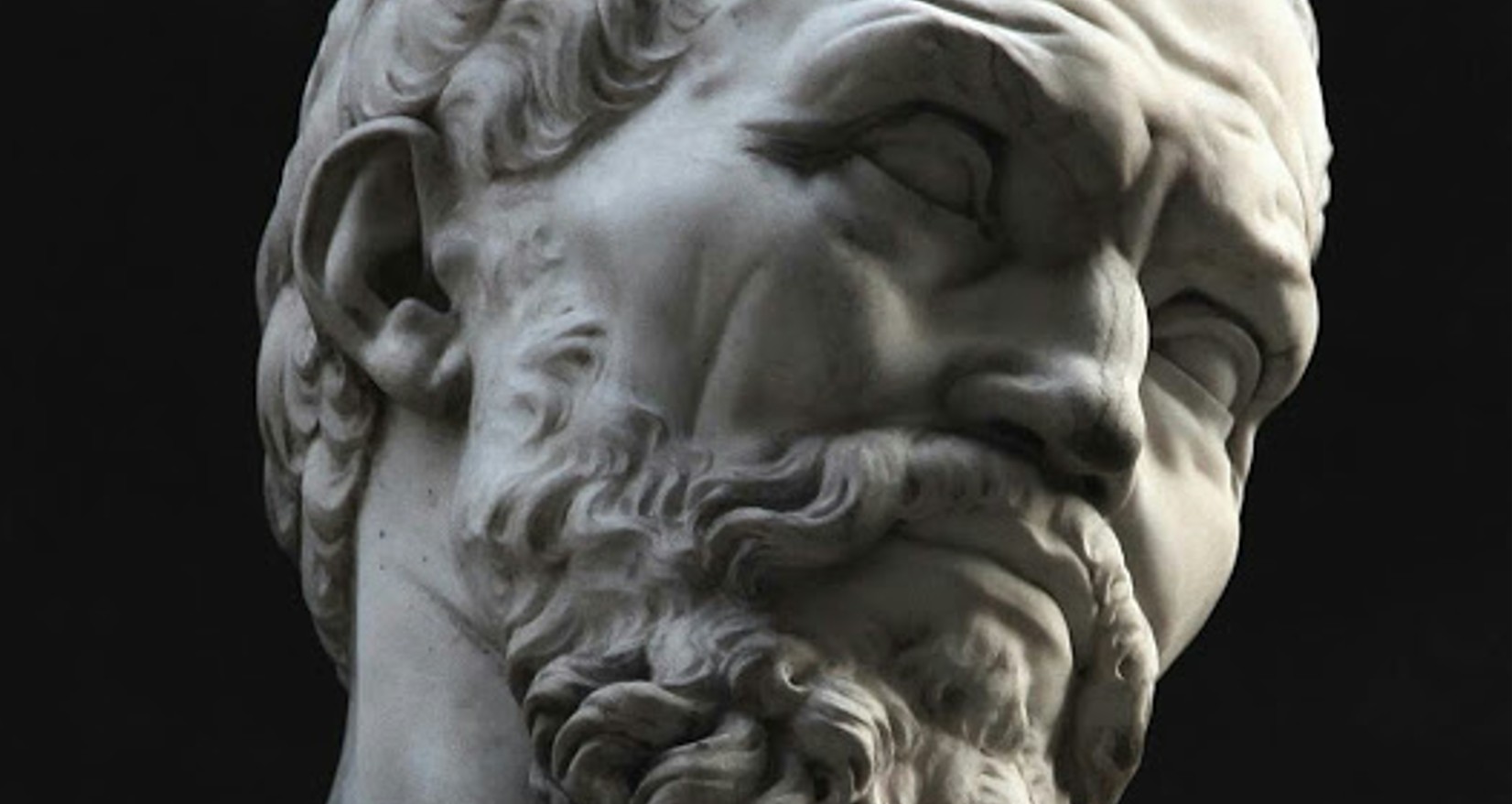
I richiami a Dante e Petrarca
In questi versi attingo apertamente dai grandi maestri della letteratura italiana.
L’espressione “Mestier non era” richiama Dante (Purgatorio, III, v. 39: «mestier non era parturir Maria»), utilizzando una formula che significa “non era necessario”.
Il verso “Ma chi fie ma’ che ‘l creda” riprende invece Petrarca (Rerum vulgarium fragmenta, CXXIX, v. 49: «or chi fia che mi ‘l creda?»), sottolineando lo stupore davanti a un evento apparentemente impossibile.
Attraverso questi richiami, il madrigale si inserisce nella grande tradizione poetica italiana anche se con uno stile mio, del tutto personale.
Per il momento il sempre vostro Michelangelo Buonarroti vi saluta dandovi appuntamento ai prossimi post e sui social.
A glance is enough to change a destiny
If anyone ever believed that marble was my only material, they were wrong. Harder than marble is the heart when it defends itself from love; and more fragile than glass when a gaze pierces it.
Thus was born this madrigal, composed around 1543, in the years of my full maturity, when time had already consumed the body but not the capacity to feel.
In these verses I do not sing of youthful, impetuous, and unaware love. Instead, I recount the wonder of a soul that, believing itself dead as a dry trunk, discovers it can flourish again thanks to the beauty of the one it loves.
So I wrote in these verses
It was not necessary for your divine beauty to bind me with chains, because I was already completely defeated by love.
In fact, if I remember correctly, a single glance from you was enough for me to become both prisoner and conqueror.
After all, a weak heart, already accustomed to the great torments of love, inevitably gives up immediately.
But who could ever believe that, in such a short time, captured by your beautiful eyes, a man now aged and consumed by passions, like dry and burned wood, could once again become green and full of life?
One look is enough to change a destiny
In this madrigal, it is not ropes that imprison the lover. True strength is the gaze.
The opening image reverses the traditional language of courtly love: Cupid has no need of his arrows or his chains. The poetic self was already defeated even before being captured.
The gaze of the beloved thus becomes the only instrument capable of definitively conquering the soul.
The heart is weak because it has already suffered.
When I say that the heart is “accustomed to great pangs,” I recognize that love is not a new experience.
The “great, used pains” indicate the constant torments of love I have experienced throughout my life. For this reason, my heart, now worn out, no longer offers resistance: it gives in immediately.
Experience does not make you stronger, but more vulnerable
The miracle of the dry wood that turns green again
The last image is the most powerful in the entire poem.
The “dry and burnt wood” represents me, now elderly. It is a metaphor for old age and a life already consumed by previous passions.
And yet, something surprising happens.
Love possesses a regenerative power so intense that it makes even what seemed definitively dead flourish again.
The wood turns green again.
It is not only a sentimental rebirth, but also a spiritual one: love restores energy, hope, and the ability to live.
References to Dante and Petrarch
In these verses, I openly draw from the great masters of Italian literature.
The expression “It was not a matter” harks back to Dante (Purgatory, III, v. 39: “It was not a matter for Mary to give birth”), using a formula that means “it was not necessary.”
The line “But who will believe it?” harks back to Petrarch (Rerum vulgarium fragmenta, CXXIX, v. 49: “Or chi fia che mi ‘l creda?”), emphasizing the astonishment at a seemingly impossible event.
Through these references, the madrigal fits into the great Italian poetic tradition, albeit with its own, entirely personal style.
For now, yours truly, Michelangelo Buonarroti bids farewell and invites you to join him in future posts and on social media.

Sostienici – Support Us
Se questo blog ti piace e ti appassiona, puoi aiutarci a farlo crescere sempre più sostenendoci in modo concreto condividendo i post, seguendo le pagine social e con un contributo che ci aiuta ad andare avanti con il nostro lavoro di divulgazione. . ENGLISH: If you like and are passionate about this blog, you can help us make it grow more and more by supporting us in a concrete way by sharing posts, following social pages and with a contribution that helps us to move forward with our dissemination work.
10,00 €
Condividi:


Questo sono io




sostienici

Sostienici – Support Us
Se questo blog ti piace e ti appassiona, puoi aiutarci a farlo crescere sempre più sostenendoci in modo concreto condividendo i post, seguendo le pagine social e con un contributo che ci aiuta ad andare avanti con il nostro lavoro di divulgazione. . ENGLISH: If you like and are passionate about this blog, you can help us make it grow more and more by supporting us in a concrete way by sharing posts, following social pages and with a contribution that helps us to move forward with our dissemination work.
€10,00


