

Non la bellezza, ma la pietà del cuore
Vi è una verità che ho appreso contemplando la bellezza: ciò che è davvero bello non può essere privo di pietà.
Quando scrissi questi versi, non intendevo soltanto lodare il volto della donna amata. La sua bellezza, infatti, non era per me una semplice perfezione esteriore. Se ella era così bella, non poteva che essere anche misericordiosa, capace di provare compassione e amore.
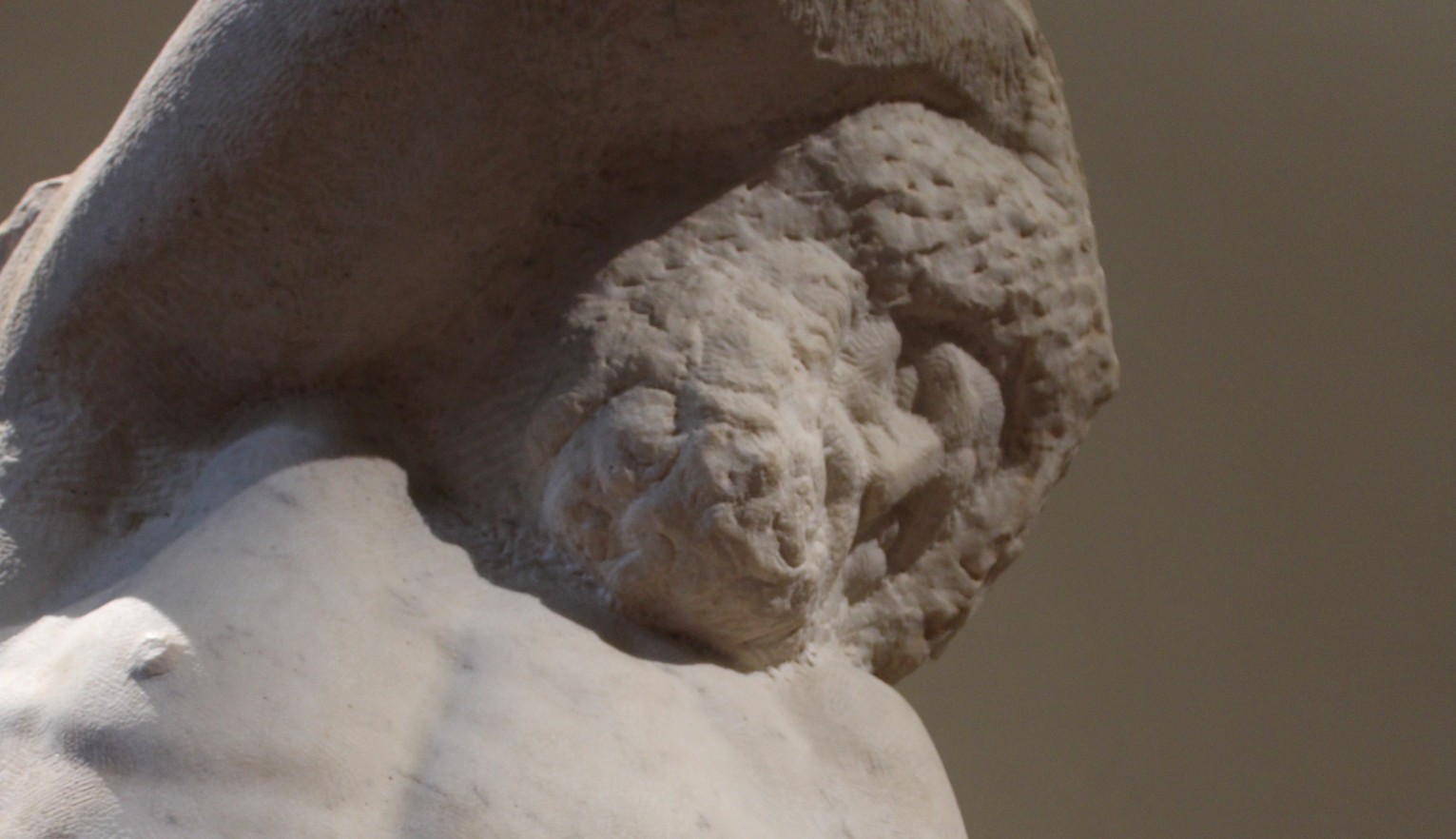
Eppure proprio questa pietà, che tanto desideravo, era anche la causa della mia sofferenza.
«Essendo poi tutta mia, non può non distruggermi e consumarmi.»
L’amore autentico non lascia indenni. Quando si ama profondamente, il cuore si consuma come cera al fuoco. La dolcezza dell’essere amati e il tormento del desiderio convivono nella stessa fiamma.
La sua pietà e la sua bellezza procedono insieme durante la vita terrena. Ma entrambe sono destinate a finire nel momento in cui il corpo verrà meno. Quando il suo bel volto scomparirà dalla terra, anche quella pietà che confortava il mio cuore ardente cesserà di esistere.
È qui che il mio pensiero si volge oltre la morte.
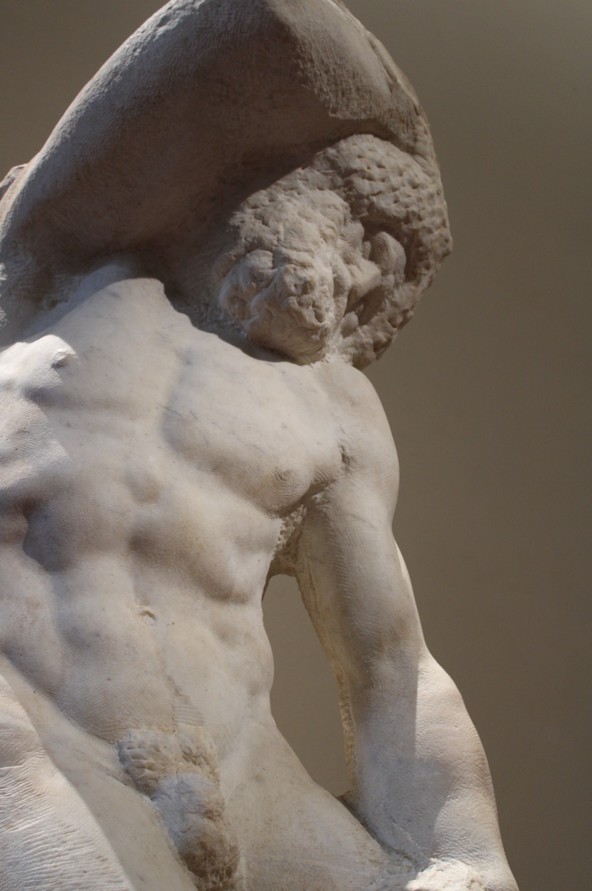
Secondo l’antica sapienza platonica, l’anima, sciolta dai vincoli del corpo, ritorna alla stella dalla quale ha avuto origine. Non è una fine, ma un ritorno. Lo spirito ascende verso la sua vera dimora per contemplare Dio, il Signore che rende eterni tutti gli uomini: alcuni nella gioia del Paradiso, altri nel dolore eterno.
Davanti a questa prospettiva, la mia preghiera diventa semplice e profonda.
Chiedo a Dio che il mio corpo, pur brutto e imperfetto rispetto alla straordinaria bellezza della donna amata, possa essere accolto accanto a lei anche in Paradiso.
Non domando questo per merito della mia apparenza. Al contrario, riconosco tutta la distanza che separa la mia figura dalla sua perfezione. Tuttavia rivendico un’altra ricchezza, più preziosa della bellezza esteriore: la nobiltà del cuore.
Per questo il madrigale si chiude con un’affermazione che racchiude il senso dell’intero componimento:
«Un cuore pietoso vale quanto un bel viso.»
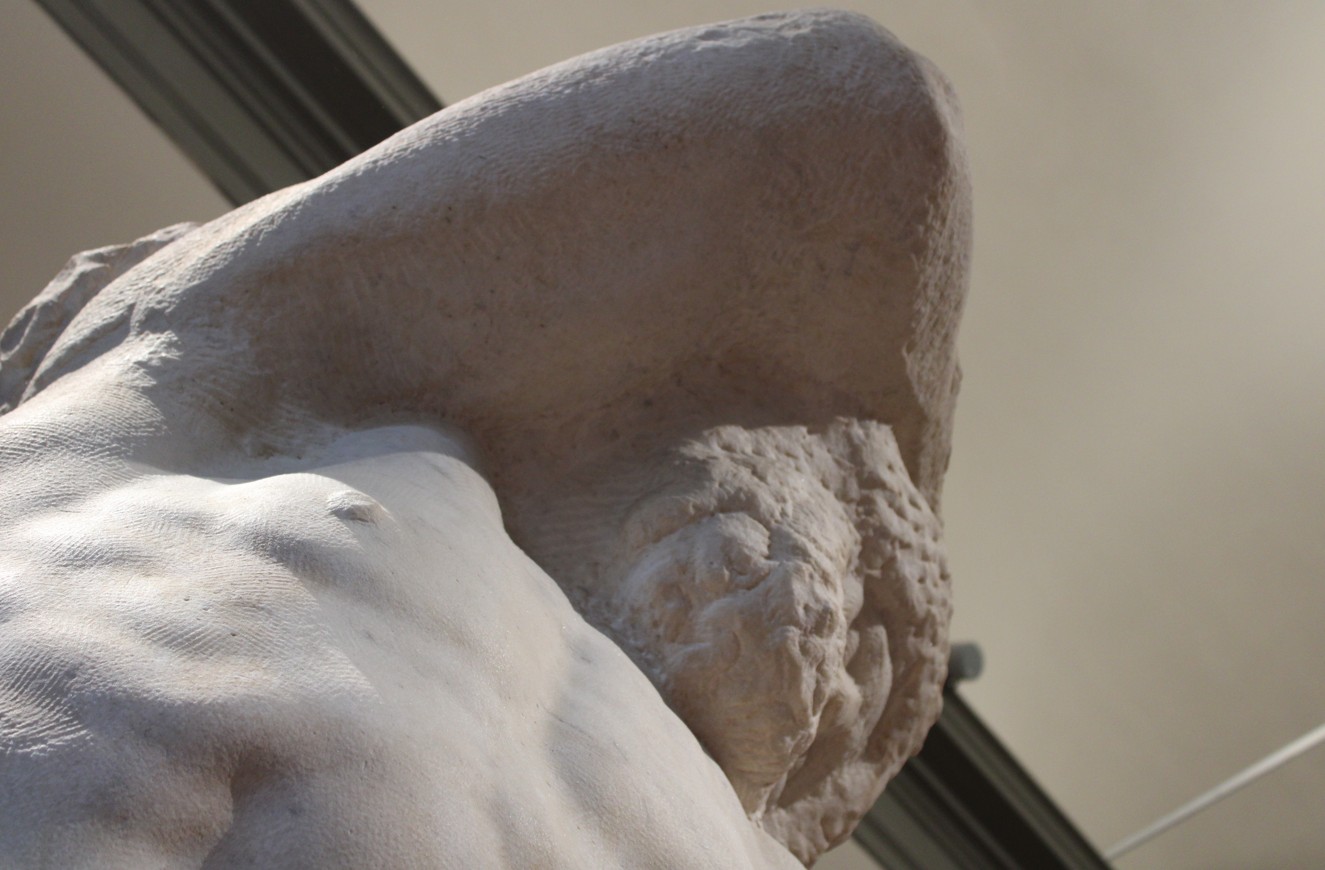
La vera grandezza dell’uomo non risiede nei lineamenti del volto, destinati a sfiorire con il tempo. Ciò che può accompagnarci nell’eternità è la qualità dell’anima, la capacità di amare, di provare compassione, di elevare il proprio spirito verso il bene.
La bellezza conquista gli occhi, ma la pietà salva il cuore.
Ed è questa, ancora oggi, la lezione che affido ai miei versi.
Come non puoi non esser cosa bella,
esser non puoi che pietosa non sia;
sendo po’ tutta mia,
non puo’ poter non mi distrugga e stempre.
Così durando sempre
mie pietà pari a tua beltà qui molto,
la fin del tuo bel volto
in un tempo con ella
fie del mie ardente core.
Ma poi che ’l spirto sciolto
ritorna alla suo stella,
a fruir quel signore
ch’e’ corpi a chiunche muore
eterni rende o per quiete o per lutto;
priego ’l mie, benché brutto,
com’è qui teco, il voglia in paradiso:
c’un cor pietoso val quant’un bel viso.
Per i momento il sempre vostro Michelangelo Buonarroti vi saluta dandovi appuntamento ai prossimi post e sui social.
Not Beauty, But Mercy of the Heart
There is a truth I learned from contemplating beauty: what is truly beautiful cannot be devoid of mercy.
When I wrote these verses, I didn’t mean merely to praise the face of the woman I loved. Her beauty, in fact, was not for me merely external perfection. If she was so beautiful, she could not help but be merciful, capable of compassion and love.
Yet this very mercy, which I so longed for, was also the cause of my suffering.
“Being all mine, it cannot fail to destroy and consume me.”
True love leaves no one unscathed. When one loves deeply, the heart is consumed like wax in a fire. The sweetness of being loved and the torment of desire coexist in the same flame.
Her mercy and her beauty proceed together during earthly life. But both are destined to end the moment the body fails. When her beautiful face disappears from the earth, even the pity that comforted my burning heart will cease to exist.
It is here that my thoughts turn beyond death.
According to ancient Platonic wisdom, the soul, freed from the bonds of the body, returns to the star from which it originated. It is not an end, but a return. The spirit ascends toward its true home to contemplate God, the Lord who makes all men eternal: some in the joy of Heaven, others in eternal pain.
Before this prospect, my prayer becomes simple and profound.
I ask God that my body, however ugly and imperfect compared to the extraordinary beauty of the woman I love, may be welcomed beside her in Heaven too.
I ask this not because of my appearance. On the contrary, I recognize the entire distance that separates my figure from her perfection. However, I claim another richness, more precious than external beauty: the nobility of the heart.
For this reason, the madrigal ends with a statement that encapsulates the meaning of the entire poem:
“A compassionate heart is worth as much as a beautiful face.”
Man’s true greatness does not lie in facial features, which fade with time. What can accompany us into eternity is the quality of the soul, the capacity to love, to feel compassion, to elevate one’s spirit toward goodness.
Beauty captivates the eyes, but compassion saves the heart.
And this, even today, is the lesson I entrust to my verses.
Come non puoi non esser cosa bella,
esser non puoi che pietosa non sia;
sendo po’ tutta mia,
non puo’ poter non mi distrugga e stempre.
Così durando sempre
mie pietà pari a tua beltà qui molto,
la fin del tuo bel volto
in un tempo con ella
fie del mie ardente core.
Ma poi che ’l spirto sciolto
ritorna alla suo stella,
a fruir quel signore
ch’e’ corpi a chiunche muore
eterni rende o per quiete o per lutto;
priego ’l mie, benché brutto,
com’è qui teco, il voglia in paradiso:
c’un cor pietoso val quant’un bel viso.
For now, yours truly, Michelangelo Buonarroti, bids farewell and invites you to join him in future posts and on social media.

Sostienici – Support Us
Se questo blog ti piace e ti appassiona, puoi aiutarci a farlo crescere sempre più sostenendoci in modo concreto condividendo i post, seguendo le pagine social e con un contributo che ci aiuta ad andare avanti con il nostro lavoro di divulgazione. . ENGLISH: If you like and are passionate about this blog, you can help us make it grow more and more by supporting us in a concrete way by sharing posts, following social pages and with a contribution that helps us to move forward with our dissemination work.
10,00 €
Condividi:


Questo sono io




sostienici

Sostienici – Support Us
Se questo blog ti piace e ti appassiona, puoi aiutarci a farlo crescere sempre più sostenendoci in modo concreto condividendo i post, seguendo le pagine social e con un contributo che ci aiuta ad andare avanti con il nostro lavoro di divulgazione. . ENGLISH: If you like and are passionate about this blog, you can help us make it grow more and more by supporting us in a concrete way by sharing posts, following social pages and with a contribution that helps us to move forward with our dissemination work.
€10,00


