
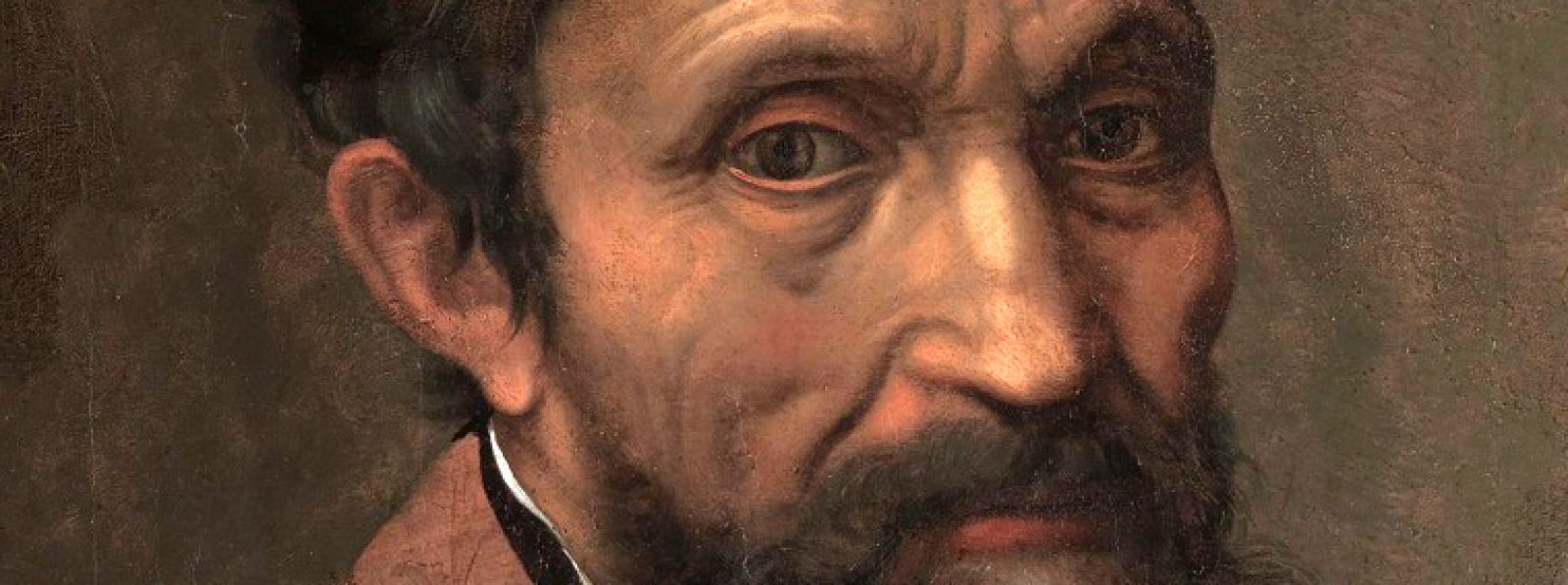
La frutta più bella mai dipinta
Da semplici mele a grappoli d’uva così realistici da ingannare gli uccelli, la frutta è stata una delle protagoniste più sorprendenti della storia dell’arte. Dietro ogni pesca vellutata, ogni melograno aperto o ogni cesta traboccante di fichi si nasconde un racconto fatto di simboli, tecnica e meraviglia visiva.
Alcuni artisti sono riusciti a trasformare un soggetto quotidiano in un capolavoro immortale, creando opere che ancora oggi incantano milioni di visitatori nei musei di tutto il mondo.
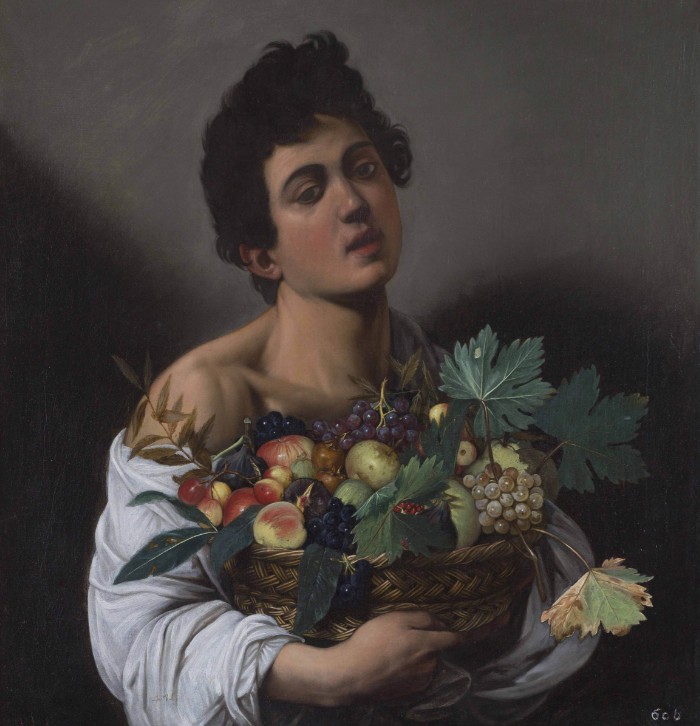
La canestra di frutta di Caravaggio: il realismo che cambiò la pittura
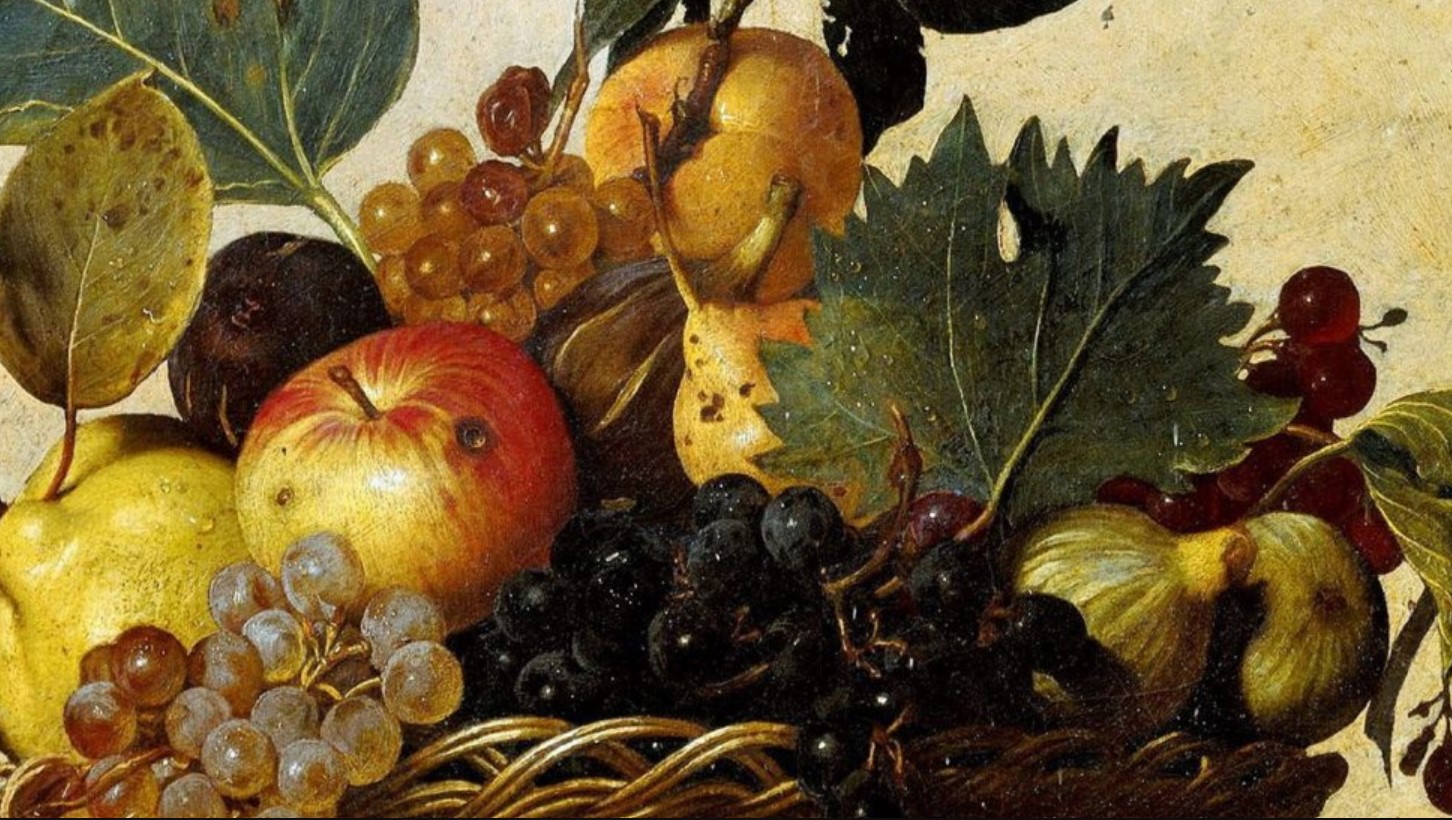
Tra le opere più celebri dedicate alla frutta spicca la “Canestra di frutta” di Caravaggio. Realizzata alla fine del Cinquecento, mostra mele, fichi, uva e pere con un livello di dettaglio rivoluzionario per l’epoca.
Le foglie secche, i piccoli difetti della buccia e i segni del tempo raccontano una verità rara nella pittura del periodo: la bellezza autentica della natura, anche nelle sue imperfezioni.
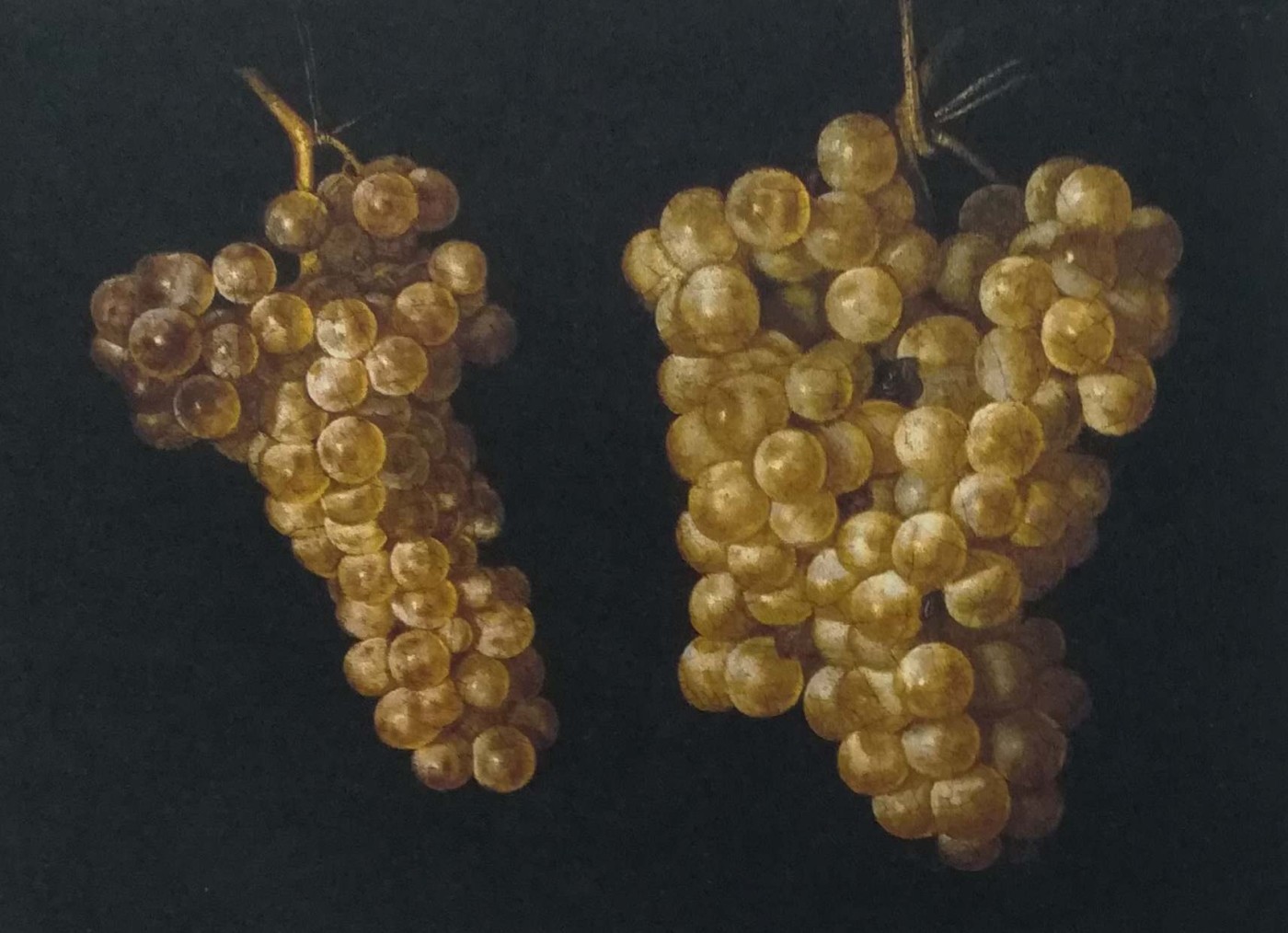
Le uve di Zeusi che ingannarono gli uccelli
La leggenda più famosa dell’arte antica riguarda Zeusi. Si racconta che avesse dipinto un grappolo d’uva così realistico da attirare veri uccelli, convinti di poterlo beccare.
Anche se l’opera è andata perduta, questa storia continua a essere uno dei simboli assoluti del trompe-l’œil e della ricerca del realismo nell’arte.
I melograni simbolici di Botticelli
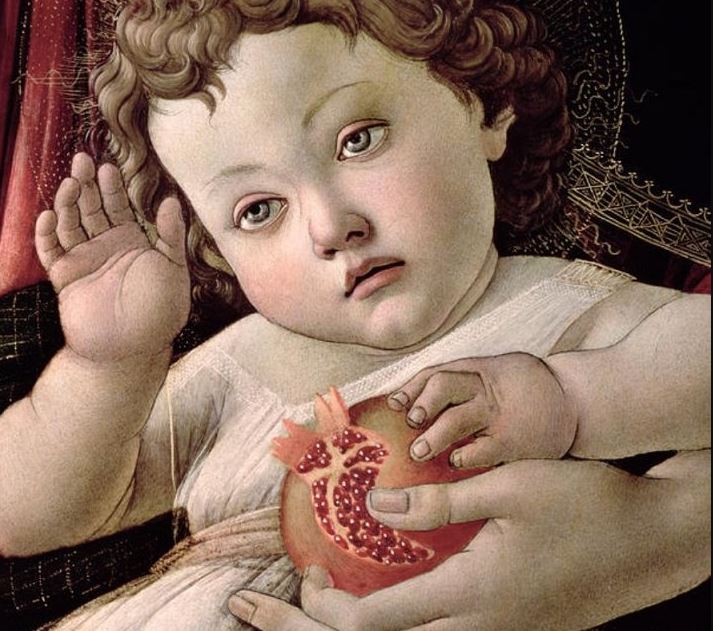
Nelle opere di Sandro Botticelli il melograno compare spesso come elemento simbolico. I suoi chicchi rossi rappresentavano fertilità, rinascita e spiritualità.
Uno dei casi più celebri è la “Madonna del Melograno”, dove il frutto diventa protagonista di una composizione raffinata e ricca di significati nascosti.
Le nature morte fiamminghe: quando la frutta diventò lusso
Tra Seicento e Settecento, i pittori delle Fiandre portarono la rappresentazione della frutta a livelli straordinari. Pesche, limoni, ciliegie e grappoli d’uva venivano dipinti con una precisione quasi fotografica.
Artisti come e Willem Kalf trasformarono semplici tavole imbandite in spettacoli di luce, colore e opulenza.

Cézanne e le mele che aprirono la strada all’arte moderna
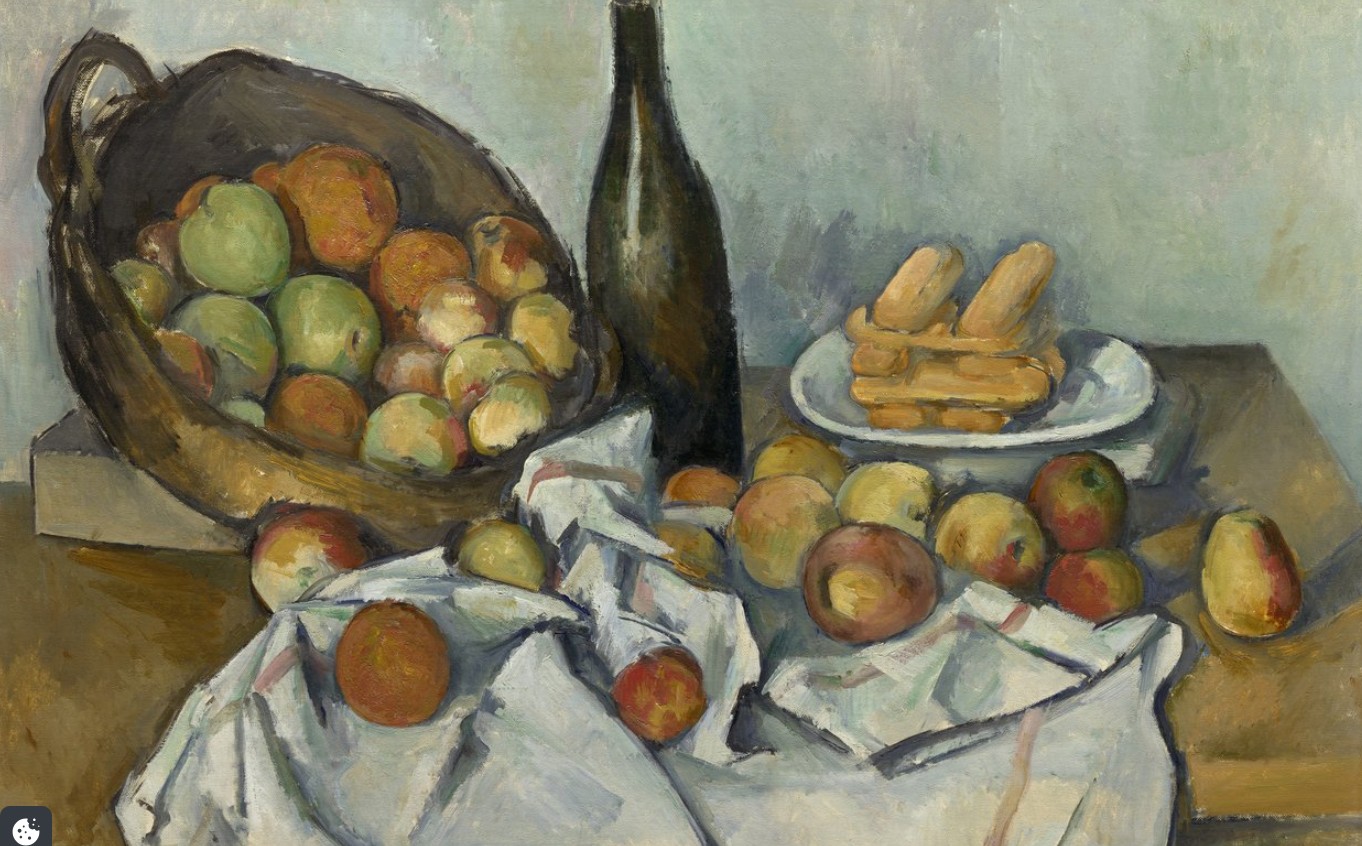
Se Caravaggio aveva rivoluzionato il realismo, Paul Cézanne cambiò il modo stesso di osservare la realtà.
Le sue celebri mele non erano soltanto frutti: diventavano forme geometriche, volumi e studi sulla percezione visiva. Molti storici dell’arte considerano queste opere il punto di partenza per il Cubismo e per gran parte dell’arte del Novecento.
Perché la frutta affascina ancora gli artisti?
La risposta è semplice: la frutta racchiude tutto ciò che rende potente l’arte. Colore, luce, texture, simbolismo e il passare del tempo.
Una mela può raccontare la caducità della vita. Un limone può diventare un esercizio di virtuosismo tecnico. Un grappolo d’uva può trasformarsi in una sfida al confine tra realtà e illusione.
Ed è forse proprio questo il motivo per cui, dopo secoli, le nature morte più celebri continuano a emozionare: ci ricordano che la bellezza può nascondersi anche negli oggetti più semplici della vita quotidiana.
Per il momento il sempre vostro Michelangelo Buonarroti vi saluta dandovi appuntamento ai prossimi post e sui social.
The Most Beautiful Fruit Ever Painted
From simple apples to bunches of grapes so lifelike they fool the birds, fruit has been one of the most surprising protagonists in the history of art. Behind every velvety peach, every open pomegranate, or every basket overflowing with figs lies a story of symbols, technique, and visual wonder.
Some artists have succeeded in transforming an everyday subject into an immortal masterpiece, creating works that still enchant millions of visitors in museums around the world.
Caravaggio’s Basket of Fruit: the realism that changed painting
Among the most famous works dedicated to fruit, Caravaggio’s “Basket of Fruit” stands out. Created at the end of the 16th century, it depicts apples, figs, grapes, and pears with a level of detail that was revolutionary for the time.
The dried leaves, small blemishes in the peel, and the signs of aging reveal a truth rare in the painting of the period: the authentic beauty of nature, even in its imperfections.
Zeuxis’ Grapes That Tricked the Birds
The most famous legend in ancient art concerns Zeuxis. It is said that he painted a bunch of grapes so realistic that it attracted real birds, believing they could peck them.
Although the work has been lost, this story continues to be one of the absolute symbols of trompe-l’oeil and the pursuit of realism in art.
Botticelli’s Symbolic Pomegranates
In Sandro Botticelli’s works, the pomegranate often appears as a symbolic element. Its red seeds represented fertility, rebirth, and spirituality.
One of the most famous examples is the “Madonna of the Pomegranate,” where the fruit becomes the protagonist of a refined composition rich in hidden meanings.
Flemish Still Lifes: When Fruit Became a Luxury Item
Between the 17th and 18th centuries, Flemish painters took the depiction of fruit to extraordinary heights. Peaches, lemons, cherries, and grapes were painted with almost photographic precision.
Artists like Jan Davidsz. de Heem and Willem Kalf transformed simple banquet tables into spectacles of light, color, and opulence.
Cézanne and the apples that paved the way for modern art
If Caravaggio revolutionized realism, Paul Cézanne changed the very way we observe reality.
His famous apples were more than just fruit: they became geometric shapes, volumes, and studies of visual perception. Many art historians consider these works the starting point for Cubism and much of twentieth-century art.
Why does fruit still fascinate artists?
The answer is simple: fruit embodies everything that makes art powerful: color, light, texture, symbolism, and the passage of time.
An apple can speak of the transience of life. A lemon can become an exercise in technical virtuosity. A bunch of grapes can become a challenge between reality and illusion.
And perhaps this is precisely why, after centuries, the most famous still lifes continue to move us: they remind us that beauty can be hidden even in the simplest everyday objects.
For now, yours truly, Michelangelo Buonarroti bids you farewell and says hello to future posts and social media.

Sostienici – Support Us
Se questo blog ti piace e ti appassiona, puoi aiutarci a farlo crescere sempre più sostenendoci in modo concreto condividendo i post, seguendo le pagine social e con un contributo che ci aiuta ad andare avanti con il nostro lavoro di divulgazione. . ENGLISH: If you like and are passionate about this blog, you can help us make it grow more and more by supporting us in a concrete way by sharing posts, following social pages and with a contribution that helps us to move forward with our dissemination work.
10,00 €
Condividi:


Questo sono io




sostienici

Sostienici – Support Us
Se questo blog ti piace e ti appassiona, puoi aiutarci a farlo crescere sempre più sostenendoci in modo concreto condividendo i post, seguendo le pagine social e con un contributo che ci aiuta ad andare avanti con il nostro lavoro di divulgazione. . ENGLISH: If you like and are passionate about this blog, you can help us make it grow more and more by supporting us in a concrete way by sharing posts, following social pages and with a contribution that helps us to move forward with our dissemination work.
€10,00


