

La brutta copia delle mie lettere d’amore
Talmente avevo a cuore il mio amato Tommaso, che quando gli scrivevo, preferivo farlo prima in brutta copia. Temevo le parole generate dall’impulso potessero in qualche modo offenderlo o piacergli non tanto quanto piacessero a me.
Rileggevo chissà quante volte il testo e poi, in una seconda stesura, cercavo di migliorarlo affinché potesse essere quanto di meglio avessi la facoltà di redigere.

Tanto lavoro non l’avrei certo fatto per nessun papa ma per qualcuno che amavo fin giù, nella midolla, sì.
Non mi credete?
Ebbene, quando presi carta e penna per scrivere a Tommaso in quel mercoledì 1 di gennaio del 1533 mi tremava la mano. E’ sempre un’ardua impresa dover mettere in parole quello che si ha nel cuore soprattutto se poi a leggere quel testo sarà chi quel cuore lo fa battere forte.
“Molto inconsideratamente mi misi a scrivere a Vostra Signoria, e fui il primo, prosuntuoso, a muovere, come se per risposta d’alcuna di quella, per debito l’avessi a fare; e tanto più ò dipoi conosciuto l’error mio, quante più ò letta e gustata, vostra mercé, la vostra…”

Di quella lettera però, leggendola e rileggendola non so quante volte, non ero completamente soddisfatto e volli provare a scrivere una miglior versione prima di spedirla al destinatario a Roma.
Feci diversi aggiustamenti che a mio gusto parvero migliori poi mi feci coraggio e lasciai andare quelle parole al loro destino.
Per il momento il sempre vostro Michelangelo Buonarroti vi saluta dandovi appuntamento ai prossimi post e sui social.

When I drafted love letters
I cared so much that Tommaso meant what my words wanted to express that when I wrote to him, I preferred to do it first in rough draft.
I reread the text who knows how many times and then, in a second draft, I tried to improve it so that it could be the best I had the ability to write.
I certainly wouldn’t have done so much work for any pope but for someone I loved down to the core, yes.
Don’t you believe me?
Well, when I took pen and paper to write to Tommaso on that Wednesday 1st January 1533, my hand was shaking. It is always an arduous task to have to put into words what is in your heart, especially if the person reading that text is the one who makes that heart beat fast.
“Molto inconsideratamente mi misi a scrivere a Vostra Signoria, e fui il primo, prosuntuoso, a muovere, come se per risposta d’alcuna di quella, per debito l’avessi a fare; e tanto più ò dipoi conosciuto l’error mio, quante più ò letta e gustata, vostra mercé, la vostra…”
However, after reading it I don’t know how many times, I wasn’t completely satisfied with that letter and I wanted to try to write a better version before sending it to the recipient in Rome.
I made several adjustments that seemed better to my taste, then I took courage and let those words go to their fate.
For the moment, your always Michelangelo Buonarroti greets you and will meet you in the next posts and on social media.
Sostienici – Support Us
Se questo blog ti piace e ti appassiona, puoi aiutarci a farlo crescere sempre più sostenendoci in modo concreto condividendo i post, seguendo le pagine social e con un contributo che ci aiuta ad andare avanti con il nostro lavoro di divulgazione. . ENGLISH: If you like and are passionate about this blog, you can help us make it grow more and more by supporting us in a concrete way by sharing posts, following social pages and with a contribution that helps us to move forward with our dissemination work.
10,00 €
-
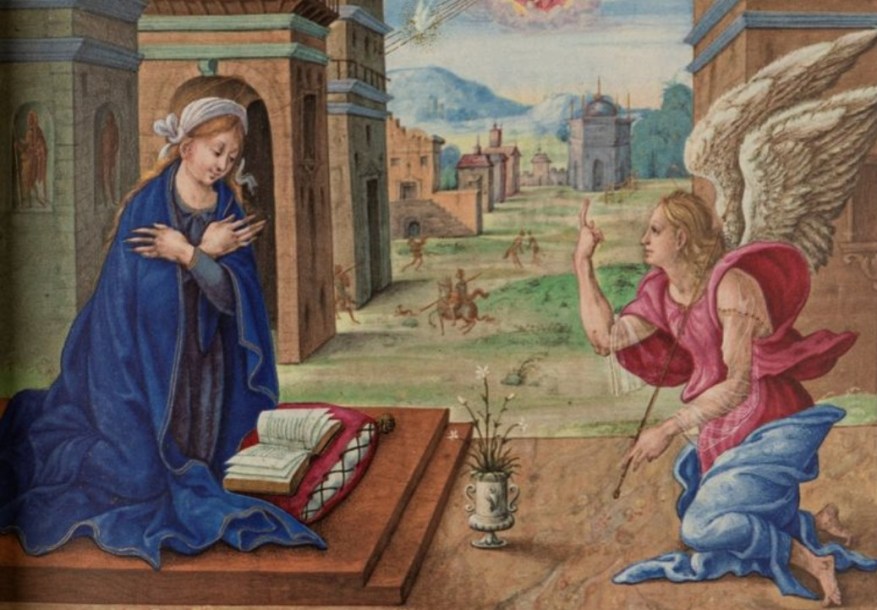
Il Libro d’Ore di Ferrante d’Aragona diventa patrimonio dello Stato: un tesoro rinascimentale da un milione di euro
🇮🇹Il Libro d’Ore di Ferrante d’Aragona entra nel patrimonio dello Stato grazie a una donazione. Capolavoro miniato del Rinascimento, sarà custodito a Napoli… 🇬🇧The Book of Hours of Ferrante of Aragon has become part of the State’s heritage, thanks to a donation. An illuminated masterpiece of the Renaissance, it will be housed in Naples…
-
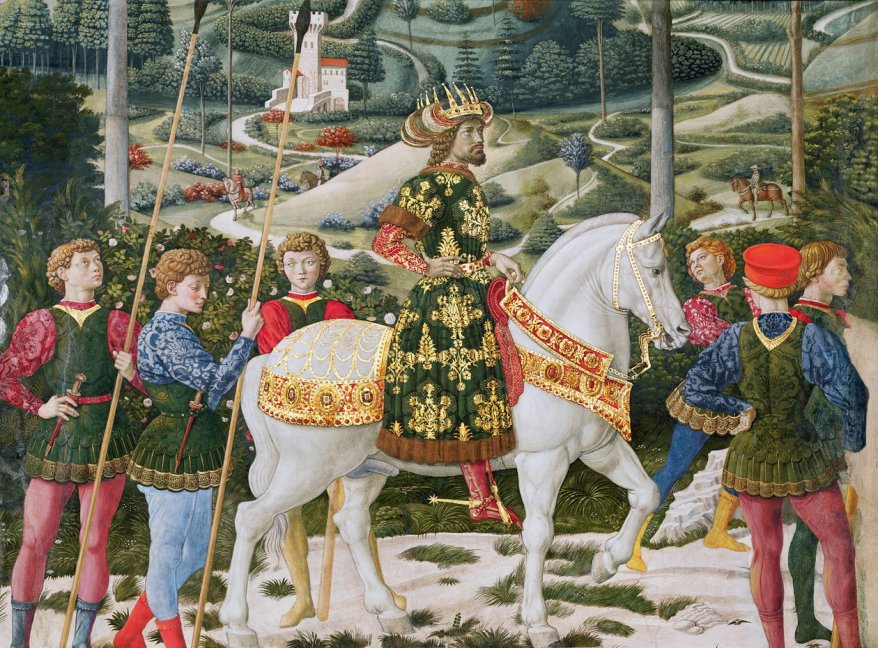
Come si festeggiava il Natale nel Rinascimento? Banchetti, doni e tradizioni raccontati dai dipinti
🇮🇹Come si festeggiava il Natale nel Rinascimento? Dai banchetti nelle dimore signorili al ceppo con i doni per i bambini, scopri le antiche tradizioni natalizie attraverso l’arte… 🇬🇧How was Christmas celebrated during the Renaissance? From banquets in noble residences to the Yule log and gifts for children, discover ancient Christmas traditions through art.
-
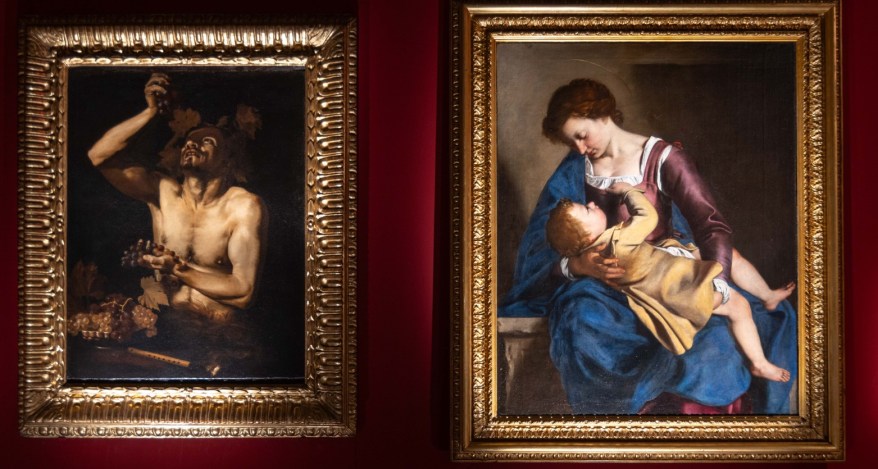
Il Barocco conquista Cuneo: Bernini, Artemisia Gentileschi e Rubens in mostra con 25 capolavori da Roma
🇮🇹Bernini, Artemisia Gentileschi e Rubens a Cuneo: 25 capolavori da Palazzo Barberini e Galleria Corsini nella mostra gratuita Il Secolo del Barocco… 🇬🇧Bernini, Artemisia Gentileschi, and Rubens in Cuneo: 25 masterpieces from Palazzo Barberini and Galleria Corsini featured in the free exhibition The Century of the Baroque…
Condividi:


Questo sono io



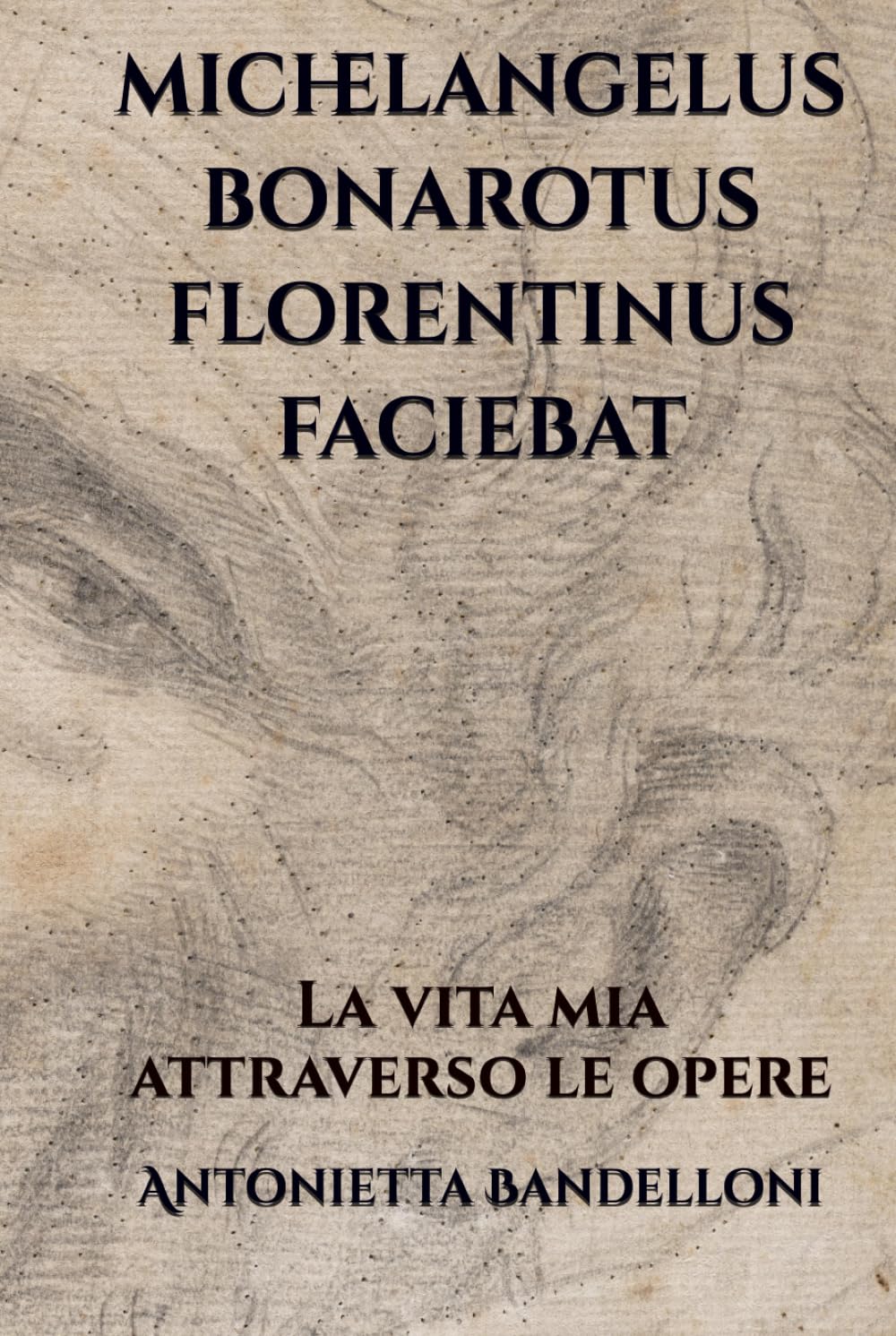
sostienici

Sostienici - Support Us
Se questo blog ti piace e ti appassiona, puoi aiutarci a farlo crescere sempre più sostenendoci in modo concreto condividendo i post, seguendo le pagine social e con un contributo che ci aiuta ad andare avanti con il nostro lavoro di divulgazione. . ENGLISH: If you like and are passionate about this blog, you can help us make it grow more and more by supporting us in a concrete way by sharing posts, following social pages and with a contribution that helps us to move forward with our dissemination work.
€10,00


