

L’Estasi nella Sagrestia Nuova che rischia di trasformare in pietra il visitatore
Era il 1545 quando il Tribolo iniziò a sovrintendere ai lavori della Sagrestia Nuova e per i viaggiatori e gli artisti fu molto più semplice aver accesso a quel luogo ricco di miei capolavori.
Io oramai ero a Roma da undici anni non sarei più tornato a Firenze se non da morto.
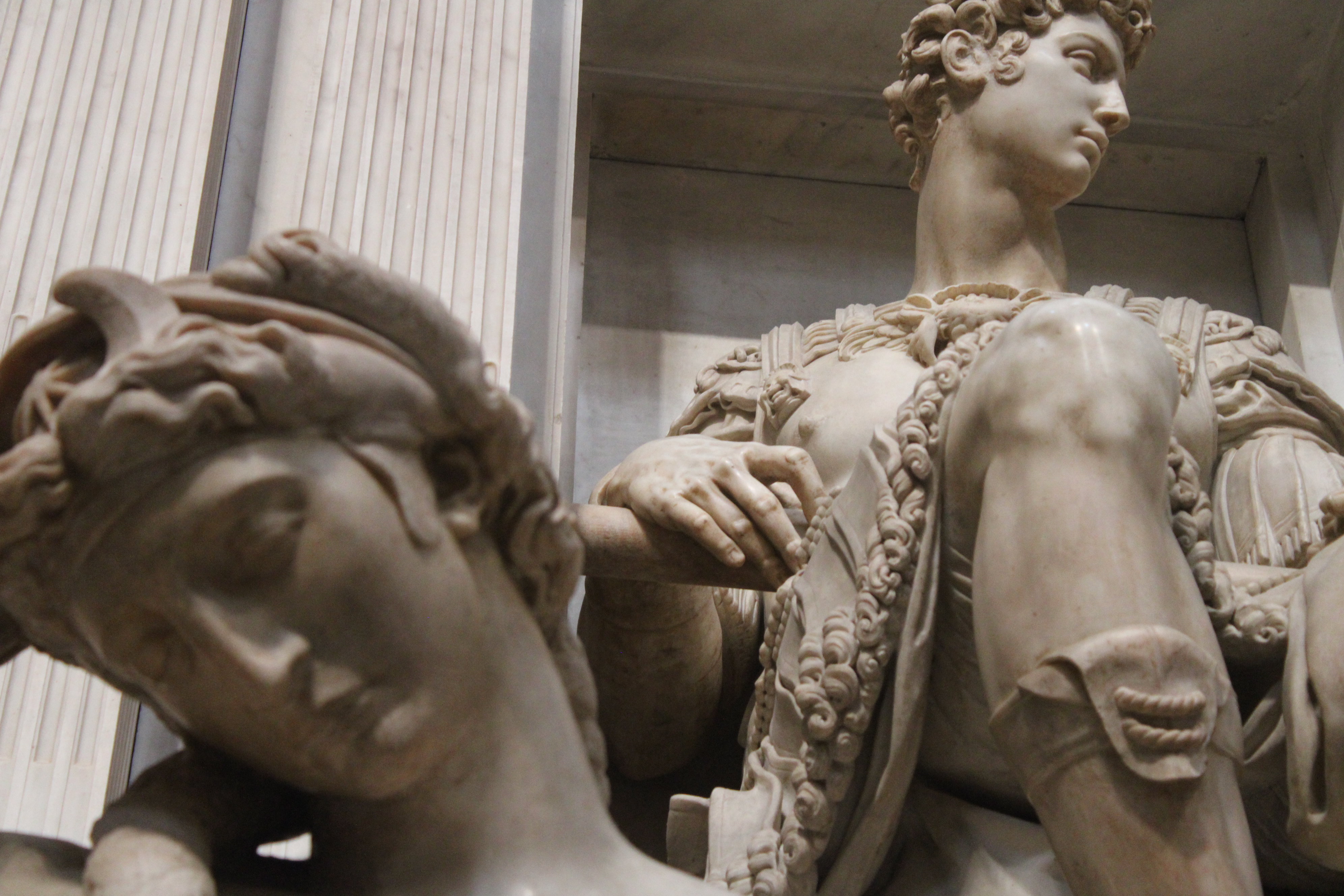
La Sagrestia Nuova divenne tappa ambita per tutti coloro che arrivavano in Italia per conoscere e studiare l’arte italiana.
Addirittura, qualche anno dopo, nel 1549, Anton Francesco Doni consigliava vivamente a un amico in partenza per Firenze di andare a vedere “La Sagrestia di Michelangelo et abbiate avertenza non vi rapite in estasi nel considerare quelle figure di marmo et non vi transmutate in pietra” .
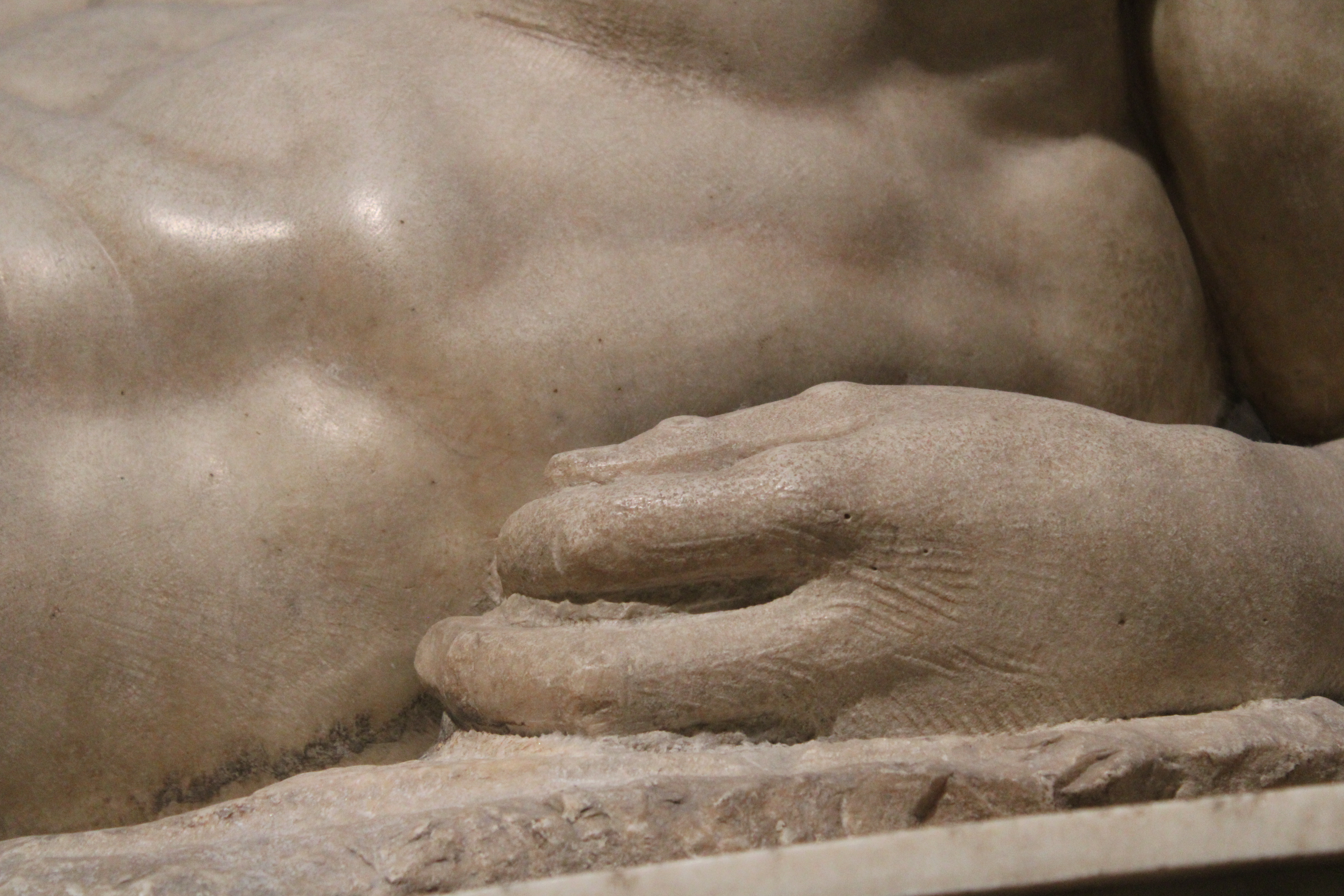
Osservando quelle maestose opere, le Ore del giorno e della notte ma anche i due capitani Medici, c’era il rischio di rimanere di sasso, come scriveva il Doni, colti dall’estasi.
La bellezza, quando è così intensa, pietrifica come se lo spettatore avesse guardato dritto negli occhi Medusa.
Per il momento il sempre vostro Michelangelo Buonarroti vi saluta dandovi appuntamento ai prossimi post e sui social.
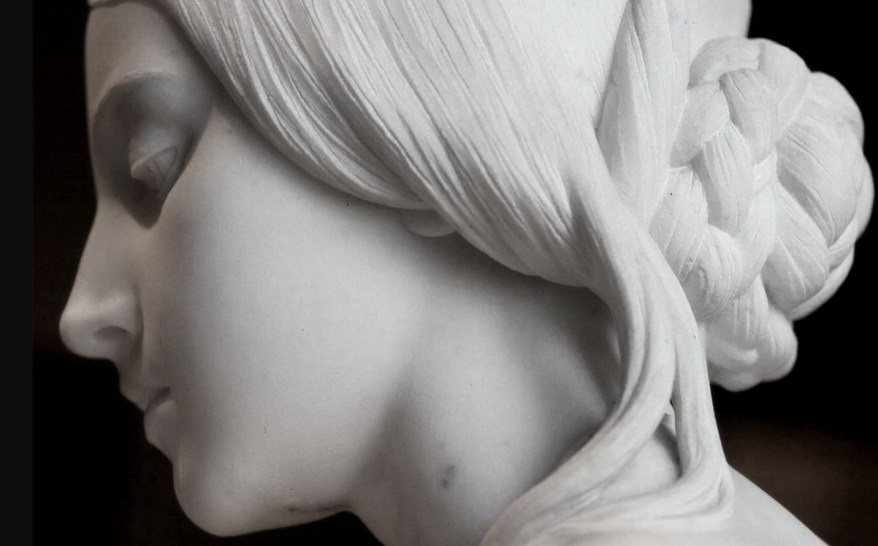
The Ecstasy in the New Sacristy which risks turning the visitor to stone
It was 1545 when Tribolo began to supervise the work of the New Sacristy and it was much easier for travelers and artists to have access to that place full of my masterpieces.
By now I had been in Rome for eleven years and would never return to Florence unless I was dead.
The New Sacristy became a popular stop for all those who arrived in Italy to learn about and study Italian art.
Indeed, a few years later, in 1549, Anton Francesco Doni strongly advised a friend leaving for Florence to go and see “Michelangelo’s Sacristy and be careful not to become ecstatic when considering those marble figures and not to turn into stone ” .
Observing those majestic works, the Hours of day and night but also the two Medici captains, there was the risk of being stunned, as Doni wrote, seized by ecstasy.
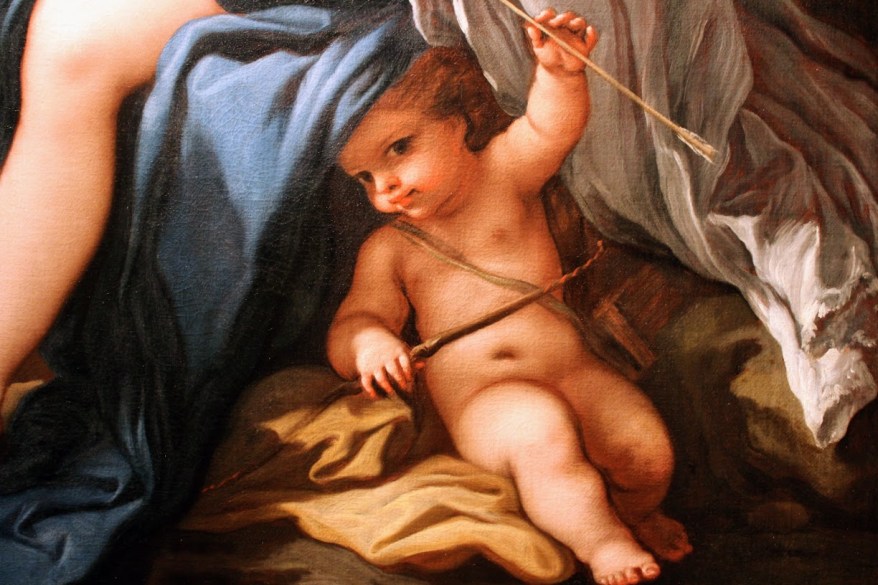
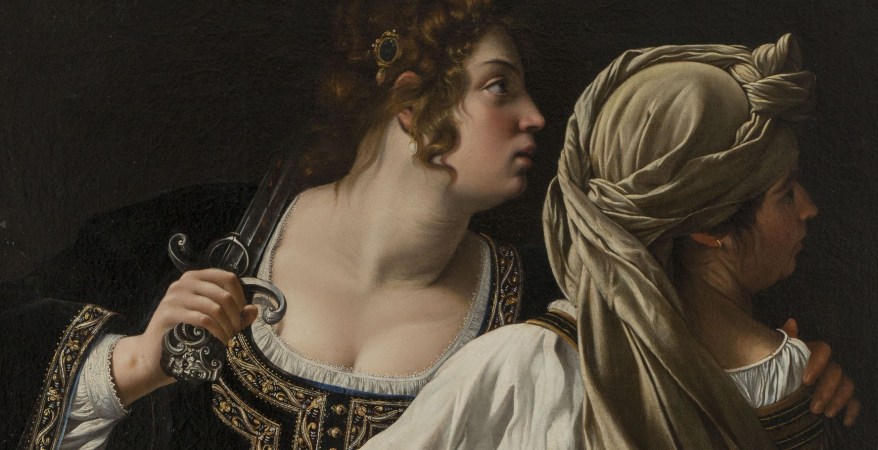
Beauty, when it is so intense, petrifies as if the spectator had looked straight into Medusa’s eyes.
For the moment, your always Michelangelo Buonarroti greets you and will meet you in the next posts and on social media.

Sostienici – Support Us
Se questo blog ti piace e ti appassiona, puoi aiutarci a farlo crescere sempre più sostenendoci in modo concreto condividendo i post, seguendo le pagine social e con un contributo che ci aiuta ad andare avanti con il nostro lavoro di divulgazione. . ENGLISH: If you like and are passionate about this blog, you can help us make it grow more and more by supporting us in a concrete way by sharing posts, following social pages and with a contribution that helps us to move forward with our dissemination work.
8,00 €
-

Ercole Ferrata: il grande scultore che lavorò accanto a Bernini
🇮🇹Chi era Ercole Ferrata? Scopri le opere dello scultore barocco che collaborò con Bernini: dall’Angelo con la Croce all’elefante della Minerva… 🇬🇧Who was Ercole Ferrata? Discover the works of the Baroque sculptor who collaborated with Bernini—from the *Angel with the Cross* to the elephant of the Minerva…
-
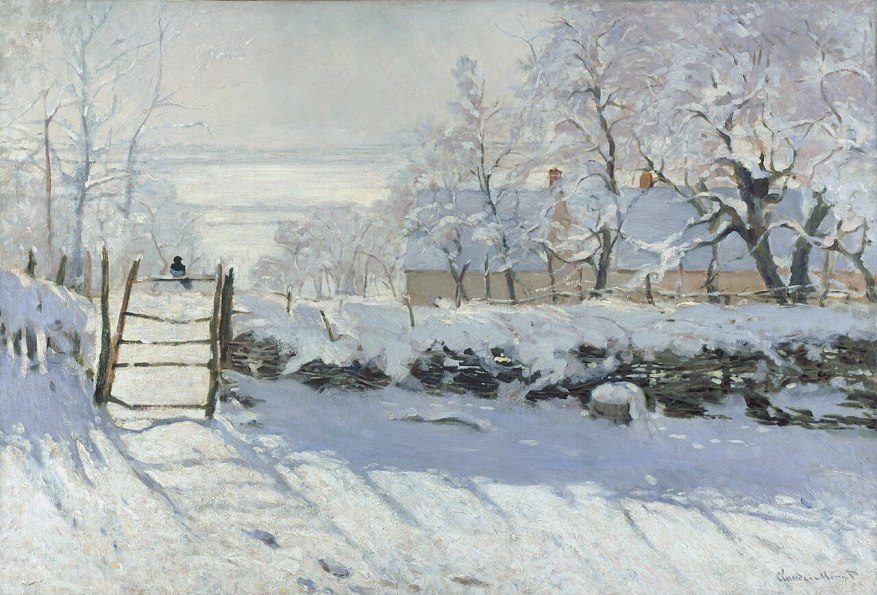
Il Natale di una volta nei dipinti: neve, case e tradizioni che abbiamo dimenticato
🇮🇹Neve, case e antiche tradizioni: scopri il Natale nascosto nei dipinti dei grandi maestri, tra paesaggi invernali, vita quotidiana e usanze dimenticate… 🇬🇧Snow, homes, and ancient traditions: discover Christmas as hidden within the paintings of the great masters—amidst winter landscapes, daily life, and forgotten customs…
-
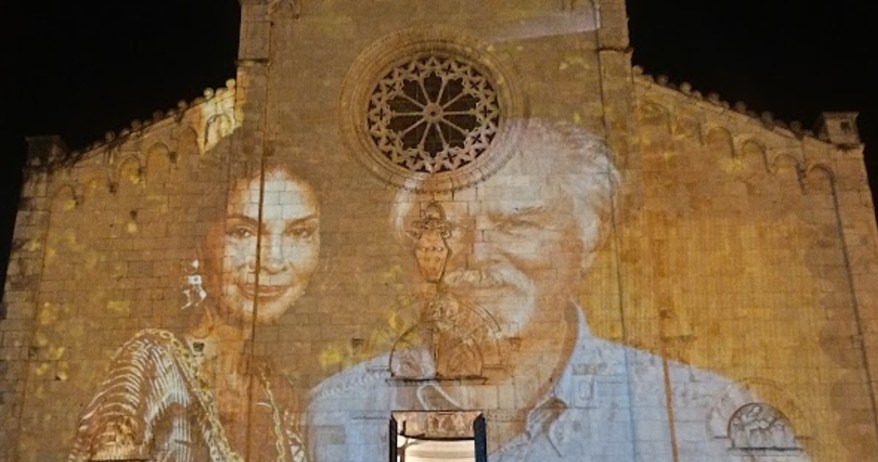
Pietrasanta: un museo per Fernando Botero
🇮🇹Pietrasanta prepara un museo dedicato a Fernando Botero con circa 90 bozzetti a Palazzo Panichi. Il legame con la città che lo nominò cittadino onorario nel 2001… 🇬🇧Pietrasanta is preparing a museum dedicated to Fernando Botero, featuring around 90 sketches at Palazzo Panichi. This reflects his connection to the city, which named him an honorary…
Condividi:


Questo sono io




sostienici

Sostienici - Support Us
Se questo blog ti piace e ti appassiona, puoi aiutarci a farlo crescere sempre più sostenendoci in modo concreto condividendo i post, seguendo le pagine social e con un contributo che ci aiuta ad andare avanti con il nostro lavoro di divulgazione. . ENGLISH: If you like and are passionate about this blog, you can help us make it grow more and more by supporting us in a concrete way by sharing posts, following social pages and with a contribution that helps us to move forward with our dissemination work.
€10,00


