
La Scultura del giorno: il Segreto di Albert-Ernest Carrier-Belleuse, maestro di Rodin
La scultura del giorno che vi propongo oggi è il Segreto di Albert-Ernest Carrier-Belleuse, scolpita nel marmo statuario di Carrara a metà Ottocento.
Sebbene il suo nome sia poco noto oggi, Albert-Ernest Carrier-Belleuse fu uno degli scultori più importanti e innovativi della Francia del XIX secolo.

Ebbe una lunga e produttiva carriera de espose diverse volte le sue opere al Salon di Parigi.
Carrier-Belleuse realizzò diversi monumenti pubblici in Francia e realizzò sculture prettamente decorative per commissioni private. Non sono pochi i modelli in terracotta che ha lasciato ai posteri che raffigurano soggetti mitologici spesso giocosi che ispirarono le generazioni successive.
Il laboratorio artistico di Carrier-Belleuse divenne negli anni un’eccezionale studio e palestra formativa per gli scultori più giovani come lo fu per Rodin, assistente dell’artista dal 1864 e il 1870.

La scultura del Segreto che ha come soggetto due giovani fanciulle riccamente panneggiate e con il seno scoperto, è firmata sulla base dall’artista A. CARRIER-BELLEUSE. A catturare l’attenzione in questo gruppo scultoreo è la posa delle due giovani e le loro elaborate pettinature, ispirate ai dipinti di fine Cinquecento.
Una giovane pare sussurrare all’altra una confidenza mentre la ascolta prestando attenzione e rivolgendo lo sguardo verso il basso. Un segreto da mantenere tale: chissà cosa si stiano raccontando le due ragazze.
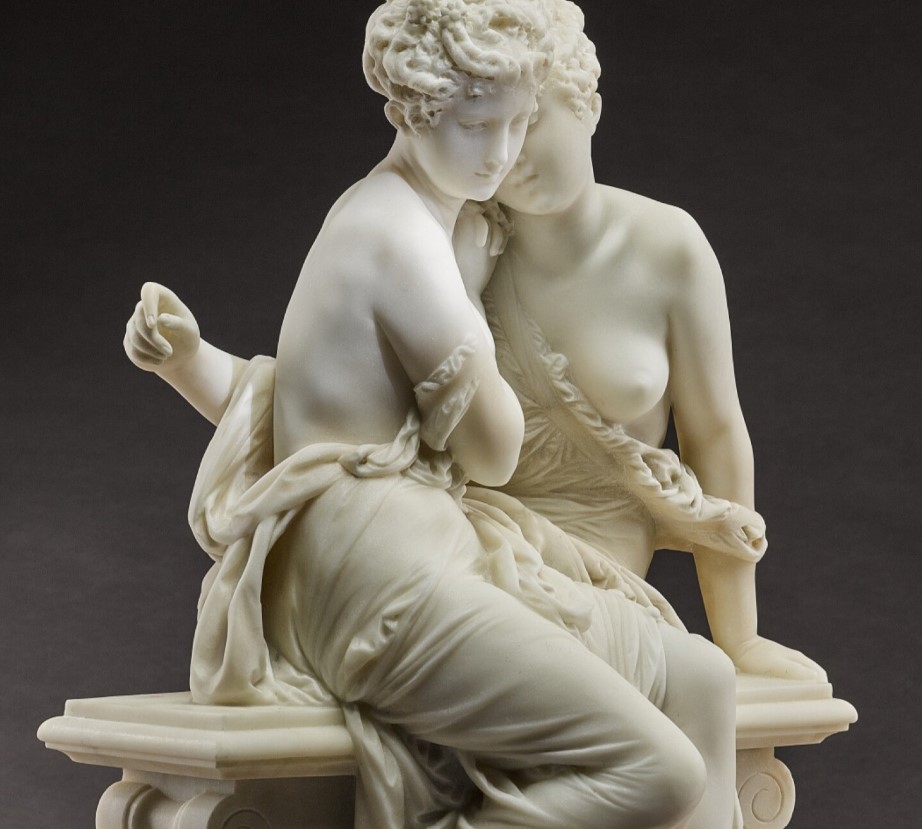
L’opera appartiene a una collezione privata.
Per i momento il sempre vostro Michelangelo Buonarroti vi saluta dandovi appuntamento ai prossimi post e sui social.

Sculpture of the day: the Secret of Albert-Ernest Carrier-Belleuse, Rodin’s master
The sculpture of the day that I propose to you today is the Secret by Albert-Ernest Carrier-Belleuse, sculpted in Carrara statuary marble in the mid-nineteenth century.
Although his name is little known today, Albert-Ernest Carrier-Belleuse was one of the most important and innovative sculptors of 19th-century France.
He had a long and productive career and exhibited his works several times at the Paris Salon.
Carrier-Belleuse created several public monuments in France and created purely decorative sculptures for private commissions. There are many terracotta models that he left to posterity which depict often playful mythological subjects that inspired subsequent generations.
Carrier-Belleuse’s artistic laboratory became over the years an exceptional studio and training ground for younger sculptors as it was for Rodin, the artist’s assistant from 1864 and 1870.
The sculpture of the Secret which has as its subject two young girls richly draped and with exposed breasts, is signed on the base by the artist A. CARRIER-BELLEUSE. What captures attention in this sculptural group is the pose of the two young women and their elaborate hairstyles, inspired by late sixteenth-century paintings.
A young woman seems to whisper a secret to the other while she listens to her, paying attention and looking downwards. A secret to keep as such: who knows what the two girls are telling each other.
The work belongs to a private collection.
For the moment, your always Michelangelo Buonarroti greets you and will meet you in the next posts and on social media.

Sostienici – Support Us
Se questo blog ti piace e ti appassiona, puoi aiutarci a farlo crescere sempre più sostenendoci in modo concreto condividendo i post, seguendo le pagine social e con un contributo che ci aiuta ad andare avanti con il nostro lavoro di divulgazione. . ENGLISH: If you like and are passionate about this blog, you can help us make it grow more and more by supporting us in a concrete way by sharing posts, following social pages and with a contribution that helps us to move forward with our dissemination work.
8,00 €
-
Il Cavallo colossale di Canova torna a casa in 10 casse: ecco quando si potrà ammirare
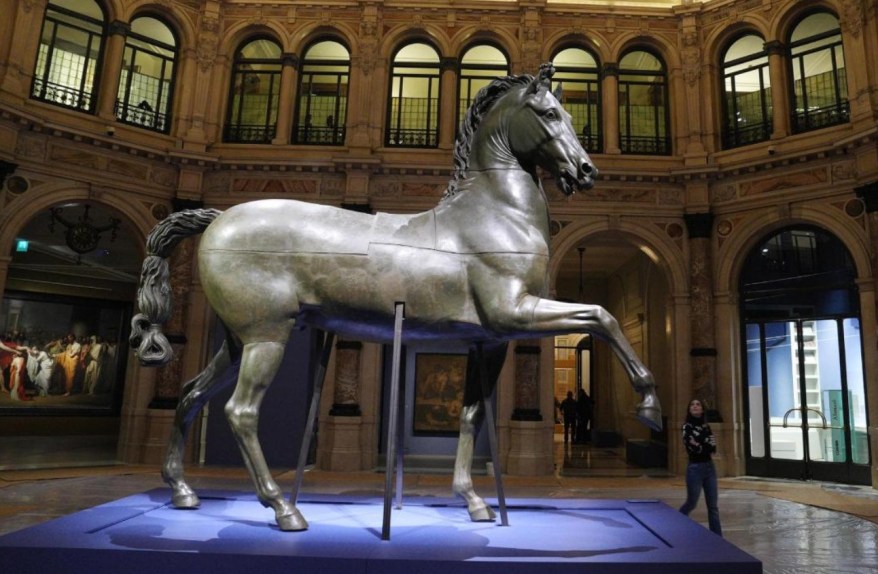
🇮🇹Il Cavallo colossale di Antonio Canova torna a Bassano il 27 ottobre 2026. Dopo il restauro, sarà visibile al Museo Civico dal 12 dicembre… 🇬🇧Antonio Canova’s colossal horse returns to Bassano on October 27, 2026. Following its restoration, it will be on display at the Civic Museum starting December 12…
-
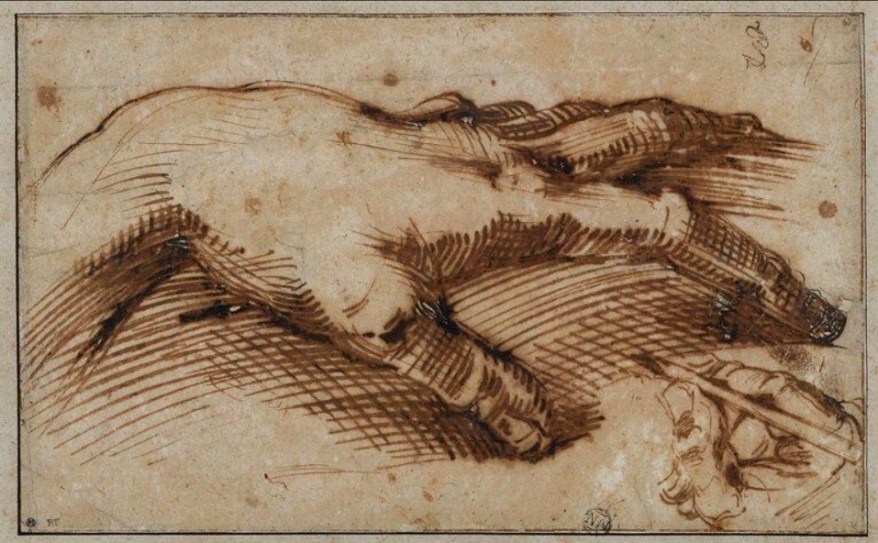
La mano che disegna la mano: il disegno del Louvre che ha fatto discutere gli studiosi
🇮🇹Il disegno di una mano che ne disegna un’altra: il curioso foglio del Louvre, la storia delle attribuzioni e il mistero della sua paternità… 🇬🇧A drawing of a hand drawing another hand: the intriguing sheet at the Louvre, the history of its attributions, and the mystery of its authorship…
-
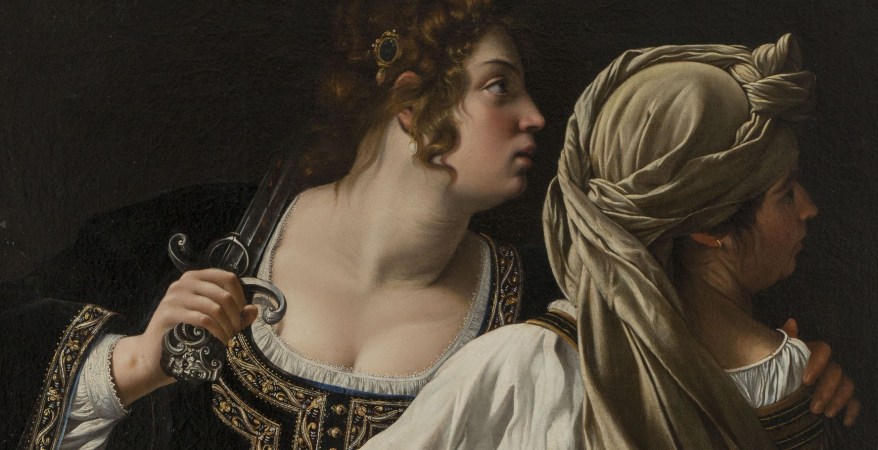
Artemisia Gentileschi, a Firenze una mostra eccezionale: oltre 50 opere e Caravaggio
🇮🇹Artemisia Gentileschi a Firenze: oltre 50 opere al Museo degli Innocenti dal 20 ottobre 2026. In mostra Giuditta, l’Allegoria dell’Inclinazione e due capolavori di Caravaggio… 🇬🇧Artemisia Gentileschi in Florence: over 50 works at the Museo degli Innocenti starting October 20, 2026. On display are Judith, the Allegory of Inclination* and two masterpieces by Caravaggio…
Condividi:


Questo sono io




sostienici

Sostienici - Support Us
Se questo blog ti piace e ti appassiona, puoi aiutarci a farlo crescere sempre più sostenendoci in modo concreto condividendo i post, seguendo le pagine social e con un contributo che ci aiuta ad andare avanti con il nostro lavoro di divulgazione. . ENGLISH: If you like and are passionate about this blog, you can help us make it grow more and more by supporting us in a concrete way by sharing posts, following social pages and with a contribution that helps us to move forward with our dissemination work.
€10,00


