

La Scultura del Giorno: Lucrezia di Filippo Parodi
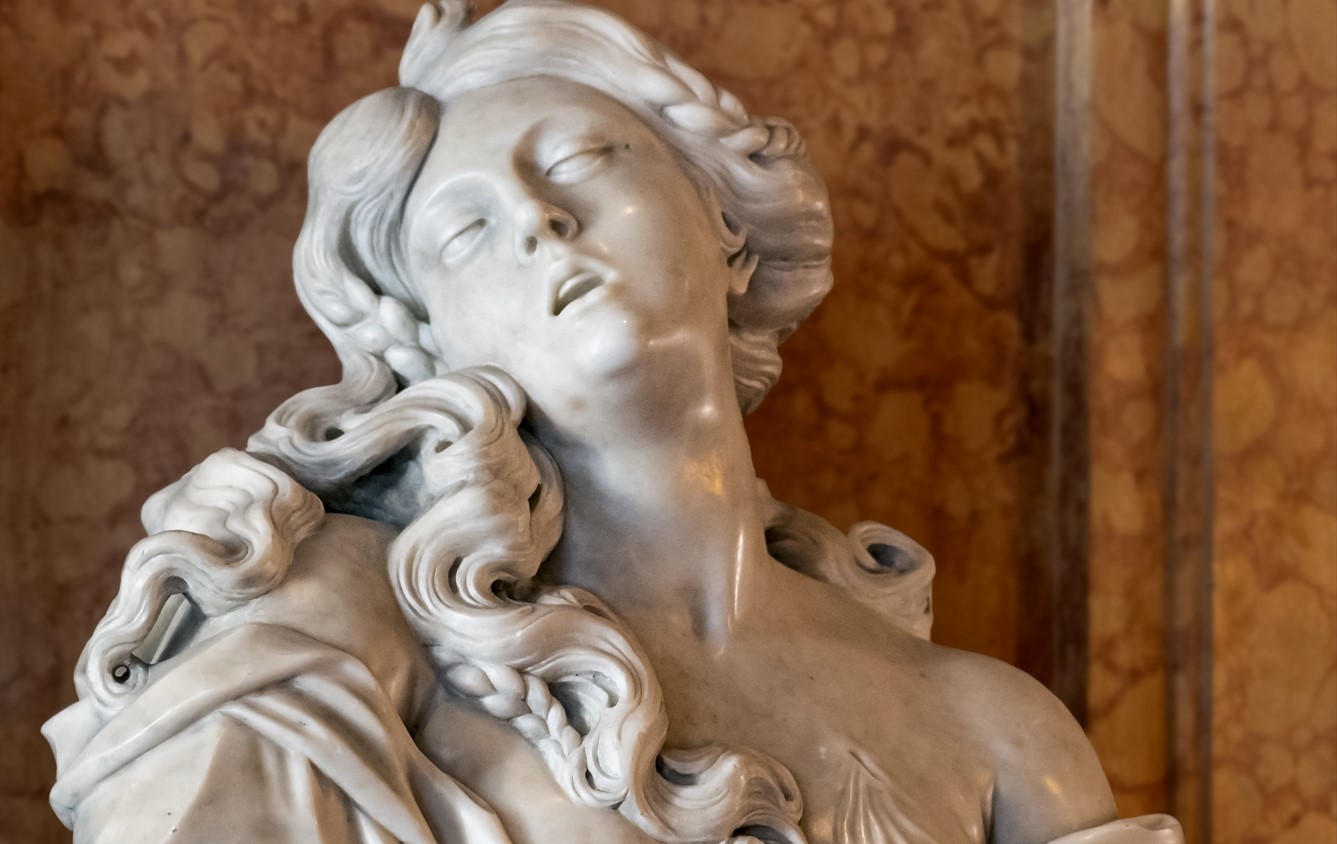
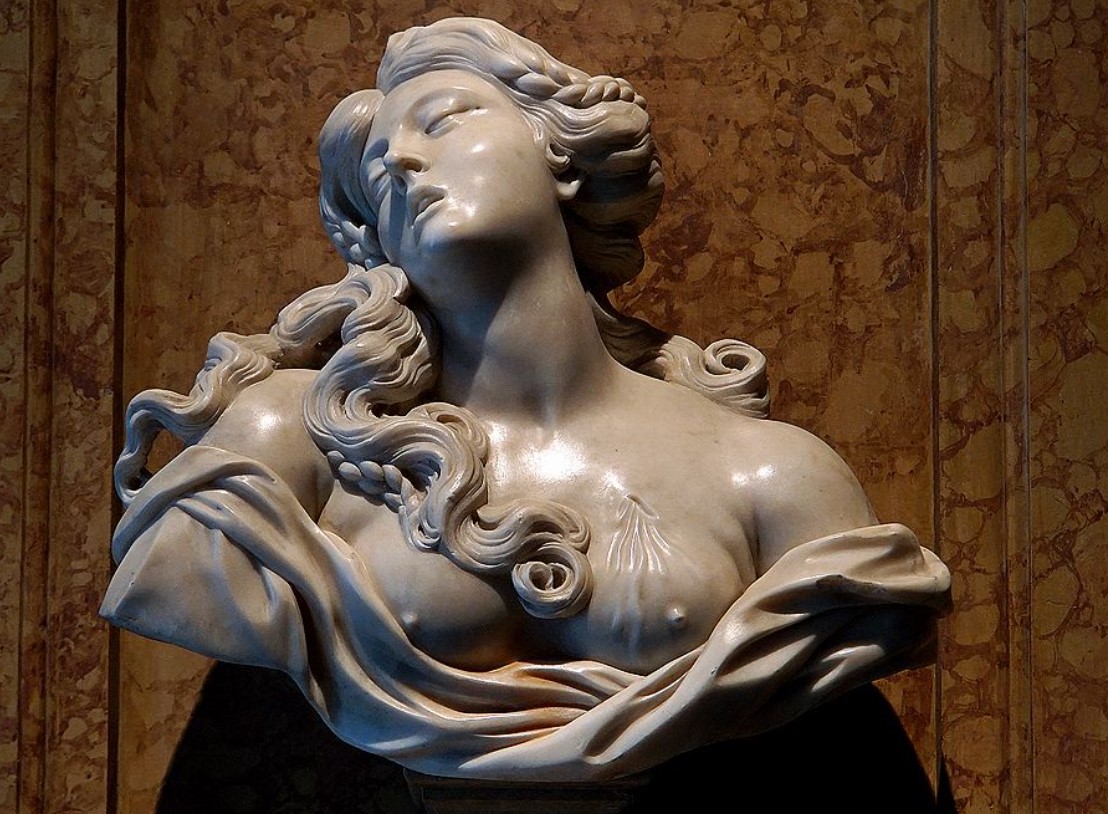
La scultura del giorno che vi propongo oggi è il busto di Lucrezia scolpito dall’artista genovese Filippo Parodi a metà del Seicento.
Lucrezia si è appena pugnalata al petto per togliersi la vita e sottrarsi così alla folle violenza di Tarquinio.
All’altezza del cuore è ben evidente la ferita sanguinante che fa contorcere la protagonista dell’opera e le segna il volto con un’espressione intensa che riporta con la mente direttamente all’estasi di Ludovica Albertoni scolpita dal Bernini.
D’altro canto Parodi ebbe sempre ben presenti i lavori dell’artista barocco che fece la sua fortuna a Roma.
Parodi aveva cominciato ad affacciarsi al mondo dell’arte da ragazzino, formandosi presso la bottega di un falegname come intagliatore. Il pittore Piola che già all’epoca era riconosciuto e affermato, gli cercò le prime commissioni presso nobili famiglie genovesi.
Il talento del giovane non poteva essere lasciato sfiorire. Parodi lo spronò a studiare scultura e, grazie al supporto economico della sorella, nel 1655 riuscì a raggiungere Roma divenendo allievo diretto del Bernini.
Quando poi nel 1661 l’artista fece ritorno a Genova, portò nella città natìa le forti influenze barocche romane.
Il busto di Lucrezia è permeato da una tensione tangibile ed è lavorato di tensione ed è lavorato con sapiente maestria. La levigatezza del modellato e le rifiniture accurate sono degne del grande artista qual era Parodi.
Il busto è custodito presso Ca’ Rezzonico a Venezia, nel Museo del Settecento veneziano.
Per il momento il vostro Michelangelo Buonarroti vi saluta dandovi appuntamento ai prossimi post e sui social.

Sculpture of the Day: Lucrezia by Filippo Parodi
The sculpture of the day that I propose to you today is the bust of Lucrezia sculpted by the Genoese artist Filippo Parodi in the mid-17th century.
Lucrezia has just stabbed herself in the chest to take her own life and thus escape Tarquinio’s crazy violence.
At the level of her heart, the bloody wound that makes the protagonist of the work writhe and marks her face with an intense expression that brings to mind directly the ecstasy of Ludovica Albertoni sculpted by Bernini is clearly evident.
On the other hand, Parodi always had in mind the works of the Baroque artist who made his fortune in Rome.
Parodi had begun to approach the world of art as a boy, training as a carver in a carpenter’s workshop. The painter Piola, who was already recognized and established at the time, sought his first commissions from noble Genoese families.
The young man’s talent could not be allowed to fade. Parodi encouraged him to study sculpture and, thanks to the financial support of his sister, in 1655 he managed to reach Rome, becoming Bernini’s direct student.
When the artist returned to Genoa in 1661, he brought strong Roman Baroque influences to his native city.
The bust of Lucrezia is permeated by a tangible tension and is worked with tension and is worked with skilful mastery. The smoothness of the modeling and the accurate finishing are worthy of the great artist Parodi.
The bust is kept at Ca’ Rezzonico in Venice, in the Museum of the Eighteenth Century Venice.
For the moment, your Michelangelo Buonarroti greets you and will meet you in future posts and on social media.

Sostienici – Support Us
Se questo blog ti piace e ti appassiona, puoi aiutarci a farlo crescere sempre più sostenendoci in modo concreto condividendo i post, seguendo le pagine social e con un contributo che ci aiuta ad andare avanti con il nostro lavoro di divulgazione. . ENGLISH: If you like and are passionate about this blog, you can help us make it grow more and more by supporting us in a concrete way by sharing posts, following social pages and with a contribution that helps us to move forward with our dissemination work.
8,00 €
-
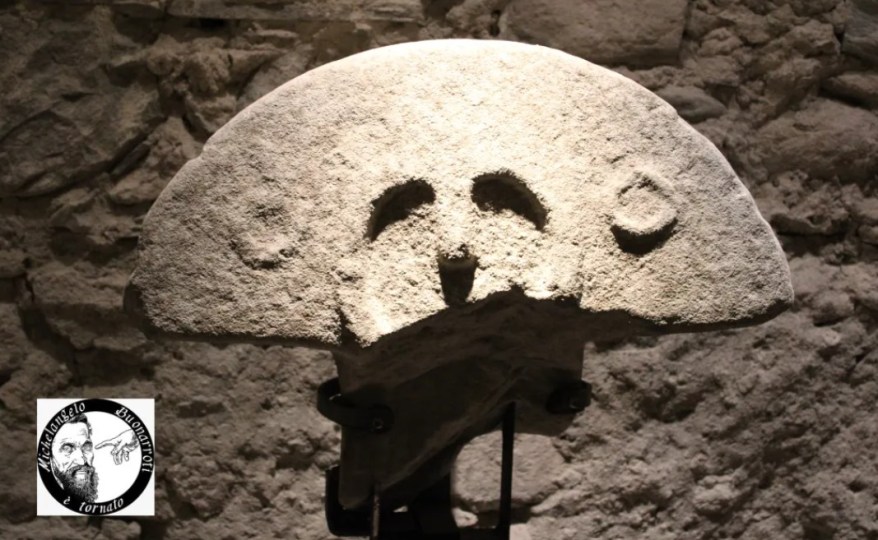
Pontremoli: il fascino silenzioso delle Statue Stele e il profumo dell’Amor
🇮🇹Ritorno al Castello del Piagnaro a Pontremoli: una visita al Museo delle Statue Stele Lunigianesi tra misteriosi volti di pietra e la dolce sosta all’Amor Pontremoli… 🇬🇧A return to the Castle of Piagnaro in Pontremoli: a visit to the Museum of the Lunigiana Stele Statues, amidst mysterious stone faces, followed by a delightful stop for…
-
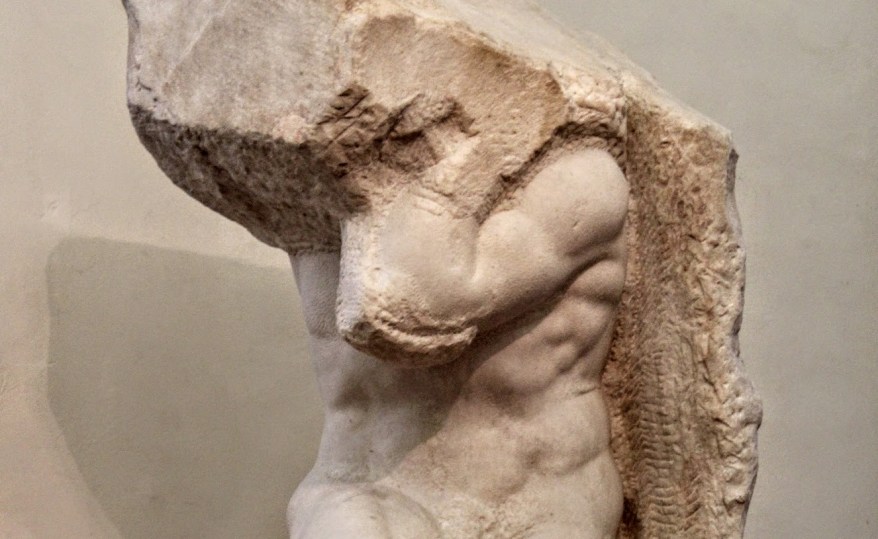
Il tormento del mio marmo ha stregato il Novecento: la nuova mostra a Firenze
🇮🇹Dal 15 dicembre 2026 la Galleria dell’Accademia di Firenze ospita “L’anima dei marmi”. Rodin, Bourdelle e i maestri del Simbolismo rileggono il mio genio… 🇬🇧Starting December 15, 2026, the Galleria dell’Accademia in Florence will host “The Soul of Marble.” Rodin, Bourdelle, and the masters of Symbolism reinterpret my genius…
-
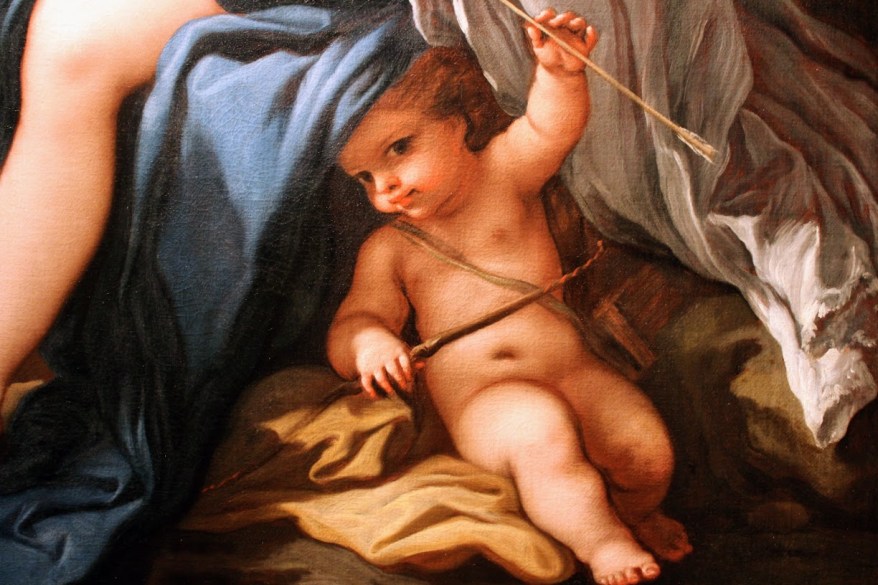
18 ottobre 1634: nasce Luca Giordano, il pittore che dipingeva così in fretta da essere chiamato «Luca fa’ presto»
🇮🇹Luca Giordano nacque a Napoli il 18 ottobre 1634. Scopri perché era chiamato «Luca fa’ presto» e i suoi capolavori, dalla Galleria degli Specchi alla corte di Spagna… 🇬🇧Luca Giordano was born in Naples on October 18, 1634. Discover why he was nicknamed “Luca fa’ presto” (“Luca, hurry up!”) and explore his masterpieces—from the Hall…
Condividi:


Questo sono io




sostienici

Sostienici – Support Us
Se questo blog ti piace e ti appassiona, puoi aiutarci a farlo crescere sempre più sostenendoci in modo concreto condividendo i post, seguendo le pagine social e con un contributo che ci aiuta ad andare avanti con il nostro lavoro di divulgazione. . ENGLISH: If you like and are passionate about this blog, you can help us make it grow more and more by supporting us in a concrete way by sharing posts, following social pages and with a contribution that helps us to move forward with our dissemination work.
€10,00


