
La Scultura del giorno: lo struggente Abisso di Pietro Canonica
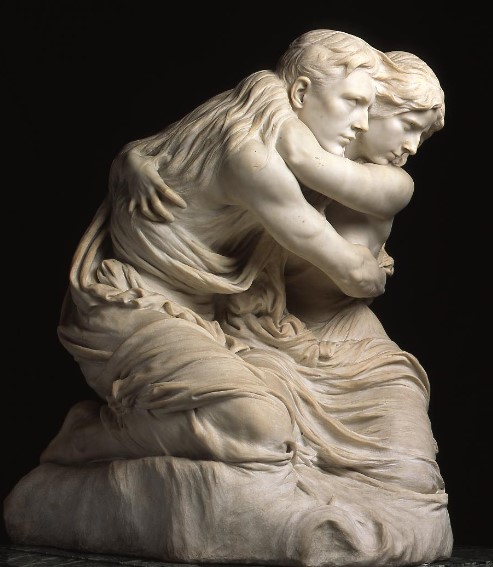
La scultura del giorno che vi propongo oggi è lo struggente Abisso scolpito da Pietro Canonica nel 1909.
Canonica, sebbene fosse particolarmente apprezzato per i monumenti di grandi dimensioni sia a soggetto religioso che civile soprattutto dall’aristocrazia torinese, volle cimentarsi con un’opera di più modeste dimensioni di tutt’altro genere.

Scolpendo l’Abisso, Pietro Canonica modellò i due corpi avvinghiati in uno stretto abbraccio panneggiandoli con uno stile quasi Barocco.
Ma chi sono quei due amanti? Molto probabilmente Paolo e Francesca raccontati da Dante nell’Inferno, condannati al fuoco eterno e che rivolgono lo sguardo verso la sorte perpetua che li attende.

Nei loro volti non è presente la disperazione ma è tangibile la fiducia e il supporto reciproco. Mentre lei sembra guardare l’abisso più profondo dei tormenti, lui sembra guardare verso un’altra direzione.
Questa di Canonica è una composizione straordinaria, che rende partecipe lo spettatore sia di quell’intenso abbraccio che dei tormenti danteschi che la coppia dovrà subire per l’eternità.
Lo scultore senza dubbio era dotato di un talento smisurato non solo per la scultura ma anche per la musica. Conobbe un grande successo in entrambe le arti tanto che proprio per i suoi meriti artistici fu nominato Senatore del Regno.
Preferì deliberatamente non aderire alla corrente verista della sua epoca, scolpendo opere in netto contrasto con il gusto e lo stile di fine Ottocento e inizio Novecento.
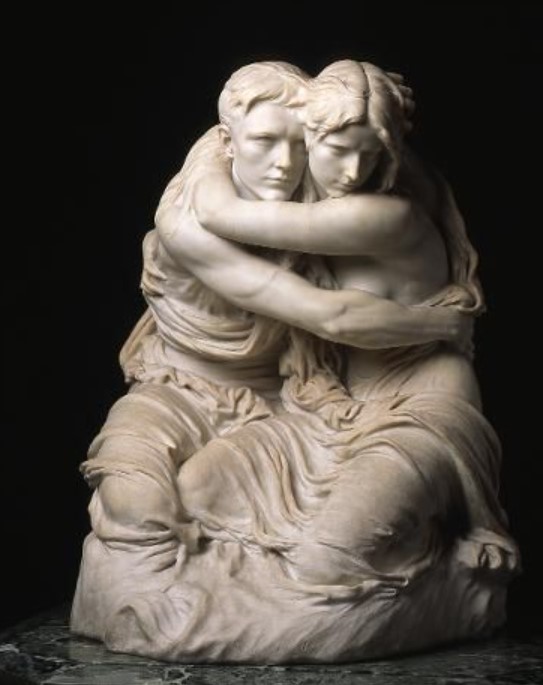
La straordinaria ed emozionante scultura dell’Abisso è esposta all’interno del Museo Pietro Canonica di Villa Borghese, a Roma.
Per il momento il vostro Michelangelo Buonarroti vi saluta dandovi appuntamento ai prossimi post e sui social.


Sculpture of the day: the Abyss by Pietro Canonica
The sculpture of the day that I propose to you today is the Abyss sculpted by Pietro Canonica in 1909.
Canonica, although he was particularly appreciated for his large monuments of both religious and civil subjects, especially by the Turin aristocracy, wanted to try his hand at a more modest-sized work of a completely different kind.
Sculpting the Abyss, Pietro Canonica modeled the two bodies entwined in a tight embrace, draping them in an almost Baroque style.
But who are those two lovers? Most likely Paolo and Francesca described by Dante in Hell, condemned to eternal fire and who turn their gaze towards the perpetual fate that awaits them.
There is no desperation on their faces but trust and mutual support is tangible. While she seems to be looking into the deepest abyss of torment, he seems to be looking in another direction.
This one by Canonica is an extraordinary composition, which makes the spectator participate both in that intense embrace and in the Dante-like torments that the couple will have to suffer for eternity.
There is no desperation on their faces but trust and mutual support is tangible. While she seems to be looking into the deepest abyss of torment, he seems to be looking in another direction.
This one by Canonica is an extraordinary composition, which makes the spectator participate both in that intense embrace and in the Dante-like torments that the couple will have to suffer for eternity.
The extraordinary and exciting sculpture of the Abyss is exhibited inside the Pietro Canonica Museum of Villa Borghese, in Rome.
For the moment, your Michelangelo Buonarroti greets you and will meet you in future posts and on social media.

Sostienici – Support Us
Se questo blog ti piace e ti appassiona, puoi aiutarci a farlo crescere sempre più sostenendoci in modo concreto condividendo i post, seguendo le pagine social e con un contributo che ci aiuta ad andare avanti con il nostro lavoro di divulgazione. . ENGLISH: If you like and are passionate about this blog, you can help us make it grow more and more by supporting us in a concrete way by sharing posts, following social pages and with a contribution that helps us to move forward with our dissemination work.
8,00 €
-
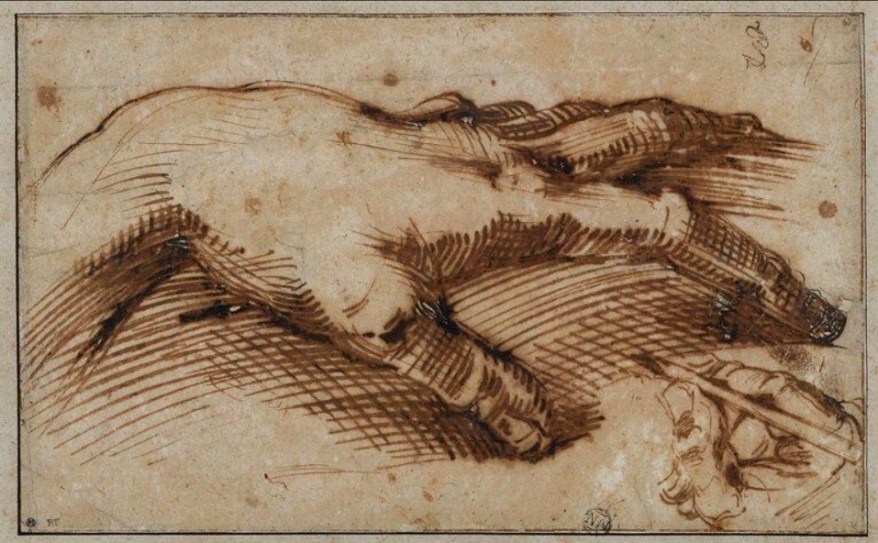
La mano che disegna la mano: il disegno del Louvre che ha fatto discutere gli studiosi
🇮🇹Il disegno di una mano che ne disegna un’altra: il curioso foglio del Louvre, la storia delle attribuzioni e il mistero della sua paternità… 🇬🇧A drawing of a hand drawing another hand: the intriguing sheet at the Louvre, the history of its attributions, and the mystery of its authorship…
-
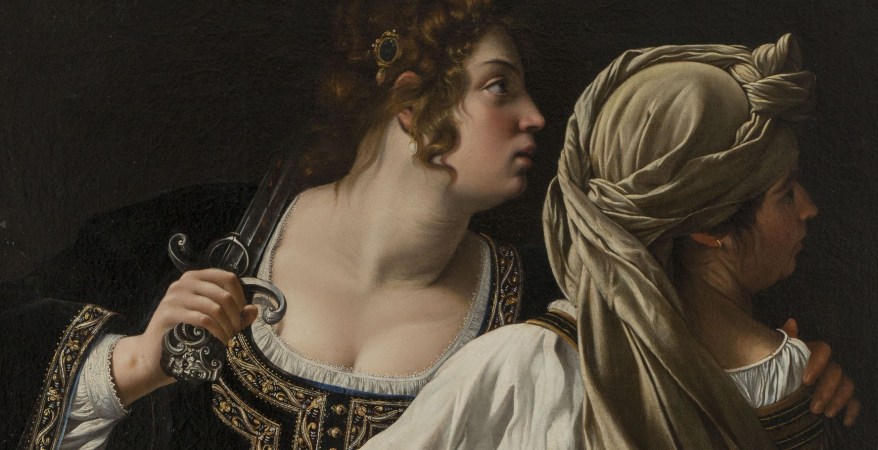
Artemisia Gentileschi, a Firenze una mostra eccezionale: oltre 50 opere e Caravaggio
🇮🇹Artemisia Gentileschi a Firenze: oltre 50 opere al Museo degli Innocenti dal 20 ottobre 2026. In mostra Giuditta, l’Allegoria dell’Inclinazione e due capolavori di Caravaggio… 🇬🇧Artemisia Gentileschi in Florence: over 50 works at the Museo degli Innocenti starting October 20, 2026. On display are Judith, the Allegory of Inclination* and two masterpieces by Caravaggio…
-
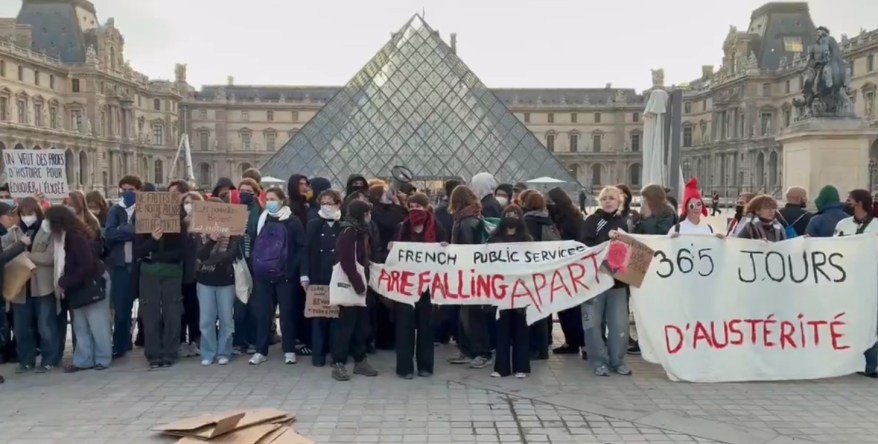
Louvre bloccato dalle proteste in Francia: museo chiuso
🇮🇹Il Museo del Louvre chiude, bloccato dalle proteste. Il museo più visitato al mondo non ha potuto aprire regolarmente questa mattina. A Parigi, un gruppo di studenti ha bloccato gli ingressi del Louvre per esprimere solidarietà al movimento dei liceali e denunciare la repressione della polizia… 🇬🇧The Louvre Museum is closed, blocked by protests. The…
Condividi:


Questo sono io




sostienici

Sostienici – Support Us
Se questo blog ti piace e ti appassiona, puoi aiutarci a farlo crescere sempre più sostenendoci in modo concreto condividendo i post, seguendo le pagine social e con un contributo che ci aiuta ad andare avanti con il nostro lavoro di divulgazione. . ENGLISH: If you like and are passionate about this blog, you can help us make it grow more and more by supporting us in a concrete way by sharing posts, following social pages and with a contribution that helps us to move forward with our dissemination work.
€10,00


