
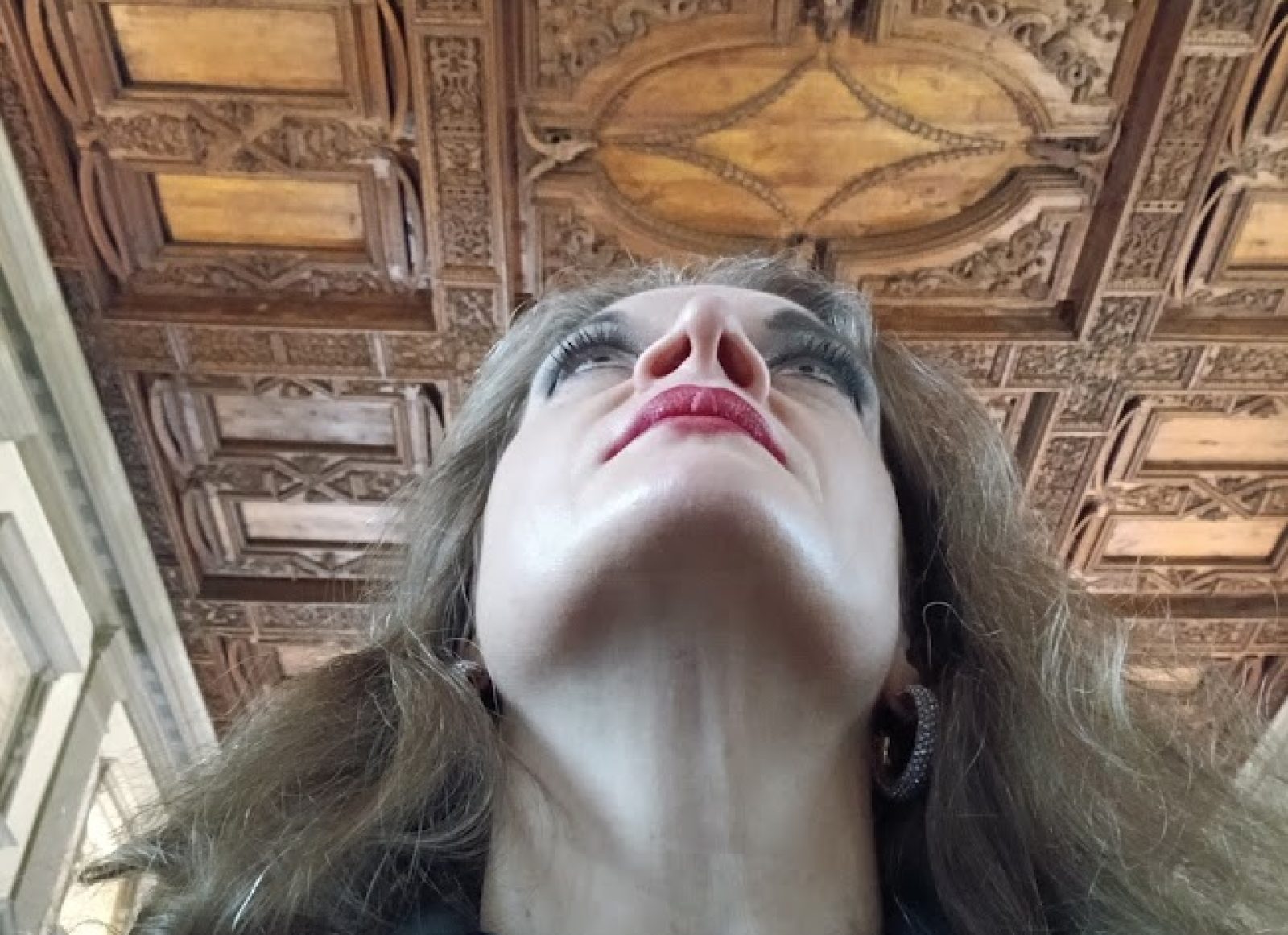
I bracieri che affumicarono la Notte e il Giorno
Sapete che la Sagrestia Nuova non è sempre stata nelle condizioni in cui la possiamo ammirare oggi? Ci fu un tempo in cui fu ridotta a poco più che una stanza di servizio. Sedetevi comodi che vi racconto anche questa storia.
Dopo la morte di papa Clemente VII. avvenuta nel settembre de 1534, e la mia partenza definitiva per Roma avvenuta nello stesso anno, i lavori alla Sagrestia Nuova si interruppero bruscamente.
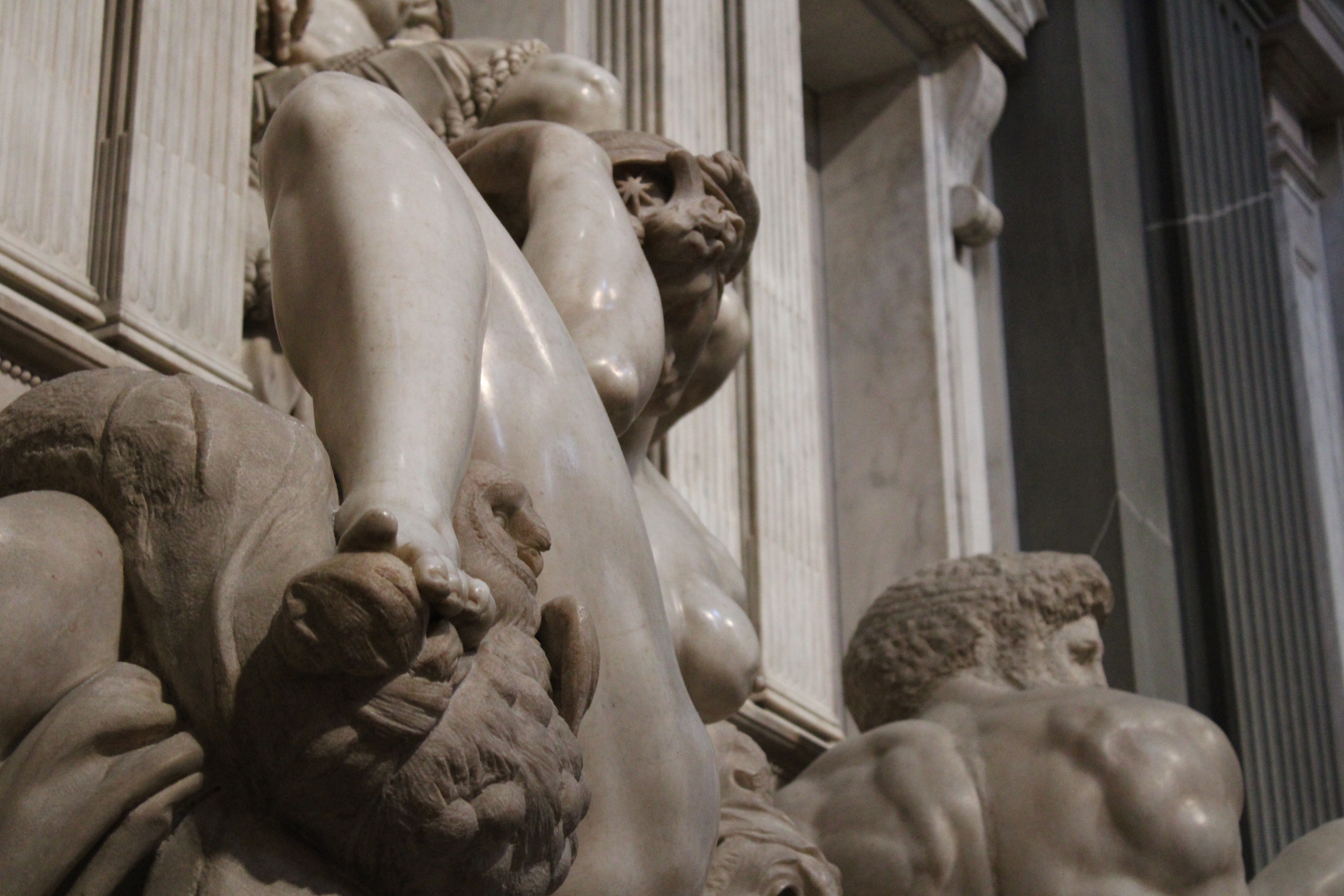
Per realizzare i progetto che avevo in mente ancora mancavano sculture e alcune di quelle iniziate avrei dovuto portarle a termine. Successivamente Cosimo I de’ Medici mostrò un grande interesse nel voler far concludere quel lavoro ma accadde che nel dicembre del 1562 morirono sia l’amata moglie Eleonora di Toledo che due dei suoi giovani figli: Garcia e Giovanni.
A poca distanza di quei nefasti accadimenti, il mio caro amico Giorgio Vasari partì alla volta di Pietrasanta per cercare marmi bianchi e mischi da adoperare per una non specificata opera in San Lorenzo. Che ci fosse l’intenzione di realizzare una degna sepoltura per la duchessa e i suoi figli? Non è da escludere, anzi, è una delle ipotesi più probabili.
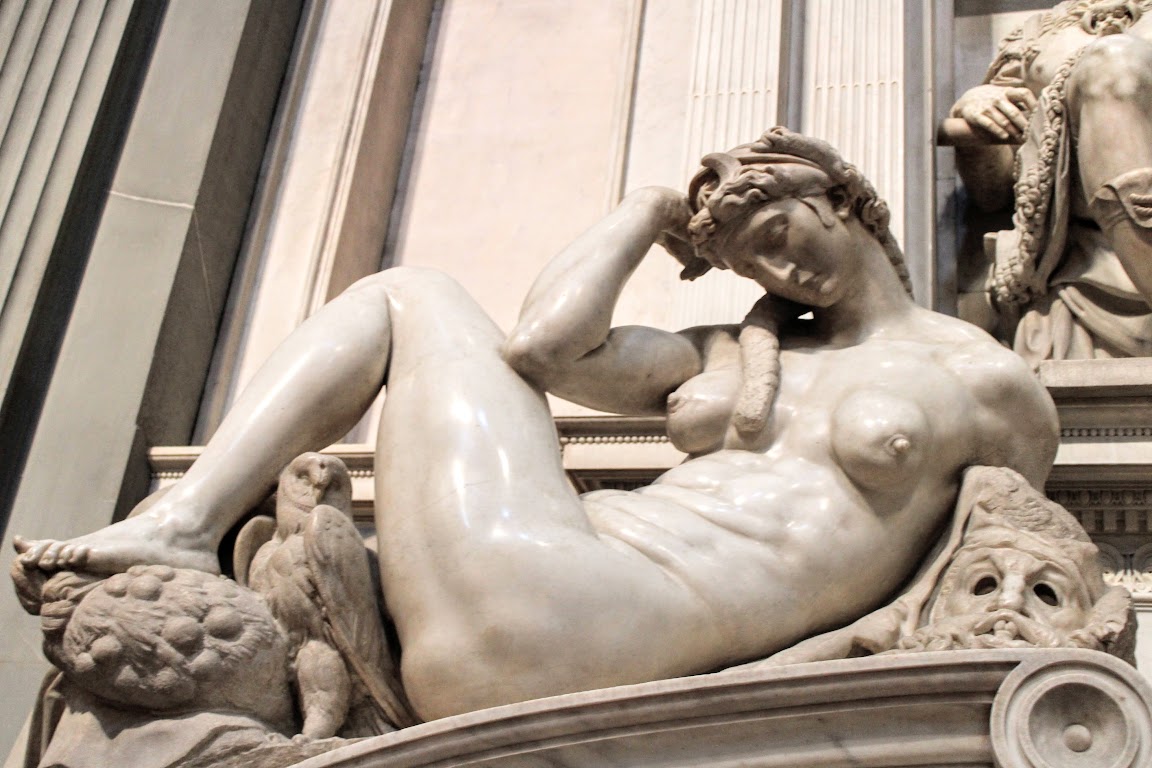
Proprio nell’occasione del suo viaggio a Pietrasanta, il Vasari ricordò a Cosimo I in quale stato disastroso versasse la Sagrestia Nuova. Oggi la vedete perfettamente pulita, sgombra da casse di legno che un tempo ospitavano le salme dei Medici e di accumuli di sporcizia di ogni tipo ma non è mica sempre stata così.
Il Vasari in una lettera racconta al duca di essere entrato di recente nella Sagrestia e di aver avuto l’impressione che i preti durante l’inverno avessero acceso al centro della stanza bracieri con carboni ardenti per scaldarsi, affumicando così sia le sculture che le pareti. Quel luogo così onorato, ricco di opere mie, era stato trasformato in una stanza di servizio e stava andando in malora.
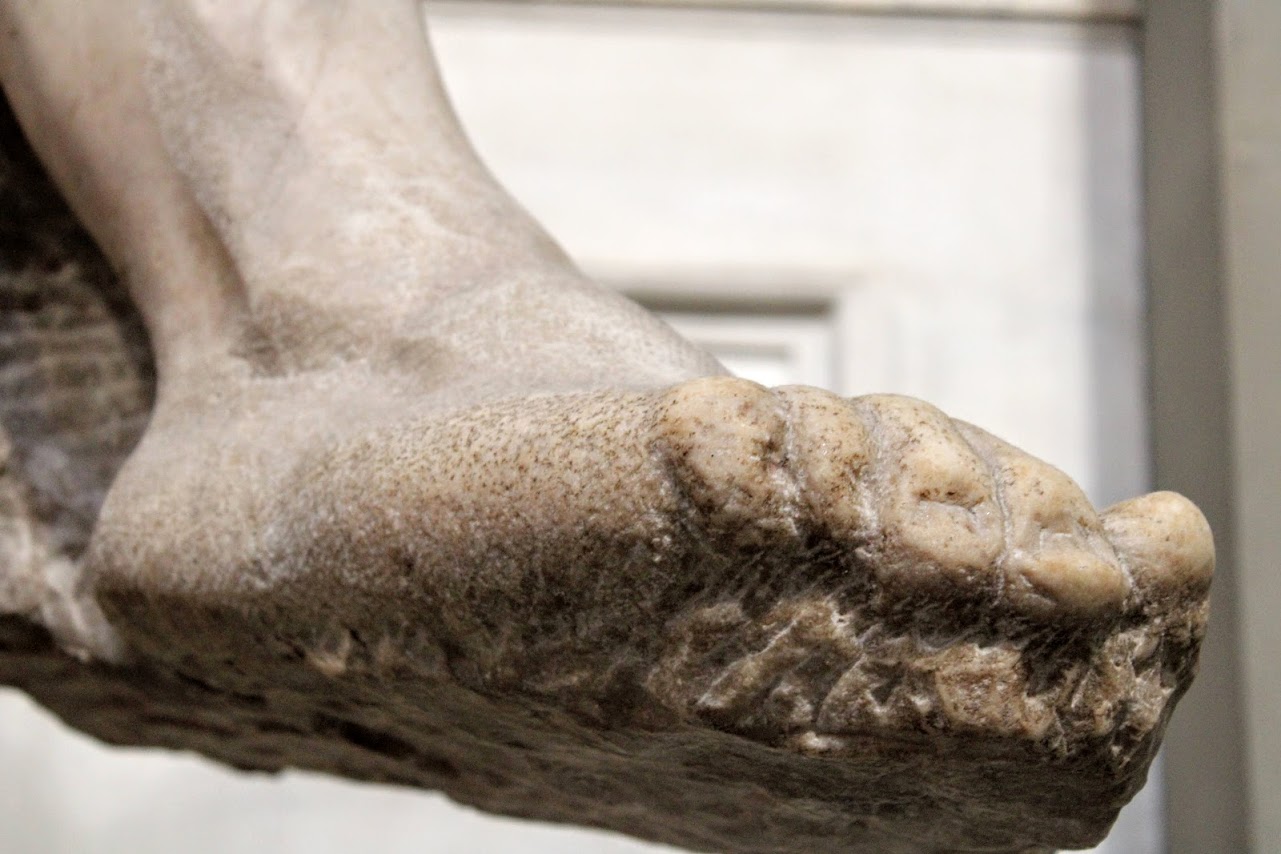
Con quelle parole scritte con così tanta preoccupazione, il Vasari riuscì a ottenere il nulla osta del duca per intervenire e fermare quell’assurdo degrado causato dagli uomini in uno dei luoghi tutt’oggi più belli che ci siano a Firenze.
Per il momento il vostro Michelangelo Buonarroti vi saluta dandovi appuntamento ai prossimi post e sui social.
The braziers that smoked Night and Day
Did you know that the New Sacristy has not always been in the condition in which we can admire it today? There was a time when it was reduced to little more than a service room. Sit back and let me tell you this story too.
After the death of Pope Clement VII in September 1534 and my definitive departure for Rome in the same year, work on the New Sacristy was abruptly interrupted.
To realize the project I had in mind there were still sculptures missing and some of the ones I had started I would have had to finish them. Subsequently Cosimo I de ‘Medici showed great interest in wanting to conclude that work but it happened that in December 1562 both his beloved wife Eleonora di Toledo and two of her young sons died: Garcia and Giovanni.
A short distance from those nefarious events, during my dear friend Giorgio Vasari he left for Pietrasanta to look for white marbles and mixes to be used for an unspecified work in San Lorenzo. Was there the intention of creating a worthy burial for the duchess and her children? It cannot be excluded, indeed, it is one of the most probable hypotheses.
Precisely on the occasion of his trip to Pietrasanta, Vasari reminded Cosimo I of what a disastrous state the New Sacristy was in. Today you see it perfectly clean, free from wooden crates that once housed the bodies of the Medici and accumulations of dirt of all kinds but it wasn’t always like this.
Vasari in a letter tells the duke that he had recently entered the Sacristy and had the impression that the priests during the winter had lit braziers with hot coals in the center of the room to warm up, thus smoking both the sculptures and the walls. That honored place, full of my works, had been transformed into a service room and was going down the drain.
With those words written so much concern, Vasari managed to obtain the duke’s clearance to intervene and stop that absurd degradation caused by men in one of the most beautiful places in Florence today.
For the moment, your Michelangelo Buonarroti greets you by making an appointment for the next posts and on social media.

Sostienici – Support Us
Se questo blog ti piace e ti appassiona, puoi aiutarci a farlo crescere sempre più sostenendoci in modo concreto condividendo i post, seguendo le pagine social e con un contributo che ci aiuta ad andare avanti con il nostro lavoro di divulgazione. . ENGLISH: If you like and are passionate about this blog, you can help us make it grow more and more by supporting us in a concrete way by sharing posts, following social pages and with a contribution that helps us to move forward with our dissemination work.
8,00 €
-
26 ottobre 1890: muore Carlo Collodi, lo scrittore toscano che inventò Pinocchio
Il 26 ottobre 1890 moriva a Firenze Carlo Collodi, autore di Pinocchio. Dalla prima pubblicazione nel 1881 al successo mondiale del burattino…
-
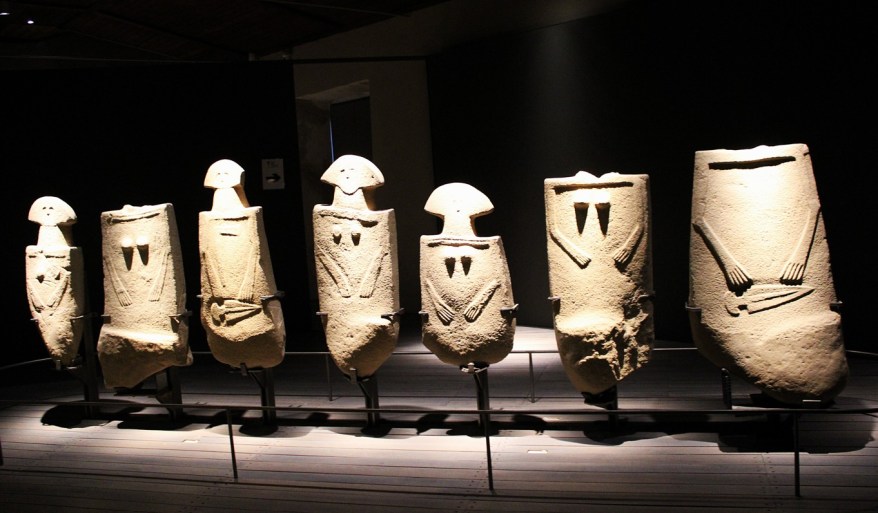
I musei meno conosciuti della Toscana che meritano una visita: 10 province, 10 luoghi da scoprire
🇮🇹Dalle statue stele della Lunigiana alle antiche botteghe artigiane, passando per case-museo, collezioni insolite e testimonianze della vita quotidiana: ecco dieci musei da visitare in Toscana, uno per ogni provincia, per scoprire un patrimonio artistico e culturale che va ben oltre le mete più famose… 🇬🇧From the stele statues of Lunigiana to ancient artisan workshops—not…
-
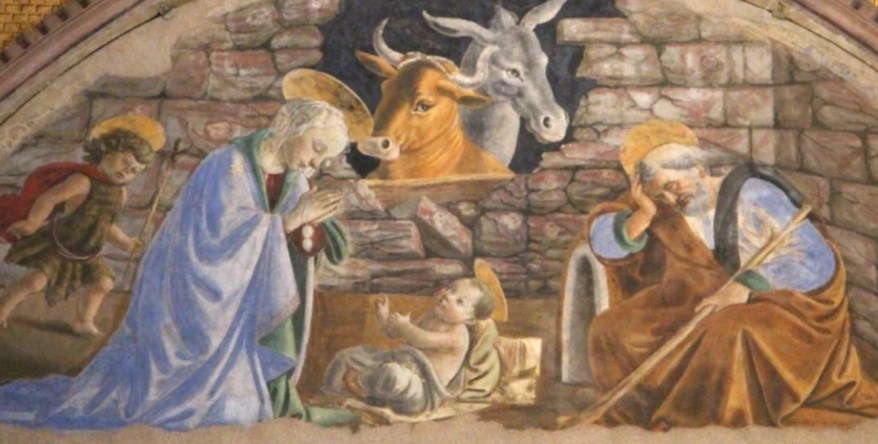
Perché il bue e l’asino sono accanto a Gesù Bambino? La storia dietro una tradizione secolare
🇮🇹Perché il bue e l’asinello sono accanto a Gesù Bambino nel presepe? Scopri le origini bibliche, il significato simbolico e la storia nell’arte… 🇬🇧Why are the ox and the donkey beside Baby Jesus in the nativity scene? Discover their biblical origins, symbolic meaning, and history in art…
Condividi:


Questo sono io




sostienici

Sostienici – Support Us
Se questo blog ti piace e ti appassiona, puoi aiutarci a farlo crescere sempre più sostenendoci in modo concreto condividendo i post, seguendo le pagine social e con un contributo che ci aiuta ad andare avanti con il nostro lavoro di divulgazione. . ENGLISH: If you like and are passionate about this blog, you can help us make it grow more and more by supporting us in a concrete way by sharing posts, following social pages and with a contribution that helps us to move forward with our dissemination work.
€10,00


