
Gli uccelli del Giambologna
Nel Museo Nazionale del Bargello c’è un meraviglioso gruppo di volatili di bronzo che in epoca passata era custodito all’interno della Grotta Medicea di Castello. Fu il Giambologna, alias Jean de Boulogne, a dargli forma nel 1567, mostrando di avere una conoscenza approfondita degli atteggiamenti di quei pennuti.
Gli uccelli se ne stavano appollaiati fra le rocce, al di sopra degli animali a grandezza naturale, scolpiti nel 1555 dal Fancelli.

Fino al 1816 gli uccelli rimasero all’interno della grotta poi vennero prima trasportati all’interno della Galleria degli Uffizi e successivamente nel Museo del Bargello dove tutt’oggi possono essere ammirati a distanza ravvicinata.
I nove volatili
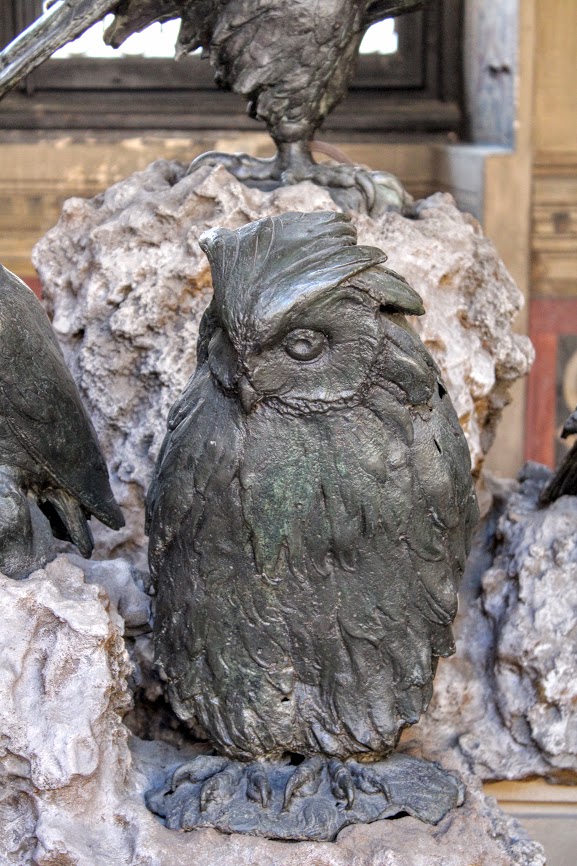
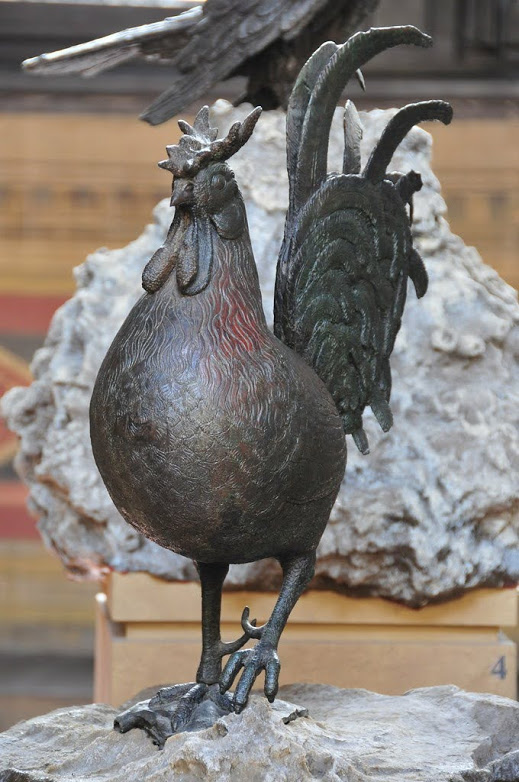
Il gruppo è formato da nove uccelli: il gufo, il pavone, il gallo, il barbagianni, l’astore, il tacchino, l’aquila, il falco e la fagiana. Probabilmente il Giambologna aveva avuto modo di vedere dal vero più volte tutti questi esemplari per poterli riprodurre in maniera così dettagliata e fedele.

L’aquila che spesso usata come simbolo araldico con le ali spiegate, l’artista preferì raffigurarla con ali chiuse e capo chino rivolto verso il basso proprio come quella che il duca aveva nella sua voliera.

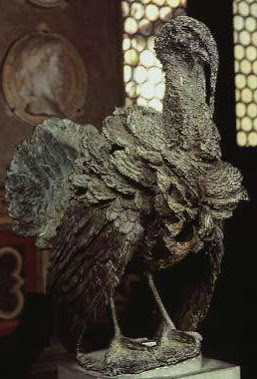
Come accennato prima, in questo gruppo fa la sua comparsa anche il tacchino: un animale al tempo considerato esotico. Era arrivato da poco dalle Americhe e incuriosiva per quel suo aspetto buffo. Tanto è veritiero questo animale che pare quasi il Giambologna lo abbia realizzato su un calco dal vero.
“Dopo Michelangelo, il massimo scultore del suo secolo e anche se le sue opere furono scolpite o gettate in bronzo a Firenze e per Firenze i bronzetti prodotti nella sua bottega trasformarono il suo stile in un idioma universale” -Pope-Hennessy-
Quando visitate il Museo Nazionale del Bargello, guardate con attenzione questo gruppo di uccelli realizzato con tanta minuzia e conoscenza da parte del Giambologna: sono un vero capolavoro che ahimè viene poco notato.

Il libro
Se siete alla ricerca di un libro sul Giambologna e le sue opere vi consiglio “Giambologna. Gli dei, gli eroi. Genesi e fortuna di uno stile europeo nella scultura”. Lo trovate QUA.

Il sempre vostro Michelangelo Buonarroti e i suoi racconti.
Giambologna’s birds
In the Bargello National Museum there is a wonderful group of bronze birds that in the past were kept inside the Medicean cave of Castello. It was Giambologna, alias Jean de Boulogne, who gave it shape in 1567, showing that he had an in-depth knowledge of the attitudes of those birds.
The birds were perched among the rocks, above the life-size animals, sculpted in 1555 by Fancelli.
Until 1816 the birds remained inside the cave and then they were first transported inside the Uffizi Gallery and then in the Bargello Museum where they can still be admired at close range today.
The nine birds
The group consists of nine birds: the owl, the peacock, the rooster, the barn owl, the goshawk, the turkey, the eagle, the falcon and the pheasant. Giambologna probably had the opportunity to see all these specimens in real life several times in order to be able to reproduce them in such a detailed and faithful way.
The eagle that is often used as a heraldic symbol with its wings spread, the artist preferred to depict it with closed wings and bowed head facing downwards just like the one the duke had in his aviary.
As mentioned before, the turkey also makes its appearance in this group: an animal at the time considered exotic. He had recently arrived from the Americas and intrigued by his funny appearance. This animal is so truthful that it almost seems that Giambologna made it from a life cast.
“After Michelangelo, the greatest sculptor of his century and even if his works were sculpted or cast in bronze in Florence and for Florence the small bronzes produced in his workshop transformed his style into a universal idiom” -Pope -Hennessy-
When you visit the Bargello National Museum, look carefully at this group of birds created with so much detail and knowledge by Giambologna: they are a true masterpiece that unfortunately is little noticed.
Your always Michelangelo Buonarroti and his stories.

Sostienici – Support Us
Se questo blog ti piace e ti appassiona, puoi aiutarci a farlo crescere sempre più sostenendoci in modo concreto condividendo i post, seguendo le pagine social e con un contributo che ci aiuta ad andare avanti con il nostro lavoro di divulgazione. . ENGLISH: If you like and are passionate about this blog, you can help us make it grow more and more by supporting us in a concrete way by sharing posts, following social pages and with a contribution that helps us to move forward with our dissemination work.
5,00 €
ULTIMI ARTICOLI
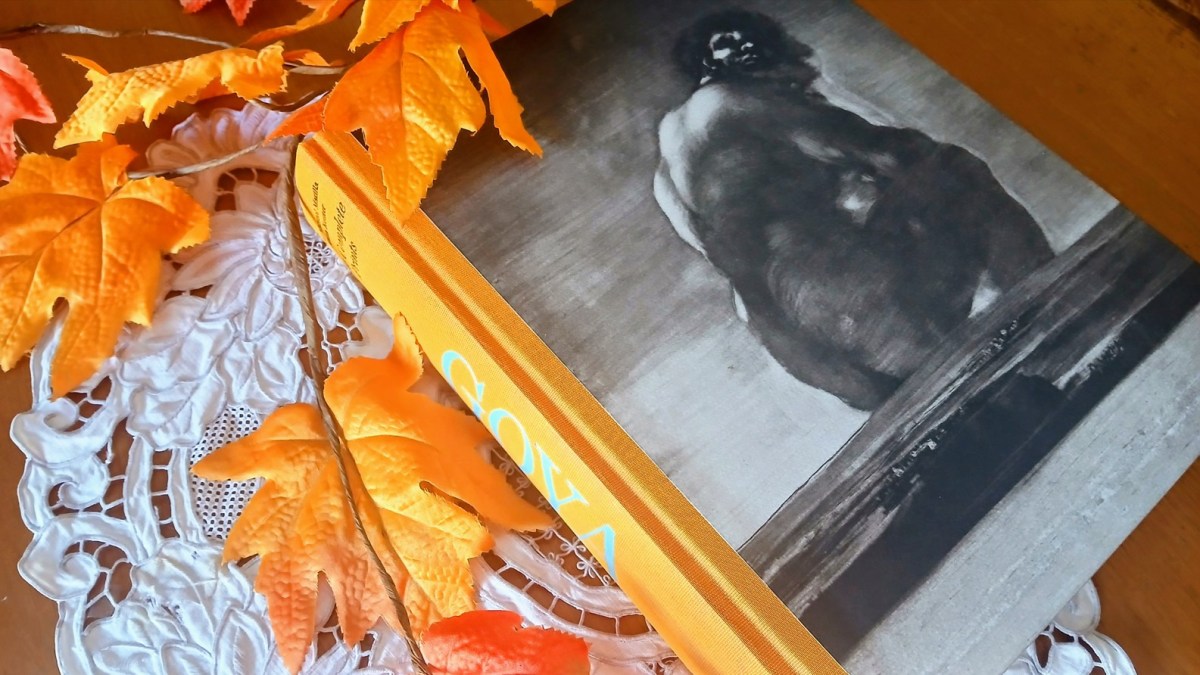
Goya. Tutte le stampe: un viaggio nella mente inquieta di Francisco Goya
🇮🇹Se volete fare un viaggio nella mente inquieta di Goya, ‘Goya. Tutte le stampe’, fa al caso vostro. Un volume che raccoglie l’intera produzione grafica, con 287 incisioni e litografie riprodotte in grande formato… 🇬🇧If you want to journey into Goya’s restless mind, ‘Goya. All the Prints’ is for you. This volume collects his entire…
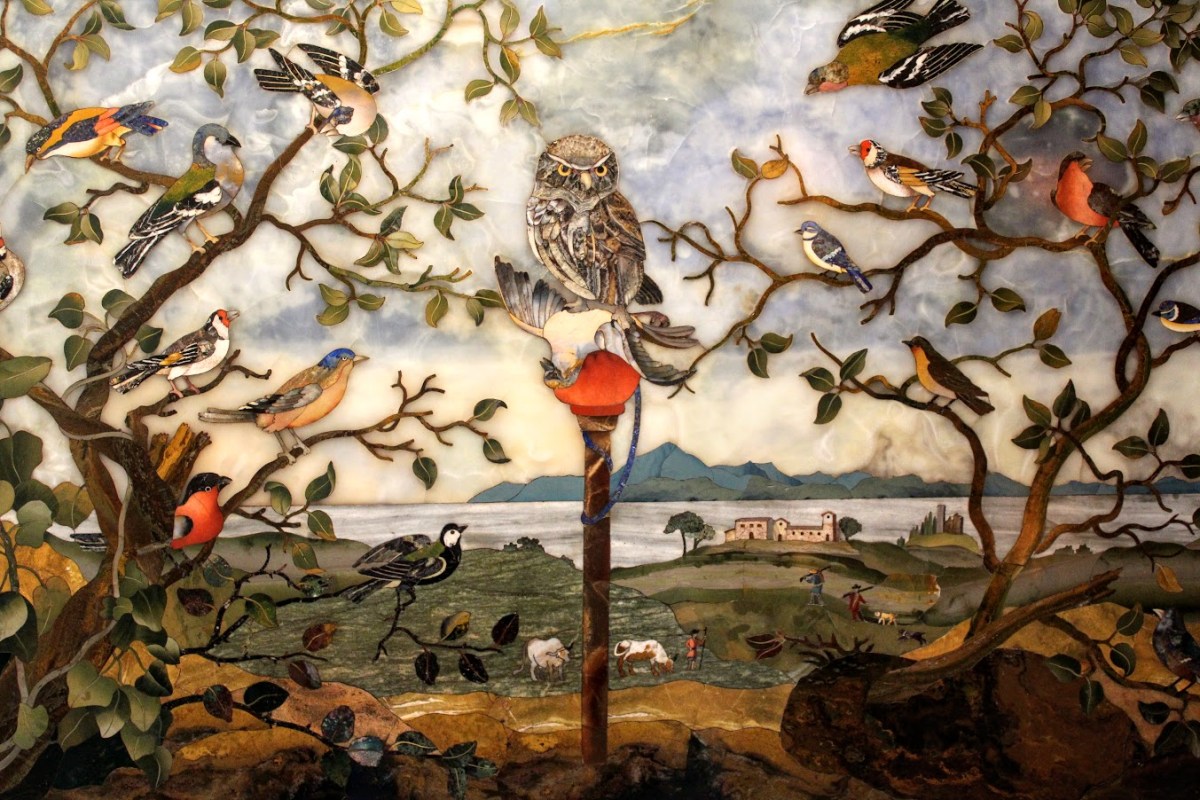
3 settembre 1588: nasce l’Opificio delle Pietre Dure a Firenze
🇮🇹Il 3 settembre 1588 Ferdinando I de’ Medici fondò l’Opificio delle Pietre Dure. Ecco la storia del commesso fiorentino, della Cappella dei Principi e del grande centro di restauro… 🇬🇧On September 3, 1588, Ferdinand I de’ Medici founded the Opificio delle Pietre Dure. Here is the story of Florentine inlay work, the Cappella dei Principi,…
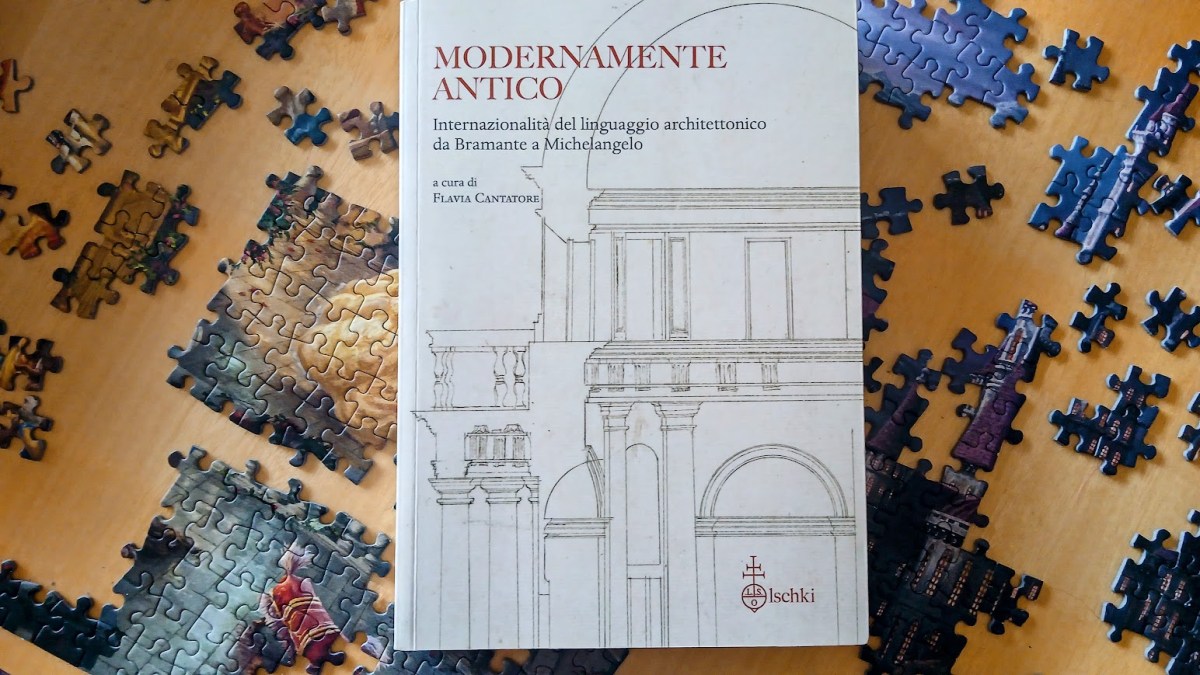
Modernamente antico: Bramante, Michelangelo e la nascita di un nuovo linguaggio dell’architettura
‘Modernamente antico’, richiama le celebri parole con cui Pietro Aretino definì nel 1542 l’invenzione di Giulio Romano come fatta di “concetti anticamente moderni e modernamente antichi”…
Il pianto d’amore: “L’alma, che sparge e versa”
🇮🇹«L’alma, che sparge e versa / di fuor l’acque di drento». Il pianto non è solo sofferenza, ma diventava quasi uno strumento attraverso il quale riuscivo a mantenere vivo dentro di me quel fuoco d’amore che, nonostante tutto, continuava ad ardere… 🇬🇧”The soul, which spills and pours / outward the waters within.” Crying isn’t just…
Si è verificato un problema. Aggiorna la pagina e/o riprova in seguito.
Condividi:


Questo sono io




sostienici

Sostienici – Support Us
Se questo blog ti piace e ti appassiona, puoi aiutarci a farlo crescere sempre più sostenendoci in modo concreto condividendo i post, seguendo le pagine social e con un contributo che ci aiuta ad andare avanti con il nostro lavoro di divulgazione. . ENGLISH: If you like and are passionate about this blog, you can help us make it grow more and more by supporting us in a concrete way by sharing posts, following social pages and with a contribution that helps us to move forward with our dissemination work.
€10,00


Grazie, molto belli.
"Mi piace""Mi piace"