
I volti del Fayum arrivano a Roma: oltre 110 opere raccontano il potere del ritratto nell’antico Egitto
Quasi 50 ritratti funerari del Fayum, alcuni dei quali mai usciti prima dall’Egitto, saranno riuniti a Roma per una mostra straordinaria.
Dal 5 novembre 2026 al 2 maggio 2027, il Museo dell’Ara Pacis ospita Il potere del ritratto. Egitto e Roma. I volti del Fayum, un’esposizione che mette a confronto due grandi culture del mondo antico attraverso una delle testimonianze artistiche più emozionanti che siano giunte fino a noi: i volti delle persone vissute quasi duemila anni fa.
Sono sguardi, espressioni, dettagli dei capelli, gioielli e lineamenti che restituiscono una presenza umana sorprendentemente viva. Davanti a questi ritratti è difficile non avere la sensazione di trovarsi faccia a faccia con qualcuno che ha vissuto, amato e attraversato il proprio tempo.
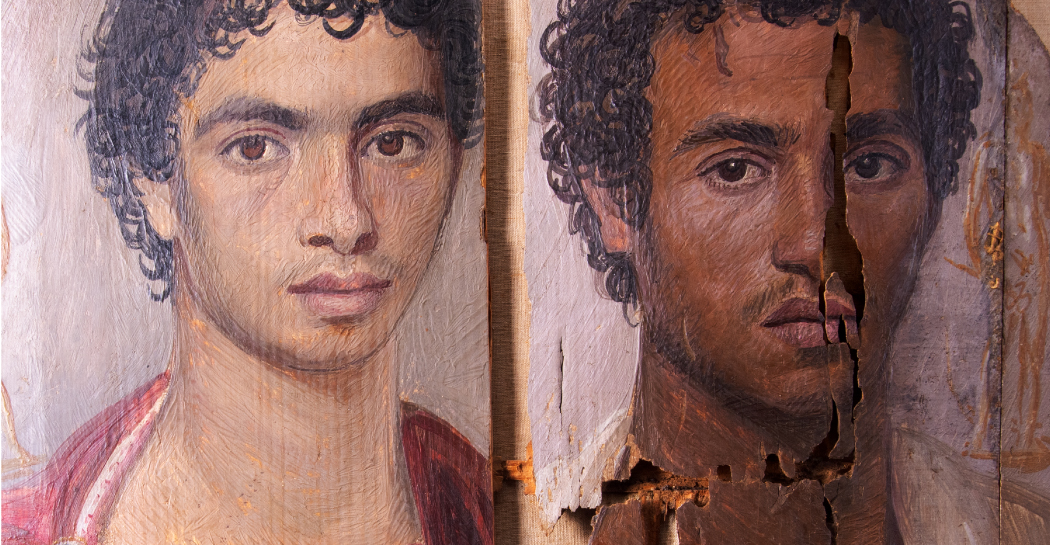
La mostra romana propone un percorso attraverso oltre 110 opere, tra ritratti su tavola, sudari dipinti, maschere funerarie, sculture in marmo, calchi in gesso e oreficerie antiche. Un viaggio nell’arte funeraria dell’Egitto romano, nel quale il ritratto diventa il punto d’incontro tra identità individuale, memoria e desiderio di eternità.
I ritratti del Fayum: volti che hanno attraversato duemila anni
I cosiddetti ritratti del Fayum sono tra le testimonianze più straordinarie della pittura antica. Prendono il nome dall’oasi del Fayum, in Egitto, dove ne furono rinvenuti numerosi esemplari, anche se opere di questo genere provengono da diverse località del Paese.
Realizzati prevalentemente tra il I e il III secolo d.C., questi dipinti venivano collocati sul volto delle mummie, tra le bende funerarie, per conservare l’immagine del defunto. Erano dunque parte di un rituale nel quale la rappresentazione del volto assumeva un significato profondo: mantenere riconoscibile la persona anche dopo la morte.
Le tavole, spesse appena pochi millimetri, erano dipinte con la tecnica dell’encausto, che utilizzava pigmenti mescolati alla cera calda, oppure a tempera. Il risultato è una pittura capace di restituire incarnati, ombre e particolari con una naturalezza sorprendente.
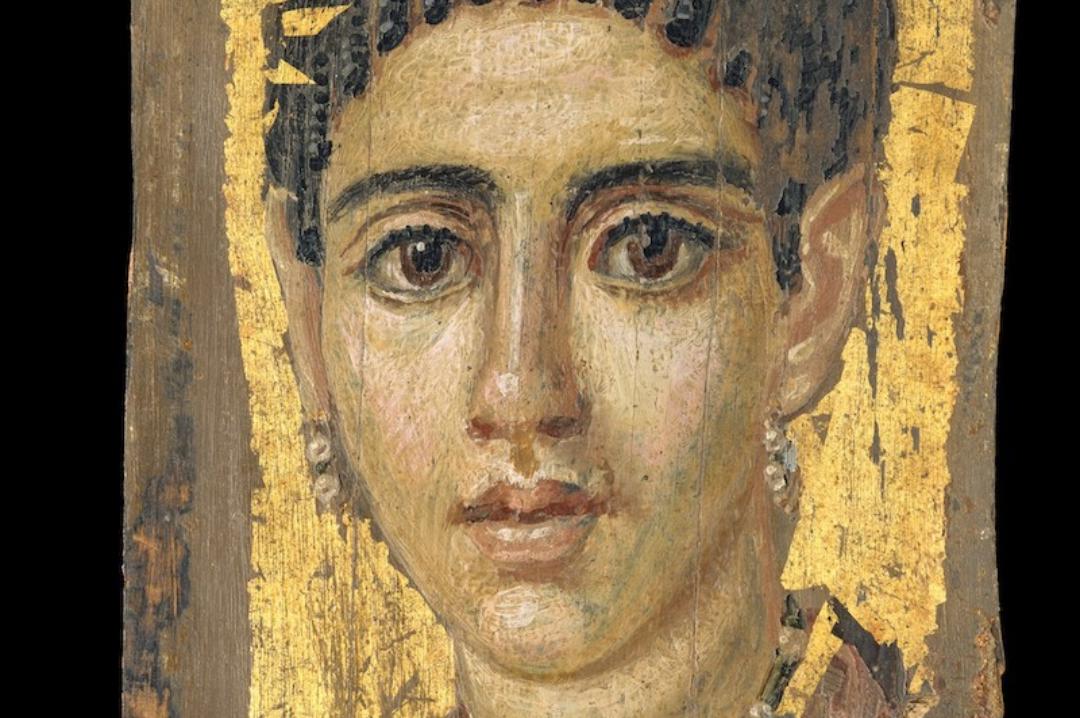
Gli occhi sono spesso il dettaglio che colpisce maggiormente. Grandi, intensi, talvolta malinconici, sembrano cercare ancora il contatto con chi osserva. Anche le acconciature, gli orecchini, le collane e gli abiti raccontano qualcosa delle persone ritratte, del loro gusto e della società in cui vivevano.
Si tratta di opere rarissime e particolarmente delicate. In tutto il mondo se ne conservano poco meno di mille e soltanto una piccola parte è custodita nei musei italiani. Riuscire a riunirne quasi cinquanta in un’unica esposizione rappresenta quindi un’occasione davvero speciale.
Il Tondo dei Due Fratelli: un capolavoro mai uscito dall’Egitto
Uno dei momenti più importanti della mostra sarà la presenza del celebre Tondo dei Due Fratelli, considerato uno dei massimi capolavori della ritrattistica antica.
La sua partecipazione è particolarmente significativa perché, per questa esposizione, l’Egitto concede in prestito la quasi totalità delle tavole conservate nelle proprie collezioni, comprese opere che non avevano mai lasciato il Paese.
Il Tondo dei Due Fratelli è una delle immagini più affascinanti dell’intera tradizione dei ritratti funerari. La sua storia è legata anche a un importante lavoro di conservazione: l’opera è stata restaurata in Egitto da restauratori italiani nell’ambito del progetto della mostra.
La possibilità di ammirarlo a Roma, insieme a un nucleo così consistente di ritratti provenienti da collezioni internazionali, permette di osservare da vicino una stagione artistica nella quale la tradizione egizia incontrò forme e linguaggi del mondo greco-romano.
Dal Louvre al Getty Museum: prestiti internazionali eccezionali
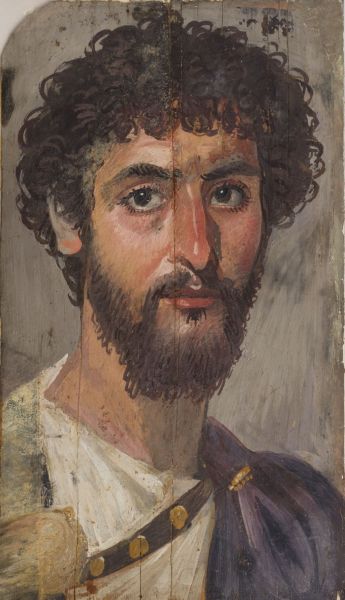
Il percorso espositivo non si limita alle opere provenienti dall’Egitto. Accanto a questo nucleo saranno presentati ventitré lavori del Museo del Louvre, tra tavole dipinte e rarissimi sudari di lino.
A questi si aggiungono prestiti di grande prestigio dal Getty Museum, dal Metropolitan Museum of Art di New York, dal Landesmuseum Württemberg di Stoccarda e da altre importanti istituzioni internazionali.
Un insieme di opere che permette di approfondire non soltanto la qualità pittorica dei ritratti, ma anche le diverse modalità con cui il mondo antico affrontava il tema della rappresentazione del defunto.
A rendere ancora più interessante l’esposizione sarà la presenza di un ritratto giovanile recentemente emerso dagli scavi della missione archeologica italiana dell’Università del Salento in Egitto. L’opera verrà presentata per la prima volta al pubblico, offrendo l’occasione di conoscere una testimonianza appena restituita alla ricerca archeologica.
Egitto e Roma: quando due culture si incontrano nel ritratto
La mostra Il potere del ritratto. Egitto e Roma. I volti del Fayum invita a riflettere su un periodo particolarmente interessante della storia mediterranea.
Quando l’Egitto entrò nell’orbita romana, le sue tradizioni religiose e funerarie continuarono a convivere con usanze, mode e modelli figurativi provenienti dal mondo greco-romano.
Ne nasce un linguaggio artistico originale, nel quale convivono identità culturali differenti. Le persone ritratte indossano abiti e gioielli del proprio tempo, portano acconciature alla moda e mostrano caratteristiche individuali che rendono ogni immagine diversa dalle altre.
A distanza di quasi duemila anni, quei volti conservano una capacità di comunicare che sorprende ancora oggi.
Il potere del ritratto: informazioni sulla mostra a Roma
La mostra Il potere del ritratto. Egitto e Roma. I volti del Fayum sarà ospitata negli spazi espositivi del Museo dell’Ara Pacis, in via di Ripetta 180 a Roma.
Date: dal 5 novembre 2026 al 2 maggio 2027.
Sede: Museo dell’Ara Pacis, Spazio Espositivo.
Indirizzo: Via di Ripetta 180, Roma.
Con oltre 110 opere e quasi 50 ritratti del Fayum, l’esposizione offre un’occasione rara per avvicinarsi a una delle espressioni più suggestive dell’arte antica. Un viaggio tra archeologia, pittura e memoria che permette di riscoprire volti lontani nel tempo, ma ancora capaci di suscitare emozioni molto vicine alle nostre.
Per il momento il sempre vostro Michelangelo Buonarroti vi saluta dandovi appuntamento ai prossimi post e sui social.
The Fayum Portraits arrive in Rome: over 110 works explore the power of portraiture in ancient Egypt
Nearly 50 funerary portraits from the Fayum—some of which have never before left Egypt—will be brought together in Rome for an extraordinary exhibition.
From November 5, 2026, to May 2, 2027, the Ara Pacis Museum will host The Power of Portraiture: Egypt and Rome – The Fayum Portraits, an exhibition that compares two great cultures of the ancient world through one of the most moving artistic legacies to have survived to the present day: the faces of individuals who lived nearly two thousand years ago.
The gazes, expressions, intricate hairstyles, jewelry, and facial features convey a human presence that feels startlingly alive. Standing before these portraits, it is hard not to feel as though you are coming face-to-face with someone who once lived, loved, and navigated their own era.
The Roman exhibition features over 110 works, including panel portraits, painted shrouds, funerary masks, marble sculptures, plaster casts, and ancient jewelry. It offers a journey into the funerary art of Roman-era Egypt, where the portrait serves as a meeting point between individual identity, memory, and the longing for eternity.
The Fayum Portraits: faces that have spanned two thousand years
The so-called “Fayum portraits” rank among the most remarkable examples of ancient painting. They take their name from the Fayum Oasis in Egypt, where many such pieces were discovered—though works of this kind have also been found in various other locations across the country. Created primarily between the 1st and 3rd centuries AD, these paintings were placed over the faces of mummies, tucked within the funerary wrappings, to preserve the image of the deceased. They were part of a ritual in which the depiction of the face held profound significance: ensuring the individual remained recognizable even after death.
The panels, only a few millimeters thick, were painted using either the encaustic technique—involving pigments mixed with hot wax—or tempera. The resulting paintings capture skin tones, shadows, and fine details with striking naturalism.
The eyes are often the most arresting feature. Large, intense, and at times melancholic, they seem to seek a connection with the viewer. Hairstyles, earrings, necklaces, and garments also reveal details about the subjects—their personal tastes and the society in which they lived.
These are exceptionally rare and delicate works. Fewer than a thousand survive worldwide, with only a small fraction held in Italian museums. Bringing nearly fifty of them together in a single exhibition is, therefore, a truly special occasion.
The Tondo of the Two Brothers: A Masterpiece That Never Left Egypt
A highlight of the exhibition is the inclusion of the renowned “Tondo of the Two Brothers,” considered one of the greatest masterpieces of ancient portraiture.
Its presence is particularly significant, as Egypt has loaned nearly all the panels from its own collections for this exhibition—including works that had never before left the country.
The Tondo of the Two Brothers stands as one of the most captivating images within the entire tradition of funerary portraiture. Its history is also linked to an important conservation effort: the piece was restored in Egypt by Italian conservators as part of the exhibition project.
The opportunity to admire it in Rome—alongside a substantial collection of portraits from international sources—allows for a close-up look at an artistic era in which Egyptian tradition intersected with the forms and visual language of the Greco-Roman world.
From the Louvre to the Getty Museum: exceptional international loans
The exhibition is not limited to works originating from Egypt. Alongside this core group, twenty-three pieces from the Louvre Museum will be on display, including painted panels and exceptionally rare linen shrouds.
These are joined by prestigious loans from the Getty Museum, the Metropolitan Museum of Art in New York, the Landesmuseum Württemberg in Stuttgart, and other major international institutions.
Together, these works offer a deeper understanding not only of the artistic quality of the portraits but also of the various ways in which the ancient world approached the representation of the deceased.
Adding further interest to the exhibition is a portrait of a young person, recently unearthed during excavations by the Italian archaeological mission from the University of Salento in Egypt. This piece is being presented to the public for the first time, offering a chance to encounter a discovery that has only just been brought to light by archaeological research.
Egypt and Rome: when two cultures meet in portraiture
The exhibition The Power of the Portrait: Egypt and Rome – The Faces of the Fayum invites reflection on a particularly compelling period in mediterranean history.
When Egypt entered the Roman orbit, its religious and funerary traditions continued to coexist with customs, fashions, and artistic styles originating from the Greco-Roman world.
The result is a unique artistic language in which distinct cultural identities converge. The individuals portrayed wear the clothing and jewelry of their era, sport fashionable hairstyles, and display personal features that make each image unique.
Nearly two thousand years later, these faces retain a power to communicate that remains striking even today.
The Power of the Portrait: Exhibition Information in Rome
The exhibition The Power of the Portrait: Egypt and Rome – The Fayum Faces will be hosted at the Ara Pacis Museum, located at Via di Ripetta 180 in Rome.
Dates: November 5, 2026 – May 2, 2027.
Venue: Ara Pacis Museum, Exhibition Space.
Address: Via di Ripetta 180, Rome.
Featuring over 110 works—including nearly 50 Fayum portraits—the exhibition offers a rare opportunity to engage with one of the most evocative forms of ancient art. It is a journey through archaeology, painting, and memory, allowing us to rediscover faces from a distant past that are still capable of stirring emotions very much like our own.
For now, yours truly, Michelangelo Buonarroti, bids you farewell—until the next post, and see you on social media.

Sostienici – Support Us
Se questo blog ti piace e ti appassiona, puoi aiutarci a farlo crescere sempre più sostenendoci in modo concreto condividendo i post, seguendo le pagine social e con un contributo che ci aiuta ad andare avanti con il nostro lavoro di divulgazione. . ENGLISH: If you like and are passionate about this blog, you can help us make it grow more and more by supporting us in a concrete way by sharing posts, following social pages and with a contribution that helps us to move forward with our dissemination work.
10,00 €

Condividi:


Questo sono io





sostienici

Sostienici - Support Us
Se questo blog ti piace e ti appassiona, puoi aiutarci a farlo crescere sempre più sostenendoci in modo concreto condividendo i post, seguendo le pagine social e con un contributo che ci aiuta ad andare avanti con il nostro lavoro di divulgazione. . ENGLISH: If you like and are passionate about this blog, you can help us make it grow more and more by supporting us in a concrete way by sharing posts, following social pages and with a contribution that helps us to move forward with our dissemination work.
€10,00


