

I Brueghel, apre oggi a Milano la mostra sulla nascita della pittura moderna
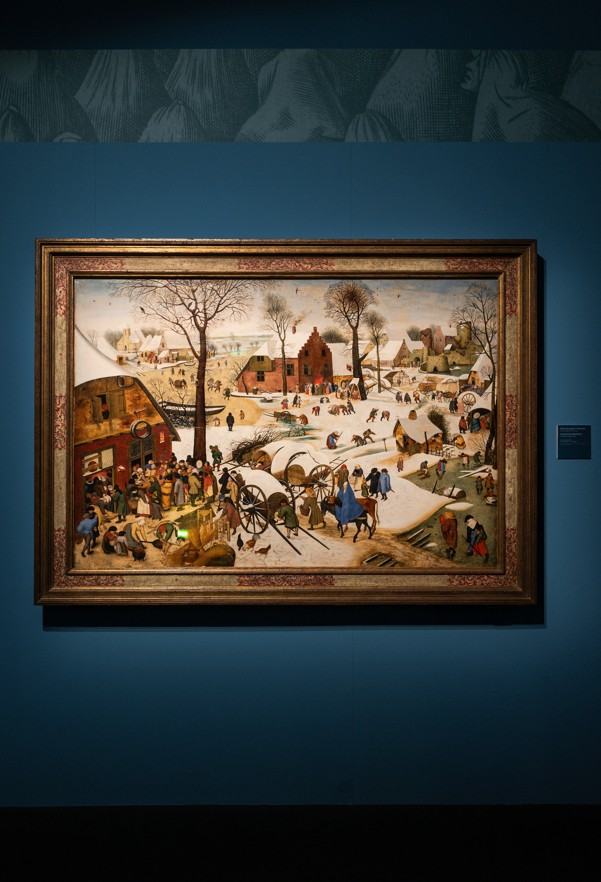
Apre oggi, 29 settembre 2026, a Palazzo Reale di Milano “I Brueghel. Le origini dei generi pittorici in Europa”, la mostra che Palazzo Reale dedica a una delle più conosciute dinastie artistiche fiamminghe e al ruolo che la famiglia ebbe nello sviluppo della pittura europea tra il XVI e il XVII secolo.
Il percorso espositivo, aperto al pubblico fino al 31 gennaio 2027, riunisce oltre 80 opere tra dipinti, disegni e stampe e mette in relazione la produzione dei Brueghel con quella di altri artisti attivi nei principali centri culturali ed economici dell’Europa del tempo.
Il progetto è firmato da Bernard Aikema, con la curatela di Carlotta Striolo, ed è promosso dal Comune di Milano – Cultura e prodotto da Palazzo Reale e 24 ORE Cultura – Gruppo Il Sole 24 ORE.
Il tema centrale della mostra è la nascita dei generi pittorici, un processo che si sviluppò progressivamente tra la fine del Cinquecento e il Seicento e che portò la pittura europea verso una maggiore specializzazione dei soggetti.
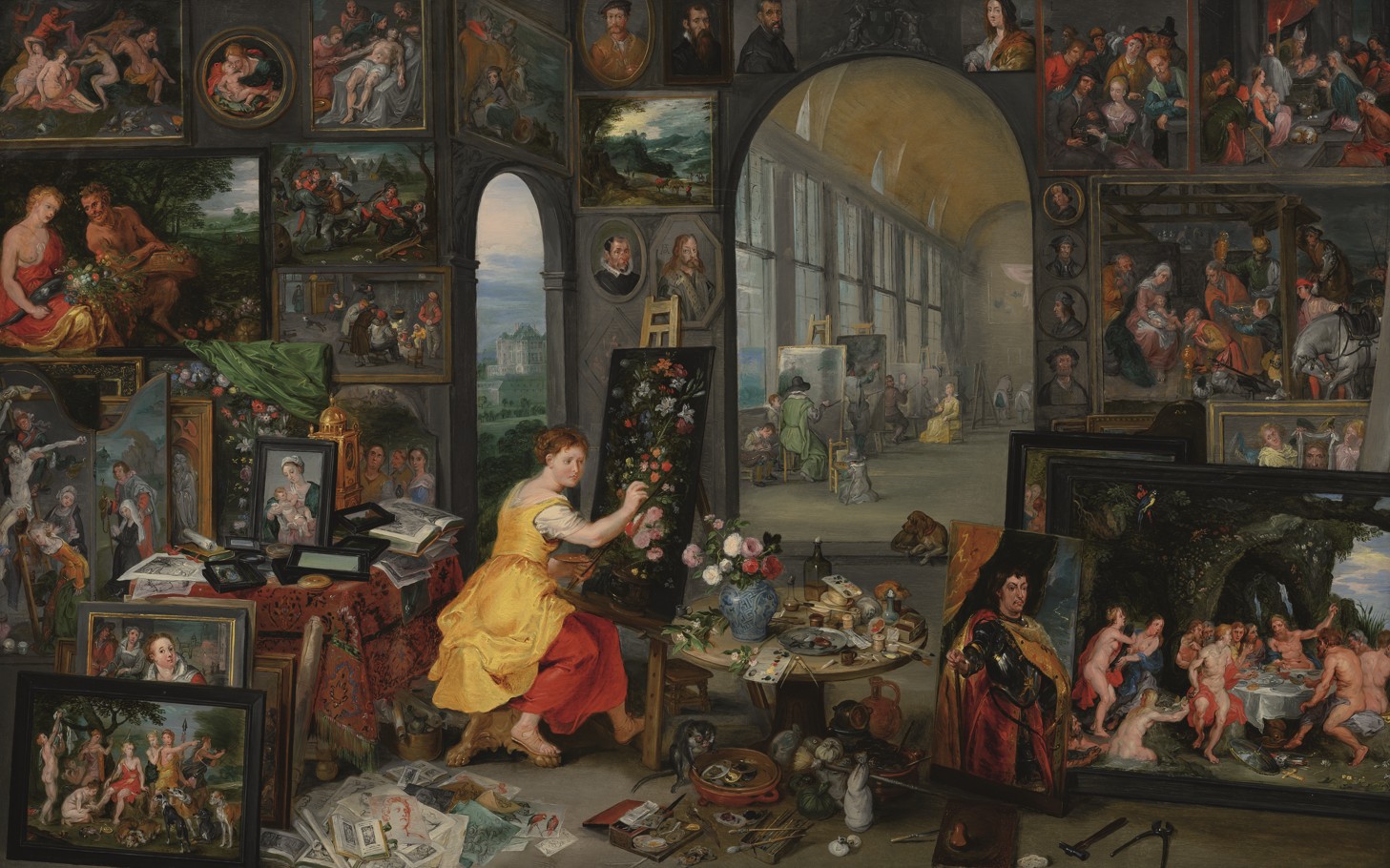
Pieter Bruegel il Vecchio e una nuova attenzione alla realtà
Il percorso prende le mosse da Pieter Bruegel il Vecchio, considerato il capostipite della dinastia.
La sua pittura si colloca nel solco della grande tradizione fiamminga e risente anche dell’eredità di Hieronymus Bosch, ma se ne allontana progressivamente per rivolgere l’attenzione verso una rappresentazione più concreta del mondo.
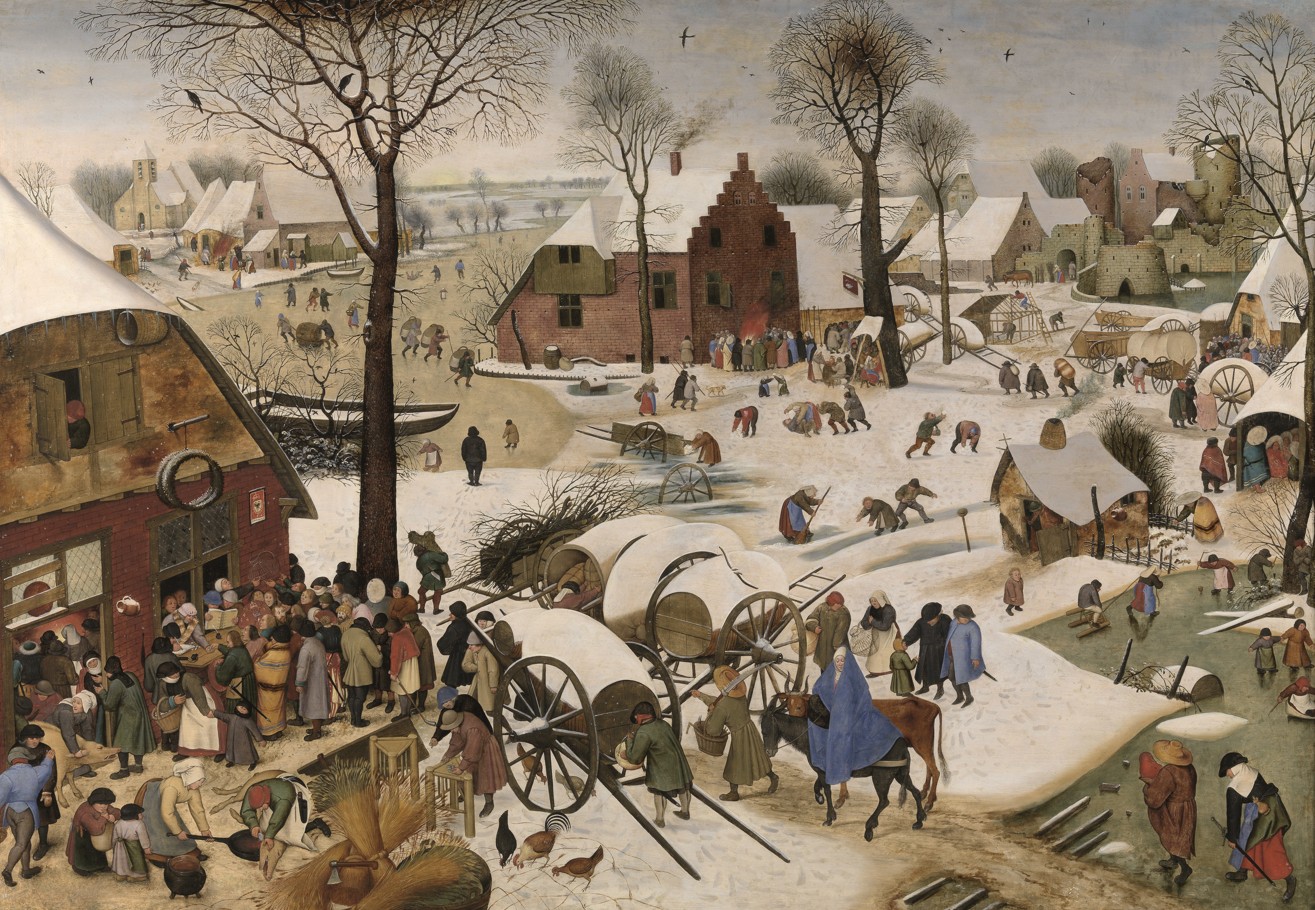
Nei dipinti di Bruegel compaiono contadini, feste, villaggi, paesaggi innevati e scene della vita quotidiana. Il mondo rurale diventa così un soggetto importante della pittura, osservato con attenzione e inserito all’interno di composizioni complesse, nelle quali gli elementi della realtà convivono con riferimenti simbolici e morali.
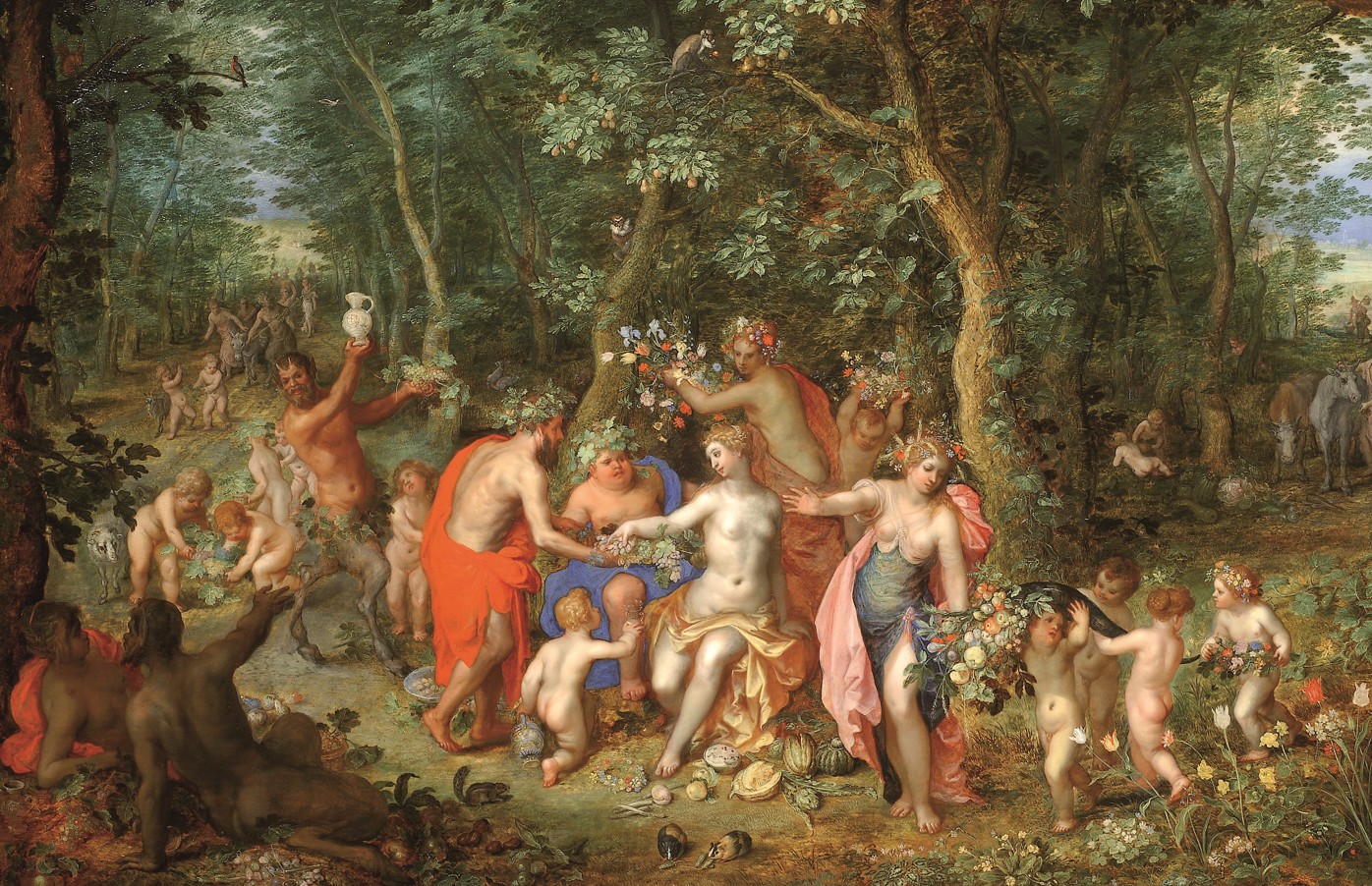
Quella che potrebbe apparire come una pittura semplicemente popolare era in realtà destinata anche a un pubblico colto, in grado di riconoscere i numerosi significati contenuti nelle immagini.
Per Pieter Bruegel il Vecchio, inoltre, non si può ancora parlare di una produzione seriale organizzata come sarebbe avvenuto nella generazione successiva. La sua attività rimane legata alla progettazione e alla realizzazione di opere originali, mentre saranno soprattutto i figli a contribuire alla diffusione dei suoi modelli.
Pieter Brueghel il Giovane e la diffusione dei modelli paterni
Il ruolo di Pieter Brueghel il Giovane, primogenito di Pieter Bruegel il Vecchio, è particolarmente importante per comprendere la fortuna della famiglia.
Il figlio riprese infatti numerosi soggetti elaborati dal padre, realizzandone diverse varianti e contribuendo alla loro diffusione sul mercato.
I paesaggi innevati, le feste contadine, le scene di villaggio e alcune tipologie di natura morta vengono riproposti attraverso una produzione di bottega alla quale partecipavano pittori e copisti specializzati.
È in questa fase che il nome Brueghel acquista una riconoscibilità sempre maggiore presso i collezionisti e il mercato europeo. La possibilità di riproporre modelli già apprezzati dal pubblico consentiva infatti di rispondere alla domanda di un mercato dell’arte in espansione.
Il fenomeno aiuta anche a comprendere le difficoltà che ancora oggi accompagnano l’attribuzione di alcune opere della cerchia dei Brueghel, perché non sempre è semplice distinguere la mano del capostipite da quella dei figli, dei collaboratori e dei copisti che ripresero i suoi modelli.
La Danza nuziale e le questioni di attribuzione
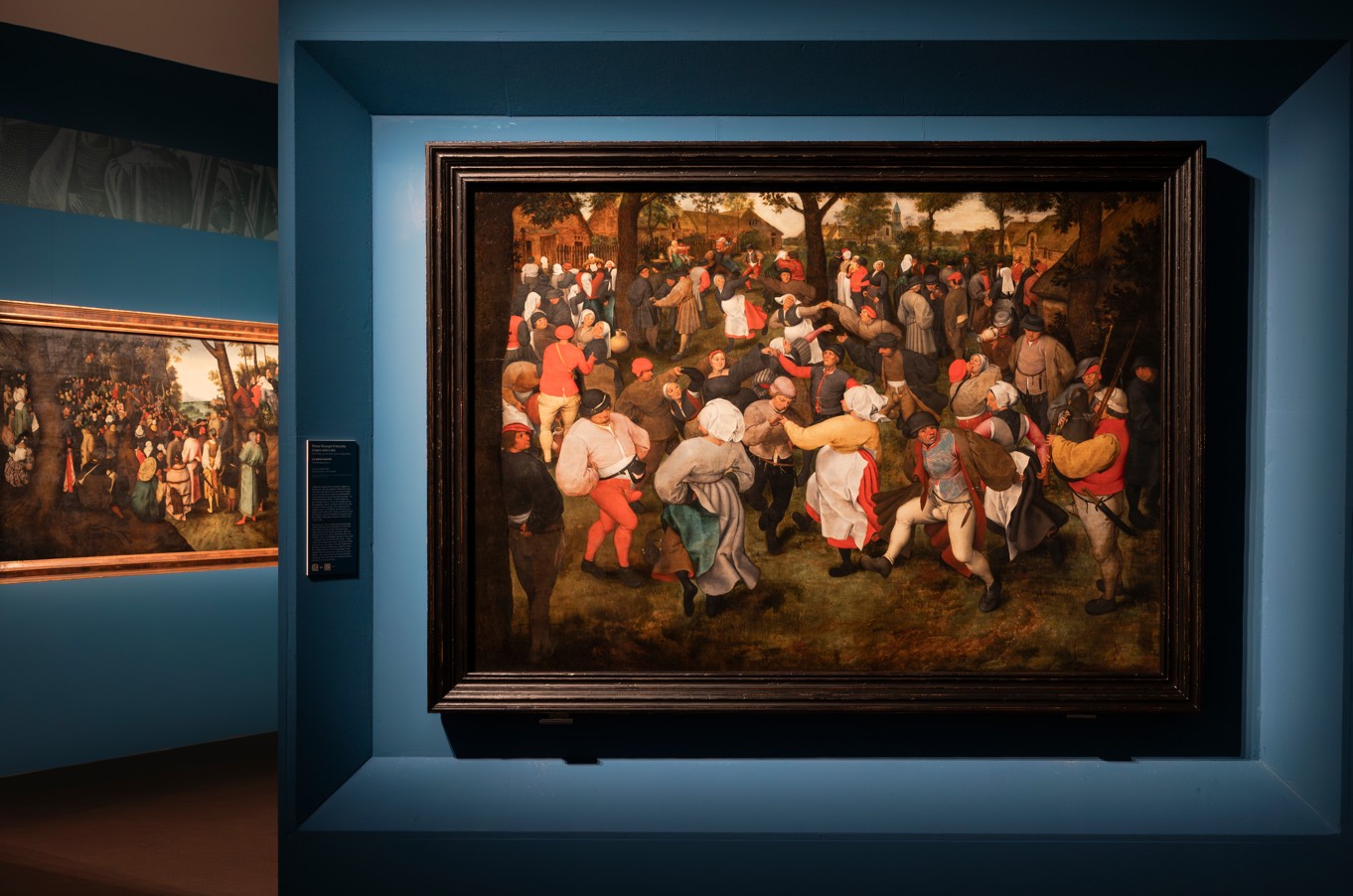
Un esempio significativo è la Danza nuziale di Anversa, datata intorno al 1566.
Per la sua qualità, il dipinto è stato a lungo considerato un’opera autografa di Pieter Bruegel il Vecchio. Studi e rivalutazioni più recenti hanno invece portato a ipotizzare che possa trattarsi dell’opera di un copista precoce appartenente alla cerchia più vicina all’artista.
Le figure e i colori mostrano infatti una conoscenza molto precisa del modello originale, al punto da suggerire che l’autore avesse avuto accesso diretto all’opera di Bruegel.
Il caso è significativo perché mostra come, già alla fine del Cinquecento, la fortuna di determinati modelli pittorici potesse generare una produzione destinata a un pubblico sempre più ampio.
Jan Brueghel il Vecchio e il rapporto con l’Italia
Un ruolo altrettanto importante nella storia della dinastia è quello di Jan Brueghel il Vecchio, secondogenito di Pieter Bruegel il Vecchio.
A differenza del fratello Pieter, Jan ebbe una formazione e una carriera fortemente legate ai viaggi e ai rapporti internazionali. Soggiornò a lungo in Italia, dove entrò in contatto con la tradizione artistica della Penisola e con importanti committenti.
Tra questi ci fu Federico Borromeo, cardinale, arcivescovo di Milano e grande collezionista di pittura fiamminga.
Su invito di Borromeo, Jan Brueghel arrivò a Milano nel 1595, soggiornando nel palazzo arcivescovile e realizzando opere destinate alla collezione del cardinale.
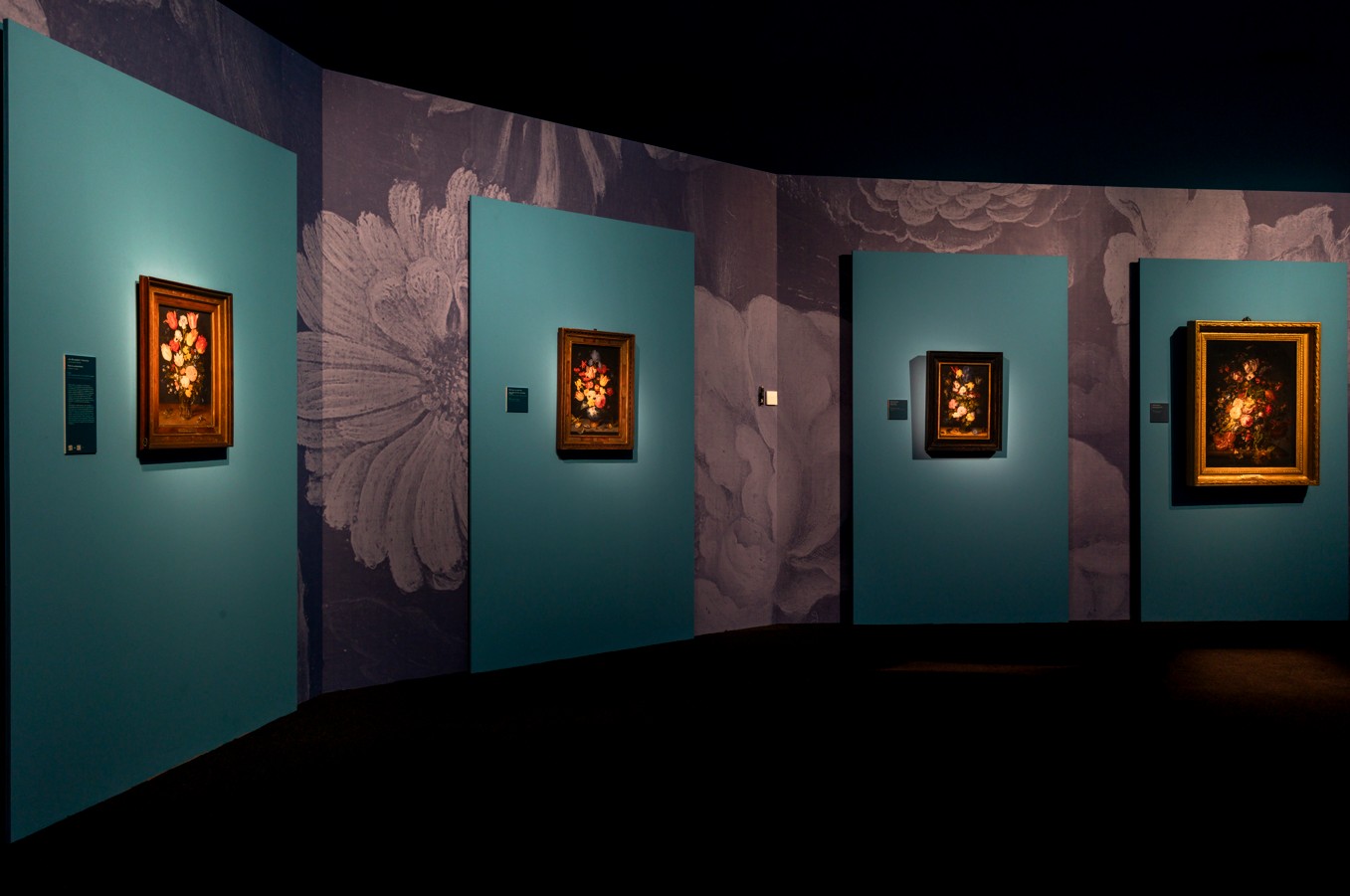
Tra queste figura il celebre Fiori in un vaso, oggi conservato alla Pinacoteca Ambrosiana, che possiede uno dei nuclei più importanti di opere di Jan Brueghel il Vecchio presenti in Italia.
La presenza dell’artista a Milano costituisce uno degli episodi attraverso i quali la mostra ricostruisce la circolazione della pittura fiamminga nella Penisola e il ruolo della città lombarda nella diffusione di nuove tipologie artistiche.
Jan Brueghel tra Roma e Praga
Il rapporto con l’Italia non si limitò a Milano.
Anche Roma rappresentò un importante punto di riferimento per Jan Brueghel, come testimoniano alcune delle opere presenti in mostra, tra cui Enea e Sibilla nell’Oltretomba e Orfeo canta per Plutone e Proserpina, provenienti dalla Collezione Colonna.
Nel corso della sua attività Jan ampliò inoltre il repertorio della famiglia introducendo o sviluppando temi come i paradisi terrestri, le allegorie degli Elementi e delle Stagioni e le scene mitologiche.
Particolarmente significativa fu anche la collaborazione con Pieter Paul Rubens, mentre insieme ad altri artisti neerlandesi, tra cui Paul Bril e Hans Rottenhammer, contribuì alla fortuna dei cosiddetti cabinet paintings, dipinti di piccolo formato, spesso realizzati su rame e caratterizzati da una grande attenzione ai dettagli.
Erano opere pensate per essere osservate da vicino e particolarmente adatte alle collezioni private.
Un altro centro fondamentale fu Praga, dove la corte dell’imperatore Rodolfo II costituiva uno degli ambienti culturali più importanti dell’Europa centrale.
Qui le invenzioni di Jan Brueghel relative ai paesaggi di piccolo formato, ai paradisi e alle composizioni allegoriche furono riprese e sviluppate da altri artisti, tra cui Roelant Savery e Pieter Stevens.
La nascita dei generi pittorici e il nuovo mercato dell’arte
La vicenda dei Brueghel deve essere inserita in un cambiamento più ampio che interessò la società europea tra la fine del Cinquecento e l’inizio del Seicento.
Da una parte si sviluppò una nuova riflessione teorica sulla pittura e sulla distinzione tra scuole, maniere e tipologie artistiche; dall’altra cambiò il mercato.
Nei Paesi Bassi, in particolare, la pittura iniziò a rivolgersi sempre più anche a un pubblico borghese, non esclusivamente composto da corti, aristocratici e istituzioni religiose.
Questo nuovo mercato favorì la specializzazione degli artisti.
Alcuni si dedicarono prevalentemente al paesaggio, altri alle scene di battaglia, alle nature morte, ai fiori o alle rappresentazioni della vita quotidiana.
Si affermarono così progressivamente quei generi pittorici che avrebbero avuto un ruolo centrale nella storia dell’arte europea dei secoli successivi.
I Brueghel parteciparono a questo processo sia attraverso le loro invenzioni sia attraverso la capacità di diffondere e consolidare determinati modelli.
Dai Brueghel agli altri pittori europei
La mostra di Palazzo Reale non si limita quindi a ricostruire la storia della famiglia, ma mette i Brueghel in relazione con altri artisti che svilupparono le tipologie da loro sperimentate.
Tra i protagonisti del percorso compaiono Lucas van Valckenborch, Roelandt Savery, Pieter Stevens e Paul Bril, pittori che contribuirono alla diffusione del paesaggio, delle scene contadine e di altre forme di pittura specializzata.
Il percorso si allarga inoltre ai principali centri dei Paesi Bassi, come Anversa, Amsterdam e Haarlem, che tra XVI e XVII secolo divennero importanti luoghi di produzione artistica e di scambio commerciale.
Il fenomeno Brueghel viene così inserito in una rete molto più ampia, nella quale modelli, tecniche e soggetti passavano da un artista all’altro e da una città all’altra.
Una dinastia al centro di una trasformazione della pittura europea
La mostra “I Brueghel. Le origini dei generi pittorici in Europa” permette quindi di osservare la storia di una famiglia di artisti all’interno di una trasformazione più generale della pittura europea.
Pieter Bruegel il Vecchio contribuì a portare nella pittura una nuova attenzione verso il paesaggio e la vita quotidiana; i suoi figli svilupparono e diffusero quei modelli attraverso una produzione più ampia e articolata; Jan Brueghel il Vecchio, grazie ai suoi viaggi e ai rapporti con l’Italia e con le corti europee, contribuì ulteriormente alla circolazione internazionale di quelle invenzioni.
Il risultato è una storia che attraversa Fiandre, Italia, Germania, Boemia e Paesi Bassi, mettendo in evidenza quanto la nascita dei generi pittorici sia stata il risultato di scambi, collaborazioni, richieste del mercato e trasformazioni culturali.
A Palazzo Reale, fino al 31 gennaio 2027, oltre 80 opere permettono di seguire questo percorso e di comprendere come paesaggio, natura morta, pittura di genere e pittura di battaglia siano progressivamente diventati categorie autonome della pittura europea.
In questo contesto, il nome Brueghel rappresenta non soltanto una delle più note dinastie artistiche fiamminghe, ma anche uno dei casi più interessanti per osservare il rapporto tra artista, bottega, mercato e diffusione dei modelli nella storia dell’arte europea.
Per il momento il sempre vostro Michelangelo Buonarroti vi saluta dandovi appuntamento ai prossimi post e sui social.

“The Brueghels”: Exhibition on the Birth of Modern Painting Opens Today in Milan
Opening today, September 29, 2026, at Milan’s Palazzo Reale is The Brueghels: The Origins of Pictorial Genres in Europe. This exhibition is dedicated to one of the most renowned Flemish artistic dynasties and the family’s pivotal role in the development of European painting between the 16th and 17th centuries.
The exhibition, open to the public until January 31, 2027, brings together over 80 works—including paintings, drawings, and prints—and places the Brueghels’ output in dialogue with that of other artists active in the major cultural and economic centers of Europe at the time.
The project was conceived by Bernard Aikema and curated by Carlotta Striolo; it is promoted by the Municipality of Milan (Culture Department) and produced by Palazzo Reale and 24 ORE Cultura – Gruppo Il Sole 24 ORE.
The exhibition’s central theme is the birth of pictorial genres—a process that unfolded gradually between the late 16th and 17th centuries, steering European painting toward greater specialization in subject matter.
Pieter Bruegel the Elder and a New Focus on Reality
The exhibition begins with Pieter Bruegel the Elder, considered the patriarch of the dynasty.
While his painting follows the great Flemish tradition and reflects the legacy of Hieronymus Bosch, it gradually moves away from those influences to focus on a more concrete depiction of the world.
Bruegel’s paintings feature peasants, festivals, villages, snowy landscapes, and scenes of everyday life. The rural world thus became a significant subject in painting, observed closely and integrated into complex compositions where elements of reality coexist with symbolic and moral references.
What might appear to be merely “popular” art was, in fact, also intended for a cultivated audience capable of recognizing the many meanings embedded in the images.
Furthermore, in the case of Pieter Bruegel the Elder, one cannot yet speak of the kind of organized serial production that would emerge in the following generation. His work remained focused on the design and creation of original pieces, whereas it was primarily his sons who contributed to the dissemination of his models.
Pieter Brueghel the Younger and the dissemination of his father’s models
The role of Pieter Brueghel the Younger—the eldest son of Pieter Bruegel the Elder—is particularly important for understanding the family’s success.
Indeed, the son revisited numerous subjects developed by his father, creating various versions and helping to distribute them across the market.
Snowy landscapes, peasant festivities, village scenes, and certain types of still lifes were reproduced through workshop production involving specialized painters and copyists.
It was during this period that the Brueghel name gained increasing recognition among collectors and the European market. The ability to reproduce models already appreciated by the public made it possible to meet the demand of an expanding art market.
This phenomenon also helps explain the difficulties still encountered today in attributing certain works from the Brueghel circle; it is not always easy to distinguish the hand of the family patriarch from that of the sons, collaborators, and copyists who adopted his models. The Wedding Dance and questions of attribution
A significant example is The Wedding Dance (Antwerp), dated around 1566.
Due to its quality, the painting was long considered an autograph work by Pieter Bruegel the Elder. However, more recent studies and re-evaluations have led to the hypothesis that it may be the work of an early copyist from the artist’s immediate circle.
Indeed, the figures and colors demonstrate a precise knowledge of the original model, suggesting that the artist had direct access to Bruegel’s work.
This case is significant because it illustrates how, as early as the late sixteenth century, the popularity of certain pictorial models could generate a body of work aimed at an ever-widening audience.
Jan Brueghel the Elder and his connection to Italy
Jan Brueghel the Elder, the second son of Pieter Bruegel the Elder, played an equally important role in the history of the dynasty.
Unlike his brother Pieter, Jan’s training and career were deeply shaped by travel and international connections. He spent a long period in Italy, where he engaged with the peninsula’s artistic traditions and established ties with important patrons.
Among these was Federico Borromeo—Cardinal, Archbishop of Milan, and a major collector of Flemish painting.
At Borromeo’s invitation, Jan Brueghel arrived in Milan in 1595; he stayed at the Archbishop’s Palace and created works for the cardinal’s collection.
Among these works is the celebrated Flowers in a Vase, now housed at the Pinacoteca Ambrosiana, which holds one of the most significant collections of works by Jan Brueghel the Elder in Italy.
The artist’s time in Milan represents one of the episodes through which the exhibition reconstructs the circulation of Flemish painting in Italy and the Lombard city’s role in spreading new artistic genres.
Jan Brueghel between Rome and Prague
His connection to Italy extended beyond Milan.
Rome, too, was a key reference point for Jan Brueghel, as evidenced by several works in the exhibition—such as Aeneas and the Sibyl in the Underworld and Orpheus Singing for Pluto and Proserpina—drawn from the Colonna Collection.
Throughout his career, Jan also expanded the family repertoire by introducing or developing themes such as earthly paradises, allegories of the Elements and Seasons, and mythological scenes.
His collaboration with Peter Paul Rubens was particularly significant; furthermore, alongside other Netherlandish artists—including Paul Bril and Hans Rottenhammer—he helped popularize “cabinet paintings”: small-scale works, often executed on copper, characterized by meticulous attention to detail.
These works were designed for close viewing and were ideally suited for private collections.
Prague was another crucial center, where the court of Emperor Rudolf II served as one of Central Europe’s most important cultural hubs.
There, Jan Brueghel’s innovations regarding small-scale landscapes, paradises, and allegorical compositions were adopted and further developed by other artists, including Roelant Savery and Pieter Stevens. The Emergence of Pictorial Genres and the New Art Market
The story of the Brueghel family must be viewed within the context of broader changes affecting European society between the late 16th and early 17th centuries.
On one hand, new theoretical thinking emerged regarding painting and the distinctions between artistic schools, styles, and categories; on the other, the market itself was changing.
In the Low Countries, in particular, painting began to cater increasingly to a bourgeois audience, moving beyond a clientele composed exclusively of courts, aristocrats, and religious institutions.
This new market fostered artist specialization.
Some artists devoted themselves primarily to landscapes, others to battle scenes, still lifes, floral paintings, or depictions of everyday life.
Thus, the pictorial genres that would play a central role in the history of European art in the centuries to follow gradually became established.
The Brueghels played a part in this process through both their own innovations and their ability to disseminate and cement specific artistic models.
From the Brueghels to Other European Painters
The exhibition at the Palazzo Reale does not merely recount the family’s history; it also places the Brueghels in dialogue with other artists who developed the genres they had pioneered.
Key figures featured in the exhibition include Lucas van Valckenborch, Roelandt Savery, Pieter Stevens, and Paul Bril—painters who helped popularize landscapes, peasant scenes, and other forms of specialized painting.
The exhibition also extends its scope to major centers in the Low Countries—such as Antwerp, Amsterdam, and Haarlem—which, between the 16th and 17th centuries, became vital hubs for artistic production and commercial exchange. The Brueghel phenomenon is thus situated within a much broader network, in which models, techniques, and subjects circulated from one artist to another and from city to city.
A dynasty at the heart of a transformation in European painting
The exhibition “The Brueghels: The Origins of Pictorial Genres in Europe” offers an opportunity to trace the history of a family of artists within the context of a more general transformation in European painting.
Pieter Bruegel the Elder helped introduce a new focus on landscape and everyday life into painting; his sons developed and disseminated these models through a more extensive and diverse body of work; Jan Brueghel the Elder, through his travels and connections with Italy and European courts, further contributed to the international circulation of these artistic innovations.
The result is a story that spans Flanders, Italy, Germany, Bohemia, and the Netherlands, highlighting how the emergence of pictorial genres was the product of exchanges, collaborations, market demands, and cultural shifts.
At the Palazzo Reale, until January 31, 2027, over 80 works allow visitors to follow this journey and understand how landscape, still life, genre painting, and battle painting gradually evolved into distinct categories within European art.
In this context, the name Brueghel represents not only one of the most renowned Flemish artistic dynasties and also one of the most interesting cases for observing the relationship between artist, workshop, market, and the dissemination of models in the history of European art.
For now, your ever-faithful Michelangelo Buonarroti bids you farewell and looks forward to seeing you in future posts and on social media.

Sostienici – Support Us
Se questo blog ti piace e ti appassiona, puoi aiutarci a farlo crescere sempre più sostenendoci in modo concreto condividendo i post, seguendo le pagine social e con un contributo che ci aiuta ad andare avanti con il nostro lavoro di divulgazione. . ENGLISH: If you like and are passionate about this blog, you can help us make it grow more and more by supporting us in a concrete way by sharing posts, following social pages and with a contribution that helps us to move forward with our dissemination work.
10,00 €
-
Louvre bloccato dalle proteste in Francia: museo chiuso
🇮🇹Il Museo del Louvre chiude, bloccato dalle proteste. Il museo più visitato al mondo non ha potuto aprire regolarmente questa mattina. A Parigi, un gruppo di studenti ha bloccato gli ingressi del Louvre per esprimere solidarietà al movimento dei liceali e denunciare la repressione della polizia… 🇬🇧The Louvre Museum is closed, blocked by protests. The…
-
Pontremoli: il fascino silenzioso delle Statue Stele e il profumo dell’Amor
🇮🇹Ritorno al Castello del Piagnaro a Pontremoli: una visita al Museo delle Statue Stele Lunigianesi tra misteriosi volti di pietra e la dolce sosta all’Amor Pontremoli… 🇬🇧A return to the Castle of Piagnaro in Pontremoli: a visit to the Museum of the Lunigiana Stele Statues, amidst mysterious stone faces, followed by a delightful stop for…
-
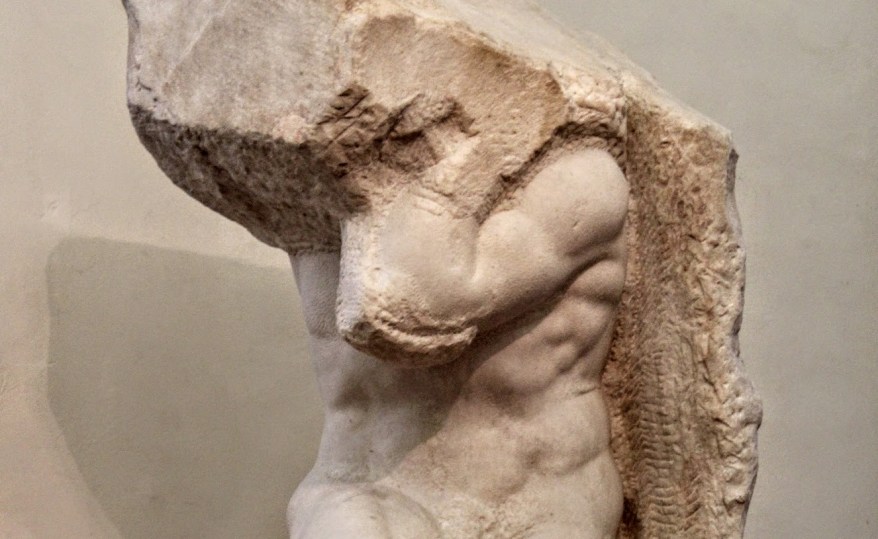
Il tormento del mio marmo ha stregato il Novecento: la nuova mostra a Firenze
🇮🇹Dal 15 dicembre 2026 la Galleria dell’Accademia di Firenze ospita “L’anima dei marmi”. Rodin, Bourdelle e i maestri del Simbolismo rileggono il mio genio… 🇬🇧Starting December 15, 2026, the Galleria dell’Accademia in Florence will host “The Soul of Marble.” Rodin, Bourdelle, and the masters of Symbolism reinterpret my genius…
Condividi:


Questo sono io




sostienici

Sostienici – Support Us
Se questo blog ti piace e ti appassiona, puoi aiutarci a farlo crescere sempre più sostenendoci in modo concreto condividendo i post, seguendo le pagine social e con un contributo che ci aiuta ad andare avanti con il nostro lavoro di divulgazione. . ENGLISH: If you like and are passionate about this blog, you can help us make it grow more and more by supporting us in a concrete way by sharing posts, following social pages and with a contribution that helps us to move forward with our dissemination work.
€10,00


