
Caravaggio nacque il 29 settembre, nel giorno di San Michele: la vita incredibile del pittore che cambiò per sempre la storia dell’arte
Michelangelo Merisi venne al mondo il 29 settembre 1571, proprio nel giorno in cui la Chiesa celebra San Michele Arcangelo, e il giorno successivo, il 30 settembre, venne battezzato nella parrocchia di Santo Stefano in Brolo a Milano.
La data del 29 settembre viene dunque ricostruita sulla base del documento battesimale. Quello che è certo è che il piccolo Michelangelo ricevette il battesimo il giorno seguente. Quel bambino sarebbe diventato uno degli artisti più discussi, ammirati, imitati e studiati della storia dell’arte, capace in meno di quarant’anni di vita di trasformare radicalmente il modo di rappresentare la realtà, il corpo umano, la luce e persino il sacro.
Il suo nome era Michelangelo Merisi, ma il mondo avrebbe imparato a chiamarlo Caravaggio, dal paese lombardo dal quale proveniva la sua famiglia anche se in realtà nacque a Milano.
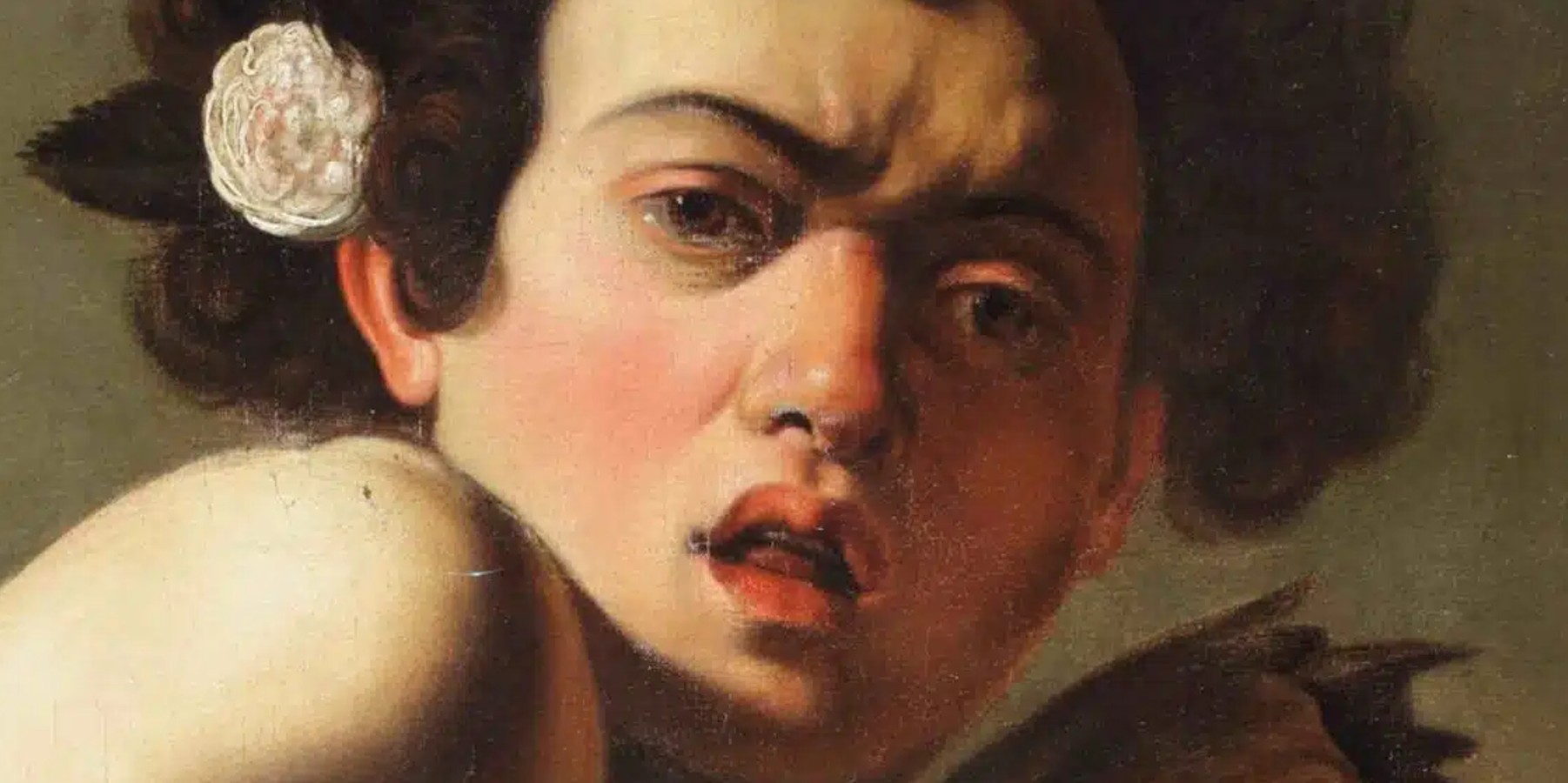
Ancora oggi basta pronunciare il suo nome per evocare immediatamente una pittura fatta di oscurità profonde, fasci di luce improvvisi, corpi veri, volti comuni, sangue, dolore, religione e una realtà talmente concreta da sembrare quasi capace di uscire dalla tela.
Caravaggio
Per capire Caravaggio bisogna liberarsi per un attimo dalla leggenda del pittore maledetto, dell’artista rissoso che frequentava taverne e ambienti poco raccomandabili. Dietro questa immagine, che certamente affonda le proprie radici in una vita documentata come inquieta e spesso turbolenta, c’è un pittore che possedeva una capacità straordinaria di osservare il mondo e di trasformare ciò che vedeva in immagini di una potenza completamente nuova.
Caravaggio non inventò la luce e non fu il primo artista a utilizzare il chiaroscuro, così come non fu il primo a rappresentare persone comuni, ma portò questi elementi a un livello di intensità tale da modificare profondamente la pittura del suo tempo.
La sua vera rivoluzione fu anche nel modo di guardare.
Dove altri vedevano la necessità di idealizzare un santo, Caravaggio poteva vedere un uomo; dove la tradizione cercava una Madonna perfetta, lui poteva cercare una donna reale; dove la pittura religiosa tendeva a trasformare il dolore in una scena composta e solenne, lui poteva mostrarne tutta la brutalità fisica.
La Milano di Michelangelo Merisi
Michelangelo Merisi nacque a Milano da Fermo Merisi e Lucia Aratori, una famiglia legata a Caravaggio, località lombarda dalla quale l’artista avrebbe poi preso il nome con cui è universalmente conosciuto.
Era il 1571 e l’Italia era attraversata da una straordinaria stagione artistica, nella quale convivevano tradizioni differenti e personalità capaci di segnare intere generazioni: a Venezia la pittura di Tiziano, Tintoretto e Veronese aveva portato colore e luce a livelli altissimi, mentre la mia eredità e di Raffaello continuava a pesare enormemente sulla cultura artistica italiana.
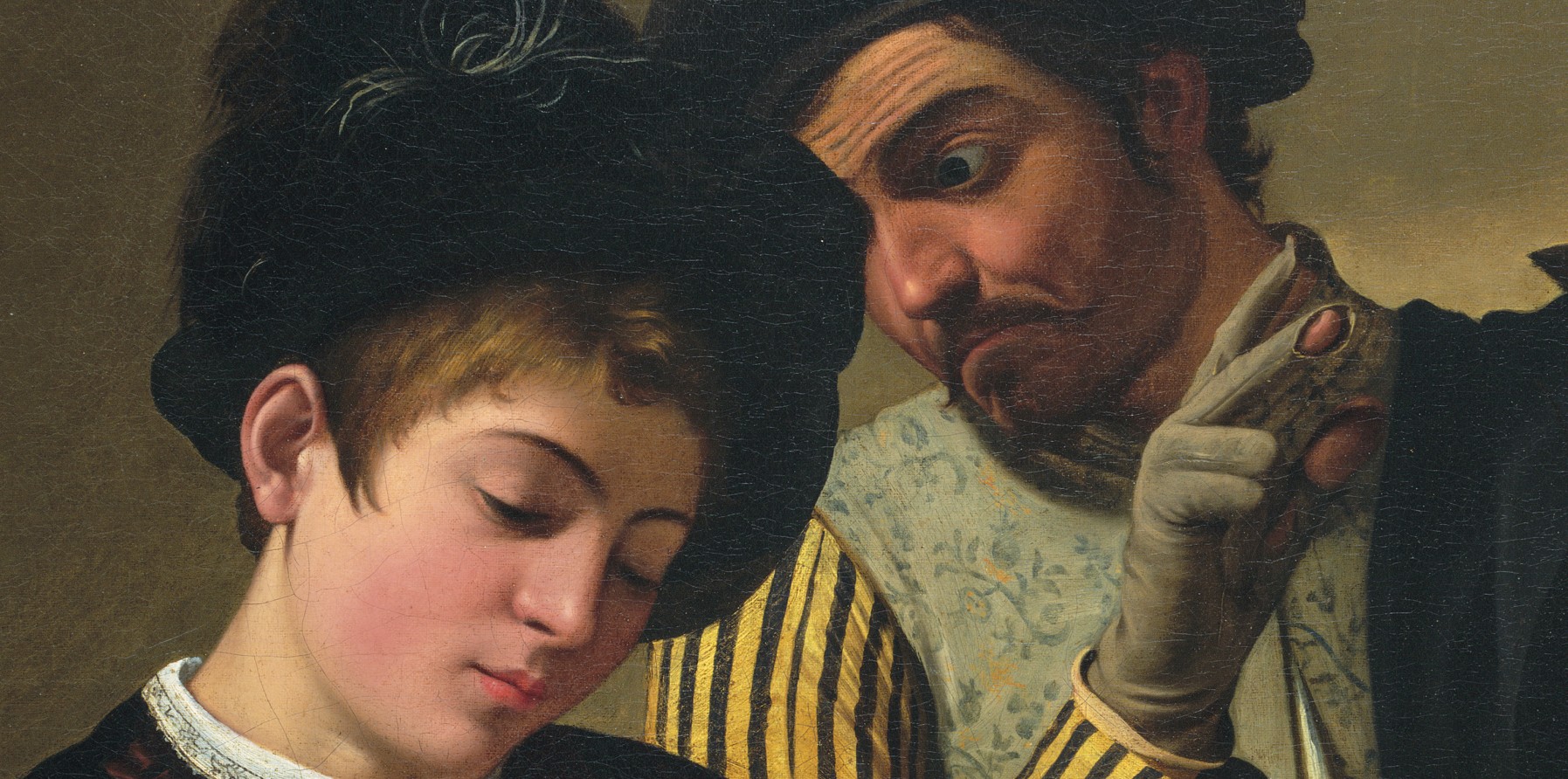
Il giovane Merisi crebbe in un ambiente nel quale la pittura aveva già raggiunto risultati eccezionali, ma la sua strada sarebbe stata tutt’altro che convenzionale.
Nel 1584, quando aveva poco più di dodici anni, entrò nella bottega milanese di Simone Peterzano, pittore formatosi nell’ambiente veneziano e legato alla tradizione di Tiziano; vi rimase per alcuni anni, apprendendo le basi del mestiere e entrando in contatto con una cultura figurativa che avrebbe lasciato tracce importanti nella sua futura pittura.
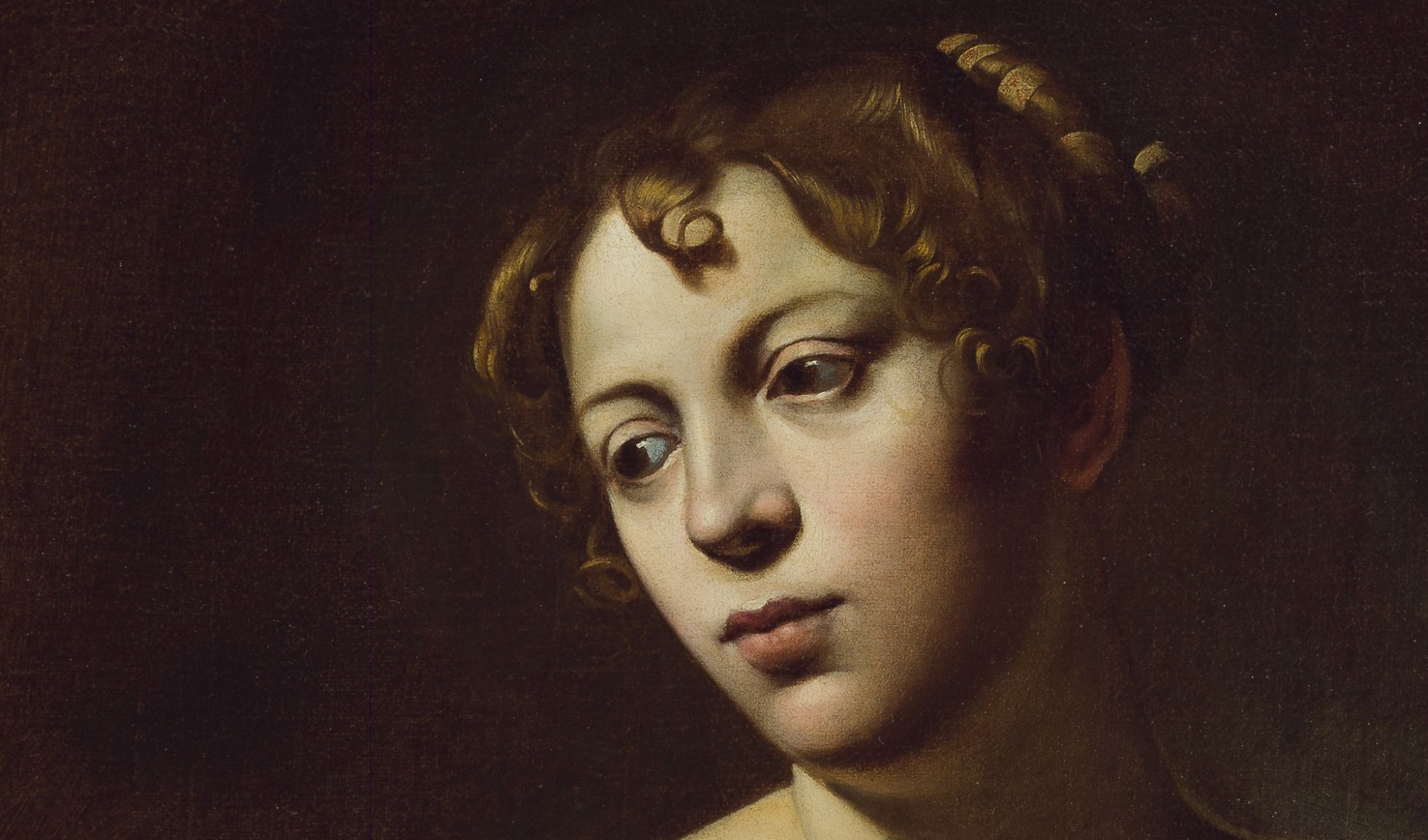
Durante questi anni che il giovane artista imparò una cosa fondamentale: guardare. Guardare il corpo, i volti, i tessuti, la frutta, la luce, le persone che aveva davanti agli occhi, senza necessariamente doverle trasformare in figure idealizzate.
Arriva Roma e tutto cambia
Quando Caravaggio arrivò a Roma, probabilmente intorno al 1592, non era ancora il grande pittore che oggi conosciamo e, soprattutto, non aveva davanti a sé una carriera già costruita.
La città era però il luogo nel quale tutto poteva accadere, perché Roma attirava artisti, committenti, cardinali, mercanti e uomini potenti provenienti da tutta Italia e dall’Europa, offrendo a un giovane pittore la possibilità di passare dalla bottega alle grandi commissioni.
I primi anni furono tutt’altro che facili. Caravaggio lavorò in diverse botteghe e frequentò ambienti artistici differenti, fino ad arrivare nella cerchia del Cavaliere d’Arpino, al secolo Giuseppe Cesari, uno dei pittori più affermati della Roma del tempo.
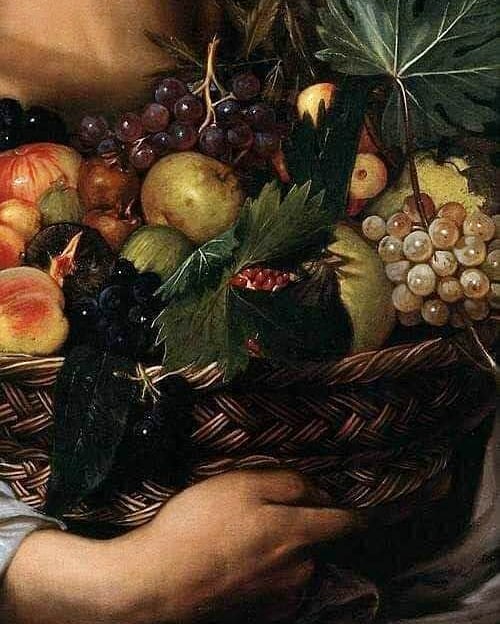
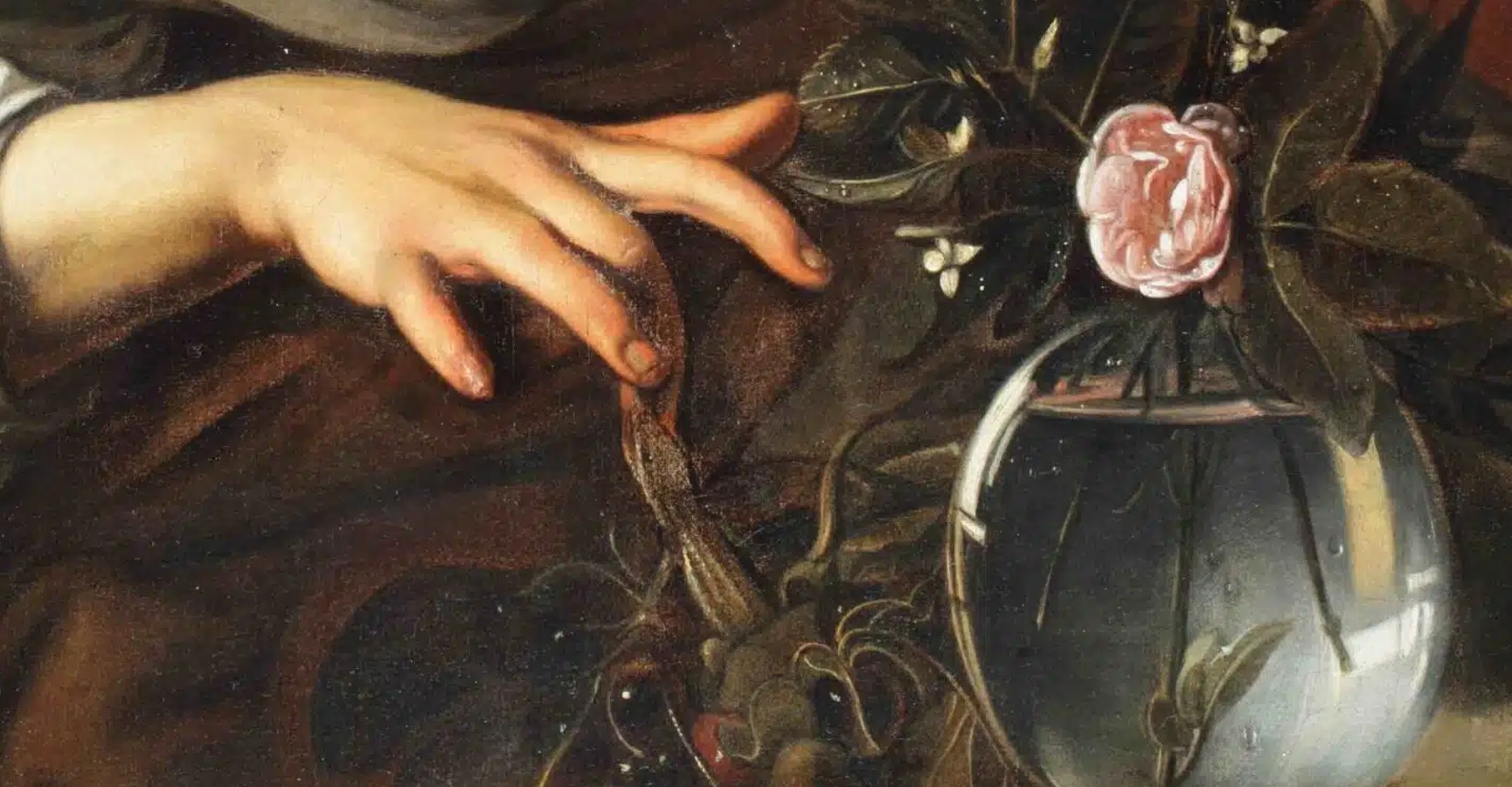
Fu un passaggio importante anche se apparentemente secondario, perché Caravaggio ebbe modo di lavorare su soggetti che gli permisero di dimostrare una straordinaria capacità tecnica, soprattutto nella rappresentazione di fiori e frutti.
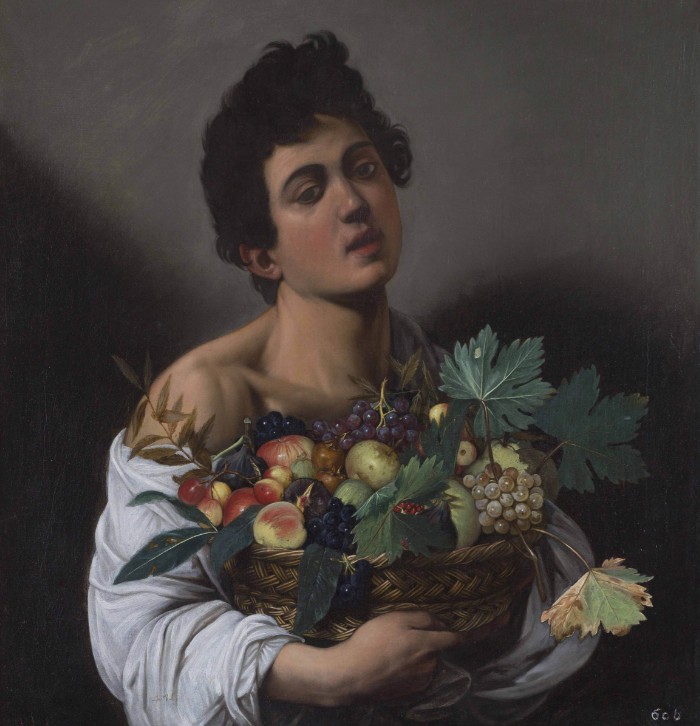
Caravaggio non aveva bisogno di un imperatore, di un eroe o di una scena biblica per dimostrare la propria bravura: poteva prendere un cesto di frutta e trasformarlo in un soggetto degno di una grande opera.

Il cardinale Del Monte e la svolta della sua carriera
La vera svolta arrivò quando Caravaggio entrò nell’orbita del cardinale Francesco Maria del Monte, uno degli uomini più importanti dell’ambiente romano e un raffinato collezionista.
Del Monte comprese le potenzialità del giovane artista e lo accolse nella propria cerchia, mettendolo in contatto con un ambiente nel quale il suo talento poteva finalmente essere riconosciuto.
Da quel momento la carriera di Caravaggio accelerò.
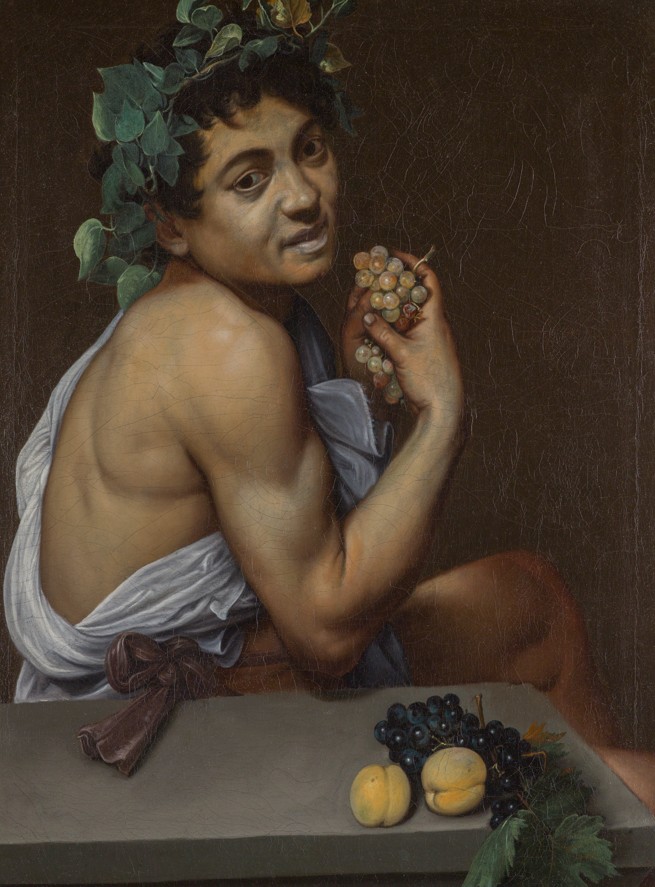
Opere come I Bari, il Bacchino malato, il Canestro di frutta, la Buona ventura e i dipinti con musicisti e giovani mostrano già quella caratteristica che lo avrebbe reso immediatamente riconoscibile: la volontà di osservare la realtà senza addomesticarla completamente.
I suoi personaggi non sembrano provenire da un mondo astratto ma sono persone incontrate per strada.
La Vocazione di San Matteo: quando il sacro entra nella realtà
Nel 1599 arrivò la commissione destinata a cambiare definitivamente la sua carriera: la decorazione della cappella Contarelli nella chiesa di San Luigi dei Francesi, a Roma.
Caravaggio dipinse la Vocazione di San Matteo, il Martirio di San Matteo e successivamente San Matteo e l’angelo.
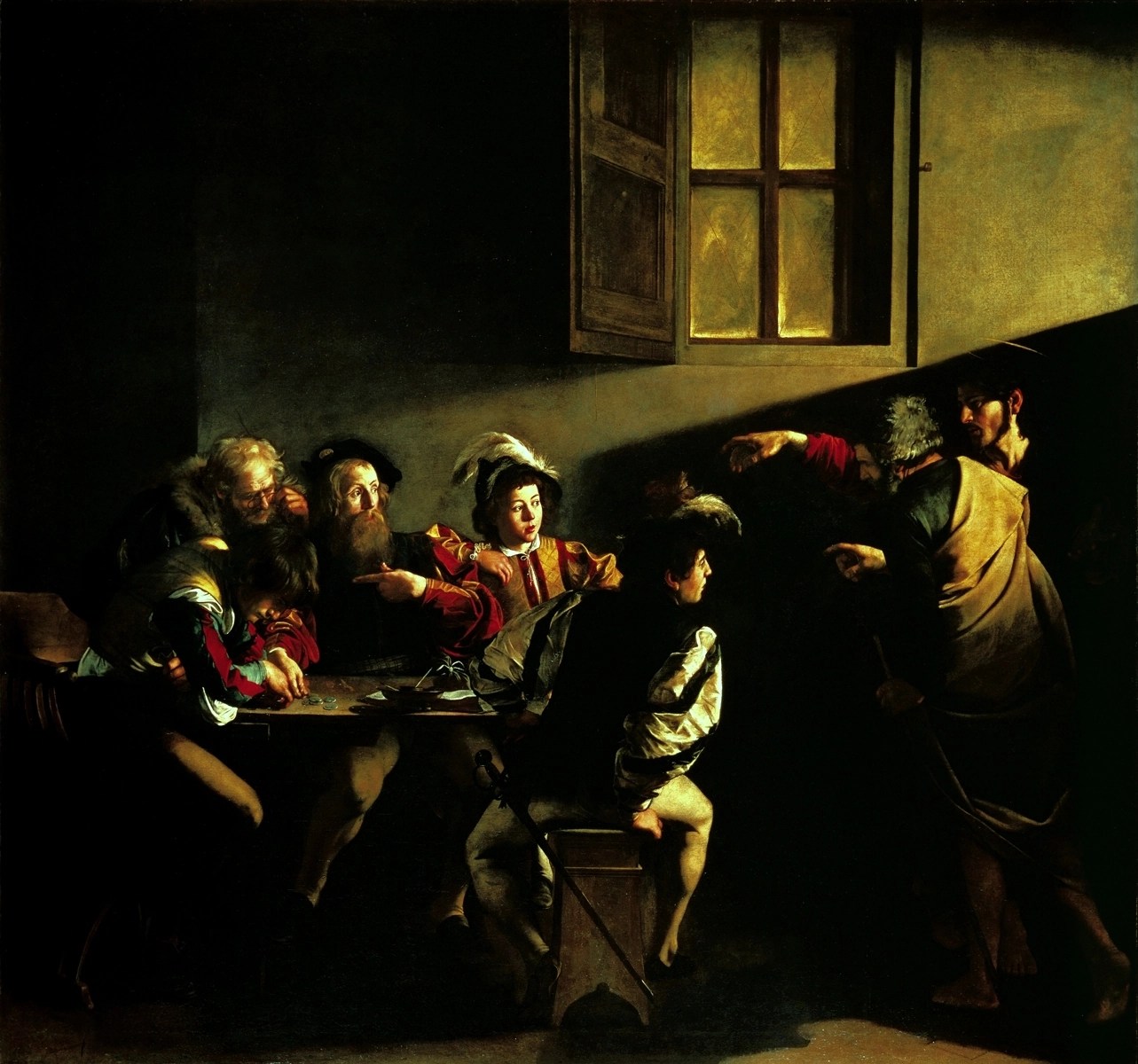
Nella Vocazione accade qualcosa che, osservato oggi, appare quasi semplice ma che allora doveva risultare sorprendente: Cristo entra in una stanza nella quale alcuni uomini sono seduti intorno a un tavolo e stanno contando il denaro.
Cristo tende la mano verso Matteo e un raggio di luce attraversa la scena, concentrando tutta l’attenzione sul momento nel quale la vita del pubblicano sta per cambiare.
Il miracolo non avviene in un luogo lontano dalla realtà: avviene dentro una stanza.
La luce che nasce dal buio
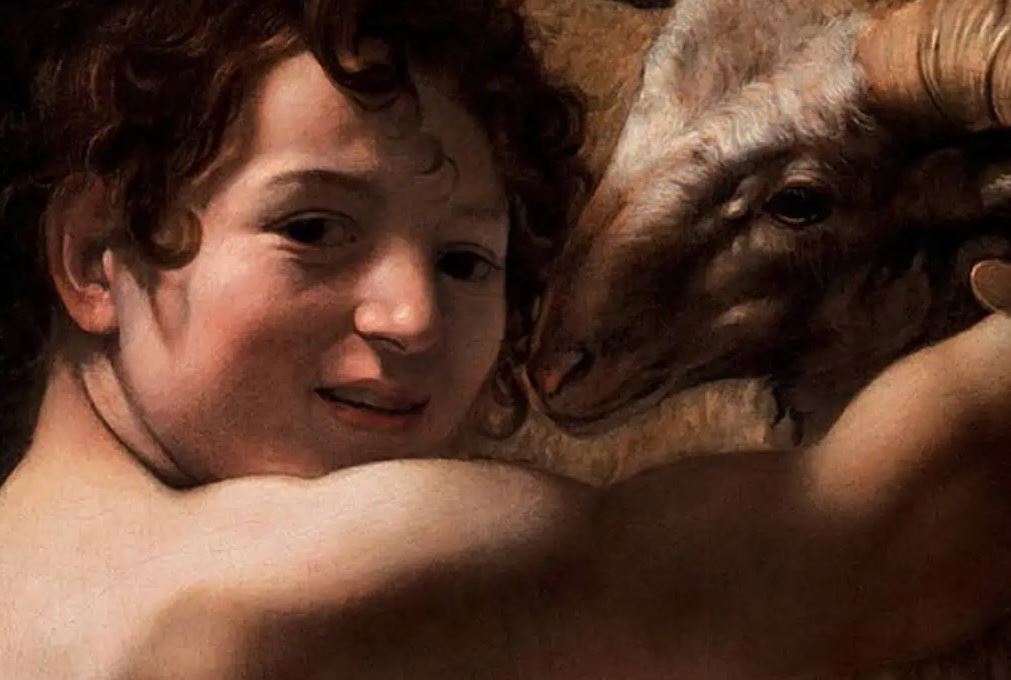
Quando si parla di Caravaggio si parla inevitabilmente della sua luce, ma il suo chiaroscuro non dovrebbe essere interpretato semplicemente come un effetto spettacolare.
La luce caravaggesca racconta. Sceglie ciò che dobbiamo vedere, lascia qualcosa nell’ombra, guida il nostro sguardo verso un volto o un gesto e crea una tensione narrativa che rende la scena quasi teatrale.
Le figure emergono dall’oscurità come se fossero improvvisamente colpite da un fascio luminoso, mentre ciò che rimane nell’ombra continua a suggerire qualcosa che non vediamo completamente.
I suoi Santi con i piedi sporchi
Caravaggio portò il naturalismo anche dentro le immagini religiose e questo gli procurò ammirazione, ma anche discussioni e rifiuti.
La Madonna dei Pellegrini, la Morte della Vergine, la Conversione di San Paolo e altre opere mostrano quanto il suo modo di rappresentare il sacro fosse distante dalla consuetudine di rendere i protagonisti perfetti e idealizzati.
Nella Madonna dei Pellegrini, per esempio, i piedi sporchi dei pellegrini inginocchiati davanti alla Vergine diventano parte della scena, mentre la Madonna appare come una donna reale, affacciata sulla soglia di una casa.
La Morte della Vergine provocò invece una reazione particolarmente forte e venne rifiutata dai committenti.
Non perché Caravaggio non sapesse dipingere, al contrario. Era proprio la forza del suo realismo a risultare difficile da accettare.

E mentre la sua carriera cresceva, cresceva anche la sua fama di uomo inquieto
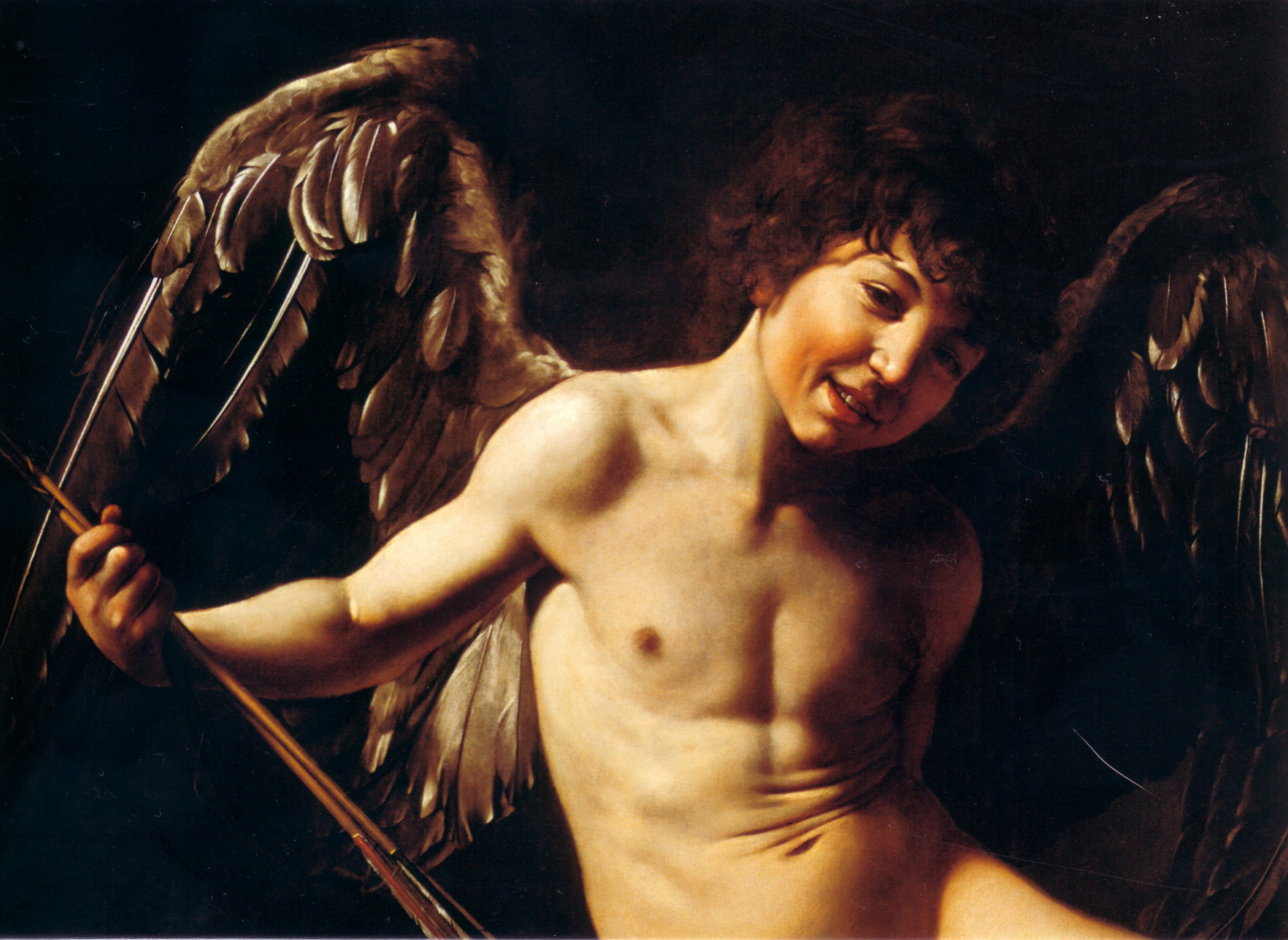
Parallelamente al successo, la vita privata di Caravaggio diventava sempre più turbolenta. I documenti dell’epoca raccontano di aggressioni, liti, arresti e procedimenti giudiziari, restituendo l’immagine di un uomo frequentemente coinvolto in situazioni conflittuali.
Caravaggio girava armato, frequentava osterie e taverne, litigava con altri uomini e finiva periodicamente davanti alle autorità. La sua fama di artista era ormai enorme ma era enorme anche la sua fama di uomo difficile.
1606: l’omicidio di Ranuccio Tomassoni
Il 28 maggio 1606, durante una violenta rissa, venne ucciso Ranuccio Tomassoni. Caravaggio fu coinvolto direttamente nell’episodio e venne condannato alla pena capitale.
La conseguenza fu immediata: il pittore dovette fuggire da Roma. Quello che fino a poco prima era uno degli artisti più richiesti della città diventò improvvisamente un uomo ricercato.
Da quel momento iniziò l’ultima, drammatica fase della sua vita. Caravaggio non avrebbe mai più potuto vivere liberamente a Roma.
Napoli: un pittore in fuga che continua a dipingere
La prima tappa importante fu Napoli, dove Caravaggio arrivò alla fine del 1606. Nonostante la situazione personale drammatica, la sua fama era tale che continuò a ricevere commissioni.
Mentre la sua vita precipitava, la sua pittura raggiungeva una profondità sempre maggiore. Le opere di questi anni diventano più scure, più essenziali e più drammatiche, come se l’artista avesse progressivamente eliminato tutto ciò che non era necessario per arrivare al cuore della scena.
Malta e il sogno di diventare cavaliere
Nel 1607 Caravaggio arrivò a Malta, dove cercò di ottenere il titolo di cavaliere dell’Ordine di San Giovanni.
L’obiettivo era anche quello di ottenere una posizione che potesse aiutarlo nella difficile strada verso il perdono per l’omicidio commesso a Roma.
Per i Cavalieri dipinse alcune delle sue opere più importanti, tra cui la monumentale Decollazione di San Giovanni Battista, conservata nell’Oratorio di San Giovanni alla Valletta.
È un dipinto impressionante per dimensioni e per atmosfera, nel quale l’episodio biblico viene raccontato con una semplicità quasi spietata: il corpo del santo è a terra, il carnefice si china, Salomè attende con il bacile e una vecchia osserva la scena.
Nel sangue di San Giovanni, Caravaggio inserì la propria firma. Anche Malta non sarebbe diventata il luogo della sua salvezza.
Dopo essere stato coinvolto in un nuovo episodio violento, venne arrestato e successivamente espulso dall’Ordine.
Caravaggio fuggì ancora.

Sicilia: la pittura diventa sempre più drammatica
Dopo Malta passò in Sicilia, soggiornando a Siracusa, Messina e Palermo. Anche qui continuò a dipingere e realizzò opere straordinarie come la Sepoltura di Santa Lucia e la Resurrezione di Lazzaro, nelle quali il linguaggio pittorico appare ormai profondamente trasformato rispetto ai dipinti romani degli anni precedenti.
Le composizioni sono più spoglie, le figure emergono dall’oscurità con una forza quasi fisica e la morte, il dolore e la fragilità del corpo umano diventano sempre più presenti.
È come se Caravaggio, mentre cercava disperatamente di salvare la propria vita, stesse portando la propria pittura verso una dimensione sempre più essenziale.
L’ultimo viaggio verso Roma
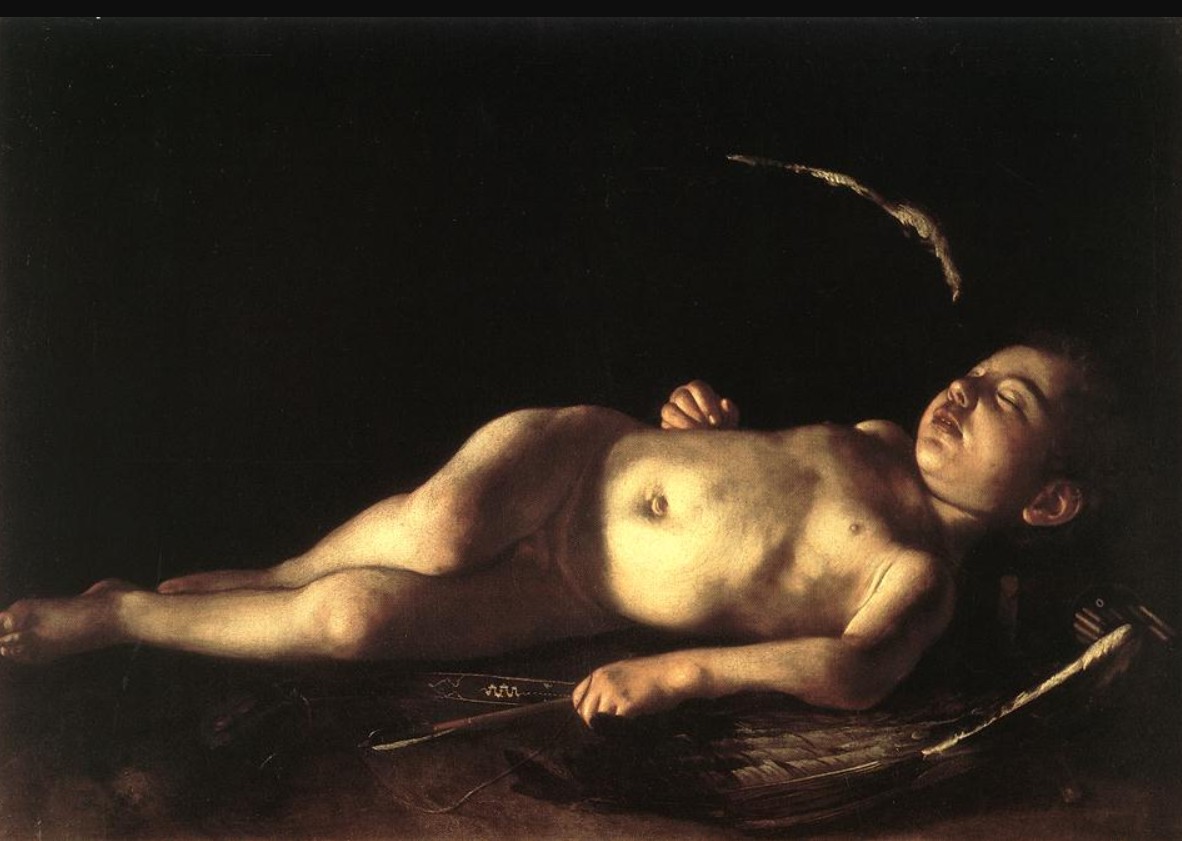
Nel 1610 sembrò finalmente possibile ottenere il perdono. Caravaggio tornò a Napoli e preparò il suo rientro a Roma, dove sperava di poter ricominciare una vita diversa.
Fra le sue ultime opere c’è il Martirio di Sant’Orsola, una tela nella quale la violenza non viene rappresentata attraverso una scena affollata e spettacolare, ma attraverso un momento improvviso e quasi silenzioso.
Caravaggio era ormai lontanissimo dal giovane artista che aveva dipinto i ragazzi, i musicisti e i bari nelle prime tele romane.
Aveva attraversato una fuga, una condanna a morte, Malta, la Sicilia e nuovi episodi di violenza. La sua pittura portava ormai il peso di tutto questo.

18 luglio 1610: Caravaggio muore a Porto Ercole
Caravaggio si mise in viaggio verso Roma, ma non riuscì mai a raggiungerla. Il 18 luglio 1610 morì a Porto Ercole, a soli 38 anni.
La sua morte è ancora oggi accompagnata da interrogativi e ricostruzioni differenti, ma sappiamo che arrivò alla fine della sua vita durante quel viaggio che avrebbe dovuto riportarlo a Roma.
Non avrebbe più rivisto la città che lo aveva reso famoso e che, allo stesso tempo, era stata teatro delle sue vicende più drammatiche.
Aveva meno di quarant’anni eppure aveva già cambiato la storia della pittura. Visse soltanto 38 anni, ma in quel breve arco di tempo riuscì a fare qualcosa che pochissimi artisti hanno saputo fare.
Portò la strada dentro le chiese, la gente comune dentro le storie sacre, la violenza dentro la bellezza e il buio dentro la luce: da quel momento la pittura europea non fu più la stessa.
Per il momento il sempre vostro Michelangelo Buonarroti vi saluta dandovi appuntamento ai prossimi post e sui social.
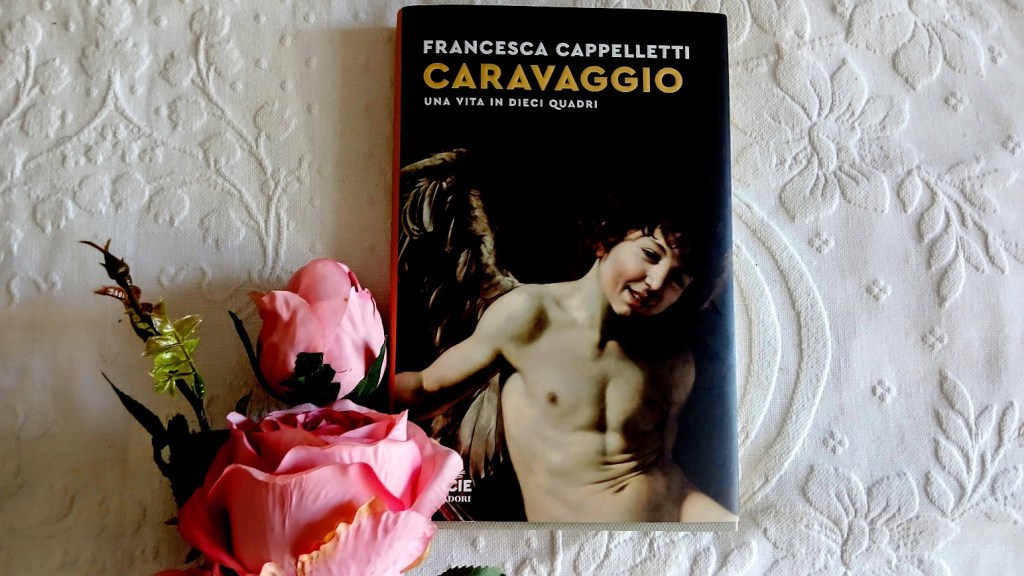
Caravaggio was born on September 29, the feast day of Saint Michael: the incredible life of the painter who changed the history of art forever
Michelangelo Merisi was born on September 29, 1571—the very day the Church celebrates Saint Michael the Archangel—and was baptized the following day, September 30, at the parish of Santo Stefano in Brolo in Milan.
The date of September 29 is thus established based on his baptismal record. What is certain is that the infant Michelangelo was baptized the next day. That child would go on to become one of the most debated, admired, imitated, and studied artists in the history of art—a man who, in a life spanning less than forty years, radically transformed the way reality, the human body, light, and even the sacred were depicted.
His name was Michelangelo Merisi, but the world would come to know him as Caravaggio—named after the Lombard town his family hailed from, even though he was actually born in Milan.
Even today, the mere mention of his name instantly evokes a style of painting defined by deep darkness, sudden shafts of light, real bodies, ordinary faces, blood, pain, religion, and a reality so tangible it seems almost ready to step right off the canvas.
Caravaggio
To understand Caravaggio, one must briefly set aside the legend of the “cursed painter”—the brawling artist who frequented taverns and unsavory haunts. Beneath this image—which is certainly rooted in a life documented as restless and often turbulent—lies a painter who possessed an extraordinary ability to observe the world and transform what he saw into images of entirely new power. Caravaggio did not invent light, nor was he the first artist to use chiaroscuro or to depict ordinary people; however, he elevated these elements to such a level of intensity that he profoundly transformed the painting of his era.
His true revolution lay also in his way of seeing.
Where others saw a need to idealize a saint, Caravaggio saw a man; where tradition sought a perfect Madonna, he sought a real woman; where religious painting tended to transform suffering into a composed, solemn scene, he revealed its full physical brutality.
Michelangelo Merisi’s Milan
Michelangelo Merisi was born in Milan to Fermo Merisi and Lucia Aratori—a family with ties to Caravaggio, the Lombard town from which the artist would later take the name by which he is universally known.
It was 1571, and Italy was experiencing an extraordinary artistic era characterized by the coexistence of diverse traditions and figures who would leave their mark on generations to come: in Venice, the painting of Titian, Tintoretto, and Veronese had elevated color and light to unprecedented heights, while the legacy of Raphael continued to exert a massive influence on Italian artistic culture.
The young Merisi grew up in an environment where painting had already achieved exceptional results, yet his own path would prove to be anything but conventional.
In 1584, at just over twelve years of age, he entered the Milanese workshop of Simone Peterzano—a painter trained in the Venetian milieu and linked to the tradition of Titian. He remained there for several years, mastering the fundamentals of the craft and engaging with a visual culture that would leave a significant imprint on his future work.
It was during these years that the young artist learned a fundamental skill: how to see. Observing the body, faces, fabrics, fruit, light, and the people before his eyes, without necessarily having to transform them into idealized figures.
Rome: A Turning Point
When Caravaggio arrived in Rome—likely around 1592—he was not yet the great painter we know today, and, above all, he did not yet have an established career ahead of him.
Yet, the city was a place where anything could happen; Rome attracted artists, patrons, cardinals, merchants, and powerful figures from across Italy and Europe, offering a young painter the chance to move from the workshop to major commissions.
The early years were anything but easy. Caravaggio worked in various workshops and moved in different artistic circles before eventually joining the entourage of the Cavaliere d’Arpino—born Giuseppe Cesari—one of the most acclaimed painters in Rome at the time.
This was a significant step, even if it appeared minor at first, as it gave Caravaggio the opportunity to work on subjects that allowed him to demonstrate extraordinary technical skill, particularly in the depiction of flowers and fruit.
Caravaggio did not need an emperor, a hero, or a biblical scene to prove his mastery: he could take a basket of fruit and transform it into a subject worthy of a great masterpiece.
Cardinal Del Monte and the Turning Point in His Career
The real turning point came when Caravaggio entered the orbit of Cardinal Francesco Maria del Monte, one of the most important figures in Roman circles and a refined collector.
Del Monte recognized the young artist’s potential and welcomed him into his circle, introducing him to an environment where his talent could finally be acknowledged.
From that moment on, Caravaggio’s career accelerated.
Works such as The Cardsharps, Young Sick Bacchus, Basket of Fruit, The Fortune Teller, and his paintings featuring musicians and young men already display the characteristic that would make him instantly recognizable: a determination to observe reality without fully domesticating it.
His figures do not seem to come from an abstract world; rather, they are people one might encounter on the street.
The Calling of Saint Matthew: When the sacred enters reality
In 1599, he received the commission that would definitively change his career: the decoration of the Contarelli Chapel in the church of San Luigi dei Francesi in Rome.
Caravaggio painted The Calling of Saint Matthew, The Martyrdom of Saint Matthew, and subsequently Saint Matthew and the Angel.
In The Calling, something occurs that—while it may seem almost simple to a modern observer—must have been astonishing at the time: Christ enters a room where men are seated around a table, counting money.
Christ extends his hand toward Matthew, and a beam of light cuts across the scene, focusing all attention on the moment the tax collector’s life is about to change.
The miracle does not take place in a realm far removed from reality; it happens inside a room.
Light born from darkness
Any discussion of Caravaggio inevitably turns to his use of light, yet his chiaroscuro should not be interpreted merely as a spectacular effect.
Caravaggio’s light tells a story. He chooses what we see, leaves elements in shadow, guides our gaze toward a face or a gesture, and creates a narrative tension that renders the scene almost theatrical.
Figures emerge from the darkness as if suddenly struck by a beam of light, while what remains in the shadows continues to hint at something not fully visible.
His Saints with Dirty Feet
Caravaggio brought naturalism into religious imagery, earning him both admiration and controversy—and even rejection.
Works such as Madonna di Loreto (Madonna of the Pilgrims), The Death of the Virgin, and The Conversion of Saint Paul demonstrate how far removed his depiction of the sacred was from the convention of portraying figures as perfect and idealized.
In the Madonna di Loreto, for instance, the dirty feet of the pilgrims kneeling before the Virgin become part of the scene, while the Madonna herself appears as a real woman standing in a doorway.
The Death of the Virgin, however, provoked a particularly strong reaction and was rejected by the patrons who had commissioned it.
It was not a matter of a lack of painting skill—quite the opposite. It was precisely the power of his realism that proved difficult for people to accept.
As his career flourished, so did his reputation as a troubled man
Alongside his success, Caravaggio’s private life grew increasingly turbulent. Period documents record assaults, brawls, arrests, and legal proceedings, painting a picture of a man frequently embroiled in conflict.
Caravaggio went about armed, frequented taverns and inns, quarreled with other men, and periodically found himself facing the authorities. While his renown as an artist was immense, so too was his reputation as a difficult man. 1606: The Murder of Ranuccio Tomassoni
On May 28, 1606, Ranuccio Tomassoni was killed during a violent brawl. Caravaggio was directly involved in the incident and was sentenced to death.
The consequences were immediate: the painter was forced to flee Rome. The man who, until shortly before, had been one of the city’s most sought-after artists suddenly became a fugitive.
That moment marked the beginning of the final, dramatic phase of his life. Caravaggio would never again be able to live freely in Rome.
Naples: A Fugitive Painter Who Keeps on Painting
His first major stop was Naples, where Caravaggio arrived in late 1606. Despite his dire personal circumstances, his fame was such that he continued to receive commissions.
As his life spiraled downward, his painting achieved ever-greater depth. The works from these years became darker, more stripped-down, and more dramatic—as if the artist were progressively stripping away everything unnecessary to reach the very heart of the scene.
Malta and the Dream of Knighthood
In 1607, Caravaggio arrived in Malta, where he sought to be inducted as a knight of the Order of St. John.
His goal was also to secure a position that might aid him on the difficult path toward pardon for the murder committed in Rome.
For the Knights, he painted some of his most important works, including the monumental Beheading of Saint John the Baptist, housed in the Oratory of Saint John in Valletta.
It is a painting striking for both its scale and atmosphere, in which the biblical episode is recounted with an almost ruthless simplicity: the saint’s body lies on the ground, the executioner stoops over him, Salome waits with a basin, and an old woman watches the scene.
Caravaggio incorporated his own signature into the blood of Saint John. Yet Malta, too, would not prove to be the place of his salvation.
After becoming involved in another violent incident, he was arrested and subsequently expelled from the Order.
Caravaggio fled once more.
Sicily: painting becomes increasingly dramatic
After Malta, he moved to Sicily, staying in Syracuse, Messina, and Palermo. Here, too, he continued to paint, creating extraordinary works such as The Burial of Saint Lucy and The Raising of Lazarus; in these, his pictorial style appears profoundly transformed compared to the Roman paintings of previous years.
The compositions are sparser, the figures emerge from the darkness with almost physical force, and themes of death, grief, and the fragility of the human body become increasingly prominent.
It is as if, while desperately trying to save his own life, Caravaggio was steering his art toward an increasingly essential dimension.
The final journey to Rome
In 1610, a pardon finally seemed within reach. Caravaggio returned to Naples and prepared for his return to Rome, where he hoped to begin a new life. Among his final works is The Martyrdom of Saint Ursula, a canvas in which violence is depicted not through a crowded, spectacular scene, but through a sudden, almost silent moment.
By this time, Caravaggio was a world away from the young artist who had painted the youths, musicians, and cardsharps of his early Roman canvases.
He had endured flight, a death sentence, time in Malta and Sicily, and further episodes of violence. His painting now bore the weight of all this.
July 18, 1610: Caravaggio dies in Porto Ercole
Caravaggio set out for Rome but never reached it. On July 18, 1610, he died in Porto Ercole at the age of just 38.
His death remains a subject of questions and conflicting accounts to this day, but we know his life ended during that journey intended to bring him back to Rome.
He would never again see the city that had made him famous and—at the same time—had been the stage for his most dramatic experiences.
He was not yet forty, yet he had already changed the history of painting. He lived only 38 years, but in that brief span, he achieved something very few artists ever have.
He brought the street into the churches, ordinary people into sacred stories, violence into beauty, and darkness into light; from that moment on, European painting was never the same.
For now, your ever-faithful Michelangelo Buonarroti bids you farewell, looking forward to seeing you in future posts and on social media.

Sostienici – Support Us
Se questo blog ti piace e ti appassiona, puoi aiutarci a farlo crescere sempre più sostenendoci in modo concreto condividendo i post, seguendo le pagine social e con un contributo che ci aiuta ad andare avanti con il nostro lavoro di divulgazione. . ENGLISH: If you like and are passionate about this blog, you can help us make it grow more and more by supporting us in a concrete way by sharing posts, following social pages and with a contribution that helps us to move forward with our dissemination work.
10,00 €
-
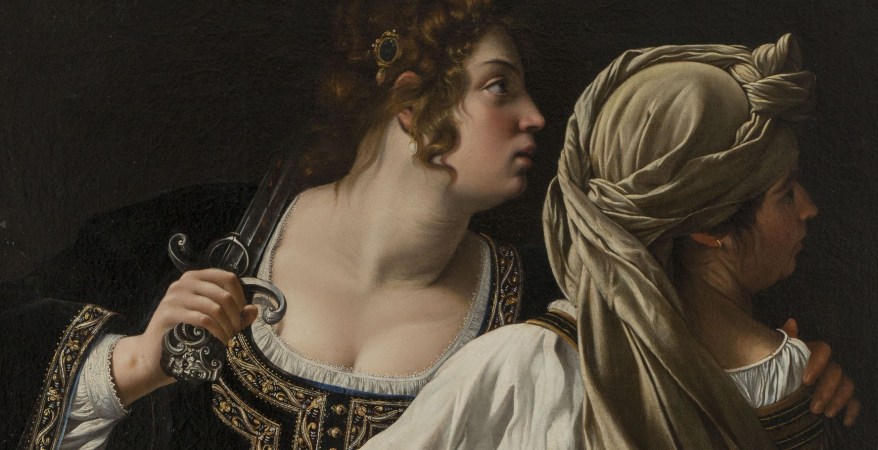
Artemisia Gentileschi, a Firenze una mostra eccezionale: oltre 50 opere e Caravaggio
🇮🇹Artemisia Gentileschi a Firenze: oltre 50 opere al Museo degli Innocenti dal 20 ottobre 2026. In mostra Giuditta, l’Allegoria dell’Inclinazione e due capolavori di Caravaggio… 🇬🇧Artemisia Gentileschi in Florence: over 50 works at the Museo degli Innocenti starting October 20, 2026. On display are Judith, the Allegory of Inclination* and two masterpieces by Caravaggio…
-
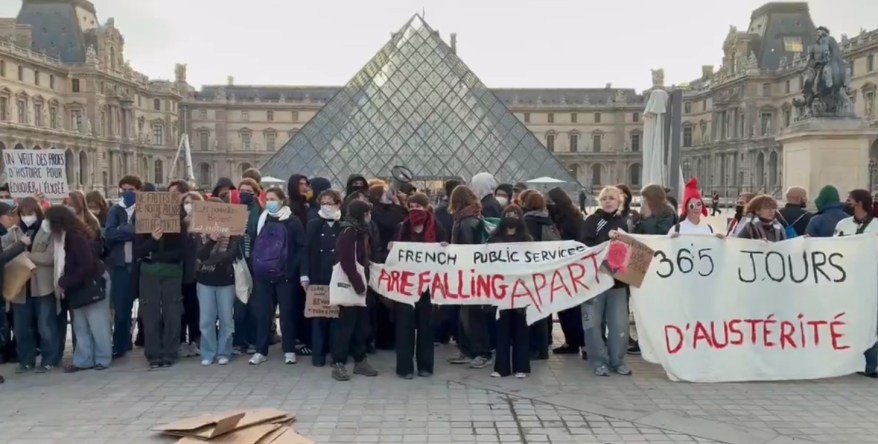
Louvre bloccato dalle proteste in Francia: museo chiuso
🇮🇹Il Museo del Louvre chiude, bloccato dalle proteste. Il museo più visitato al mondo non ha potuto aprire regolarmente questa mattina. A Parigi, un gruppo di studenti ha bloccato gli ingressi del Louvre per esprimere solidarietà al movimento dei liceali e denunciare la repressione della polizia… 🇬🇧The Louvre Museum is closed, blocked by protests. The…
-
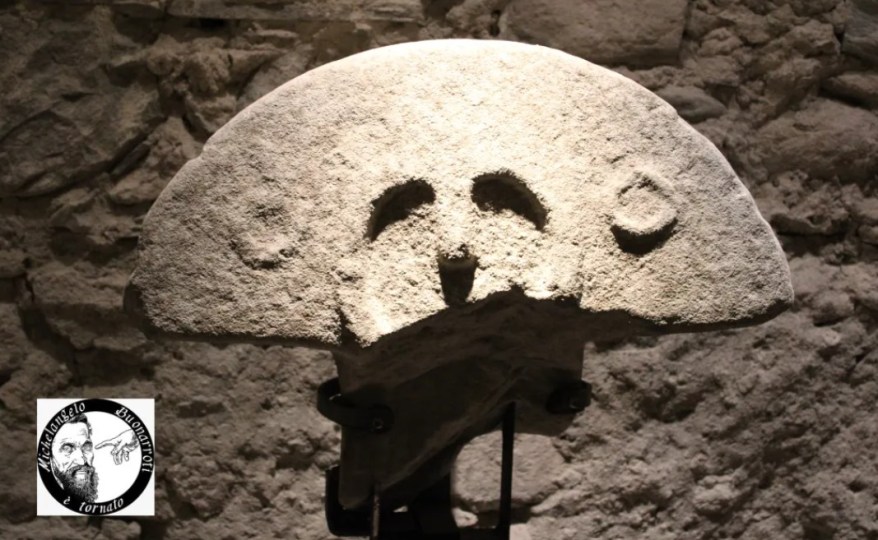
Pontremoli: il fascino silenzioso delle Statue Stele e il profumo dell’Amor
🇮🇹Ritorno al Castello del Piagnaro a Pontremoli: una visita al Museo delle Statue Stele Lunigianesi tra misteriosi volti di pietra e la dolce sosta all’Amor Pontremoli… 🇬🇧A return to the Castle of Piagnaro in Pontremoli: a visit to the Museum of the Lunigiana Stele Statues, amidst mysterious stone faces, followed by a delightful stop for…
Condividi:


Questo sono io




sostienici

Sostienici – Support Us
Se questo blog ti piace e ti appassiona, puoi aiutarci a farlo crescere sempre più sostenendoci in modo concreto condividendo i post, seguendo le pagine social e con un contributo che ci aiuta ad andare avanti con il nostro lavoro di divulgazione. . ENGLISH: If you like and are passionate about this blog, you can help us make it grow more and more by supporting us in a concrete way by sharing posts, following social pages and with a contribution that helps us to move forward with our dissemination work.
€10,00


