

San Michele Arcangelo nell’arte: i dipinti più belli e spettacolari da Piero della Francesca a Guido Reni
San Michele Arcangelo vola, combatte, trafigge, calpesta il demonio, pesa le anime e sconfigge il male.
Il 29 settembre è il giorno dedicato a San Michele, una delle figure più importanti della tradizione cristiana e uno dei soggetti che maggiormente hanno acceso la fantasia degli artisti nei secoli.
La sua immagine è immediatamente riconoscibile: ali spiegate, armatura, spada o lancia, Satana sconfitto ai suoi piedi. Ma dietro questa iconografia apparentemente semplice si nascondono interpretazioni molto diverse.
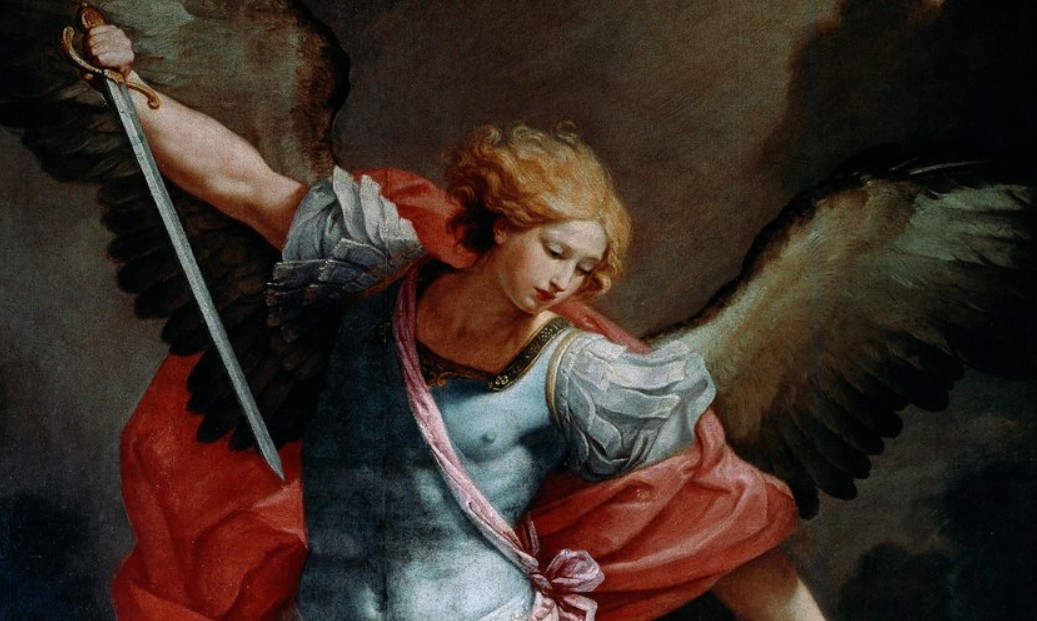
C’è il San Michele solenne e geometrico di Piero della Francesca, quello elegante e quasi aristocratico di Raffaello, quello teatrale e luminosissimo di Guido Reni e quello inquieto e spettacolare del Cerano.
Il 29 settembre è anche il giorno in cui nacque Michelangelo Merisi, più noto come Caravaggio. Era il 1571 quando venne al mondo e fu chiamato così proprio in onore dell’arcangelo Michele.
San Michele Arcangelo: perché gli artisti lo hanno dipinto così tante volte?
La risposta si trova cercando nell’Apocalisse e nella tradizione cristiana.
San Michele è il comandante delle schiere celesti che combatte contro il drago, identificato con Satana. Nell’arte occidentale questa battaglia diventa una delle rappresentazioni più immediate della lotta tra bene e male.
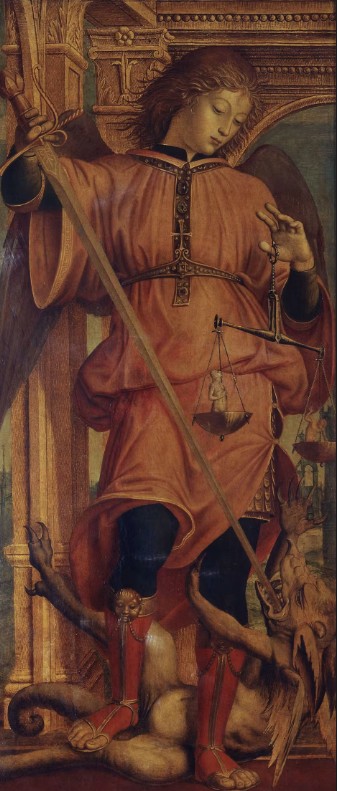
Michele però, non sconfigge solo il male. La tradizione gli attribuisce anche il compito di pesare le anime nel momento del Giudizio. Per questo in moltissime rappresentazioni compare una bilancia accanto alla spada.
Basta pensare alla presenza della bilancia nel San Michele Arcangelo di Bernardo Zenale: l’arcangelo trafigge il demonio con la spada mentre pesa le anime dei defunti.
Insomma, San Michele è una figura che riunisce in sé giustizia, combattimento, protezione e giudizio.
Piero della Francesca, il San Michele che sembra una scultura
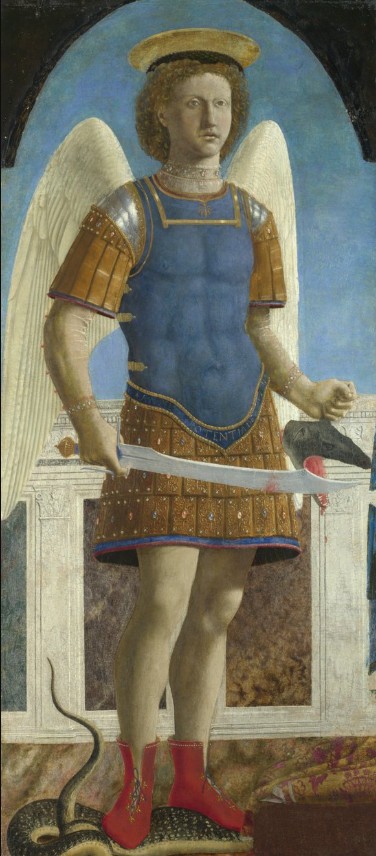
Uno dei più affascinanti è il San Michele Arcangelo di Piero della Francesca, oggi alla National Gallery di Londra.
Dipinto nella seconda metà del Quattrocento, il pannello faceva parte del grande polittico realizzato per la chiesa di Sant’Agostino a Sansepolcro.
Piero trasforma l’arcangelo in un giovane guerriero dalla presenza quasi monumentale. Indossa un’armatura, impugna la spada e tiene nella mano la testa del demonio, rappresentato come un serpente dalle orecchie appuntite.
Michele ha appena sconfitto il male eppure non appare furioso. Il volto è impassibile, il corpo è costruito con una solidità quasi geometrica e la luce rende preziosi l’armatura, i tessuti e ogni dettaglio.
È uno dei modi più originali con cui la pittura del Rinascimento ha rappresentato la vittoria sul male: non attraverso il caos, ma attraverso l’ordine e la perfezione della forma.
Raffaello: San Michele contro il drago
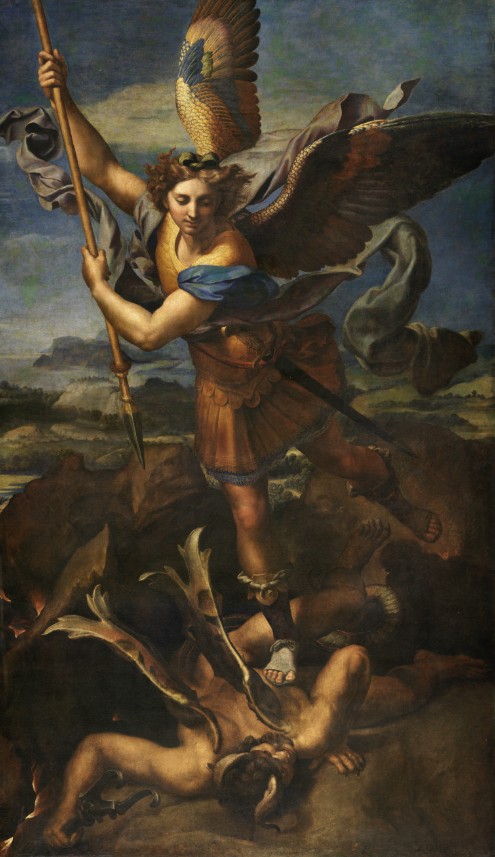
Pochi anni dopo, anche Raffaello affronta il tema con un linguaggio completamente diverso.
Nel San Michele che sconfigge Satana, realizzato per la committenza papale e destinato a Francesco I di Francia, l’arcangelo appare come un giovane guerriero elegantissimo mentre sta per colpire il drago con la lancia. L’opera fu commissionata da Leone X nel 1518.
Qui la battaglia diventa quasi una danza. Il corpo di Michele è slanciato, le ali si aprono alle sue spalle e il movimento attraversa tutta la composizione.
Raffaello non rinuncia alla violenza dello scontro, ma la trasforma in armonia rinascimentale: è il trionfo del bene raccontato attraverso la bellezza.
Bernardo Zenale: Michele pesa le anime
Agli Uffizi si conserva un altro dipinto particolarmente interessante: il San Michele Arcangelo di Bernardo Zenale, datato intorno al 1490.
Con una mano San Michele impugna la spada e con l’altra tiene una bilancia per pesare le anime. Ai suoi piedi compare il demonio, rappresentato come una creatura mostruosa simile a un drago.
L’opera apparteneva originariamente a una pala d’altare oggi smembrata. È una rappresentazione preziosa perché riunisce due delle funzioni attribuite all’arcangelo: combattere il male e giudicare le anime.
Guido Reni: il San Michele più famoso
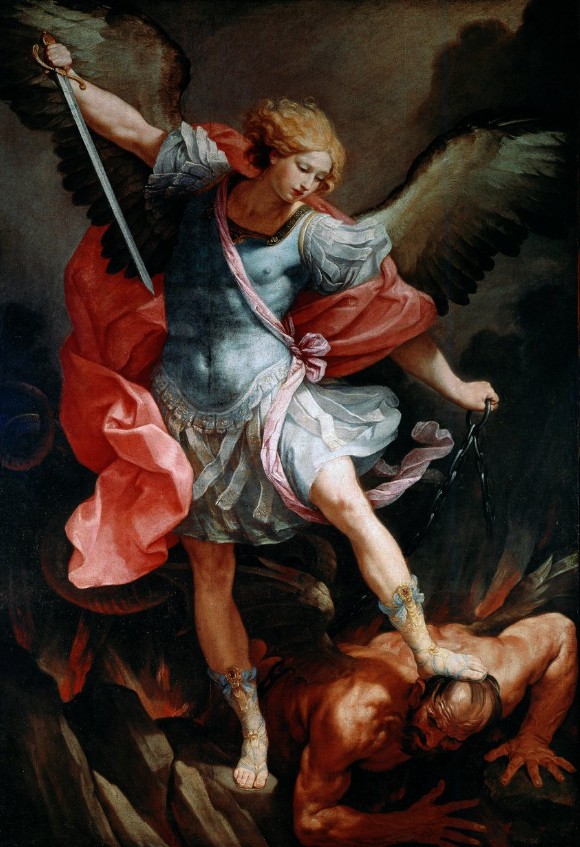
Guido Reni. Il suo San Michele Arcangelo sconfigge Satana, dipinto intorno al 1635 per la chiesa di Santa Maria della Concezione dei Cappuccini a Roma, è probabilmente una delle immagini di San Michele più celebri dell’intera storia dell’arte.
Michele appare giovane, bellissimo, quasi sospeso. Le ali si aprono dietro il corpo, la veste svolazza, la spada è pronta a colpire e Satana è schiacciato sotto i suoi piedi.
Ma c’è qualcosa che rende questa immagine particolarmente memorabile: l’eleganza dell’arcangelo. La scena è una battaglia, ma Reni la trasforma in una visione di bellezza ideale.
Il successo fu enorme. Già nel Seicento il dipinto veniva riprodotto attraverso incisioni e il suo modello ebbe una diffusione vastissima.
Il Cerano: un San Michele inquietante e spettacolare
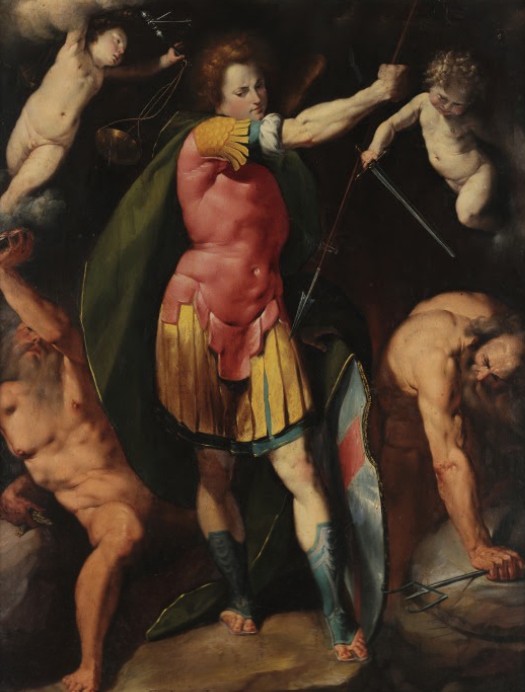
Con Giovanni Battista Crespi, detto il Cerano, la storia cambia ancora. Il suo San Michele arcangelo, realizzato tra il 1605 e il 1610 e oggi al Castello Sforzesco di Milano, presenta un’iconografia decisamente particolare: il demonio è sdoppiato in due figure ai lati dell’arcangelo.
Michele occupa il centro della composizione e sembra emergere dal contrasto tra la sua bellezza e la deformità delle creature sconfitte.
È un’immagine molto lontana dall’equilibrio di Piero della Francesca e dall’eleganza di Raffaello. Qui il combattimento contro il male diventa teatrale, inquieto, quasi visionario.
Ignacio de Ries: il San Michele del Seicento spagnolo
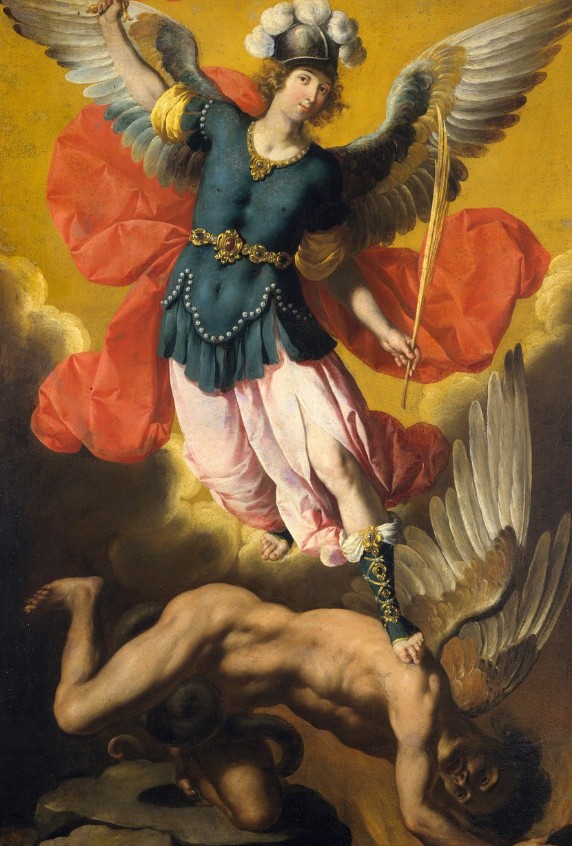
Anche la Spagna del Seicento offre immagini potentissime dell’arcangelo. Al Metropolitan Museum di New York si conserva il San Michele Arcangelo di Ignacio de Ries, datato agli anni Quaranta del Seicento.
L’opera mostra Michele come un guerriero celeste e appartiene a quel clima artistico nel quale il soggetto della vittoria dell’arcangelo diventò particolarmente importante nella pittura religiosa spagnola.
Ancora una volta la formula è quella che conosciamo: Michele in alto, il male sconfitto in basso.
Juan de Flandes: l’arcangelo e il paesaggio dell’Apocalisse
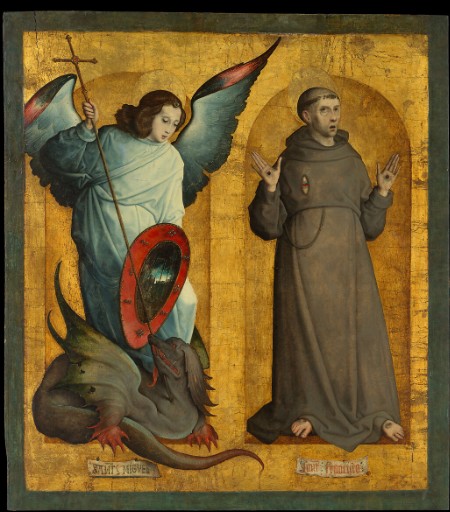
Un’altra versione sorprendente è quella di Juan de Flandes, conservata al Metropolitan Museum.
Nel pannello, databile intorno al 1505-1509, San Michele trafigge il drago mentre sul suo scudo compare il riflesso di una città avvolta dal fumo, quasi una visione apocalittica.
Qui l’artista inserisce nella rappresentazione un elemento narrativo particolarmente raffinato: il dramma dell’Apocalisse entra nello scudo dell’arcangelo.
San Michele nell’arte: dalla spada alla bilancia
Guardando queste opere una accanto all’altra si capisce quanto sia cambiata nei secoli l’immagine dell’arcangelo. Piero della Francesca lo rende monumentale e quasi immobile mentre Raffaello lo trasforma in un elegante guerriero rinascimentale.
Zenale sottolinea il suo ruolo di giudice delle anime e Guido Reni lo rende bellissimo e vittorioso.
Il Cerano ne accentua il carattere teatrale e inquietante, Ignacio de Ries lo inserisce nella grande tradizione drammatica del Seicento spagnolo. Tutti però raccontano la stessa storia: un essere celeste che affronta il male e lo sconfigge.
San Michele ha avuto una fortuna straordinaria tra gli artisti. È infatti un soggetto che permette di dipingere un corpo in movimento, ali, armature, spade, draghi, mostri, cielo, luce e tenebre.
Soprattutto permette di raccontare una delle immagini più antiche e universali della cultura occidentale: la luce che affronta il buio.
Perché dietro ogni spada, ogni ala e ogni demone sconfitto c’è un’idea diversa della vittoria.
Per il momento il sempre vostro Michelangelo Buonarroti vi saluta dandovi appuntamento ai prossimi post e sui social.

Saint Michael the Archangel in Art: The Most Beautiful and Spectacular Paintings from Piero della Francesca to Guido Reni
Saint Michael the Archangel flies, fights, pierces, tramples the devil, weighs souls, and defeats evil.
September 29th is the day dedicated to Saint Michael, one of the most important figures in Christian tradition and a subject that has deeply stirred the imaginations of artists over the centuries.
His image is instantly recognizable: outspread wings, armor, a sword or spear, and a defeated Satan at his feet. Yet, beneath this seemingly simple iconography lie widely varied interpretations.
There is the solemn, geometric Saint Michael by Piero della Francesca; the elegant, almost aristocratic version by Raphael; the theatrical, brilliantly luminous depiction by Guido Reni; and the restless, spectacular rendering by Il Cerano.
September 29th is also the birthday of Michelangelo Merisi, better known as Caravaggio. He was born in 1571 and named in honor of the Archangel Michael.
Saint Michael the Archangel: Why have artists painted him so often?
The answer lies in the Book of Revelation and Christian tradition.
Saint Michael is the commander of the heavenly hosts who battles the dragon—identified as Satan. In Western art, this battle has become one of the most immediate representations of the struggle between good and evil.
However, Michael does not merely defeat evil. Tradition also assigns him the task of weighing souls at the moment of Judgment. This is why a set of scales often appears alongside the sword in so many depictions.
One need only look at the scales in Bernardo Zenale’s Saint Michael the Archangel: the archangel pierces the devil with his sword while simultaneously weighing the souls of the deceased.
In short, Saint Michael is a figure who embodies justice, combat, protection, and judgment.
Piero della Francesca: A Saint Michael That Resembles a Sculpture
One of the most captivating depictions is Piero della Francesca’s Saint Michael the Archangel, now housed in the National Gallery in London.
Painted in the second half of the 15th century, the panel was part of a large polyptych created for the Church of Sant’Agostino in Sansepolcro.
Piero transforms the archangel into a young warrior with an almost monumental presence. He wears armor, wields a sword, and holds the head of the demon—depicted as a serpent with pointed ears—in his hand.
Michael has just defeated evil, yet he does not appear enraged. His face is impassive, his body is constructed with almost geometric solidity, and the light lends a precious quality to the armor, the fabrics, and every detail.
It is one of the most original ways Renaissance painting has depicted the victory over evil: not through chaos, but through order and perfection of form.
Raphael: Saint Michael Against the Dragon
A few years later, Raphael also tackled the theme, using a completely different artistic language.
In Saint Michael Vanquishing Satan—created under papal commission and intended for Francis I of France—the archangel appears as an incredibly elegant young warrior about to strike the dragon with his spear. The work was commissioned by Leo X in 1518.
Here, the battle becomes almost a dance. Michael’s body is slender, his wings unfurl behind him, and a sense of movement flows through the entire composition.
Raphael does not shy away from the violence of the clash; instead, he transforms it into Renaissance harmony—a triumph of good expressed through beauty. Bernardo Zenale: Michael Weighing Souls
Another particularly interesting painting housed at the Uffizi is Saint Michael the Archangel by Bernardo Zenale, dating to around 1490.
In one hand, Saint Michael wields a sword, while the other holds a scale for weighing souls. At his feet appears the devil, depicted as a monstrous, dragon-like creature.
The work originally belonged to an altarpiece that has since been dismantled. It is a significant depiction because it combines two of the functions attributed to the archangel: battling evil and judging souls.
Guido Reni: The Most Famous Saint Michael
Guido Reni. His Saint Michael the Archangel Defeating Satan—painted around 1635 for the Church of Santa Maria della Concezione dei Cappuccini in Rome—is arguably one of the most celebrated images of Saint Michael in the entire history of art.
Michael appears youthful, strikingly beautiful, and seemingly weightless. His wings spread out behind him, his robes flutter, his sword is poised to strike, and Satan lies crushed beneath his feet.
Yet, there is something that makes this image particularly memorable: the archangel’s elegance. Although the scene depicts a battle, Reni transforms it into a vision of ideal beauty.
The painting was a massive success. As early as the 17th century, it was reproduced in engravings, and its composition became widely known.
Il Cerano: A Haunting and Spectacular Saint Michael
With Giovanni Battista Crespi, known as Il Ceran o Here, the story shifts once more. His Saint Michael the Archangel—created between 1605 and 1610 and now housed at the Castello Sforzesco in Milan—features a distinctly unusual iconography: the devil is split into two separate figures flanking the archangel.
Michael occupies the center of the composition, seemingly emerging from the contrast between his own beauty and the deformity of the defeated creatures.
This image is far removed from the balance of Piero della Francesca or the elegance of Raphael. Here, the battle against evil becomes theatrical, restless, and almost visionary.
Ignacio de Ries: Saint Michael in 17th-Century Spain
Seventeenth-century Spain also produced powerful images of the archangel. The Metropolitan Museum in New York holds Ignacio de Ries’s Saint Michael the Archangel, dating to the 1640s.
The work depicts Michael as a celestial warrior and belongs to an artistic era in which the theme of the archangel’s victory became particularly significant in Spanish religious painting.
Once again, the formula is familiar: Michael above, the defeated evil below.
Juan de Flandes: The Archangel and the Landscape of the Apocalypse
Another striking version is by Juan de Flandes, also held at the Metropolitan Museum.
In this panel, dating to around 1505–1509, Saint Michael pierces the dragon, while the reflection of a smoke-shrouded city—almost an apocalyptic vision—appears on his shield.
Here, the artist introduces a particularly sophisticated narrative element: the drama of the Apocalypse is captured within the archangel’s shield.
Saint Michael in Art: From Sword to Scales
Viewing these works side by side reveals just how much the image of the archangel has evolved over the centuries. Piero della Francesca renders him monumental and almost motionless, while Raphael transforms him into an elegant Renaissance warrior.
Zenale emphasizes his role as the judge of souls, and Guido Reni portrays him as beautiful and triumphant.
Il Cerano accentuates his theatrical and unsettling nature, while Ignacio de Ries places him within the grand dramatic tradition of the Spanish 17th century. Yet, they all tell the same story: a celestial being confronting and defeating evil.
Saint Michael has enjoyed extraordinary popularity among artists. Indeed, the subject offers the opportunity to paint a body in motion, along with wings, armor, swords, dragons, monsters, the heavens, light, and darkness.
Above all, it allows for the depiction of one of Western culture’s most ancient and universal images: light confronting darkness.
For behind every sword, every wing, and every defeated demon lies a different concept of victory.
For now, your ever-faithful Michelangelo Buonarroti bids you farewell, looking forward to seeing you in future posts and on social media.

Sostienici – Support Us
Se questo blog ti piace e ti appassiona, puoi aiutarci a farlo crescere sempre più sostenendoci in modo concreto condividendo i post, seguendo le pagine social e con un contributo che ci aiuta ad andare avanti con il nostro lavoro di divulgazione. . ENGLISH: If you like and are passionate about this blog, you can help us make it grow more and more by supporting us in a concrete way by sharing posts, following social pages and with a contribution that helps us to move forward with our dissemination work.
10,00 €
-
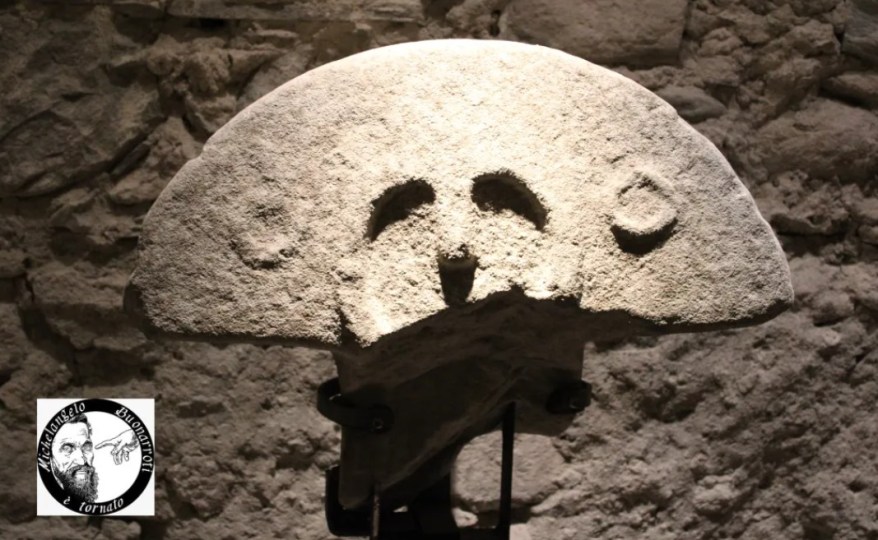
Pontremoli: il fascino silenzioso delle Statue Stele e il profumo dell’Amor
🇮🇹Ritorno al Castello del Piagnaro a Pontremoli: una visita al Museo delle Statue Stele Lunigianesi tra misteriosi volti di pietra e la dolce sosta all’Amor Pontremoli… 🇬🇧A return to the Castle of Piagnaro in Pontremoli: a visit to the Museum of the Lunigiana Stele Statues, amidst mysterious stone faces, followed by a delightful stop for…
-
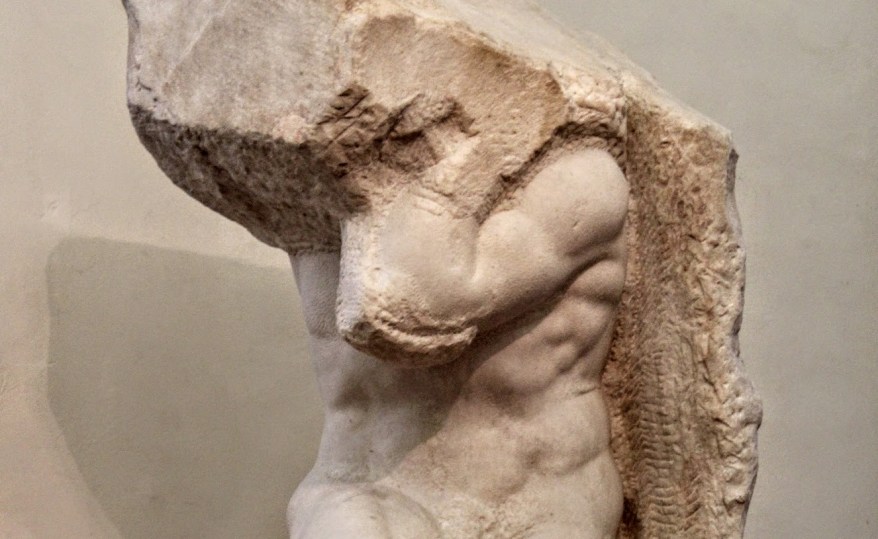
Il tormento del mio marmo ha stregato il Novecento: la nuova mostra a Firenze
🇮🇹Dal 15 dicembre 2026 la Galleria dell’Accademia di Firenze ospita “L’anima dei marmi”. Rodin, Bourdelle e i maestri del Simbolismo rileggono il mio genio… 🇬🇧Starting December 15, 2026, the Galleria dell’Accademia in Florence will host “The Soul of Marble.” Rodin, Bourdelle, and the masters of Symbolism reinterpret my genius…
-
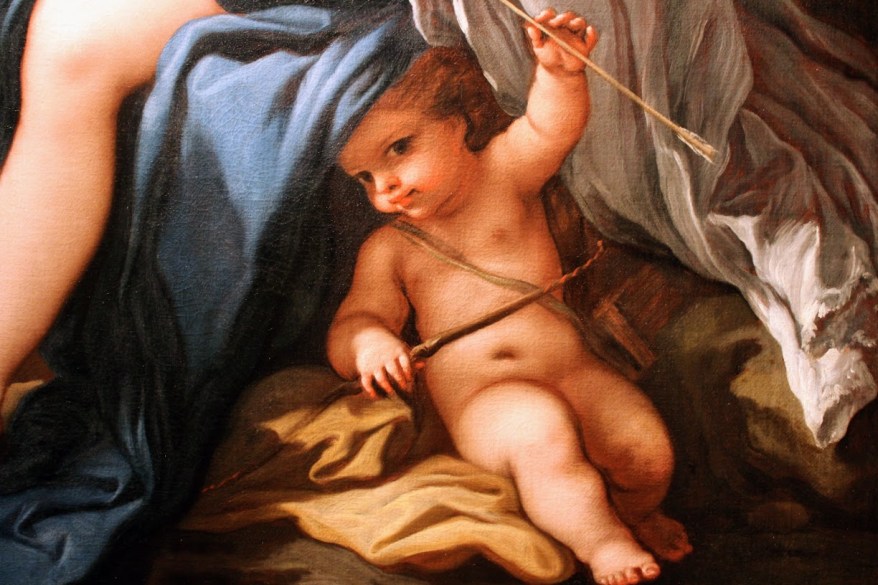
18 ottobre 1634: nasce Luca Giordano, il pittore che dipingeva così in fretta da essere chiamato «Luca fa’ presto»
🇮🇹Luca Giordano nacque a Napoli il 18 ottobre 1634. Scopri perché era chiamato «Luca fa’ presto» e i suoi capolavori, dalla Galleria degli Specchi alla corte di Spagna… 🇬🇧Luca Giordano was born in Naples on October 18, 1634. Discover why he was nicknamed “Luca fa’ presto” (“Luca, hurry up!”) and explore his masterpieces—from the Hall…
Condividi:


Questo sono io




sostienici

Sostienici – Support Us
Se questo blog ti piace e ti appassiona, puoi aiutarci a farlo crescere sempre più sostenendoci in modo concreto condividendo i post, seguendo le pagine social e con un contributo che ci aiuta ad andare avanti con il nostro lavoro di divulgazione. . ENGLISH: If you like and are passionate about this blog, you can help us make it grow more and more by supporting us in a concrete way by sharing posts, following social pages and with a contribution that helps us to move forward with our dissemination work.
€10,00


