

Rubati quattro Renoir: colpo da 9 milioni in Costa Azzurra
Un furto all’alba, due uomini in fuga e quattro opere di Pierre-Auguste Renoir strappate alle pareti di uno dei luoghi più importanti della sua memoria artistica. È quanto accaduto questa mattina, 8 settembre 2026, al Museo Renoir di Cagnes-sur-Mer, sulla Costa Azzurra, dove i ladri sono riusciti a entrare nella villa che fu l’ultima casa del grande pittore impressionista.
Il valore complessivo delle opere è stato stimato in circa 9 milioni di euro dal sindaco di Cagnes-sur-Mer, Bryan Masson. Una delle tele è stata abbandonata durante la fuga e, secondo gli aggiornamenti più recenti, due delle quattro opere risultano essere state recuperate. Le indagini sono tuttora in corso e i responsabili sono ricercati.
Un colpo che riaccende inevitabilmente l’allarme sulla sicurezza dei musei europei e che arriva a meno di un anno dal clamoroso furto dei gioielli della Corona al Louvre di Parigi.
Il blitz prima dell’alba: cosa è successo
L’irruzione è avvenuta poco prima delle 6 del mattino.
Secondo le prime ricostruzioni, due persone sono riuscite a introdursi nel complesso museale dopo aver tagliato una recinzione. Le immagini della videosorveglianza hanno permesso agli investigatori di ricostruire almeno parte dell’azione.
L’allarme è scattato alle 5:48. La polizia municipale è arrivata sul posto alle 5:53, appena cinque minuti dopo, ma i ladri erano già riusciti ad allontanarsi.
Le immagini analizzate dagli investigatori mostrerebbero inoltre i malviventi mentre tagliavano le tele per poterle sottrarre più rapidamente dalle cornici.
Durante la fuga, tuttavia, qualcosa è andato storto.
Una delle opere è stata lasciata cadere e successivamente recuperata. Gli aggiornamenti più recenti riferiscono del recupero di due delle quattro tele inizialmente sottratte. Resta invece da chiarire definitivamente la situazione di tutte le opere e le eventuali condizioni dei dipinti recuperati.
Quali opere di Renoir sono state rubate?
Le prime ricostruzioni della stampa francese hanno indicato quattro dipinti:
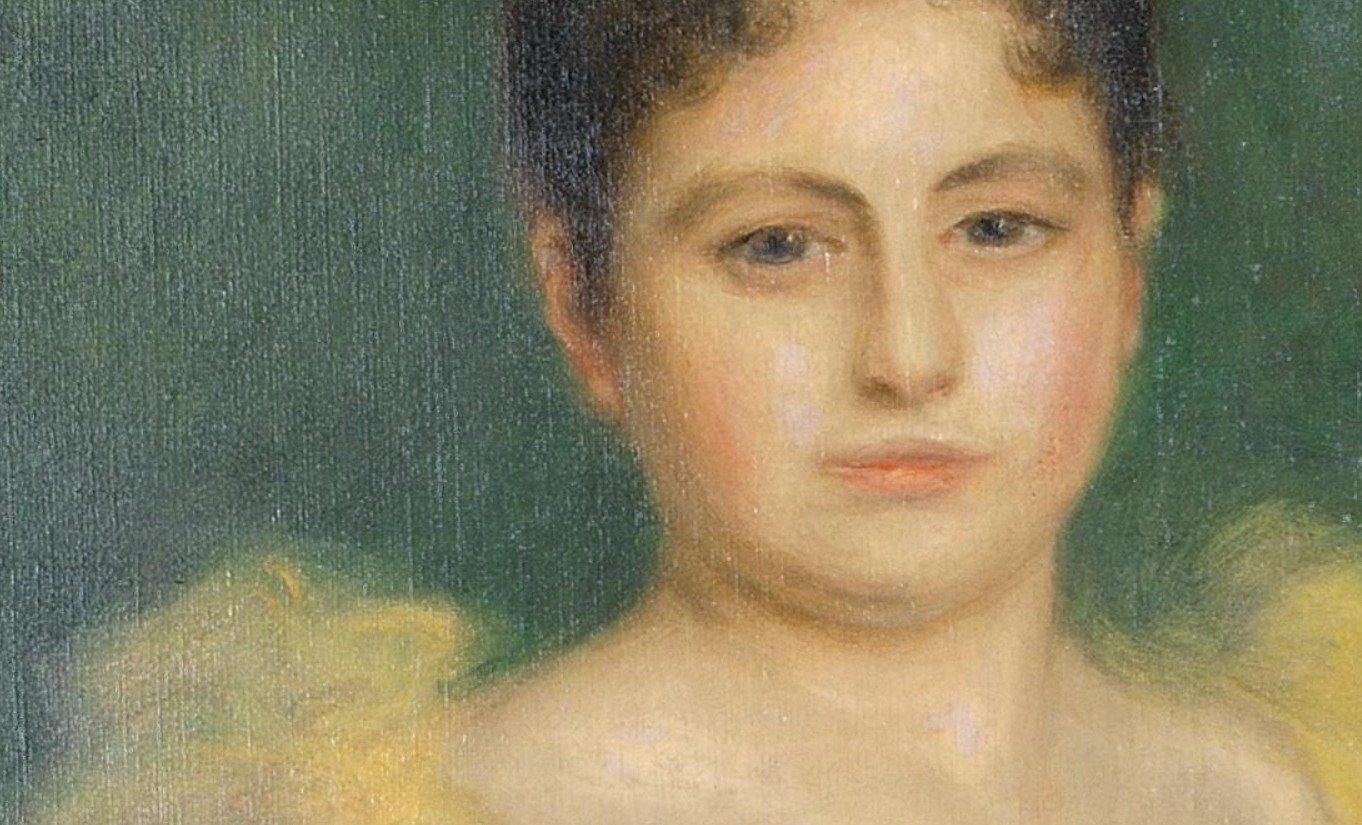
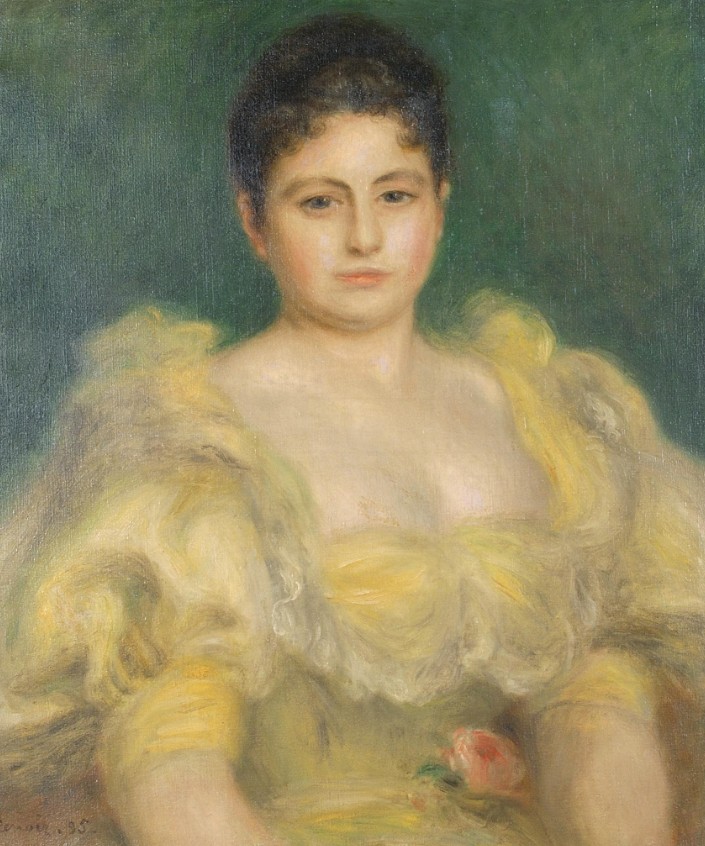
- Ritratto di Madame Stephen Pichon
- Ritratto di Madame Colonna Romano
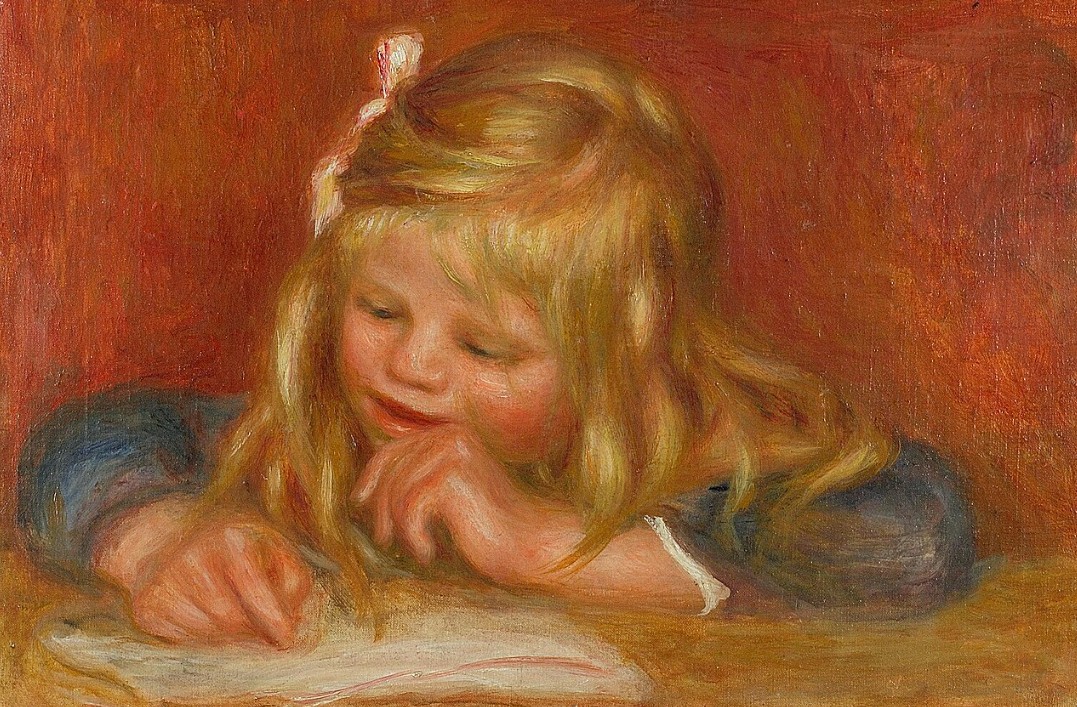
- Coco lisant
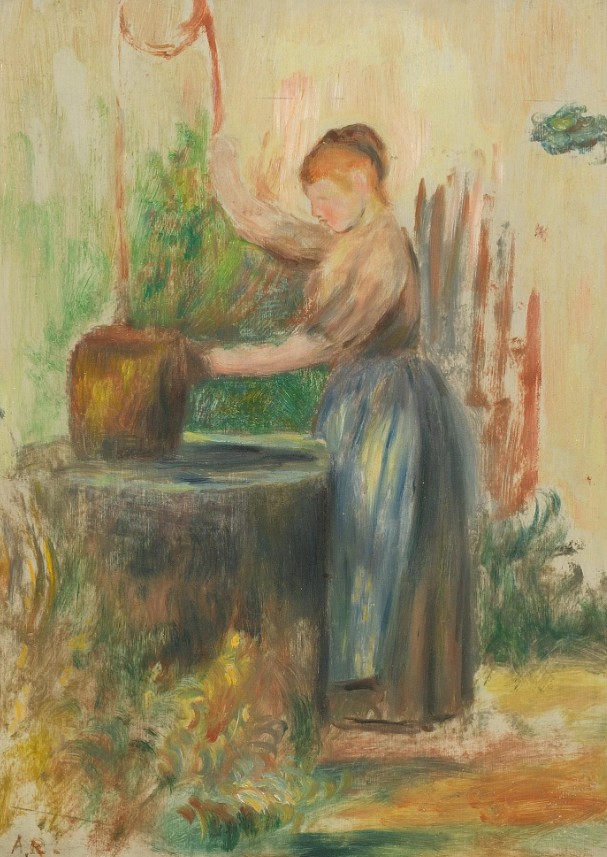
- Jeune femme au puits
Si tratta di opere effettivamente documentate nella collezione del Museo Renoir. La galleria virtuale ufficiale dei Musei di Cagnes-sur-Mer comprende, tra gli altri, Coco lisant, Jeune femme au puits, Portrait de Madame Colonna Romano e Portrait de Madame Stephen Pichon.
Il Ritratto di Madame Stephen Pichon, realizzato intorno al 1895, è un olio su tela appartenente alle collezioni del Musée d’Orsay e depositato presso il Museo Renoir di Cagnes-sur-Mer.
La presenza di queste opere nel museo rende il furto particolarmente significativo: non si tratta semplicemente di quadri custoditi in un edificio museale, ma di testimonianze direttamente legate alla storia di Renoir e al periodo trascorso dall’artista a Cagnes-sur-Mer.
Il Museo Renoir è l’ultima casa del pittore
Il museo non è un normale spazio espositivo ma la casa nella quale Renoir trascorse gli ultimi anni della sua vita.
Il complesso di Les Collettes fu acquistato dall’artista all’inizio del Novecento. Renoir visse qui dal 1908 fino alla morte, nel 1919. Dopo la sua scomparsa, la villa fu trasformata in museo e aperta al pubblico nel 1960.
Entrare nel Museo Renoir significa quindi entrare in uno spazio profondamente legato alla vita dell’artista.
Non ci sono soltanto dipinti. Sono conservati anche mobili, oggetti personali e strumenti appartenuti a Renoir, compresi il cavalletto e la celebre sedia a rotelle utilizzata negli ultimi anni della sua vita.
Un museo piccolo, ma con un patrimonio straordinario
La struttura conserva una selezione di opere originali di Renoir, tra ritratti, paesaggi, nudi e nature morte. La galleria virtuale ufficiale permette di vedere numerosi dipinti della collezione, tra cui Les Grandes Baigneuses, Paysage aux Collettes, La Ferme des Collettes, Les Toits du Vieux Nice, Coco lisant e Portrait de Madame Stephen Pichon.
Il museo rappresenta dunque un vero e proprio viaggio nella fase finale della carriera di Renoir e nel rapporto dell’artista con la Costa Azzurra.
Il valore? Circa 9 milioni di euro
Il sindaco Bryan Masson ha stimato in circa 9 milioni di euro il valore complessivo delle opere coinvolte nel furto.
Ma in casi come questo il valore economico racconta soltanto una parte della storia: un dipinto di Renoir non è infatti facilmente sostituibile.
La fuga ripresa dalle telecamere
Uno degli elementi che potrebbero rivelarsi decisivi per le indagini è rappresentato dalle telecamere di videosorveglianza.
I due sospetti sono stati ripresi mentre si allontanavano dal museo. Le immagini hanno consentito alle autorità di ricostruire la fuga e di individuare il momento nel quale almeno una delle opere è stata abbandonata.
La polizia di Cagnes-sur-Mer conduce le indagini, mentre è in corso anche un inventario delle opere presenti nel museo per verificare con precisione quanto accaduto.
Il fantasma del Louvre torna a fare paura
Il furto di Cagnes-sur-Mer arriva in un momento particolarmente delicato per la sicurezza del patrimonio culturale francese.
Nell’ottobre 2025, il Louvre di Parigi era stato teatro di uno spettacolare furto durante il quale furono sottratti gioielli della Corona francese per un valore stimato di circa 88 milioni di euro. Le opere e i gioielli sottratti non sono ancora stati tutti recuperati.
Il nuovo episodio dimostra quanto i musei possano essere vulnerabili anche quando custodiscono opere di enorme valore storico ed economico.
Secondo Europol, negli ultimi tempi i furti di beni culturali in Europa hanno assunto modalità sempre più audaci, con una presenza crescente di gruppi opportunistici.
Una domanda inquietante: dove finiranno i Renoir?
Che cosa accadrà alle opere ancora mancanti?
I dipinti di un artista universalmente conosciuto come Renoir sono difficili da vendere apertamente sul mercato legale. Il loro valore e la loro notorietà li rendono immediatamente riconoscibili.
Ma proprio per questo il rischio è che possano essere nascosti, trasferiti o utilizzati all’interno di circuiti clandestini.
Gli investigatori dovranno ora ricostruire nei dettagli la dinamica del furto, identificare i responsabili e soprattutto recuperare le opere ancora mancanti.
Non hanno rubato soltanto quattro quadri
C’è però una considerazione che va oltre il valore di 9 milioni di euro. Dal Museo Renoir non sono stati portati via semplicemente quattro dipinti ma è stata colpita una parte della memoria di un artista che ha cambiato per sempre la storia della pittura moderna.
Renoir ha dipinto la luce, i volti, i paesaggi e la vita quotidiana con una libertà che avrebbe contribuito a trasformare l’arte occidentale.
E proprio nella casa dove trascorse gli ultimi anni della sua vita, questa mattina, qualcuno ha cercato di portare via una parte di quella storia.
Il sindaco Bryan Masson ha definito l’accaduto particolarmente grave, sottolineando che colpire il Museo Renoir significa colpire una parte della storia e del patrimonio di Cagnes-sur-Mer.
Ora resta una speranza: che le opere ancora mancanti possano tornare presto nel luogo per il quale erano state conservate.
Perché un Renoir può avere un prezzo. Ma la storia che porta con sé non ha prezzo.
Per il momento il sempre vostro Michelangelo Buonarroti vi saluta dandovi appuntamento ai prossimi post e sui social.
Four Renoirs Stolen: €9 Million Heist on the French Riviera
A dawn robbery, two men on the run, and four works by Pierre-Auguste Renoir snatched from the walls of one of the most important sites in his artistic legacy. This is what happened this morning, September 8, 2026, at the Renoir Museum in Cagnes-sur-Mer, on the French Riviera, where thieves managed to enter the villa that was the final home of the great Impressionist painter.
The total value of the works has been estimated at approximately €9 million by the mayor of Cagnes-sur-Mer, Bryan Masson. One of the paintings was abandoned during the heist, and according to the most recent updates, two of the four works have been recovered. The investigation is ongoing, and those responsible are being sought.
This heist inevitably reignites concerns about the security of European museums, and comes less than a year after the sensational theft of the Crown Jewels from the Louvre in Paris.
The pre-dawn raid: what happened
The break-in occurred shortly before 6:00 a.m.
According to initial reports, two people managed to gain entry into the museum complex after cutting through a fence. Video surveillance footage has allowed investigators to reconstruct at least part of the operation.
The alarm was raised at 5:48 a.m. The municipal police arrived at 5:53 a.m., just five minutes later, but the thieves had already fled.
The footage analyzed by investigators also appears to show the thieves cutting up the canvases to remove them more quickly from their frames.
During the escape, however, something went wrong.
One of the works was dropped and later recovered. The most recent updates report the recovery of two of the four canvases initially stolen. The status of all the works and the condition of the recovered paintings, if any, remains unclear.
Which Renoir works were stolen?
Initial reports in the French press identified four paintings:
Portrait of Madame Stephen Pichon
Portrait of Madame Colonna Romano
Coco lisant
Young woman at the puits
These are works actually documented in the collection of the Renoir Museum. The official virtual gallery of the Cagnes-sur-Mer Museums includes, among others, Coco lisant, Young woman at the puits, Portrait of Madame Colonna Romano, and Portrait of Madame Stephen Pichon.
Portrait of Madame Stephen Pichon, painted around 1895, is an oil on canvas belonging to the collections of the Musée d’Orsay and deposited at the Renoir Museum in Cagnes-sur-Mer.
The presence of these works in the museum makes the theft particularly significant: they are not simply paintings housed in a museum building, but testimonies directly linked to Renoir’s history and the artist’s time in Cagnes-sur-Mer.
The Renoir Museum is the painter’s final home.
And this is perhaps the most shocking aspect of the story.
The museum is not just an ordinary exhibition space
It is the house where Renoir spent the last years of his life.
The Les Collettes complex was purchased by the artist in the early 20th century. Renoir lived here from 1908 until his death in 1919. After his death, the villa was transformed into a museum and opened to the public in 1960.
Entering the Renoir Museum therefore means entering a space profoundly connected to the artist’s life.
It’s not just paintings.
It also houses furniture, personal objects, and tools that belonged to Renoir, including his easel and the famous wheelchair he used in the last years of his life.
It is precisely this combination of memories, works, and original surroundings that makes the Domaine des Collettes such a special place.
A small museum, but with an extraordinary collection
The museum’s relatively small size makes the theft even more impressive.
The building houses a selection of original works by Renoir, including portraits, landscapes, nudes, and still lifes. The official virtual gallery allows visitors to view numerous paintings from the collection, including Les Grandes Baigneuses, Paysage aux Collettes, La Ferme des Collettes, Les Toits du Vieux Nice, Coco lisant, and Portrait of Madame Stephen Pichon.
The museum thus represents a true journey into the final phase of Renoir’s career and the artist’s relationship with the French Riviera.
The value? Approximately €9 million
Mayor Bryan Masson estimated the total value of the works involved in the theft at approximately €9 million.
But in cases like this, economic value only tells part of the story.
A Renoir painting is not easily replaceable.
Its value includes artistic quality, provenance, the work’s history, and its connection to the place where it was preserved.
In the case of the Renoir Museum, this element takes on an even stronger meaning: some were exhibited in the artist’s home, just steps from the rooms where Renoir lived and worked.
The escape captured on camera
One of the elements that could prove decisive for the investigation is video surveillance cameras.
The two suspects were filmed leaving the museum. The footage allowed authorities to reconstruct the escape and pinpoint the moment at least one of the works was abandoned.
The Cagnes-sur-Mer police are conducting the investigation, while an inventory of the museum’s works is underway to precisely determine what happened.
The ghost of the Louvre returns to terrorize
The Cagnes-sur-Mer theft comes at a particularly delicate time for the security of France’s cultural heritage.
In October 2025, the Louvre in Paris was the scene of a spectacular theft during which French Crown Jewels worth an estimated €88 million were stolen. The stolen artworks and jewelry have not yet been fully recovered.
This latest episode demonstrates how vulnerable museums can be, even when they house works of enormous historical and economic value.
According to Europol, cultural heritage thefts in Europe have recently become increasingly audacious, with a growing presence of opportunistic groups.
A disturbing question: where will the Renoirs end up?
This is now the question everyone is asking.
What will happen to the still-missing works?
Paintings by an artist universally known as Renoir are difficult to sell openly on the legal market. Their value and notoriety make them instantly recognizable.
But precisely for this reason, there is a risk that they could be hidden, transferred, or used within clandestine networks.
Investigators will now have to reconstruct the details of the theft, identify those responsible, and, above all, recover the still-missing works.
They didn’t just steal four paintings.
But there is a consideration that goes beyond the €9 million value.
It wasn’t just four paintings that were stolen from the Renoir Museum.
A part of the memory of an artist who forever changed the history of modern painting was struck.
Renoir painted light, faces, landscapes, and everyday life with a freedom that would have helped transform Western art.
And this morning, in the very house where he spent the last years of his life, someone attempted to steal a part of that history.
Mayor Bryan Masson described the incident as particularly serious, emphasizing that attacking the Renoir Museum means attacking a part of the history and heritage of Cagnes-sur-Mer.
Now, one hope remains: that the still-missing works will soon be returned to the place for which they were originally intended.
Because a Renoir can have a price. But the history he carries with him is priceless.
For now, yours truly, Michelangelo Buonarroti bids you farewell and says he’ll see you in future posts and on social media.

Sostienici – Support Us
Se questo blog ti piace e ti appassiona, puoi aiutarci a farlo crescere sempre più sostenendoci in modo concreto condividendo i post, seguendo le pagine social e con un contributo che ci aiuta ad andare avanti con il nostro lavoro di divulgazione. . ENGLISH: If you like and are passionate about this blog, you can help us make it grow more and more by supporting us in a concrete way by sharing posts, following social pages and with a contribution that helps us to move forward with our dissemination work.
10,00 €
-
18 ottobre 1634: nasce Luca Giordano, il pittore che dipingeva così in fretta da essere chiamato «Luca fa’ presto»
🇮🇹Luca Giordano nacque a Napoli il 18 ottobre 1634. Scopri perché era chiamato «Luca fa’ presto» e i suoi capolavori, dalla Galleria degli Specchi alla corte di Spagna… 🇬🇧Luca Giordano was born in Naples on October 18, 1634. Discover why he was nicknamed “Luca fa’ presto” (“Luca, hurry up!”) and explore his masterpieces—from the Hall…
-

Incendio al municipio di Limoges, crolla la torre dell’orologio: distrutto storico palazzo dell’Ottocento
🇮🇹Incendio a Limoges, il municipio storico è devastato: crollano il tetto e la torre dell’orologio alta 43 metri. Che cosa resta del patrimonio artistico? 🇬🇧Fire in Limoges: the historic town hall is devastated, with its roof and 43-meter-tall clock tower having collapsed. What remains of its artistic heritage?
-
Prima di Gesù Bambino viene l’Annunciazione: i dipinti che raccontano l’inizio della storia di Natale
🇮🇹Prima di Gesù Bambino c’è l’Annunciazione: scopri i dipinti più celebri di Leonardo, Beato Angelico e Simone Martini e i simboli nascosti nell’arte cristiana… 🇬🇧Before the Christ Child comes the Annunciation: discover the most famous paintings by Leonardo, Fra Angelico, and Simone Martini, and the symbols hidden within Christian art…
Condividi:


Questo sono io




sostienici

Sostienici – Support Us
Se questo blog ti piace e ti appassiona, puoi aiutarci a farlo crescere sempre più sostenendoci in modo concreto condividendo i post, seguendo le pagine social e con un contributo che ci aiuta ad andare avanti con il nostro lavoro di divulgazione. . ENGLISH: If you like and are passionate about this blog, you can help us make it grow more and more by supporting us in a concrete way by sharing posts, following social pages and with a contribution that helps us to move forward with our dissemination work.
€10,00


Visto che difficilmente possono essere rivenduti mi chiedo questi furti clamorosi a chi giovino alla fine. Oltre a deturpare un patrimonio storico e culturale enorme, c’è anche l’incognita di dove finiranno e come saranno una volta recuperati. Cose da pazzi si direbbe, eppure se ne vedono sempre più spesso, anche qui in Italia…🤷♂️🤷♂️
"Mi piace""Mi piace"
credo che invece la richiesta ci sia eccome. Sicuramente non possono essere venduti legalmente
"Mi piace"Piace a 1 persona