
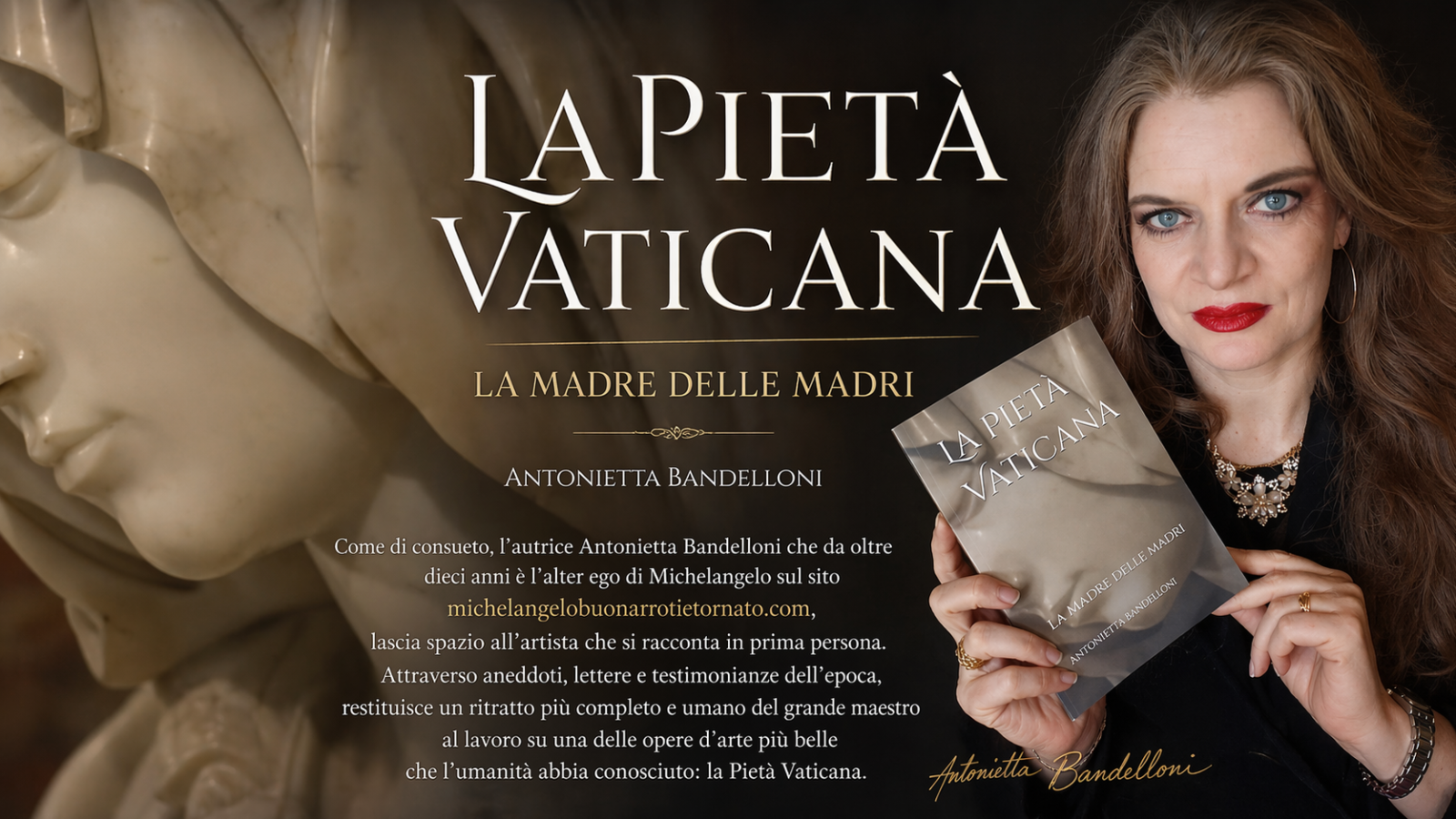
Henriëtte Ronner-Knip: la pittrice dei gatti
Henriëtte Ronner-Knip è la pittrice olandese dell’Ottocento che dedicò gran parte della propria carriera alla rappresentazione degli animali e che riuscì, soprattutto attraverso i suoi amatissimi gatti, a trasformare scene domestiche in immagini piene di vita, tenerezza e naturalezza.
Poco conosciuta in Italia, Henriëtte Ronner-Knip merita invece un posto importante nella storia della pittura animalista, non soltanto per la straordinaria qualità tecnica delle sue opere, ma anche per il rapporto quotidiano che instaurò con gli animali che dipingeva, osservandone con attenzione i movimenti, le abitudini e quei piccoli atteggiamenti che ancora oggi permettono a chiunque viva con un gatto di riconoscersi immediatamente nelle sue tele.
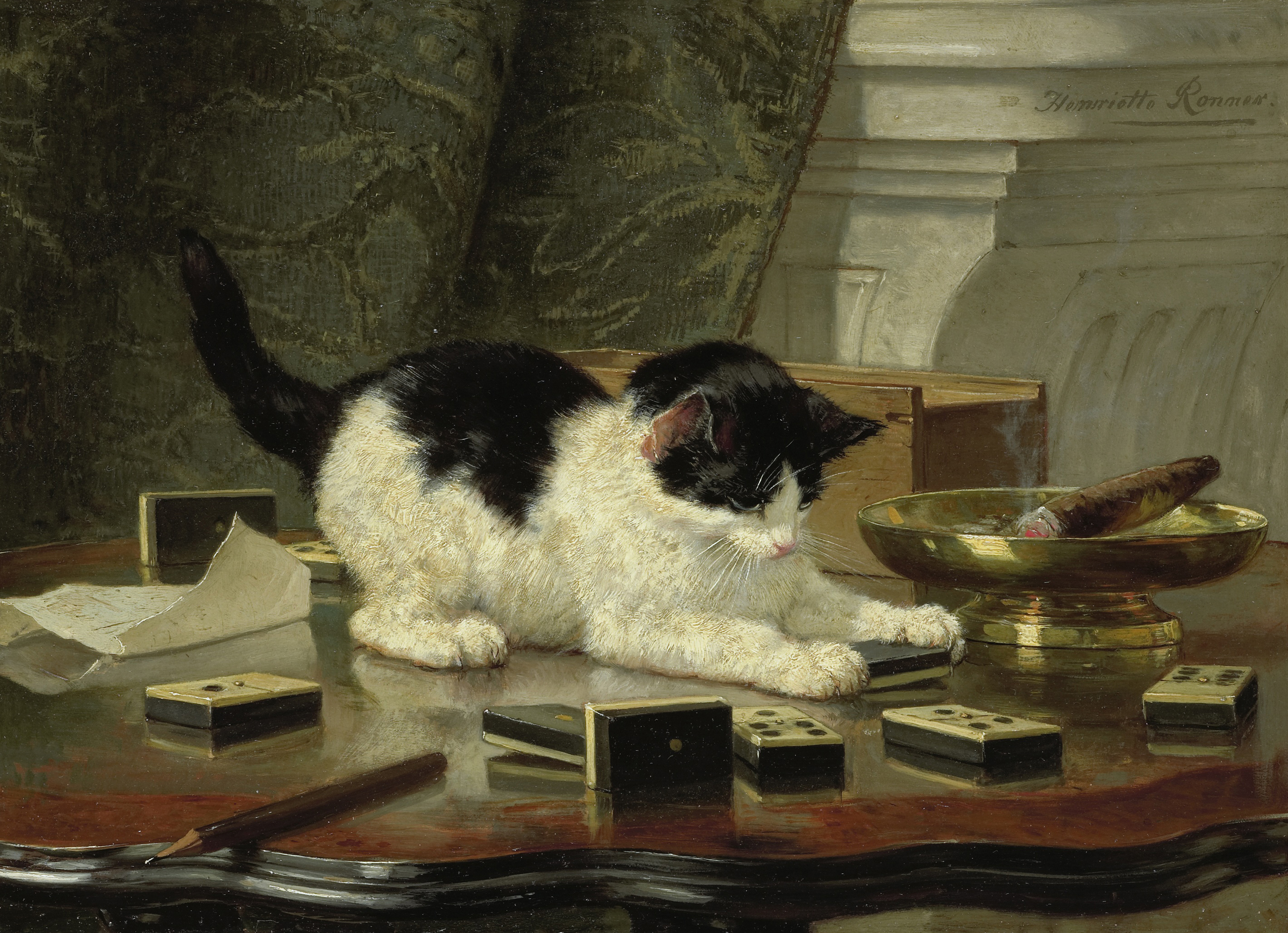
Henriëtte Ronner-Knip, una pittrice innamorata degli animali
All’inizio della sua carriera Henriëtte non si dedicò esclusivamente agli animali, ma si confrontò con generi diversi, dalle scene di genere ai paesaggi, fino alle nature morte, costruendo lentamente quella preparazione tecnica che in seguito le avrebbe permesso di diventare una delle più apprezzate pittrici di animali del suo tempo.
Nel 1848 si trasferì ad Amsterdam, dove continuò a dipingere fattorie, foreste e animali, lavorando inizialmente soprattutto con l’acquerello e dedicandosi successivamente alla pittura a olio. Proprio nello stesso anno arrivò un riconoscimento particolarmente significativo per una donna dell’epoca, perché Henriëtte divenne la prima donna ammessa come membro attivo della prestigiosa società artistica olandese Arti et Amicitiae.
Un risultato importante in un ambiente nel quale alle donne veniva ancora concesso uno spazio molto più limitato rispetto agli uomini e che dimostra quanto il talento di Henriëtte fosse già riuscito a imporsi al di là dei pregiudizi del suo tempo.
La famiglia, la pittura e una responsabilità enorme
Nel 1850 Henriëtte sposò Feico Ronner e si trasferì con lui a Bruxelles, dove avrebbe trascorso gran parte della propria vita; il marito, tuttavia, era frequentemente malato e non riusciva a mantenere un’attività lavorativa stabile, così Henriëtte si trovò non soltanto a portare avanti la propria carriera artistica, ma anche ad assumere un ruolo fondamentale nel mantenimento economico della famiglia.
L’artista fu madre di sei figli e riuscì contemporaneamente a costruire una carriera internazionale, continuando a dipingere e a vendere le proprie opere in un periodo nel quale per una donna raggiungere una simile indipendenza professionale era tutt’altro che semplice.
Dopo il 1870 arrivano i gatti che l’hanno resa famosa
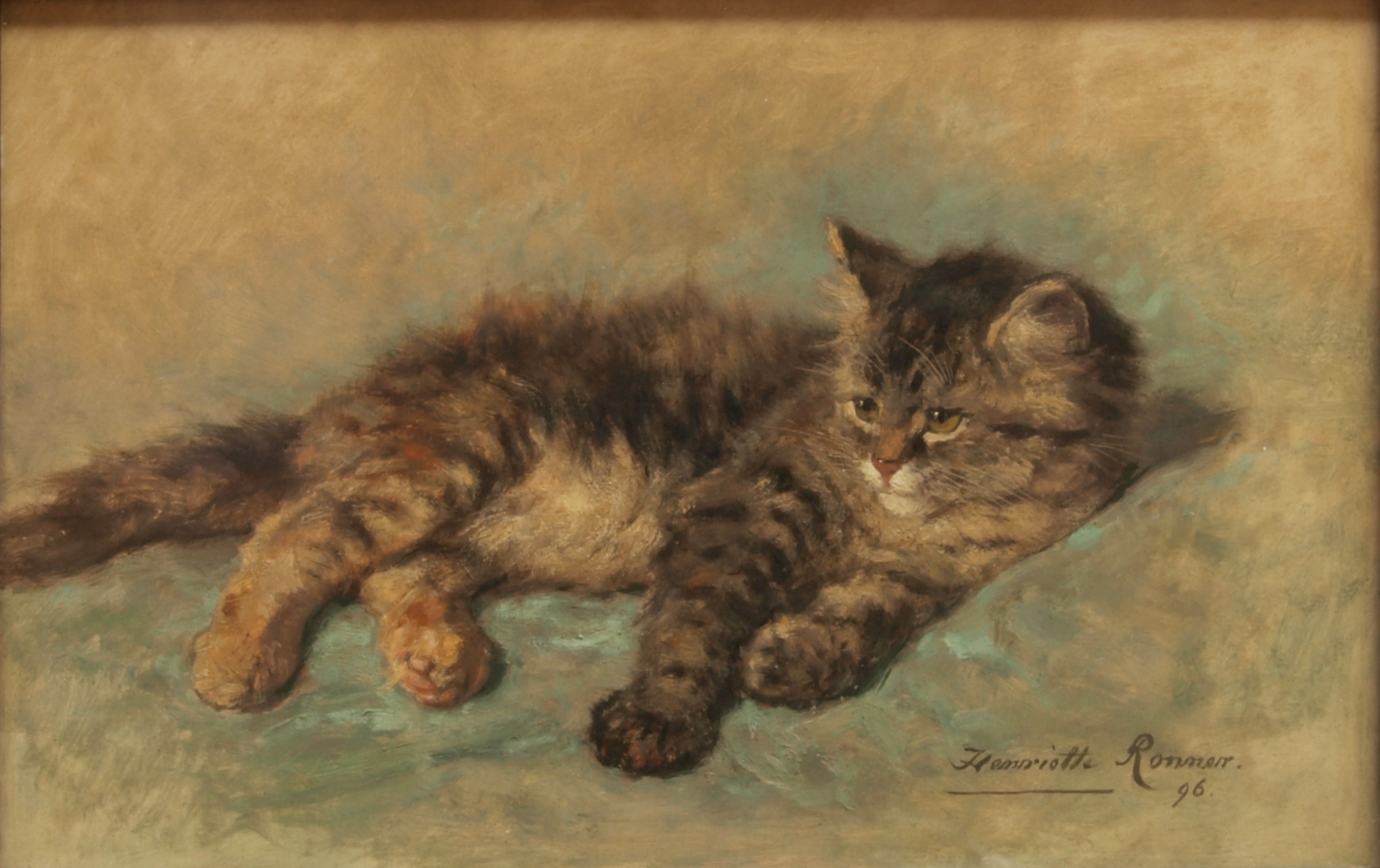
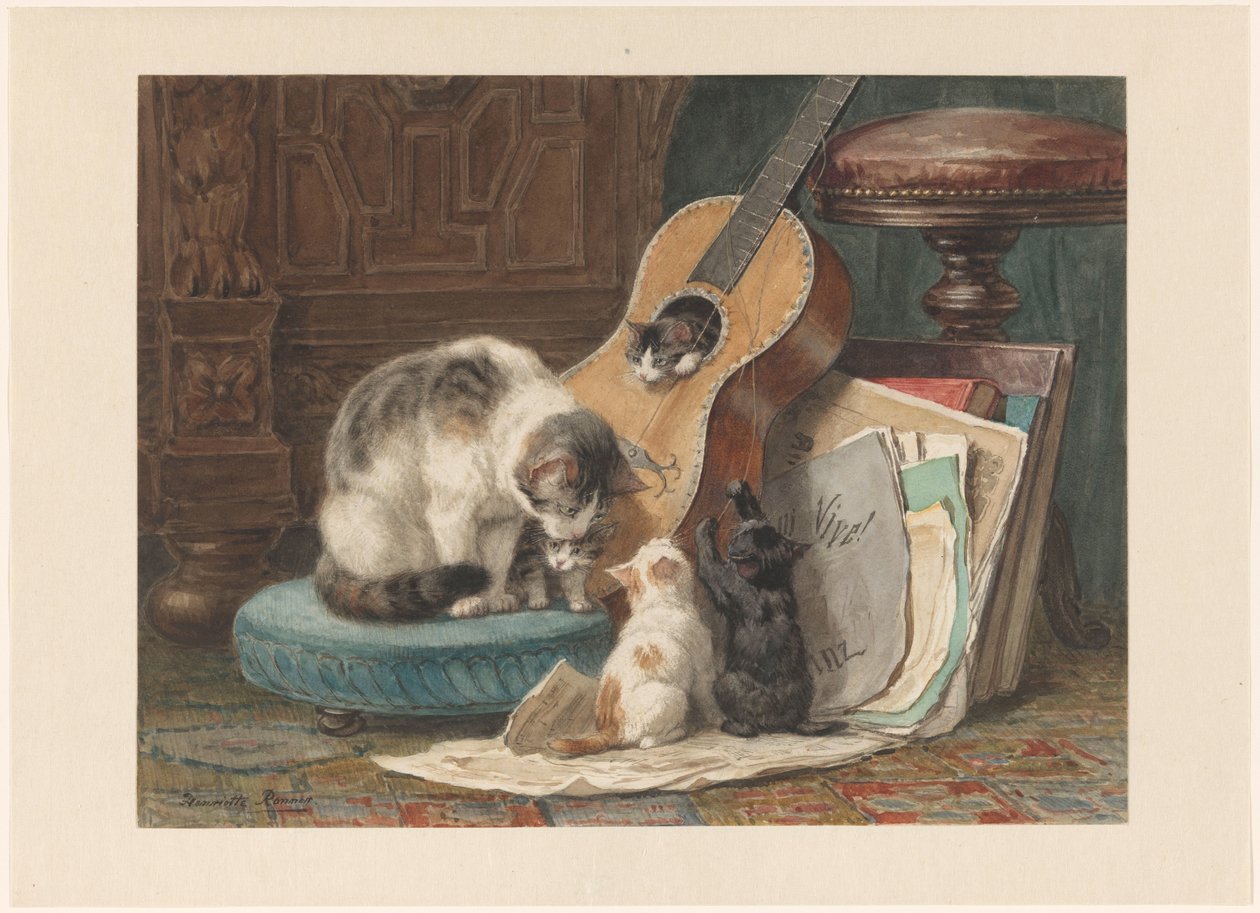
La svolta decisiva nella carriera di Henriëtte arrivò dopo il 1870, quando i gatti divennero protagonisti sempre più frequenti delle sue tele e l’artista iniziò a rappresentarli all’interno di raffinati ambienti borghesi, circondati da divani, tende, cuscini, tappeti e preziosi tessuti che contribuivano a creare quelle atmosfere eleganti e intime tanto apprezzate dal pubblico dell’epoca.
I suoi gatti sono spesso a pelo lungo, morbidi e straordinariamente espressivi, mentre giocano tra loro, si accoccolano negli angoli delle stanze oppure osservano ciò che accade intorno con quell’aria apparentemente indifferente che chiunque abbia conosciuto un gatto sa riconoscere perfettamente.
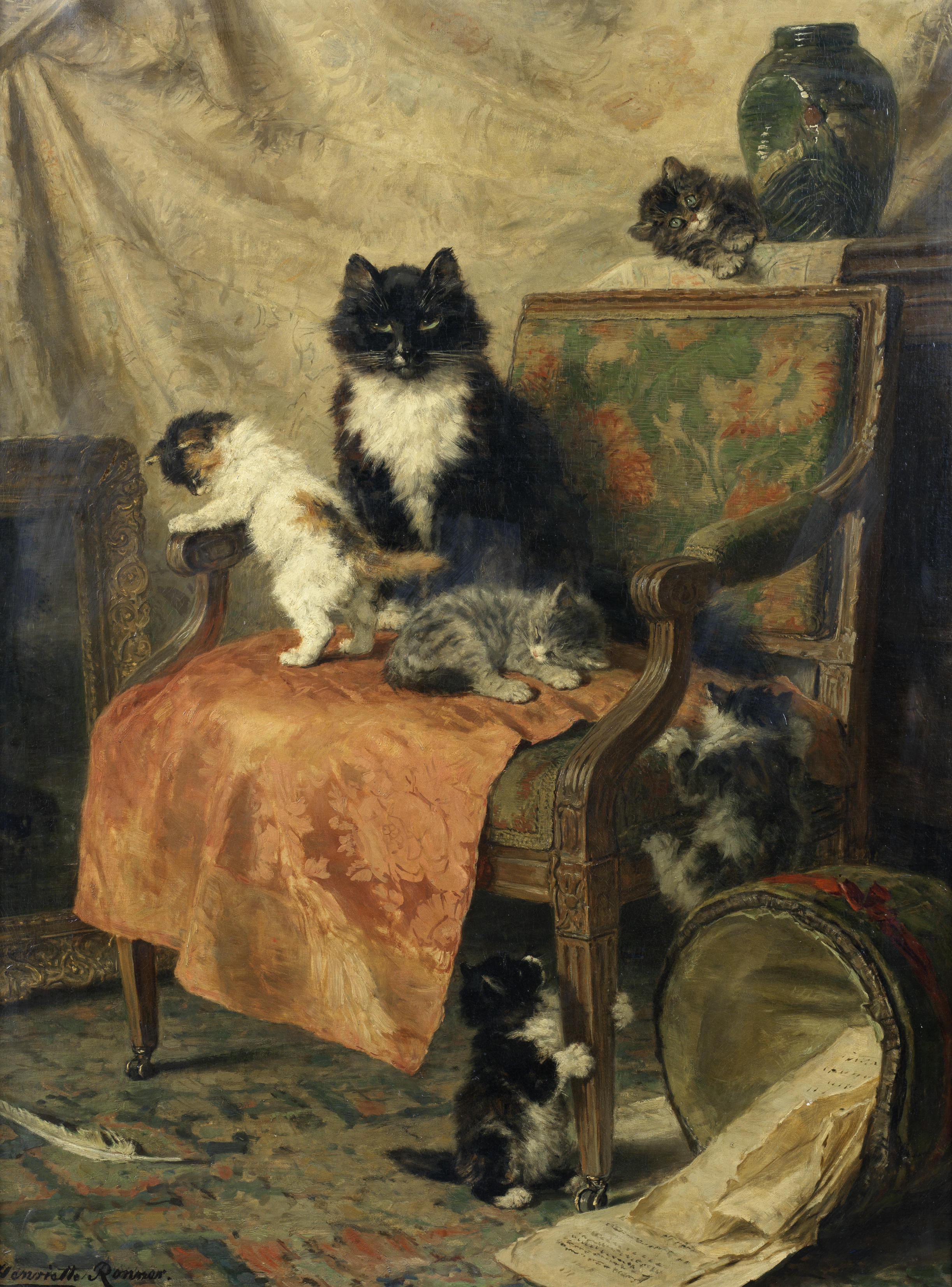
Il segreto dei suoi dipinti? Osservava davvero i gatti
Henriëtte Ronner-Knip cercava di comprendere il comportamento dei gatti, dedicando molto tempo all’osservazione diretta dei suoi modelli.
I suoi dipinti, infatti, raramente nascondono complesse allegorie o significati simbolici e preferiscono concentrarsi sulla quotidianità degli animali domestici, trasformando un gesto apparentemente insignificante in un momento capace di trasmettere tenerezza, divertimento e familiarità.
Guardando attentamente una delle sue tele si può quasi immaginare il gatto che, un attimo dopo, decide di alzarsi dal cuscino, inseguire un oggetto oppure combinare qualche piccolo disastro nel salotto.
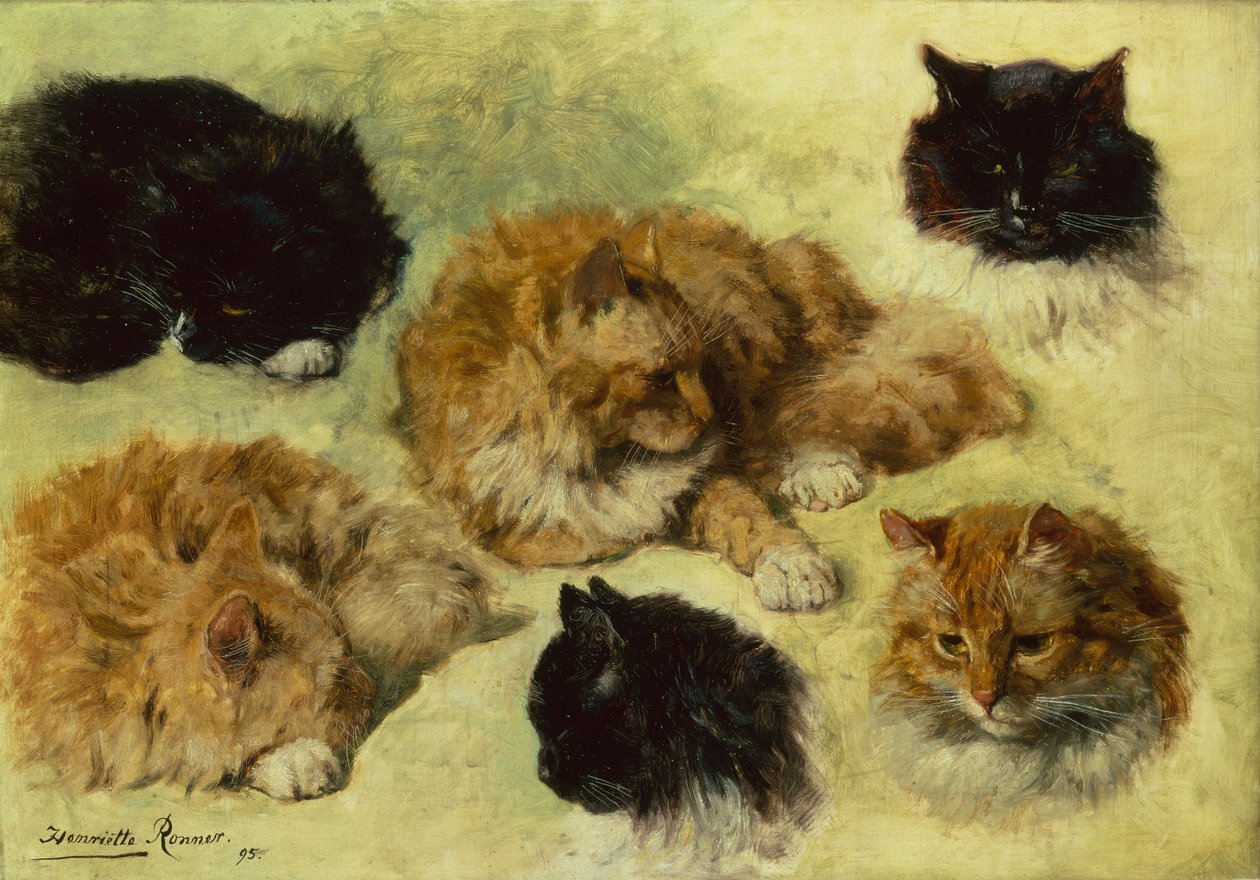
Uno studio costruito per osservare gli animali
Negli ultimi anni della sua vita Henriëtte visse in una casa dotata di un ampio giardino nel quale teneva diversi animali, tra cui gatti, cani e persino un pappagallo, che utilizzava come veri e propri modelli per le proprie composizioni.
L’artista arrivò a farsi costruire uno studio con una grande facciata in vetro, così da poter osservare gli animali mentre si muovevano liberamente all’interno dell’ambiente, studiandone i comportamenti quando correvano, giocavano, si rincorrevano oppure si addormentavano.
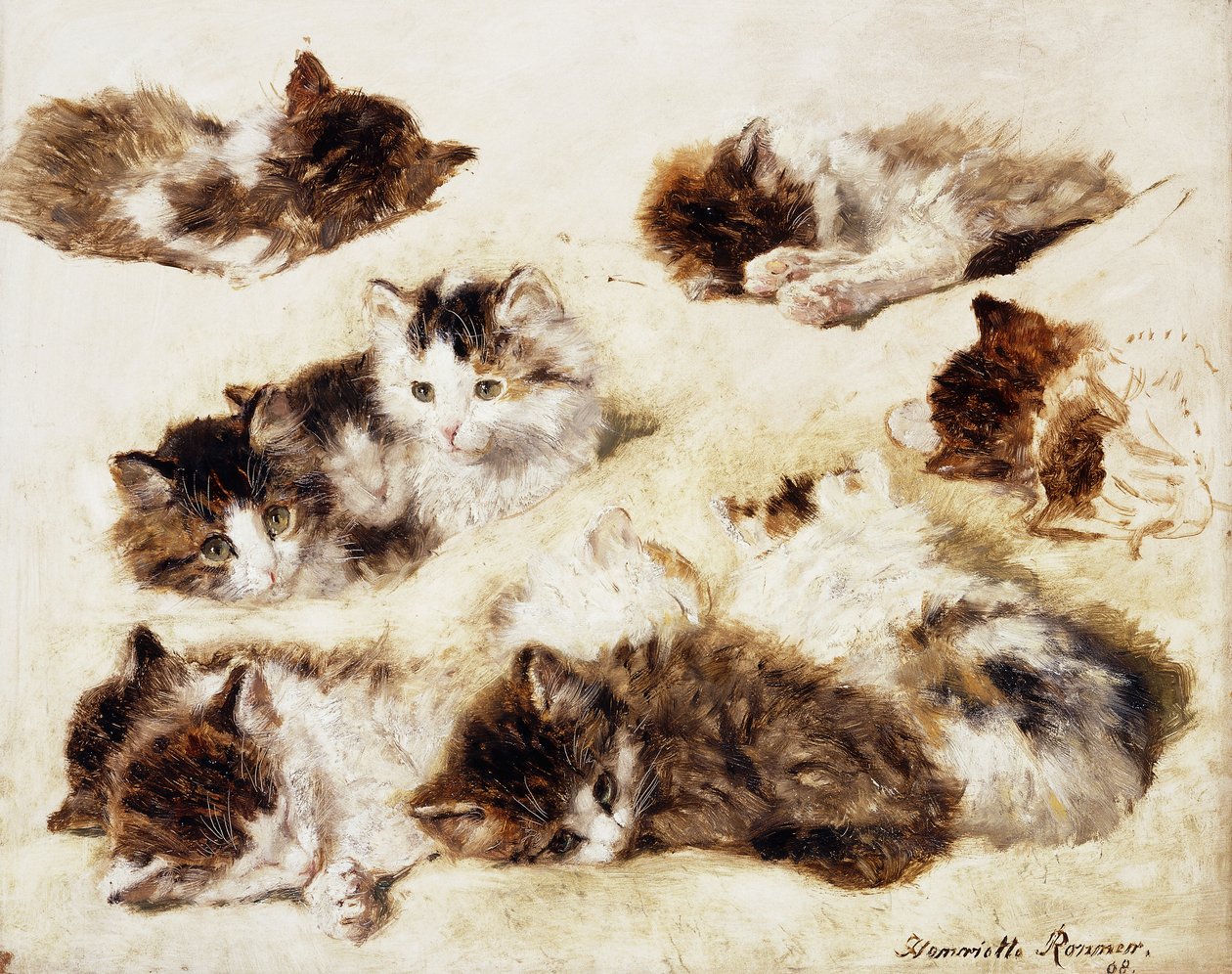
Quando aveva bisogno di riprodurre una determinata posizione, realizzava anche modelli di carta degli animali e li collocava insieme agli elementi che avrebbero composto la scena, come mobili, tessuti e oggetti decorativi, costruendo così con grande attenzione la composizione definitiva del dipinto.
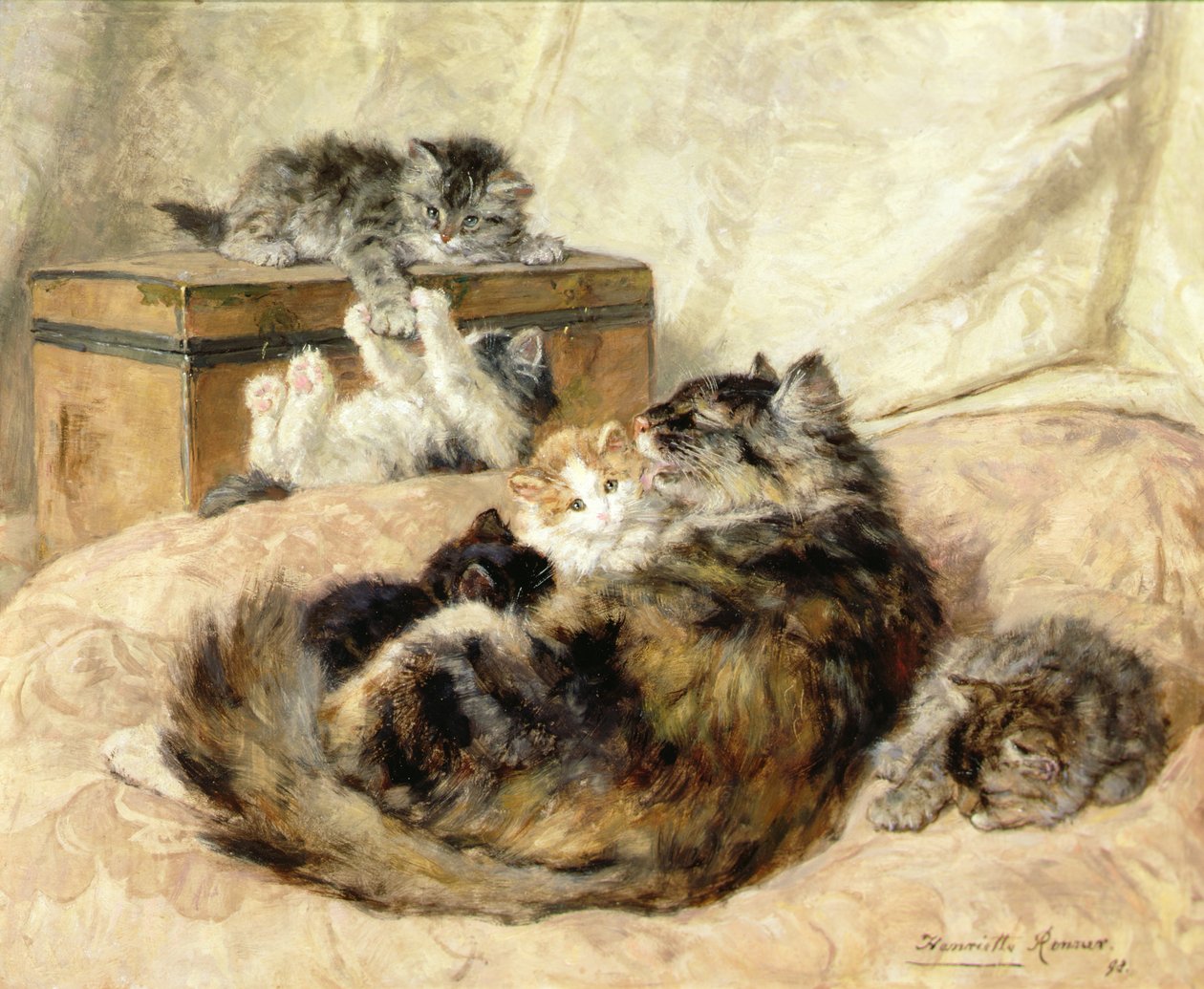
Non soltanto gatti: anche i cani conquistarono l’aristocrazia
Sebbene siano soprattutto i gatti ad aver legato per sempre il nome di Henriëtte Ronner-Knip alla storia dell’arte, l’artista fu anche una raffinata pittrice di cani e realizzò numerosi ritratti di animali appartenenti a famiglie aristocratiche e personaggi di grande prestigio.
Nel 1876 la regina del Belgio le commissionò il ritratto di due dei suoi cagnolini preferiti e il successo ottenuto da quell’opera contribuì ad accrescere ulteriormente la sua fama, portandole nuove commissioni da parte di importanti esponenti delle corti e dell’aristocrazia europea.
Tra i suoi committenti comparvero anche l’imperatore Guglielmo I di Germania, la duchessa di Edimburgo, il barone Tindal di Amsterdam e la principessa del Galles, segno evidente di quanto la pittura animalista di Henriëtte fosse ormai diventata richiesta negli ambienti più esclusivi dell’Europa ottocentesca.
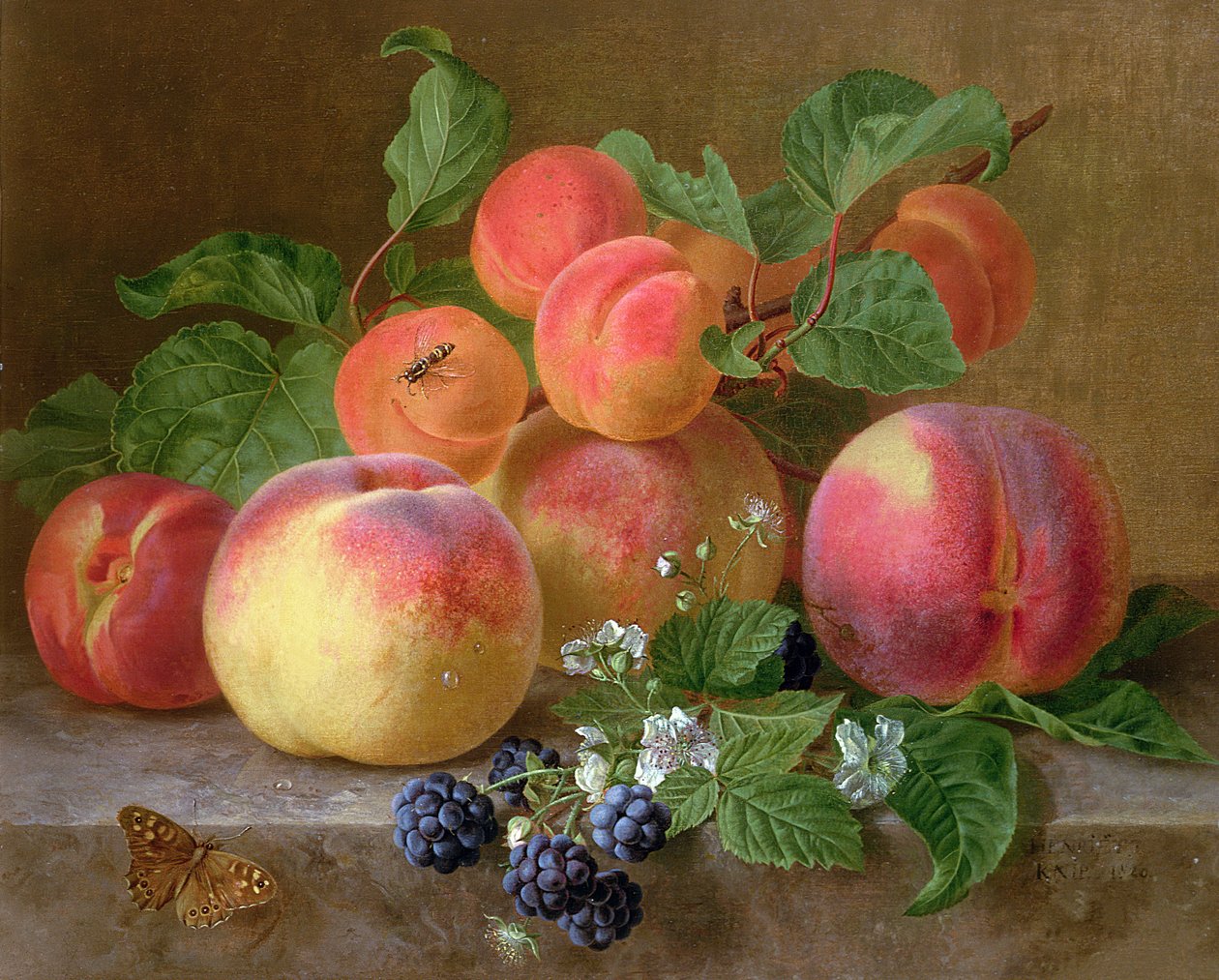
Una famiglia di artisti
Anche la passione per la pittura continuò attraverso i figli, alcuni dei quali seguirono la strada tracciata dalla madre e costruirono a loro volta una propria carriera artistica.
Il figlio Alfred Ronner divenne pittore, artista grafico e illustratore, mentre la figlia Alice Ronner si specializzò soprattutto nelle nature morte con frutta e fiori; anche Emma Ronner seguì le orme della madre e dedicò numerose opere proprio alla rappresentazione dei gatti.
L’eredità artistica di Henriëtte continuò all’interno della famiglia, trasformando la casa dei Ronner in un vero e proprio ambiente nel quale la pittura faceva parte della vita quotidiana.
La pittrice che fece dell’amore per gli animali una forma d’arte
Henriëtte Ronner-Knip morì nel 1909, all’età di 88 anni, dopo una vita intensa nella quale riuscì a essere contemporaneamente artista affermata, madre di sei figli e principale sostegno economico della propria famiglia, costruendo una carriera che la portò dalle prime scene di genere fino ai raffinati ritratti di animali richiesti dalle corti europee.
Oggi il suo nome potrebbe non essere conosciuto quanto quello di altri grandi artisti dell’Ottocento, ma le sue opere possiedono una qualità capace di superare il tempo: la sincerità con cui osservò e amò gli animali che aveva scelto come protagonisti della propria pittura.
Per il momento il sempre vostro Michelangelo Buonarroti vi saluta dandovi appuntamento ai prossimi post e sui social.
Henriëtte Ronner-Knip: The Painter of Cats
Henriëtte Ronner-Knip was a 19th-century Dutch painter who dedicated much of her career to depicting animals. She succeeded—particularly through her beloved cats—in transforming domestic scenes into images brimming with life, tenderness, and natural charm.
Though little known in Italy, Henriëtte Ronner-Knip deserves a significant place in the history of animal painting. This is due not only to the extraordinary technical quality of her work but also to the intimate, day-to-day bond she shared with the animals she painted; she carefully observed their movements, habits, and those subtle mannerisms that allow anyone who lives with a cat today to instantly recognize themselves in her canvases.
Henriëtte Ronner-Knip: A Painter Who Loved Animals
Early in her career, Henriëtte did not focus exclusively on animals; she explored various genres—ranging from genre scenes and landscapes to still lifes—gradually honing the technical skills that would later enable her to become one of the most acclaimed animal painters of her time.
In 1848, she moved to Amsterdam, where she continued painting farmyards, forests, and animals. Initially working primarily in watercolor, she later turned to oil painting. That same year brought an achievement of particular significance for a woman of her era: Henriëtte became the first woman admitted as an active member of the prestigious Dutch art society Arti et Amicitiae.
This was a major milestone in an environment where women were afforded far less space than men, demonstrating how Henriëtte’s talent had already succeeded in rising above the prejudices of her time.
Family, Painting, and an Enormous Responsibility
In 1850, Henriëtte married Feico Ronner and moved with him to Brussels, where she would spend the greater part of her life; Her husband, however, was frequently ill and unable to maintain steady employment, so Henriëtte found herself not only pursuing her own artistic career but also playing a crucial role in the family’s financial support.
A mother of six, she managed to build an international career simultaneously, continuing to paint and sell her work during an era when achieving such professional independence was far from easy for a woman.
After 1870 came the cats that made her famous
The turning point in Henriëtte’s career came after 1870, when cats became increasingly frequent subjects in her paintings. She began depicting them within refined bourgeois interiors—surrounded by sofas, curtains, cushions, rugs, and fine fabrics—creating the elegant, intimate atmospheres so admired by the public of the time.
Her cats are often long-haired, soft, and extraordinarily expressive; they play with one another, curl up in corners, or observe their surroundings with that air of apparent indifference instantly recognizable to anyone who has ever known a cat.
The secret behind her paintings? She truly observed cats
Henriëtte Ronner-Knip sought to understand feline behavior, dedicating a great deal of time to the direct observation of her subjects.
Indeed, her paintings rarely conceal complex allegories or symbolic meanings; instead, they focus on the everyday lives of household pets, transforming seemingly trivial actions into moments that convey tenderness, playfulness, and a sense of domestic familiarity.
Looking closely at one of her canvases, one can almost picture the cat deciding, the very next moment, to rise from its cushion, chase an object, or cause some minor mischief in the living room. A studio designed for observing animals
In the final years of her life, Henriëtte lived in a house with a large garden where she kept various animals—including cats, dogs, and even a parrot—using them as actual models for her compositions.
The artist even had a studio built with a large glass front, allowing her to observe the animals as they moved freely within the space and to study their behavior while they ran, played, chased one another, or fell asleep.
When she needed to capture a specific pose, she would create paper models of the animals and arrange them alongside the elements that would make up the scene—such as furniture, fabrics, and decorative objects—thereby carefully constructing the painting’s final composition.
Not just cats: dogs also won over the aristocracy
Although it is primarily cats that have While Henriëtte Ronner-Knip’s name is forever linked to art history, she was also a refined painter of dogs, creating numerous portraits of animals belonging to aristocratic families and high-profile figures.
In 1876, the Queen of Belgium commissioned her to paint two of her favorite small dogs; the success of this work further boosted her renown, leading to new commissions from prominent members of European courts and the aristocracy.
Her patrons included Emperor Wilhelm I of Germany, the Duchess of Edinburgh, Baron Tindal of Amsterdam, and the Princess of Wales—clear evidence of how sought-after Henriëtte’s animal paintings had become within the most exclusive circles of 19th-century Europe.
A family of artists
The passion for painting lived on through her children; some followed the path their mother had blazed, building artistic careers of their own.
Her son Alfred Ronner became a painter, graphic artist, and illustrator, while her daughter Alice Ronner specialized primarily in still-life paintings of fruit and flowers; Emma Ronner also followed in her mother’s footsteps, dedicating numerous works specifically to the depiction of cats.
Henriëtte’s artistic legacy endured within the family, turning the Ronner household into an environment where painting was an integral part of daily life.
The painter who turned her love for animals into an art form
Henriëtte Ronner-Knip died in 1909 at the age of 88, following a full life in which she successfully balanced the roles of accomplished artist, mother of six, and the family’s primary breadwinner. She built a career that evolved from early genre scenes to the sophisticated animal portraits coveted by European courts. Today, his name may not be as well-known as those of other great 19th-century artists, yet his works possess a quality that transcends time: the sincerity with which he observed and loved the animals he chose as the subjects of his paintings.
For now, yours truly, Michelangelo Buonarroti, bids you farewell and looks forward to seeing you in future posts and on social media.

Sostienici – Support Us
Se questo blog ti piace e ti appassiona, puoi aiutarci a farlo crescere sempre più sostenendoci in modo concreto condividendo i post, seguendo le pagine social e con un contributo che ci aiuta ad andare avanti con il nostro lavoro di divulgazione. . ENGLISH: If you like and are passionate about this blog, you can help us make it grow more and more by supporting us in a concrete way by sharing posts, following social pages and with a contribution that helps us to move forward with our dissemination work.
10,00 €
-

Louvre bloccato dalle proteste in Francia: museo chiuso
🇮🇹Il Museo del Louvre chiude, bloccato dalle proteste. Il museo più visitato al mondo non ha potuto aprire regolarmente questa mattina. A Parigi, un gruppo di studenti ha bloccato gli ingressi del Louvre per esprimere solidarietà al movimento dei liceali e denunciare la repressione della polizia… 🇬🇧The Louvre Museum is closed, blocked by protests. The…
-
Pontremoli: il fascino silenzioso delle Statue Stele e il profumo dell’Amor
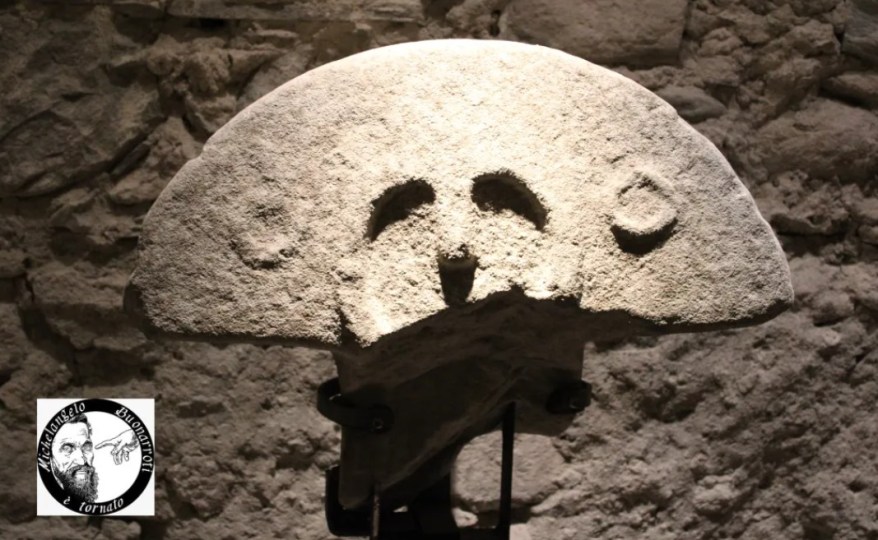
🇮🇹Ritorno al Castello del Piagnaro a Pontremoli: una visita al Museo delle Statue Stele Lunigianesi tra misteriosi volti di pietra e la dolce sosta all’Amor Pontremoli… 🇬🇧A return to the Castle of Piagnaro in Pontremoli: a visit to the Museum of the Lunigiana Stele Statues, amidst mysterious stone faces, followed by a delightful stop for…
-
Il tormento del mio marmo ha stregato il Novecento: la nuova mostra a Firenze
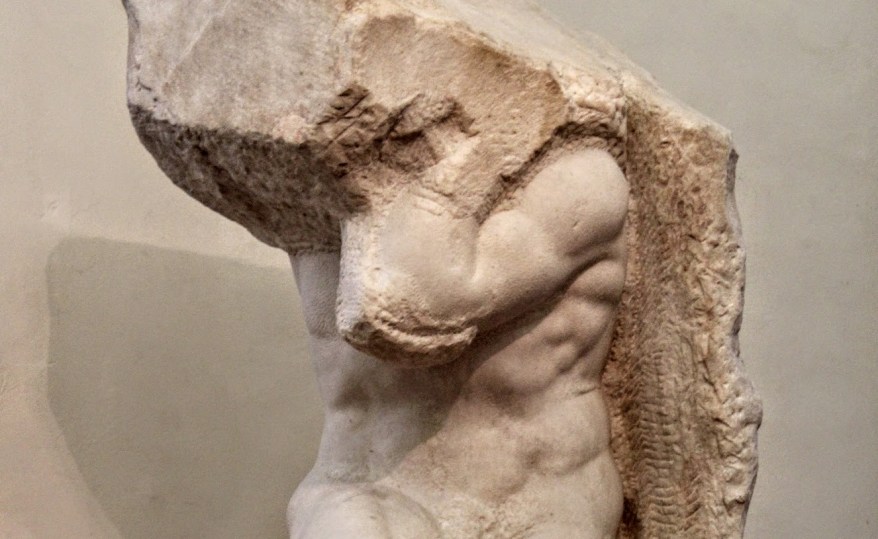
🇮🇹Dal 15 dicembre 2026 la Galleria dell’Accademia di Firenze ospita “L’anima dei marmi”. Rodin, Bourdelle e i maestri del Simbolismo rileggono il mio genio… 🇬🇧Starting December 15, 2026, the Galleria dell’Accademia in Florence will host “The Soul of Marble.” Rodin, Bourdelle, and the masters of Symbolism reinterpret my genius…
Condividi:


Questo sono io




sostienici

Sostienici – Support Us
Se questo blog ti piace e ti appassiona, puoi aiutarci a farlo crescere sempre più sostenendoci in modo concreto condividendo i post, seguendo le pagine social e con un contributo che ci aiuta ad andare avanti con il nostro lavoro di divulgazione. . ENGLISH: If you like and are passionate about this blog, you can help us make it grow more and more by supporting us in a concrete way by sharing posts, following social pages and with a contribution that helps us to move forward with our dissemination work.
€10,00


