
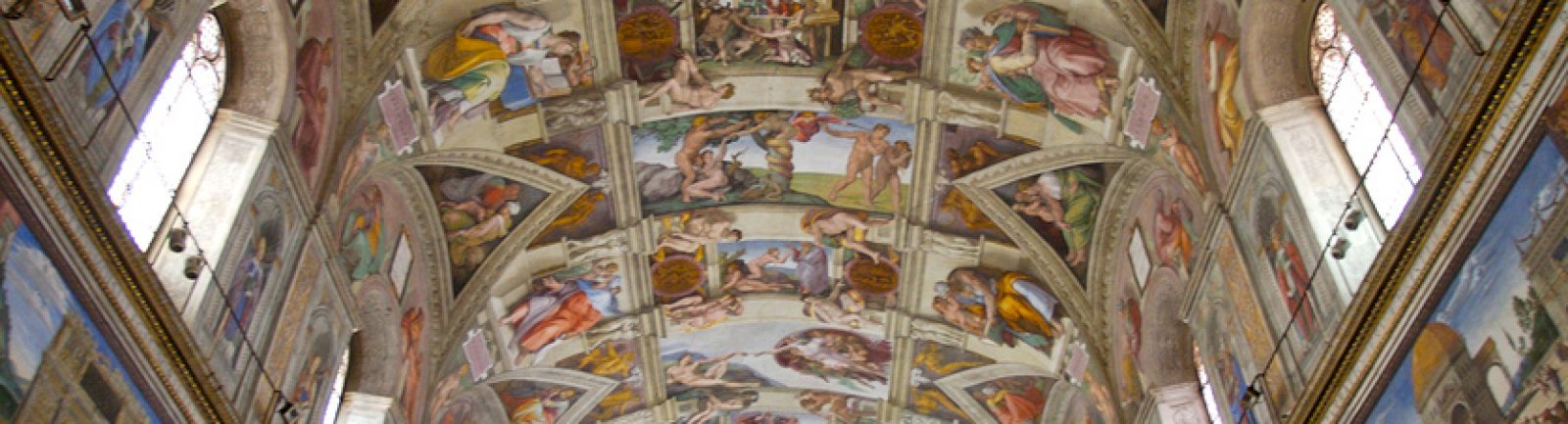
I Brueghel a Milano, la grande mostra che svela come nacquero i generi della pittura europea
“I Brueghel. Le origini dei generi pittorici in Europa” è la grande mostra che dal 29 settembre 2026 al 31 gennaio 2027 porterà a Palazzo Reale di Milano una delle dinastie più importanti e affascinanti della storia dell’arte europea.
Oltre 80 opere tra dipinti, disegni e stampe permetteranno di seguire l’evoluzione di una famiglia di artisti che, attraverso più generazioni, seppe intercettare i profondi cambiamenti della società, del collezionismo e del mercato dell’arte tra Cinquecento e Seicento.
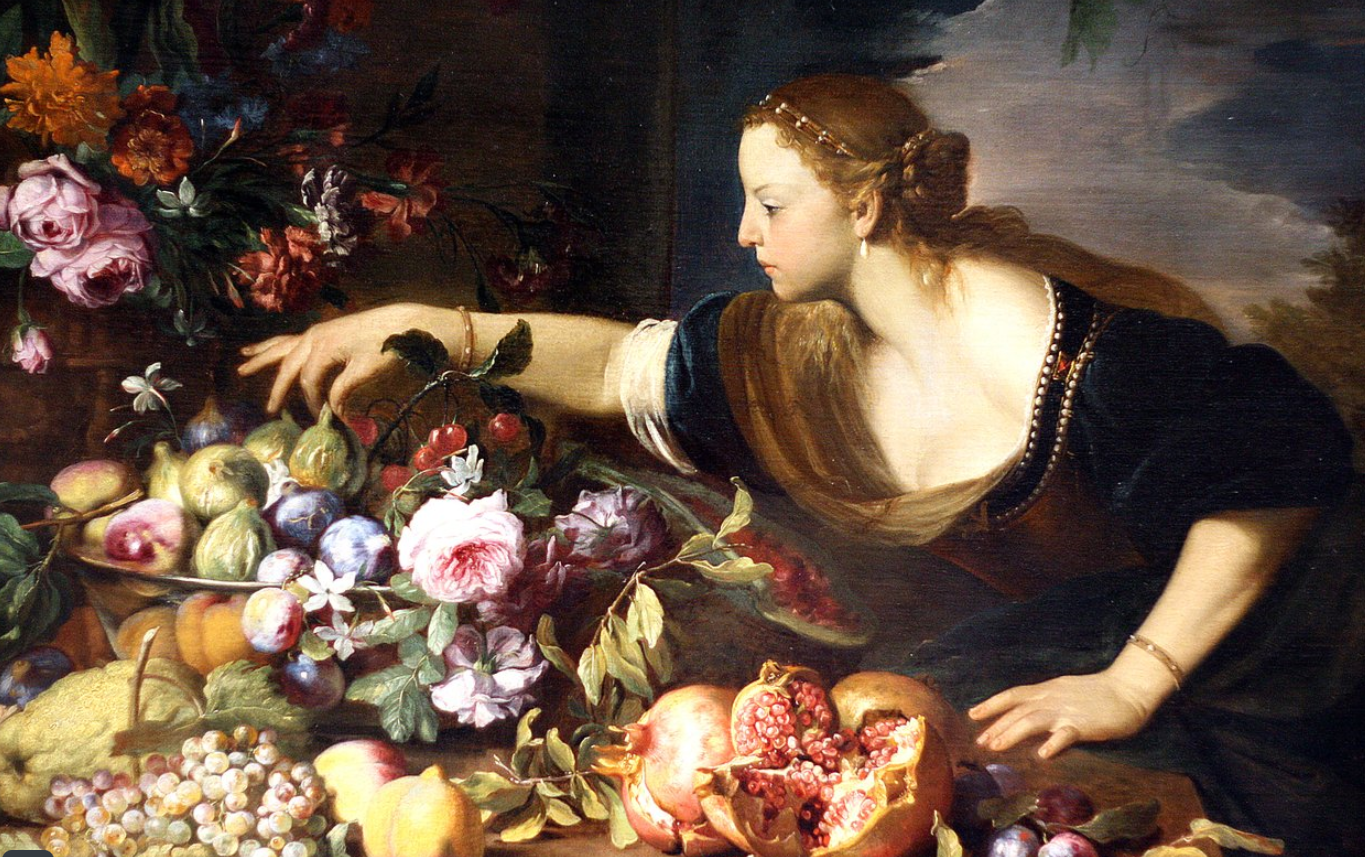
La dinastia dei Brueghel protagonista a Palazzo Reale
La mostra milanese non nasce con l’obiettivo di presentare soltanto alcuni celebri capolavori della pittura fiamminga. Il suo intento è più ambizioso: raccontare come si è formata la pittura moderna europea.
Al centro del percorso ci sono soprattutto Pieter Bruegel il Vecchio, Pieter Brueghel il Giovane e Jan Brueghel il Vecchio, appartenenti a generazioni diverse ma accomunati da un’eredità artistica destinata a durare nel tempo.
La loro produzione permette infatti di osservare un passaggio fondamentale nella storia dell’arte: quello in cui soggetti fino ad allora considerati marginali conquistano progressivamente una propria autonomia.
La campagna, la neve, i mercati, le feste, gli animali, i fiori e le tempeste diventano così materia privilegiata della pittura.
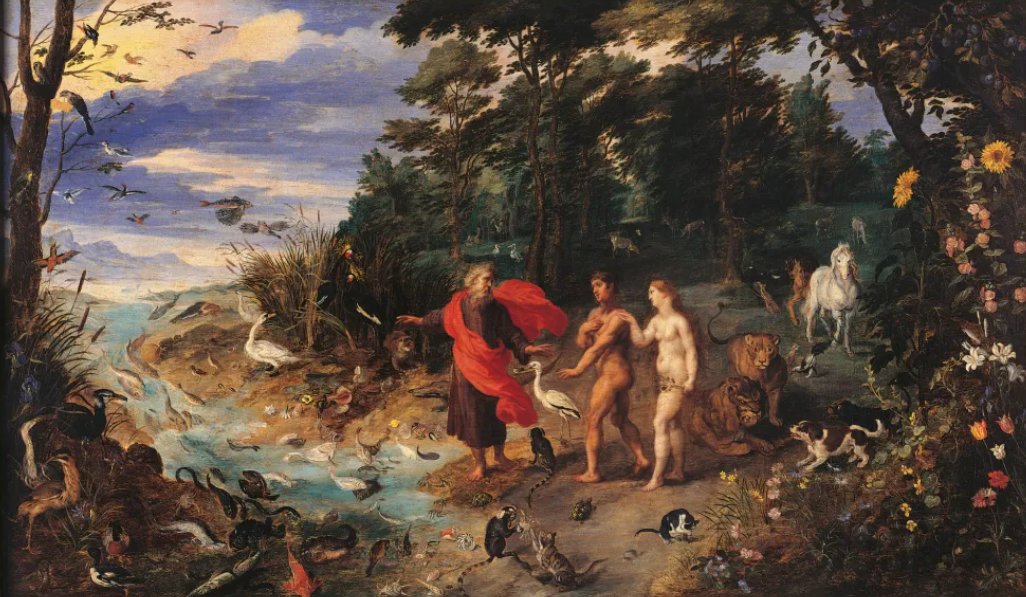
Pieter Bruegel il Vecchio e la scoperta della vita reale
Il punto di partenza è Pieter Bruegel il Vecchio, una delle personalità più originali del Rinascimento nord-europeo.
Nelle sue opere il mondo quotidiano entra nella pittura con una forza completamente nuova. Le sue composizioni sono popolate da contadini, bambini, lavoratori, viandanti e personaggi impegnati nelle attività più comuni.
Non sono semplici comparse. La vita delle persone comuni diventa il soggetto stesso del dipinto.
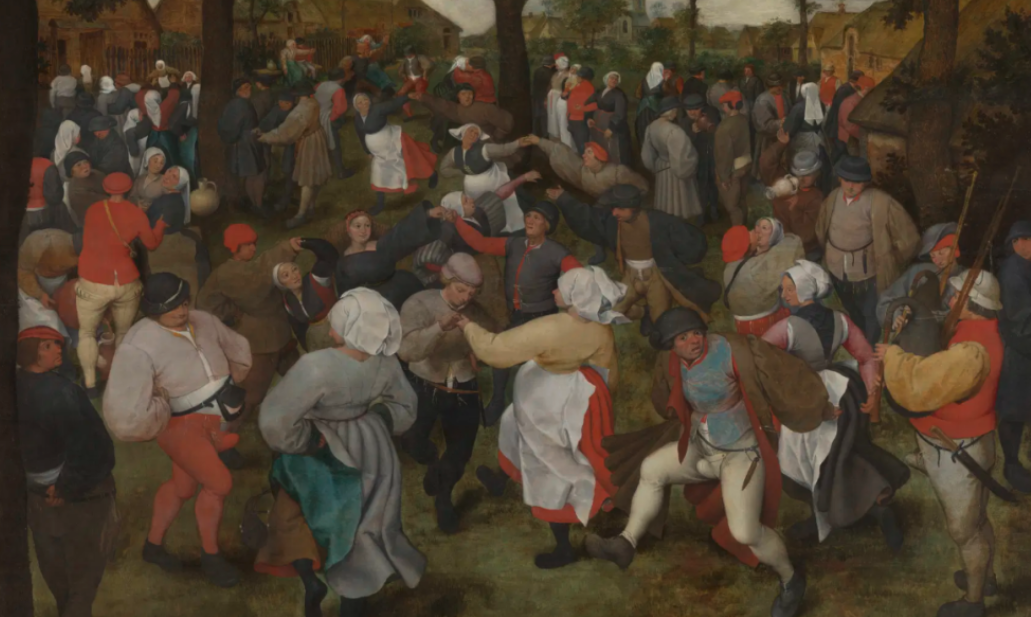
Feste, matrimoni, raccolti e scene di paese vengono rappresentati con un’attenzione quasi inesauribile per i dettagli. Lo spettatore può perdersi nella moltitudine di figure e scoprire, a ogni sguardo, un episodio differente.
È una pittura che racconta la società e che, proprio attraverso la rappresentazione del quotidiano, apre una strada destinata a essere percorsa da moltissimi artisti nei secoli successivi.
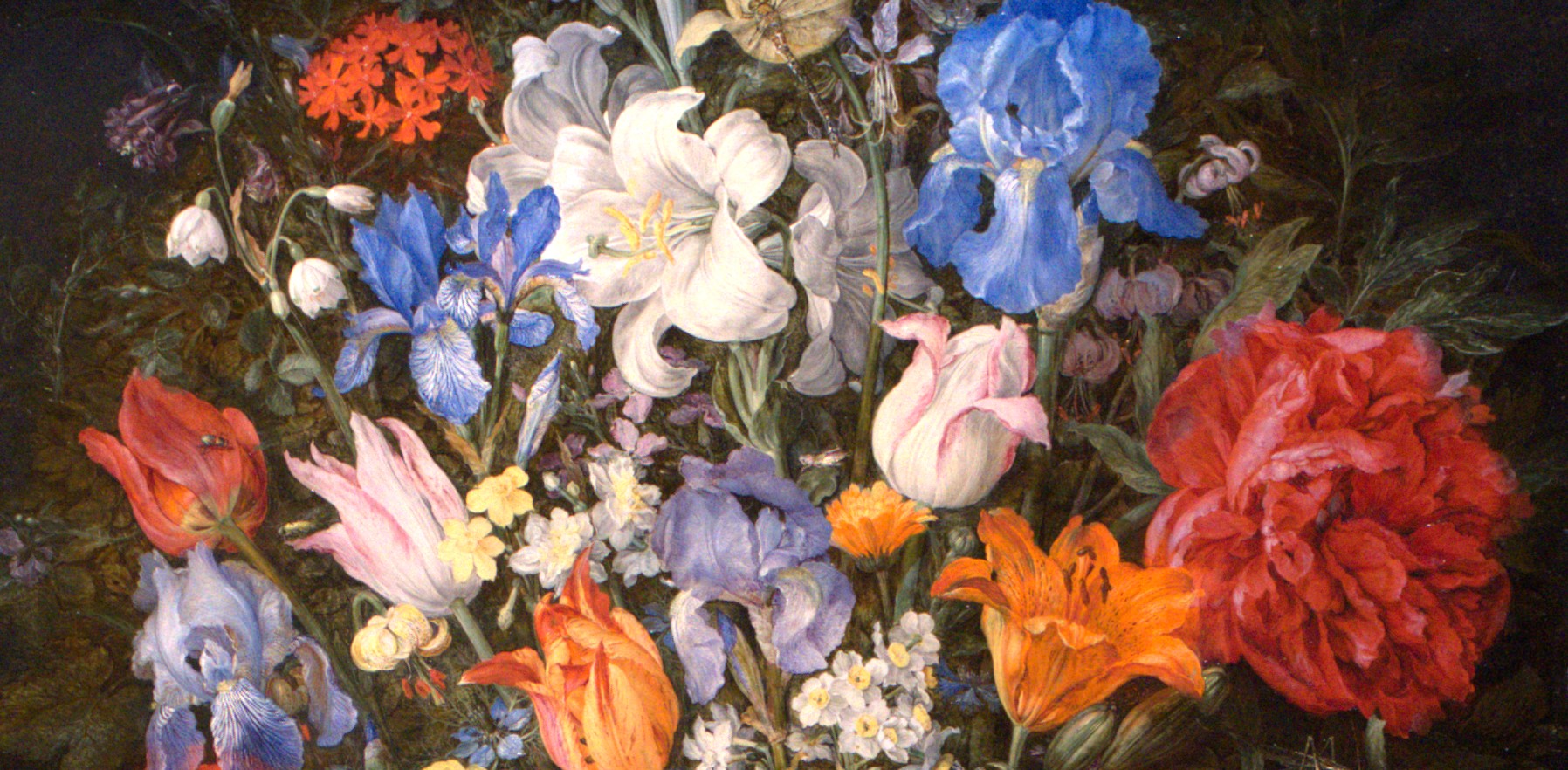
Quando il paesaggio smette di essere uno sfondo
Uno dei temi centrali della mostra è la trasformazione del paesaggio. Per secoli la natura aveva avuto spesso una funzione di accompagnamento rispetto alla scena principale. Con la pittura fiamminga e, in particolare, con l’esperienza dei Brueghel, il rapporto cambia progressivamente.
La natura acquista una propria autonomia. Boschi, montagne, campagne, fiumi, ghiaccio e neve non sono più soltanto lo scenario nel quale si svolge una storia, ma diventano essi stessi protagonisti.
È una trasformazione fondamentale, perché prepara la strada alla successiva fortuna del paesaggio come genere autonomo.
Neve, ghiaccio e tempeste: la natura diventa protagonista
Tra le immagini più celebri associate alla tradizione dei Brueghel ci sono i paesaggi invernali. Nei dipinti la neve non è soltanto un fenomeno atmosferico. Diventa una vera struttura compositiva capace di modificare il rapporto tra figure, architetture e spazio.
Villaggi, pattinatori, viaggiatori e animali si muovono all’interno di scenari dominati dal freddo e dalla luce invernale.
Allo stesso modo, le rappresentazioni delle tempeste e delle burrasche mostrano una natura capace di diventare spettacolare, inquietante e persino drammatica.
Pieter Brueghel il Giovane e l’eredità del padre
La morte di Pieter Bruegel il Vecchio non interrompe questa storia. Il figlio Pieter Brueghel il Giovane raccoglie infatti l’eredità paterna e contribuisce alla diffusione dei suoi modelli.
Il suo lavoro è particolarmente interessante anche per comprendere il funzionamento della bottega e del mercato artistico dell’epoca.
Le composizioni di Bruegel il Vecchio continuano a essere richieste, replicate, rielaborate e adattate alle esigenze dei collezionisti. La fama della famiglia diventa così un elemento determinante della produzione artistica.
Il nome Brueghel acquisisce una riconoscibilità straordinaria e attraversa le generazioni, diventando quasi una garanzia di qualità per il mercato europeo.
Jan Brueghel il Vecchio e il rapporto con l’Italia
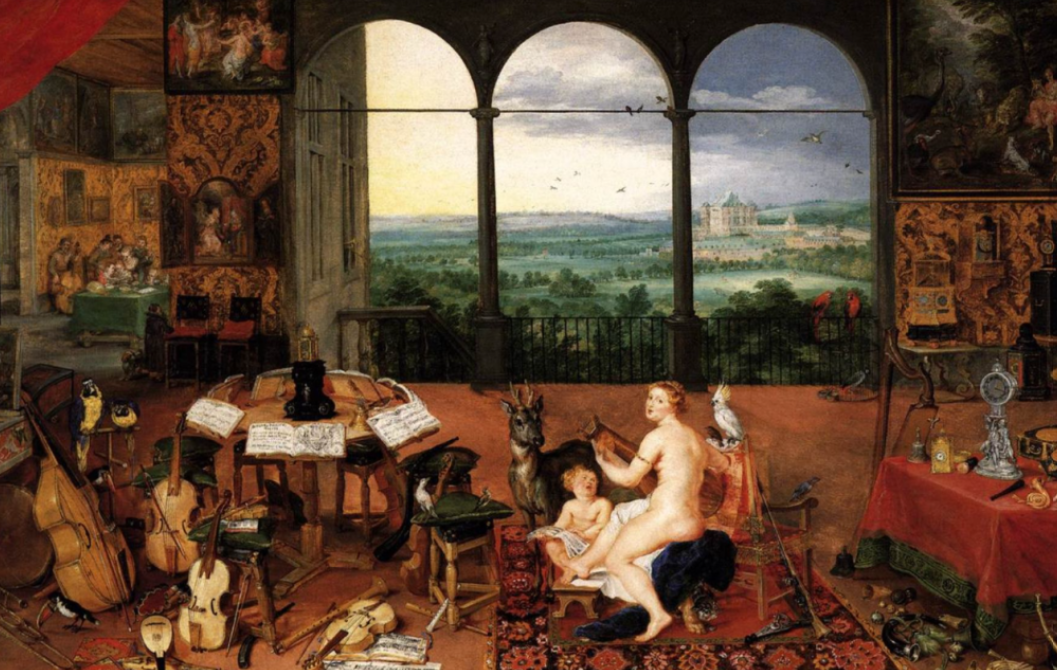
Accanto a Pieter Bruegel il Vecchio e al figlio Pieter, un ruolo fondamentale è svolto da Jan Brueghel il Vecchio.
La sua vicenda dimostra quanto fosse internazionale il mondo artistico europeo tra Cinquecento e Seicento.
Jan Brueghel viaggiò in Italia e riuscì a entrare in contatto con importanti ambienti culturali e collezionistici. Tra i suoi sostenitori ci fu anche il cardinale Federico Borromeo, figura di primo piano nella Milano del tempo.
Il rapporto con l’Italia rappresenta uno degli aspetti più interessanti della storia dei Brueghel, perché dimostra come le esperienze artistiche dei Paesi Bassi potessero circolare rapidamente attraverso le corti, le città e le collezioni europee.
Nature morte e fiori: la nascita di un nuovo modo di guardare
Un altro capitolo fondamentale riguarda la natura morta. Fiori, frutti, oggetti preziosi e piccoli elementi della realtà quotidiana cominciano a conquistare una presenza sempre più importante nella pittura.
Gli artisti imparano a trasformare soggetti apparentemente semplici in immagini capaci di attirare l’attenzione del pubblico e dei collezionisti.
La precisione nella rappresentazione dei dettagli, l’attenzione per la materia e la capacità di costruire composizioni ricche trasformano questi soggetti in un terreno privilegiato per la sperimentazione.
I Brueghel e la nascita del mercato dell’arte moderno
Dietro questa trasformazione artistica c’è anche un cambiamento economico e sociale. Tra Cinquecento e Seicento il mercato dell’arte europea diventa sempre più articolato. Non sono più soltanto chiese, monarchi e grandi istituzioni religiose a commissionare opere.
Cresce il ruolo dei collezionisti privati e della borghesia, mentre le opere possono essere acquistate, vendute e collezionate anche al di fuori delle grandi corti.
In questo nuovo scenario, la possibilità di specializzarsi in determinati soggetti diventa particolarmente importante.
Oltre 80 opere a Palazzo Reale a Milano
Il percorso riunisce oltre 80 opere tra dipinti, disegni e stampe, offrendo la possibilità di seguire la storia della dinastia attraverso diverse generazioni.
La mostra è un progetto di Bernard Aikema, con la curatela di Carlotta Striolo, ed è promossa dal Comune di Milano – Cultura e prodotta da Palazzo Reale e 24 ORE Cultura – Gruppo Il Sole 24 ORE.
L’esposizione si presenta dunque come un appuntamento importante per chi vuole approfondire non soltanto la pittura fiamminga, ma anche le origini di alcuni dei generi che avrebbero caratterizzato l’arte europea moderna.
I Brueghel a Milano: date della mostra
“I Brueghel. Le origini dei generi pittorici in Europa” sarà visitabile a Palazzo Reale di Milano dal 29 settembre 2026 al 31 gennaio 2027.
C’è il momento in cui la pittura europea comincia a scoprire che anche la realtà quotidiana può diventare protagonista dell’arte.
Per il momento il sempre vostro Michelangelo Buonarroti vi saluta dandovi appuntamento ai prossimi post e sui social.
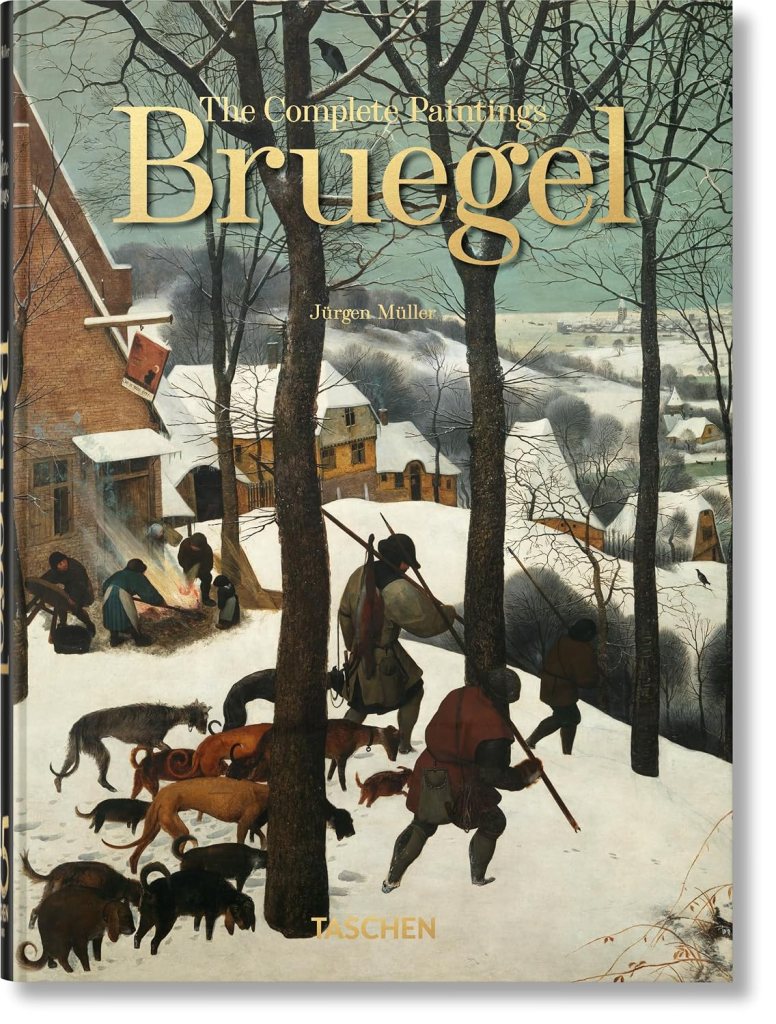
The Brueghels in Milan, the major exhibition revealing the origins of European painting genres
“The Brueghels: The Origins of Painting Genres in Europe” is a major exhibition that will bring one of the most important and fascinating dynasties in the history of European art to the Palazzo Reale in Milan from September 29, 2026, to January 31, 2027.
Over 80 works, including paintings, drawings, and prints, will allow visitors to follow the evolution of a family of artists who, across multiple generations, captured the profound changes in society, collecting, and the art market between the 16th and 17th centuries.
The Brueghel Dynasty Takes Center Stage at Palazzo Reale
This Milanese exhibition isn’t just intended to showcase a few celebrated masterpieces of Flemish painting. Its aim is more ambitious: to explore the development of modern European painting.
At the heart of the exhibition are Pieter Bruegel the Elder, Pieter Bruegel the Younger, and Jan Bruegel the Elder, members of different generations but united by an artistic legacy destined to endure.
Their work allows us to observe a fundamental shift in the history of art: one in which subjects previously considered marginal gradually gained their own autonomy.
The countryside, snow, markets, festivals, animals, flowers, and storms thus became the preferred subject matter of painting.
Pieter Bruegel the Elder and the Discovery of Real Life
The starting point is Pieter Bruegel the Elder, one of the most original figures of the Northern European Renaissance.
In his works, the everyday world enters painting with a completely new force. His compositions are populated by peasants, children, workers, wayfarers, and characters engaged in the most common activities.
They are not mere extras. The lives of ordinary people become the very subject of the painting.
Celebrations, weddings, harvests, and village scenes are depicted with an almost inexhaustible attention to detail. The viewer can lose themselves in the multitude of figures and discover, with each glance, a different episode.
It is a painting that narrates society and, precisely through the representation of everyday life, opens a path that will be explored by many artists in the centuries to come.
When the landscape ceases to be a backdrop
One of the central themes of the exhibition is the transformation of landscape. For centuries, nature had often served as a companion to the main scene. With Flemish painting, and particularly with the experience of the Brueghels, this relationship gradually changed.
Nature acquires its own autonomy. Forests, mountains, fields, rivers, ice, and snow are no longer simply the backdrop for a story, but become protagonists themselves.
This is a fundamental transformation, because it paves the way for the subsequent success of landscape as an independent genre.
Snow, Ice, and Storms: Nature Takes Center Stage
Among the most famous images associated with the Brueghel tradition are winter landscapes. In his paintings, snow is not merely an atmospheric phenomenon. It becomes a true compositional structure capable of altering the relationship between figures, architecture, and space.
Villages, skaters, travelers, and animals move within settings dominated by the cold and winter light.
Similarly, his depictions of storms and gales reveal a nature capable of becoming spectacular, disturbing, and even dramatic.
Pieter Brueghel the Younger and His Father’s Legacy
The death of Pieter Bruegel the Elder did not interrupt this story. His son, Pieter Bruegel the Younger, continued his father’s legacy and contributed to the dissemination of his models.
His work is also particularly interesting for understanding the workings of the workshop and the art market of the time.
Bruegel the Elder’s compositions continue to be sought after, replicated, reworked, and adapted to the needs of collectors. The family’s fame thus became a key element of artistic production.
The Brueghel name acquired extraordinary recognition and spanned generations, becoming almost a guarantee of quality for the European market.
Jan Brueghel the Elder and his relationship with Italy
Alongside Pieter Brueghel the Elder and his son Pieter, Jan Brueghel the Elder played a key role.
His story demonstrates how international the European art world was between the 16th and 17th centuries.
Jan Brueghel traveled to Italy and managed to establish contact with important cultural circles and collectors. Among his supporters was Cardinal Federico Borromeo, a leading figure in Milan at the time.
The relationship with Italy represents one of the most interesting aspects of the Brueghel family’s history, because it demonstrates how the experiences The artistic talents of the Netherlands could circulate rapidly throughout European courts, cities, and collections.
Still Lifes and Flowers: The Birth of a New Way of Seeing
Another key chapter concerns still life. Flowers, fruit, precious objects, and small elements of everyday life began to gain an increasingly important presence in painting.
Artists learned to transform seemingly simple subjects into images capable of attracting the attention of the public and collectors.
The precision in the representation of details, the attention to material, and the ability to construct rich compositions transformed these subjects into a privileged terrain for experimentation.
The Brueghels and the Birth of the Modern Art Market
Behind this artistic transformation, there was also an economic and social shift. Between the 16th and 17th centuries, the European art market became increasingly complex. It was no longer just churches, monarchs, and large religious institutions that commissioned works.
The role of private collectors and the bourgeoisie grew, while works could be bought, sold, and collected even outside the great courts.
In this new scenario, the opportunity to specialize in specific subjects becomes particularly important.
Over 80 Works at Palazzo Reale in Milan
The exhibition brings together over 80 works, including paintings, drawings, and prints, offering the opportunity to follow the dynasty’s history through several generations.
The exhibition is a project by Bernard Aikema, curated by Carlotta Striolo, and promoted by the City of Milan – Culture Department and produced by Palazzo Reale and 24 ORE Cultura – Gruppo Il Sole 24 ORE.
The exhibition is therefore an important opportunity for those who wish to delve not only into Flemish painting, but also into the origins of some of the genres that would characterize modern European art.
The Brueghels in Milan: Exhibition Dates
“The Brueghels. The Origins of Painting Genres in Europe” will be open at the Palazzo Reale in Milan from September 29, 2026, to January 31, 2027.
There came a time when European painting began to discover that even everyday reality could become the protagonist of art.
For now, yours truly, Michelangelo Buonarroti bids farewell and invites you to join him in future posts and on social media.

Sostienici – Support Us
Se questo blog ti piace e ti appassiona, puoi aiutarci a farlo crescere sempre più sostenendoci in modo concreto condividendo i post, seguendo le pagine social e con un contributo che ci aiuta ad andare avanti con il nostro lavoro di divulgazione. . ENGLISH: If you like and are passionate about this blog, you can help us make it grow more and more by supporting us in a concrete way by sharing posts, following social pages and with a contribution that helps us to move forward with our dissemination work.
10,00 €
-
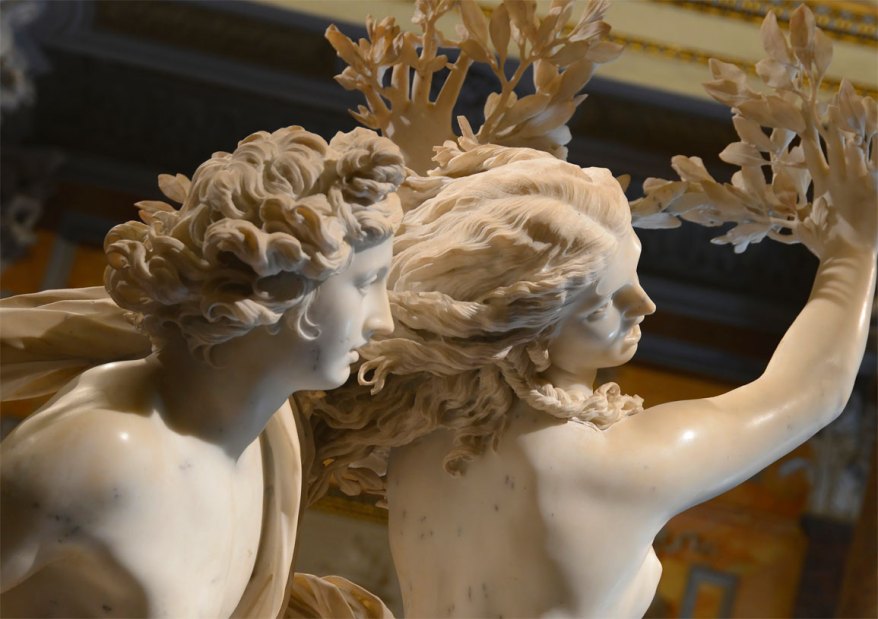
I giganti del Barocco: i grandi scultori del Seicento
🇮🇹Nel Seicento la scultura cambia per sempre. A Roma, Bernini, Algardi, Mochi e Maderno trasformano le sculture in scene capaci di coinvolgere lo sguardo e lasciare senza fiato… 🇬🇧In the seventeenth century, sculpture changed forever. In Rome, Bernini, Algardi, Mochi, and Maderno transformed sculptures into scenes capable of captivating the eye and leaving the viewer…
-
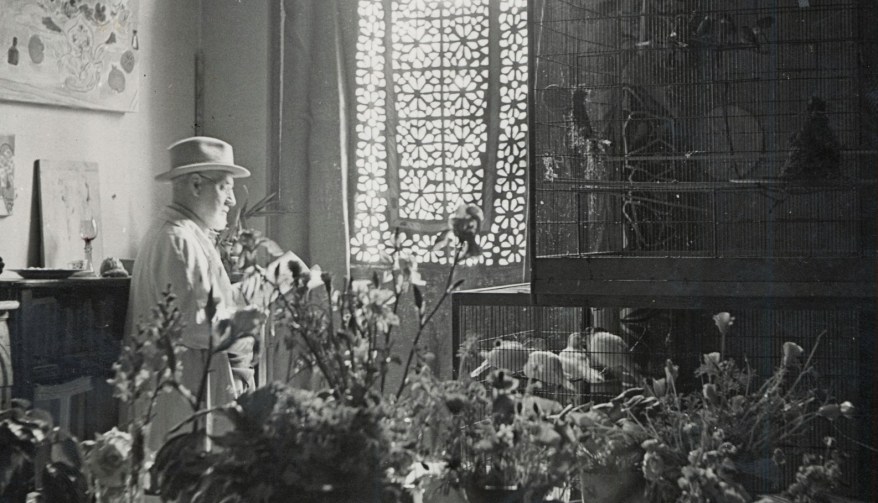
Matisse, il mondo intero dentro una stanza: al MUDEC la mostra che racconta la sua arte
🇮🇹’Matisse. Il mondo in una stanza’ al MUDEC di Milano racconta come Africa, Islam, Russia, Cina e Tahiti cambiarono l’arte di Henri Matisse… 🇬🇧’Matisse: The World in a Room’ at MUDEC in Milan tells the story of how Africa, Islam, Russia, China, and Tahiti transformed the art of Henri Matisse…
-
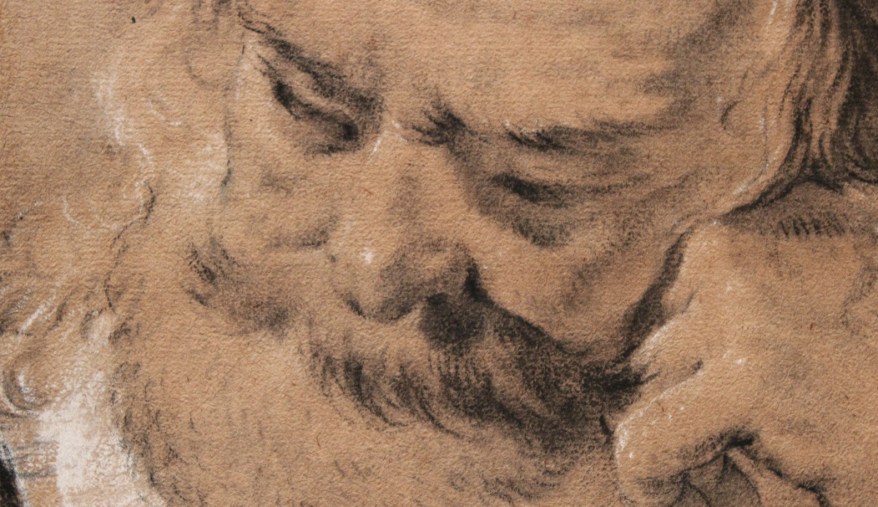
Giovanni Battista Piazzetta, il vecchio che sembra vivo: la poesia in un disegno
🇮🇹Una testa, una barba, due mani e una luce straordinaria: nella Testa di vecchio, Piazzetta trasforma gesso bianco e nero e carta bruna in un’immagine di incredibile intensità… 🇬🇧A head, a beard, two hands, and extraordinary light: in *Head of an Old Man*, Piazzetta transforms black and white chalk and brown paper into an image…
Condividi:


Questo sono io




sostienici

Sostienici – Support Us
Se questo blog ti piace e ti appassiona, puoi aiutarci a farlo crescere sempre più sostenendoci in modo concreto condividendo i post, seguendo le pagine social e con un contributo che ci aiuta ad andare avanti con il nostro lavoro di divulgazione. . ENGLISH: If you like and are passionate about this blog, you can help us make it grow more and more by supporting us in a concrete way by sharing posts, following social pages and with a contribution that helps us to move forward with our dissemination work.
€10,00


