
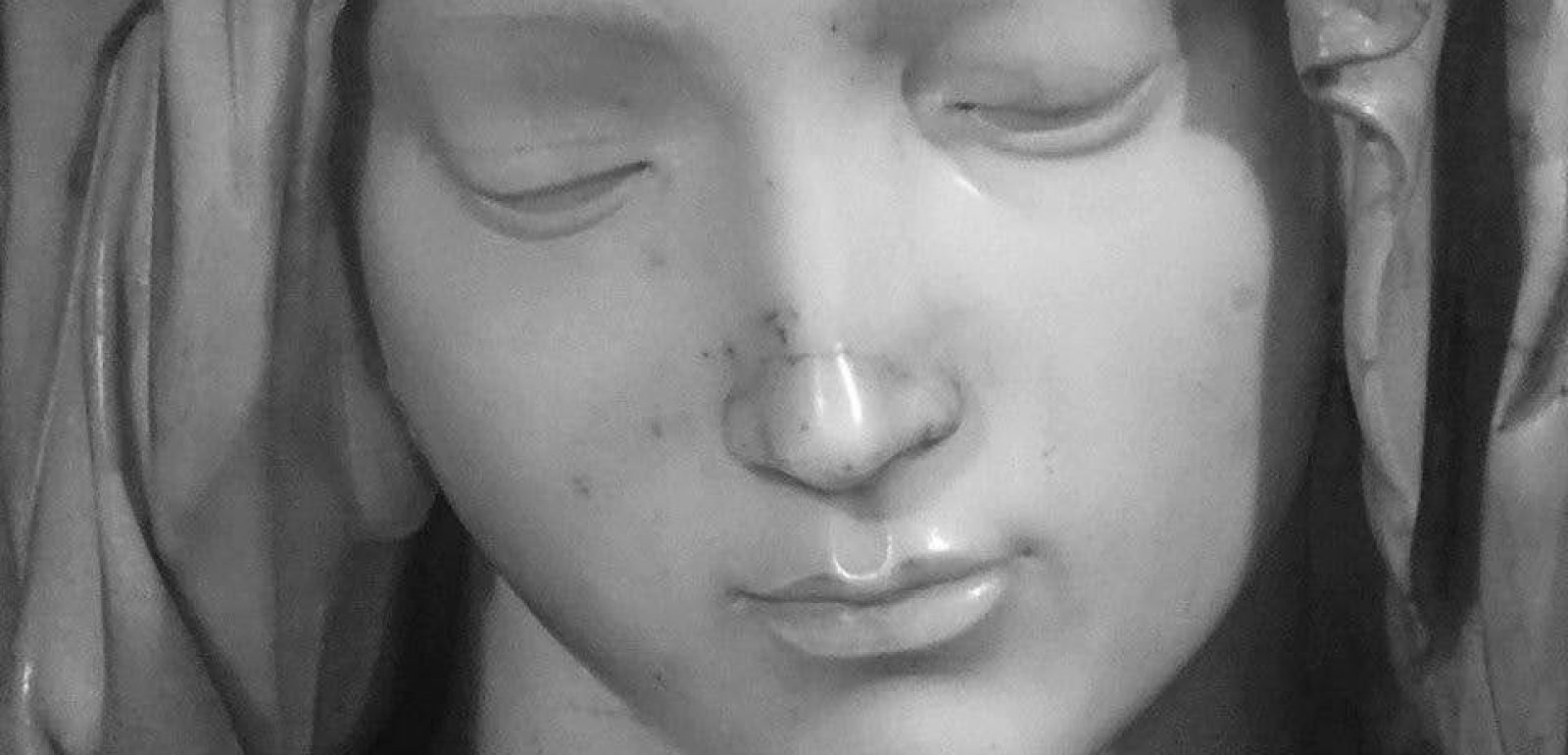
Antonello da Messina, il giallo dei capolavori rubati: perché i ladri hanno lasciato due dipinti per strada?
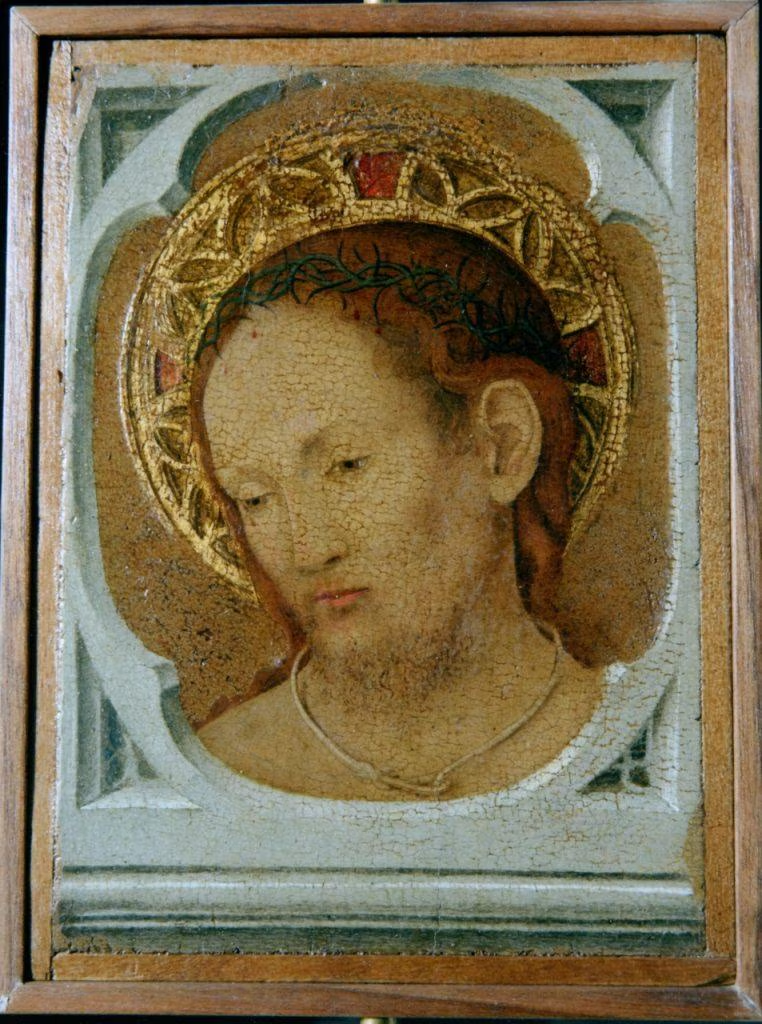
Quattro opere attribuite ad Antonello da Messina sono state trafugate dal Museo Regionale di Messina durante la sera di Ferragosto: tre appartenevano al celebre Polittico di San Gregorio, mentre la quarta era una preziosa tavoletta bifronte con la Madonna col Bambino e il Cristo in pietà.
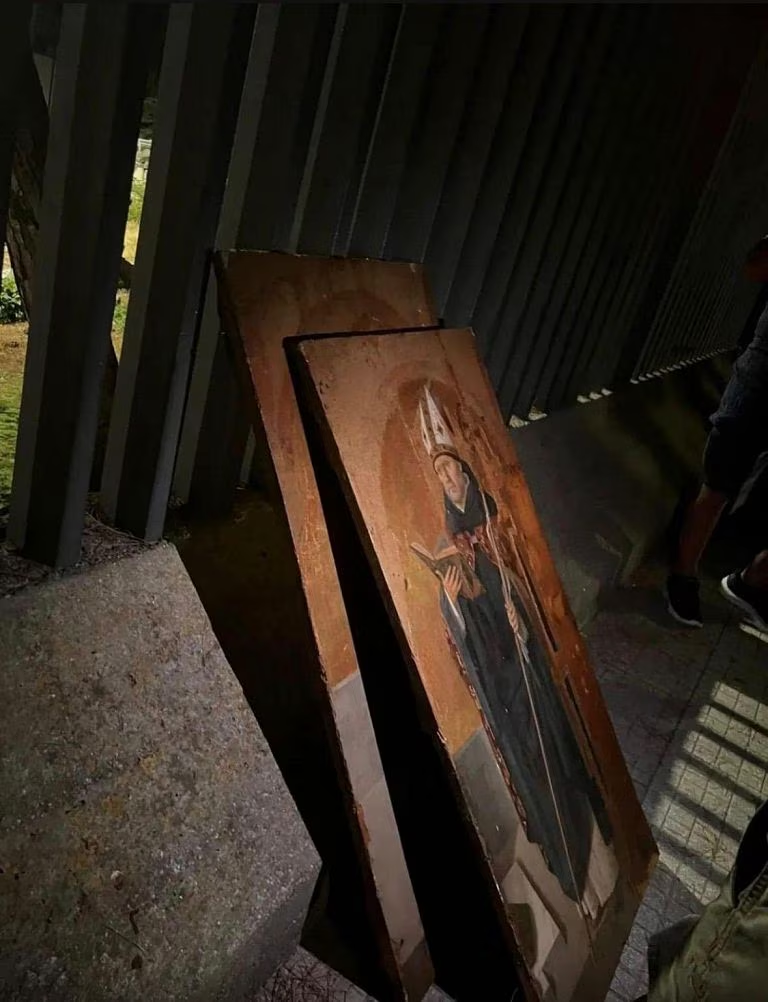
Due pannelli sono stati successivamente ritrovati abbandonati all’esterno del museo, mentre gli investigatori cercano ancora di capire come sia stato possibile compiere un furto di tale portata in appena due o tre minuti, nonostante la presenza di personale e i sistemi di sicurezza.
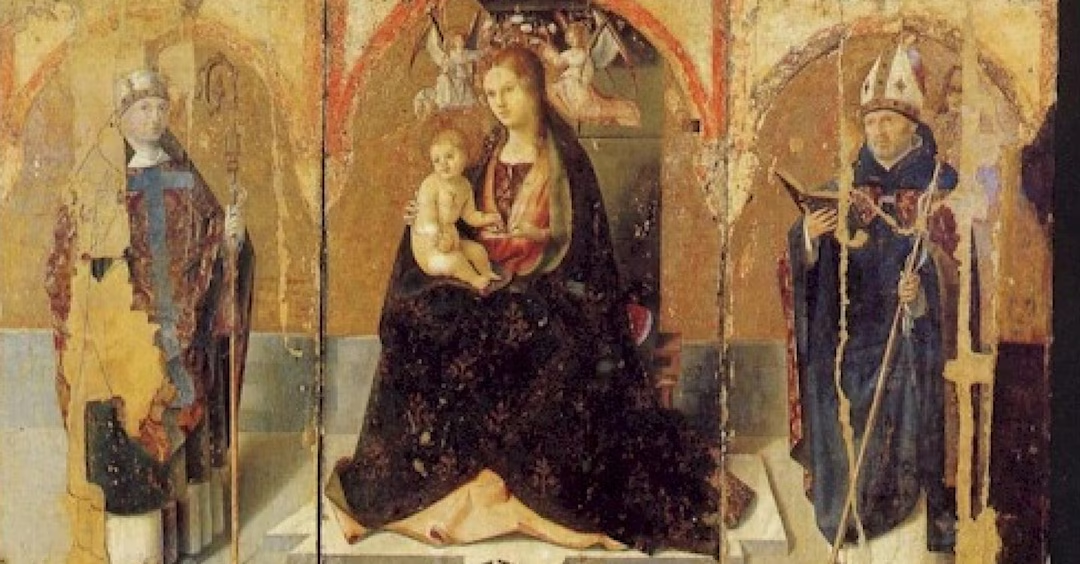
Due preziose tavole del Rinascimento, appartenenti a uno dei capolavori più importanti della pittura siciliana realizzato da Antonello da Messina, sono state abbandonate sul muretto all’esterno di un museo e scoperte quasi casualmente da alcuni passanti.
È una scena che sembra appartenere alla trama di un film dedicato ai grandi furti d’arte ma che è accaduta a Messina, proprio mentre la città era immersa nelle celebrazioni della Vara e migliaia di persone si trovavano nelle strade per la tradizionale festa dell’Assunta.
Il furto, però, è molto più complesso di quanto possa apparire a prima vista, perché dietro quelle quattro opere scomparse, oltre al valore economico enorme, si cela una parte fondamentale della storia artistica di Messina e della pittura rinascimentale italiana.
Rimane un quesito al quale gli investigatori stanno cercando di dare una risposta: come è stato possibile portare via opere così importanti da un museo presidiato, mentre erano attivi allarme e videosorveglianza?
Il furto di Ferragosto: un colpo studiato in ogni dettaglio
La sera del 15 agosto 2026, mentre Messina celebrava la festa dell’Assunta e la città era particolarmente affollata per la processione della Vara, alcune persone con il volto coperto riuscirono a entrare nel Museo Regionale Interdisciplinare di Messina, oggi Museo Accascina, dirigendosi rapidamente verso le sale nelle quali erano custodite le opere di Antonello.
Secondo la ricostruzione diffusa dagli investigatori e dalla stampa, l’intera azione sarebbe durata appena due o tre minuti, un elemento che rende ancora più difficile comprendere come i ladri abbiano potuto individuare con tanta precisione le opere da sottrarre e riuscire a portarle fuori dall’edificio in un tempo così ristretto.
I malviventi sono riusciti inizialmente a impossessarsi di cinque delle opere presenti, ma durante la fuga due pannelli sono stati abbandonati all’esterno del museo e successivamente recuperati.
Tre tavole del Polittico di San Gregorio e la tavoletta bifronte con la Madonna col Bambino e il Cristo in pietà risultano sottratte, mentre due pannelli del polittico sono tornati nelle disponibilità delle autorità.
La frase che sembra uscita da un film: “Ci sono quadri per strada”
La vicenda ha assunto un carattere quasi surreale quando, poco dopo il furto, due delle opere sottratte sono state trovate all’esterno del museo.
A notarle sono stati alcuni passanti, che hanno immediatamente avvertito le forze dell’ordine, dando vita a una delle immagini più incredibili dell’intera storia: capolavori del Quattrocento, appartenenti a uno dei pittori più importanti del Rinascimento italiano, lasciati per strada durante una fuga precipitosa.
La telefonata con cui una donna segnalava la presenza dei dipinti è stata successivamente diffusa. Opere che per secoli erano state custodite, studiate e protette si erano improvvisamente trovate appoggiate all’esterno del museo, alla portata di chiunque fosse passato di lì.
Il ritrovamento dei due pannelli ha rappresentato naturalmente una buona notizia, ma allo stesso tempo ha aperto un altro interrogativo: perché i ladri hanno deciso di abbandonare proprio quelle opere?
Una delle ipotesi è che qualcosa abbia disturbato il piano della banda e che la fuga sia stata molto più precipitosa del previsto.
Il Polittico di San Gregorio: un capolavoro già mutilato dalla storia
Per comprendere davvero la gravità di ciò che è accaduto bisogna tornare indietro di oltre cinque secoli e osservare la storia del Polittico di San Gregorio, realizzato da Antonello da Messina nel 1473.
L’opera era originariamente composta da sei tavole ed era destinata al monastero di Santa Maria extra moenia, legato alla storia religiosa della Messina quattrocentesca; nel corso dei secoli il complesso è stato però smembrato e una delle tavole è andata perduta, facendo arrivare fino ai nostri giorni soltanto cinque pannelli superstiti.
Il furto di tre di questi cinque elementi significa quindi intervenire nuovamente su un’opera che la storia aveva già consegnato al presente in forma incompleta.
È questo uno degli aspetti più dolorosi dell’intera vicenda: non sono stati rubati semplicemente tre dipinti di Antonello, ma tre frammenti di un’opera che rappresentava già un caso straordinario di sopravvivenza del patrimonio rinascimentale siciliano.
Il Polittico porta inoltre la firma e la data dell’artista, elemento che ne rafforza ulteriormente il valore documentario e storico.
La piccola tavoletta che nasconde un’altra grande storia
Tra le opere ancora scomparse c’è anche una tavoletta molto più piccola rispetto alle grandi tavole del polittico, ma di enorme interesse storico e artistico.
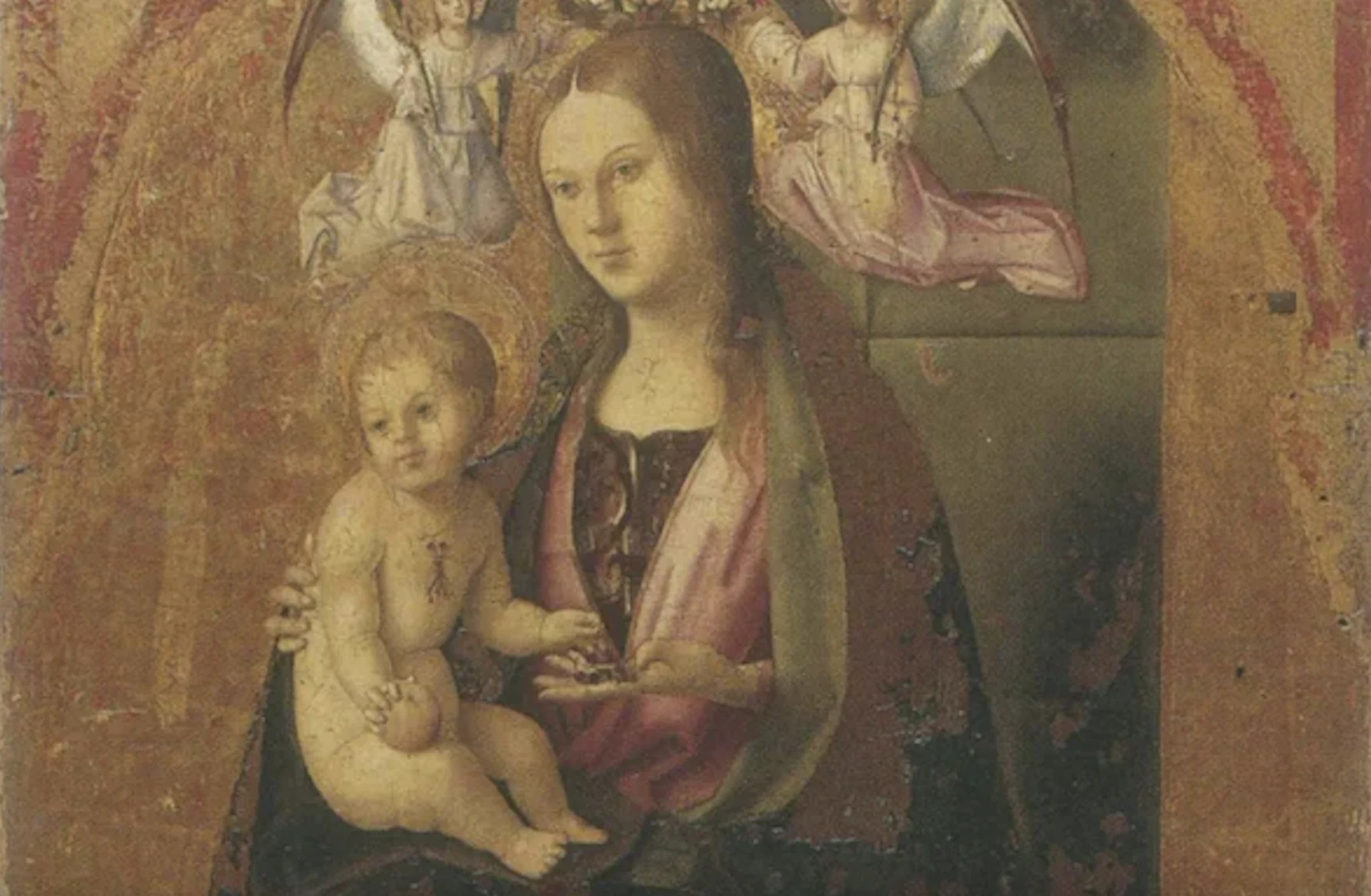
Si tratta della Madonna col Bambino e il Cristo in pietà, un dipinto bifronte che presenta dunque un’immagine su entrambi i lati e che, proprio per le sue dimensioni contenute, è stato interpretato come un’opera destinata alla devozione privata.
La tavoletta è stata attribuita ad Antonello nel 2003 e nello stesso anno è stata acquistata dalla Regione Siciliana presso Christie’s, entrando così nel patrimonio pubblico.
Come hanno fatto i ladri?
Secondo le informazioni disponibili, nel museo erano presenti quattro custodi, mentre i sistemi di allarme e la videosorveglianza risultavano attivi; nonostante questo, i ladri sono riusciti a raggiungere le opere, intervenire sulle protezioni e allontanarsi rapidamente.
La tavoletta bifronte, in particolare, sarebbe stata prelevata direttamente da una teca blindata, mentre le immagini delle telecamere sono state acquisite dagli investigatori per ricostruire nel dettaglio la dinamica dell’incursione.
La rapidità dell’azione ha portato gli investigatori a prendere in considerazione l’ipotesi che il colpo fosse stato preparato con attenzione e che i responsabili conoscessero bene la disposizione degli spazi e la posizione delle opere.
Un ladro occasionale potrebbe essere attratto da un’opera famosa o molto più probabilmente è stato un furto su commissione. Individuare rapidamente specifiche tavole di un polittico quattrocentesco, sapere dove si trovano e riuscire a raggiungerle in pochi minuti lascia necessariamente spazio a interrogativi sulla preparazione del colpo.
L’ipotesi della fuga durante la Vara
La scelta della sera di Ferragosto non è stata certo casuale. La tradizionale processione della Vara richiama infatti una grande quantità di persone e richiede un significativo impiego di forze dell’ordine per garantire la sicurezza dell’evento.
Gli investigatori stanno valutando proprio la possibilità che i ladri abbiano scelto quel momento per sfruttare il particolare contesto della città, nel quale l’attenzione delle forze dell’ordine era inevitabilmente concentrata anche sulla manifestazione.
La nuova svolta: le contraddizioni di un custode
A rendere ancora più intricato il caso è arrivata, nei giorni scorsi, una nuova informazione relativa a uno dei custodi presenti quella sera.
Il dipendente è stato ascoltato dagli inquirenti come persona informata sui fatti, ma durante l’audizione sarebbero emerse contraddizioni nella sua ricostruzione rispetto ad altri elementi raccolti dagli investigatori.
Secondo alcune testate, la sua posizione sarebbe successivamente cambiata e sarebbe stato ipotizzato nei suoi confronti il reato di false dichiarazioni; ANSA ha però precisato che non risultava confermata l’iscrizione del dipendente nel registro degli indagati e che la sua posizione era ancora al vaglio degli inquirenti.
Quanto valgono davvero le opere rubate?
Sul piano economico le stime circolate sulla stampa internazionale hanno raggiunto cifre comprese tra 70 e 80 milioni di euro, anche se attribuire un prezzo preciso a opere di questo genere è estremamente complesso e rischia di essere fuorviante.
Un capolavoro di Antonello da Messina non è infatti un bene qualsiasi che possa essere valutato soltanto attraverso una normale trattativa di mercato.
Il suo valore comprende la rarità, l’importanza storico-artistica, la provenienza, lo stato di conservazione e soprattutto il significato che l’opera assume all’interno del patrimonio pubblico.
Che cosa può farsene un criminale di un Antonello da Messina rubato?
Un’opera celeberrima, fotografata, catalogata e immediatamente riconoscibile dagli specialisti è infatti estremamente difficile da collocare sul mercato legale senza attirare l’attenzione delle autorità, dei musei, delle case d’asta e degli studiosi.
È possibile quindi che dietro un furto di questo tipo ci sia ma una richiesta specifica, una forma di ricatto oppure l’interesse di qualcuno che ritiene di poter utilizzare clandestinamente l’opera.
Il caso arriva dopo l’acquisto dell’Ecce Homo
La vicenda assume un significato ancora maggiore se si considera che proprio nel 2026 Antonello da Messina è tornato al centro dell’attenzione internazionale per l’acquisizione da parte dello Stato italiano dell’Ecce Homo, un’opera acquistata per circa 14,9 milioni di dollari.
Il dipinto aveva riportato l’attenzione mondiale sulla rarità e sul valore delle opere dell’artista siciliano, rendendo ancora più evidente quanto sia prezioso il patrimonio legato al suo nome.
E così, nel giro di pochi mesi, Antonello è tornato due volte al centro della cronaca internazionale: prima per un’importante acquisizione pubblica, poi per uno dei più clamorosi furti d’arte degli ultimi anni.
Il mistero resta aperto: dove sono le opere di Antonello?
Dove sono finite le tavole di Antonello da Messina che mancano ancora all’appello?
Potrebbero essere ancora in Sicilia, potrebbero essere state trasferite altrove oppure potrebbero essere già entrate in un circuito clandestino nel quale recuperarle sarà molto più difficile.
Una cosa, però, è certa: il furto ha nuovamente mutilato un’opera che era già arrivata fino a noi incompleta e ha sottratto a Messina una parte della propria identità.
Il Polittico di San Gregorio era sopravvissuto per più di cinque secoli alle guerre, ai terremoti, ai cambiamenti di gusto, agli spostamenti e alla dispersione delle collezioni.
Per il momento il sempre vostro Michelangelo Buonarroti vi saluta dandovi appuntamento ai prossimi post e sui social.

Antonello da Messina, the mystery of the stolen masterpieces: why did the thieves leave two paintings on the street?
Four works attributed to Antonello da Messina were stolen from the Regional Museum of Messina on the evening of August 15th: three were from the famous Polyptych of San Gregorio, while the fourth was a precious double-sided panel depicting the Madonna and Child with a Pietà.
Two panels were later found abandoned outside the museum, while investigators are still trying to understand how such a massive theft was possible in just two or three minutes, despite the presence of staff and security systems.
Two precious Renaissance panels, belonging to one of the most important masterpieces of Sicilian painting by Antonello da Messina, were abandoned on a low wall outside a museum and discovered almost by chance by passersby.
It’s a scene that seems to belong to the plot of a film about major art thefts, but it happened in Messina, just as the city was immersed in the Vara celebrations and thousands of people were in the streets for the traditional Feast of the Assumption.
The theft, however, is much more complex than it might seem at first glance, because behind those four missing works, in addition to their enormous economic value, lies a fundamental part of Messina’s artistic history and Italian Renaissance painting.
One question remains, one investigator is trying to answer: how was it possible to remove such important works from a guarded museum, while the alarm and video surveillance were active?
The Ferragosto theft: a carefully planned heist
On the evening of August 15, 2026, while Messina was celebrating the Feast of the Assumption and the city was particularly crowded for the Vara procession, several masked individuals managed to enter the Regional Interdisciplinary Museum of Messina, now the Accascina Museum, quickly making their way to the rooms housing Antonello’s works.
According to the reconstruction released by investigators and the press, the entire operation lasted just two or three minutes, making it even more difficult to understand how the thieves were able to identify the works so precisely and remove them from the building in such a short time.
The criminals initially managed to take five of the works, but during their escape, two panels were abandoned outside the museum and later recovered.
Three panels from the San Gregorio Polyptych and the double-sided panel with the Madonna and Child with the Pietà were stolen, while two panels from the polyptych were returned to the authorities.
The phrase that seems to have come straight from a movie: “There are paintings on the street.”
The story took on an almost surreal tone when, shortly after the theft, two of the stolen works were found outside the museum.
Passersby noticed them and immediately alerted the police, giving rise to one of the most incredible images in history: fifteenth-century masterpieces by one of the most important painters of the Italian Renaissance, left on the street during a hasty escape.
The phone call from a woman reporting the presence of the paintings was subsequently released. Works that had been preserved, studied, and protected for centuries were suddenly found leaning against the museum’s exterior, within reach of anyone passing by.
The discovery of the two panels was obviously good news, but it also raised another question: why did the thieves decide to abandon those works?
One hypothesis is that something thwarted the gang’s plan and that their escape was much more hasty than expected.
The Polyptych of San Gregorio: a masterpiece already mutilated by history
To truly understand the gravity of what happened, we must go back more than five centuries and examine the history of the Polyptych of San Gregorio, created by Antonello da Messina in 1473.
The work was originally composed of six panels and was intended for the monastery of Santa Maria extra moenia, linked to the religious history of 15th-century Messina. Over the centuries, however, the complex was dismantled, and one of the panels was lost, leaving only five surviving panels.
The theft of three of these five elements therefore means revisiting a work that history had already handed down to the present incomplete.
This is one of the most painful aspects of the whole affair: not just three paintings by Antonello were stolen, but three fragments of a work that already represented an extraordinary case of survival of Sicilian Renaissance heritage.
The Polyptych also bears the artist’s signature and date, further strengthening its documentary and historical value.
The small panel that hides another great story
Among the works still missing is a panel much smaller than the large panels of the polyptych, but of enormous historical and artistic interest.
It is the Madonna and Child with the Pietà, a double-sided painting that therefore presents an image on both sides. Due to its small size, it has been interpreted as a work intended for private devotion.
The panel was attributed to Antonello in 2003 and was purchased by the Sicilian Region at Christie’s that same year, thus becoming part of the public heritage.
How did the thieves do it?
According to available information, there were four guards in the museum, while the alarm and video surveillance systems were active; despite this, the thieves managed to reach the works, intervene on the security systems, and quickly escape.
The double-sided tablet, in particular, was apparently taken directly from a secure display case, while investigators acquired CCTV footage to reconstruct the details of the break-in.
The swiftness of the action led investigators to consider the hypothesis that the robbery had been carefully planned and that the perpetrators were well-acquainted with the layout of the spaces and the location of the works.
A casual thief might have been attracted by a famous work, or much more likely, it was a commissioned theft. Quickly identifying specific panels from a 15th-century polyptych, knowing where they are, and being able to reach them within minutes necessarily raises questions about the planning of the robbery.
The escape hypothesis during the Vara
The choice of the evening of Ferragosto was certainly not accidental. The traditional Vara procession attracts a large number of people and requires significant police deployment to ensure the event’s security.
Investigators are evaluating the possibility that the thieves chose that moment to exploit the city’s unique circumstances, where law enforcement was inevitably also focused on the demonstration.
The latest twist: a custodian’s contradictions
The case has been further complicated by new information emerging in recent days regarding one of the custodians present that evening.
The employee was interviewed by investigators as a person knowledgeable about the facts, but during the hearing, contradictions emerged in his reconstruction of the case compared to other evidence gathered by investigators.
According to some newspapers, his position subsequently changed, and he was accused of false statements; ANSA, however, clarified that the employee’s registration in the register of suspects had not been confirmed and that his status was still being examined by investigators.
How much are the stolen works really worth?
Economic estimates circulating in the international press have reached figures between 70 and 80 million euros, although assigning a precise price to works of this kind is extremely complex and risks being misleading.
A masterpiece by Antonello da Messina is not, in fact, just any asset that can be valued through normal market negotiations alone.
Its value includes rarity, historical and artistic importance, provenance, state of preservation, and above all, the work’s significance within public heritage.
What use would a criminal make of a stolen Antonello da Messina?
A celebrated work, photographed, catalogued, and instantly recognizable by specialists, is extremely difficult to place on the legal market without attracting the attention of authorities, museums, auction houses, and scholars.
It is therefore possible that behind such a theft there is a specific request, a form of blackmail, or the interest of someone who believes they can use the work clandestinely.
The case comes after the purchase of Ecce Homo
The story takes on even greater significance considering that in 2026, Antonello da Messina returned to the center of international attention with the Italian state’s acquisition of Ecce Homo, a work purchased for approximately $14.9 million.
The painting brought global attention to the rarity and value of the Sicilian artist’s works, further highlighting the precious legacy associated with his name.
And so, in the space of a few months, Antonello returned to the center of international news twice: first for an a A major public acquisition, and then one of the most sensational art thefts of recent years.
The mystery remains: where are Antonello’s works?
Where have the missing panels by Antonello da Messina ended up?
They could still be in Sicily, they could have been moved elsewhere, or they could have already entered a clandestine circuit where their recovery will be much more difficult.
One thing, however, is certain: the theft has once again mutilated a work that had already reached us incomplete and has robbed Messina of part of its identity.
The Polyptych of San Gregorio had survived wars, earthquakes, changing tastes, the relocation and dispersal of collections for more than five centuries.
For now, yours truly, Michelangelo Buonarroti bids you farewell and invites you to join him in future posts and on social media.

Sostienici – Support Us
Se questo blog ti piace e ti appassiona, puoi aiutarci a farlo crescere sempre più sostenendoci in modo concreto condividendo i post, seguendo le pagine social e con un contributo che ci aiuta ad andare avanti con il nostro lavoro di divulgazione. . ENGLISH: If you like and are passionate about this blog, you can help us make it grow more and more by supporting us in a concrete way by sharing posts, following social pages and with a contribution that helps us to move forward with our dissemination work.
10,00 €
-
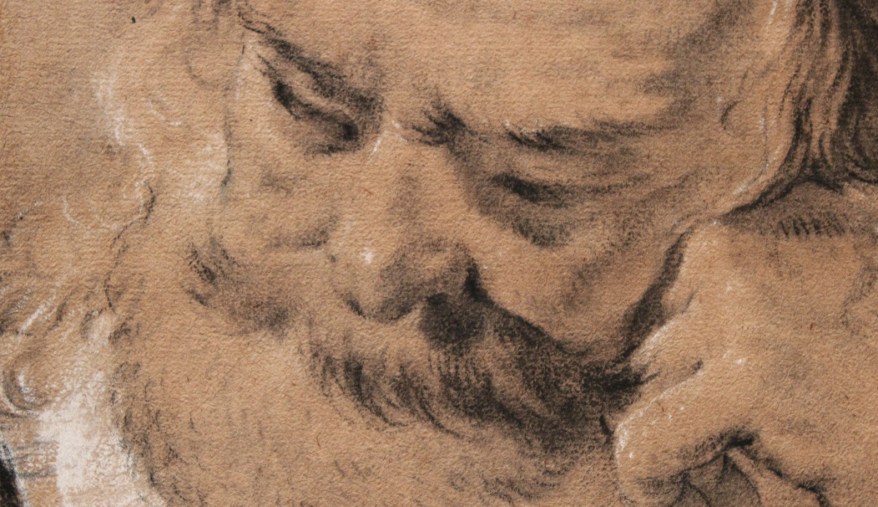
Giovanni Battista Piazzetta, il vecchio che sembra vivo: la poesia in un disegno
🇮🇹Una testa, una barba, due mani e una luce straordinaria: nella Testa di vecchio, Piazzetta trasforma gesso bianco e nero e carta bruna in un’immagine di incredibile intensità… 🇬🇧A head, a beard, two hands, and extraordinary light: in *Head of an Old Man*, Piazzetta transforms black and white chalk and brown paper into an image…
-
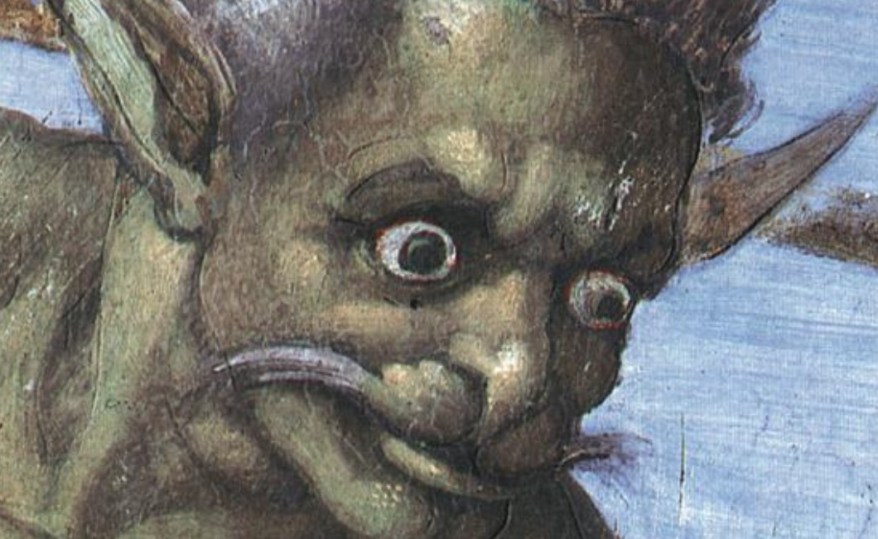
La firma nascosta nel Giudizio Universale: chi ha firmato sul remo di Caronte?
🇮🇹Sapete che nel Giudizio Universale c’è una firma non mia e che si trova proprio sul remo di Caronte?… 🇬🇧Did you know that in the *Last Judgment* there is a signature that isn’t mine, and that it is located right on Charon’s oar?…
-
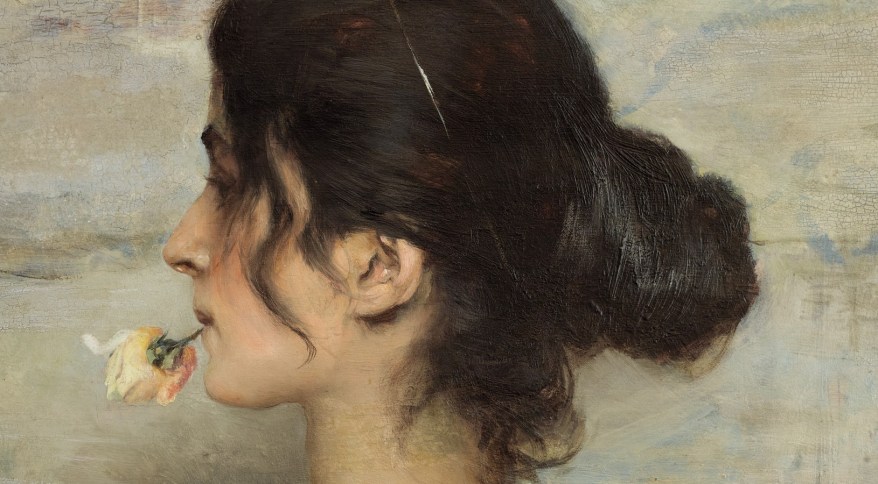
VANITAS a Ferrara: i fiori non sono mai stati così belli e inquietanti
🇮🇹VANITAS a Ferrara: oltre 40 opere da Hayez a Casorati raccontano fiori, bellezza, morte e simboli. La mostra apre l’8 ottobre 2026 e prosegue fino al 31 gennaio 2027… 🇬🇧VANITAS in Ferrara: over 40 works ranging from Hayez to Casorati explore themes of flowers, beauty, death, and symbolism. The exhibition opens on October 8, 2026,…
Condividi:


Questo sono io




sostienici

Sostienici – Support Us
Se questo blog ti piace e ti appassiona, puoi aiutarci a farlo crescere sempre più sostenendoci in modo concreto condividendo i post, seguendo le pagine social e con un contributo che ci aiuta ad andare avanti con il nostro lavoro di divulgazione. . ENGLISH: If you like and are passionate about this blog, you can help us make it grow more and more by supporting us in a concrete way by sharing posts, following social pages and with a contribution that helps us to move forward with our dissemination work.
€10,00


