

11 agosto 1667: nasce Anna Maria Luisa de’ Medici, la donna che salvò i tesori di Firenze
L’11 agosto 1667 nasceva a Firenze Anna Maria Luisa de’ Medici, ultima discendente del ramo granducale della famiglia Medici e donna destinata a lasciare un’eredità straordinaria nella storia dell’arte. Fu lei, infatti, a impedire che l’immenso patrimonio artistico accumulato dai Medici nei secoli venisse disperso dopo l’estinzione della dinastia.
Figlia del granduca Cosimo III de’ Medici e di Margherita Luisa d’Orléans, Anna Maria Luisa venne alla luce in un momento particolarmente delicato per la dinastia fiorentina. I Medici avevano trasformato Firenze in uno dei più importanti centri artistici d’Europa e nelle loro collezioni erano confluiti capolavori miei, di Botticelli, Leonardo, Raffaello, Tiziano e di moltissimi altri grandi maestri.
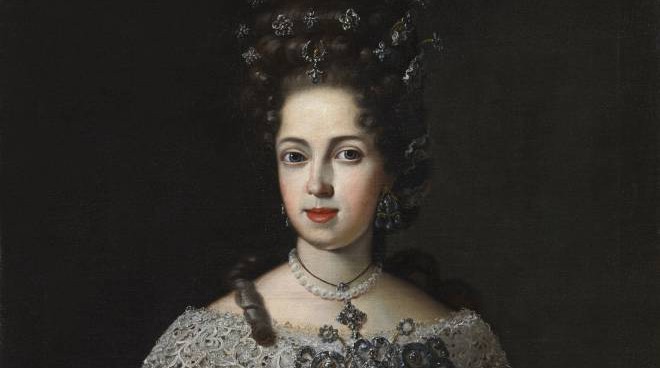
La nascita di Anna Maria Luisa sembrò inizialmente garantire una continuità alla famiglia, ma il destino della dinastia medicea sarebbe stato molto più complesso.
Anna Maria Luisa de’ Medici, la nascita dell’ultima Elettrice Palatina
Anna Maria Luisa era la secondogenita di Cosimo III e crebbe alla corte fiorentina ricevendo un’educazione adeguata al rango e caratterizzata da una particolare attenzione alla cultura e alle arti.
Il problema della successione al Granducato di Toscana divenne progressivamente sempre più urgente. Il fratello maggiore Ferdinando aveva sposato Violante Beatrice di Baviera, ma il matrimonio non diede eredi. Anche il fratello minore Gian Gastone non avrebbe avuto figli.
Per Anna Maria Luisa il destino fu quindi quello di un matrimonio politico. Il padre decise di unirla a Giovanni Guglielmo di Neuburg, elettore palatino del Reno, appartenente a una delle più importanti famiglie principesche dell’Europa dell’epoca.
Le nozze furono celebrate per procura a Firenze il 29 aprile 1691. Pochi giorni dopo, il 6 maggio, Anna Maria Luisa partì verso il Palatinato accompagnata dal fratello Gian Gastone. Il marito le andò incontro a Innsbruck, dove furono celebrate nuovamente le nozze con grande solennità.
Il matrimonio non avrebbe prodotto figli, ma Anna Maria Luisa rimase per molti anni alla corte di Düsseldorf, dove si inserì in un ambiente profondamente interessato alla cultura, alla musica e alle arti.
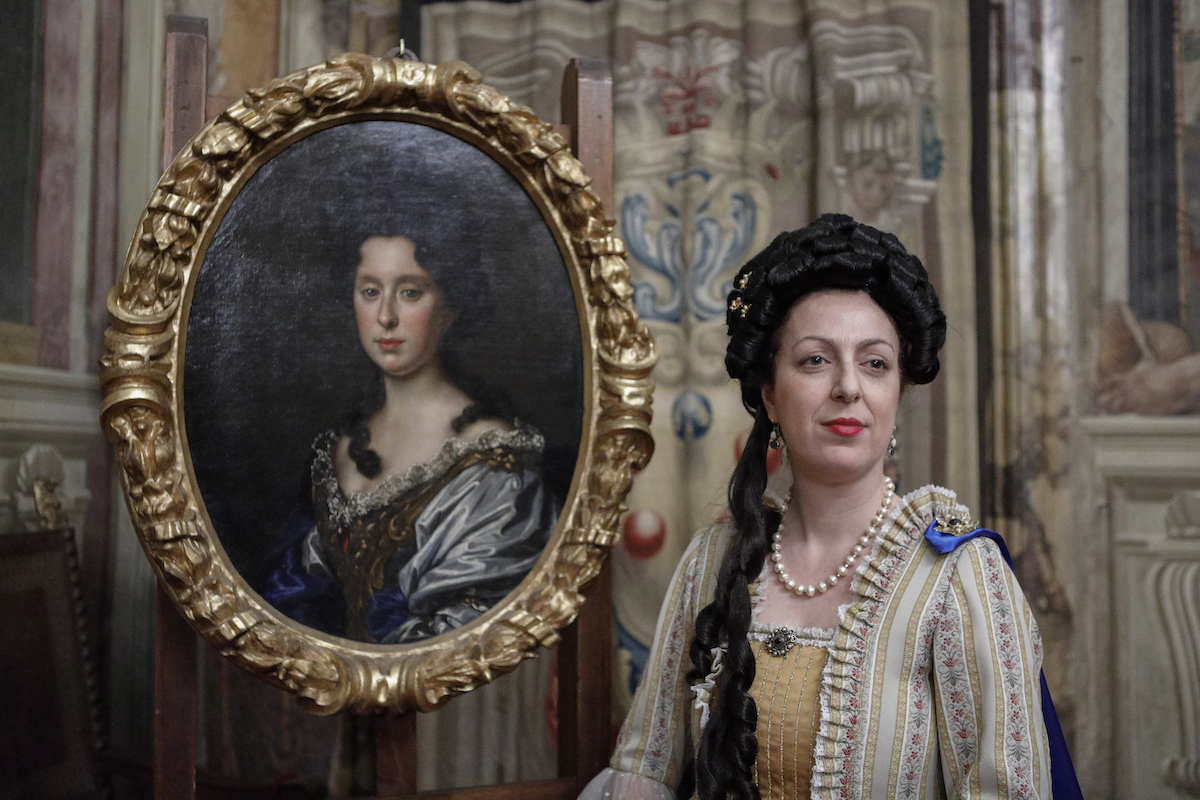
L’Elettrice Palatina e il destino della dinastia Medici
La morte senza eredi dei fratelli Ferdinando e Gian Gastone rese sempre più evidente il problema della successione del Granducato di Toscana.
Cosimo III aveva tentato di trovare una soluzione alla questione dinastica, arrivando anche a sostenere la possibilità di una successione femminile. Il progetto, tuttavia, si scontrò con gli equilibri politici europei e con gli interessi dell’imperatore Carlo VI d’Asburgo, che avrebbe avuto un ruolo determinante nella successione toscana.
Quando Gian Gastone morì il 9 luglio 1737, la linea granducale dei Medici si estinse. Anna Maria Luisa rimase così l’ultima rappresentante della dinastia medicea.
Il Granducato sarebbe passato ai Lorena e sul trono di Toscana sarebbe salito Francesco di Lorena. Per Anna Maria Luisa si apriva una nuova fase della sua vita: non avrebbe governato Firenze, ma avrebbe avuto nelle proprie mani qualcosa di altrettanto importante, il destino delle collezioni artistiche dei Medici.

Il Patto di Famiglia del 1737: così Anna Maria Luisa salvò l’arte dei Medici
Anna Maria Luisa sapeva perfettamente che, con la fine della dinastia, le immense collezioni raccolte dai Medici avrebbero potuto essere trasferite altrove. Dipinti, sculture, gioielli, manoscritti, arredi e altri oggetti preziosi erano infatti beni della famiglia e, senza una precisa disposizione, avrebbero potuto seguire il destino dei nuovi proprietari o essere utilizzati come strumenti di prestigio e di scambio politico.
L’Elettrice decise quindi di legare il patrimonio mediceo alla Toscana.
Il 31 ottobre 1737 Anna Maria Luisa de’ Medici sottoscrisse con i rappresentanti della nuova dinastia il celebre Patto di Famiglia, un accordo destinato a cambiare per sempre la storia del patrimonio artistico fiorentino.
Nel patto stabilì che le collezioni appartenute alla famiglia Medici sarebbero rimaste legate alla Toscana e non avrebbero potuto essere trasferite fuori dallo Stato. Le opere dovevano rimanere a disposizione del pubblico e costituire patrimonio della città e dello Stato.
Una scelta politica e culturale di enorme portata.
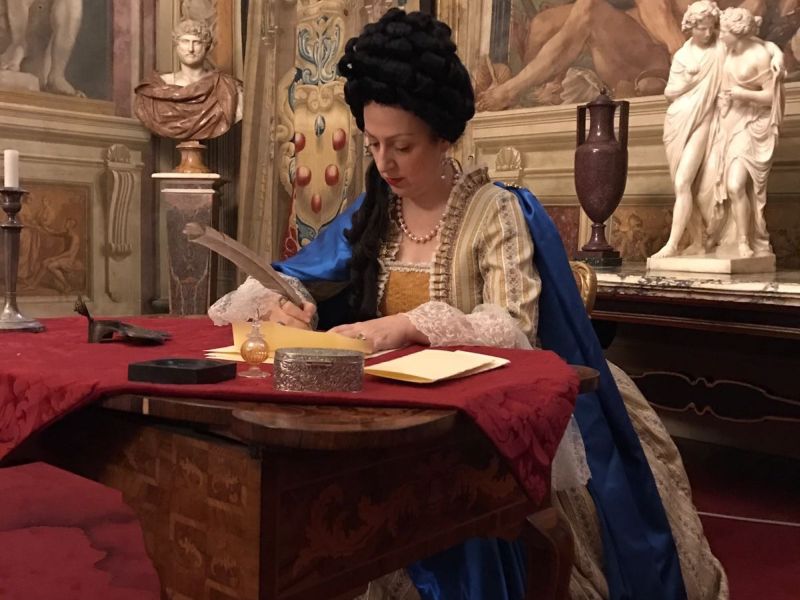
Il tesoro dei Medici rimase a Firenze
Grazie al Patto di Famiglia, una parte fondamentale delle collezioni medicee rimase a Firenze quando la dinastia si estinse.
La decisione di Anna Maria Luisa permette ancora oggi di ammirare in Toscana un patrimonio artistico di valore incalcolabile. Senza quella clausola, molte delle opere raccolte per generazioni dai Medici avrebbero potuto prendere altre strade, finendo nelle collezioni delle corti europee o nelle mani di privati.
Il patrimonio mediceo comprendeva alcune delle opere più importanti della storia dell’arte occidentale e costituiva il risultato di secoli di committenza, collezionismo e mecenatismo.
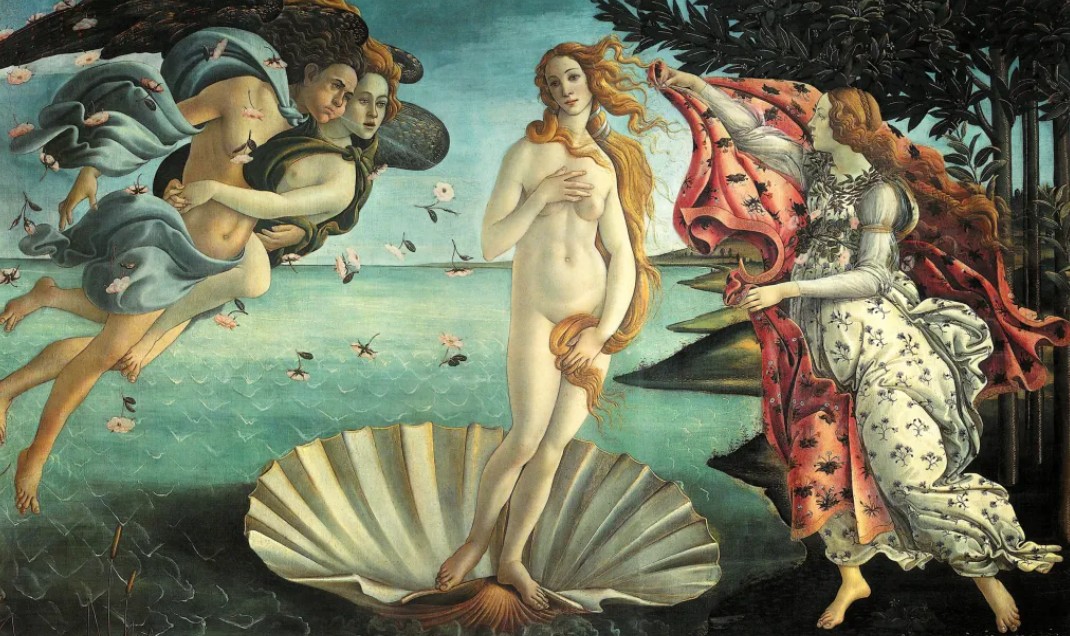
Anna Maria Luisa de’ Medici, la donna che protegge il patrimonio artistico di Firenze
Anna Maria Luisa de’ Medici morì a Firenze il 18 febbraio 1743, pochi anni dopo la fine della dinastia granducale.
Non aveva mai esercitato direttamente il potere politico sulla Toscana, ma la sua decisione avrebbe avuto conseguenze molto più durature di quelle di un regno.
Il suo nome è infatti indissolubilmente legato alla conservazione del patrimonio artistico fiorentino.
Quando oggi entriamo negli Uffizi, osserviamo le collezioni medicee custodite nei musei fiorentini o ammiriamo le opere che appartenevano alla grande famiglia che per secoli governò Firenze, dobbiamo ricordare anche la donna che, alla fine della loro storia dinastica, comprese che quelle opere non appartenevano soltanto ai Medici.
Appartenevano a Firenze.
E fu proprio Anna Maria Luisa de’ Medici, l’ultima Elettrice Palatina, a fare in modo che continuassero a rimanere lì.
Per il momento il sempre vostro Michelangelo Buonarroti vi saluta dandovi appuntamento ai prossimi post e sui social.
August 11, 1667: Anna Maria Luisa de’ Medici, the woman who saved Florence’s treasures, was born
Anna Maria Luisa de’ Medici was born in Florence on August 11, 1667. She was the last descendant of the grand ducal branch of the Medici family and a woman destined to leave an extraordinary legacy in the history of art. It was she who prevented the immense artistic heritage accumulated by the Medici over the centuries from being dispersed after the dynasty’s extinction.
Daughter of Grand Duke Cosimo III de’ Medici and Marguerite Louise d’Orléans, Anna Maria Luisa was born at a particularly delicate time for the Florentine dynasty. The Medici had transformed Florence into one of the most important artistic centers in Europe, and their collections included masterpieces by me, Botticelli, Leonardo, Raphael, Titian, and many other great masters.
The birth of Anna Maria Luisa initially seemed to ensure continuity for the family, but the fate of the Medici dynasty would prove much more complex.
Anna Maria Luisa de’ Medici, the birth of the last Electress Palatine
Anna Maria Luisa was the second daughter of Cosimo III and grew up at the Florentine court, receiving an education befitting her rank and characterized by a particular focus on culture and the arts.
The question of succession to the Grand Duchy of Tuscany became increasingly pressing. Her elder brother Ferdinando had married Violante Beatrice of Bavaria, but the marriage produced no heirs. Her younger brother Gian Gastone also remained childless.
Anna Maria Luisa’s destiny was thus that of a political marriage. Her father decided to unite her with John William of Neuburg, Elector Palatine of the Rhine, a member of one of the most important princely families in Europe at the time.
The wedding was celebrated by proxy in Florence on April 29, 1691. A few days later, on May 6, Anna Maria Luisa departed for the Palatinate accompanied by her brother Gian Gastone. Her husband met her in Innsbruck, where the wedding was celebrated again with great solemnity.
The marriage would not produce any children, but Anna Maria Luisa remained for many years at the court of Düsseldorf, where she immersed herself in a circle deeply interested in culture, music, and the arts.
The Electress Palatine and the Fate of the Medici Dynasty
The deaths of her brothers Ferdinando and Gian Gastone without heirs made the succession problem of the Grand Duchy of Tuscany increasingly evident.
Cosimo III had attempted to find a solution to the dynastic question, even advocating the possibility of a female succession. This plan, however, clashed with the European political balance and the interests of Emperor Charles VI of Habsburg, who would have played a decisive role in the Tuscan succession.
When Gian Gastone died on July 9, 1737, the grand ducal line of the Medici became extinct. Anna Maria Luisa was thus left as the last representative of the Medici dynasty.
The Grand Duchy would pass to the House of Lorraine, and Francis of Lorraine would ascend the throne of Tuscany. A new phase in Anna Maria Luisa’s life began: she would no longer rule Florence, but she would hold something equally important in her hands: the fate of the Medici art collections.
The Family Pact of 1737: How Anna Maria Luisa Saved the Medici’s Art
Anna Maria Luisa knew perfectly well that, with the end of the dynasty, the immense collections amassed by the Medici could be transferred elsewhere. Paintings, sculptures, jewels, manuscripts, furnishings, and other precious objects were in fact family property and, without a specific disposition, could follow the fate of their new owners or be used as instruments of prestige and political exchange.
The Electress therefore decided to bequeath the Medici heritage to Tuscany
On October 31, 1737, Anna Maria Luisa de’ Medici signed the famous Family Pact with representatives of the new dynasty, an agreement destined to forever change the history of Florence’s artistic heritage.
The pact established that the collections belonging to the Medici family would remain tied to Tuscany and could not be transferred outside the state. The works were to remain available to the public and constitute the heritage of the city and the state.
A political and cultural choice of enormous significance.
The Medici treasure remained in Florence
Thanks to the Family Pact, a fundamental part of the Medici collections remained in Florence when the dynasty died out.
Anna Maria Luisa’s decision allows an invaluable artistic heritage to still be admired in Tuscany today. Without that clause, many of the works collected over generations by the Medici might have gone their separate ways, ending up in the collections of European courts or in private hands.
The Medici estate included some of the most important works in the history of Western art and was the result of centuries of commissions, collecting, and patronage.
Anna Maria Luisa de’ Medici, the woman who protected Florence’s artistic heritage
Anna Maria Luisa de’ Medici died in Florence on February 18, 1743, a few years after the end of the grand ducal dynasty.
She had never directly exercised political power over Tuscany, but her decision would have far more lasting consequences than those of a kingdom.
Her name is inextricably linked to the preservation of Florence’s artistic heritage.
When we enter the Uffizi today, observe the Medici collections housed in Florentine museums, or admire the works that belonged to the great family that ruled Florence for centuries, we must also remember the woman who, at the end of their dynastic history, understood that those works did not belong only to the Medici.
They belonged to Florence.
And it was Anna Maria Luisa de’ Medici, the last Electress Palatine, who ensured they remained there.
For now, yours truly, Michelangelo Buonarroti bids you farewell and invites you to see him in future posts and on social media.

Sostienici – Support Us
Se questo blog ti piace e ti appassiona, puoi aiutarci a farlo crescere sempre più sostenendoci in modo concreto condividendo i post, seguendo le pagine social e con un contributo che ci aiuta ad andare avanti con il nostro lavoro di divulgazione. . ENGLISH: If you like and are passionate about this blog, you can help us make it grow more and more by supporting us in a concrete way by sharing posts, following social pages and with a contribution that helps us to move forward with our dissemination work.
10,00 €
-
Civita di Bagnoregio e Bolsena Capitale italiana dell’Arte contemporanea 2028
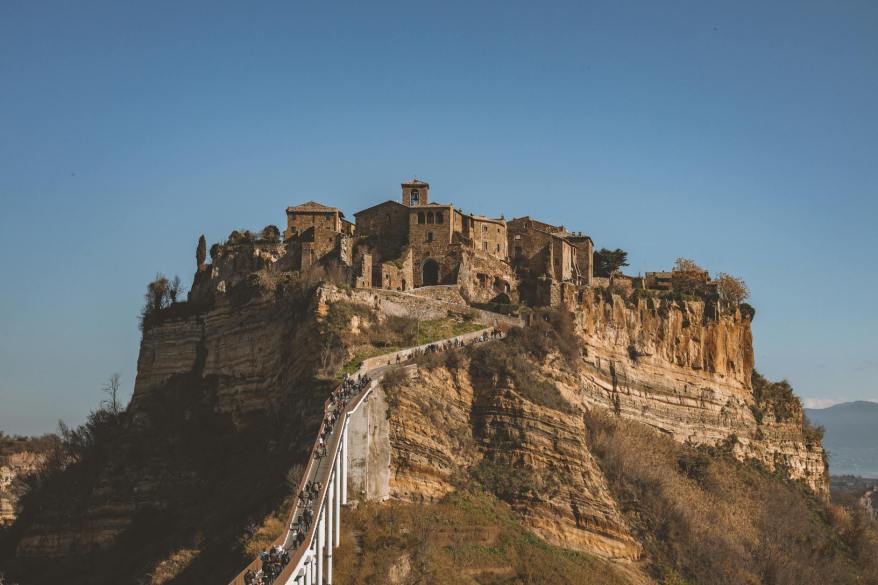
🇮🇹Civita di Bagnoregio e Bolsena sono Capitale italiana dell’Arte contemporanea 2028 con il progetto Arte che viene, arte che va. Ecco cosa prevede… 🇬🇧Civita di Bagnoregio and Bolsena have been named the Italian Capital of Contemporary Art for 2028 with the project *Arte che viene, arte che va* (Art That Comes, Art That Goes). Here…
-
Alessandro Algardi: la risposta elegante al terremoto barocco
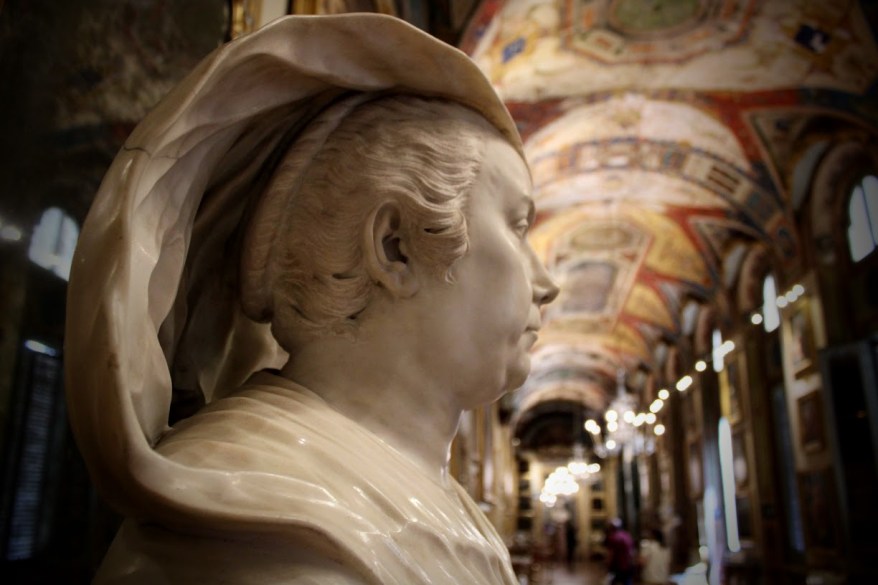
🇮🇹 Il Barocco non è solo movimento, spettacolo ed emozione portata all’estremo. Nella Roma del Seicento, mentre Gian Lorenzo Bernini trasformava il marmo in una materia capace di vibrare, Alessandro Algardi sceglieva una strada diversa: più misurata, elegante, legata all’equilibrio della tradizione classica… 🇬🇧The Baroque is not merely movement, spectacle, and emotion taken to the…
-
Piero della Francesca moriva il 12 ottobre 1492: il genio della prospettiva
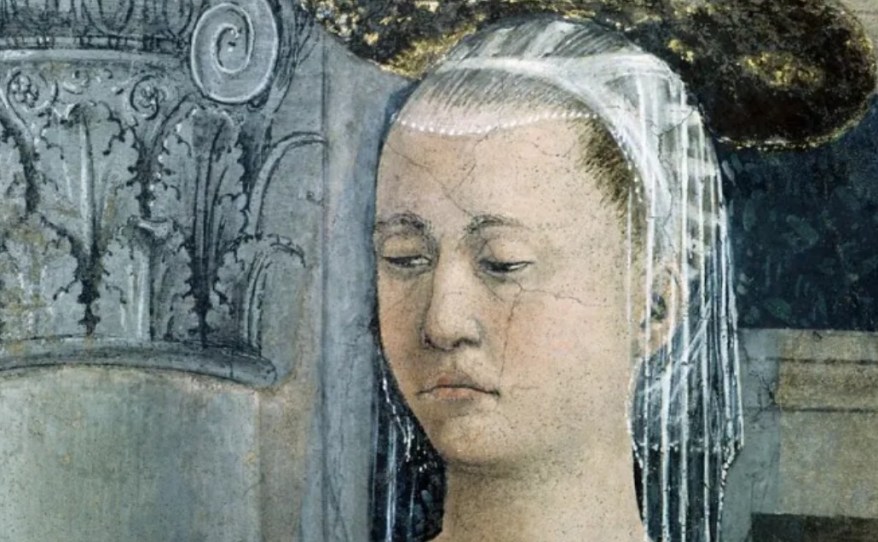
🇮🇹Il 12 ottobre 1492, mentre Cristoforo Colombo approdava nel continente americano, a Sansepolcro si spegneva Piero della Francesca… 🇬🇧On October 12, 1492, while Christopher Columbus was landing on the American continent, Piero della Francesca passed away in Sansepolcro…
Condividi:


Questo sono io




sostienici

Sostienici – Support Us
Se questo blog ti piace e ti appassiona, puoi aiutarci a farlo crescere sempre più sostenendoci in modo concreto condividendo i post, seguendo le pagine social e con un contributo che ci aiuta ad andare avanti con il nostro lavoro di divulgazione. . ENGLISH: If you like and are passionate about this blog, you can help us make it grow more and more by supporting us in a concrete way by sharing posts, following social pages and with a contribution that helps us to move forward with our dissemination work.
€10,00


Sempre interessanti queste pagine storiche, un caro abbraccio, buonanotte 😉👍👍👍😋🤣🤣🤣🤣🤣🥵🥵🥵🥵
"Mi piace"Piace a 1 persona
grazie di cuore, un abbraccio
"Mi piace"Piace a 1 persona