

Il mio cuore prigioniero
Ho passato la vita a lottare con la materia, a pretendere dalle mie mani ciò che sembrava impossibile. Contro l’amore però, vi confesso, non ho saputo opporre la stessa resistenza.
Le passioni non si lasciano domare o perlomeno non tutte. Esistono legami ai quali ci si piega anche avendo la consapevolezza di quanto possano far soffrire. Il cuore, quando decide di appartenere a qualcuno, quasi mai ascolta la ragione.
Nei miei versi mi son messo a nudo e senza esitare raccontavo di quanto fossi prigioniero dell’amore, accettando il dolore che mi procurava.
Quale sofferenza può davvero uccidere un uomo, se proprio ciò che lo fa soffrire è anche ciò che lo tiene in vita?
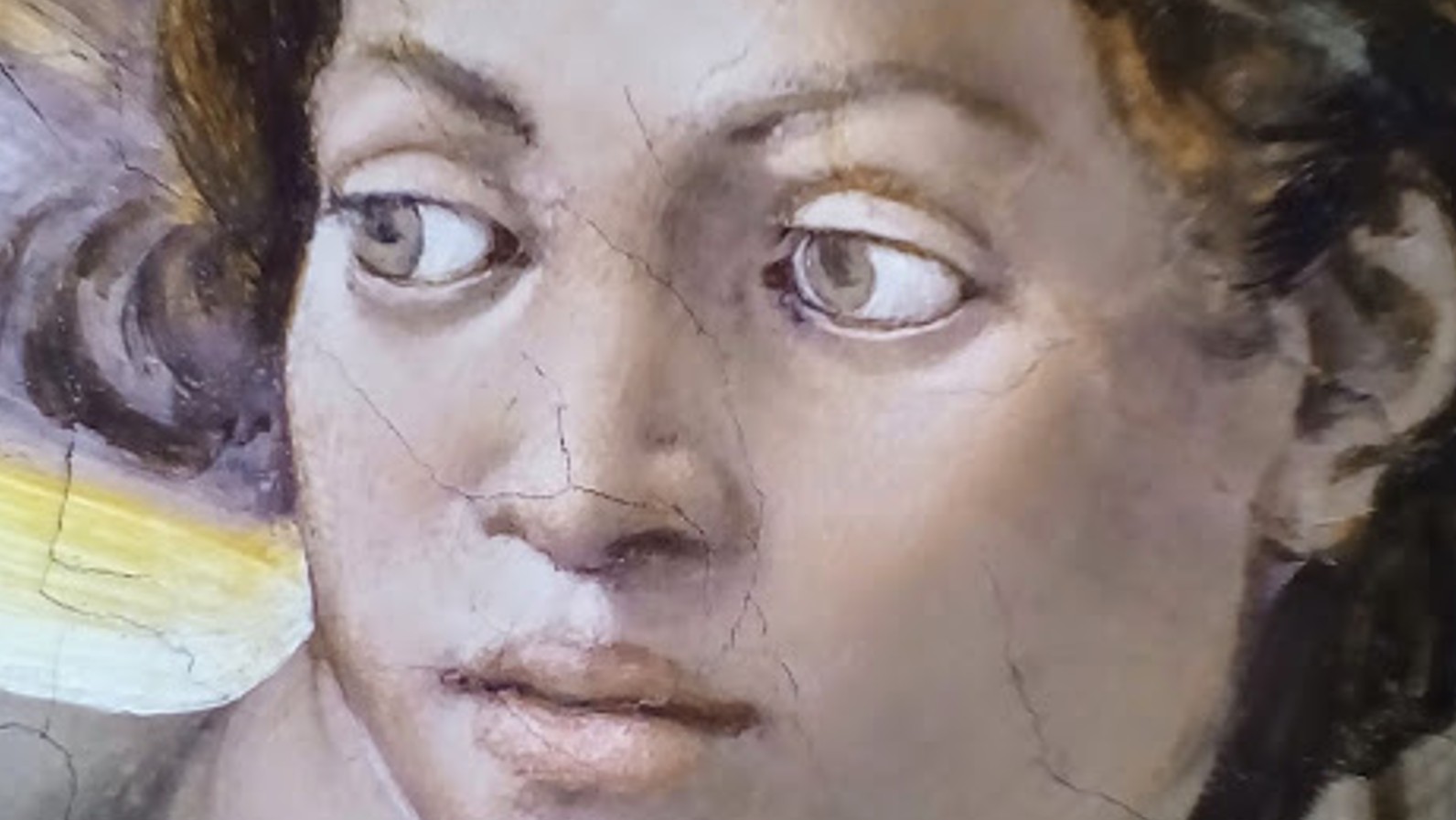
Piegato dall’amore
Porgo umilmente il collo a un giogo aspro, proprio come chi si sottomette al peso imposto da un padrone. Non mi ribello, non cerco di liberarmi: accetto la condizione in cui mi trovo, perché quel giogo ha il nome dell’amore.
Offro anche un volto lieto alla mia cattiva sorte. La fortuna mi è avversa, eppure non voglio mostrarmi sconfitto. Continuo a portare dentro di me il sentimento che mi lega alla donna amata, senza permettere che il dolore cancelli del tutto la mia fierezza.
A lei, che chiamo quasi mia nemica, consegno un cuore colmo di fedeltà e di fuoco. Fede è la costanza con cui rimango legato a lei; foco è la passione che ancora mi divora. Due parole che racchiudono la mia condanna e, insieme, la mia ragione di vivere.
La chiamo nemica perché l’amore, pur essendo mio, sembra rivoltarsi contro di me. Mi espone alla sofferenza, mi toglie la pace e mi rende vulnerabile proprio là dove vorrei essere più forte. Eppure non riesco a sottrarmi a lei.
Ho trascorso la vita a difendere la mia libertà, a non piegarmi facilmente davanti agli uomini e alle loro pretese. Ma il cuore non riconosce la stessa autorità della ragione. Si lega, insiste, si ostina e continua a desiderare proprio ciò che gli nega la serenità.
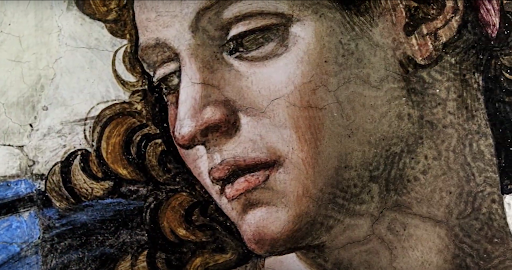
La paura più grande? Che il dolore finisca
Ho paura che la sofferenza finisca perché nel dolore riconosco la prova che il mio sentimento è ancora vivo. Se il tormento si spegnesse, se il fuoco perdesse vigore, che cosa rimarrebbe di questa passione che mi tiene legato a chi amo?
La sofferenza non è più soltanto il prezzo da pagare: è diventata parte inseparabile del legame. Non riesco a immaginare la fine dell’una senza temere la fine dell’altro.
Forse è questa la più crudele delle contraddizioni umane: desiderare la pace e, nello stesso tempo, aver paura che la pace ci porti via qualcosa a cui non sappiamo rinunciare.
Non mi scrollo di dosso il mio martir, la pena amorosa. Rimango saldo perché non riesco a fare diversamente.
Il suo volto mi tormenta, il suo volto mi salva
Il volto sereno di chi amo mi dà cibo e vita, persino quando sono immerso in un grande tormento. Basta un segno di benevolenza, un’espressione distesa, uno sguardo che mi restituisca la speranza, perché la sofferenza assuma un peso diverso.
Non scompare, ma diventa sopportabile.
Non occorre che la felicità duri a lungo. Talvolta basta un istante per riscattare giorni di malinconia, un volto per riaccendere una speranza che credevo perduta.
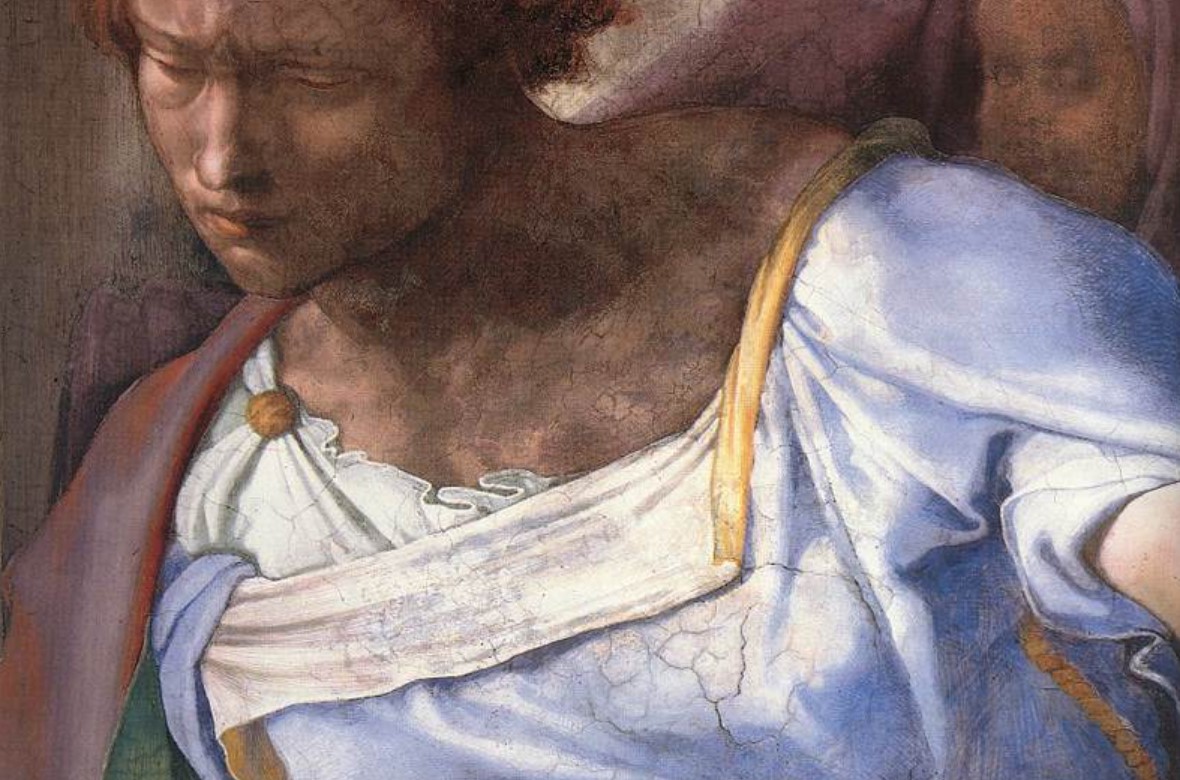
Da Petrarca al mio cuore: l’amore come prigione
In questi versi risuonano immagini care a Francesco Petrarca: il giogo aspro che richiama il ‘grave giogo e aspro’ del Canzoniere, la fortuna avversa e il cuore colmo di fuoco. Non sono immagini casuali. Appartengono a una tradizione poetica che ha saputo raccontare l’amore come una forza capace di dominare l’uomo, sospendendolo fra desiderio, fedeltà e sofferenza.
Non ripeto un motivo letterario ma cerco di portarlo alla sua conseguenza più estrema: arrivo a temere la fine del tormento, perché non so separarlo dal sentimento che lo genera.
Non c’è eroismo in questa confessione, né una vittoria da celebrare. C’è un uomo che si arrende, che rimane fedele e che non trova la forza di spezzare il legame. Un uomo che conosce la fatica di dominare la materia, ma sa quanto sia difficile comandare al proprio cuore.
Io, che ho cercato per tutta la vita di liberare figure dal marmo, non riesco a liberare me stesso da questo amore.
Porgo umilmente all’aspro giogo il collo,
il volto lieto a la fortuna ria,
e alla donna mia
nemica il cor di fede e foco pieno;
né dal martir mi crollo,
anz’ogni or temo non venga meno.
Ché se ’l volto sereno
cibo e vita mi fa d’un gran martire,
qual crudel doglia mi può far morire?
Per il momento il sempre vostro Michelangelo Buonarroti vi saluta dandovi appuntamento ai prossimi post e sui social.
My Captive Heart
I have spent my life wrestling with matter, demanding the seemingly impossible from my own hands. Yet, I confess, I could not put up the same resistance against love.
Passions cannot be tamed—or at least, not all of them. There are bonds to which we yield, even knowing the suffering they may bring. When the heart decides to belong to someone, it rarely heeds reason.
In my verses, I laid myself bare, recounting without hesitation how much of a prisoner to love I was, accepting the pain it inflicted upon me.
What suffering can truly kill a man if the very thing that causes him pain is also what keeps him alive?
Bowed by love
I humbly offer my neck to a harsh yoke, much like one submitting to a master’s burden. I do not rebel, nor do I seek to break free; I accept my lot, for that yoke bears the name of love.
I even turn a cheerful face toward my ill fortune. Luck has turned against me, yet I refuse to appear defeated. I carry within me the bond that ties me to the woman I love, never allowing the pain to wholly extinguish my pride.
To her—whom I call my enemy—I surrender a heart brimming with fidelity and fire. Fidelity is the constancy with which I remain bound to her; fire is the passion that still consumes me. Two words that encompass both my sentence and my reason for living.
I call her my enemy because love, though it is mine, seems to turn against me. It exposes me to suffering, robs me of peace, and leaves me vulnerable precisely where I wish to be strongest. And yet, I cannot break free from her.
I have spent my life defending my freedom, refusing to easily bow to others and their demands. But the heart does not acknowledge the same authority as reason. It binds itself, persists, and stubbornly continues to desire the very thing that denies it peace.
My greatest fear? That the pain might end.
I fear the end of suffering because, in that pain, I recognize proof that my feelings are still alive. If the torment were to fade, if the fire were to lose its intensity, what would remain of this passion that binds me to the one I love?
Suffering is no longer merely the price to be paid; it has become an inseparable part of the bond. I cannot imagine the end of the one without fearing the end of the other.
Perhaps this is the cruelest of human contradictions: to desire peace while simultaneously fearing that peace might take away something we cannot bear to give up.
I cannot shake off my torment—this heartache born of love. I stand firm because I have no other choice.
Her face torments me; her face saves me.
The serene face of the one I love sustains me and gives me life, even when I am consumed by deep anguish. A single sign of kindness, a relaxed expression, a glance that restores my hope—that is all it takes for my suffering to feel different.
It does not vanish, but it becomes bearable.
Happiness need not last long. Sometimes, a single instant is enough to redeem days of melancholy; a single face, to rekindle a hope I thought was lost. From Petrarch to my heart: love as a prison
These verses echo images dear to Francesco Petrarch: the harsh yoke—reminiscent of the Canzoniere’s “heavy and harsh yoke”—adverse fortune, and a heart filled with fire. These are no random images; they belong to a poetic tradition that has long portrayed love as a force capable of dominating a man, holding him suspended between desire, fidelity, and suffering.
I am not merely repeating a literary motif; I seek to carry it to its ultimate conclusion: I find myself fearing the end of the torment, for I cannot separate it from the very feeling that gives rise to it.
There is no heroism in this confession, nor any victory to celebrate. There is only a man who surrenders, who remains faithful, and who cannot find the strength to break the bond. A man who knows the toil of mastering raw material, yet understands how difficult it is to command one’s own heart.
I, who have spent a lifetime striving to liberate figures from marble, cannot free myself from this love.
Porgo umilmente all’aspro giogo il collo,
il volto lieto a la fortuna ria,
e alla donna mia
nemica il cor di fede e foco pieno;
né dal martir mi crollo,
anz’ogni or temo non venga meno.
Ché se ’l volto sereno
cibo e vita mi fa d’un gran martire,
qual crudel doglia mi può far morire?
For now, your ever-faithful Michelangelo Buonarroti bids you farewell and looks forward to seeing you in future posts and on social media.

Sostienici – Support Us
Se questo blog ti piace e ti appassiona, puoi aiutarci a farlo crescere sempre più sostenendoci in modo concreto condividendo i post, seguendo le pagine social e con un contributo che ci aiuta ad andare avanti con il nostro lavoro di divulgazione. . ENGLISH: If you like and are passionate about this blog, you can help us make it grow more and more by supporting us in a concrete way by sharing posts, following social pages and with a contribution that helps us to move forward with our dissemination work.
10,00 €
Condividi:


Questo sono io




sostienici

Sostienici - Support Us
Se questo blog ti piace e ti appassiona, puoi aiutarci a farlo crescere sempre più sostenendoci in modo concreto condividendo i post, seguendo le pagine social e con un contributo che ci aiuta ad andare avanti con il nostro lavoro di divulgazione. . ENGLISH: If you like and are passionate about this blog, you can help us make it grow more and more by supporting us in a concrete way by sharing posts, following social pages and with a contribution that helps us to move forward with our dissemination work.
€10,00


