

I giganti del Barocco: i grandi scultori del Seicento
Da Gian Lorenzo Bernini ad Alessandro Algardi, da Francesco Mochi a Stefano Maderno: la scultura del Barocco ha i suoi maestri.
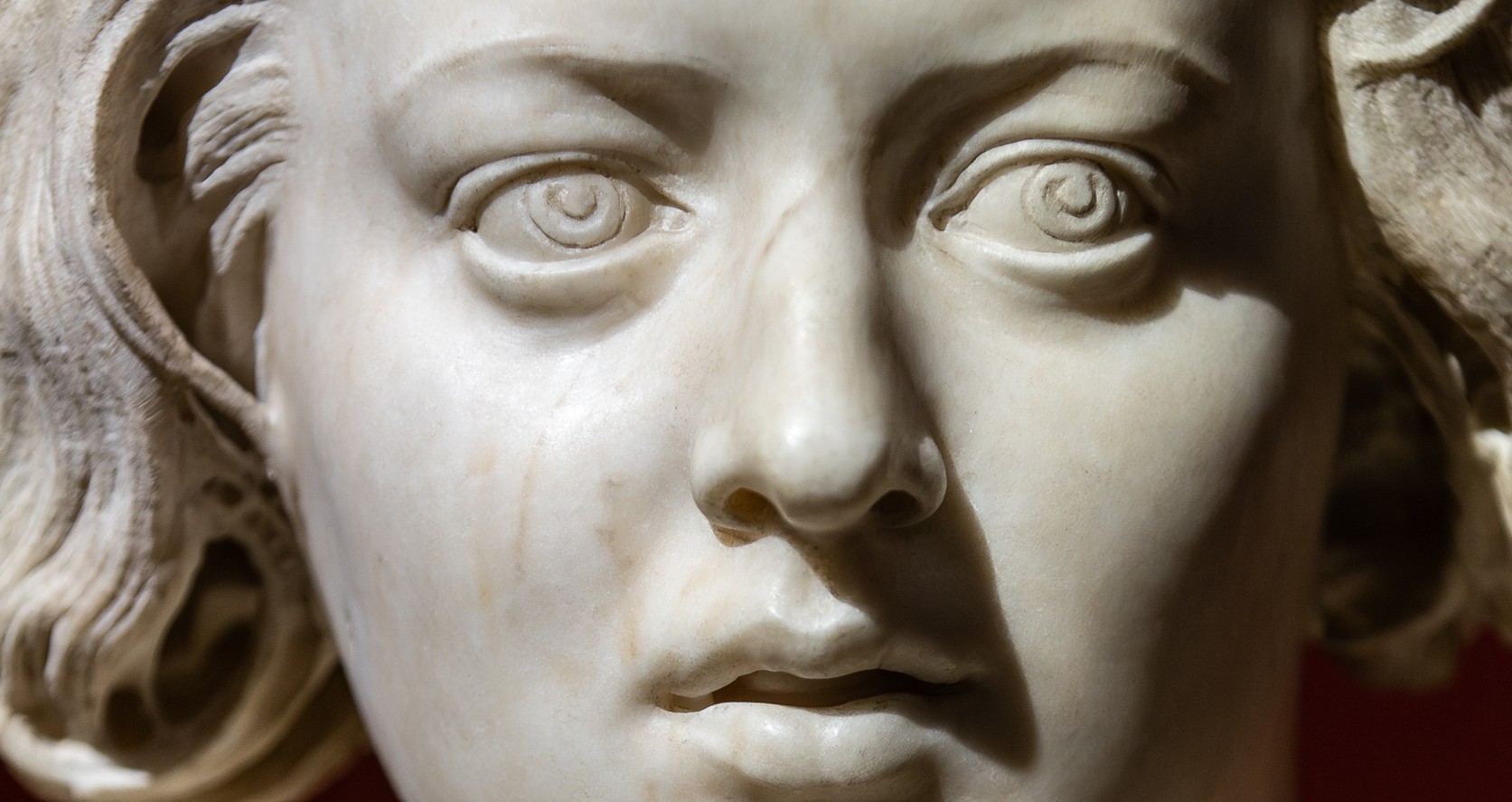
Una mano che descrive realisticamente la pressione esercitata sulla carne, un volto che restituisce la sofferenza di un istante, una veste che pare trattenere la leggerezza del tessuto e una ciocca di capelli che appare così accurata da sembrare sfiorata dall’aria: ecco cos’è il Barocco descritto attraverso ciò che la scultura racconta.
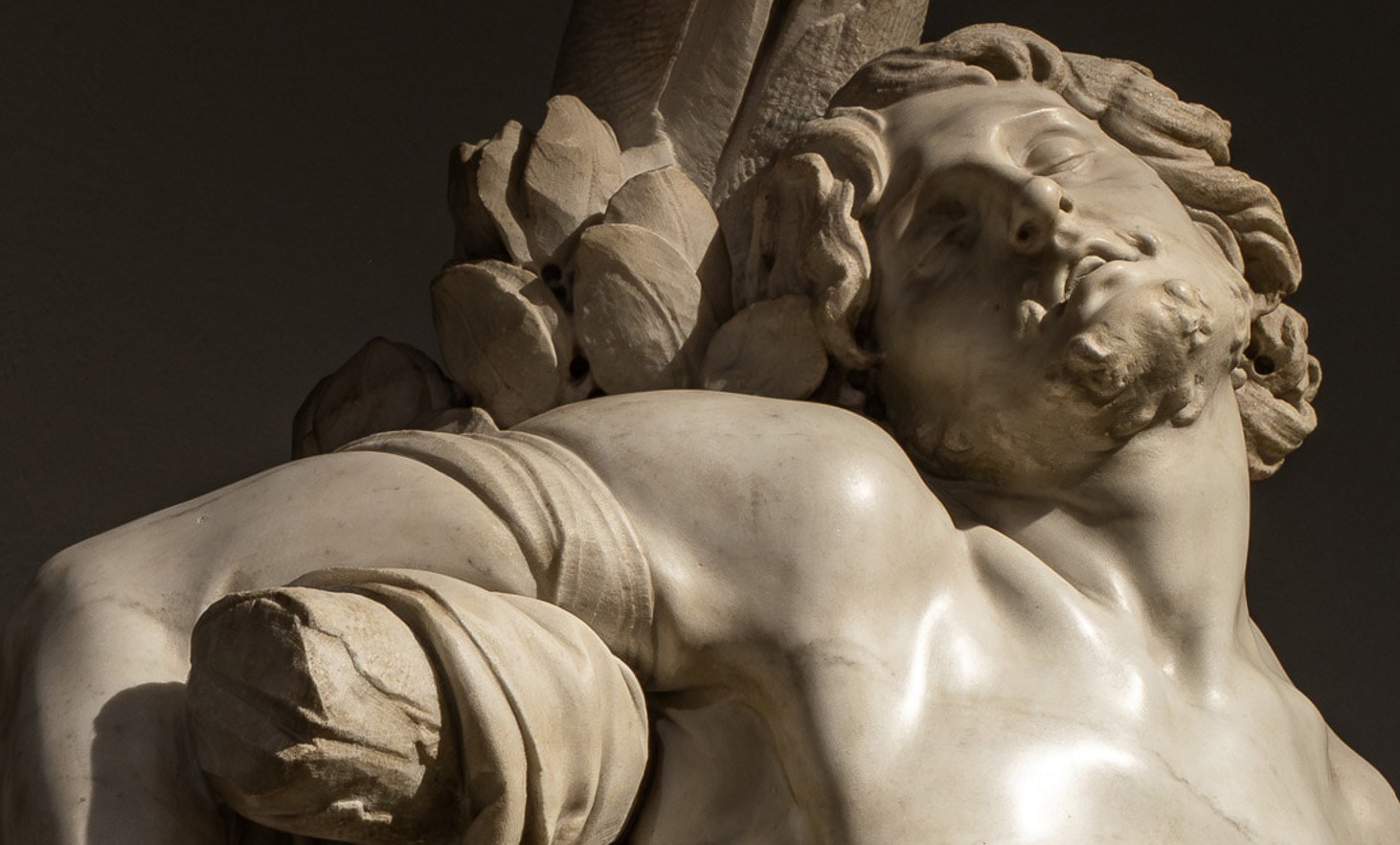
La scultura barocca è una delle più importanti rivoluzioni artistiche del Seicento, quando gli artisti iniziarono a concepire le proprie opere non come figure isolate ma come reali narrazioni capaci di coinvolgere chi guarda attraverso gesti, espressioni, luce, materia e spazio.
Nel Seicento la scultura diventa racconto, teatro e spettacolo. Gli artisti cercano di suggerire la morbidezza della pelle, la consistenza dei capelli, la pesantezza dei tessuti e persino la fragilità di un corpo, mentre la luce diventa parte integrante della composizione e l’ambiente circostante acquista un’importanza completamente nuova.
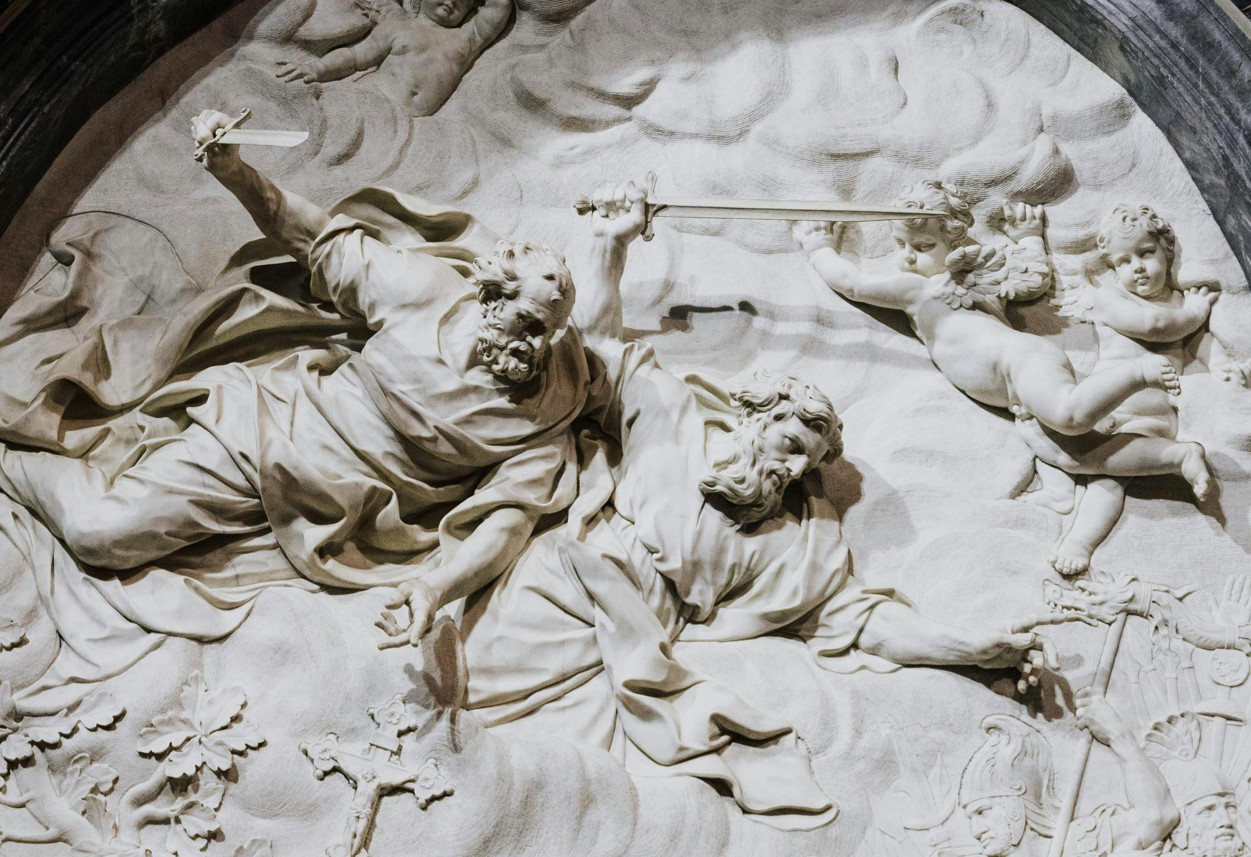
Al centro di questa straordinaria stagione c’è Roma, destinata a diventare il grande laboratorio internazionale del Barocco. E’ la città nella quale papi, cardinali, famiglie aristocratiche e ordini religiosi commissionano agli artisti opere monumentali capaci di celebrare la fede, il potere e il prestigio dei loro committenti.
Proprio a Roma emergono alcuni dei più grandi scultori del Seicento. Non tutti nati nella Città Eterna ma tutti a lei debitori per la fama che ebbero.
Gian Lorenzo Bernini, il gigante del Barocco
Se si parla di scultura barocca, il primo nome che viene alla mente è quello di Gian Lorenzo Bernini, nato a Napoli nel 1598 e trasferitosi giovanissimo a Roma, dove sarebbe diventato uno degli artisti più influenti dell’intera storia dell’arte occidentale.
Bernini fu anche architetto, pittore, disegnatore e scenografo, oltre a essere un artista capace di comprendere come pochi altri la psicologia dei personaggi e il rapporto tra opera e ambiente.
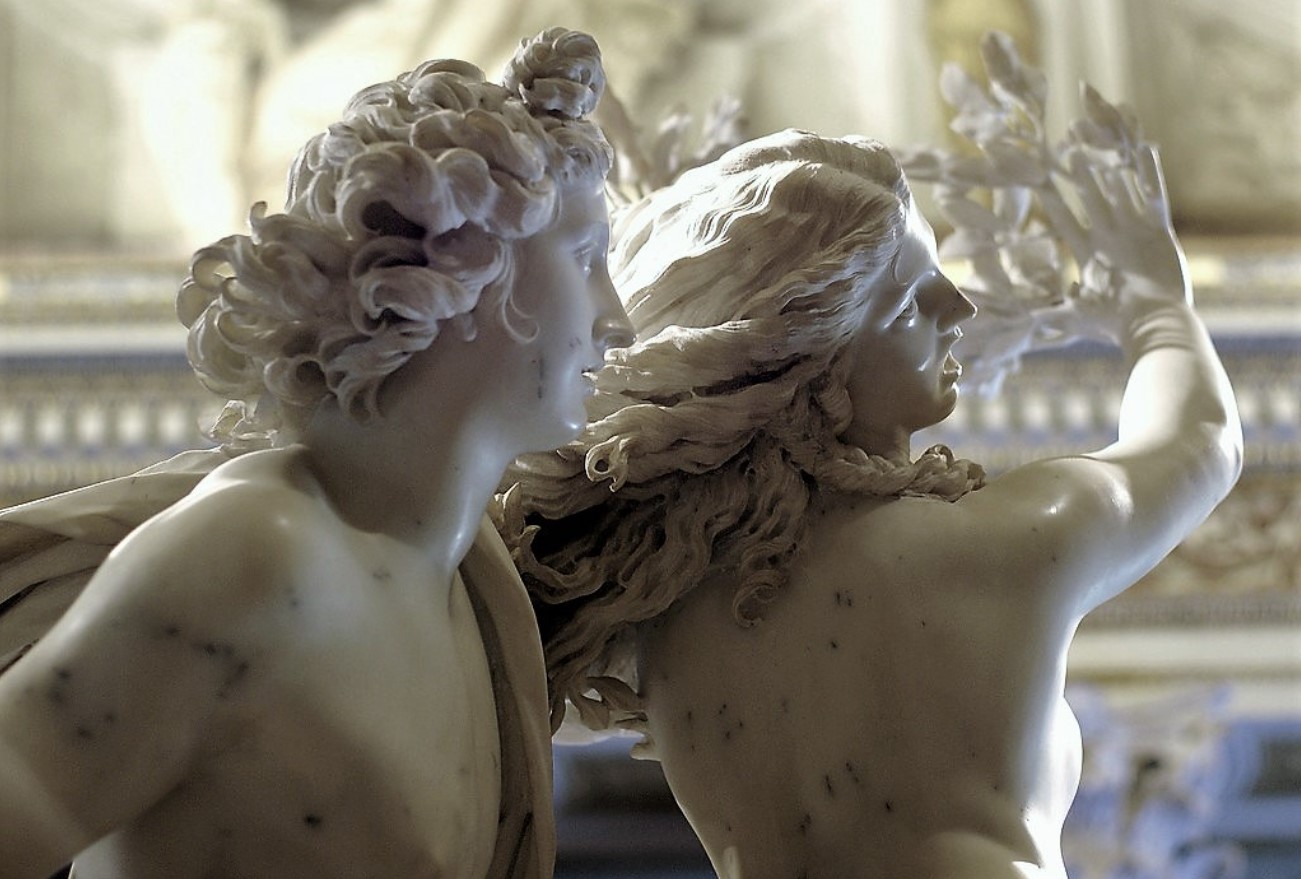
Seppe trasformare episodi mitologici e religiosi in qualcosa di teatrale, maestoso ma vivo. In Apollo e Dafne, per esempio, Bernini sceglie il momento culminante della metamorfosi della giovane, quando il corpo umano sta diventando corteccia, i capelli si trasformano in foglie e le dita assumono la forma di piccoli rami.
La materia cambia natura sotto gli occhi di chi osserva.
Nel David, invece, l’artista rinuncia all’eroe idealizzato e presenta il giovane nel momento della massima concentrazione, con il corpo contratto e il volto determinato, creando una figura che sembra esistere in rapporto diretto con chi le sta davanti.
Ancora più sorprendente è il Ratto di Proserpina, dove Bernini raggiunge uno dei vertici assoluti del virtuosismo scultoreo.
Le dita di Plutone sembrano affondare nella coscia della giovane e proprio questo particolare, apparentemente impossibile, è diventato uno dei simboli più celebri della straordinaria abilità tecnica dell’artista.

La grande invenzione del Seicento
Il virtuosismo dei grandi scultori del Seicento non consiste soltanto nella capacità di riprodurre fedelmente l’aspetto di una persona. Il loro obiettivo è molto più ambizioso: rendere credibile una storia attraverso la materia.
Un volto deve raccontare ciò che il personaggio sta vivendo; una mano deve suggerire un rapporto di forza o di tenerezza; una veste deve comunicare la consistenza del tessuto; un corpo deve esprimere tensione, abbandono, paura o desiderio senza bisogno di parole.
Per ottenere questi risultati gli artisti sperimentano diverse lavorazioni delle superfici, alternando parti perfettamente levigate a zone più ruvide e creando contrasti che reagiscono in maniera differente alla luce.
La scultura diventa un’arte nella quale tecnica, illuminazione e composizione lavorano insieme.
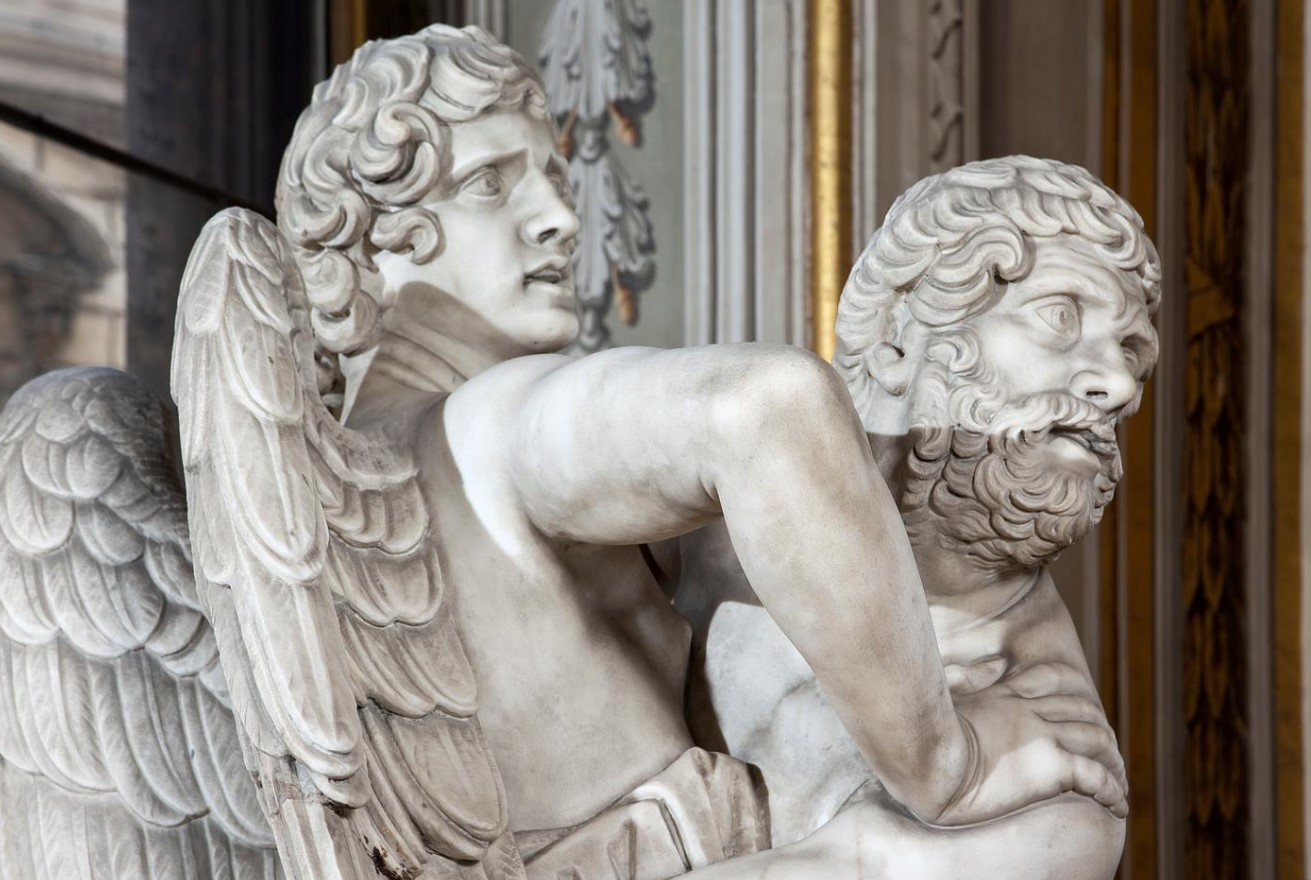
Alessandro Algardi, l’altra grande voce del Seicento
A Roma opera Alessandro Algardi, bolognese di origine e destinato a diventare uno dei principali protagonisti della scultura romana.
La sua arte presenta caratteristiche differenti rispetto alla teatralità più esuberante di Bernini, privilegiando spesso una maggiore compostezza, una particolare attenzione alla chiarezza narrativa e una raffinata eleganza delle forme.
Il suo celebre Incontro di Leone Magno con Attila, realizzato per San Pietro, dimostra quanto Algardi fosse capace di trasformare il rilievo in una narrazione complessa, nella quale la disposizione dei personaggi e la profondità dello spazio costruiscono una vera scena teatrale.
Bernini e Algardi rappresentano due diverse possibilità del Seicento romano, due linguaggi che convivono nella stessa città e che contribuiscono, proprio attraverso le loro differenze, alla straordinaria ricchezza della produzione artistica dell’epoca.

Francesco Mochi, uno scultore da riscoprire
Tra i protagonisti meno conosciuti dal grande pubblico ma fondamentali per comprendere la nascita della scultura barocca c’è Francesco Mochi, artista originale e inquieto, capace di portare nella tradizione scultorea una nuova intensità espressiva.
Le sue opere testimoniano il passaggio dalla cultura manierista verso una sensibilità nuova, nella quale il gesto, la torsione del corpo e l’espressione dei personaggi assumono una forza sempre maggiore.
Mochi rappresenta dunque uno degli anelli fondamentali attraverso i quali la scultura italiana entra nel pieno Seicento.

Stefano Maderno e la forza del silenzio
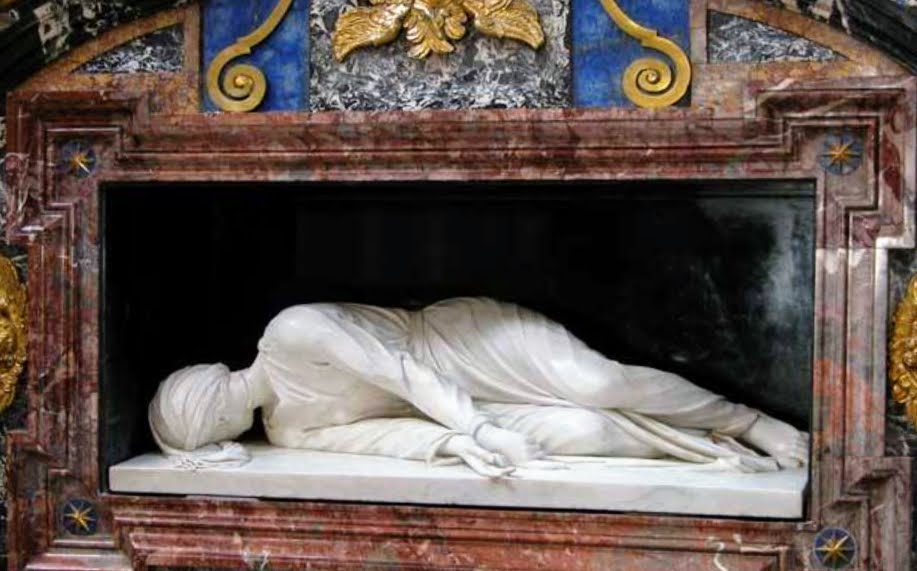
Un posto particolare spetta a Stefano Maderno, autore della celebre Santa Cecilia, conservata nella basilica romana dedicata alla santa.
Il corpo della martire è rappresentato disteso, con il volto rivolto lontano da chi osserva e una posa che comunica una sensazione di raccoglimento e vulnerabilità.
Qui il Seicento mostra un’altra delle sue possibilità: non soltanto lo spettacolo e la teatralità, ma anche il silenzio, la devozione e la contemplazione.
La morte viene trasformata in un’immagine di straordinaria intensità spirituale, capace di comunicare la dimensione religiosa dell’opera senza ricorrere a una rappresentazione eccessivamente drammatica.
Bronzo, legno, terracotta: la varietà dei materiali
La grande stagione della scultura barocca non riguarda solo il marmo come si potrebbe pensare. Gli artisti sperimentano bronzo, terracotta, stucco e legno, scegliendo ogni materiale in relazione all’effetto che desiderano ottenere.
Il bronzo permette di giocare con la luce e con superfici estremamente raffinate; la terracotta offre una libertà particolare nella progettazione delle opere; il legno, soprattutto nella produzione religiosa spagnola e italiana, viene dipinto e arricchito con materiali diversi per ottenere un realismo sorprendente.
Questa varietà dimostra quanto fosse ampia la ricerca degli artisti del Seicento, interessati non soltanto alla forma ma anche alle possibilità espressive offerte dalle diverse tecniche.
Roma, capitale della scultura barocca
Nel Seicento Roma diventa il grande centro internazionale della cultura barocca. I pontefici commissionano monumenti, altari, fontane e decorazioni monumentali, mentre le grandi famiglie aristocratiche competono attraverso palazzi, cappelle e collezioni d’arte.
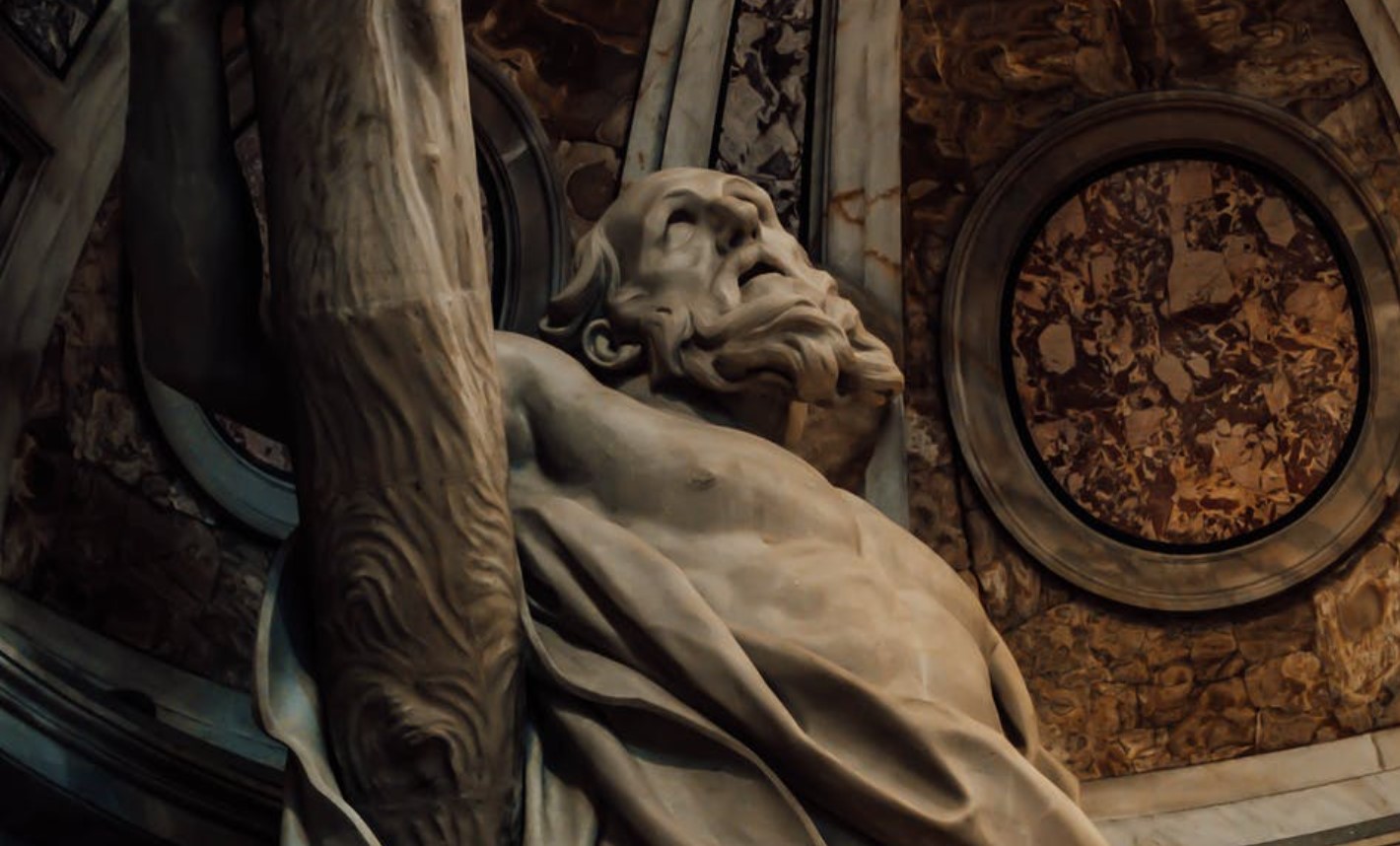
Bernini interviene in San Pietro, realizza il celebre baldacchino e progetta il grande colonnato che ancora oggi rappresenta uno dei simboli più riconoscibili della città. In questo contesto la scultura non è più un’arte separata dall’architettura: sculture, edifici, fontane, affreschi e giochi di luce vengono concepiti come parti di un unico progetto.
L‘opera d’arte entra nello spazio quotidiano e trasforma la città in un grande teatro.
Da Roma all’Europa: il trionfo del Barocco
La fama dei grandi scultori italiani supera rapidamente i confini della penisola.
Artisti provenienti dalla Francia, dalle Fiandre, dalla Spagna e da altri territori europei arrivano a Roma per studiare le opere degli italiani e confrontarsi con le nuove tendenze.
Tra questi emerge François Duquesnoy, fiammingo di nascita e romano d’adozione, celebre per la raffinatezza delle sue figure, mentre Pierre Puget porta in Francia una concezione della scultura fortemente influenzata dalla tradizione italiana e caratterizzata da una notevole intensità drammatica.
In Spagna la tradizione religiosa sviluppa invece un realismo ancora più intenso, soprattutto nella scultura lignea policroma, mentre nell’Europa centrale il linguaggio barocco entra nelle grandi chiese e diventa parte integrante della decorazione architettonica.
Il Seicento è il momento nel quale la scultura barocca diventa davvero europea.
I giganti del Barocco
Bernini, Algardi, Mochi, Maderno, Duquesnoy, Puget e molti altri hanno costruito uno dei capitoli più straordinari della storia dell’arte, trasformando la scultura in un linguaggio capace di dialogare con architettura, pittura, luce e spazio.
Alcuni sono diventati celebri in tutto il mondo, altri sono rimasti per lungo tempo nell’ombra, ma ciascuno ha contribuito alla nascita di una nuova idea di scultura, nella quale la tecnica non è mai fine a se stessa e la bellezza diventa uno strumento per raccontare qualcosa di profondamente umano.

Il tempo passa ma non passa la capacità degli scultori del Barocco di destare ancora meraviglia.
Per il momento il sempre vostro Michelangelo Buonarroti vi saluta dandovi appuntamento ai prossimi post e sui social.


Giants of the Baroque: The Great Sculptors of the 17th Century
From Gian Lorenzo Bernini to Alessandro Algardi, from Francesco Mochi to Stefano Maderno: Baroque sculpture boasts its own masters.
A hand realistically depicting the pressure exerted on flesh, a face capturing a fleeting moment of suffering, a garment that seems to retain the lightness of the fabric, and a lock of hair rendered with such precision it appears stirred by the air—this is the Baroque, revealed through the stories told by sculpture.
Baroque sculpture represents one of the most significant artistic revolutions of the 17th century, a time when artists began to conceive their works not merely as isolated figures, but as genuine narratives capable of engaging the viewer through gestures, expressions, light, material, and space.
In the 17th century, sculpture became storytelling, theater, and spectacle. Artists sought to evoke the softness of skin, the texture of hair, the weight of fabrics, and even the fragility of the human body; meanwhile, light became an integral part of the composition, and the surrounding environment took on a whole new level of importance.
At the heart of this extraordinary era lay Rome, destined to become the great international laboratory of the Baroque. It was a city where popes, cardinals, aristocratic families, and religious orders commissioned monumental works from artists to celebrate their faith, power, and prestige.
It was in Rome that some of the greatest sculptors of the 17th century emerged—men who, while not all born in the Eternal City, owed their fame to it. Gian Lorenzo Bernini, the giant of the Baroque
When discussing Baroque sculpture, the first name that comes to mind is Gian Lorenzo Bernini. Born in Naples in 1598, he moved to Rome at a very young age, where he would go on to become one of the most influential artists in the entire history of Western art.
Bernini was also an architect, painter, draftsman, and set designer—an artist capable, like few others, of grasping the psychology of his subjects and the relationship between the artwork and its setting.
He knew how to transform mythological and religious episodes into something theatrical and majestic, yet full of life. In Apollo and Daphne, for instance, Bernini selects the climactic moment of the young woman’s metamorphosis: her human body is turning into bark, her hair is transforming into leaves, and her fingers are taking on the shape of small branches.
The material itself seems to change nature before the viewer’s eyes.
In David, by contrast, the artist eschews the idealized hero, presenting the young man at the moment of peak concentration—body taut, face determined—to create a figure that seems to exist in direct relation to the person standing before it.
Even more astonishing is The Rape of Proserpina, a work in which Bernini reaches one of the absolute zeniths of sculptural virtuosity.
Pluto’s fingers appear to sink into the young woman’s thigh; this seemingly impossible detail has become one of the most celebrated symbols of the artist’s extraordinary technical skill.
The great innovation of the seventeenth century
The virtuosity of the great seventeenth-century sculptors lies not merely in the ability to faithfully reproduce a person’s appearance. Their goal is far more ambitious: to make a story credible through the medium itself.
A face must convey what the character is experiencing; a hand must suggest a dynamic of strength or tenderness; A garment must convey the texture of the fabric; a body must express tension, surrender, fear, or desire without the need for words.
To achieve these results, artists experiment with various surface treatments, alternating perfectly smooth areas with rougher ones and creating contrasts that react differently to light.
Sculpture becomes an art form in which technique, lighting, and composition work in unison.
Alessandro Algardi: The Other Great Voice of the 17th Century
Alessandro Algardi was active in Rome; a native of Bologna, he was destined to become a leading figure in Roman sculpture.
His art differs from the more exuberant theatricality of Bernini, often favoring greater composure, a keen focus on narrative clarity, and an elegant refinement of form.
His celebrated Meeting of Leo the Great and Attila, created for St. Peter’s Basilica, demonstrates Algardi’s ability to transform a relief into a complex narrative, where the arrangement of figures and the depth of space create a genuine theatrical scene.
Bernini and Algardi represent two distinct approaches within 17th-century Rome—two artistic languages that coexisted in the same city and contributed, precisely through their differences, to the extraordinary richness of the era’s artistic output.
Francesco Mochi: A Sculptor to Be Rediscovered
Among the figures less known to the general public pivotal figures for understanding the birth of Baroque sculpture is Francesco Mochi—an original, restless artist capable of bringing a new expressive intensity to the sculptural tradition.
His works bear witness to the transition from Mannerist culture toward a new sensibility, in which gesture, bodily torsion, and the figures’ expressions take on ever-greater power.
Mochi thus represents a crucial link in the evolution of Italian sculpture as it fully enters the seventeenth century.
Stefano Maderno and the power of silence
A special place belongs to Stefano Maderno, creator of the famous Saint Cecilia, housed in the Roman basilica dedicated to the saint.
The martyr’s body is depicted lying down, her face turned away from the viewer, in a pose that conveys a sense of inwardness and vulnerability.
Here, the seventeenth century reveals another facet of its potential: not merely spectacle and theatricality, but also silence, devotion, and contemplation.
Death is transformed into an image of extraordinary spiritual intensity, capable of conveying the work’s religious dimension without resorting to overly dramatic representation.
Bronze, wood, terracotta: a variety of materials
The great era of Baroque sculpture was not limited to marble, as one might assume. Artists experimented with bronze, terracotta, stucco, and wood, selecting each material based on the desired effect.
Bronze allowed for playing with light and creating highly refined surfaces; terracotta offered unique freedom in the design process; and wood—particularly in Spanish and Italian religious art—was painted and embellished with various materials to achieve astonishing realism.
This variety demonstrates the breadth of exploration undertaken by seventeenth-century artists, who were interested not only in form but also in the expressive possibilities offered by different techniques.
Rome, Capital of Baroque Sculpture
In the 17th century, Rome became the major international hub of Baroque culture. Popes commissioned monuments, altars, fountains, and monumental decorations, while great aristocratic families vied for prestige through their palaces, chapels, and art collections.
Bernini worked on St. Peter’s Basilica, creating the famous baldachin and designing the grand colonnade that remains one of the city’s most recognizable symbols to this day. In this context, sculpture was no longer an art form separate from architecture; sculptures, buildings, fountains, frescoes, and plays of light were conceived as parts of a unified project.
Works of art entered everyday spaces, transforming the city into a vast theater.
From Rome to Europe: The Triumph of the Baroque
The renown of great Italian sculptors quickly spread beyond the borders of the peninsula.
Artists from France, Flanders, Spain, and other European regions flocked to Rome to study the works of Italian masters and engage with these new trends.
Among them was François Duquesnoy—Flemish by birth but Roman by adoption—celebrated for the refinement of his figures; meanwhile, Pierre Puget brought to France a sculptural style strongly influenced by the Italian tradition yet characterized by remarkable dramatic intensity.
In Spain, the religious tradition fostered an even more intense realism, particularly in polychrome wood sculpture, while in Central Europe, the Baroque style found its way into great churches, becoming an integral part of architectural decoration.
The 17th century was the era when Baroque sculpture truly became a European phenomenon. The Giants of the Baroque
Bernini, Algardi, Mochi, Maderno, Duquesnoy, Puget, and many others crafted one of the most extraordinary chapters in art history, transforming sculpture into a language capable of engaging in a dialogue with architecture, painting, light, and space.
Some achieved worldwide fame while others long remained in the shadows, yet each contributed to the birth of a new concept of sculpture—one where technique is never an end in itself, and beauty becomes a means to express something profoundly human.
Time passes, but the ability of Baroque sculptors to still inspire wonder endures.
For now, your ever-faithful Michelangelo Buonarroti bids you farewell, looking forward to seeing you in future posts and on social media.

Sostienici – Support Us
Se questo blog ti piace e ti appassiona, puoi aiutarci a farlo crescere sempre più sostenendoci in modo concreto condividendo i post, seguendo le pagine social e con un contributo che ci aiuta ad andare avanti con il nostro lavoro di divulgazione. . ENGLISH: If you like and are passionate about this blog, you can help us make it grow more and more by supporting us in a concrete way by sharing posts, following social pages and with a contribution that helps us to move forward with our dissemination work.
10,00 €
Condividi:


Questo sono io




sostienici

Sostienici - Support Us
Se questo blog ti piace e ti appassiona, puoi aiutarci a farlo crescere sempre più sostenendoci in modo concreto condividendo i post, seguendo le pagine social e con un contributo che ci aiuta ad andare avanti con il nostro lavoro di divulgazione. . ENGLISH: If you like and are passionate about this blog, you can help us make it grow more and more by supporting us in a concrete way by sharing posts, following social pages and with a contribution that helps us to move forward with our dissemination work.
€10,00


