
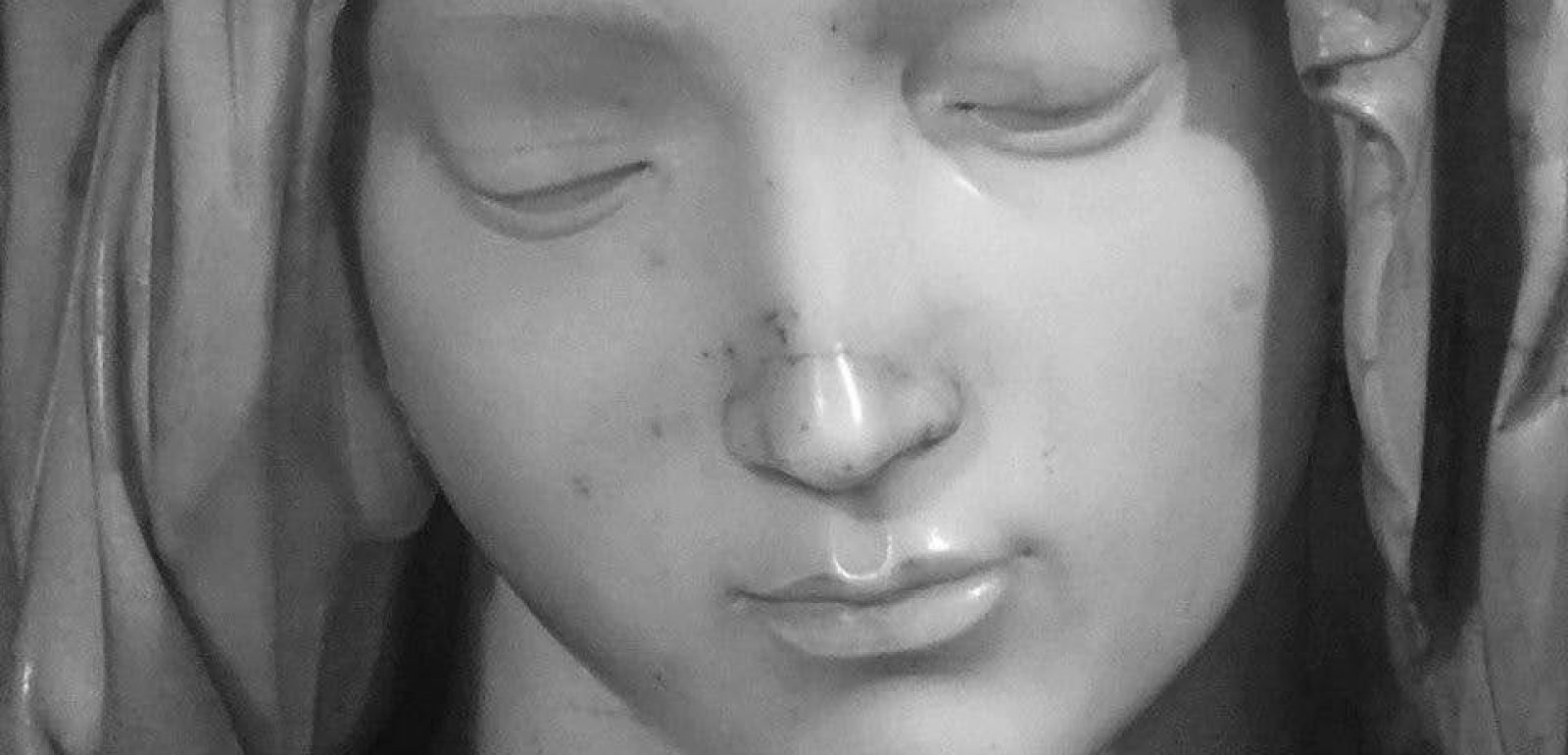
20 febbraio 1564: il primo funerale dei tre che ebbi
Il 20 febbraio del 1564 vennero celebrate le prime esequie delle tre che ebbi. Furono infatti tre i funerali con i quali venni omaggiato nel corso dell’anno.
Il primo fu fatto in forma assai riservata il 20 febbraio del 1564 presso la chiesa dei Santi Apostoli a Roma, il secondo invece fu quello con cui mi omaggiarono quando le spoglie giunte a Firenze vennero traslate da San Pier Maggiore a Santa Croce, l’11 marzo. L’ultimo ebbe luogo con una festosa cerimonia il 14 luglio presso la Basilica di San Lorenzo.
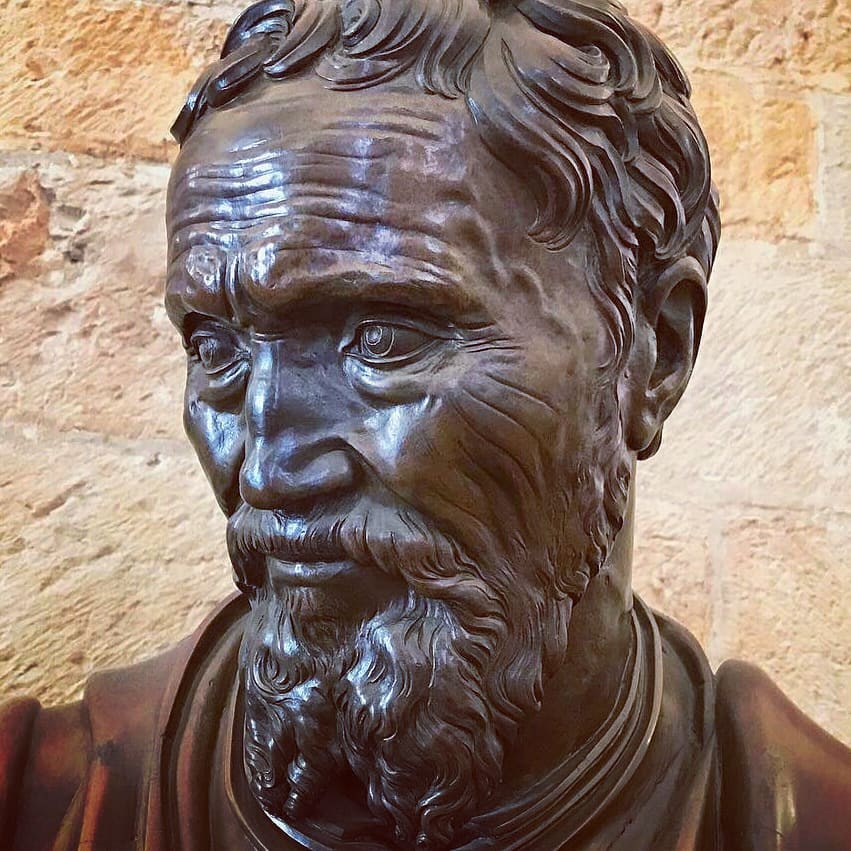
Mentre nella chiesa romana dei Santi Apostoli il feretro era accompagnato solo gli amici più cari e i garzoni maggiormente devoti, il secondo funerale fiorentino, sebbene ancora lontano dai fasti di quello di luglio, fu molto partecipato da una gran folla di curiosi.
Gli Accademici del Disegno avevano pensato di portare segretametne la bara di notte, con la complicità delle tenebre, in Santa Croce ma le voci si sa, corrono in fretta. Così poco a poco la basilica di santa Croce si riempì di persone e poco a poco anche le strade attigue.
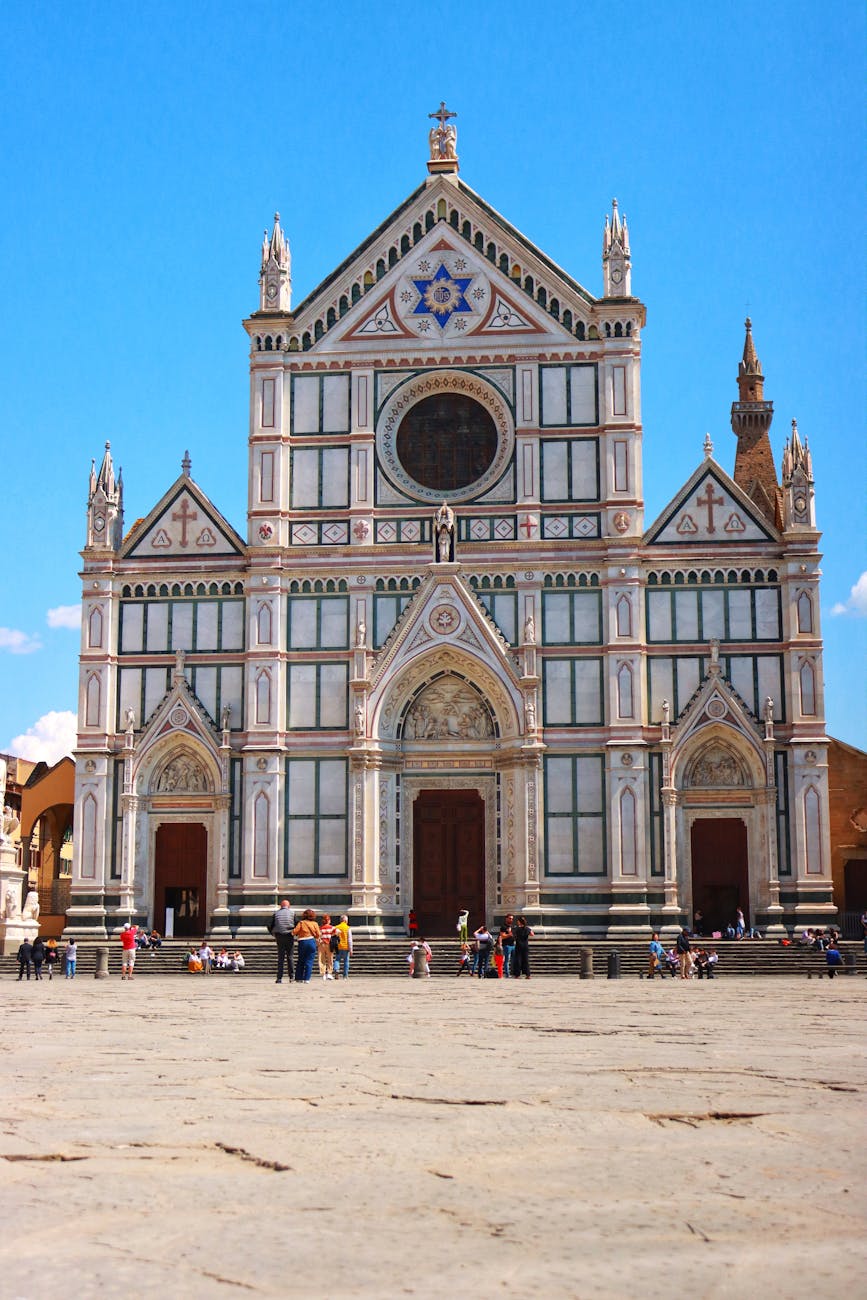
Gli artisti che portavano a spalla la bara, circondati da ragazzi con le fiaccole accese, fecero una gran fatica ad aprirsi un varco per passare fra tutte quelle persone accorse per rendermi omaggio.
Nella chiesa dei Santi Apostoli a Roma, quella del primo funerale, rimasi ben poco ovvero fino al 7 marzo, quando il corriere che era solito portarmi i doni e quanto acquistavo a Firenze tramite Lionardo, su ordine dello stesso mi caricò sopra una cassa rivestita di piombo e partimmo alla volta di Firenze.
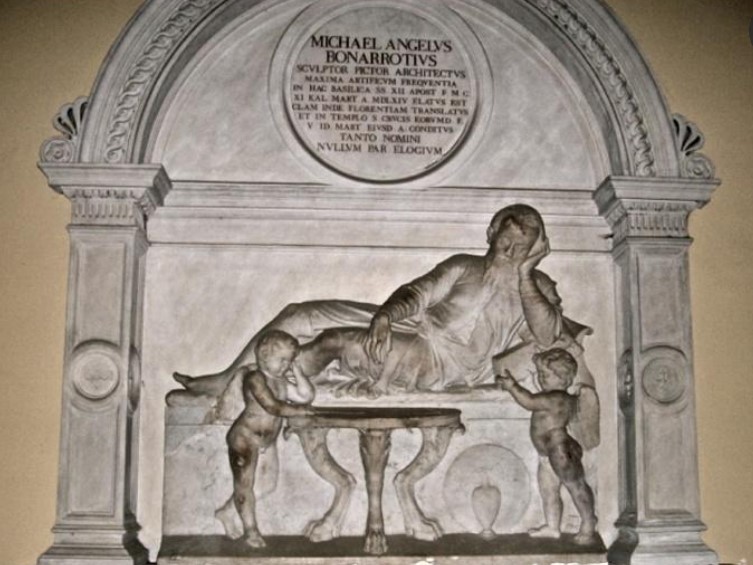
Quella sosta però mi valse un monumento funebre, realizzato tempo dopo da Giacomo del Duca che da me aveva appreso molto nel corso degli ultimi anni e fu anche mio collaboratore nella realizzazione di Porta Pia.
Per il momento il sempre vostro Michelangelo Buonarroti vi saluta dandovi appuntamento ai prossimi post e sui social.
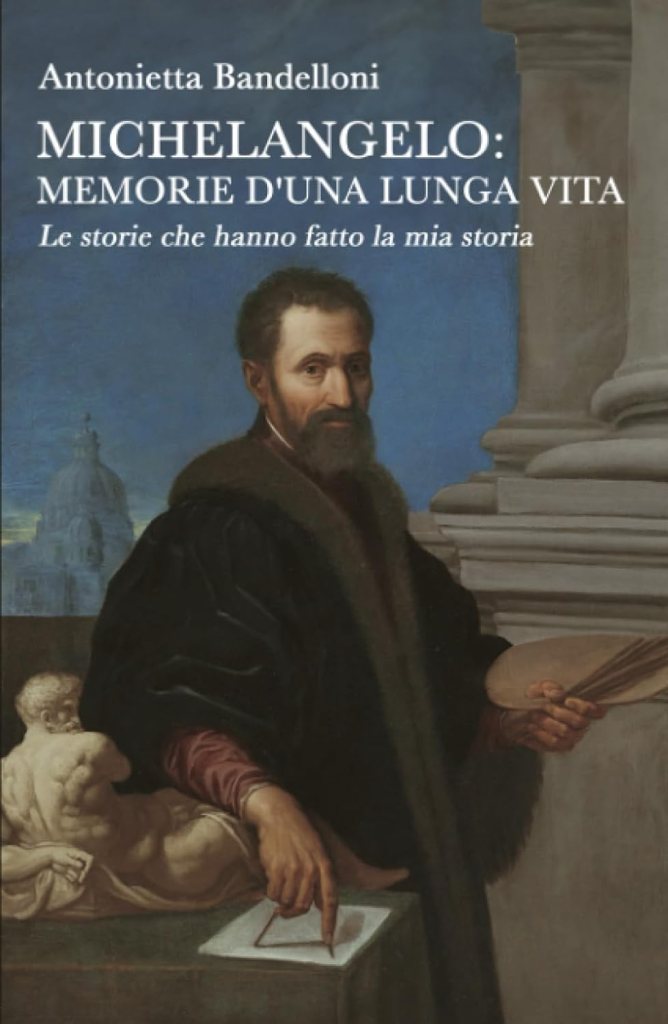
February 20, 1564: my first funeral of the three I had
On February 20, 1564, my first of the three funerals I had were celebrated. In fact, there were three funerals with which I was honored over the course of the year.
The first was celebrated in a very confidential manner on 20 February 1564 at the church of the Santi Apostoli in Rome, while the second was the one with which they honored me when the remains that arrived in Florence were moved from San Pier Maggiore to Santa Croce , on March 11th and the last one took place with a festive ceremony on July 14th at the Basilica of San Lorenzo.
While only the closest friends and the most devoted servants accompanied the coffin to the Roman church of the Santi Apostoli, the second Florentine funeral, although still far from the splendor of the one in July, was also well attended by a large crowd of onlookers.
The Academics of Design had thought of carrying the coffin secretly at night, with the complicity of darkness, to Santa Croce but, as we know, rumors spread quickly. So little by little the Basilica of Santa Croce filled with people and little by little the surrounding streets too.
The artists who carried the coffin on their shoulders, surrounded by boys with lit torches, had a great effort to open a path to pass among all those people who had come to pay homage to me.
In the church of the Santi Apostoli in Rome, the one of the first funeral, I remained very little, that is, until March 7, when the courier who used to bring me the gifts and what I purchased in Florence through Lionardo, on his orders, loaded me onto a coffin covered with lead and we left for Florence.
That stop, however, earned me a funerary monument, created some time later by Giacomo del Duca who had learned a lot from me over the last few years and was also my collaborator in the creation of Porta Pia.
For the moment, your always Michelangelo Buonarroti greets you and will meet you in the next posts and on social media.

Sostienici – Support Us
Se questo blog ti piace e ti appassiona, puoi aiutarci a farlo crescere sempre più sostenendoci in modo concreto condividendo i post, seguendo le pagine social e con un contributo che ci aiuta ad andare avanti con il nostro lavoro di divulgazione. . ENGLISH: If you like and are passionate about this blog, you can help us make it grow more and more by supporting us in a concrete way by sharing posts, following social pages and with a contribution that helps us to move forward with our dissemination work.
8,00 €
-
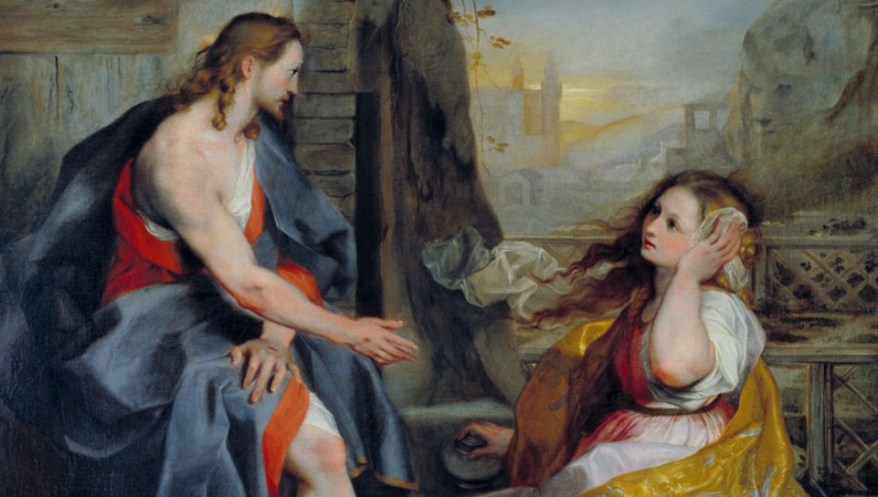
Noli me tangere di Federico Barocci: il capolavoro agli Uffizi che racconta l’incontro più emozionante dopo la Resurrezione
🇮🇹Nel Noli me tangere di Federico Barocci Maria Maddalena riconosce Cristo risorto e prova a toccarlo. Ma lui la ferma… 🇬🇧In Federico Barocci’s Noli Me Tangere, Mary Magdalene recognizes the risen Christ and tries to touch him. But he stops her…
-
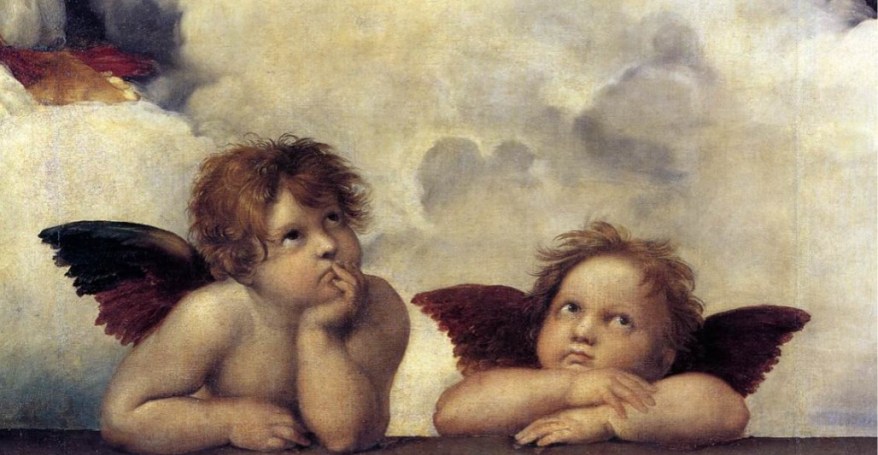
6 aprile 1520: la morte di Raffaello Sanzio e la nascita di un mito immortale
🇮🇹“Qui giace Raffaello: da lui, quando visse, la natura temette d’essere vinta, ora che egli è morto, teme di morire”. Il 6 aprile 1520 Raffaello morì a soli 37 anni… 🇬🇧“Here lies Raphael: when he lived, nature feared to be conquered by him, now that he is dead, she fears to die.” On April 6,…
-
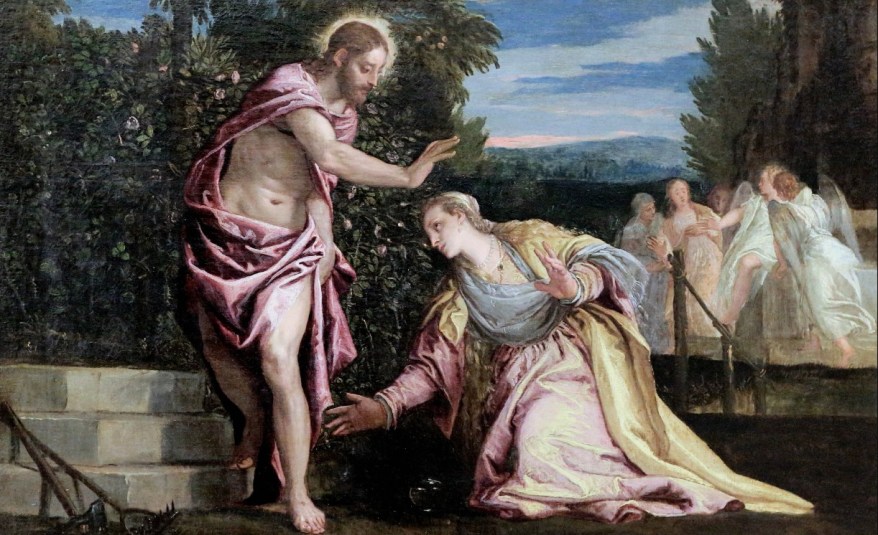
Pasquetta, tra spiritualità e arte: il significato del Lunedì dell’Angelo e i capolavori del “Noli me tangere”
🇮🇹Il Lunedì dell’Angelo racchiude uno dei momenti più intensi del Vangelo: l’incontro tra Gesù risorto e Maria Maddalena, raccontato nel celebre “Noli me tangere”. Un episodio che nei secoli ha ispirato artisti straordinari, dando vita a opere cariche di emozione, spiritualità e bellezza. .. 🇬🇧Easter Monday encompasses one of the most intense moments in the…
Condividi:


Questo sono io





sostienici

Sostienici – Support Us
Se questo blog ti piace e ti appassiona, puoi aiutarci a farlo crescere sempre più sostenendoci in modo concreto condividendo i post, seguendo le pagine social e con un contributo che ci aiuta ad andare avanti con il nostro lavoro di divulgazione. . ENGLISH: If you like and are passionate about this blog, you can help us make it grow more and more by supporting us in a concrete way by sharing posts, following social pages and with a contribution that helps us to move forward with our dissemination work.
€10,00


