

Porta Pia e gli attrezzi del barbiere
Porta Pia a Roma non è nota perché la realizzai io ma per ben altri fatti storici. Chi non ha mai sentito parlare di quel 20 settembre del 1870 e della presa di Roma?
Il progetto di Porta Pia mi venne commissionata da papa Pio IV fra il 1561 e il 1565, se non mi trae in inganno la mia memoria talvolta fallace per i troppi anni sul groppone. Avrebbe dovuto sostituire la vecchia porta Nomentana che si trovava più spostata verso est.
Proposi al pontefice tre differenti disegni e alla fine, senza pensarci troppo su, scelse il meno costoso. Il Vasari scrisse che i progetti della porta erano “tutti stravaganti e bellissimi“.
A ottantacinque anni suonati ancora ero attivo e capace di creare ancora cose pregevolissime. L’impatto estetico attuale di Porta Pia è un po’ alterato rispetto alla mia idea originale a causa di alcune modifiche apportate in epoche successive.
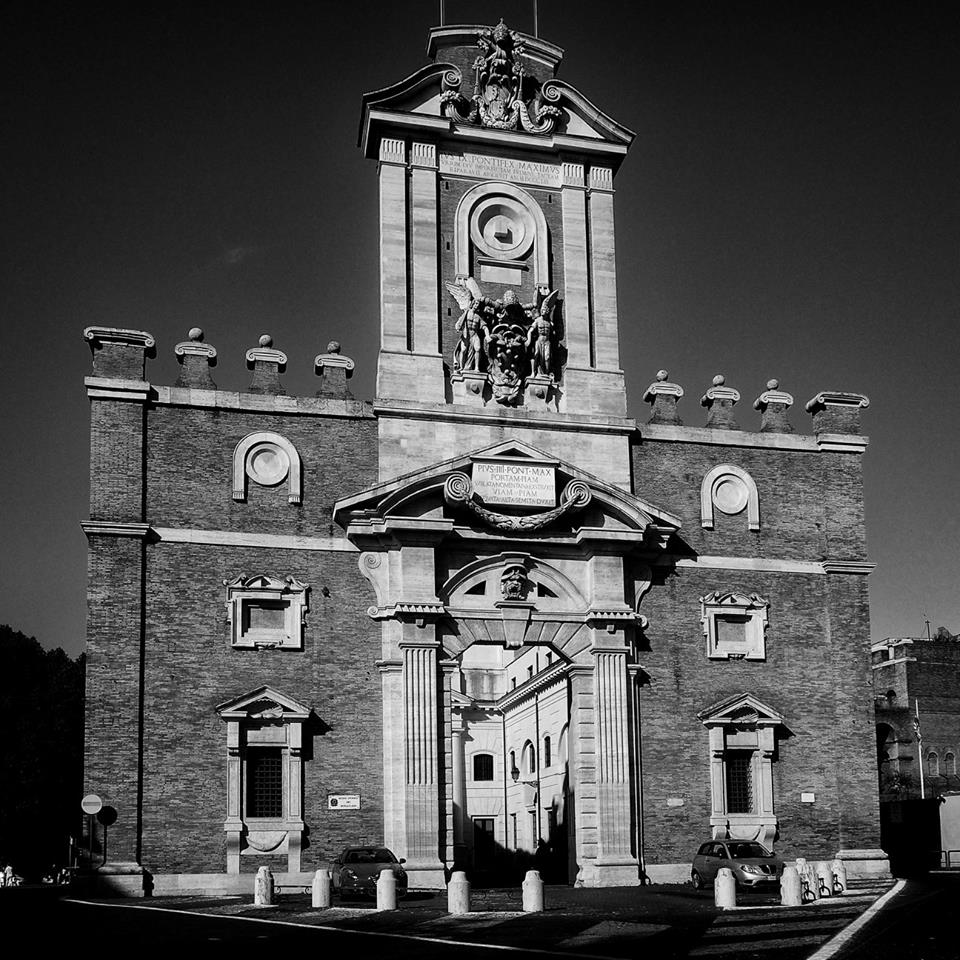
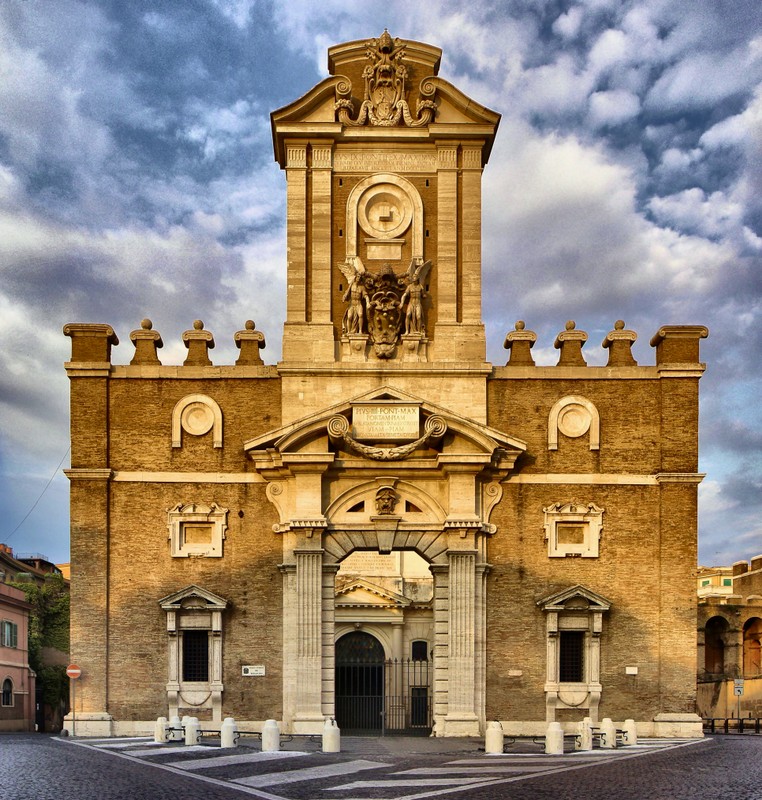
Guardate le decorazioni che inserii nella facciata rivolta verso la città. Si vocifera che avessi voluto raffigurare in qualche modo bacinelle e asciugamani con frange disposti sopra dei saponi rotondeggianti. Per quale motivo? Ebbene, il committente papa Pio IV era un Medici ma era assai nota la sua non appartenenza alla casata fiorentina. Discendeva invece da una facoltosa famiglia di barbieri milanesi e pare che io abbia voluto sottolineare questa sua discendenza con questo escamotage. Certo è che non sarebbe stata una novità: le vendette artistiche erano per me pane quotidiano.
C’è anche chi dice che sotto la finestra destra ci sia una figura incompiuta che pare m’assomigli parecchio.
Il sempre vostro Michelangelo Buonarroti che dopo aver bevuto il quinto caffè corretto della giornata si siede a meditare su una spalletta dell’Arno.
Porta Pia and the tools of the barber
Porta Pia in Rome is not known because I made it for myself but for other historical facts. Who has never heard of that September 20 of 1870 and of the capture of Rome?
The project of Porta Pia was commissioned by Pope Pius IV between 1561 and 1565, if my memory, sometimes misleading for too many years on the rump, does not deceive me. It should have replaced the old Nomentana gate, which was more displaced towards the east.
I proposed to the pontiff three different designs and in the end, without thinking too much about it, he chose the least expensive. Vasari wrote that the door projects were “all extravagant and beautiful”.
At eighty-five years of age I was still active and able to create still very valuable things. The current aesthetic impact of Porta Pia is a little altered compared to my original idea due to some changes made in later periods.
Look at the decorations that I inserted into the facade facing the city. It is rumored that I wanted to portray some kind of basins and towels with fringes placed on round soaps. For what reason? Well, the client Pope Pius IV was a Medici but his non belonging to the Florentine family was well known. Instead he was descended from a wealthy family of Milanese barbers and it seems that I wanted to underline this lineage with this ploy. What is certain is that it would not have been a novelty: artistic vendettas were my daily bread.
There are also those who say that under the right window there is an unfinished figure that looks a lot like me.
Your always Michelangelo Buonarroti who, after drinking the fifth correct coffee of the day, sits down to meditate on the banks of the Arno.

Sostienici – Support Us
Se questo blog ti piace e ti appassiona, puoi aiutarci a farlo crescere sempre più sostenendoci in modo concreto condividendo i post, seguendo le pagine social e con un contributo che ci aiuta ad andare avanti con il nostro lavoro di divulgazione. . ENGLISH: If you like and are passionate about this blog, you can help us make it grow more and more by supporting us in a concrete way by sharing posts, following social pages and with a contribution that helps us to move forward with our dissemination work.
5,00 €
ULTIMI ARTICOLI
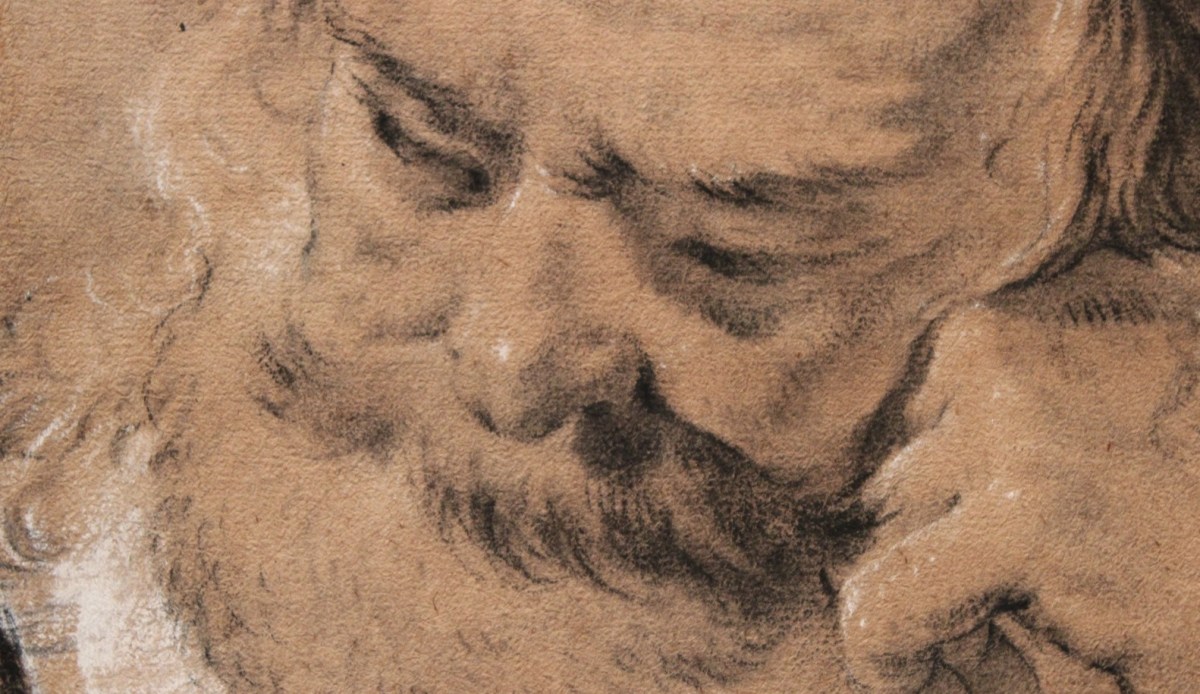
Giovanni Battista Piazzetta, il vecchio che sembra vivo: la poesia in un disegno
🇮🇹Una testa, una barba, due mani e una luce straordinaria: nella Testa di vecchio, Piazzetta trasforma gesso bianco e nero e carta bruna in un’immagine di incredibile intensità… 🇬🇧A head, a beard, two hands, and extraordinary light: in *Head of an Old Man*, Piazzetta transforms black and white chalk and brown paper into an image…
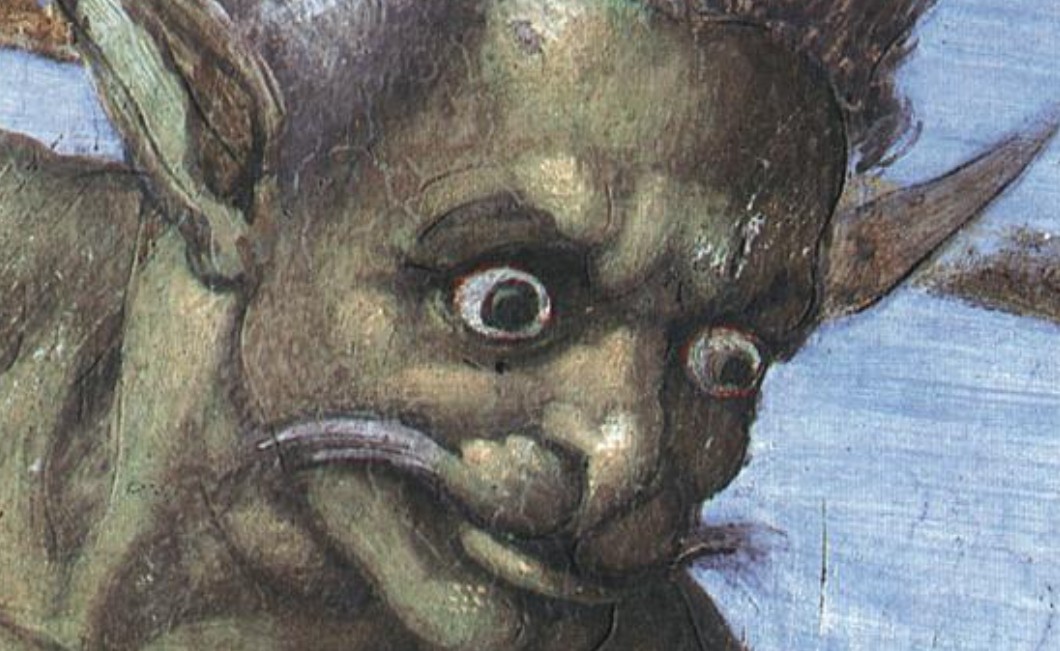
La firma nascosta nel Giudizio Universale: chi ha firmato sul remo di Caronte?
🇮🇹Sapete che nel Giudizio Universale c’è una firma non mia e che si trova proprio sul remo di Caronte?… 🇬🇧Did you know that in the *Last Judgment* there is a signature that isn’t mine, and that it is located right on Charon’s oar?…
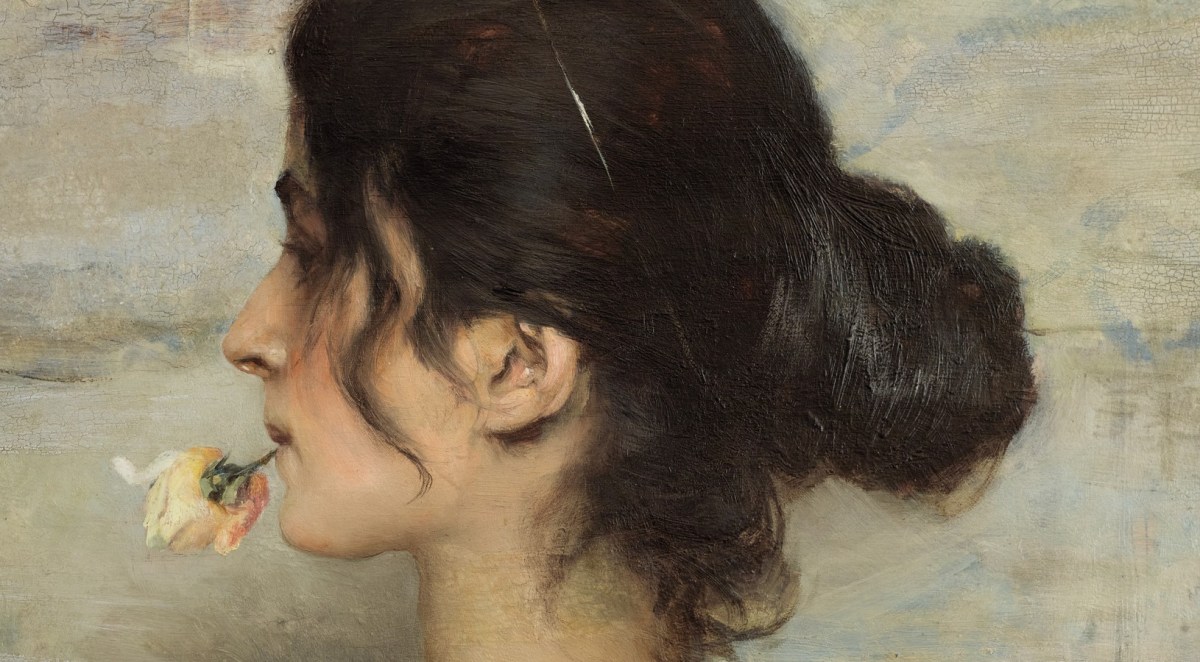
VANITAS a Ferrara: i fiori non sono mai stati così belli e inquietanti
🇮🇹VANITAS a Ferrara: oltre 40 opere da Hayez a Casorati raccontano fiori, bellezza, morte e simboli. La mostra apre l’8 ottobre 2026 e prosegue fino al 31 gennaio 2027… 🇬🇧VANITAS in Ferrara: over 40 works ranging from Hayez to Casorati explore themes of flowers, beauty, death, and symbolism. The exhibition opens on October 8, 2026,…
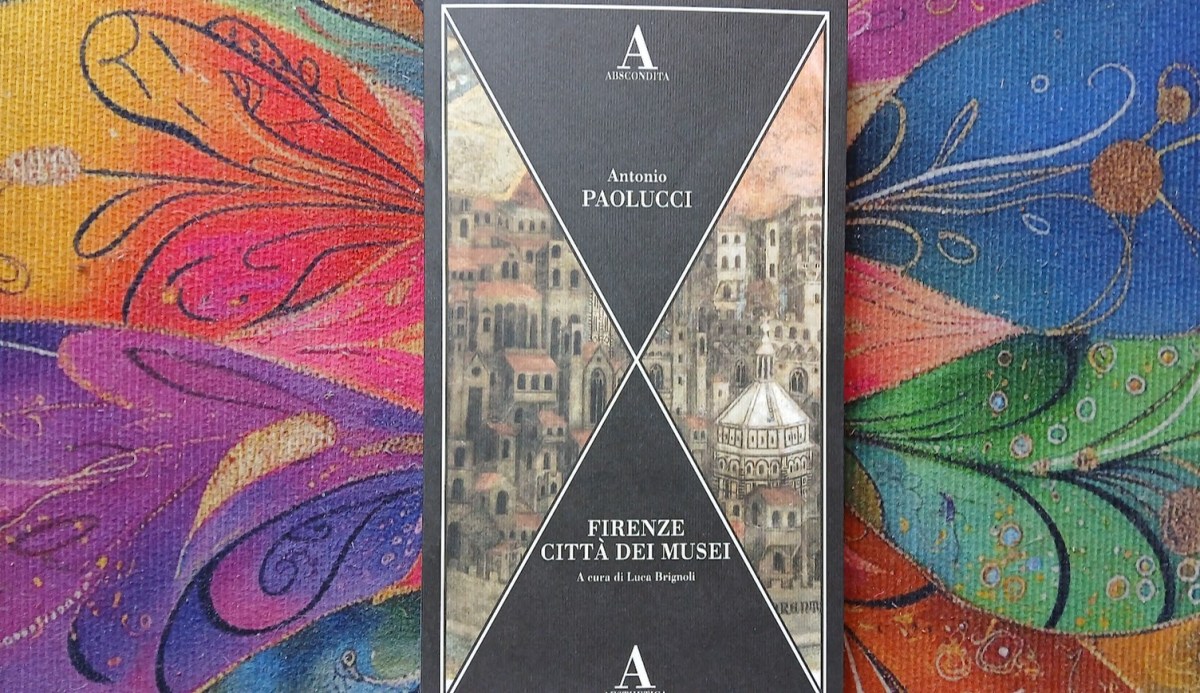
Firenze, i musei e Antonio Paolucci: il libro che ci fa rimpiangere una città perduta
‘Firenze città dei musei’ raccoglie 28 testi di Antonio Paolucci: Uffizi, Bargello, San Marco, Perseo, alluvione del 1966 e la Firenze dei musei prima di turismo di massa non più sostenibile…
Si è verificato un problema. Aggiorna la pagina e/o riprova in seguito.
Condividi:


Questo sono io




sostienici

Sostienici – Support Us
Se questo blog ti piace e ti appassiona, puoi aiutarci a farlo crescere sempre più sostenendoci in modo concreto condividendo i post, seguendo le pagine social e con un contributo che ci aiuta ad andare avanti con il nostro lavoro di divulgazione. . ENGLISH: If you like and are passionate about this blog, you can help us make it grow more and more by supporting us in a concrete way by sharing posts, following social pages and with a contribution that helps us to move forward with our dissemination work.
€10,00


Ms. Buonarroti la spalletta dell’Arno non e “unna”, ma una. Con simpatia.
"Mi piace"Piace a 1 persona
E’ il caffè corretto che mi frega sempre 😉
"Mi piace""Mi piace"
Non mi permetto commentare, ma e
scontato succede a molti.
"Mi piace""Mi piace"
Da porta pia inizia la Nomentana, strada che prende il nome dall’antica Nomentum, l’odierna Mentana, mio amato luogo natio ❤️🌈
"Mi piace"Piace a 1 persona
:-*
"Mi piace""Mi piace"