

Stanza Segreta: lo studio della testa del Laocoonte per il San Cosma
La Stanza Segreta è ricca di disegni, alcuni di mano mia, altri di attribuzione più incerta.
Fra quelli riconducibili a me c’è senza dubbio lo studio della testa del Laocoonte o meglio, la testa che ideai per il San Cosma con chiari riferimenti a quella della celeberrima scultura riemersa dal terreno si una vigna nei pressi del Colosseo, a Roma, nel gennaio del 1506

Omero narra che a Rodi due abili scultori avessero realizzato, in memoria di questa leggenda, una scultura apprezzata da tutto il mondo allora conosciuto. Ne parlò anche Plinio mettendo in luce il fatto che l’imperatore Tito l’avesse comprata e fatta trasportare fino al centro dell’impero: Roma.
Ebbi modi di assistere a quel ritrovamento di persona. Quando dalla terra riemersero le prime spire dei serpenti, Papa Giulio II mi mandò a chiamare. In quel momento ero da poco rientrato da Carrara ed ero andato a trovare a casa il Sangallo.

La potenza di quell’opera, la sua espressività e quei corpi contorti furono per me di grande insegnamento. Negli anni a seguire mi capitò più volte di pensare a quella scultura quando ero alle prese con nuove opere da realizzare.
Dovendo dar forma al San Cosma per la Sagrestia Nuova, ubicata proprio al di sopra della Stanza Segreta, mi ritornò in mente il viso del sacerdote. Come ebbe modo di scrivere il Vasari nelle vite, ebbi sempre una memoria formidabile. Mi bastava vedere un’opera una sola volta per ricordarne a menadito le fattezze.

Di quell’opera che affidai poi al Montorsoli, non solo avevo tracciato nell Stanza Segreta il capo ma ne avevo realizzato pure un modello in terra cruda che poi finì fra le cose mie possedute dal Vasari.
Tanto era bella la testa del San Cosma che il Vasari scrisse “Ella riuscì poi ottima figura, e la migliore che facesse”.
Purtroppo però, se avessi scolpito io la testa del Santo avrebbe avuto un’intensità molto diversa da quella che non seppe imprimergli il Montorsoli.

Mentre il disegno e probabilmente il modello lodato dal Vasari avevano una bellezza e una forza tutta loro, lo scultore che la realizzò la sminuì non poco.
Per il momento il vostro Michelangelo Buonarroti vi saluta dandovi appuntamento ai prossimi post e sui social.

Secret Room. the study of the head of Laocoon for Saint Cosmas
The Secret Room is full of drawings, some by me, others of more uncertain attribution.
Among those that can be traced back to me there is undoubtedly the study of the head of the Laocoön or rather, the head that I designed for San Cosmas with clear references to that of the famous sculpture that re-emerged from the ground in a vineyard near the Colosseum, in Rome, in January 1506.
Homer narrates that in Rhodes two skilled sculptors had created, in memory of this legend, a sculpture appreciated by the entire known world of the time. Pliny also spoke about it, highlighting the fact that the emperor Titus had bought it and had it transported to the center of the empire: Rome.
I had opportunities to witness that discovery in person. When the first coils of snakes re-emerged from the earth, Pope Julius II sent for me. At that moment I had recently returned from Carrara and went to visit Sangallo at home.
The power of that work, its expressiveness and those contorted bodies were of great teaching to me. In the following years I happened to think of that sculpture several times when I was struggling with new works to create.
Having to give shape to Saint Cosmas for the New Sacristy, located right above the Secret Room, the priest’s face came to mind. As Vasari wrote in his lives, I always had a formidable memory. It was enough for me to see a work just once to remember its features by heart.
Of that work which I then entrusted to Montorsoli, not only had I traced the head in the Secret Room but I had also created a clay model which then ended up among my things owned by Vasari.
The head of Saint Cosmas was so beautiful that Vasari wrote “She then made an excellent impression, and the best she made”.
Unfortunately, however, if I had sculpted the Saint’s head it would have had a very different intensity from that which Montorsoli was unable to give it.
While the design and probably the model praised by Vasari had a beauty and strength all their own, the sculptor who created it diminished it quite a bit.
For the moment, your Michelangelo Buonarroti greets you and will meet you in future posts and on social media.

Sostienici – Support Us
Se questo blog ti piace e ti appassiona, puoi aiutarci a farlo crescere sempre più sostenendoci in modo concreto condividendo i post, seguendo le pagine social e con un contributo che ci aiuta ad andare avanti con il nostro lavoro di divulgazione. . ENGLISH: If you like and are passionate about this blog, you can help us make it grow more and more by supporting us in a concrete way by sharing posts, following social pages and with a contribution that helps us to move forward with our dissemination work.
8,00 €
-
Festival La Versiliana 2026: tra musica, teatro e grandi narrazioni
Dal 17 luglio al 23 agosto 2026, la pineta di Marina di Pietrasanta ospiterà la 47ª edizione del Festival La Versiliana. Una kermesse aperta a tutti nella quale linguaggi diversi dialogano tra loro in un equilibrio tra tradizione e contemporaneità.
-
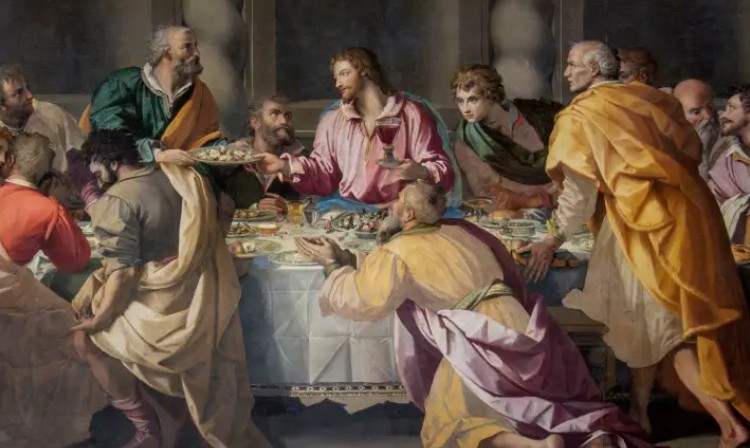
Giovedì Santo: l’Ultima Cena di Allori che pochi conoscono a Firenze
🇮🇹Nel cuore di Museo di Santa Maria Novella, a Firenze, si conserva una delle interpretazioni più affascinanti e meno note dell’Ultima Cena: quella realizzata da Alessandro Allori nel 1584… 🇬🇧In the heart of the Santa Maria Novella Museum in Florence, one of the most fascinating and least-known interpretations of the Last Supper is preserved: the…
-
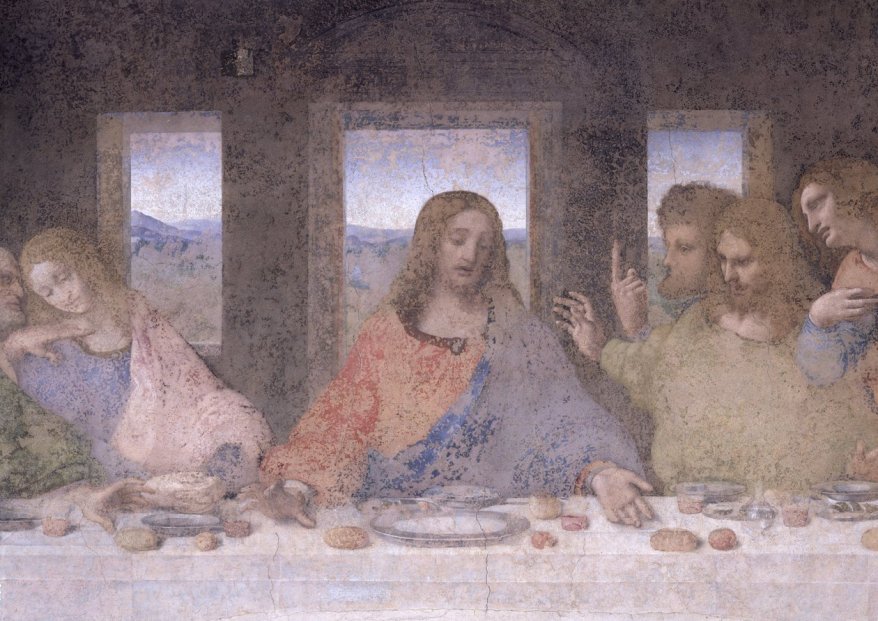
Cenacolo di Leonardo: i dettagli che raccontano il tradimento
🇮🇹Nel Cenacolo di Leonardo da Vinci, custodito a Santa Maria delle Grazie, Cristo annuncia il tradimento e il tempo si ferma… 🇬🇧In Leonardo da Vinci’s Last Supper, housed in Santa Maria delle Grazie, Christ announces the betrayal and time stands still…
Condividi:


Questo sono io





sostienici

Sostienici – Support Us
Se questo blog ti piace e ti appassiona, puoi aiutarci a farlo crescere sempre più sostenendoci in modo concreto condividendo i post, seguendo le pagine social e con un contributo che ci aiuta ad andare avanti con il nostro lavoro di divulgazione. . ENGLISH: If you like and are passionate about this blog, you can help us make it grow more and more by supporting us in a concrete way by sharing posts, following social pages and with a contribution that helps us to move forward with our dissemination work.
€10,00


1 commento »