
Genova: la Fontana del Nettuno del Palazzo del Principe
Al centro del giardino all’italiana del Palazzo del Principe, a Genova, troneggia la Fontana del Nettuno che fu commissionata da Giovanni Andrea Doria a Taddeo Carlone e realizzata da lui e suo figlio Battista fra il 1599 e il 1601.
La fontana è sovrastata dal dio del mare che guida un cocchio a forma di conchiglia, trainato da tre cavalli marini.
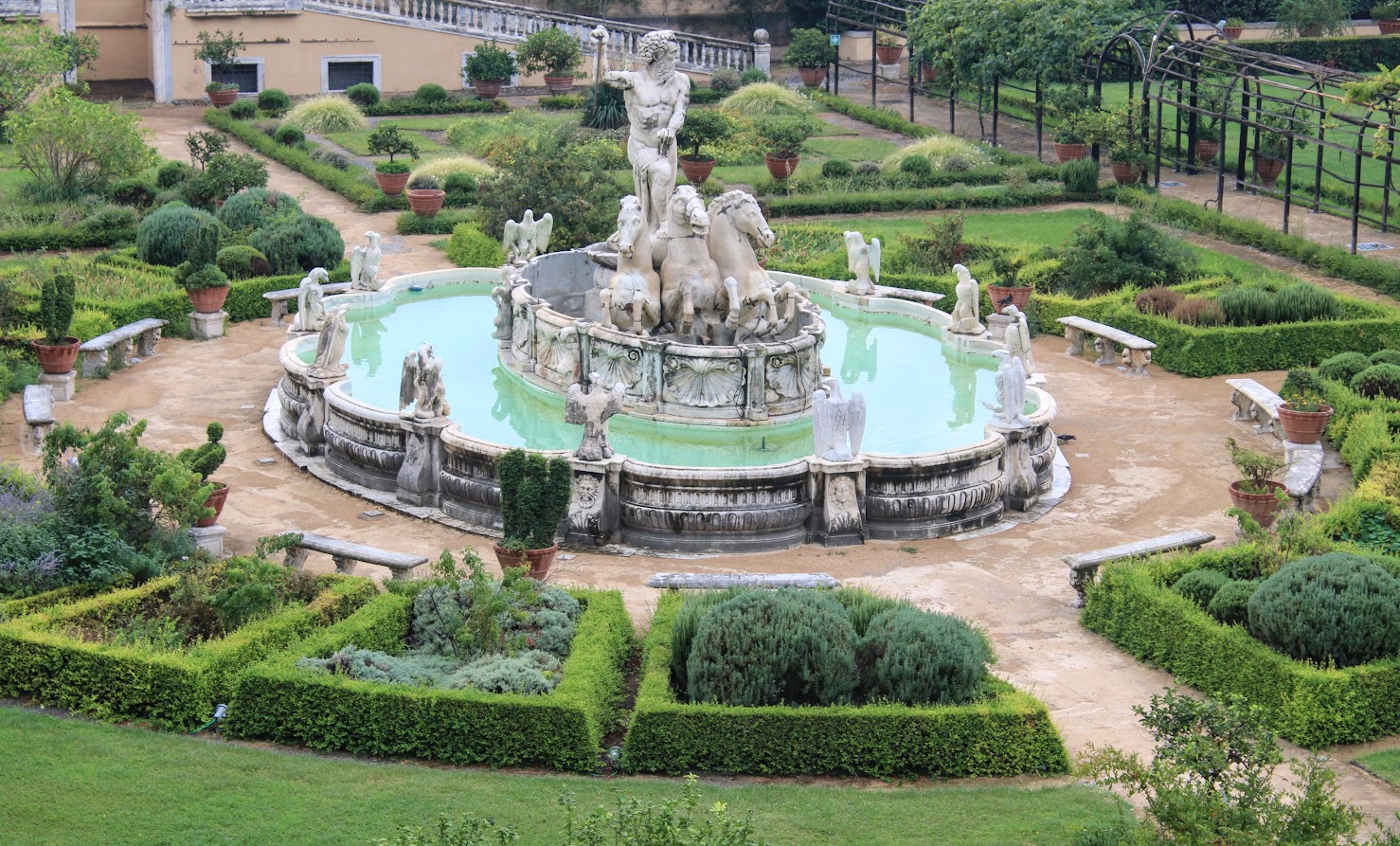
Nettuno è posizionato con le spalle al mare ed è rivolto verso il palazzo. La vasca a dodici lati è decorata con aquile che trattengono fra gli artigli dei serpenti e mostri marini.
La fontana fu realizzata in marmo bianco e le aquile presenti sono un chiaro riferimento allo stemma della famiglia committente Doria.
Il volto del dio non è idealizzato ma richiama le sembianze di Andrea Doria per ribadire la sua egemonia da ammiraglio in mare.

Ora dovete sapere che un tempo il giardino arrivava in prossimità del mare mentre per dare spazio alla viabilità è stato ridotto notevolmente. La fontana era più prossima alle acque marine in precedenza e cocchio di Nettuno sembrava emergesse proprio dai flutti con tutta la sua potenza.
Oggi sembra invece che guardi le auto sfrecciare sullo sfondo con malevolenza, pronto a lanciargli il tridente che tiene saldamente con la mano destra levata verso il cielo. Come dargli torto d’altro canto.

Per il momento il vostro Michelangelo Buonarroti vi saluta dandovi appuntamento ai prossimi post e sui social.

Genoa: the Neptune Fountain of the Prince’s Palace
In the center of the Italian garden of the Palazzo del Principe, in Genoa, stands the Fountain of Neptune which was commissioned by Giovanni Andrea Doria from Taddeo Carlone and built by him and his son Battista between 1599 and 1601.
The fountain is dominated by the god of the sea who drives a shell-shaped chariot pulled by three sea horses.
Neptune is positioned with his back to the sea and is facing the palace. The twelve-sided basin is decorated with eagles holding serpents and sea monsters in their claws.
The fountain was made with white marble and the eagles present are a clear reference to the coat of arms of the client Doria family.
The face of the god is not idealized but recalls the appearance of Andrea Doria to reiterate his hegemony at sea.
Now you should know that once upon a time the garden reached close to the sea while it was significantly reduced to make room for traffic. The fountain was previously closer to the sea waters and Neptune’s chariot seemed to emerge from the waves with all its power.
Today, however, he seems to be watching the cars whiz by in the background with malevolence, ready to throw them the trident which he holds firmly with his right hand raised towards the sky. How can you blame him on the other hand.
For the moment, your Michelangelo Buonarroti greets you and will meet you in future posts and on social media.

Sostienici – Support Us
Se questo blog ti piace e ti appassiona, puoi aiutarci a farlo crescere sempre più sostenendoci in modo concreto condividendo i post, seguendo le pagine social e con un contributo che ci aiuta ad andare avanti con il nostro lavoro di divulgazione. . ENGLISH: If you like and are passionate about this blog, you can help us make it grow more and more by supporting us in a concrete way by sharing posts, following social pages and with a contribution that helps us to move forward with our dissemination work.
10,00 €
-
Pietrasanta: un museo per Fernando Botero
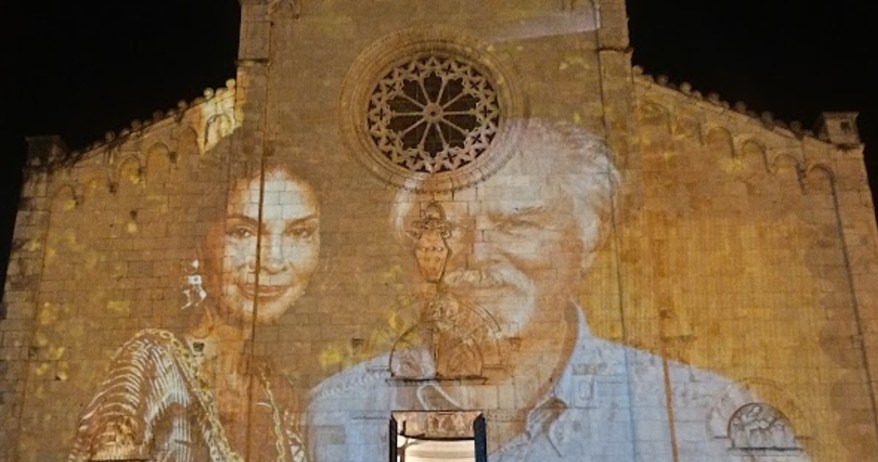
🇮🇹Pietrasanta prepara un museo dedicato a Fernando Botero con circa 90 bozzetti a Palazzo Panichi. Il legame con la città che lo nominò cittadino onorario nel 2001… 🇬🇧Pietrasanta is preparing a museum dedicated to Fernando Botero, featuring around 90 sketches at Palazzo Panichi. This reflects his connection to the city, which named him an honorary…
-
Il ritratto enigmatico di Petrus Christus
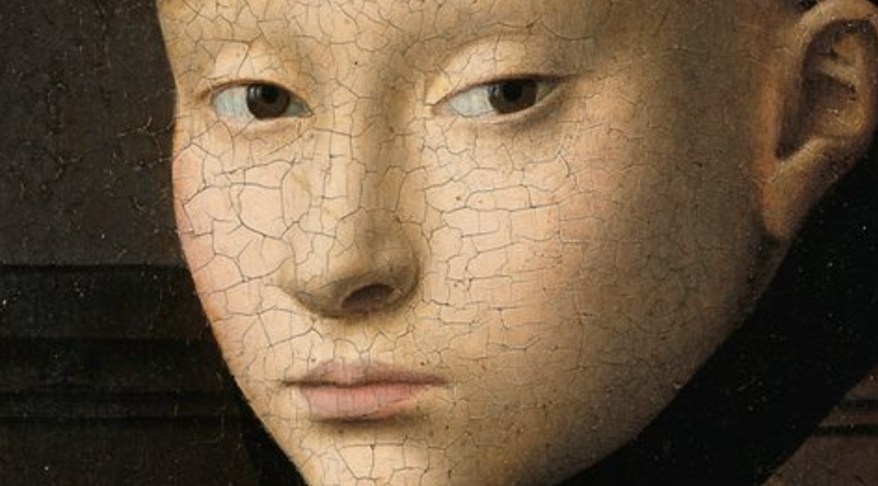
🇮🇹Chi è la giovane ritratta da Petrus Christus? Un volto misterioso, abiti preziosi e la luce del capolavoro fiammingo del 1470… 🇬🇧Who is the young woman portrayed by Petrus Christus? A mysterious face, exquisite attire, and the light of a Flemish masterpiece from 1470…
-
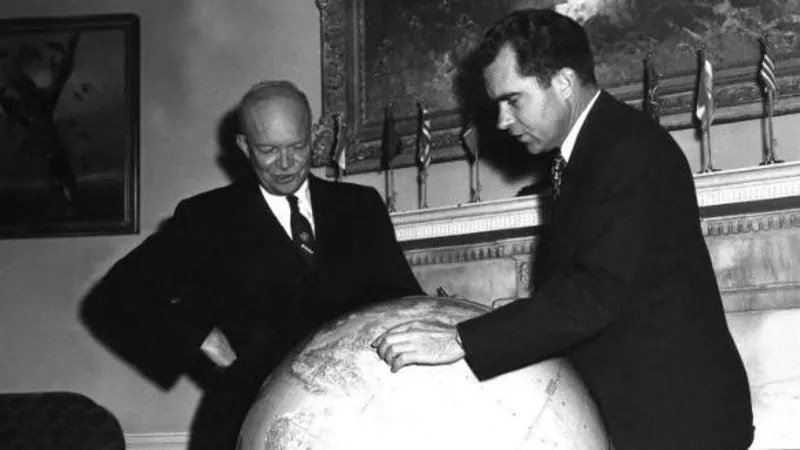
Pentagono, danneggiato il mappamondo legato a Eisenhower: era destinato all’ufficio di Hegseth
🇮🇹Il mappamondo di Eisenhower, cimelio della Seconda guerra mondiale conservato al Pentagono, è stato danneggiato durante un tentativo di trasferimento nell’ufficio di Pete Hegseth… 🇬🇧Eisenhower’s globe, a World War II relic kept at the Pentagon, was damaged during an attempt to move it to Pete Hegseth’s office…
Condividi:


Questo sono io




sostienici

Sostienici – Support Us
Se questo blog ti piace e ti appassiona, puoi aiutarci a farlo crescere sempre più sostenendoci in modo concreto condividendo i post, seguendo le pagine social e con un contributo che ci aiuta ad andare avanti con il nostro lavoro di divulgazione. . ENGLISH: If you like and are passionate about this blog, you can help us make it grow more and more by supporting us in a concrete way by sharing posts, following social pages and with a contribution that helps us to move forward with our dissemination work.
€10,00


